Nuvvon’s energy battery materials and batteries are ideally suited for energy storage applications (Courtesy: Nuvvon)
Nuvvon, innovators in alternative solid-state battery materials, is partnering with Rutgers EcoComplex- Clean Energy Innovative Center and its WindIgnite Offshore Wind Supply Chain Accelerator Program to advance renewable energy storage and sustainable development.
Through the partnership, Rutgers will focus on developing and commercializing Nuvvon’s solutions in energy storage that contribute to the development of a sustainable Offshore Wind (OSW) supply chain and address environmental challenges.
Nuvvon’s energy battery materials and batteries are ideally suited for energy storage applications due to cheaper cost per unit energy compared to current technology lithium-ion batteries. These batteries also can pack more energy into a given volume or weight. Unlike liquid electrolyte batteries, Nuvvon technology is fire resistant for safe use close to buildings, simplifying the supporting local grid network.
“Nuvvon is determined to be in the vanguard of this energy revolution in its home state of New Jersey, providing batteries and battery materials to support wind and solar energy generation,” said Jonathan Lex, Nuvvon Inc.’s Chief Operating Officer. “We identify with Rutgers’ aims for energy justice with fair access for all to cheaper energy.”
“Energy storage is essential in efficient utilization of renewable energy. The collaboration will help drive innovation in renewable energy storage where Nuvvon Inc. can play an essential role,” said Serpil Guran, director of Rutgers EcoComplex.
The need to properly value the high performance of battery storage systems, including their accurate and fast frequency response, is one aspect of a broader need for wholesale electricity market reform in the face of rapidly evolving power systems.
Clean energy finance industry expert Álvaro Ortega is Gazelle Wind Power’s new CFO. (Courtesy: Gazelle Wind Power)
Gazelle Wind Power, the developer of a next generation floating offshore wind platform, has appointed clean energy finance industry expert Álvaro Ortega as Chief Financial Officer (CFO). Ortega is the former vice president of finance at Avangrid Inc., a publicly traded company on the New York Stock Exchange and the U.S. subsidiary of global energy leader Iberdrola.
“Finding someone with a track record like Álvaro’s is rare. Due to his financial expertise and passion for renewable energy, his joining the team is a home run for Gazelle as we enter an exciting phase in our company’s development,” said Gazelle CEO and founder Jon Salazar. “As the financier of one of the first commercial-scale offshore wind projects in the U.S., his impressive résumé and commitment to clean energy development make him ideal for this position.”
As VP of finance at Avangrid, Ortega managed investor relations and treasury for the company, which has a ~$12.1 billion market capitalization. Before that, Ortega served as CFO of Vineyard Wind, where he played a central role in achieving the financial close and commencement of construction for the first commercial-scale offshore wind farm in the United States, the 800MW Vineyard Wind 1.
“There were several factors that drew me to Gazelle, the first being Jon’s passion and the world-class Gazelle team. Moreover, I believe the company is positioned to lead the industry because its technology excels under the most extreme conditions while utilizing fewer resources and less steel compared to its counterparts. Additionally, it offers a simpler assembly process and maintenance, which further enables the competitiveness and acceleration of offshore floating wind. This aligns with what the future of this industry demands,” commented Ortega.
Ortega has an MBA from Babson University, renowned for its entrepreneurship education. He holds a Bachelor of Science in Economics from the University of the Basque Country and a Certificate in Financing and Deploying Clean Energy from Yale University. Ortega will lead all financial aspects of Gazelle’s business as the company focuses on demonstrating its next generation design through a pilot plant in Agucadoura, with renewable energy developer WAM Horizon.
“In offshore development, the focus should not solely be on manufacturing the technology but also on making it affordable, especially during challenging times when supply chain costs have risen,” Ortega said.
The joint industry project encompasses concrete structures, geotechnics, and floating technologies and welcomes additional partners. (Courtesy: DNV )
DNV, the independent energy expert and assurance provider, has launched a new Joint Industry Project (JIP) called Concrete FLOW that will optimize requirements for concrete floaters, specifically tailored for floating offshore wind farms.
At the kick-off meeting 14 key partners committed to redefining global standards for the production of concrete floaters in the offshore wind industry. The collaborative results are earmarked for incorporation into future DNV service documents.
Concrete FLOW aims to drive innovation by uniting key industry players. “This initiative symbolizes a collaborative effort to set new standards and challenge existing ones, laying the groundwork for the future of floating wind,” said Kim Sandgaard-Mørk, Executive Vice President for Renewables Certification at DNV.
Concrete floaters pose special challenges, such as leak proofness, which govern the design of the floater. Balancing controlled cracking of concrete structures to maintain floatability and ensure long-term durability is crucial. DNV sees concrete floaters as a cost-effective and environmentally friendly alternative to steel floaters, particularly for larger turbines.
Notably, Concrete FLOW is the first JIP dedicated to concrete floaters for floating offshore wind. Its objective is to customize standard requirements for industrial production to enable serial production. The goal is to reduce costs and streamline the manufacturing process.
The project encompasses concrete structures, geotechnics, and floating technologies and welcomes additional partners.
The team anticipates conducting activities over a period of 1.5 to 2 years, gathering additional support offers to solidify the JIP’s scope and impact.
Global technology and software leader Emerson has launched the DeltaV™ Edge Environment, a first-of-its-kind integrated software solution that expands the capabilities of the evolving DeltaV automation platform to provide an operational technology (OT) sandbox for data manipulation, analysis, organization and more.
Teams can deploy and execute applications to run key artificial intelligence (AI) engines and analytics close to the data source with seamless, secure connectivity to contextualized OT data across the cloud and enterprise. The DeltaV Edge Environment empowers teams to more quickly deliver operational improvements tied to productivity, sustainability, and other business objectives.
Emerson’s DeltaV™ Edge Environment, a secure-by-design solution, maximizes the accessibility of contextualized DeltaV data across the enterprise to fuel deeper operational insights. (Courtesy: Emerson)
Valuable data in intelligent devices, machines, and systems helps enable enterprise-wide analytics, expands operational insight and feeds the AI engines catalyzing innovation. However, OT data is often trapped beneath layers of systems and networks, adding complexity and removing meaningful context. The DeltaV Edge Environment expands the horizons of the distributed control system (DCS), creating a secure data superhighway where users can seamlessly socialize contextualized data directly with cloud and enterprise applications while also leveraging a built-in execution sandbox — a testing environment for critical innovation tasks such as generating dashboards, running applications, and training AI tools.
“Operations and IT increasingly rely on data from the control system to optimize production and increase intelligence for OT improvements, sustainability, and other digital transformation initiatives,” said Claudio Fayad, vice president of technology for Emerson’s process systems and solutions business. “The DeltaV Edge Environment is the first step in defining the control system of the future, extending the DeltaV DCS with the capability to move data and configuration easily and securely while simultaneously empowering users to drive innovation as they safely run applications and scripts inside the DCS.”
The DeltaV Edge Environment helps production teams meet their need to more easily and securely engage with automation data and manipulate it into actionable information to steer digital transformation. A single, encrypted, outbound-only flow of data helps authorized users ensure they have constant access to near real-time data without risk of users accessing the control system — a common risk with traditional custom-engineered solutions. Users can run applications for visualization, analytics, alarm management, digital twin simulations, and other needs with the contextualized data available on the DeltaV Edge Environment. OT teams will know the rich data they use is a precise replica, always up to date and fully reflective of the current operating condition.
The DeltaV Edge Environment leverages open, common protocols such as OPC Unified Architecture (OPC UA) to provide contextualized data while standard application programming interfaces such as representational state transfer architectural style (REST API) and scripting tools such as Python provide the sandbox environment in which users can design and run applications.
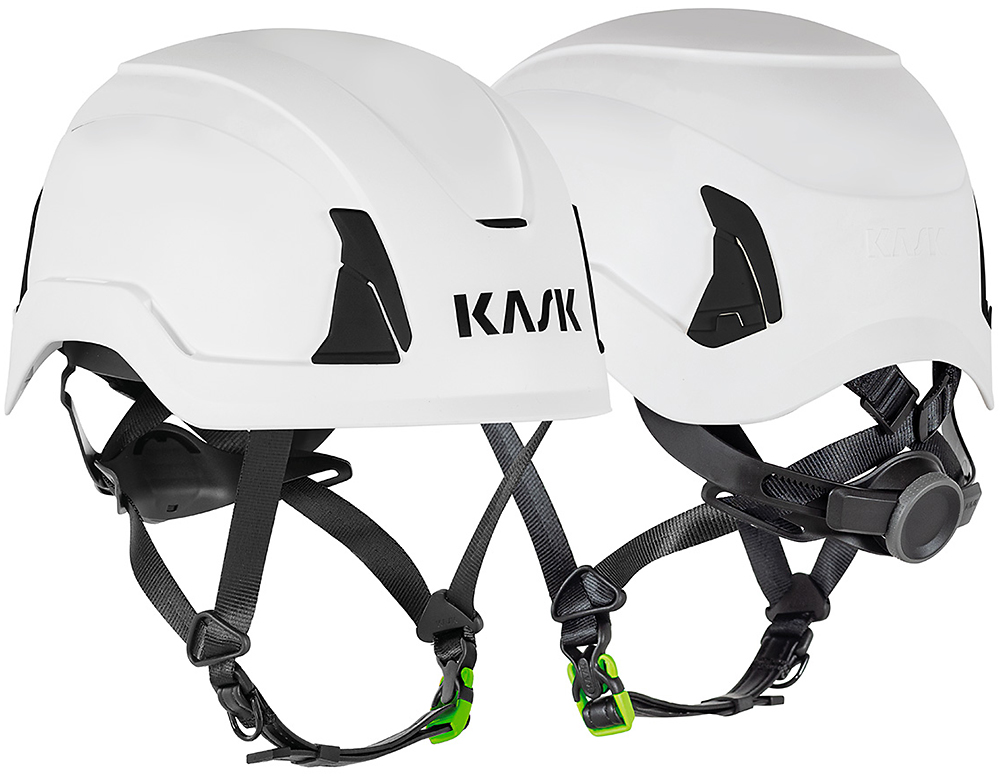
The new Primero series is the result of 20 years of KASK helmet design and manufacturing innovations. (Courtesy: KASK)
KASK, a designer and manufacturer of head protection, has introduced its Primero series of safety helmets for the U.S. and Canadian markets.
After the successful launch to the EU market, KASK introduced two new Primero versions, one compliant with the American National Standard for Industrial Head Protection ANSI/ISEA Z89.1-2014 and the other with the Canadian standard for Industrial Protective Headwear CSA Z94.1-15.
“The strategic launch of Primero expands our product portfolio, allowing KASK to support even more users’ needs for upgraded head protection. As we move forward, Primero will be an important part of the KASK mission to enhance safety and performance in the workplace,” said Fabio Cardarelli, KASK America CEO.
The new Primero series is the result of 20 years of KASK helmet design and manufacturing innovations. This history enabled KASK to develop a helmet that optimized key components, making manufacturing more efficient, while maintaining comfort and safety that has become the brand’s calling card.
Primero was developed to provide advanced head protection that was easy to use for a wide variety of wearers in a wide variety of applications. To aid in this goal, Primero series helmets are ready-made to accept a range of KASK safety accessories, including many that are used with the well-known Zenith X series helmets. Primero safety helmets are available in vented and closed shell and in a variety of colors.
“Companies told us they wanted a helmet that provided an easy path to upgrade their level of protection from a hardhat,” said Alex Dabelstein, VP of Sales, KASK America. “The Primero provides this path, in a lightweight helmet that utilizes proven KASK comfort and design technologies, while maintaining KASK’s commitment to worker safety and performance.”
Vestas has named Anne Pearce as its new Chief People & Culture Officer. (Courtesy: LinkedIn)
Vestas has appointed Anne Pearce to the position of Chief People and Culture Officer. Beginning in January 2024, Pearce will become Executive Vice President of People & Culture and will join Vestas’ executive management team.
Pearce comes from a position as Vice President of Human Resources at Shell plc, one of the world’s energy majors. In the role, Anne Pearce will lead the continued development of Vestas’ P&C organization and efforts to attract, develop, and retain employees.
Prior to joining Shell, Pearce built her international profile through HR leadership roles within industrial companies in North America, EU and Asia Pacific.
”We’re excited to welcome Anne to Vestas to lead People & Culture and take our P&C organization, services and operations as well as leadership across the company to the next level. The energy transition requires us to have the right people at the right time and place and elevating our P&C organization further is key for us to create the organization and operations that allow us to grow sustainably in the future. Anne is a seasoned international profile that brings a wealth of experience from leading companies, including an energy major like Shell, and we look forward to having her on team Vestas,” said Henrik Andersen, Vestas President and CEO.
“I am delighted to be joining Vestas as CPCO and excited to be part of the Vestas’ journey to become the global leader in sustainable energy solutions. I look forward to working closely with Executive Management and the People & Culture management team and organization on building Vestas’ organizational capability and leadership to thrive in the energy transition,” said Pearce.
Pearce was born in New Zealand before moving to Australia and now lives in the United Kingdom. Prior to joining Vestas, she had leadership positions in AXA, Bluescope Steel, ArcelorMittal and Shell. As part of joining Vestas, she will relocate to Denmark.
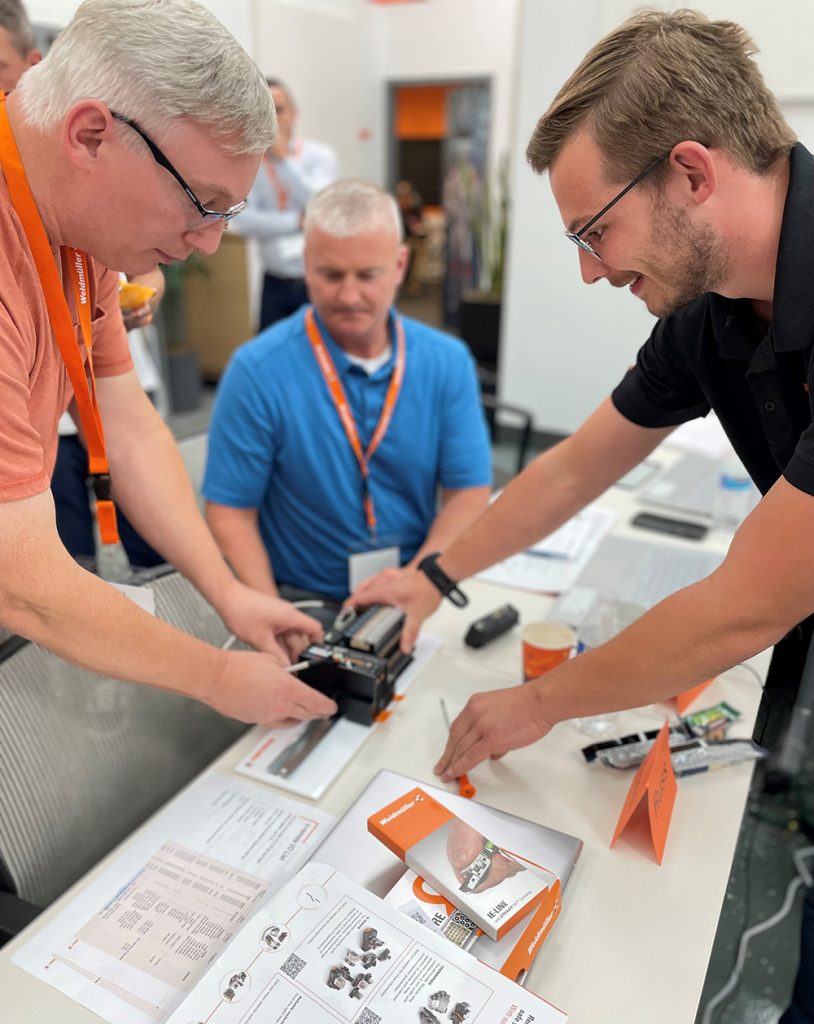
Lars Hohmeier (right), a Cabinet Products manager at Weidmuller USA, provides hands-on instruction about cabinet box products for attendees at a Distributor Connect training session. (Courtesy: Weidmuller USA)
Weidmuller USA has introduced Distributor Connect, a highly customized distributor training experience. This program is designed to elevate training for Weidmuller USA’s partner distributors to an unprecedented level of immersion into the company’s extensive lines of smart industrial connectivity products and solutions.
Distributor Connect sessions are held at The Weidmuller Application & Training Center at the company’s U.S. headquarters in Richmond, Va. The monthly, multi-day interactive training experience is structured to provide distributors with a deeper understanding of Weidmuller’s products, automation technology and solutions.
“The distributors meet and interact in-depth with our product managers and skilled trainers who present all the products and solutions their customers need,” said Caroline March-Long, Director of Marketing and Market Intelligence for Weidmuller USA. “Attendees participate in hands-on demonstrations of our automation and connectivity products. Also, this unique master class for distributors simulates real-world problem solving that will enhance their knowledge and professionalism.”
“The Distributor Connect training program adds tremendous value to the relationship that we have with our distributors in North America,” Tom Neff, Director of Distribution Sales. “We want them to experience for themselves that Richmond, Va., is the destination for a deep dive into the application-specific solutions and future-oriented products that have made Weidmuller a pioneer and global leader in smart industrial connectivity and automation technology.”
March-Long said that a new Advanced track will be launching in 2024 as part of the company’s investment in providing opportunities for product training. “The Advanced track is even more technical and will focus on automation and Industrial IIoT for automation engineers,” March-Long said.
The Weidmuller Application and Training Center is a smart connectivity and automation training program for employees, customers and other partners across North America.
Katrick’s wind panels can be fitted to existing structures, greenfield sites, and microgrids. (Courtesy: Katrick Technologies)
Glasgow-based greentech company Katrick Technologies has developed a new form of wind power technology that does not use rotary parts. Katrick Technologies’ Wind Panel instead uses the ducting effect and converts mechanical oscillations into clean energy. The principles of the ducting effect used to develop DWTs apply to the Wind Panel and have been instrumental in the development, patenting and validation of the technology.
The Wind Panel uses several channelling ducts containing aerofoils. These aerofoils convert the kinetic energy of wind to mechanical oscillations, which are then converted to energy.
The aerofoils operate independently from one another, in contrast to the rotary blades of a turbine. Energy is collected in smaller pockets, meaning that unlike traditional rotary technology, the Wind Panel can capture instantaneous changes in wind speed and direction. This makes the panels sensitive to gust winds and a higher range of speeds and frequencies than turbines.
Thanks to the unique design and ability to capture a wider variety of winds, the panels can be fitted to existing structures, greenfield sites, and microgrids. They can be installed at ground level to capture ground-effect winds and benefit from the increased flow rate found in previous research.
The Wind Panels provide a new solution for wind energy in locations where traditional turbines are not viable.
Windscope is developing tools to enable asset managers to pair their inventory data with predictive maintenance data. (Courtesy: Windscope)
More effective integration of predictive maintenance data and inventory data from component suppliers will be central to mitigating the impact of supply chain challenges on operational wind energy projects. This is according to Windscope – a hardware-free platform for maximizing wind turbine health and availability.
At present, the wind industry faces a multitude of pressures in the face of inflation and the after-effects of the COVID-19 pandemic, which has disrupted manufacturing and stretched supply chains.
“To further the goals of the industry in a challenging economic climate, we need to create a more transparent environment in which predictive analytics can be used to optimize maintenance of assets, taking into account lead times for components and supply shortages. Ability to understand component condition is the keystone around which an optimized supply chain can start to form,” said Joe Donnelly, Windscope CEO.
“The immediate benefits of such an approach are clear, but there is also huge potential for exciting innovations, such as live tracking of component prices for asset owners, enabling them to make well-informed procurement decisions and secure components at the most favorable pricing. In the future, we could even see automated ordering of components based on condition, further streamlining the procurement process, and reducing the administrative burden on stretched asset management and engineering teams.”
Windscope is developing tools to enable asset managers to pair their inventory data with predictive maintenance data.
“By creating stronger connections between operators and their supply chain, we can help overcome the challenges posed by aging fleets, increased lead times, and rising costs, ultimately ensuring the continued growth of renewable energy,” Donnelly said.
To address these challenges and promote efficient management of tight inventory schedules, Windscope has called for closer partnerships in the 3rd party and OEM supply chains, in particular between asset managers and their component suppliers, facilitated by predictive maintenance software platforms.
By gaining access to component health data from operational fleets, suppliers will be able to anticipate when these components require replacement, enabling more efficient inventory management and procurement planning. In turn, keeping asset owners updated on a live basis about component stocks and their availability can help to reduce unplanned downtime, and enable asset managers to better prioritize maintenance.
As part of the Biden-Harris administration’s goal of deploying 30 GW of offshore wind-energy capacity by 2030 and 15 GW of floating offshore wind by 2035, the Bureau of Ocean Energy Management (BOEM) recently identified a Draft Wind Energy Area (WEA) in the Gulf of Maine, opening a 30-day public review and comment period.
The Draft WEA covers about 3,519,067 acres offshore Maine, Massachusetts, and New Hampshire, ranging from around 23-120 miles off the coast. A map of the Draft WEA is on BOEM’s Gulf of Maine webpage.
“BOEM will continue to prioritize a robust and transparent planning process, including engagement with Tribal governments, federal and state agencies, the fishing community and other ocean users,” said BOEM Director Elizabeth Klein. “BOEM strives to minimize potential impacts and will continue working hard to finalize offshore areas that have strong resource potential and the fewest environmental and user conflicts.”
President Biden’s Investing in America agenda is growing the American economy from the middle out and bottom up — from rebuilding infrastructure, to driving more than $500 billion in private sector manufacturing and clean-energy investments in the United States, to creating jobs and building a clean-energy economy that will combat the climate crisis and make communities more resilient.
The Gulf of Maine has significant opportunities for offshore wind-energy development, which will create good-paying jobs and new economic activity. Due to the deep waters within the Gulf of Maine, these areas are also an opportunity to accelerate U.S. leadership in floating technologies.
Since the start of the Biden-Harris administration, BOEM has approved the nation’s first four commercial scale offshore wind projects, held four offshore wind lease auctions — including a record-breaking sale offshore New York and the first-ever sale offshore the Pacific and Gulf Coasts, initiated environmental review of 10 offshore wind projects, and advanced the process to explore additional wind energy areas in Oregon, Gulf of Maine, and Central Atlantic. The department has also taken steps to evolve its approach to offshore wind to drive toward union-built projects and a domestic based supply chain.
The Draft WEA has a capacity of more than 40 GW, which exceeds the current combined offshore wind-energy planning goals for the Gulf of Maine states: 10 GW for Massachusetts and 3 GW for Maine. Future adjustments to the Draft WEA will likely be made after incorporating feedback during the comment period, while striving to retain sufficient area to meet the Gulf of Maine states’ planning goals.
To identify the Draft WEA, BOEM worked collaboratively with the National Oceanic and Atmospheric Administration’s National Centers for Coastal Ocean Science to develop an ocean planning model that identifies and minimizes conflicts with coastal and marine resources and ocean users. BOEM also met with and incorporated feedback from Tribes, fishers, and the public to refine the model and inform the potential offshore locations that appear most suitable for floating offshore wind energy development.
The Draft WEA avoids Lobster Management Area 1 and all North Atlantic Right Whale Restricted Areas. The Draft WEA also avoids other important fishing areas and habitats, including important groundfish areas east of the Western Gulf of Maine Closure and within the 10-kilometer buffer from Georges Bank, Platts Bank, Parker Ridge, and Three Dory Ridge. In response to initial conversations with Tribal Nations within Maine, the Draft WEA strives to avoid a majority of the historic and present fishing grounds of those Tribes. BOEM will continue to consult with all Tribal Nations and other stakeholders who have an interest in the region to understand their concerns with potential offshore wind energy development and minimize conflicts.
BOEM also seeks comments on whether to add all or parts of three secondary areas identified for additional analysis but not part of the Draft WEA.
During the 30-day public comment period that began October 19, 2023, BOEM will hold a series of public meetings to outline data and information used to inform the Draft WEA and to discuss next steps.
To comment on the Draft WEA go to regulations.gov and search for docket number BOEM-2023-54. BOEM will accept comments through 11:59 p.m. ET, November 20, 2023.
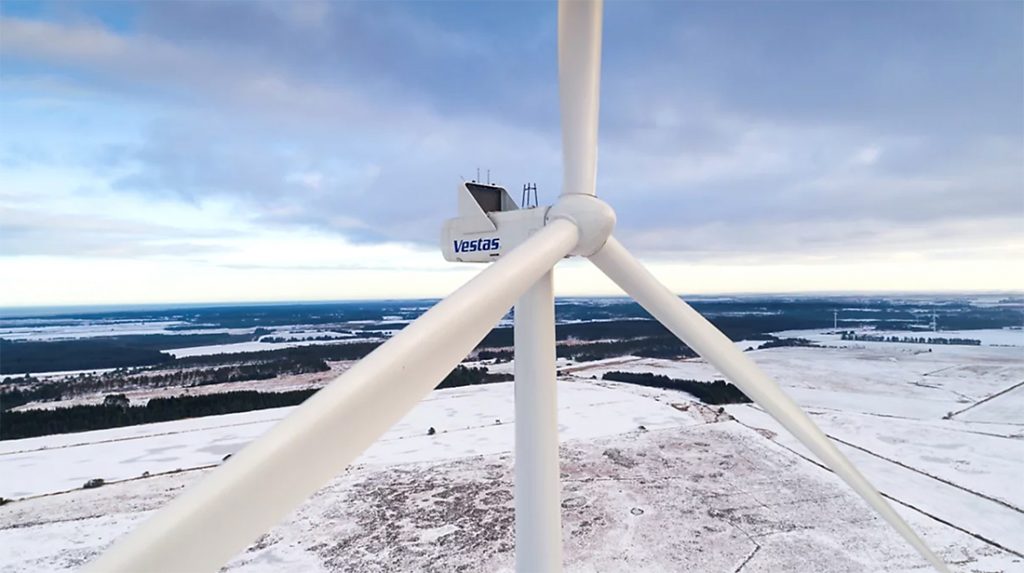
Vestas has repowered more than 1 GW of U.S. projects in the last five years. (Courtesy: Vestas)
Vestas has received a 90 MW order to repower an undisclosed wind project in the U.S. The order consists of 20 V150-4.5 MW wind turbines.
The order includes supply, delivery, and commissioning of the turbines, as well as a multi-year Active Output Management 5000 (AOM 5000) service agreement, designed to ensure optimized performance of the assets.
In the U.S., Vestas has repowered more than 1 GW of projects in the last five years across all major turbine brands.
Turbine delivery begins in the second quarter of 2024 with commissioning scheduled for the fourth quarter of 2024.
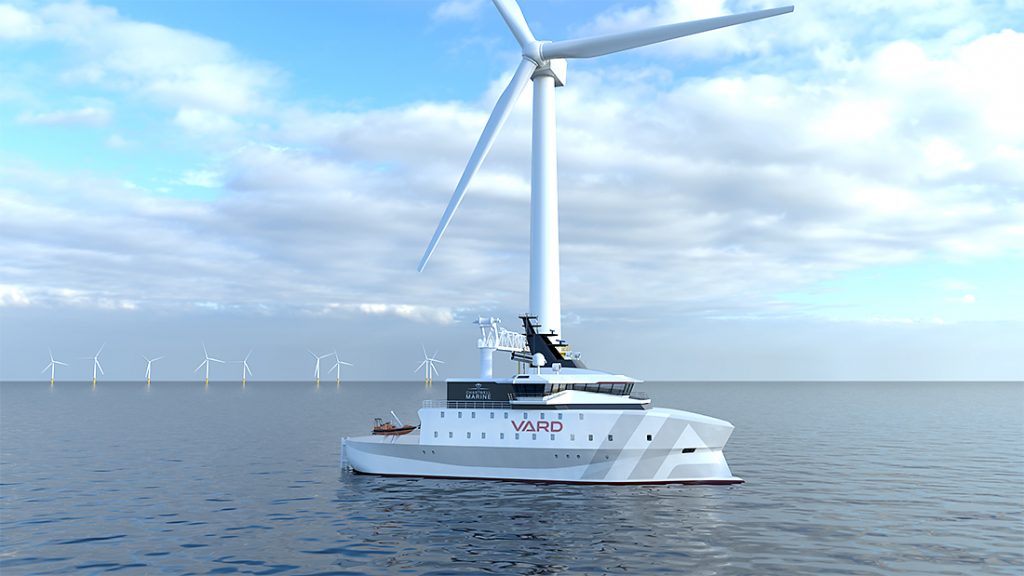
Chartwell Marine and VARD have announced a partnership to introduce the Midi-SOV, a 55-metre offshore wind. (Courtesy: VARD)
Chartwell Marine, UK pioneer of next-generation vessel design, announced a partnership with VARD, a designer and shipbuilder of specialized vessels, to introduce the Midi-SOV: a 55-meter offshore wind craft. Coming to both the U.S. and European markets in 2024, the vessel represents the combined expertise of the respective crew transfer vessel (CTV) and SOV design leaders, providing a solution to the challenge of expanding wind power across the globe.
As the offshore wind industry continues to grow, the demand for larger CTVs has surged, with larger teams of technicians operating on increasingly scaled-up turbines. However, owing to challenges in seakeeping and hospitality, merely increasing the dimensions of current CTV designs to create more capacity is not feasible.
“Never before has there been such a pressing need to develop offshore wind vessels that are reactive to evolving operational and financial conditions. Far from being a disaster, we see the failure of the UK’s Round 5 offshore wind CfD auctions as an opportunity for the maritime industry to respond to the fact that developer costs are skyrocketing,” said Andy Page, Chartwell Marine director.
“The Midi-SOV offers a cost-efficient alternative to full-sized SOVs, contributing to the industry’s overall sustainability. We’re putting a strong emphasis on having these vessels manufactured locally, with US-built vessels Americanized for the U.S. market and Europe-built vessels for European operations. Chartwell is leading the charge in CTVs; VARD are a pioneer in the SOV space — so the Midi-SOV is the best of both worlds,” said Page.
The Midi-SOV has been designed to prioritize stability and operability, and to be a cost-effective solution as the offshore wind industry tackles high inflation and increasing costs in its development pipeline. In taking the Midi-SOV design forward, Chartwell started from scratch, taking into consideration the insights of vessel owners, technical suppliers, and wind farm operators to meet the changing needs of the industry.
Proportioned for offshore wind, the vessel’s size hits the “sweet spot” for commercial and operational viability. It incorporates a low waterplane shape that broadens above waterline, minimizing and dampening roll motion. This allows the vessel to remain stable during operations, facilitating walk-to-work capabilities that were previously challenging for smaller scaled traditional SOV forms. Workability and comfort are bolstered by a superstructure that boasts a capacity of 36 single bunk cabins for SPS crew, 20 crew cabins, and extensive crew facilities, which include a gym, auditorium, meeting rooms, and day rooms.
With a strong focus on energy efficiency, this vessel can be equipped with methanol-diesel dual-fuel engines, electric propulsion, and a supporting energy storage system. Its design, balanced displacement, and advanced features position the Midi-SOV as a versatile and forward-thinking solution for offshore wind, marrying crew well-being and environmental responsibility with resolutely high performance.
To prove the Midi-SOV’s suitability, extensive simulation and model testing was conducted in collaboration with Seaspeed Marine Consulting. Throughout the development phase, Chartwell received support from marine firms, including Clarksons, North Star, Seaspeed and Voith. VARD, after conducting due diligence on the vessel design in summer 2023, recognized its potential and committed to developing the design to market.
“With the introduction of the Midi-SOV, Chartwell Marine and VARD are leading the way in opening up a new segment in the offshore wind industry enabling sustainable business at sea, bringing forth a vessel that combines innovation, efficiency, and sustainability. Our partnership signifies a commitment to providing operators with state-of-the-art solutions that slot into new and specialised roles that are emerging in markets across the globe,” said Runar Vågnes, VARD senior vice president, sales.
US Wind’s proposal for all three phases in the Maryland project includes installation of up to 121 turbines. (Courtesy: BOEM)
The Bureau of Ocean Energy Management (BOEM) has announced the availability of the draft Environmental Impact Statement (EIS) for the proposed Maryland Offshore Wind Project. If approved, the project could generate between 1,100 and 2,200 megawatts of clean, renewable energy to the Delmarva Peninsula, which could power up to 770,000 homes.
“Today’s announcement represents another milestone under this administration’s commitment to promoting clean energy production and fighting climate change, while ensuring our efforts are done in a transparent and inclusive manner,” said BOEM Director Elizabeth Klein. “We value the knowledge we receive from Tribal nations, other government agencies, environmental organizations, local communities, ocean users, and others. Working together, we can reduce conflicts and establish a strong foundation for offshore wind energy projects moving forward.”
An Oct. 6 notice will open a 45-day public comment period that ends at 11:59 p.m. ET on Nov. 20, 2023. The input received during the comment period will inform preparation of the final EIS.
BOEM will use the findings of the final EIS to inform its decision on whether to approve the project’s Construction and Operations Plan, and if so, what mitigation measures to require.
President Biden’s Investing in America agenda is growing the American economy from the middle out and bottom up – from rebuilding the nation’s infrastructure, to driving more than $500 billion in private sector manufacturing and clean energy investments in the United States, to creating good-paying jobs and building a clean energy economy that will combat the climate crisis and make communities more resilient.
US Wind, Inc. is seeking approval for the construction and operation of the Maryland Offshore Wind Project, which includes three planned phases. Two of those phases, MarWin and Momentum Wind, have offshore renewable energy certificates from the State of Maryland.
US Wind’s proposal for all three phases includes installation of up to 121 turbines, up to four offshore substation platforms, one meteorological tower, and up to four offshore export cable corridors with landfall occurring within Delaware Seashore State Park.
The lease area is about 8.7 nautical miles offshore Maryland and about 9 nm from Sussex County, Delaware.
If approved, the development and construction phases of the project could support up to an estimated 2,679 jobs annually over seven years.
The DOE’s funding opportunity supports development of offshore renewable energy by funding research to improve environmental compatibility of deployments in all regions of U.S. waters. (Courtesy: Department of Energy)
The U.S. Department of Energy’s Wind Energy Technologies Office and Water Power Technologies Office and the Department of the Interior’s Bureau of Ocean Energy Management and Bureau of Safety and Environmental Enforcement are providing $16.4 million in funding for installation noise reduction and reliable moorings for offshore wind and marine energy. Projects will also be managed in collaboration with the National Oceanic and Atmospheric Administration’s National Marine Fisheries Service.
This funding will support accelerated and responsible development of offshore renewable energy by improving the integrity and monitoring of mooring lines for floating offshore wind energy systems and marine energy converters, as well as by reducing or avoiding noise generation and propagation during the installation of fixed-bottom offshore wind foundations.
This FOA supports accelerated and responsible development of offshore renewable energy by funding research to reduce risk and improve environmental compatibility of deployments in all regions of U.S. waters including the Atlantic Ocean, Pacific Ocean, Great Lakes, and the Gulf of Mexico. This includes research into the integrity and monitoring of mooring lines for floating offshore wind energy systems and marine energy converters, as well as reducing or avoiding noise generation and propagation during the installation of fixed-bottom offshore wind foundations.
Projects awarded under this funding opportunity will support the Biden-Harris Administration’s goals of a carbon-free electricity sector by 2035 and a net-zero-emissions economy by 2050. This funding program also supports the Biden administration’s goals to deploy 30 gigawatts of offshore wind energy by 2030.
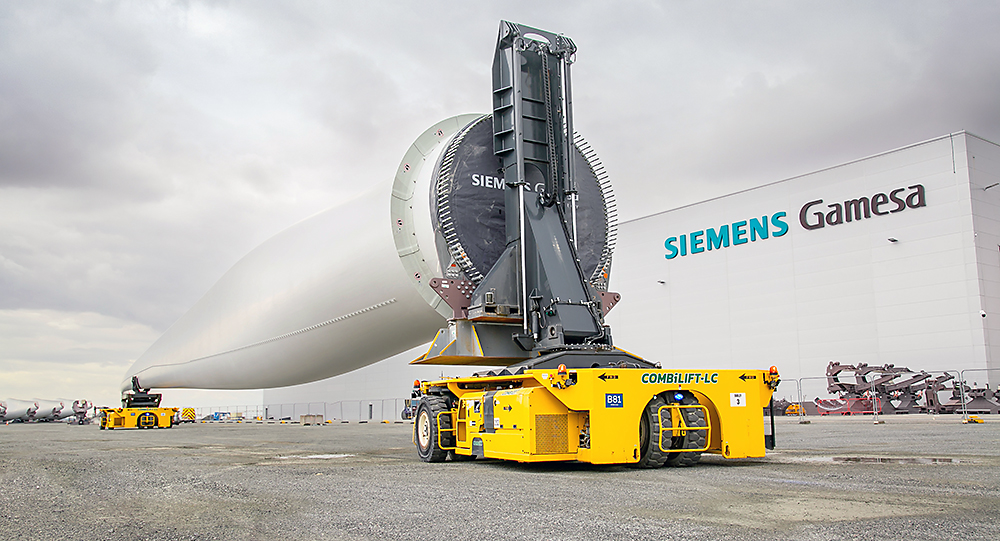
The Combi-LC, designed at Combilift’s HQ and manufacturing plant in Ireland, in collaboration with Siemens Gamesa, allows for the movement of wind turbine blades and towers. (Courtesy: CombiLift)
Combilift, the largest global manufacturer of multidirectional, articulated forklifts and straddle carriers, has announced its move into the offshore wind sector with the launch of a new product designed to meet the load handling demands of large scale offshore wind manufacturers.
As the green energy sector sees a surge in larger wind turbine components, including towers and blades, Combilift joined forces with industry leaders to engineer safe, stable, efficient lifting and storage solutions across its supply chain.
The Combi-LC, designed at Combilift’s HQ and manufacturing plant in Ireland, in collaboration with Siemens Gamesa, allows for the movement of wind turbine blades and towers, some as long as 115m and weighing in at around 70 tons, through production stages and on to storage locations, which can sometimes be as far as 5km apart.
The concept of bespoke Load Carriers (patent pending design) is based on two fully customizable remote-control units with low-level chassis beds that can work in tandem master and slave operation, with dimensions and wheel configurations that vary according to load type and weight.
Siemens Gamesa, one of the world’s largest offshore wind suppliers, has become the first company to leverage the new technology by signing a multi-million order for a number of the bespoke Load Carriers, and Combilift is in active discussions with other offshore wind companies with similar demands.
Combilift expects to generate more than €50m in revenue per year in this market segment by 2026.
“We are thrilled to have launched this new product, the Combi-LC, and we hope it will act as a gateway for us to further progress within our venture into the wind energy sector. The scale of offshore wind projects around the world leads to a very unique set of challenges, one of which being the ability to transport the very large components that make up a wind turbine. We recognized this and used our expertise in load handling to develop a solution to support those in the industry. The product is specifically made to order and therefore can be uniquely customized to fit specific applications,” said Josh Moffett, heavy equipment manager at Combilift.
“Over the past 25 years, Combilift has made a very important impact to the Irish economy. Combilift is a visionary company in every sense and I’m delighted that the Irish government, through Enterprise Ireland, has supported Combilift through its incredible 25-year journey,” said Heather Humphreys, minister for rural and community development.
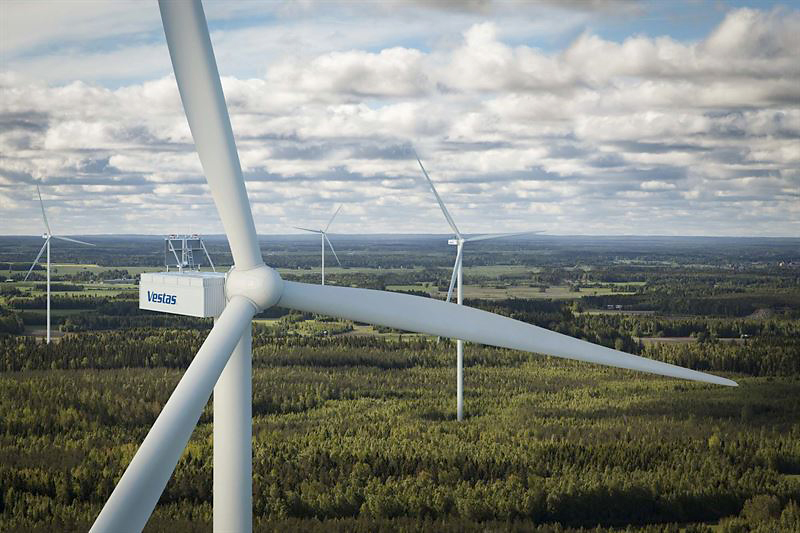
Turbine delivery to repower the Downeast Wind project begins in the second quarter of 2024 with commissioning scheduled for the fourth quarter of 2024.
Vestas has received a 126-MW order to repower the Downeast Wind project owned by Apex Clean Energy in Maine. The order consists of 30 V150-4.2 MW wind turbines.
The order includes supply, delivery, and commissioning of the turbines, as well as a multi-year Active Output Management 5000 (AOM 5000) service agreement, designed to ensure optimal performance of the asset.
“Our strong partnership with Apex Clean Energy continues to bring wind energy to local communities across the U.S., and we look forward to the Downeast Wind project creating clean energy for the state of Maine,” said Laura Beane, president of Vestas North America. “With our industry-leading 4-MW platform, one of the most popular platforms sold globally, we’ll help bring Maine one step closer to achieving its goal of 80 percent of its energy coming from renewable sources by 2030 and 100 percent by 2050.”
“Our longstanding partnership with Vestas is pivotal to realizing our mission to accelerate the shift to clean energy across the country,” said Ken Young, CEO of Apex Clean Energy. “As our portfolio expands, we remain committed to building renewable energy projects that not only accelerate the transition, but also directly benefit the communities we work with.”
Turbine delivery begins in the second quarter of 2024 with commissioning scheduled for the fourth quarter of 2024.
Vestas Wind Systems has signed a conditional agreement to supply turbines for an onshore U.S. project. (Courtesy: Vestas Wind Systems)
Vestas Wind Systems has signed a conditional agreement for the supply of turbines for an onshore project in the U.S. with a capacity above Vestas’ current disclosure threshold of 1 GW.
If and when the agreement translates into a firm and unconditional order, Vestas will disclose that news in a company announcement, in accordance with the company’s disclosure policy.
CMaS Evolution is an integral part of Service 360. Plant operators have all turbine information constantly available and can optimize operation. (Courtesy: Winergy)
Winergy has introduced Service 360, a service concept for wind turbine drivetrains. Thanks to multi-brand service, digital services and the unique positioning as a system provider, it is the most comprehensive service concept in the market for wind drives. Winergy, the wind brand of the drive specialist Flender, offers turbine manufacturers and wind farm operators a one-stop solution for the entire drivetrain from gearbox to generator.
Today, wind is the cheapest energy form. Nevertheless, turbine OEMs and energy companies are trying to generate the maximum energy output at even lower costs. Efficient management of wind farms is essential to harness the available wind resources while minimizing downtimes.
With Service 360, Winergy offers a service concept for drivetrains that can be individually adapted to the respective customer need. It is unique in the wind market and the result of many years of cooperation with turbine manufacturers and wind farm operators. The service offering includes key innovations that cover the entire drivetrain, including the generator, and extends to servicing gearboxes from other manufacturers. Winergy is thus able to cover more than one hundred different turbine types and 130 gearbox models. Customers benefit from experience of the leading manufacturer of drive systems, regardless if it is a Winergy product or not.
Partners receive a complete package beyond the products. In terms of service, it is crucial to be close to the wind farms. Winergy covers all major wind markets in the world with its network of manufacturing and service locations. The integration of Moventas locations has expanded the presence further. Service 360 is thus available quickly and at any time. Service 360 also offers service for every point in the turbine’s life cycle, from installation, maintenance and repair to partial repowering, i.e. increasing the power of the wind turbine by upgrading individual components or the entire drivetrain.
“With this flexible multi-brand service, we focus on many gearbox and turbine brands and can thus serve drivetrains of entire wind farms. Service 360 can be applied to all turbine types with their various gearbox and generator types,” said Aarnout Kant, Winergy President.
Digital condition monitoring is an integral part of many wind farms. Operators use it to monitor and analyze their turbines. Winergy’s CMaS Evolution goes beyond this and offers customers a digital all-round service. It is part of Service 360 and for the first time fully compatible with already installed hardware. The end-to-end solution offers customers all important services, from the condition of the turbine to concrete recommendations for action to the delivery of spare parts at the right time and place.
CMaS Evolution is based on the further development of the successful Moventas CMaS Service and, thanks to Winergy’s unique position as a system provider, covers all components of the driveline from the main bearings to the transmission and generator. Existing systems can be connected without changing the infrastructure. Customers receive access to a digital portal in which all information about the turbines and services can be viewed transparently. The scope of the required services is based on the needs of the customers and can be individually adapted.
Cross-turbine algorithms also allow conclusions about the condition of the sub-systems and components outside the drivetrain. CMaS Evolution offers everything in one place: recommendations for operation, condition reports, instructions, required spare parts and their availability, as well as the planning of service calls.
“Service 360 combines everything our customers and partners need: service for all their turbines and drive types. For the entire drivetrain and not just for individual components such as the gearbox or the generator. Plus, it is available everywhere in the world. With CMaS Evolution, we are also leveraging the full potential of digital intelligence to further increase the efficiency of wind farms. In addition to wind gearboxes, generators, direct drive segments as well as wind couplings, Winergy has long been known for its extensive service portfolio,” said Antti Turunen, Wind Service vice president.
The Service 360 package also offers original spare parts, replacement of drivetrain components, workshop repairs at one of Winergy’s worldwide locations, on-site service, digital services, and training.
Winergy will present Service 360 at the Husum Wind trade show from September 12 to 15, 2023, in Hall 3, Stand C13.
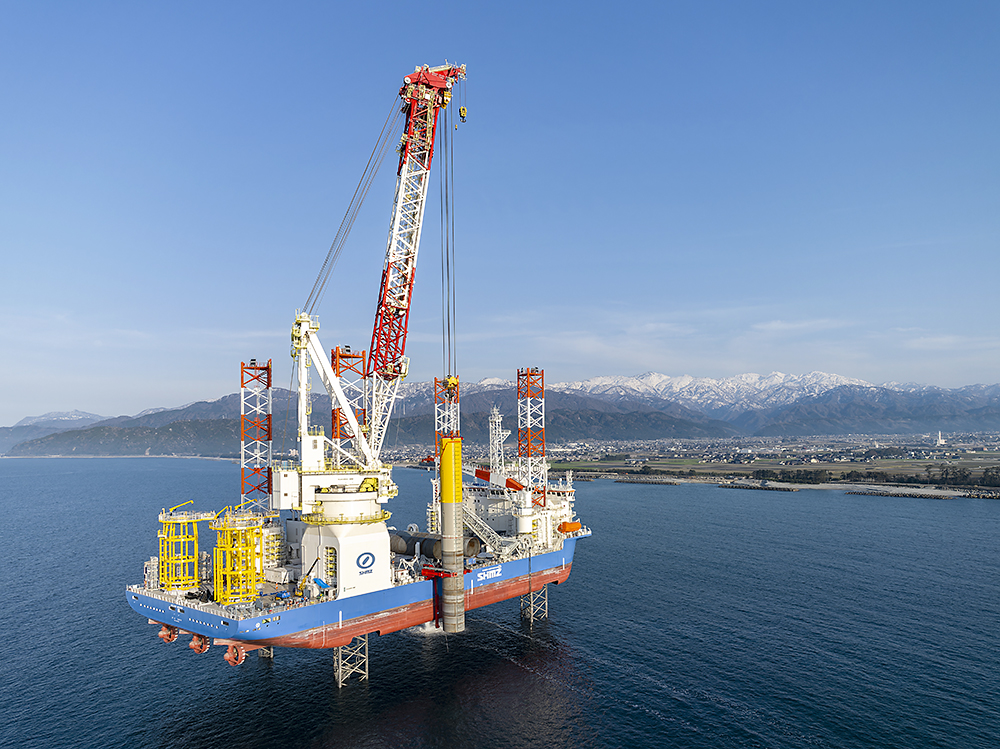
FOWIC will, in corporation with Shimizu, make use of the jack-up vessel Blue Wind for the project. (Courtesy: Fred. Olsen Windcarrier)
Fred. Olsen Windcarrier (FOWIC) has been awarded a contract working with Shimizu for the transportation and installation of monopile foundations for the 640 MW (8 MW / 80 wind turbines) Yunlin offshore windfarm off the west coast of central Taiwan.
FOWIC, which is in a cooperative relationship with Shimizu regarding offshore wind farm construction, will start operations in February 2024. The duration of the project is estimated to be 200 days.
FOWIC will in corporation with Shimizu make use of the jack-up vessel Blue Wind for the project. When fully operational, this project in Taiwan will have a capacity to create up to 640 MW green energy equivalent of more 600,000 Taiwan households and be another important step towards a fully green energy future in Taiwan.
“We are extremely proud to be awarded the transport and installation contract with Shimizu. This contract demonstrates our commitment to offshore wind development in APAC as a region and to our partnership with Shimizu. We look forward to executing this project together with Shimizu and all the local stakeholders and suppliers on the project,” said Alexandra Koefoed, CEO at Fred. Olsen Windcarrier.
Fred. Olsen Windcarrier established a partnership with Shimizu Corp. in 2021 to strengthen its position in the offshore wind industry in the APAC region. Both companies have a background in civil engineering and offshore & marine construction.
Together, FOWIC and Shimizu capitalize on a versatile jack-up vessel fleet, while making use of a larger pool of market knowledge and project execution experience.
“We’re happy for the chance to contribute with our joint capabilities to the Yunlin offshore windfarm project and to the APAC renewable energy overall,” said Koefoed.
The vessel is engaged in the Ishikari Bay New Port Offshore Wind Farm project, one of the largest commercial offshore wind farms in Japan with 8 MW / 14 wind turbines. The vessel will start preparation for the Yunlin offshore windfarm project in December 2023.
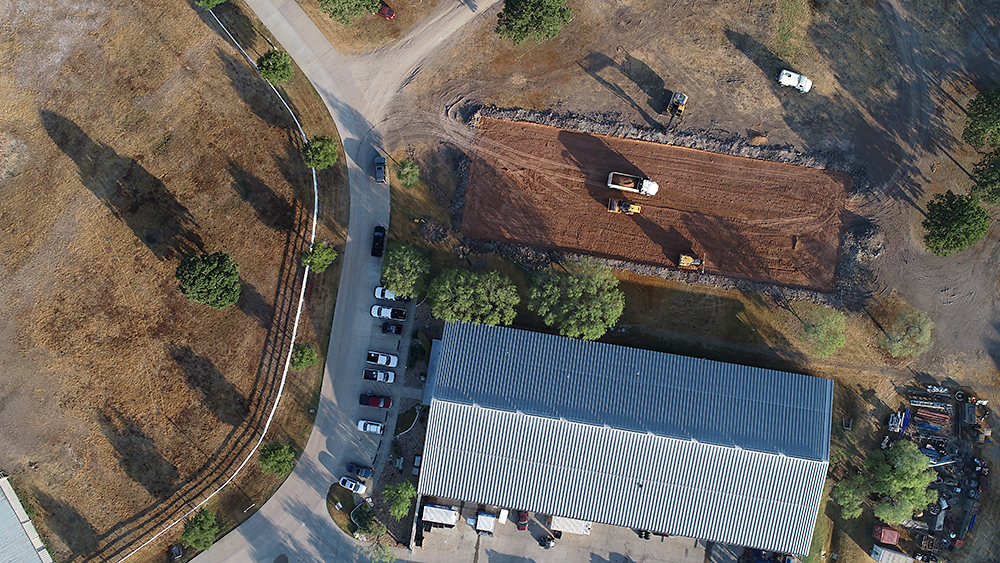
TDI-Brooks breaks ground and begins construction of a new expansion building that is located at TDI’s headquarters in College Station, Texas, 90 minutes north of Houston. (Courtesy: TDI-Brooks)
Following three years of rapid growth of both business and personnel, TDI-Brooks has broken ground and begins construction of a new 16,000 square foot “Technical Building #2.” The new expansion building is located at TDI’s headquarters in College Station, Texas just 90 minutes north of Houston.
The building is designed with 5,000 square feet of new office space along with technical work spaces, fabrication shops and storage areas. TDI-Brooks technical staff plans to move into the building by the end of the year.
“This new location will not only allow for the growth of staff we’ve employed to keep up with the growing demand for our technical services in offshore wind, it will allow further space for fabrication and storage of our geotechnical tools designed for seafloor surveys,” said Daniel Brooks, Director of Technical Systems and CPT Specialist.
TDI-Brooks is a 27-year-old research and service company specializing in geotechnical and offshore survey projects; multi-disciplinary oceanographic and environmental projects; surface geochemical exploration; and high-end environmental chemistry for IOC and offshore wind clients in addition to federal and state agencies. TDI-Brooks operates five research vessels, Brooks McCall, Miss Emma McCall, Gyre, Proteus and the Nautilus. These are multi-use vessels suited for a wide variety of oceanographic research duties for the offshore renewables and energy sectors.
TDI-Brooks was formed in mid-1996 by Drs. James Brooks and Bernie Bernard. Headquartered in College Station, TX with a remote domestic office located in Houston, TX and strategically placed offices around the globe. TDI-Brooks has a staff of more than 150 individuals including fourteen Ph.D. level oceanographers, geochemists, biologists and geologists, hydrographers, geophysicists, mariners, cartographers, engineers, GIS and CADD specialists who perform surveys and produce deliverables of the highest quality.
The company has international affiliates in Port Harcourt, Nigeria (TDI-Brooks Nigeria Ltd.) and Rio de Janeiro, Brazil (GSI-Brooks) with branch offices in Colombia (TDI-Brooks Succursal Colombia) and Mexico.










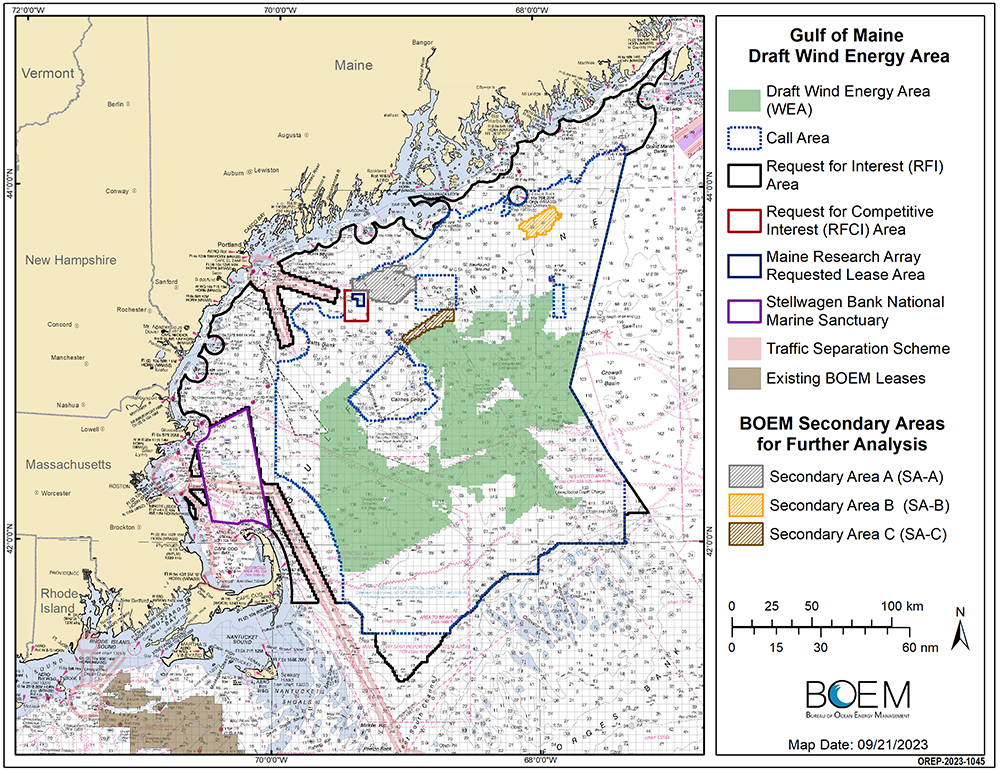 As part of the Biden-Harris administration’s goal of deploying 30 GW of offshore wind-energy capacity by 2030 and 15 GW of floating offshore wind by 2035, the Bureau of Ocean Energy Management (BOEM) recently identified a Draft Wind Energy Area (WEA) in the Gulf of Maine, opening a 30-day public review and comment period.