







ONYX Insight has secured a grant that will supercharge the adoption of blade sensing technologies for the wind industry in a bid to reduce downtime for wind operators across their turbine fleets.
The Nottingham-based company has been awarded the funding by the UK’s Offshore Wind Growth Partnership (OWGP), part of the Offshore Renewable Energy Catapult.
The funding will support a project over the next 18 months that will see ONYX Insight expand its predictive maintenance solutions from the drivetrain into the blades. The project will build on the success of ONYX’s wind turbine drivetrain condition monitoring product, ecoCMS
“The funding from OWGP provides us with a welcome grant to accelerate the development of advanced sensing for the blades,” said Bruce Hall, ONYX Insight CEO.
“It also acknowledges the work we have been doing to develop holistic approaches to CMS that provide ever more detailed and wide-ranging data insights for our customers,” Cox said.
As a provider of condition monitoring services (CMS) to the wind industry, ONYX Insight uses advanced sensing technology and data analytics to support wind farm operators in identifying potential faults and planning maintenance. The company collects data directly from more than 14,000 turbines across 30 countries.
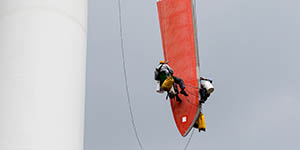
“Identifying when and where maintenance for wind blades is needed has been traditionally difficult for the industry, with operators often having to rely on drone technology, manual maintenance by technicians, or having to act once a fault occurs,” said Henry Tanner, ONYX Insight product manager.
“Blade failures can incur expensive blade repairs and replacements, result in secondary damage to the wind turbine structure, not to mention huge safety implications for the industry. Predictive maintenance allows operators to tackle progressive blade faults sooner at a relatively low cost. The grant will enable us to continue our to develop holistic approaches to CMS that provide ever more detailed and wide ranging data insights for our customers,” Tanner said.
Catastrophic blade failure in onshore settings can cost upwards of £300,000 in materials, equipment, labor, and unscheduled downtime, and can be much higher in an offshore setting. However, if this same fault is predicted and remedied when it is less severe, repairs can be significantly less.
It is anticipated that the adoption of blade monitoring technologies will increase over the coming years, delivering significant financial and time savings for wind operators, with blade failure being one of the leading contributors to offshore and onshore asset downtime after gearbox faults.
OWGP funding is provided to projects that focus on the commercialization of technologies, products and services that will either support offshore wind decarbonization or improve the reliability of offshore wind developments.
MORE INFO https://onyxinsight.com/
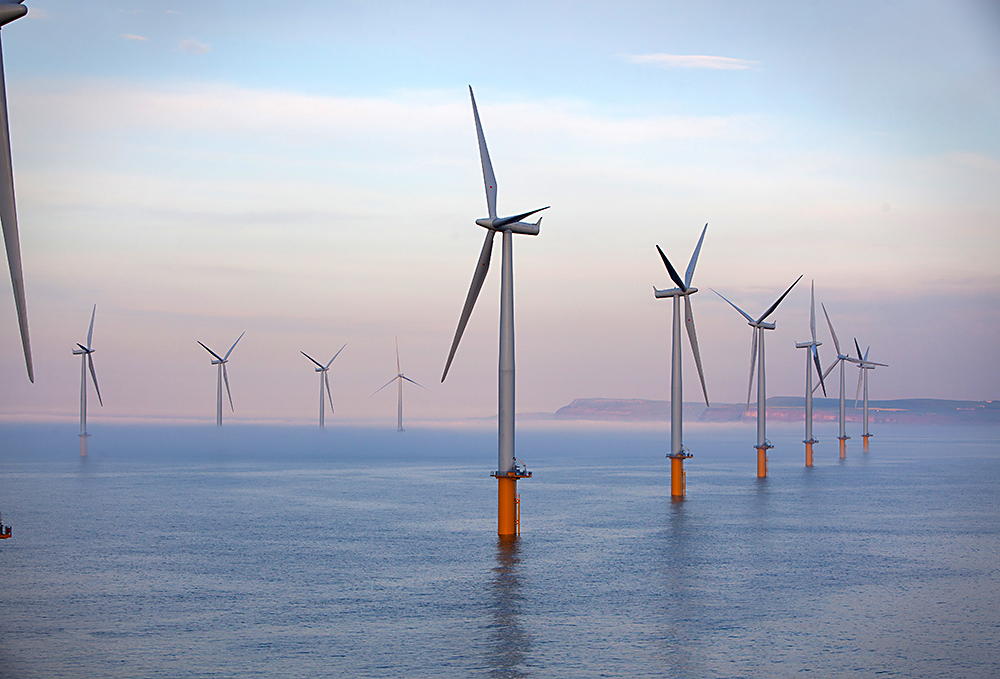

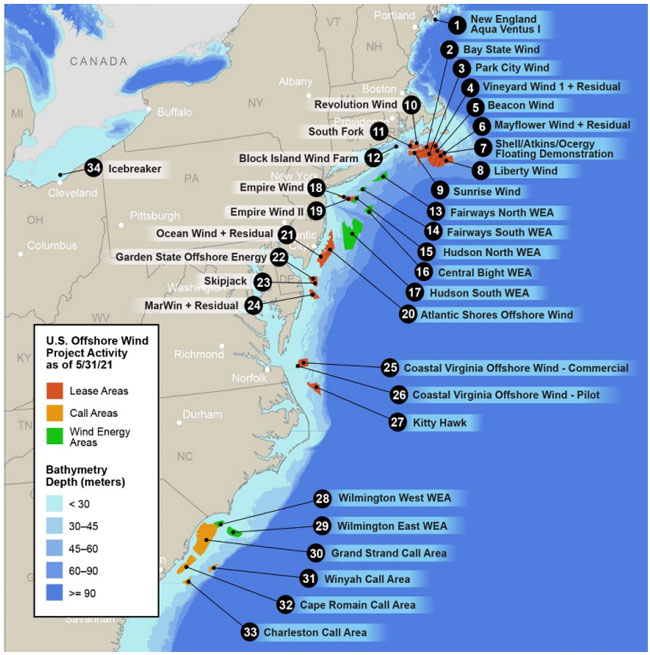
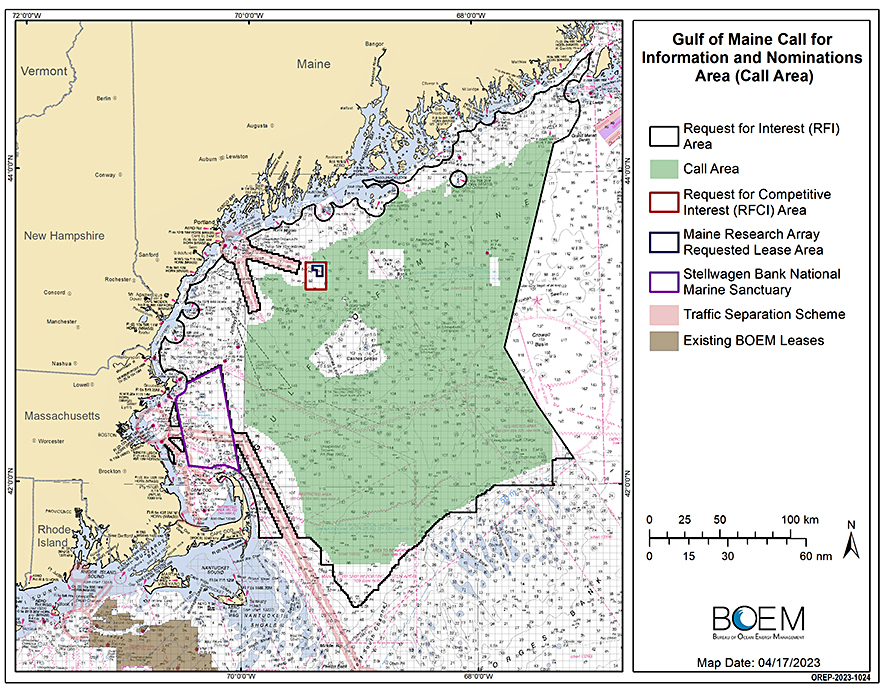 As part of the Biden-Harris administration’s goal of deploying 30 GW of offshore wind energy capacity by 2030, the Bureau of Ocean Energy Management (BOEM) recently announced the publication of its Gulf of Maine Call for Information and Nominations. This Call invites public comment on, and assesses interest in, possible commercial wind-energy development in areas offshore Massachusetts, New Hampshire, and Maine.


 In particular, more flexibility on surveys in construction and operations plans (COPs) will simplify the permitting and approval process.