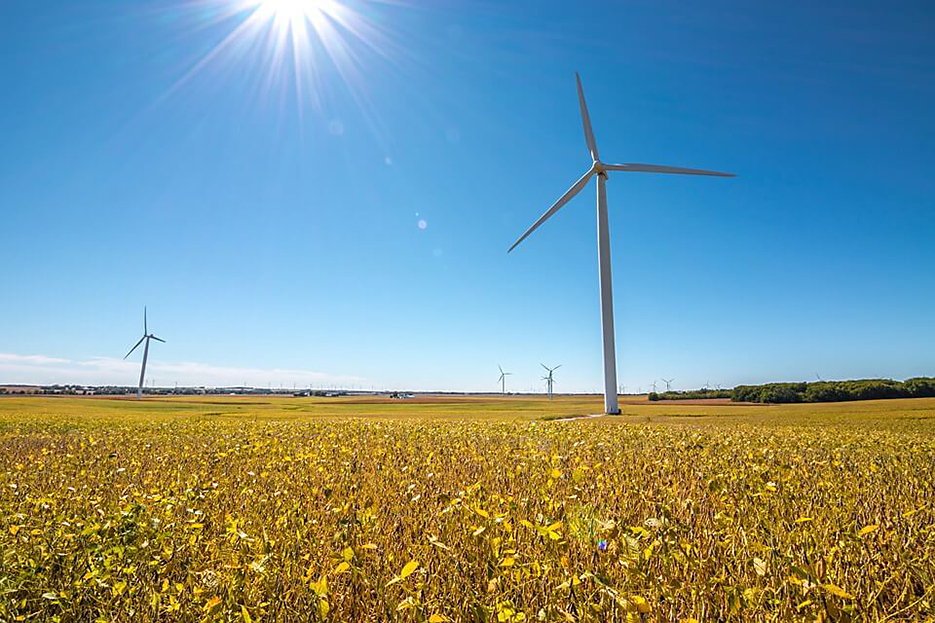
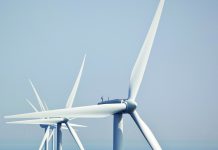
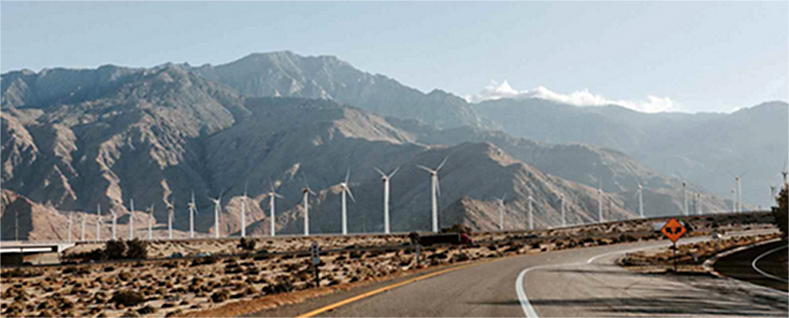
Large wind farms offer lower energy costs but there are relatively few in England. (Courtesy: Reuters)
Planning law changes proposed by the UK government lack measures that aid larger onshore wind projects and national targets are needed to make stakeholders accountable, project partners told Reuters Events.
The UK government in December said it would ease restrictions on building onshore wind farms in England after objections by 34 MPs from the ruling Conservative party.
The UK operates 15 GW of onshore wind capacity and development activity has mainly been confined to Scotland since rules in England were toughened by David Cameron’s Conservative government in 2015. Much of Scotland benefits from windier conditions and larger areas of unpopulated land but electricity demand is higher in England.
In a U-turn by Prime Minister Rishi Sunak, the government said it would adapt the National Planning Policy Framework to permit onshore wind development where local consent is demonstrated and any impacts identified by the local community are appropriately addressed. Previous rules meant opposition from one person could block the project, despite government surveys showing 80% of the public were in favor of onshore wind farms.
The details of the reforms will be established through a public consultation that will conclude in April and will also seek views on how local communities could benefit from the projects through lower energy bills.
Further reforms are needed to support larger onshore wind projects as the proposed changes are likely to mainly aid smaller, community-scale projects, wind farm developer RWE told Reuters Events.
Turbine supplier Siemens Gamesa welcomed the reforms but called for the government to set national onshore wind targets that include planning milestones. Prior to the reforms, industry group RenewableUK targeted 15 GW of new onshore wind capacity by 2030 but only 1 GW in England.
The government is already reforming planning rules for offshore wind as it looks to quadruple capacity to 50 GW by 2030.
“It’s important that planning constraints are part of the progress tracking as they already hinder offshore progress,” a Siemens Gamesa spokesperson said.
“We should use our combined and substantial knowledge to improve these lead times,” the spokesperson said.
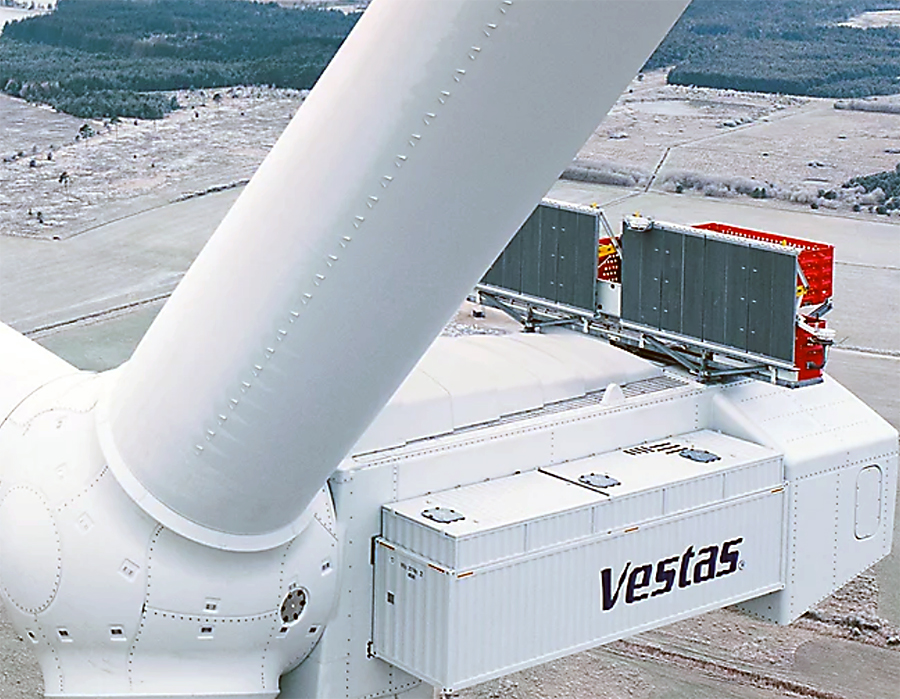
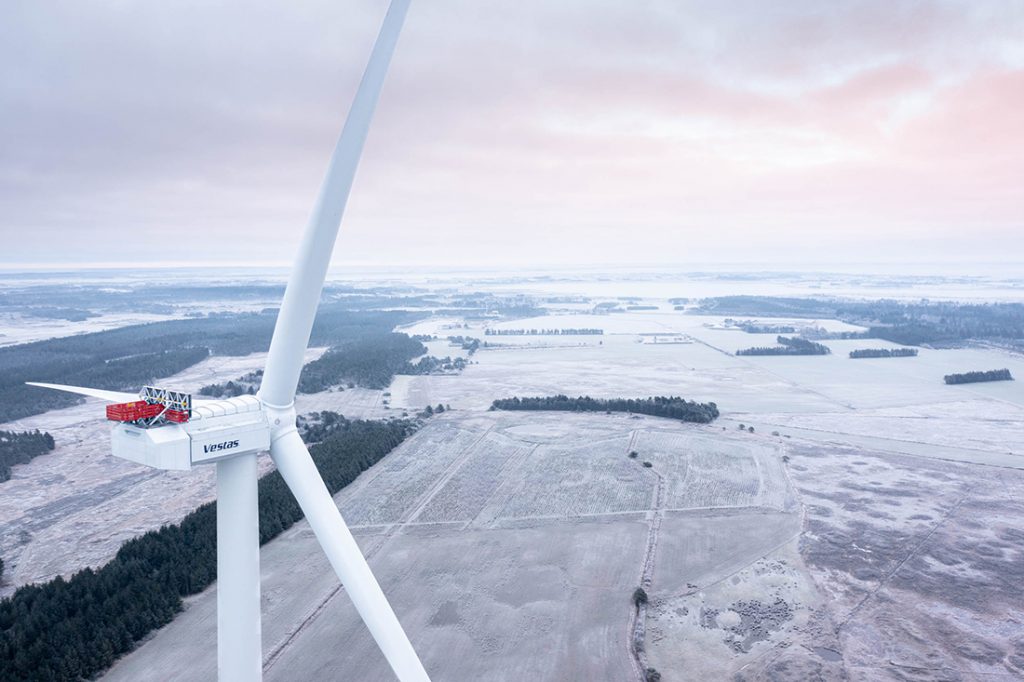
In 2022, Vestas made strategic and commercial progress in terms of strengthening operations. (Courtesy: Vestas)
The wind power industry’s challenging period continued in 2022 due to unexpected geo-political uncertainty, an accelerating energy crisis, and high inflation. In this environment, Vestas’ fourth quarter results were negatively impacted by additional challenges. The negative impact in the fourth quarter causes the full-year results to be lower than the outlook, primarily driven by a confined number of project delays, an impairment on the V174-9.5 MW turbine and increased warranty provisions.
In 2022, Vestas made strategic and commercial progress in terms of strengthening operations and substantially raising prices that indicates Vestas will deliver improved financial results in 2023. Activity levels in 2023 are expected to be lower than in 2022 followed by a step up in 2024 where installations in key markets are projected to increase.
Vestas’ preliminary and unaudited 2022 results show a total revenue of EUR 14,486m, (outlook: EUR 14.5-15.5bn). The Service business accounted for EUR 3,155m of the total revenue, corresponding to a year-on-year growth of 27 percent (outlook: min. 20 percent). The higher-than-expected revenue growth in Service thereby partially offsets the lower-than-expected Power Solutions revenue, which has been impacted by delays in execution.
Based on preliminary numbers, the EBIT margin before special items was 8.0, primarily driven by isolated events in the fourth quarter of 2022 as well as delays in a confined number of projects by the end of the fourth quarter. In the fourth quarter, additional warranty provisions of EUR 210m were made. The higher warranties primarily relate to increased repair and upgrade costs and a few select cases. As a result of an expected challenged profitability and lower order intake for offshore projects using the V174 turbine, an impairment of EUR 95m has been made on that platform in the quarter.
Increasing the price on wind turbines is and has been a necessity to address the external cost inflation and ensure the industry’s long-term value creation. Order intake in the fourth quarter was 4.2 GW with an average selling price of EUR 1.15m per MW, a sequential increase of 8 percent.
For the full year 2022 this resulted in an average selling price of EUR 1.07m per MW (onshore only: EUR 1.04m per MW).
Free cash flow amounted to EUR 1,283m in the fourth quarter but was negative EUR 953m for the full year compared to EUR 183m in 2021. This development was primarily a reflection of the lower profitability and resulted in a net debt position of EUR (46)m.
In 2023, high inflation levels are expected throughout the supply chain and reduced wind power installations to impact revenue and profitability negatively. The lower level of installations is caused by slow permitting processes in Europe as well as dampened activity levels in the U.S. due to a steep ramp-up ahead of a busy 2024 driven by the Inflation Reduction Act. Increasing prices on our order intake is an offsetting factor, but still leaves Vestas challenged on profitability in 2023.
WindGuard Certification is one of only 10 companies worldwide to gain approval to issue type certificates. (Courtesy: WindGuard )
WindGuard Certification is now among only 10 companies worldwide that have been approved to issue type certificates for wind turbines according to IECRE OD-501 (“Type and Component Certification Scheme – Wind Turbines”).
In addition to prototype, type and component certification, the scope of validity
includes design evaluation and site suitability conformity statements. The certificate of
acceptance confirms that the internationally operating certification body from Varel,
Germany, complies with the requirements of ISO/IEC 17065:2012 as well as the rules
and procedures of the IECRE system.
The IEC System for Certification to Standards Relating to Equipment for Use in
Renewable Energy Applications (IECRE) established by the International Electro-
technical Commission aims to facilitate international trade of products and services
in the field of renewable energies.
“Certifications under IECRE guarantee our customers not only highest quality and
safety standards, but above all the international recognition of their products,”
said Jerome Feldhaus, head of type and project certification.
“With our many years of experience in type certification according to IEC 61400-22,
we were accredited by the German Accreditation Body (DAkkS) for type certification
according to IECRE standards already at the beginning of 2020. The official IECRE
recognition was therefore the logical consequence,” said Lars Weigel, managing director
Director of WindGuard Certification.”
“We are thus optimally positioned for the future and have further strengthened our international market position. The type certificate according to IECRE OD-501 will be a prerequisite for global marketing of wind turbines in the future. For clients from India and the Netherlands, for example, our IECRE authorization was a decisive criterion for selecting us as their certifier,” Weigel said.
Traditional inspection methods can be replaced with advanced technology, such as drones, providing more data with less risk and less downtime.
The market for offshore drone inspection is anticipated to reach $421.6 million in 2023 and grow at a healthy 13 percent CAGR between 2023 and 2033.
The various advantages offered by advanced drones (stability, low deployment costs, improved data quality, superior navigation algorithms, etc.) have increased their use in offshore inspection and maintenance services.
The use of these advanced unmanned vehicles is increasing in the oil and gas industry and in the defense sector. This has encouraged investment in this sector and strengthened offshore inspection and maintenance services. The increasing demand for energy has led to exploration activities in a variety of deep-sea and hostile environments using innovative technologies developed in recent years. Areas that were humanly impossible to explore are now delved into with the help of drones.
For example, in August 2021, multinational energy company Equinor ASA completed the world’s first drone logistics operation to an offshore facility. As a result, the offshore drone inspection market is expected to grow significantly during the forecast period.
Takeaways from Market Study include:
The global offshore drone inspection market is projected to reach $1.4578 billion by 2033.
The market witnessed 9.8 percent CAGR between 2018 and 2022.
Filming and photography in application segment dominates the market with 24.4 percent market share in 2023.
Under drone type, rotary wing offshore drone inspection dominates the market and is valued at $226.4 million in 2023.
Based on region, demand for offshore drone inspection is expected to increase at CAGR of 13.5 percent in East Asia during the forecast period.
Traditional inspection methods can be replaced with advanced technology, providing more data with less risk and less downtime. Offshore operators will continue to use other assistive technologies such as AI, wireless networks, analytics, robotics, IoT, and cloud systems to access and analyze data to improve data-driven decision making. Unmanned aerial vehicles (UAVs) have been highly efficient and lucrative technology for conducting surveillance activities in offshore environments across a variety of industries. Due to the great advantages these devices offer, governments and companies are using them to perform a variety of functions such as collection of data for inspection, security, and surveillance. This increases the demand for the offshore drone inspection market.
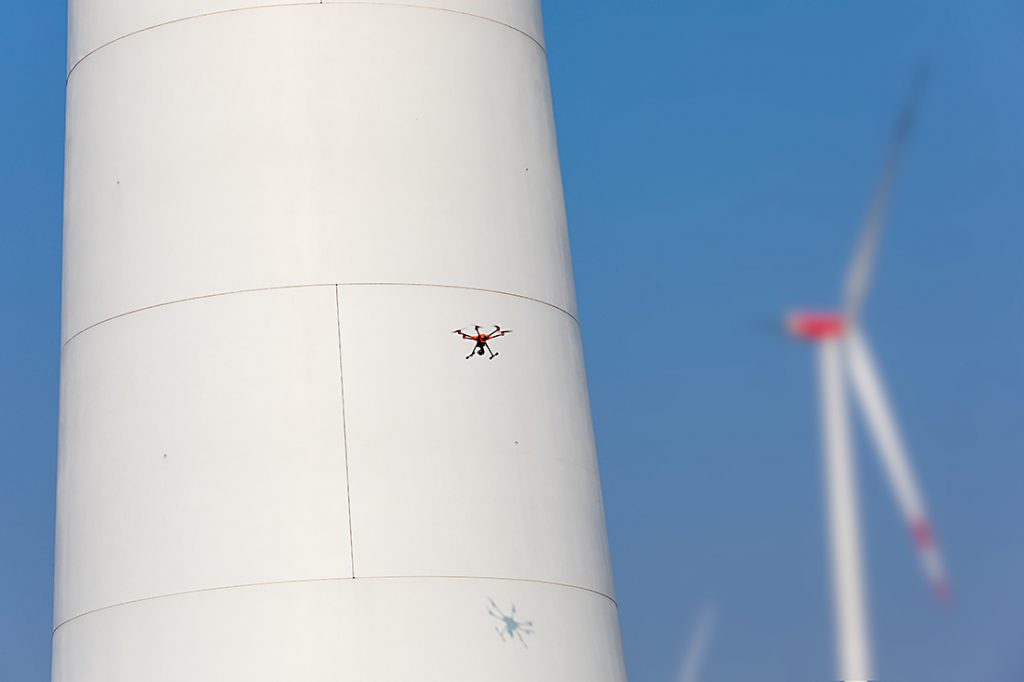
: In a pilot project, TÜV NORD is using drone support for the end-of-warranty inspection. (Courtesy: TÜV NORD)
In a pilot project for a European wind turbine manufacturer, TÜV NORD is using drone support for end-of-warranty inspection. The entire concrete tower is photographed by drone; experienced TÜV NORD experts later evaluate the images. In the medium term, an automated image recognition system is also to be used, which will pre-sort images with conspicuous features on the basis of extensive training data so that the experts can view and evaluate the images in an even more targeted manner.
“Initially small cracks and spalling can later lead to critical damage in the concrete structure. That is why it is important to assess any anomalies on the tower before the end of the warranty period so that they can be repaired,” said wind energy expert Michael Lange, who is responsible for remote inspection projects for renewable energies at TÜV NORD.
Using drones for this inspection simplifies image capture and also means greater occupational safety, as no additional skilled personnel with rope access technology have to be deployed, said Lange. “We are also working on a system that will allow the drone to fly autonomously up the tower, so that jobs can be completed in less time.”
“We use digital technologies such as drones or new software solutions to make services more efficient or safer. Pilot projects evaluate the benefits in practice,” said Alexander Ohff, TÜV NORD’s executive vice president of the renewables segment.
Using the drone-based inspection, 34 of the manufacturer’s wind turbines have already been assessed this year. The results have been validated. Now, the procedure is being extended to additional sites. Talks are under way with other manufacturers and wind farm operators.
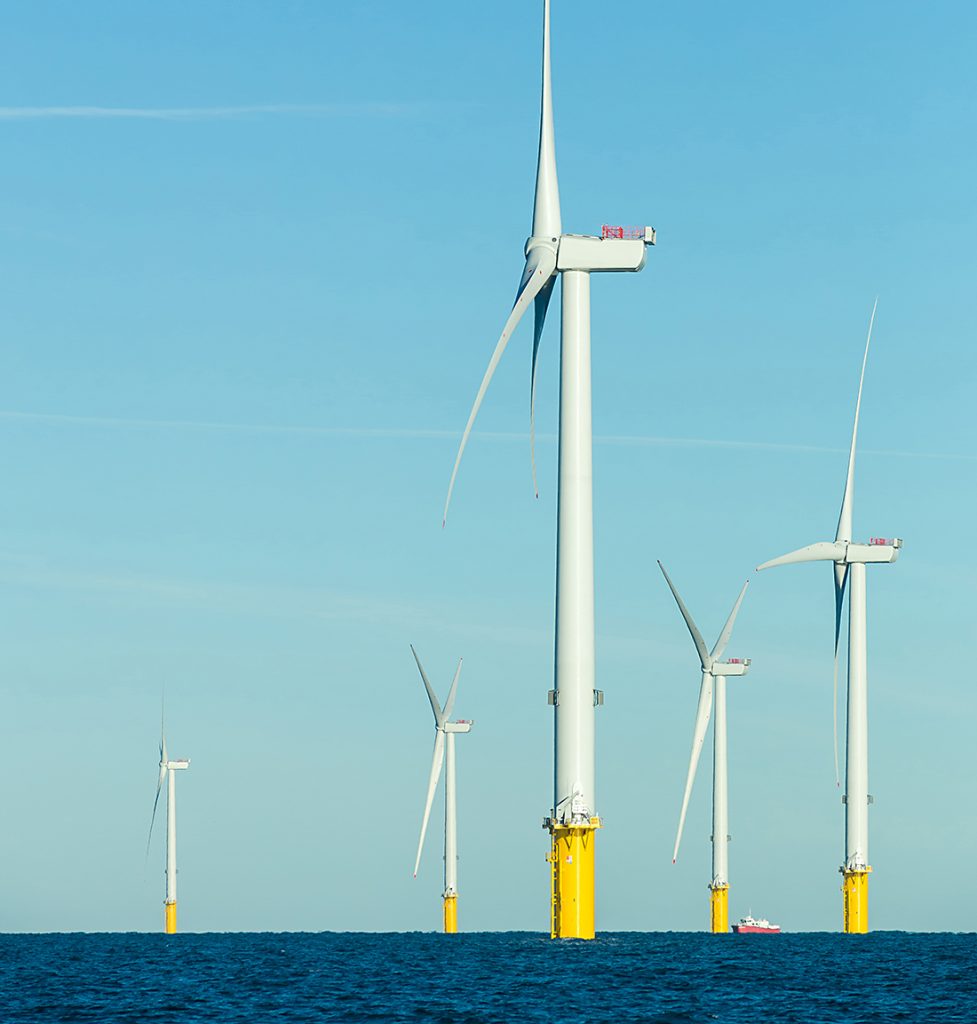
Codling Wind Park will require almost 30 percent fewer wind turbines than in the original proposal. (Courtesy: Codling Wind Park)
Ireland’s largest Phase One offshore wind project, Codling Wind Park, which will be located off the County Wicklow coast, will require almost 30% fewer wind turbines than originally proposed. The development will still generate enough renewable electricity to meet over 20% of Ireland’s 2030 offshore wind targets.
While the initial estimate for the number of turbines required had been put at a maximum of 140, the project team said that advances in wind turbine technology, combined with a more detailed understanding of the wind farm site, means a maximum of 100 turbines will now be required.
Poolbeg in Ringsend will be the location of the project’s electricity grid connection with 1,450MW – enough electricity to power up to 1.2 million Irish homes – confirmed as the maximum amount of electricity it will generate.
Codling Wind Park is a 50/50 joint venture between Fred. Olsen Seawind and EDF Renewables and will be located around 13 to 22 kilometers off the Co. Wicklow coast between Greystones and Wicklow Town.
Feedback gathered from the public as part of a January and February consultation process will feed into the ongoing development of the project, and updated proposals will be presented at a third phase of public consultation later this year.
“We have made significant progress since our first phase of public consultation in March 2021 and we are looking forward to updating people, in Wicklow and Poolbeg in particular, and receiving their thoughts and feedback on a range of topics, including the design of the project, the Environmental Impact Assessment we are working on, the best way we can deliver benefits to local communities through the Community Benefit Fund over the next 20 years and how best we can continue to engage with the fishing and sailing communities,” said co-project director Scott Sutherland.
When developed, Codling Wind Park will be Ireland’s largest offshore wind farm. The project is expected to create more than 1,000 jobs in the construction phase and 75 new, long-term jobs associated with its proposed Operations and Maintenance Base at Wicklow Port.
Subject to all necessary permits and consents being received, Codling Wind Park could begin construction in 2026, and is expected to take two to three years to complete.
ArcVera is looking to fill multiple roles in all business areas to support its new targets. (Courtesy: ArcVera Renewables)
ArcVera Renewables, a global provider of consulting and technical services for wind, solar and energy storage projects, has revised its growth objectives upwards as market demand expands in key renewables project services segments. The company is looking to fill multiple roles in all business areas to support its new targets.
Over the past three years, ArcVera Renewables has experienced strong development with an average 20% year on year growth. With the Inflation Reduction Act policy driver set to create positive market conditions for renewable energy deployment in the United States, the company forecasts another 30% demand increase for its services in 2023 and beyond. In its new strategy update, ArcVera expects to continue reaping the benefits of its diversification into solar and storage, in support of hybrid and green hydrogen projects, with solar energy services becoming a key engine of its growth alongside onshore and offshore wind.
“This steady performance is largely supported by our company’s long-term commitment to continuous innovation, and an intrinsic desire to help renewable energy projects succeed across the globe. It has been strengthened by timely investments in key overseas markets, notably South-Africa, Brazil and India. We are now actively seeking new administrative and technical talents to join our teams of atmospheric scientists, engineers, data analysts and commercial specialists to deliver technical excellence for our clients’ projects around the world and contribute to maintaining our leadership position at the forefront of renewable energy technical innovation,” said ArcVera Renewables’ CEO Gregory Poulos.
For the last four decades, ArcVera has built its success by leveraging expertise at the intersection of science, technology, and engineering to meet clients’ most complex project technical challenges. Its teams mobilize technical expertise and decades of global experience to provide trustworthy, insightful, risk-mitigating, and accuracy-driven renewable energy project services.
“2022 has been a great year for ArcVera and its clients. We were particularly excited to see the billion-dollar acquisitions of Scout Clean Energy and TriGlobal Energy, two loyal clients, whose projects we have proudly supported from company inception. These success stories underpin what ArcVera really stands for, which is to provide our clients with a significant technical edge to increase their projects’ value. We will keep doing what we do best and seize the new opportunities presented by the IRA to accelerate our growth next year,” said Poulos.
Vestas has announced preferred supplier agreements for the V236-15.0 MW turbine for a total of more than 8 GW in five different markets. (Courtesy: Vestas)
Vestas has finalized installation of the V236-15.0 MW prototype turbine at the Østerild National test center for large wind turbines in Western Jutland, Denmark. The prototype has successfully produced its first kWh of power and will now undergo an extensive test and verification program to ensure reliability before full type certification and serial production begins.
“This is a great step forward in our ambition to accelerate the green energy transition and it is a major milestone for Vestas and our partners. Colleagues across Vestas have worked very hard and collaborated closely to ensure the rapid progress in developing and assembling the V236-15.0 MW prototype, and this achievement is a testament to the dedicated work of the many Vestas employees involved. With this wind turbine we set new standards for technological innovation, industrialization and scale across renewable energy to create a sustainable offshore wind industry,” said Anders Nielsen, Vestas Chief Technology Officer.
The prototype development and assembly work has taken place across Vestas’ R&D and production sites in Denmark. The blade molds have been developed at Vestas’ blade factory in Lem and the 115.5m prototype blades have been manufactured at Vestas’ offshore blade factory in Nakskov. The prototype nacelle has been developed and assembled at the offshore nacelle factory in Lindø port of Odense. The test program for the generator, converter and grid system integration has already started at LORC test facility in Denmark.
With a swept area exceeding 43,000 square meters, the V236-15.0 MW moves the boundaries of wind energy production to around 80 GWh/year, enough to power around 20,000 European households and displace more than 38,000 tons of CO2 every year.
The V236-15.0 MW is designed to perform while reducing the number of turbines at park level, strengthening the project business case. The globally applicable offshore turbine offers 65 percent higher annual energy production than the V174-9.5 MW, and for a 900 MW wind park it increases production by five percent with 34 fewer turbines. It offers partial-load production, resulting in a more stable energy production, and a capacity factor over 60 percent depending on site-specific conditions.
Vestas has announced preferred supplier agreements for the V236-15.0 MW turbine for a total of more than 8 GW in five different markets.
Global Wind Service employs more than 1,700 people from 39 different nationalities. (Courtesy: Global Wind Service)
Global Wind Service (GWS) is celebrating its 15-year anniversary in wind. Since securing its first contract in Esbjerg, Denmark, GWS has worked on close to 2000 projects in 40 countries around the world.
The company employs more than 1,700 people from 39 different nationalities, working across 13 local business units and on site.
“Global Wind Service has come a long way over the past 15 years. From being a smaller entrepreneurial provider of manpower, co-founded by Lars Bo Petersen and Michael Nielsen who is still active and shareholders in GWS, to now being one of the preferred project partners globally, for complete wind turbine services. We have managed to grow together with our clients and adapt to industry needs. We can all be very proud of what we have achieved – it is something that would not have been possible without all our dedicated and skilled colleagues,” said Michael Høj Olsen, CEO of GWS.
As projects have become more complex and challenging, GWS has invested in training, processes and in systems to meet higher standards for safety, quality and technical expertise. In 2021 Global Wind Service Academy was established in Szczecin in Poland to further develop and strengthen competences and to make sure GWS can educate technicians with the right mindset and skills.
“It’s only by working together, that we can reach the ambitious targets set out by the different governments for a greener planet,” Olsen said.
Key accomplishments over the past 15 years include taking a leading position within offshore installation and service; the installation of the first offshore wind turbines in U.S. at Block Island in 2016; installation of the first offshore wind farm in France, Parc Éolien en mer de Saint-Nazaire, in 2022; and playing a role in the growing offshore market in Taiwan with local establishment and colleagues.
Other accomplishments include the establishment of a team of more than 250 specialized blade technicians and back-office staff, as well as the entering of markets such as Turkey, Lithuania, Serbia, etc. to support partners and clients in the installation of onshore wind farms.
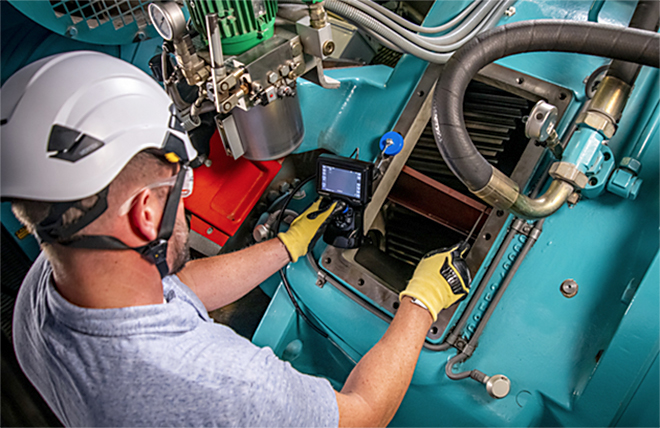
The IPLEX videoscope enables users to visually inspect a gearbox without disassembly. (Courtesy: Evident Scientific)
The IPLEX G Lite-W videoscope combines portability with imaging features packed into a small, ergonomic form. It enables users to visually inspect inside a wind turbine gearbox without disassembling it to spot issues before they turn into lengthy shutdowns.
Wind turbine gearboxes contain lubricating oil, which can adhere to the videoscope’s lens and cause blurry images. The IPLEX G Lite-W videoscope’s sealed tip keeps oil out while channels on the oil-clearing tip adaptor use capillary action to draw oil away from the lens, helping keep images clear.
To reduce the chance of damage during an inspection, the IPLEX G Lite-W videoscope is designed to meet IP65 standards and built to pass U.S. Department of Defense testing (MIL-STD). The insertion tube’s durable articulation mechanism helps protect the scope from damage when used in tight spaces.
The videoscope’s optics balance the need to see areas of the wind turbine gearbox up close, such as bearings and gear teeth, spot defects in large spaces and be small enough to fit into the spaces between turbine bearings to look for damage. An optional LED guide tube offers illumination to spot defects in large, dark spaces while the semiflexible guide tube makes it easy to position the videoscope to capture images. Users need one hand to control and maneuver the 4 mm scope to difficult-to-reach areas.
Weighing 1.16 kg (2.56 lb.), the compact IPLEX G Lite-W videoscope is easy to carry safely to the top of a wind tower nacelle. Its ergonomic design enables users to control it while wearing gloves in tight confines. When the inspection is complete, the scope’s smooth, oil-resistant coating makes cleaning fast and simple.
EDF North America’s fleet of Vestas turbines is the most productive at generating PTC revenue with $65,664 per MW per year. (Courtesy: EDF Renewables)
Texas has generated more than $12 billion in PTC revenue by itself. Oklahoma generates $58,125 worth of PTC revenue per MW per year, with Kansas second at $57,893 per MW per year and Nebraska third with $57,266 per MW per year.
The Production Tax Credit (PTC) in the U.S. has been a powerful tool for asset owners to ensure the favorable financial health of their projects. More than 75% of the 138GW of operational capacity in the United States has taken advantage of the PTC. Historically, it has provided between a $10 to $26 per MWhr incentive on top of the power purchase contract price or merchant market rate.
NextEra Energy Resources has been the largest beneficiary of PTC revenue based on net production data through December 2021, but this perspective is skewed given the size of the fleet in the U.S. The normalized PTC revenue per installed MW per year indicates that many of the top asset owners in the USA are hovering around the capacity weighted market average of $47,416.
IntelStor also benchmarked the capital efficiency of an asset owner’s project CapEx expenditure relative to the amount of PTC revenue they earn. Some asset owners are only able to recoup single digit to low double-digit returns, but some savvy asset owners have managed to see a return on their project CapEx of upwards of 40 – 50% just through PTC revenue alone. While this is project-site dependent, it underscores why site selection, the right equipment supply, and a proactive maintenance approach can have a profound influence on financial outcomes.
Out of the top 10 wind energy asset owners in the USA, EDF North America’s fleet of Vestas turbines is the most productive at generating PTC revenue with $65,664 per MW per year. Next on the list is Berkshire Hathaway Energy’s Siemens Gamesa fleet at $61,100 per MW per year and EDP Renewables’ fleet of Siemens Gamesa turbines at $54,427 per MW per year.
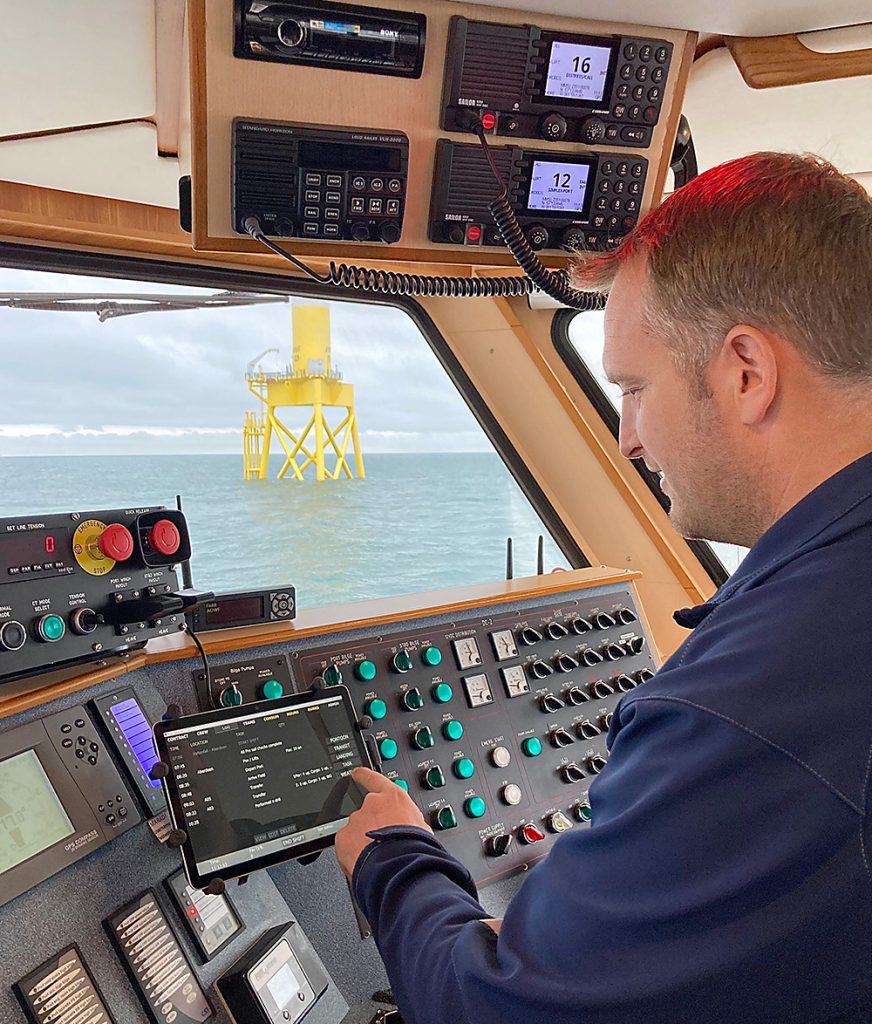
Windcat Workboats’ vessels operate in the European offshore wind sector, and also in the oil and gas industry and outside Europe. (Courtesy: Windcat Workboats)
Windcat Workboats, a European provider of specialist crew transfer vessels to the offshore wind power industry, has installed Reygar’s Digital Daily Reporting System, Digital DPR, across its entire fleet of more than 50
workboats.
The Digital DPR (DDPR) app runs from a touchscreen tablet onboard and is easy to use for busy workboat skippers. It reduces the administrative burden of daily progress reporting as well as improving report accuracy and timeliness.
“DDPR saves a lot of time on what is otherwise a long and detailed task. The daily progress report is automatically generated and sent out at the end of the shift in a format that is simple to digest,” said Aaron Trebilcock, Windcat Workboats master.
Reygar’s time-saving reporting technology has gone through comprehensive trials on several Windcat Workboats CTVs over the past 18 months. Feedback from skippers and management was positive and fleet wide rollout was completed in mid-October.
“We are committed to meeting the reporting needs of our customers with a digitalized vessel fleet. We also want to look after our crews and back-office teams by reducing the reporting burden and streamlining where possible,” said Phillip Goffin, Windcat IT manager.
DDPR either works alongside Reygar’s award-winning BareFLEET vessel monitoring system, where installed, or runs as a standalone solution. The app can be customized to gather DPR data including crew details, fuel and consumables use, various task types, transits, passenger transfers to turbines and working hours data. Data input live from the vessel can be seen instantly in the cloud by shore staff, with users also able to access cloud based KPI data.
“By providing our customers with a standalone version of this reporting solution we can make the benefits of digitized reporting available to all fleet operators, whether they use our BareFLEET monitoring system or not. We enjoyed working closely with the team at Windcat to ensure that our DDPR app incorporated the needs of different stakeholders both within and outside their organization,” said Chris Huxley-Reynard, Reygar CEO.
Hunter Armistead is set to be Pattern Energy’s new CEO. (Courtesy: Pattern Energy)
Pattern Energy has named Hunter Armistead as its new CEO, effective Jan. 1, 2023.
Armistead, Pattern Energy’s current chief development officer, will succeed Michael Garland in the role. Garland will retire after his successful tenure as CEO of Pattern and its predecessors since 2009.
“This is an extraordinary time for the renewable energy sector and the entire Pattern team is exceptionally well positioned to deliver on the opportunities ahead. Given his long history as a leader of this company, the strength of his commercial instincts, and his passion for Pattern’s vision, I believe Hunter is uniquely capable of leading this company in a way that provides consistency, continuity and leadership across the business both internally and externally,” said Garland.
“It has been a tremendous journey since we founded Pattern in 2009, and it is my honor and privilege to take on the CEO role. Pattern began with a modest pipeline, a few dedicated professionals, and a vision to accelerate the world’s energy transition. To see Pattern and our industry evolve into what we have become has been a beautiful ride and is one that has only just begun. I am 100% committed to driving the next chapter in our growth in a manner that is consistent with our mission, our culture and our values,” said Armistead.
“I have seen first-hand Mike Garland’s exceptional leadership of the company since 2009. During his long service he has led Pattern through many successful phases of development. We are most grateful for all he has done. We conducted a thorough search for his successor and concluded that Hunter Armistead was the ideal candidate. He cares deeply for the company’s culture and people and brings great experience and understanding of the company’s business to the role,” said Lord John Browne, chairman of the board.
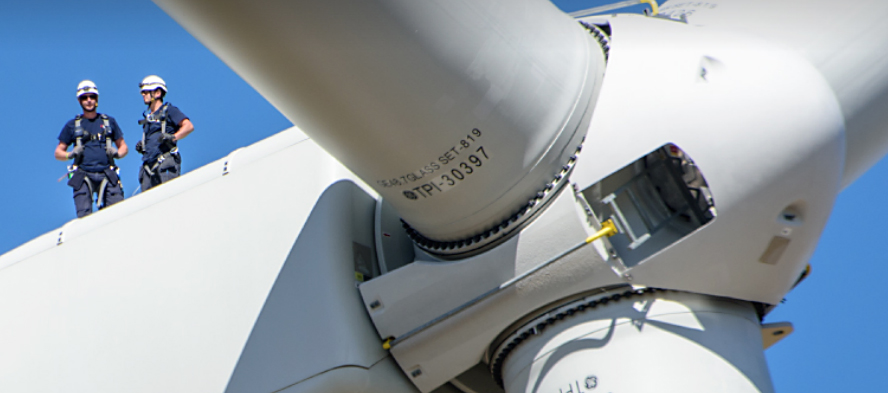
Vestas has signed a new agreement with blade supplier TPI Composites. (Courtesy: Vestas)
Vestas has signed a multi-year agreement with long-time partner TPI Composites Inc. (TPI), a supplier of wind turbine blades and services, to strengthen its scalable global supply chain network for current and future wind turbine blades.
“The continued and expanded partnership highlights how we are increasingly collaborating with partners, and how we continue to evolve and re-shape the industry together. We have been working together with TPI since 2014 and during that time, they have become one of our most trusted and strategic blade partners. With this agreement, we are happy to continue this journey, leveraging their global footprint and providing scalable, high-quality, and sustainable supply together”, said Tommy Rahbek Nielsen, Executive Vice President & Chief Operating Officer of Vestas.
TPI and Vestas work together on global manufacturing and supply chain operations, based on Vestas’ specifications and requirements, and TPI is supplying a range of blade variants to Vestas’ 2 and 4 MW platforms as well as the EnVentus platform. TPI will continue supply of blades from its existing global production footprint, while optimizing the production setup in current facilities, and evaluate new locations for possible future growth in strategic markets.
Vestas and TPI are equally investigating further collaboration possibilities for the V163-4.5 MW and V236-15.0 MW turbines and assessing the optimal manufacturing and production location setup for these new blades.
The new agreement is a continuation of the existing Vestas and TPI partnership agreement, and further builds on the expanding capabilities of TPI and core strengths of both companies. Sharing manufacturing operations across the renewables industry is more relevant than ever to ensure sites are not sitting idle and creates a flexible, scalable, and efficient supply chain that enables industrial scale to meet global net-zero ambitions
“We are proud of our long and successful partnership with Vestas and are pleased that Vestas has chosen to further expand its relationship with TPI. We look forward to continuing our collaboration with the supply of current and future blade models, blade design, and other services globally,” said Bill Siwek, CEO, TPI Composites Inc.
DNV, the independent expert in risk management and assurance, is moving ahead in collaboration with Reodor Studios to create a digital service that will make it easy to plan for sustainable decommissioning and recycling when a wind farm has reached the end of its life cycle.
In the 1970s, the wind-power industry boomed, and thousands of wind farms were built around the world. Now, 50 years later, the world faces a historic challenge: What do you do with a 300-ton wind turbine when it has reached the end of its life? ReWind, a brand-new digital service, aims to address this key issue for the wind industry.
Today, most decommissioned wind turbines are buried underground, for lack of a better solution. In 2020, Bloomberg highlighted the situation in Casper, Wyoming, where 870 wind-turbine blades are buried under a landfill. WindEurope estimates that 25,000 metric tons of wind-turbine blades will have to be recycled by 2025, and 52,000 metric tons by 2030.
DNV‘s specialist team analyzes and develops reports for wind-farm owners and operators, showing, among other things, which materials the wind turbines contain, how they can be disposed of in the best possible way, what can be recycled, and how. Now, in collaboration with Reodor Studios, a Norwegian corporate venture and innovation studio, DNV will shape this into a digital service.
“This service will enable wind-farm owners to quickly assess turbine recyclability percentage and options, end-of-life planning, and sustainable decommissioning,” said Matthew Geraghty, founder and ReWind venture lead at DNV.
The use of wind energy will grow, and with that, the need to replace older turbines and equipment to keep pace with developments. Indeed, DNV’s 2022 Energy Transition Outlook report forecasts that by 2050, wind will provide almost 50 percent of on-grid electricity in Europe, and 40 percent in North America and Latin America. New turbine types and bigger turbines, blades, and towers will raise capacity factors for onshore wind from 26 percent now to 34 percent, and from 38 percent to 43 percent for offshore wind by 2050.
“This is the first time in history that we have faced such a challenge,” said Lucy Craig, director of Growth, Innovation & Digitalization, Energy Systems at DNV. “A wind turbine has a life cycle of around 20 to 30 years, and now, many wind turbines are approaching the end of their life cycle. Today, the process of recycling and decommissioning these is extremely complicated and manual, and large quantities of wind turbines end up in landfills, for lack of better solutions. Introducing this digital service helps the owner plan for decommissioning, map costs, and assess recycling options.”
In order to create a digital service that meets all its customers’ needs, DNV has initiated a collaboration with Reodor Studios. By combining Reodor’s expertise in building digital products and services with DNV’s world-leading domain knowledge, the ReWind team can work faster, increase the chances of scaling successfully, and build a well-tested service that can make the process of decommissioning wind turbines smoother for wind-farm owners and operators.
“Capital Dynamics Clean Energy is committed to responsible investment and ESG implementation throughout the investment lifecycle,” said current customer of the service Gintare Briola, Head of Portfolio Management, CEI at Capital Dynamics. “ReWind’s recyclability study for our wind farms helped us gain a better understanding on the recyclability of the equipment, the existing and developing recycling methods, including for composite blade waste, and forecasted decommissioning costs. ReWind also provided recommendations for various stages of the project life cycle that we at Capital Dynamics hope to implement to minimize environmental impact and reduce lifetime emissions.”
“DNV, which already has a large customer base of wind-power operators and owners and sits on world-leading knowledge of wind power, has foreseen the need for this service, both through dialogue with the customers, but also through hard data,” said Kate Butchart, strategic adviser at Reodor Studios. “Add to that Reodor’s creativity and experience in building products and services, and I believe it’s a perfect match to create a solution that can potentially solve a huge industry — and global – need.”
The digitization project is now ongoing, with the team working on validating market needs, developing a service concept, business model, and a scalable growth strategy based on customer insights.
Including decommissioned turbines and wind parks, the U.S. has a total pool of more than 85,500 onshore and offshore wind turbines, and more than 151.7 GW worth of onshore and offshore wind power installed capacity which can be analyzed.
Using audited data from the Energy Information Administration (EIA), which is a part of the Department of Energy (DoE) in the United States of America, IntelStor has now completed the most detailed analysis of the efficiency of wind power ever in the country.
Including decommissioned turbines and wind parks, the U.S. has a total pool of more than 85,500 onshore and offshore wind turbines, and more than 151.7 GW worth of onshore and offshore wind power installed capacity which can be analyzed.
The analysis shows that the U.S. has a 34.84 percent combined lifetime average net capacity factor (NCF) for the entire installed base of more than 85,500 wind turbines.
The evolution of lifetime average net capacity factor over time shows a marked increase in average performance from 20-plus years ago. For assets installed around the year 2000, the U.S. had an average net capacity factor of just 26.45 percent. By 2003, that fleetwide average figure exceeded 30 percent for the first time. It took another 10 years from that point until 2014 before lifetime average fleetwide performance was above a 40 percent net capacity factor.
South Dakota, with an average of 42.78 percent across all wind parks, edges out Nebraska and Kansas to lead the U.S. in lifetime average net capacity factor of assets that are still operational, as well as those that have been decommissioned.
BlackRock (average 45.62 percent NCF), Ørsted (average 43.35 percent NCF,) and Xcel Energy (average 43.05 percent NCF) have the highest fleetwide capacity factors based on asset ownership, which is concentrated in Texas, North Dakota, South Dakota, New Mexico, Nebraska, Colorado, and Minnesota.
The three largest asset owners in the U.S., NextEra Energy Resources (average 36.78 percent NCF); Berkshire Hathaway Energy (BHE), including MidAmerican Energy Company and PacifiCorp (average 37.10 percent NCF); and Iberdrola’s Avangrid Renewables (average 31.23 percent NCF) have an older and more geographically diversified fleet, which has dragged their performance down relative to others.
Since lifetime average net capacity factor (NCF) is highly dependent on the specific site conditions of a wind park, variations in average wind speed from state-to-state or even site-to-site within a state, can create a bias to the benchmarking analysis that is solely based on NCF. Therefore, it is also important to look at asset performance benchmarking based on energy yield analysis as well.
In the U.S., more than 51.76 percent of all operational onshore wind-energy assets show they meet or exceed their P50 performance quotation. Approximately 34.25 percent of operational assets meet or exceed a P75, but not their P50, while 12.69 percent meet or exceed a P90, but not their P75 energy yield. Only 1.3 percent of the wind turbines installed in the U.S. fall below their P90 performance quote based upon their lifetime average AEP and capacity factor analysis.
Xcel Energy, with a total of 4.38 GW of operational capacity installed in the United States, has truly exceptional performance with 96 percent of their fleet operating at or above a P50 energy yield ranking.
Some of the largest asset owners in the U.S. have a performance ranking probably as expected, with NextEra Energy Resources seeing more than 66.7 percent of their operational capacity in the P50 range. Similarly, Berkshire Hathaway Energy (BHE) has just a fraction below 78 percent of their installed fleet operating at or above a P50 energy yield.
However, Iberdrola’s Avangrid Renewables, Energias de Portugal Renewables (EDPR) North America, and RWE as the next three in line for total installed capacity all show significantly lower performance amongst their fleet. Iberdrola’s dependence on legacy Gamesa turbines globally has certainly dragged down their performance in the U.S., along with their current lack of repowering prowess when compared to the other large asset owners.
Engie, American Electric Power (AEP), Southern Company, and Alliant Energy are the most noteworthy among the top 25 asset owners by installed capacity in the U.S. aside from Xcel Energy. This is due to respective fleets with no assets which perform below a P75 energy yield rank.
GE Renewable Energy has the largest installed base in the U.S. with 60.8 GW operational, but also the largest portion of their operational fleet performing at or above a P50 energy yield, a total of 61.59 percent. Vestas is in the No. 2 spot with a total of 61.1 percent of its 38.2 GW operating at or above a P50 energy yield, and Siemens Gamesa rounds out the top three with 23.3 GW installed, but only 36.75 percent operating at a P50 energy yield.
Age-related performance degradation of wind turbines can have profound impacts on asset profitability through the unrecovered loss of lifetime average performance in the later years of the asset life. In the U.S., dating back to the earliest installations in the 1980s, IntelStor can currently estimate a total of 114.4 TW/h of wind-energy production were lost due to curtailments and underperformance issues, underscoring the importance of proper fleet care and management.
The U.S. has a capacity weighted average asset performance drop-off of more than 10 percent in average annual AEP after approximately 11 years for the entire onshore wind installed base, including both operational and decommissioned capacity. The asset age since the commissioning date that shows the highest frequency of performance drop-off is 10 years, with a standard distribution curve around that time frame.
The major asset owners in the U.S., who tend to self-perform their maintenance, actually have a relatively longer period of asset operations prior to the age-related performance drop-off. However, it is also noteworthy that they still show a comparable frequency of performance drop-off vs. OEM maintenance or maintenance services from an independent service provider.
Now, with more than 47 GW of assets in the U.S. that are at least 10 years old or older, there is ample opportunity for all states, all project developers, all asset owners, and all investors to collectively take maximum advantage of the available wind resources in the U.S. and repower older wind parks with more efficient technology.
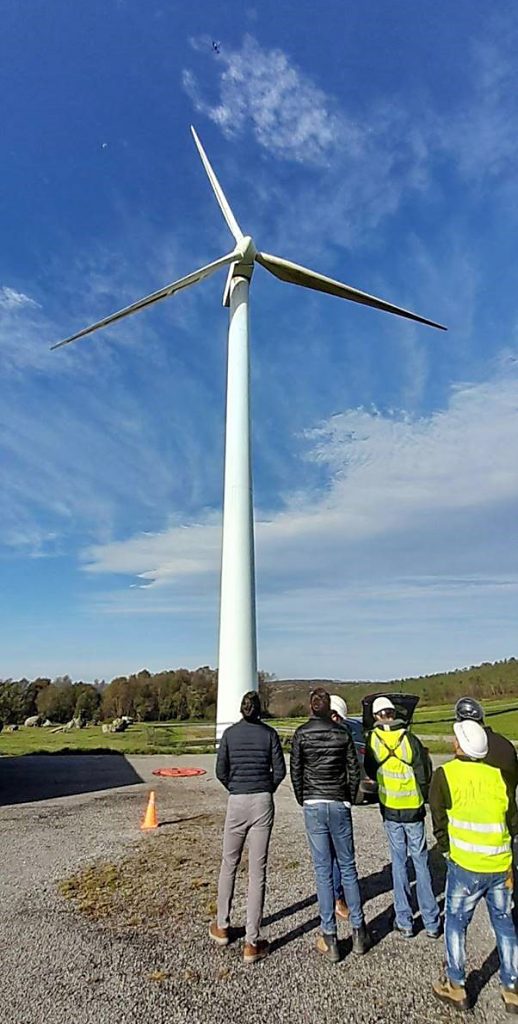
Perceptual Robotics engineers flew an M300 drone to autonomously inspect a G47 wind turbine. (Courtesy: Perceptual Robotics)
Perceptual Robotics has given the wind inspections and maintenance industry a preview of its unique capabilities by holding demonstrations with potential partners.
The company, which has offices in the UK and Europe, welcomed eight companies across Spain to take part in its demonstration day at Sotavento Experimental Wind Farm in Lugo, Spain. Perceptual Robotics engineers flew an M300 drone and used its unique Dhalion system to autonomously inspect a G47 wind turbine at the site.
Two demos were held, with attendees receiving a first-hand preview of the Dhalion system and an inspection as it happened. Perceptual Robotics engineers then showed post flight what data processing looked like and how inspection images and results were presented and analyzed in the system’s web portal.
“This was an excellent opportunity for different stakeholders in the industry to see up close how our system works in real operating conditions. We had people from all aspects of the industry attending, from asset and utility owners to drone companies and inspection organizations. By sharing our extensive experience of inspecting these massive structures, we can bring about the change the industry needs to make inspections more cost effective, timely and safer for all,” said Kostas Karachalios, CEO of Perceptual Robotics.
Perceptual Robotics’ Dhalion system is designed for autonomous in-depth turbine inspections, collecting and analyzing high-quality data from turbines in fewer than 20 minutes.
Earlier this year, the company announced that the advanced technology of robotic systems and artificial intelligence had proven to be almost 15% more accurate in detecting faults in wind turbines thanks to an Innovate UK Research and Development project, which had been ongoing in collaboration between Perceptual Robotics and the University of Bristol. The project showed the partners’ unique system had a 14% improvement in fault detection accuracy when compared with expert humans carrying out the same inspections.
ECOncrete can be added to regular concrete mix to create a chemically-balanced concrete. This enables healthy and diverse marine ecosystems to develop. (Courtesy: ECOncrete)
Deployment of Droplock Ecological Scour Protection has been completed 12 miles off the shore of Long Island, NY in coordination with the New York State Department of Environmental Conservation.
The project partners are ECOncrete Tech Ltd., provider for bio-enhancing concrete technology, and Holcim US, a cement producer. The concrete unit requires up to 30% less material, minimizes native habitat degradation, and supports ecological uplift in offshore wind projects.
“The unit’s ecological properties mimic natural marine habitats’ features while providing the armoring functionality required for scour protection,” said Dr. Ido Sella, ECOncrete Tech CEO and co-founder. “Offshore wind projects that integrate nature inclusive technologies are able to gain ecosystem services not achievable before. The ecological uplift and long term functionality of ecologically sensitive solutions can mitigate some of the associated impacts of offshore infrastructure. The ecological performance will be verified through comprehensive scientific monitoring comparing the bio-enhanced system to the standard rock based scour protection to set new industry standards for responsible construction.”
“This deployment of materials is exciting and timely. The Nature Conservancy believes there is great potential in intentionally designing and constructing materials used in offshore wind energy development in ways that are intended to create habitat for fish and other marine life,” said Carl LoBue, Nature Conservancy ocean program director.
“Renewable energy from wind is a critical part of building a more sustainable world and our Net Zero commitments. We also recognize wind generation needs to be built in a way that minimizes the ecological and environmental impacts,” said Michael LeMonds, VP, Environment, Land & Public Affairs at Holcim US. “Meeting our renewable energy goals together with ECOncrete Tech shows how an innovative approach using well-established building materials can protect natural habitats and help them flourish.”
This project provides the first and only structural solution that benefits both foundation resiliency and the local marine ecosystem. In a recent report, The Nature Conservancy (recommended ECOncrete’s nature-based design for cable protection and scour protection.
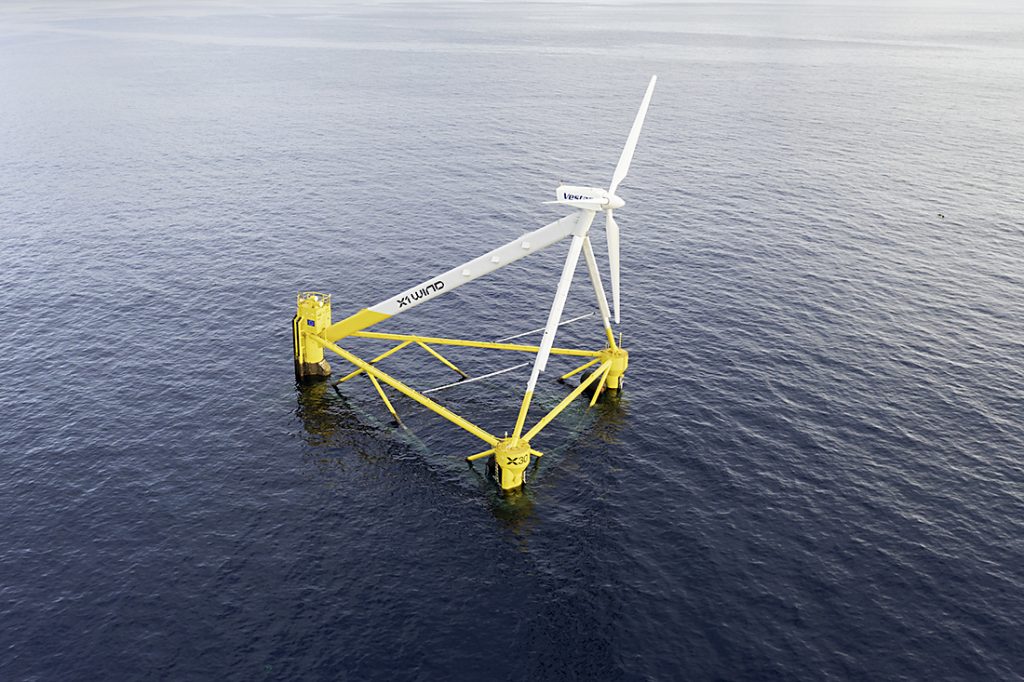
X1 Wind and the PivotBuoy Project installed a floating wind platform in the Canary Islands. (Courtesy: X1 Wind)
X1 Wind’s floating platform has been successfully installed at the PLOCAN test site in the Canary Islands.
As summer trade-winds abated, a suitable weather window allowed X1 Wind and partners from the EU-backed PivotBuoy Project to complete the installation process, connecting the fully-functional floating wind prototype to the mooring system and dynamic cable pre-installed last June.
X1 Wind Operations Manager Jorge Casanovas said operations will soon commence collecting valuable data to validate performance in open ocean conditions for the first time.
“As installation work comes to a close another exciting chapter begins for X1 Wind as we prepare for operations to deliver first power to the PLOCAN smartgrid,” he said. “This is the result of a massive team effort, and we would like to extend our appreciation to all project partners and local suppliers who have supported so diligently throughout the build and installation process. We are especially thankful to those partners and suppliers that have played an instrumental role in the final installation phase, developing a ground-breaking mooring, connection and installation solution for our X30 prototype. Now successfully installed, we will begin monitoring the platform in real-time with multiple sensors integrated within our in-house SCADA system.”
The X30 platform has been developed with key design features to streamline the installation process, including a light-weight and stable floater which can be wet towed by local vessels. The PivotBuoy Project focuses on demonstrating a mooring system configuration that combines the advantages of a SPM (single point mooring) with a small TLP (Tension-Leg Platform) mooring system, allowing the ability to reach deeper waters and minimizing the footprint and impact on the seabed.
Fitted with a Vestas V29 turbine, the 1:3 scale prototype has been stationed at a 50m water depth in a downwind configuration, creating a passive weather-vane effect that eliminates the need of an active yaw system. The scalability of X1 Wind’s technology will enable the firm to provide platforms for the 15MW scale turbines and beyond and to deploy them at very deep sites.
“This is a key milestone for our company and for the floating wind sector in general being able to install a floating wind platform using a TLP mooring system and requiring only small vessels. This reduces not only the costs but also the impact on the seabed. Data obtained from the X30 will contribute to de-risk the technology, improve the design, and obtain the certification of our commercial-scale platforms in preparation for upcoming tenders in Spain and other countries worldwide,” X1 Wind CEO and co-founder Alex Raventos said.
After completing the installation, the PivotBuoy project will be tested in fully operational conditions until March 2023, feeding the electricity produced to PLOCAN’s smartgrid, after it has been commissioned.
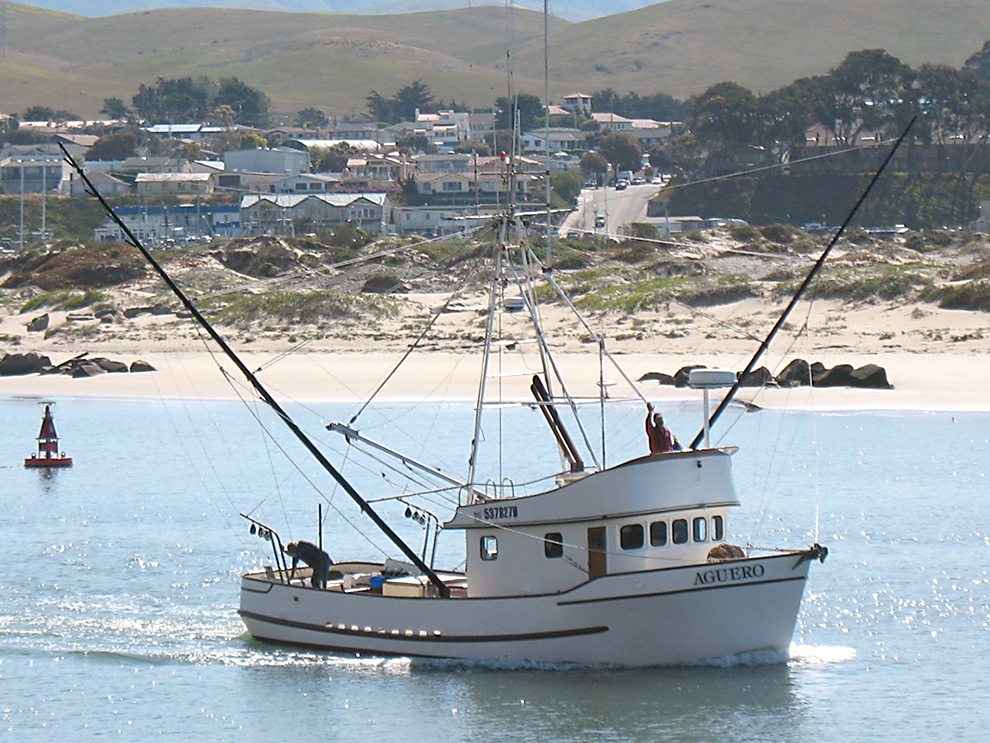
The MBCFO represents the working men and women of Morro Bay, California’s waterfront. (Courtesy: Morrow Bay Commercial Fishermen’s Organization)
The Morro Bay Commercial Fishermen’s Organization (MBCFO), the Port San Luis Commercial Fisherman’s Association (PSLCFA), and Castle Wind LLC (Castle Wind), a joint venture between Trident Winds Inc. and TotalEnergies Renewables USA are forming the Morro Bay Lease Areas Mutual Benefits Corporation (Morro Bay MBC).
The purpose of the Morro Bay MBC is to facilitate communication, coordination, and cooperation between the California Central Coast commercial fishing industry and offshore wind project developers, as well as to provide financial resources in furtherance of California Coastal Act policies.
Morro Bay MBC creates a pathway for the industry to demonstrate to the fishermen and fishing communities, to BOEM, and to the California Coastal Commission, the commitment of project developers to responsible offshore wind development that protects and supports a sustainable commercial fishing industry.
“We recognize the imperative behind developing our offshore wind resource for the benefit of all Californians and appreciate that developers like Castle Wind understand the importance of minimizing and compensating for the possible impacts of the offshore wind farms off Morro Bay on the fishing community,” said Tom Hafer, President of the MBCFO. “The newly formed Morro Bay MBC will help ensure that the Central Coast fishing industry is meaningfully included in the development of this new industry.”
“We, as a humanity, are facing a climate emergency and have to put all our efforts towards achieving a clean energy future,” said Alla Weinstein, CEO of Castle Wind LLC. “With any energy project of this magnitude, there are likely to be impacts. Our approach has been to acknowledge, as early as possible, that impacts may occur, which is why we have been working directly with the Central Coast fishermen since the inception of Castle Wind. By establishing the Morro Bay MBC at this early stage in the process, Castle Wind has created a platform for the developers to mitigate anticipated impacts of offshore wind to the commercial fishing industry without causing stakeholder fatigue.”
The Morro Bay MBC furthers the 2018 mutual benefits agreement signed by MBCFO, PSLCFA, and Castle Wind, which was exclusive to the three signatories. The Morro Bay MBC’s structure is open to all project developers who will secure site leases in the Morro Bay Wind Energy Area, and to fishermen that can prove they have been fishing in that area even if they are not members of MBCFO or PSLCFA.
The board of the newly-formed organization – which includes two representatives from each MBCFO and PSCFA, two representatives from Castle Wind, two seats for representatives from other project developers, and one Harbor Master – will be working together to encourage other project developers to join the Morro Bay MBC prior to the upcoming lease auction.



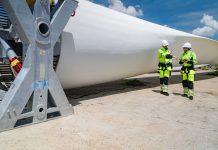


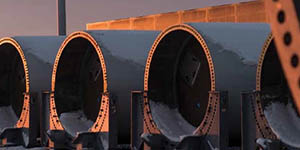
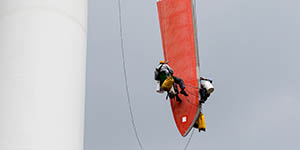
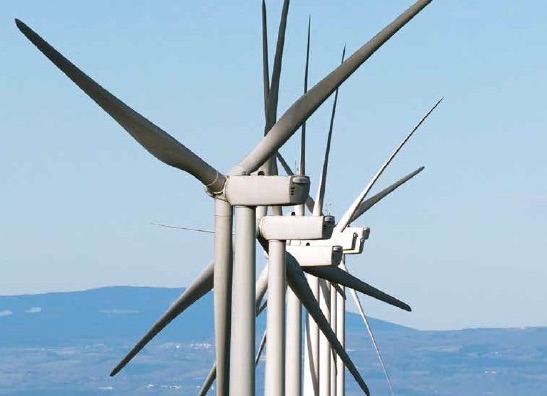
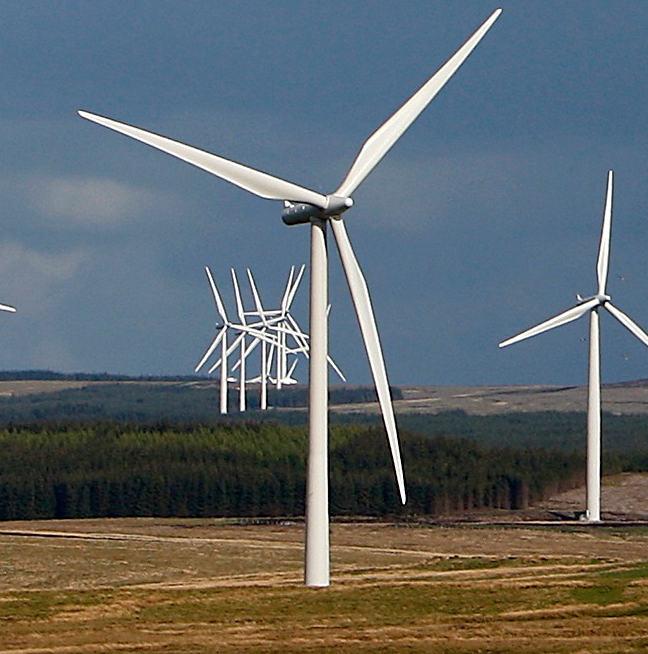



 DNV‘s specialist team analyzes and develops reports for wind-farm owners and operators, showing, among other things, which materials the wind turbines contain, how they can be disposed of in the best possible way, what can be recycled, and how. Now, in collaboration with Reodor Studios, a Norwegian corporate venture and innovation studio, DNV will shape this into a digital service.