





Home 2022

STLE welcomes return of in-person annual meeting May 15-19

0

The 76th STLE Annual Meeting and Exhibition will be held May 15-19, 2022, in Orlando, Florida, and include daily keynote talks, Q&A opportunities, presentations, discussions, and more.

The meeting is the lubricant industry’s most respected event for technical information, professional development, and international networking opportunities. The five-day event will be held entirely in person, complete with daily keynote and plenary talks, live Q&A opportunities with academic and industry leaders, 400 technical presentations, application-based case studies, 12 industry-specific education courses, best practice reports, discussion panels on technical and market trends, in-person networking and social events, and commercial exhibits and student posters.

“We’re excited to bring back our in-person presentation of STLE’s Annual Meeting & Exhibition in 2022, and we can’t think of a better place to do it than the award-winning Walt Disney World Swan and Dolphin Resort,” said Edward P. Salek, CAE, STLE executive director. “This year’s event will provide members and non-members with the long-awaited opportunity to connect, network and collaborate with other lubricant professionals face-to-face.”

Throughout the event, world-class visionaries will address key areas at the forefront of tribological science. Program features will include:

  • Electric Vehicle (EV) Track.
  • Biotribology at the Nanoscale Joint Session. 
  • Tribology of Biomaterials Special Session. 
  • Tribochemistry Joint Session. 
  • 2D Materials + Superlubricity Joint Session.
  • Special session on Artificial Intelligence in Tribology. 

Tribological advancements in transportation, driven by fuel efficiency, gasoline and emission requirements, evolving electric vehicle technologies, and applications performance, can lead to improved fuel efficiency, longevity, and power density. Darryl Stolarczyk, director of vehicle planning, body systems engineering and materials engineering for Nissan Technical Center North America (NTCNA) will open the meeting with a keynote address that focuses on how tribology is supporting Nissan Ambition 2030, the company’s vision for creating a cleaner, safer, and more inclusive society through initiatives that aim for zero emissions, zero fatalities, and zero inequality.

During the presentation, “Nissan — Powertrain Evolution Toward Carbon Neutrality,” Stolarczyk will discuss the integral role tribology and lubrication technologies have played in the development of more efficient internal combustion engine (ICE) powertrains and how they are helping Nissan to achieve its carbon neutrality goals — through the creation of lower-cost electric vehicle (EV) models designed to extend range and reduce charging times.

Commercial exhibits and student posters will be open to visitors from May 16-18. The exhibition will feature more than 100 booths showcasing the latest products and services of interest to lubrication professionals worldwide, representing a full range of the industry’s most prestigious corporate, government, and academic institutions.

STLE members and non-members who are unable to attend the meeting in person can purchase a collection of digital proceedings of the technical presentations after the event for a reduced fee.

MORE INFO  www.stle.org
Monopile upending complete for offshore wind project in Japan

0
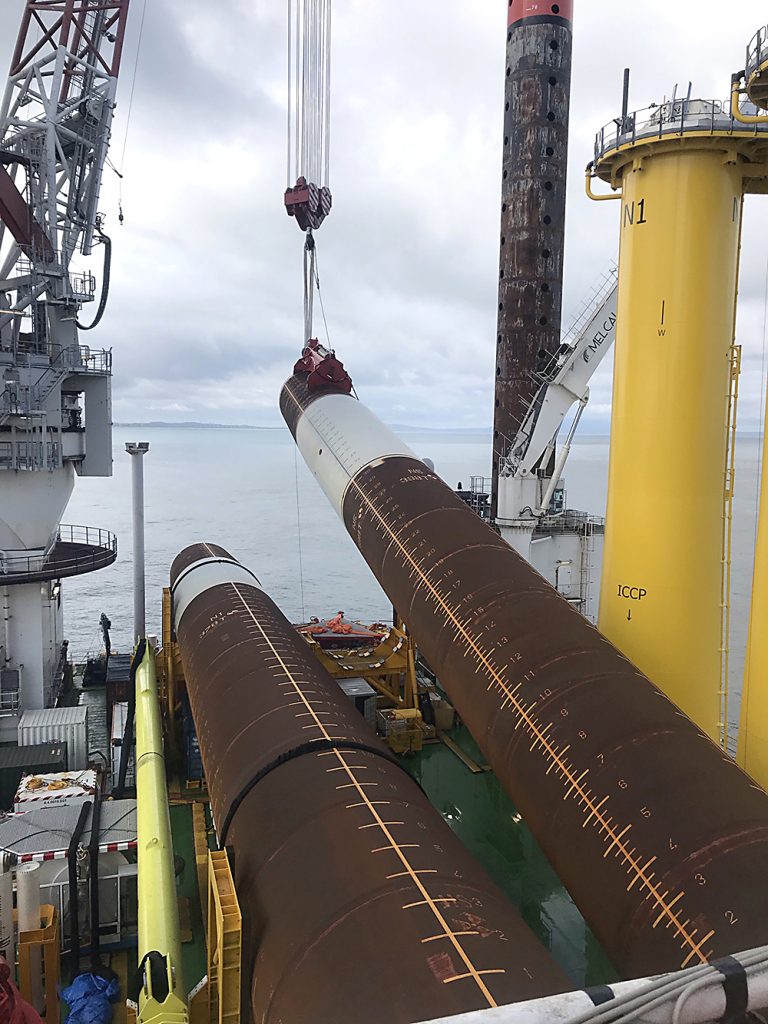
33 monopiles needed to be upended one by one from their horizontal orientation on the deck of the installation vessel so that they could be used for construction of Japan’s first large scale commercial wind farm project. (Courtesy: Akita Offshore Wind Corporation)

As part of the Akita Noshiro offshore wind farm project’s construction phase off the coast of Japan, Akita Offshore Wind Corporation required 33 monopiles to be upended on the deck of the offshore installation vessel so that they could be used for construction of Japan’s first large scale commercial wind farm project.

This was the first time SPMTs had been used for this type of operation in Japan, so strong engineering support from a global team experienced in offshore wind operations would be vital to ensure a safe operation. In particular, close monitoring of tolerances was required throughout, to ensure the SPMTs were not subjected to high levels of torsional load during these highly precise maneuvers.

The operations took place around 1km offshore between Ports of Akita and Noshiro, Japan with main marshalling station in Akita. The 33 monopiles needed to be upended one by one from their horizontal orientation on the deck of the installation vessel.

The monopiles were first loaded by a crane into a cradle and the upending frame, in horizontal orientation. Next, SPMTs connected to the upending frame and the crane hook to their other end. Then the SPMTs were driven forward as the crane hoisted up until safe operational limits were reached.

As each monopile was larger than the deck of the vessel, there was a need for the upending operation to stop and have the crane slew (rotate) 180 degrees. To ensure a safe maneuver, it was necessary to minimize the risk of torsion.

The Mammoet engineer team used steering modes that are not in everyday use, allowing the trailers to be put into carousel mode; free-wheeling to follow the motion of the crane above, to which the monopile was still attached. This phase was executed safely and successfully.

During this phase, surveyors monitored the position of the crane hook to reduce the risk of the crane hook being out of level. Each time, the SPMT was driven forward while the crane was hoisted up until each monopile was free from its upending bucket.

The operations were controlled in the final stages between crane and SPMT operators so that the monopile lifted out of the frame once it was almost vertical. Each monopile was then lowered via crane only into the water for sail-off to the installation site.

Mammoet’s global network provided the client with expertise and equipment from Japan, the wider APAC region, as well as the United Kingdom. This allowed the customer to benefit from the expertise behind some of the world’s most technically challenging offshore wind projects, but also a supplier that could mobilize resources locally.

The Akita Noshiro offshore wind farm project is expected to provide more than 140MW of energy a year. Its power will be supplied to approximately 130,000 homes, with commercial operation expected to start in 2022.

MORE INFO  www.mammoet.com

Siemens Gamesa starts manufacturing in France

0
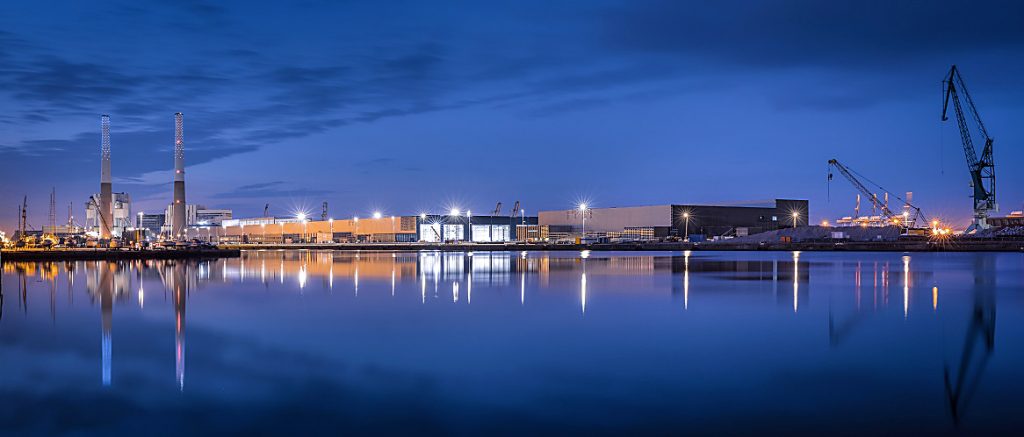
Siemens Gamesa has started manufacturing of both its patented offshore Direct Drive wind turbine nacelles and patented IntegralBlades at its new manufacturing facility in Le Havre, France. (Courtesy: VINCI Construction France)

Siemens Gamesa has started manufacturing of both its patented offshore Direct Drive wind turbine nacelles and IntegralBlades at its new manufacturing facility in Le Havre, France. The world’s first facility to encompass both offshore wind turbine nacelle and blade manufacturing under one roof, it is the largest industrial renewable energy project in France.

A dedicated installation hub is also under finalization on the same plot, allowing direct load out of wind turbine components to French offshore wind power plants. Locally in Le Havre, the first 500 positions out of the 750 total direct and indirect jobs to be created have been filled. The remaining 250 positions are expected to be filled between the end of calendar year 2022 and early 2023.

“Producing our first offshore wind power components in Le Havre is electrifying. This investment serves as a major driver of the economic growth story in Normandy and in the French offshore wind industry. With the world’s first offshore nacelle and blade factory under one roof, we can unlock the power of wind for our customers and the people of France. We are energized to lead the way, especially coupled with solid orders and the government’s recent French Offshore Sector Deal,” said Marc Becker, CEO of the Siemens Gamesa Offshore Business Unit.

Siemens Gamesa and local partners UIMM Le Havre, AFPI, and AFPA have created a dedicated training center for new employees and the new offshore wind specific competencies that are needed. This investment in people is the first training center in France solely dedicated to the production of wind turbine nacelles and blades.

“The first nacelles and blades headed for the Bay of Saint Brieuc and the Fecamp projects are tangible proof of the power of commitment to renewable energy in France. The French Offshore Sector Deal recently signed by the French government commits to 18 GW to be installed by 2035 and for awards growing from 2 GW per year from 2025 onwards. The growth path is crystal clear. We look very much forward to executing our strong French offshore order pipeline with components from the plant. The growing market opportunity and public commitments secure the long-term prospects for our new colleagues,” said Filippo Cimitan, managing director of Siemens Gamesa France.

Siemens Gamesa has approximately 2.5 GW of capacity announced in France. They include the firm orders for the 496 MW Bay of Saint Brieuc project, the 497 MW Fecamp project, the 448 MW Calvados (formerly Courseulles-sur-Mer) project, and the 24 MW Provence Grand Large floating offshore wind power project. Preferred supplier agreements include the 496 MW Yeu Noirmoutier project and the 496-MW Dieppe le Tréport project. The projects will in total use both Siemens Gamesa 7 MW and 8 MW offshore Direct Drive nacelles, as well as 75-meter long B75 blades and 81-meter long B81 blades.

MORE INFO  https://www.siemensgamesa.com/en-int

Lidar systems maker Leosphere is now Vaisala

0
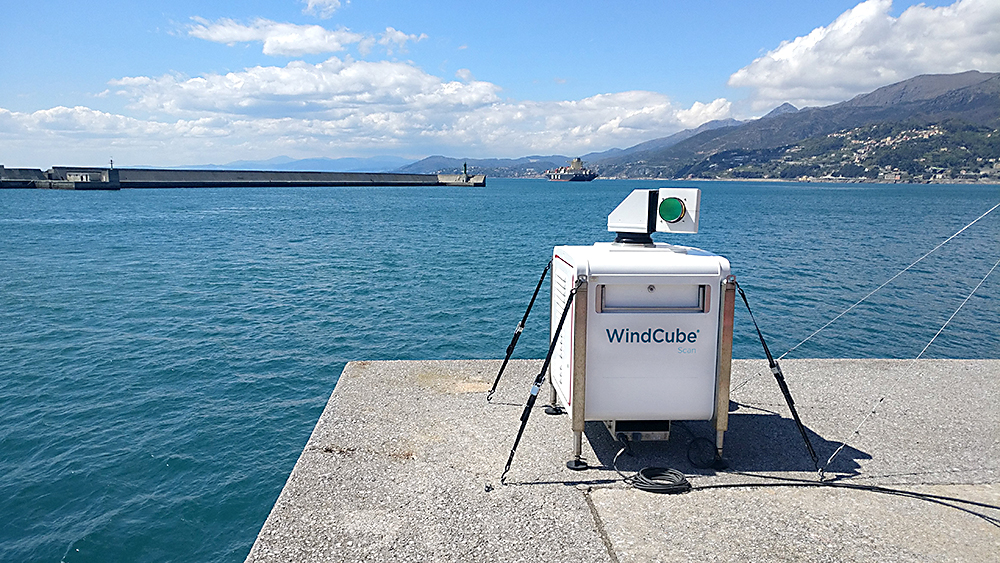
Developers around the globe are using WindCube to reduce risk, improve bankability and decision-making, and make better investments. (Courtesy: Vaisala)

Leosphere, maker of the WindCube lidar suite, is now Vaisala, as it completes integration with Vaisala, who purchased the company in 2018.

From lidars, sensors, and systems to digital services and actionable intelligence, Vaisala’s enhanced range of comprehensive offerings for wind and solar energy applications provides industry-leading integration, scalability, and data quality. The WindCube suite’s accurate and reliable intelligence arms decision-makers with the insights needed to innovate, evolve practices, improve accuracy and efficiency, and meet renewable energy challenges with confidence.

“Backed by its 85-plus-year proven track record and global leadership, Vaisala is a leading wind and solar technology partner, driving the successful evolution of renewable energy for a healthier, greener, and more innovative future,” the company said in a press release.

MORE INFO  https://www.vaisala.com/en

US Wind & UMCES launch major offshore wind research partnership

0
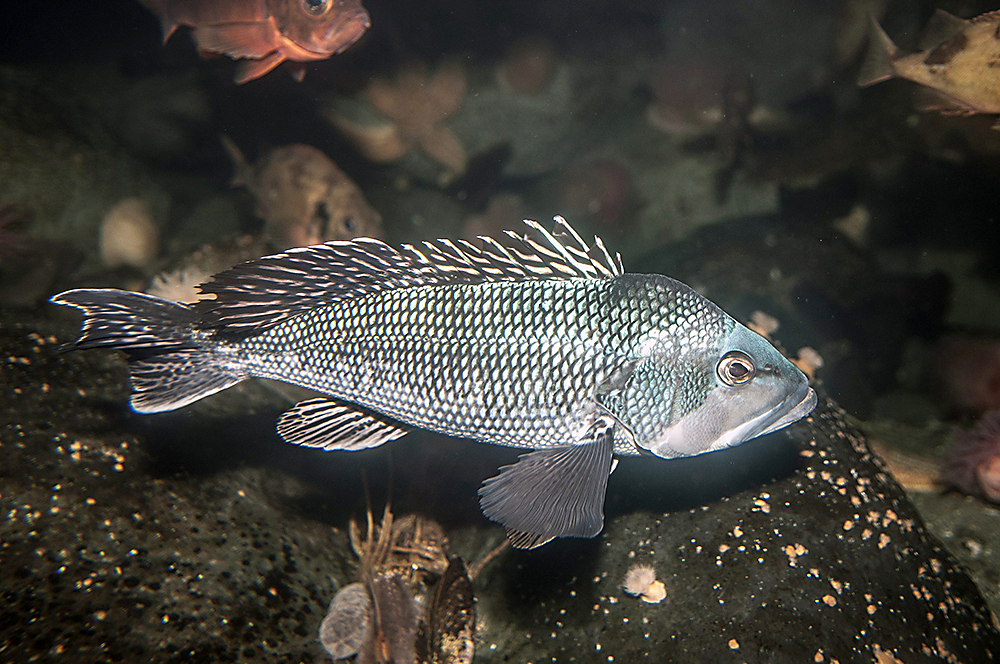
Black sea bass are structure-oriented with large aggregations occurring on artificial reefs and wrecks. (Courtesy: US Wind)

Baltimore-based US Wind, Inc. will partner with University of Maryland Center for Environmental Science (UMCES) for three research projects aimed at understanding the potential effects of offshore wind development on marine mammals, fish, and birds. US Wind pledged $11 million in funding over ten years, and the research will take place in US Wind’s 80,000-acre federal lease area off the coast of Ocean City, Maryland.

“As US Wind works to develop offshore wind off Maryland’s coast, it’s imperative that we do so responsibly,” said Jeff Grybowski, US Wind CEO. “We’re thrilled to be partnering with UMCES on industry-leading environmental research that will enhance protections for marine life as we develop this clean energy resource for the region.”

“Partnering with a leading environmental research institution like UMCES is an exciting building block in our efforts to collect much-needed biological information in our lease,” said Laurie Jodziewicz, US Wind Senior Director of Environmental Affairs. “The planned work will go a long way in filling knowledge gaps that still exist about offshore wind’s effects on the marine environment. We’re excited to get started.”

US Wind’s funding will support three projects, all planned to kick off this year, to understand the potential environmental effects of offshore wind development in the Mid-Atlantic.

“We’re really pleased with this continued partnership with US Wind on important questions related to the environmental impacts of offshore wind development,” said University of Maryland Center for Environmental Science President Peter Goodwin. “We look forward to working with them along with state and federal agencies to help make the best decisions to minimize impacts to the environment.”

The three UMCES research projects are:

Commercial and recreational fisheries monitoring: An eight-year program to evaluate the extent that black sea bass change their aggregation behaviors before, during, and after construction. Black sea bass are structure-oriented with large aggregations occurring on artificial reefs and wrecks. Turbine foundations will add three-dimensional structure within US Wind’s lease where very little exists. This research project will assess the benefits and potential fish aggregation effects. It will also test black sea bass fishing with ropeless gear, an important technology to reduce whale entanglements.

Near real-time whale detection: This initiative will continue the deployment of a near real-time whale detection system to provide timely alerts on the presence of baleen whales (North Atlantic right whales, and humpback, fin, and sei whales) for a 12-month period from 2022 to 2023. The project is a partnership between UMCES and Woods Hole Oceanographic Institution that uses quiet mooring technology, whale vocalization detection algorithms, and telecommunications to transmit frequent alerts on the presence of baleen whales. The initiative enables real-time data collection through the buoy system that was initially funded by the Maryland Energy Administration and deployed by the Maryland Department of Natural Resources.

Passive acoustic monitoring array: This long-term project will support passive acoustic monitoring to detect dolphins and large whales such as North Atlantic right whales to understand their presence and migration patterns in and around the lease area and the potential effects of construction. Working with Cornell University’s Center for Conservation Bioacoustics, two types of listening devices will be deployed to determine the occurrence and position of large whales and dolphins, and to detect the tonal echolocation clicks of small cetaceans including porpoises. Additionally, this project will deploy equipment to listen for passing fish, sharks, rays, and turtles that have been implanted with transponders for broader scientific research.

“The Department appreciates the coordinated research into safer equipment and marine wildlife monitoring,” said Catherine McCall, Director of the Maryland Department of Natural Resources Office of Ocean and Coastal Management. “The ongoing deployment of Maryland’s whale monitoring buoy provides daily detections and helps resource managers protect sensitive species.”

These UMCES-led research projects build on the environmental baseline work US Wind is doing to better understand the environment in and around its lease area and mitigate potential effects of offshore wind development on marine life and avian species. One such initiative includes aerial digital surveys to identify birds that may be displaced or avoid the wind farm once the turbines are installed. These research and monitoring programs also inform the comprehensive analyses the federal government must do to approve the construction and operation of offshore wind projects.

“The Maryland Energy Administration (MEA) is pleased that offshore wind developers are investing resources to support scientific understanding of the nexus between offshore wind development and the environment, wildlife, ecosystems, and habitats off the coast of Maryland,” said Mary Beth Tung, Ph.D., Esq., Director of MEA. “US Wind’s investment complements the research initiatives funded by MEA and administered by DNR, which total more than $15 million and have been carried out since 2014.”

Monitoring these populations is a critical step in conservation to measure changes, track threats, and evaluate the success of wildlife management. The projects were selected based on their efficacy and ability to complement existing research efforts in the scientific community. All data will be made available to government and academic researchers, and reports and information will be made publicly available to help protect these important species and ecosystems for generations to come.

MORE INFO  https://uswindinc.com/

Biden-Harris administration announces lease sale offshore of the Carolinas

0
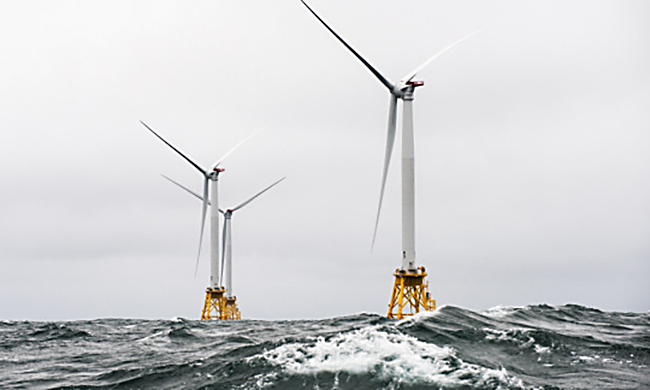
Block Island Wind Farm is the first commercial offshore wind farm in the United States. (Courtesy: DOE)

The Department of the Interior recently announced that the Bureau of Ocean Energy Management (BOEM) has completed its environmental review and will hold a wind-energy auction for two lease areas offshore of the Carolinas on May 11.

The lease areas cover 110,091 acres in the Carolina Long Bay area that, if developed, could result in at least 1.3 GW of offshore wind energy, enough to power nearly 500,000 homes. The announcement is part of President Biden’s agenda to grow a clean-energy economy that harnesses offshore wind projects to strengthen U.S. energy independence, create good-paying jobs, and lower energy bills for consumers.

“The Biden-Harris administration is committed to supporting a robust clean-energy economy, and the upcoming Carolina Long Bay offshore wind-energy auction provides yet another excellent opportunity to strengthen the clean energy industry while creating good-paying union jobs,” said Secretary Deb Haaland. “This is a historic time for domestic offshore wind-energy development. We will continue using every tool in our toolbox to tackle the climate crisis, reduce our emissions to reach the president’s bold goals, and advance environmental justice.”

President Biden catalyzed the offshore wind energy industry by announcing the first-ever national offshore wind energy goal, creating a clear vision for the future of this innovative industry. This goal is reinforced by President Biden’s Bipartisan Infrastructure Law, which will make historic investments to build a better America with clean energy, resilient infrastructure, and strong domestic manufacturing and supply chains.

The Carolina Long Bay offshore wind-energy auction will allow offshore wind developers to bid on one or both of the lease areas within the Wilmington East Wind Energy Area (WEA), as described in BOEM’s Final Sale Notice (FSN), which is available in the Federal Register Reading Room. The two lease areas include similar acreage, distance to shore, and wind-resource potential.

The FSN includes several lease stipulations designed to promote the development of a robust domestic U.S. supply chain, advance flexibility in transmission planning, and encourage project labor agreements. Among the stipulations announced, BOEM will offer a 20 percent credit to bidders if they commit to invest in programs that will advance U.S. offshore wind-energy workforce training or supply chain development.

To advance BOEM’s communication and environmental justice goals, the leases will also require lessees to identify Tribal Nations, underserved communities, agencies, ocean users and other interested stakeholders, and report on their communication and engagement activities with these parties. These stipulations are intended to promote offshore wind-energy development in a way that coexists with other ocean uses and protects the ocean environment, while also facilitating our nation’s energy future for generations to come. These innovative stipulations were embraced in the Department’s recent lease sale for the New York Bight, which set a record as the nation’s highest-grossing competitive offshore energy lease sale in history, including oil and gas lease sales.

“BOEM is focused on ensuring that any development offshore North Carolina is done responsibly, in a way that avoids or minimizes potential impacts to the ocean and ocean users in the region,” said BOEM Director Amanda Lefton. “The milestones announced … mark significant progress in achieving this administration’s goal for deploying 30 GW of offshore wind energy by 2030, while creating jobs and strengthening a sustainable domestic supply chain.”

In November 2021, BOEM published a proposed sale notice (PSN) and requested public comments on the proposed leasing of nearly 128,000 acres in the Wilmington East WEA. Based on the bureau’s review of scientific data and extensive input from the commercial fishing industry, tribes, partnering agencies, key stakeholders, and the public, BOEM reduced the acreage available for leasing in the FSN by 14 percent from the areas proposed in the PSN to avoid conflicts with ocean users and minimize environmental impacts. BOEM will continue to engage with its partners and stakeholders as the process unfolds.

In addition, this past fall the administration announced a new leasing path forward, which identified up to seven potential lease sales by 2025, including the upcoming Carolina Long Bay lease sale and last month’s New York Bight lease sale. Lease sales offshore California and Oregon, as well as in the Central Atlantic, Gulf of Maine, and the Gulf of Mexico are expected to follow.

A recent report indicates that the United States’ growing offshore wind-energy industry presents a $109 billion revenue opportunity to businesses in the supply chain over the next decade.

MORE INFO  www.boem.gov/renewable-energy/state-activities/carolina-long-bay

Megger Enhances Wind Turbine Test Leads

0
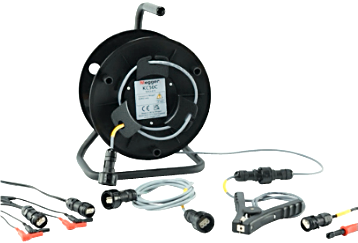
Megger has enhanced its KC series of test leads used with wind turbines. (Courtesy: Megger )

Megger, a manufacturer and supplier of test and measurement equipment used within the electric power, building wiring, and telecommunication industries, has enhanced its KC series of test leads used with wind turbines. The new leads can be used either in a manufacturing plant or in the field for maintenance.

KC-C test leads are lightweight, making them safe for use at extreme heights, and are designed to work with Megger’s DLRO2 low resistance hand-held ohmmeter long test lead mode to measure the resistance of the lightning protection circuit of wind turbines.

Developed in conjunction with a wind turbine manufacturer, the KC-C test leads provide a solution for supplying leads that are long enough for testing the continuity of lightning protection conductors in turbines. They eliminate the time-consuming, inconvenient and unreliable process of engineers and technicians having to fabricate their own test leads.

Available in two lengths including 328 feet and 164 feet, each testing lead comes standard on a heavy-duty cable reel that is fitted with a friction brake to avoid tangles while reeling out the cable. They are rated to 10 A. Each lead set includes two test leads fitted with a duplex handspike for probing the lightning receptors on the tips of the turbine blades.

The leads are also fitted with a Kelvin clip that is designed to offer ease of use, while providing consistent connections that are needed to ensure accurate and repeatable results.

The KC-C test leads also feature hook terminations marked with C or P to ensure the right connections are made; as well as a cable guide on the cable reel to assist with orderly rewinding. These lightweight lead sets, weighing approximately 17 pounds, use a duplex connect test lead system that allows probes or clips to be changed quickly and easily on-site. When combined with the DLRO2, they have a combined weight of less than 20 pounds.

MORE INFO  us.megger.com/

Verton, Crosby Group expand load orientation technology

0
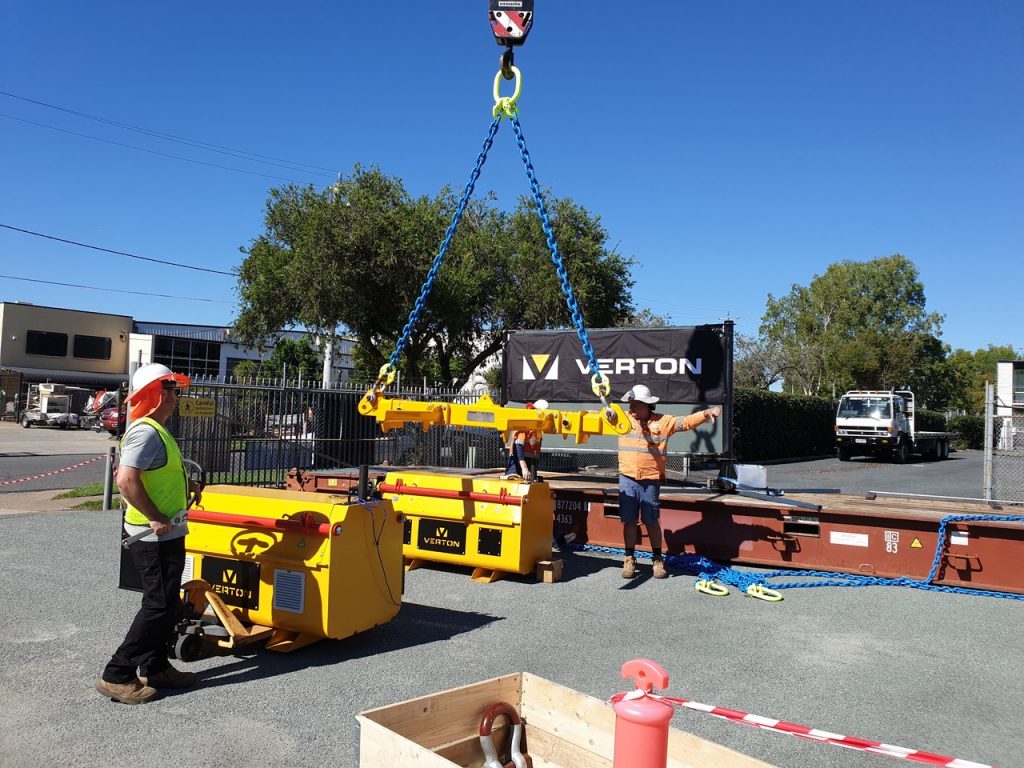
The Verton range of lifting solutions includes land-based and offshore energy, construction and infrastructure, cargo handling and towing, marine, mining, and transportation. (Courtesy: Verton )

Verton and The Crosby Group are expanding Verton’s load orientation technology in North America. Crosby Group,  Verton’s master distributor for the Americas, has invested in additional units for deployment in the U.S and Canada, as well as key team members to support the growing business.

The Verton range of lifting solutions includes land-based and offshore energy, construction and infrastructure, cargo handling and towing, marine, mining, and transportation.

“Verton’s remote-controlled load orientation products provide a step-change in terms of the safety and productivity of our customers’ lifting operations. Verton’s wireless products remotely orientate suspended loads without the need for taglines, using gyroscopes and sophisticated control systems, removing the need for personnel near or under loads.  The combined strengths of Verton’s product with the rich rigging heritage of The Crosby Group has allowed us to bring these benefits to job sites across the Americas,” said Robert Desel, Crosby Group CEO.

“We are thrilled to see the investment that The Crosby Group is making in support of our partnership. Verton will have a greatly increased presence in the market to bring our products to new customers and industries and to provide an increased level of support to our existing customers,” said Verton CEO Tim Ekert.

Verton is the inventor of inventor of the remote-controlled load orientation system. The company’s range of lifting products also integrates smart technology to facilitate more precise load placement, faster task turnover, and superior analysis and oversight of operations.

MORE INFO  www.verton.com.au or www.thecrosbygroup.com

Western Spirit Wind projects open in New Mexico

0
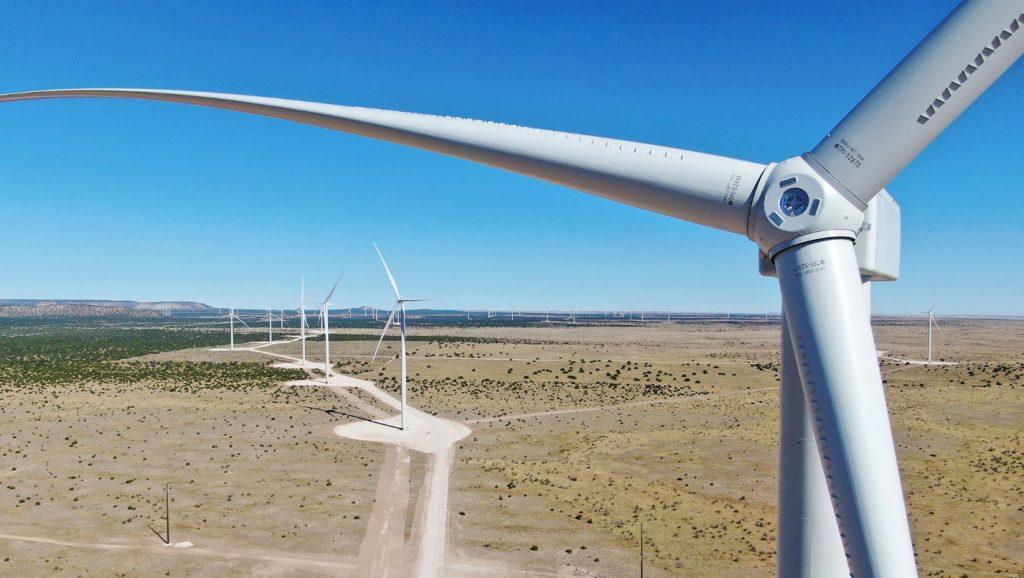
Pattern Energy’s Western Spirit Wind facility in New Mexico. (Courtesy: Pattern Energy)

Pattern Energy Group LP (Pattern Energy) announced the grand opening of its Western Spirit Wind power facilities, comprised of four wind power projects located in Guadalupe, Lincoln, and Torrance Counties in central New Mexico, totaling more than 1,050 megawatts (MW) of clean power capacity, enough to meet the electricity needs of 900,000 Americans each year.

“This project is doing it all: creating good-paying jobs, providing clean power to New Mexico and beyond, and cutting emissions from the energy sector. New Mexico is leading the pack – nationally and globally – in the renewable energy space. At the state level, at the county level, at the city level, at the village level, New Mexico is all in on the economic and environmental benefits this industry provides,” said Gov. Michelle Lujan Grisham.

Western Spirit Wind will provide clean, renewable energy to California and New Mexico. The four wind power facilities that comprise Western Spirit Wind utilize a total of 377 GE wind turbines ranging from 2.3 to 2.8 MW in size. The GE turbines utilize various tower heights to optimize the wind capture at each facility.

The wind project and accompanying transmission line involved around 1,500 workers on-site during peak construction, including heavy equipment operators, electricians, laborers, and others. More than 50 workers will operate and maintain the Western Spirit Wind facilities in New Mexico.

“The Western Spirit Transmission Line literally rewrote the energy landscape in New Mexico— allowing us to build four new utility-scale wind projects in central and eastern New Mexico that make up the largest single-phase wind project in all of North America. I was proud to support this project every step of the way,” said Sen. Martin Heinrich.

“The largest wind power project in the entire country is now producing strong benefits for the state of New Mexico, including millions of dollars in tax revenue to local counties and school districts. This is just the beginning. We have committed to $6 billion in upcoming wind energy and related infrastructure projects in New Mexico over the next decade, putting thousands of people to work. Together, we are building a cleaner and more sustainable future,” said Mike Garland, Pattern Energy CEO.

“If we’re going to make this decade one of exponential climate action, we need more than just bold goals and lofty long-term promises — we need real solutions and results today,” said Mayor Eric Garcetti. “Bringing this state-of-the-art facility online makes it our largest wind project to date — providing clean energy for hundreds of thousands of Angelenos and bringing us one major step closer to becoming a city powered without fossil fuels,” Garcetti added.

“The energy we receive from Western Spirit will power 186,000 San José homes annually with clean, pollution-free electricity for the next 15 years,” said San José Mayor Sam Liccardo. “I’m proud that San José Clean Energy is helping invest in California’s renewable energy future so we can leave a more livable planet to future generations.”

MORE INFO   patternenergynewmexico.com

Yaw ring system could extend wind turbine life

0
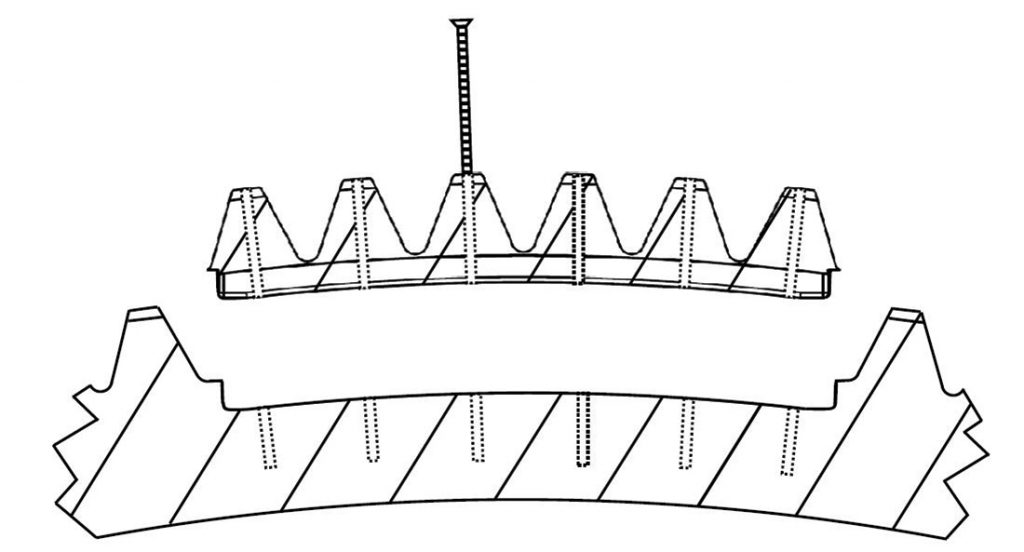
A diagram of the yaw ring’s location on a wind turbine. (Courtesy: CNC Onsite)

Danish machining firm CNC Onsite has developed an invention for repairing wind turbine yaw rings on site. The patented system could eliminate expensive, time-consuming disassembly of the rotor and nacelle for replacement.

The yaw ring is a crucial component in securing maximum power production from a wind turbine and is complex and costly to replace. Broken and worn teeth can leave operaturs of older wind turbines with no choice except scrapping them.

“This inspired us to develop a repair method as an alternative,” said Søren Kellenberger, Sales Director, CNC Onsite.

“We can now offer a repair service for both onshore and offshore at a fraction of the cost of replacing the entire yaw ring, and that makes it viable to keep perfectly good wind turbines operating for longer,” Kellenberger said.

The CNC Onsite method employs a portable precision tool to repair any broken or worn yaw ring teeth. Operated by a specialist engineer, the tool applies the patented method, working at extremely fine tolerances, to remove and reinsert machined teeth. The patent for the system covers the milling process by which the damaged teeth are excised, and the bed created for the new part, as well as its particular insertion method.

“The process we apply when creating new yaw ring teeth for a wind turbine is similar in principle to a new dental crown that is first copied precisely then fitted by a dentist using precision tools,” Kellenberger said. “The aim is the same, and it should last for a long time.”

The tool has been designed to break down into component parts with a low weight that allows them to be transported in the tower elevator to the work area. After reassembly in the nacelle, the compact tool can be operated in the confined working space around the yaw ring.

Repairs are carried out inside the wind turbine tower so can be completed irrespective of weather conditions.

“As long as it is safe to travel to and access the wind turbine, we can carry out the repairs. So there are far fewer days when we cannot work. This is also good for both work schedules and costings,” Kellenberger said.

Mounted at the top of the wind turbine tower, the toothed yaw ring is a gear that engages with motors mounted on the nacelle to align the rotor blades with the wind. CNC Onsite estimates that turbines on some 5 to 10 percent of wind farms will experience damage to their yaw ring teeth during their service life. Typical causes include unpredictable wind events or uneven loads sustained over time.

Replacing the yaw ring requires the entire nacelle to be detached using a crane and specialist labor – a process that is expensive for onshore turbines and perhaps uneconomic for offshore. Across the lifetime of a wind turbine, maintenance can represent up to a quarter of all costs incurred, and decisions such as choosing a cost-effective yaw ring repair versus replacement are set to become an important trend.

The system developed by CNC Onsite can usually carry out yaw ring repairs within a few days. This reduces downtime, and results in significant CO2 savings.

“We’re eliminating the need for manufacturing a new yaw ring and above all the huge logistical effort required to transport a yaw ring to the site, deploy cranes, which is particularly tricky offshore, and replace it,” Kellenberger said.

“Such an operation requires a significant number of people and a lot of equipment with all the  associated CO2 emissions. With our repair method, this is no longer required,“ Kellenberg said.

The yaw ring repair service offered by CNC Onsite has already been used on a range of turbines in wind parks, both offshore and onshore, since it entered the market in 2019 following months of endurance tests.

MORE INFO  cnconsite.dk/en/

American Clean Power CEO applauds Biden clean energy provisions

0
In his State of the Union address, President Joe Biden urged Congress to take action for the renewable energy industry. (Courtesy: Los Angeles Times)

American Clean Power Organization CEO Heather Zichal praised President Joe Biden’s March 1 State of the Union mentions about clean energy and climate change.

“President Biden’s first State of the Union address was emphatic and unmistakably clear about the urgency of rapid clean energy investment. The invasion of Ukraine reminded us that bullies like Vladimir Putin can play games with energy to hold countries hostage,” Zichal said.

“This week we also heard the world’s leading climate scientists tell us that our planet is warming at an alarming rate. The way out of both of these crises is to rapidly scale affordable, reliable clean energy everywhere. We join the President in urging Congress to take action on critical investments and tax credits for the renewable energy industry that have broad, bipartisan support. Quick action will create good jobs and allow the rapid deployment of clean energy projects in all 50 states,” Zichal added.

MORE INFO  www.cleanpower.org

TGS launches Wind AXIOM for offshore projects

0

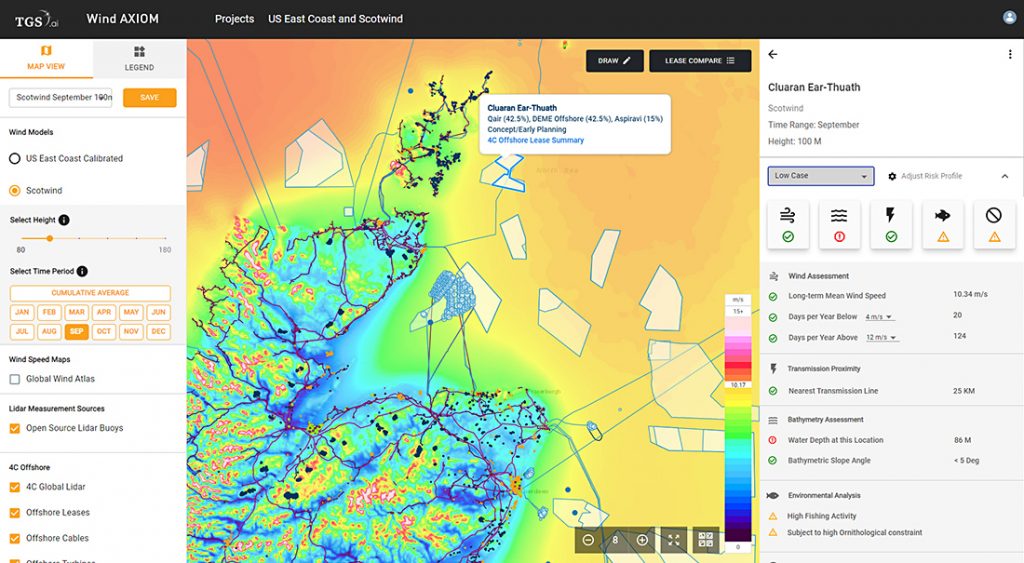
TGS, a global provider of energy data, data-driven solutions and intelligence, recently announced Wind AXIOM. This unique wind data analytics platform enables offshore wind-market stakeholders to assess risks and opportunities associated with impending and future offshore wind projects.

Wind AXIOM is designed to offer interactive feasibility analysis by aggregating many critical data categories in one place and subsequently enabling comprehensive benchmarking of current and future lease rounds. Combined with interactive visualization and analysis tools, Wind AXIOM provides new and easy-to-access insights for the offshore wind market.

“In the development of this easy-to-access platform, our mission was to improve the wind-assessment experience for everyone,” said Jan Schoolmeesters, EVP of Digital Energy Solutions at TGS. “TGS has leveraged 40 years of data expertise, including that from subsidiary 4C Offshore, to help customers access multiple high-quality wind-data resources in one place, screen offshore wind projects faster, and easily compare offshore wind-lease opportunities across the globe. Wind AXIOM allows wind stakeholders to assess their potential investments and future opportunities.”

Wind AXIOM integrates and homogenizes a wide variety of data. Data types include high-resolution wind resource data, energy assessment, 4C Offshore market, regulatory and policy intelligence, environmental and marine use restrictions, bathymetry data, transmission infrastructure, and other data sources. These are analyzed together, providing early insights into the costs and risks of pursuing a particular lease area. As a result, this tool improves the quality and speed of decisions by offering a tailored experience for various participants of the offshore wind market, helping assess opportunities early and more efficiently.

MORE INFO  TGS.com/wind-axiom

Siemens Gamesa names new CEO

0
Jochen Eickholt is the new CEO at Siemens Energy. (Courtesy: Siemens Gamesa)

Siemens Gamesa Renewable Energy has appointed Jochen Eickholt, a member of the executive board at Siemens Energy as its Chief Executive Officer. Eickholt will take the reins at Siemens Gamesa on March 1, replacing Andreas Nauen.

“Siemens Gamesa is experiencing significant challenges in its Onshore business in a very difficult market and we have appointed an executive with a strong track record in managing complex operational situations and in successfully turning around underperforming businesses,” said Miguel Angel López, chairman of Siemen Gamesa’s board of directors. “The Board would like to thank Andreas for his considerable efforts as CEO as well as for his previous leadership of the Offshore business, which continues to lead the global market,” Lopez said.

Eickholt joined the Siemens Energy executive board in January 2020,  where he is responsible for the Power Generation and Industrial Applications businesses as well as Asia-Pacific and China. During a career with Siemens spanning more than 20 years, Eickholt has held a number of senior management positions including chief executive officer of Siemens Mobility and chairman and managing partner of the Siemens Portfolio Companies.

He studied electrical engineering at the RWTH Aachen in Germany and at the Imperial College of Science, Technology and Medicine in London. After receiving his engineering degree, Eickholt earned his doctorate at the Fraunhofer Institute for Production Technology.
MORE INFO  www.siemensgamesa.com

WindCube Nacelle lidar earns full classification

0
The classification paves the way for increased adoption and acceptance for Power Performance Testing (PPT). (Courtesy: National Renewable Energy Laboratory )

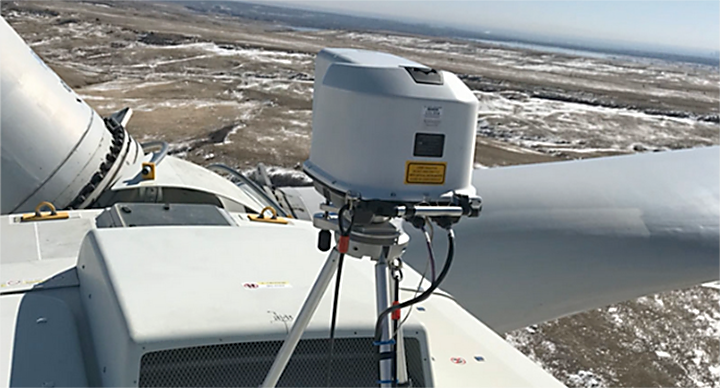
Leosphere, a company that specializes in developing, manufacturing, and servicing turnkey wind lidar instruments for wind energy, announced that WindCube® Nacelle is the first nacelle lidar to receive full classification according to the new IEC standard for nacelle-based lidar.

Latest enhancements to the WindCube Nacelle deliver simplified lidar system and data management with the cloud-based WindCube Insights—Fleet.

Rotor Equivalent Wind Speed lidar data provides rotor-averaged wind speed, enabling more detailed analysis of most modern, large rotor turbines.

An integrated weather sensor directly mounted on the lidar provides air pressure, temperature, humidity, and rain and hail data.

MORE INFO  www.windcubelidar.com

Clir Renewables launches merger, acquisition service

0
Clir M&A uses AI and cloud-based data processing techniques to analyze historical portfolio and site data in days, where it would typically take months. (Courtesy: Clir Renewables)

Clir Renewables, a market intelligence platform for wind and solar, has launched a mergers and acquisitions (M&A) service. Clir M&A will help renewable energy investors gain a competitive edge by using Clir’s project performance analytics to understand project risk and asset health, enabling improved bids in accelerated timelines.

“In 2019, Elemental Energy used Clir’s data and expertise to submit a competitive bid to successfully acquire the project, as well as improve their financing and debt terms. Seeing this success, and the demand for deeper insights for bids, motivated us to develop Clir’s M&A service. With project finance in renewable infrastructure growing, we have seen a boom in cross-border mergers and acquisitions. Clir’s offering of deeper intelligence during the bidding process alongside post-optimization insights will increase production, reduce costs and give clients a competitive edge,” said Clir CEO Gareth Brown.

Through Clir M&A, Clir uses advanced AI and cloud-based data processing techniques to analyze historical portfolio and site data in days, where it would typically take months. This speed to analysis, coupled with the context provided by a 200 GW global industry dataset, enables Clir to provide buyers, sellers and their advisors with greater certainty on the risk and potential of projects. Access to this deeper intelligence during the bidding process alongside ongoing insights allows clients to increase production and reduce costs.

Clir’s access to 200 GW of wind and solar data also allows investors to benchmark performance against industry standards, while gaining clarity on asset risks and asset health. This affords investors an opportunity to consider post-acquisition optimization strategies much earlier in the asset management life cycle.

Clir benchmarks data from all major OEMs, allowing bidders to measure asset and turbine performance against region, vintage and technology to ensure that the project is performing up to industry standard.

“Clir’s value is in its data. At Clir M&A, we put data at the fingertips of stakeholders,” Brown said.

MORE INFO  www.clir.eco

NRG Systems announces new vice president

0
Enrique Lopez Salido is NRG Systems’ new Vice President of Operations. (Courtesy: NRG Systems)

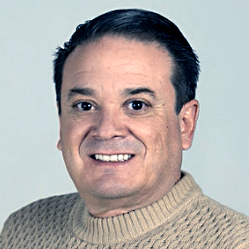
NRG Systems announced that Enrique Lopez Salido is the company’s new Vice President of Operations. Lopez Salido oversees the company’s manufacturing operations, integrated supply chain processes, and quality program.

“I am excited to join the NRG Systems team at such a pivotal time for both the company and the renewables industry.  As NRG’s portfolio continues to evolve and the business continues to grow, I look forward to driving the optimization of the processes needed to get their proven, high-quality products in the hands of customers so they can keep their own projects on track for success,” Lopez Salido said.

Lopez Salido has nearly 30 years of experience running and redefining global operations for a range of technology sectors, including aerospace, automotive, telecommunications, medical, and renewable energy. He most recently served as Daikin Applied Americas’ supply chain transformation lead, where he led the evolution of the company’s procurement process into an integrated supply chain; helped establish long-term commodity strategies; and assisted in achieving a year-over-year cost reduction.

“Today’s supply chain challenges are greater than ever before and Enrique’s solutions-focused mindset and considerable experience in global operations for everything from start-ups to publicly traded, billion-dollar companies are significant assets. I am confident that with Enrique on our leadership team, NRG will continue to handle any challenges that come our way, while helping us meet our growth demands in an extremely efficient and profitable way,” said NRG Systems president Evan Vogel.

MORE INFO  nrgsystems.com

James Fisher launches decommissioning business

0
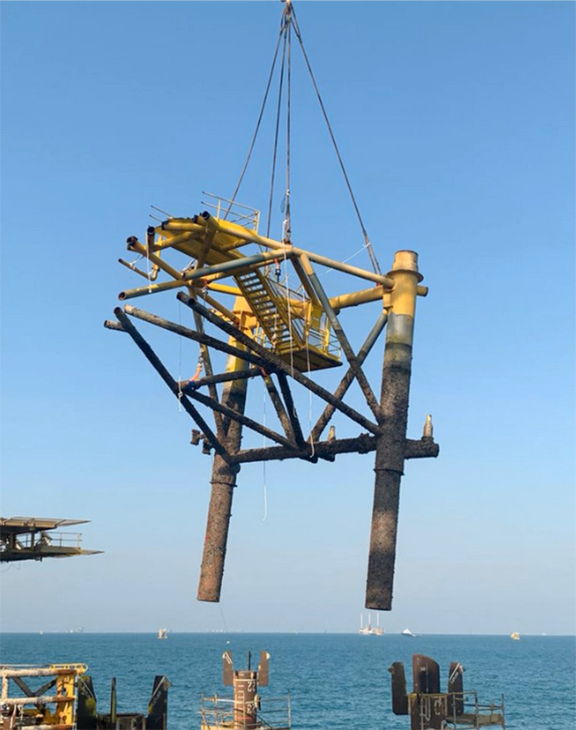
A JF decommission project that included a subsea jacket removal. (Courtesy: James Fisher)

James Fisher has launched James Fisher Decommissioning (JF Decom) to support customers in the renewables and oil and gas markets.

JF Decom will provide customers with a dedicated team to provide delivery in complex projects such as subsea infrastructure removal; structural removal, well severance, and well abandonment.

With one of the world’s largest fleets of decommissioning tooling and in-house design and engineering capability, JF Decom can  support the rise in decommissioning projects to deliver cost and time saving solutions critical to achieving regulatory guidance of a 35% reduction in decommissioning costs, a target mapped out by the Oil & Gas Authority in 2016.

JF Decom’s services include the well abandonment tool SEABASS that provides a cost effective and quicker alternative to rig-based solutions when abandoning category 2 wells, due to its ability to deploy from a vessel of opportunity and work in any water depth.

“JF Decom is also dedicated to ensuring that decommissioning is conducted as sustainably as possible by restoring the seabed to its natural state. With our noise attenuation tools such as Bubble Curtains we can also minimize environmental impact to marine life during decommissioning works and ensuring we provide environmentally responsible services is something that is at the forefront for JF Decom,” said Jack Davidson, JF Decom managing director.

JF Decom and  JF Renewables will be able to work independently or collaboratively to support the drive to net zero by providing full support services to the oil and gas and renewable markets in the installation, maintenance and decommissioning of assets.

MORE INFO  www.jamesfisherrenewables.com

Crosby Group innovating floating offshore wind

0
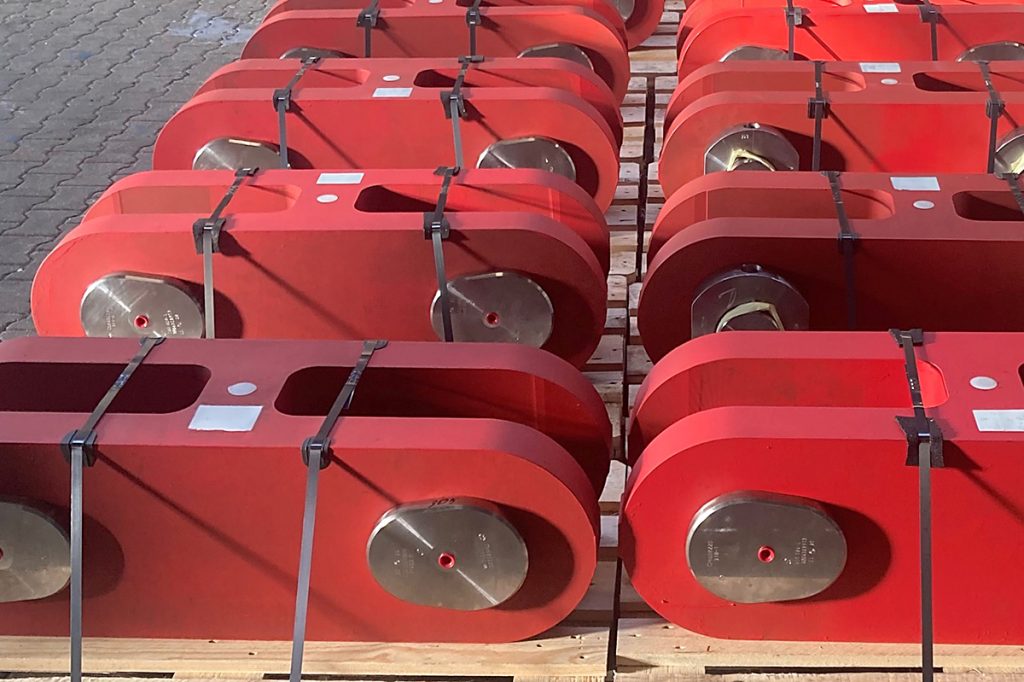
Crosby Group acquired Feubo, a specialist provider of offshore mooring components for the oil and gas and wind energy markets. (Courtesy: The Crosby Group)

It has been nearly two years since The Crosby Group, a global leader in lifting, rigging, and material handling hardware, completed the acquisition of Feubo, a specialist provider of offshore mooring components for the oil and gas and wind energy markets.

The purchase included Feubo’s facility in Hattingen, Germany, that has continued to serve as a center of excellence for mooring components. It is equipped to support the installation and safe operation of floating wind turbines, typically mounted on a floating structure that allows the turbine to generate electricity in water depths where fixed-foundation turbines are not suitable.

The Hattingen facility is also a focal point for key testing, engineering, and innovation, that notably led to the launch of the HFL Kenter, a high fatigue life shackle, based on the popular Crosby Feubo NDur Link.

“The floating wind industry remains relatively embryonic, and it needs product engineering and innovation partners to collaborate on products that can improve safety and reduce costs,” Mike Duncan, Business Development Manager at The Crosby Group. “The HFL Kenter for temporary mooring is just an example of how a new product can be developed and broadly deployed within an industry to achieve industry goals.”

As Duncan alluded to, the HFL Kenter is an accessory used for temporary and mobile mooring applications, such as rigging and anchoring mobile offshore drilling units (MODUs) or vessels. It represents the latest state-of-the-art evolution of a shackle concept that is more than 100 years old. Finite Element Analysis, a method of numerically solving differential equations in engineering and mathematical modelling, was used to identify stress hot spots and re-engineer the product.

“In fatigue comparison tests in simulated marine environments, we were able to show that the Kenter boasts eight times more cycles,” he said. “This has allowed us to show the floating wind sector our ability to engineer, innovate, and deliver product of high quality and proven fatigue life, for their specific, demanding applications.”

Duncan reiterated the capabilities of The Crosby Group’s center of excellence for mooring in Hattingen, Germany, which boasts static and dynamic testing machines that test mooring chains and components up to capacities of 60,000 kN, as well as fatigue testing in simulated marine environments. The facility can test and validate in real-time the fatigue life of components in association with DNV GL Type Approval Certificate, acknowledging that its equipment meets the rigorous standards of the global quality assurance and risk management company for their use offshore.

MORE INFO  www.thecrosbygroup.com

Vestas wins EnVentus repowering order in Germany

0
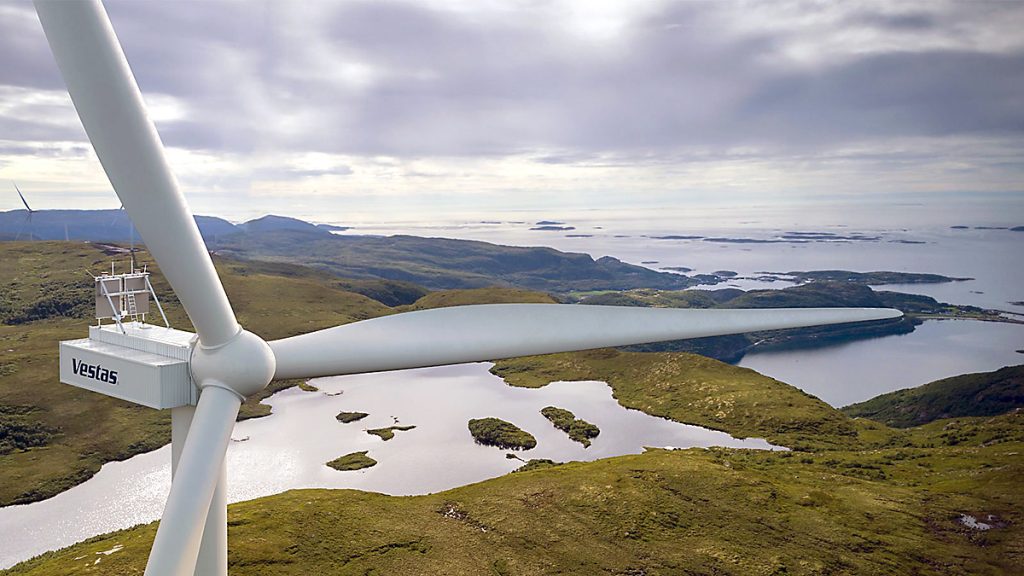
Vestas will supply, install, and service seven V162-6.0 MW turbines, replacing the 25 legacy turbines now powering the Schleswig Holstein, Germany, site. (Courtesy: Vestas)

Vestas has secured a 42 MW order for the repowering project in Schleswig Holstein, Germany, with Repowering Wöhrden Poolgesellschaft GmbH & Co KG and Windkraft Looft Persenweg GmbH & Co. KG.

Vestas will supply, install, and service seven V162-6.0 MW turbines, replacing the 25 legacy turbines now powering the site, which will increase the energy output and extend the lifetime of the project site with Vestas’ EnVentus platform while reducing the number of turbines on site.

The repowering project will be serviced by Vestas under a long-term 20-year Active Output Management 4000 (AOM 4000) service agreement, providing power performance certainty and Vestas’ service expertise through the lifetime of the project.

“The repowering of the Wöhrden project is an excellent example of repowering projects driving the clean energy transition,” said Jens Kück, VP Sales Central at Vestas Northern & Central Europe. “By moving toward more advanced technology, the new project will increase the annual clean-energy output dramatically at lower cost and on the same land footprint as before. Vestas is honored to be selected to deliver our EnVentus turbines to this project. The V162-6.0 MW is a fantastic fit for projects in Northern Germany with good wind conditions. Our team is proud that we can empower the project to continue delivering clean electricity to the grid using best-in-class technology.”

Deliveries at the Wöhrden repowering project are expected to begin in the first quarter of 2023, while commissioning is planned for the second quarter of 2023.

MORE INFO  www.vestas.com

ONYX Insight to monitor one of first U.K. wind farms

0
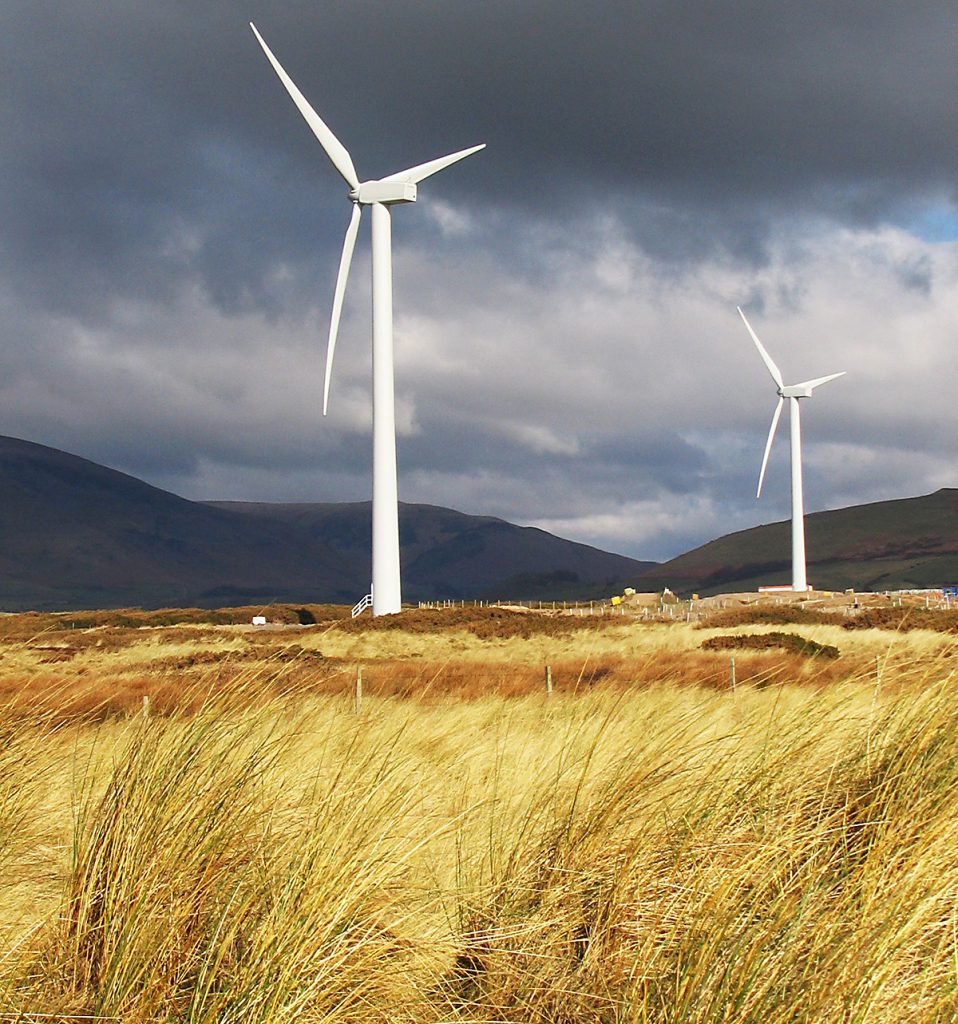
Haverigg Airfield’s use as a wind farm dates back to 1988, when it was the second commercial wind project to be commissioned in the U.K. (Courtesy: ONYX Insight)

ONYX Insight is partnering with Windcluster, a U.K. wind energy pioneer, to support the life extension of aging assets one of the U.K.’s oldest wind projects.

ONYX has installed ecoCMS, its condition monitoring system to monitor the four 850kW V52 wind turbines at Windcluster Haverigg III at Haverigg airfield in Cumbria. The system will help to extend the lifetime of the Haverigg III turbines through 2040.

“We chose ONYX Insight because we wanted a credible and innovative partner,” said Windcluster founder Colin Palmer. “ONYX has offered a flexible approach to enable us to maximize our investment and has already shown great value. Digitalizing our turbines during this next phase of their operational life is going to be key in ensuring they generate power at full capacity. We will be using the vibration and oil monitoring data analysis and reporting by ONYX to ensure we can extend the life of our assets to 2040. We look forward to ONYX Insight’s continued support in this endeavor.”

“We are incredibly proud to be working with the team at Windcluster to extend the life of these veteran wind turbines and to keep them producing clean renewable energy for another 19 years,” said Keiran Knowles, ONYX Insight’s U.K. and Northern Europe business development manager.

Digitalization is set to be key to wind-farm owners and operators seeking to extend the life of aging assets and develop lifetime extension strategies. Understanding a turbine’s remaining life, as well as continuously monitoring the condition of turbines in which the lifespan has been extended so interventions when faults occur can be made quickly, will be essential in maximizing the return and effectiveness of the continued operation of aging assets.

By retrofitting both vibration and oil monitoring systems to the wind turbines at Haverigg III, a complete picture of the condition of each wind turbine and its oil health will be provided. The combination of vibration and oil provides better analytics and a more complete condition of the machine health and oil health.

WindEurope estimates that across Europe, more than 34,000 turbines — representing 36 GW of capacity — are now more than 15 years old, with the designed operational lifetime of turbines generally being between 20 and 25 years, at which point repowering, life extension, or decommissioning become the choice of options for owners.

MORE INFO  www.onyxinsight.com