






Home 2020

Study: Federal offshore wind lease auctions could reap major benefits

0

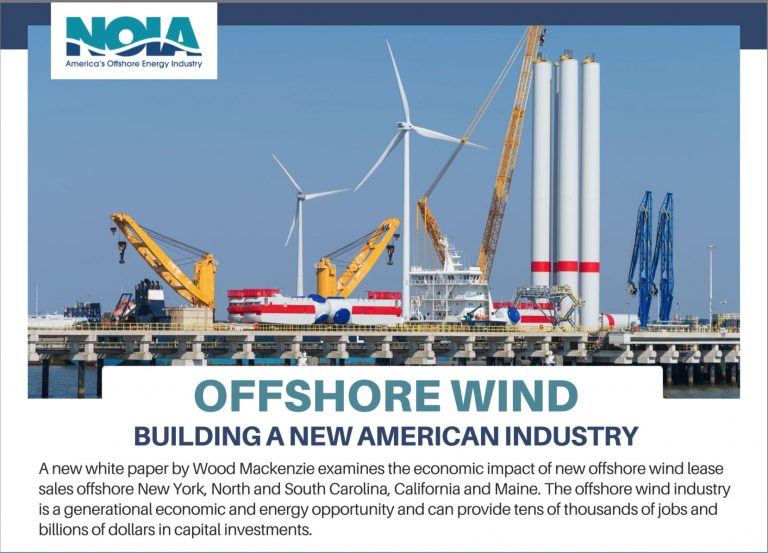
The United States has an opportunity to accelerate offshore wind energy growth and benefit from 28 new GW of clean energy and $1.7 billion in U.S. Treasury revenue by 2022, a recent study released from research group Wood Mackenzie finds.

Findings from this study confirm additional lease areas are needed to meet demand, reduce energy costs, increase competition, and ultimately generate thousands of jobs and billions in investment. Additionally, the findings offer guidance to decision-makers about new offshore wind leases, which can be a short-term solution to jump start recovery from a coronavirus pandemic-driven economic slowdown.
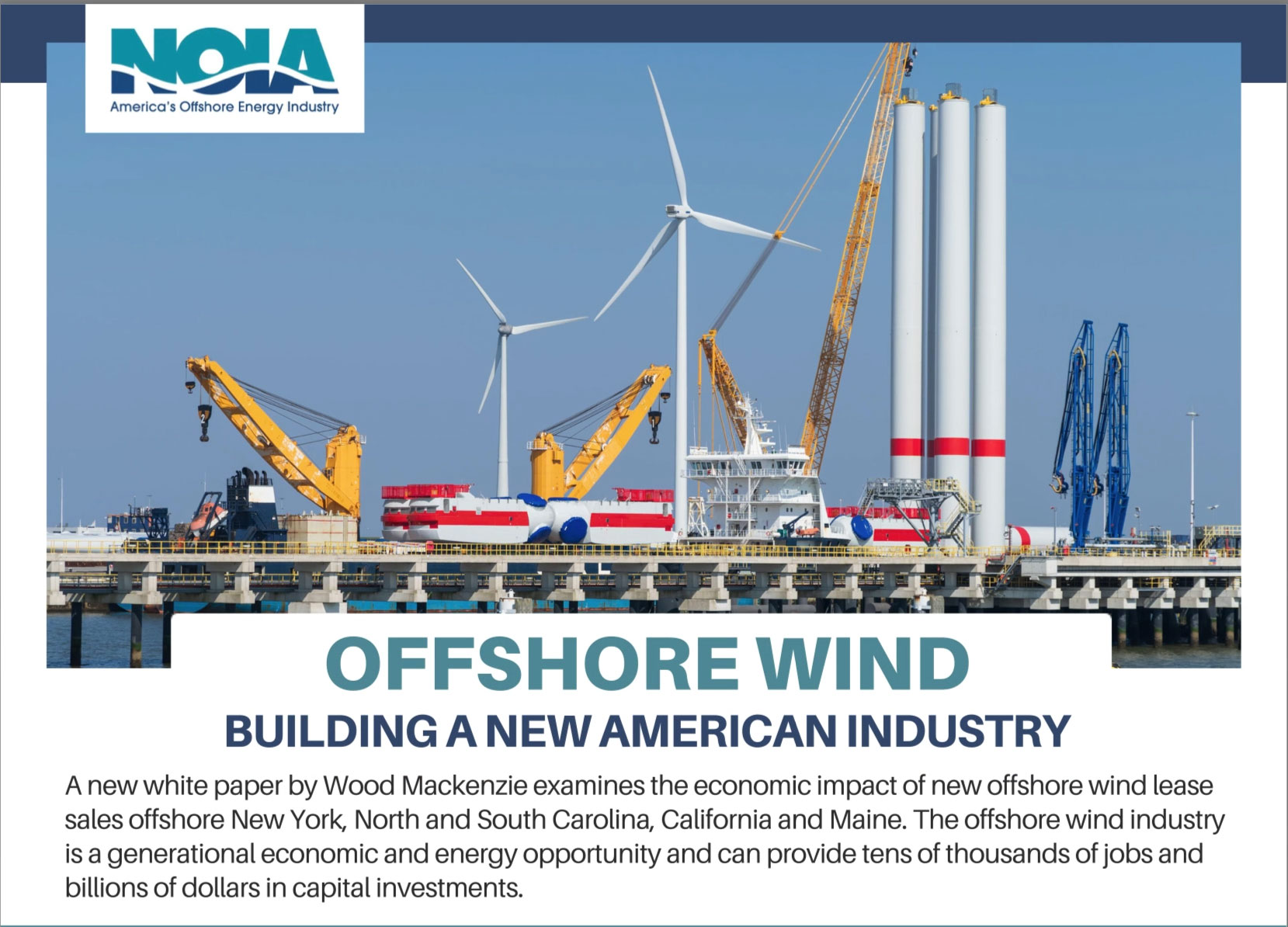
Commissioned by four energy industry groups, American Wind Energy Association (AWEA), National Ocean Industries Association (NOIA), New York Offshore Wind Alliance (NYOWA), and the Special Initiative on Offshore Wind (SIOW) at the University of Delaware, the study dives into the economic impact of offshore wind activities as a result of potential Bureau of Ocean Energy Management (BOEM) lease auctions in 2020, 2021, and 2022. Based on existing activities and policy assumptions for future offshore wind development, 2 million acres of federal waters in the New York Bight, which includes parts of New Jersey, as well as California and the Carolinas, could be auctioned for commercial leases as early as this year into 2021. Such leasing could support 28 GW of offshore wind development and generate $1.2 billion in U.S. Treasury revenue. Other auctions for lease areas in the Gulf of Maine and areas in California could happen in 2022 and would generate an additional $500 million in U.S. Treasury revenue.

“Policymakers at the Federal and State levels right now hold the key to unlocking the full potential of the offshore wind industry that will benefit all Americans,” said Laura Morton, AWEA senior director of Offshore Wind. “We’re on the cusp of a rare opportunity, but the U.S. remains far behind other countries in harnessing offshore wind technology. It’s time for us to unleash this abundant domestic energy source that will deliver tens of thousands of new jobs, revitalize coastal ports, and expand manufacturing opportunities, to reap major economic and environmental benefits.”

Significant capital investment will be put into the U.S. economy to support offshore wind activities. Total investment in the U.S. offshore wind industry will be $17 billion by 2025, $108 billion by 2030, and $166 billion by 2035. From 2022 to 2035, capital investment of $42 billion will go to turbine manufacturers and the supply chain, $107 billion will go to the construction industry, and $8 billion will go to the transportation industry and ports. Annual capital investment for O&M activities will increase to $2.4 billion in 2035.

In addition to delivering clean energy to millions of households, the offshore wind industry will also contribute a variety of economic benefits to the U.S. economy, including supporting thousands of jobs and billions of dollars in capital investment. If the assumed BOEM auctions in 2021 and 2022 happen, total full time equivalent (FTE) job creation from the resulting offshore wind activities, including development, construction, and operation will be approximately 80,000 jobs annually from 2025 to 2035.

“American offshore wind is a generational opportunity,” said Erik Milito, NOIA president. “Infrastructure spending, energy security, and shovel-ready jobs with good wages will be unleashed. Importantly, offshore wind development will support jobs throughout the entire U.S. The same shipbuilders, heavy lift vessel operators, steel fabricators, and countless other companies who built the Gulf of Mexico oil and gas sector stand ready to lend their expertise to the American offshore wind industry.”

More info  bit.ly/33qRcf6
Seacat Services expands offshore support fleet with Seacat Weatherly

0
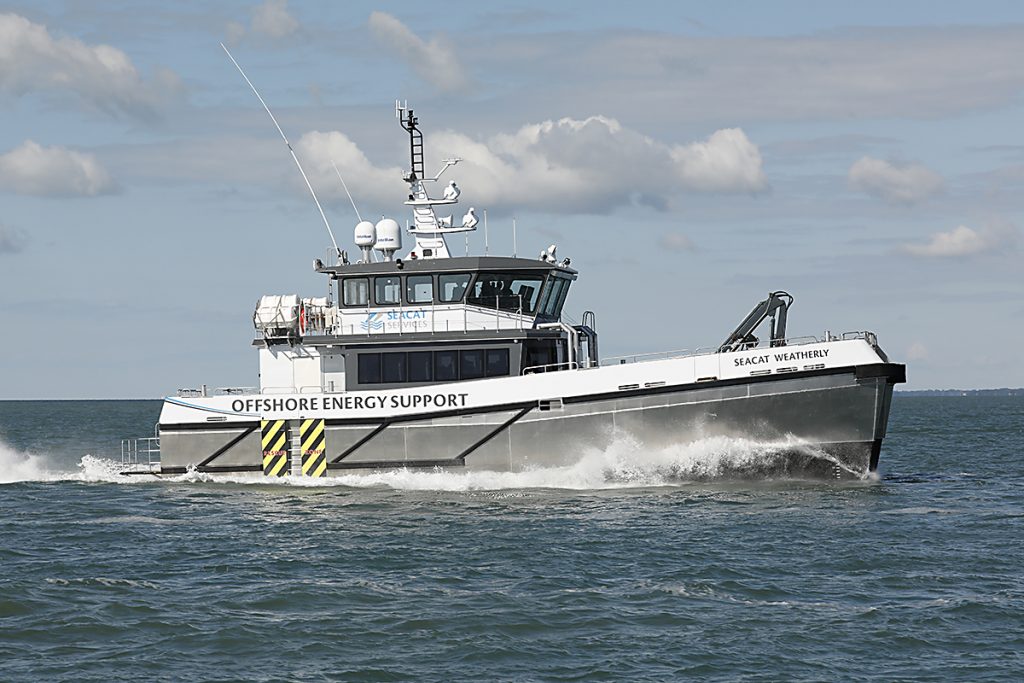
Following her completion at the Diverse Marine shipyard in Cowes and successful sea trials, Seacat Weatherly heads straight to her first charter contract at a major U.K. offshore wind project.

Class-leading offshore energy support vessel operator Seacat Services recently announced the acceptance of Seacat Weatherly, the first next-generation Chartwell 24 catamaran designed by pioneering naval architect Chartwell Marine to enter operational service.

Following her completion at the Diverse Marine shipyard in Cowes and successful sea trials, Seacat Weatherly heads straight to her first charter contract at a major U.K. offshore wind project.

Seacat Weatherly is the culmination of a long-term collaboration between South Coast businesses Seacat Services, Chartwell Marine, and shipyard Diverse Marine, and the product of an industry-wide drive to refine the formula for offshore-wind vessel support. As offshore-wind projects grow in scale, customers are placing increased emphasis on the core metrics that define effective vessel operation, including the safety and comfort of crew transfers, “time on turbine” for technicians, technical availability, and efficiency.

The first of a two-vessel order, Seacat Weatherly is designed to meet — and exceed — the operational standards expected by offshore wind project owners and contractors. She brings a number of key technical innovations to the market, including advanced engine and hull design, a large foredeck, and safety features such as step-free access, sliding handrails, and unrestricted visibility from the wheelhouse.

This has all been achieved while making use of many of the same components and equipment as her sister vessels in the 13-strong Seacat Services fleet, in order to maintain operational familiarity and ensure effective management of spares and inventory.

“Seacat Weatherly is a fine addition to the fleet, capitalizing on all of the core attributes that have defined the Seacat Services offering to date,” said Andrew Calderbank-Link, operations director at Seacat Services. “Refining vessel designs is vital to meeting the changing needs of the offshore wind sector, and Seacat Weatherly ensures that our crews can bring maximum operational value to our customers from day one.”

“It brings us great satisfaction to see Seacat Weatherly enter service, and we will be monitoring closely how she performs on site,” said Andy Page, naval architect and managing director at Chartwell Marine. “The Chartwell 24 design has been formulated for the industry by the industry to meet the specific requirements of offshore wind construction and operation, both in Europe and further afield.”

Seacat Weatherly has been successfully handed over despite the challenges and pressures created by the current lockdown. Her sister vessel, Seacat Rainbow, is under construction at the Diverse Marine yard in Cowes and is scheduled for acceptance in September.

“It is testament to the resolve and versatility of our team — and the strength of our ongoing collaboration with Seacat Services and Chartwell Marine — that we’ve successfully brought this vessel build to fruition despite current supply chain disruption and working restrictions,” said Ben Colman, director at Diverse Marine. “This is a huge collective achievement and bodes well for the future of British boatbuilding and naval architecture as we set a new standard for the global offshore wind market.”

MORE INFO  www.seacatservices.co.uk

Vestas to keep climate targets in line with 1.5°C scenario

0

As a leading renewable energy company, Vestas recently announced that the Science Based Targets Initiative (SBTi) has validated the company’s greenhouse gas reduction targets and confirmed them as in line with the levels required to keep global warming to 1.5°C above pre-industrial temperatures — the most ambitious goal of the Paris Agreement.

Vestas is the first renewable energy manufacturer to have its targets validated by the SBTi as consistent with a 1.5°C scenario. The target validation follows Vestas’ announcement in January 2020 to become carbon neutral, without the use of offsets, by 2030.

“At Vestas, we are proud to reach this milestone with SBTi; becoming carbon neutral by 2030 is a key element within Vestas’ goal of becoming the global leader in sustainable energy solutions, said Henrik Andersen, CEO and president of Vestas. “With several nations and global businesses outlining intentions for a green economic recovery from COVID-19, the renewables industry is set to become a more dominant resource in the global-energy mix. As the world’s leading supplier of wind energy, Vestas is determined to ensure that the industry continues to minimize environmental impacts as it scales.”

“Vestas’ science-based targets put the company on a pathway to reach zero emissions faster than what science tells us is needed,” said Cynthia Cummis, director of Private Sector Climate Mitigation at World Resources Institute, one of the Science Based Targets initiative partners. “By setting targets that are grounded in climate science, Vestas is positioning themselves as leaders in their sector and setting themselves up for success in the transition to a net-zero economy.”
The 1.5°C target classification is the most ambitious designation available through the SBTi validation process and covers Vestas’ targets to reduce emissions from direct operations (scope 1 and 2 emissions) by 100 percent by 2030 from a 2019 base year. Separately, Vestas’ target for reducing emissions from its supply network (scope 3 emissions) by 45 percent per MWh generated by 2030 has also been validated as notably ambitious. In a recent report, the IPCC stipulates that limiting the rise in the global temperature to 1.5°C, as opposed to 2°C, will significantly reduce the risk of extreme impacts from climate change.

The 1.5°C scenario of the Paris Agreement outlines the measures required to limit the global temperature increase to 1.5°C above pre-industrial temperatures. Ensuring that all direct operations are closely aligned with the 1.5°C scenario is necessary for Vestas to ensure the company can remain sustainable as it scales its position within the energy sector’s supply chain. A recent report from the Carbon Disclosure Project (CDP) found company supply chains produce on average five times more emissions than direct operations. The research also found increasing the proportion of renewable energy within supply chains is an effective pathway to address emissions.

“Limiting global warming to 1.5°C above pre-industrial temperatures cannot be achieved if all global actors work in isolation; we must adopt a collaborative approach,” said Lisa Ekstrand, head of Sustainability at Vestas. “At Vestas, we recognize that, as a global leader within the renewable industry’s value chain, we have a responsibility to be ambitious in our approach to reducing greenhouse gas emissions. This has been the driving force behind devising our strategy for becoming carbon neutral, and for reducing emissions in our supply chain.”

Company cars are gradually being replaced across Vestas with more sustainable alternatives. Close to 100 green service vehicles are now in operation, signaling Vestas’ first step within direct operations toward its 2030 goal. Moving forward, Vestas will also be focusing on fulfilling its ambitions for reducing greenhouse gas emissions within its own supply chain, in line with its target of a 45-percent reduction. To support this goal, Vestas has already established partnerships with several suppliers, including DSV, to improve its emission reductions within transport and turbine manufacture.

More info www.vestas.com

Onyx Insight to bring advanced predictive maintenance to Brazil

0
By working with an innovative local partner in the Brazilian market, ONYX InSight has ensured smooth project delivery for Rio Energy, minimizing disruption with the support of expert local market knowledge.

ONYX InSight, a leading predictive analytics and engineering firm in the global wind-energy industry, is introducing advanced sensing technology and predictive maintenance solutions to the Brazilian market through a long-term monitoring deal with Rio Energy, one of the fastest growing energy producers in Brazil.

The predictive maintenance service, which will be delivered in partnership with innovative local operations partner, Filtralub, will be the first of its kind in Brazil and will enable Rio Energy to achieve savings of up to 30 percent on O&M costs by improving failure detection and optimizing operations, maintenance planning, and asset output. The deal covers predictive maintenance using both ONYX InSight’s ecoCMS technology and third-party hardware.

Installation of the advanced sensing technology began in the first quarter of 2020. ONYX InSight will provide an advanced combination of hardware, software, and monitoring services — powered by engineering expertise — and Filtralub operational and installation support to the customer.

By working with an innovative local partner in the Brazilian market, ONYX InSight has ensured smooth project delivery for Rio Energy, minimizing disruption with the support of expert local market knowledge.

The deal increases the share of Brazil’s wind-turbine fleet covered by advanced predictive maintenance. By helping to drive down the levelized cost of energy (LCOE), predictive maintenance can improve owner & operator profitability — ONYX InSight has achieved cuts in LCOE of up to 12 percent.

“Brazil’s wind industry is the one of the largest in the world and continues to grow quickly,” said Jose Morais, business development manager, Iberia and LatAm, ONYX InSight. “Within this significant installed wind-energy capacity, there is unrealized potential for efficiency savings delivered by predictive maintenance. The high capacity factor in Brazil means owners and operators cannot afford to neglect turbine health. The latest predictive maintenance technology delivering advanced data analytics and insight will help wind-farm owners and operators to protect their assets and ensure maximum energy production in a competitive market.”

Advanced predictive maintenance solutions collect data on multiple aspects of turbine operation and bring it all into one place, improving owners’ and operators’ understanding of their machinery health condition.

Research by ONYX InSight has found that combining data streams such as oil condition, SCADA, and vibration offers significant advantages for diagnostic accuracy, which translates into better decision-making support for wind farm owners and operators. The effective implementation of predictive maintenance can save 17 percent of OPEX costs, increasing profitability of fleets.

“We are proud to be at the cutting edge of wind energy in Brazil,” said Lucas Sanchez, engineering and O&M manager, Rio Energy. “ONYX InSight’s predictive maintenance service will help us to increase the reliability of our failure detection and extend lead times on component procurement and maintenance planning. ONYX InSight’s engineering-grounded solution will increase our confidence in the actionable insights drawn from our data.”

MORE INFO  www.onyxinsight.com

Study: Federal offshore wind lease auctions could reap major benefits

0

The United States has an opportunity to accelerate offshore wind energy growth and benefit from 28 new GW of clean energy and $1.7 billion in U.S. Treasury revenue by 2022, a recent study released from research group Wood Mackenzie finds.
Findings from this study confirm additional lease areas are needed to meet demand, reduce energy costs, increase competition, and ultimately generate thousands of jobs and billions in investment. Additionally, the findings offer guidance to decision-makers about new offshore wind leases, which can be a short-term solution to jump start recovery from a coronavirus pandemic-driven economic slowdown.

Commissioned by four energy industry groups, American Wind Energy Association (AWEA), National Ocean Industries Association (NOIA), New York Offshore Wind Alliance (NYOWA), and the Special Initiative on Offshore Wind (SIOW) at the University of Delaware, the study dives into the economic impact of offshore wind activities as a result of potential Bureau of Ocean Energy Management (BOEM) lease auctions in 2020, 2021, and 2022. Based on existing activities and policy assumptions for future offshore wind development, 2 million acres of federal waters in the New York Bight, which includes parts of New Jersey, as well as California and the Carolinas, could be auctioned for commercial leases as early as this year into 2021. Such leasing could support 28 GW of offshore wind development and generate $1.2 billion in U.S. Treasury revenue. Other auctions for lease areas in the Gulf of Maine and areas in California could happen in 2022 and would generate an additional $500 million in U.S. Treasury revenue.

“Policymakers at the Federal and State levels right now hold the key to unlocking the full potential of the offshore wind industry that will benefit all Americans,” said Laura Morton, AWEA senior director of Offshore Wind. “We’re on the cusp of a rare opportunity, but the U.S. remains far behind other countries in harnessing offshore wind technology. It’s time for us to unleash this abundant domestic energy source that will deliver tens of thousands of new jobs, revitalize coastal ports, and expand manufacturing opportunities, to reap major economic and environmental benefits.”

Significant capital investment will be put into the U.S. economy to support offshore wind activities. Total investment in the U.S. offshore wind industry will be $17 billion by 2025, $108 billion by 2030, and $166 billion by 2035. From 2022 to 2035, capital investment of $42 billion will go to turbine manufacturers and the supply chain, $107 billion will go to the construction industry, and $8 billion will go to the transportation industry and ports. Annual capital investment for O&M activities will increase to $2.4 billion in 2035.

In addition to delivering clean energy to millions of households, the offshore wind industry will also contribute a variety of economic benefits to the U.S. economy, including supporting thousands of jobs and billions of dollars in capital investment. If the assumed BOEM auctions in 2021 and 2022 happen, total full time equivalent (FTE) job creation from the resulting offshore wind activities, including development, construction, and operation will be approximately 80,000 jobs annually from 2025 to 2035.

“American offshore wind is a generational opportunity,” said Erik Milito, NOIA president. “Infrastructure spending, energy security, and shovel-ready jobs with good wages will be unleashed. Importantly, offshore wind development will support jobs throughout the entire U.S. The same shipbuilders, heavy lift vessel operators, steel fabricators, and countless other companies who built the Gulf of Mexico oil and gas sector stand ready to lend their expertise to the American offshore wind industry.”

MORE INFO  bit.ly/33qRcf6

Vestas to keep climate targets in line with 1.5°C scenario

0
Vestas is the first renewable energy manufacturer to have its targets validated by the SBTi as consistent with a 1.5°C scenario. The target validation follows Vestas’ announcement in January 2020 to become carbon neutral, without the use of offsets, by 2030.

As a leading renewable energy company, Vestas recently announced that the Science Based Targets Initiative (SBTi) has validated the company’s greenhouse gas reduction targets and confirmed them as in line with the levels required to keep global warming to 1.5°C above pre-industrial temperatures — the most ambitious goal of the Paris Agreement.

Vestas is the first renewable energy manufacturer to have its targets validated by the SBTi as consistent with a 1.5°C scenario. The target validation follows Vestas’ announcement in January 2020 to become carbon neutral, without the use of offsets, by 2030.

“At Vestas, we are proud to reach this milestone with SBTi; becoming carbon neutral by 2030 is a key element within Vestas’ goal of becoming the global leader in sustainable energy solutions, said Henrik Andersen, CEO and president of Vestas. “With several nations and global businesses outlining intentions for a green economic recovery from COVID-19, the renewables industry is set to become a more dominant resource in the global-energy mix. As the world’s leading supplier of wind energy, Vestas is determined to ensure that the industry continues to minimize environmental impacts as it scales.”

“Vestas’ science-based targets put the company on a pathway to reach zero emissions faster than what science tells us is needed,” said Cynthia Cummis, director of Private Sector Climate Mitigation at World Resources Institute, one of the Science Based Targets initiative partners. “By setting targets that are grounded in climate science, Vestas is positioning themselves as leaders in their sector and setting themselves up for success in the transition to a net-zero economy.”

The 1.5°C target classification is the most ambitious designation available through the SBTi validation process and covers Vestas’ targets to reduce emissions from direct operations (scope 1 and 2 emissions) by 100 percent by 2030 from a 2019 base year. Separately, Vestas’ target for reducing emissions from its supply network (scope 3 emissions) by 45 percent per MWh generated by 2030 has also been validated as notably ambitious. In a recent report, the IPCC stipulates that limiting the rise in the global temperature to 1.5°C, as opposed to 2°C, will significantly reduce the risk of extreme impacts from climate change.

The 1.5°C scenario of the Paris Agreement outlines the measures required to limit the global temperature increase to 1.5°C above pre-industrial temperatures. Ensuring that all direct operations are closely aligned with the 1.5°C scenario is necessary for Vestas to ensure the company can remain sustainable as it scales its position within the energy sector’s supply chain. A recent report from the Carbon Disclosure Project (CDP) found company supply chains produce on average five times more emissions than direct operations. The research also found increasing the proportion of renewable energy within supply chains is an effective pathway to address emissions.

“Limiting global warming to 1.5°C above pre-industrial temperatures cannot be achieved if all global actors work in isolation; we must adopt a collaborative approach,” said Lisa Ekstrand, head of Sustainability at Vestas. “At Vestas, we recognize that, as a global leader within the renewable industry’s value chain, we have a responsibility to be ambitious in our approach to reducing greenhouse gas emissions. This has been the driving force behind devising our strategy for becoming carbon neutral, and for reducing emissions in our supply chain.”

Company cars are gradually being replaced across Vestas with more sustainable alternatives. Close to 100 green service vehicles are now in operation, signaling Vestas’ first step within direct operations toward its 2030 goal. Moving forward, Vestas will also be focusing on fulfilling its ambitions for reducing greenhouse gas emissions within its own supply chain, in line with its target of a 45-percent reduction. To support this goal, Vestas has already established partnerships with several suppliers, including DSV, to improve its emission reductions within transport and turbine manufacture.

MORE INFO  www.vestas.com

Siemens Gamesa expands installation support for NRG Systems’ bat technology

0


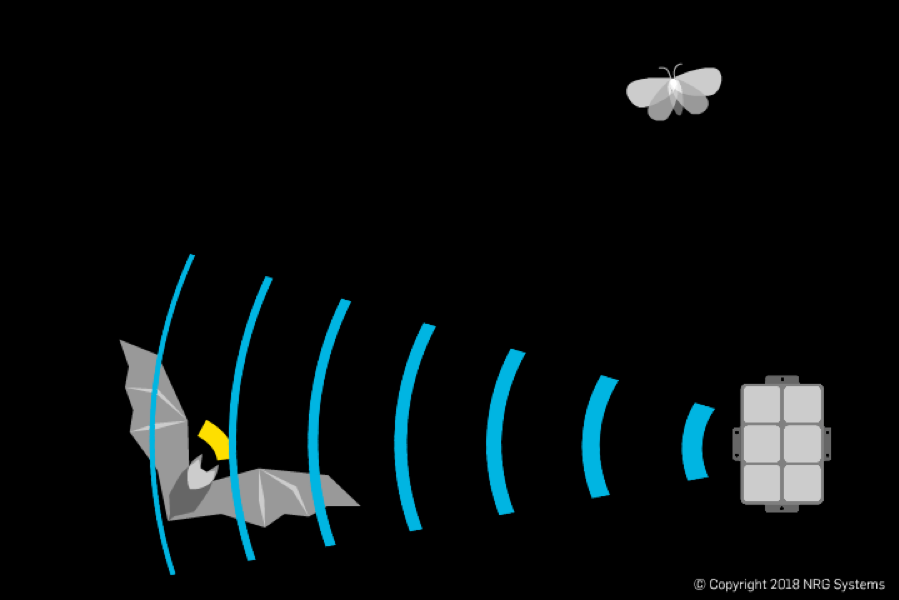
NRG’s pioneering Bat Deterrent Systems use ultrasound to dissuade bats from entering the rotor-swept zone of a turbine. Each system features multiple ultrasound-generating units that are mounted on the nacelle of a turbine, as well as a controller unit for seamless integration into a wind plant’s SCADA system.

NRG Systems, Inc., a designer and manufacturer of smart technologies for a range of wind, solar, and meteorological applications, recently announced that Siemens Gamesa Renewable Energy (SGRE) is providing installation support for its Bat Deterrent Systems.

To date, the global supplier of wind power solutions has led system deployments in the United States and Canada.

NRG’s pioneering Bat Deterrent Systems use ultrasound to dissuade bats from entering the rotor-swept zone of a turbine. Each system features multiple ultrasound-generating units that are mounted on the nacelle of a turbine, as well as a controller unit for seamless integration into a wind plant’s SCADA system.

“We are always looking for ways to mitigate risks to wildlife,” said James Crouse, Siemens Gamesa’s Aftermarket Category Manager — Mods & Ups. “Working with NRG to bring the bat deterrent technology to our customers has been advantageous for all stakeholders. When Siemens Gamesa performs the installation, we are giving our customers peace of mind knowing the structural integrity of the wind turbine is preserved and the warranty intact.”

The first SGRE-led installation was in April 2020 at Northland Power’s 100-MW Grand Bend Wind Farm in Grand Bend, Ontario, Canada. Wind plants in Ontario are subject to some of the most stringent bat mortality regulations in the world. To mitigate risk and help conserve local bat populations, SGRE installed Bat Deterrent Systems on six of the site’s 40 Siemens Gamesa wind turbines.

“We needed to find a deterrent technology to reduce bat mortality without having a significant impact on production, and are optimistic that the NRG acoustic deterrent system will be effective,” said Jim Mulvale, Northland Power’s Senior Director, Environment. “We were pleased by how smoothly procurement, installation, and commissioning went, despite the challenges posed by COVID-19.”

In June 2020, Siemens Gamesa installed Bat Deterrent Systems on all eight of the direct drive wind turbines at Auwahi Wind, a 21-MW wind farm co-owned by AEP Energy Partners and BP Wind Energy. Auwahi is on the southeast coast of Maui, Hawaii, where conservation of the endangered Hawaiian hoary bat is particularly pressing.

“Since 2012, Auwahi Wind has worked hard to minimize potential impacts to the Hawaiian hoary bat, an important cultural resource in Hawaii,” said Greg Hall, president of AEP. “We are committed to bat conservation as we produce clean renewable energy for the state of Hawaii.”

Siemens Gamesa plans to install Bat Deterrent Systems at additional wind plants in North America in the coming months.

MORE INFO  nrgsystems.com

Global Wind Service finishes installation of Harvest Ridge

0
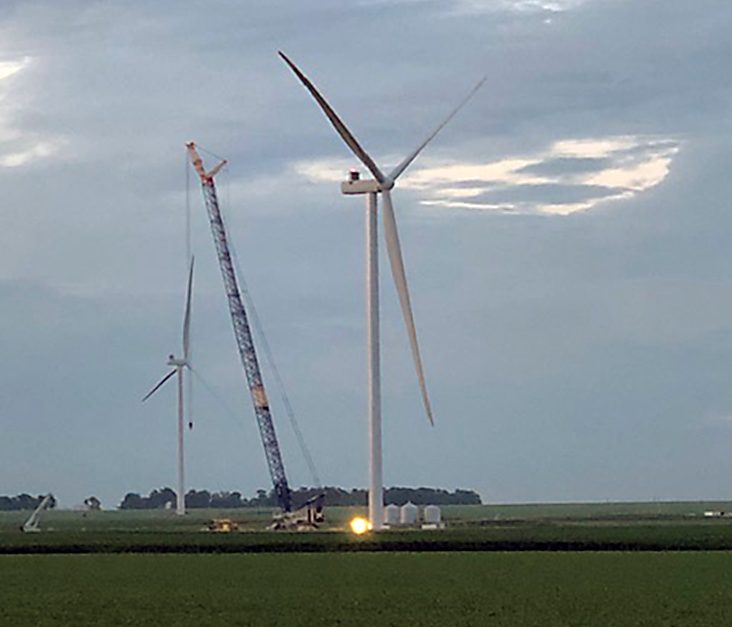
The Harvest Ridge wind farm consists of 48 wind turbines. (Courtesy: Global Wind Service)

Global Wind Service recently finished installation at Harvest Ridge in Douglas Country, Illinois. Vestas-American Wind Technology (Vestas) has contracted wind-turbine installation and service company Global Wind Service (GWS) to deliver crane and installation for the project. The C&I scope award included unloading, pre-assembly, erection, and mechanical completion of all turbines at the site, as well as delivery of all needed cranes and machinery for the work.

The wind farm consists of 48 wind turbines: 37 V150-4.3MW and 11 V136-3.78MW. The total capacity of the wind farm is 200 MW and is enough to power about 73,000 average households in Illinois with clean energy. The project ran over the winter and faced some challenging weather conditions as well as having to cope with the COVID-19 pandemic. But the project team and partners finished the project in safe manner.

The award of Harvest Ridge follows the successful completion of Bright Stalk last year. The 57-turbine project included pre-assembly, installation, and mechanical completion of V136-3.6 turbines. The project ran from July to December 2019.

“We are very pleased that Vestas has chosen Global Wind Service as a preferred partner for complete wind-turbine services once again,” said Michael Nielsen, U.S director at Global Wind Service. “This manifests the great partnership we have built with Vestas over the years.”

In 2017, GWS opened an office in Texas to support the increasing demand and amount of work overseas.

MORE INFO  www.globalwindservice.com

TÜV NORD to certify largest offshore wind turbine

0
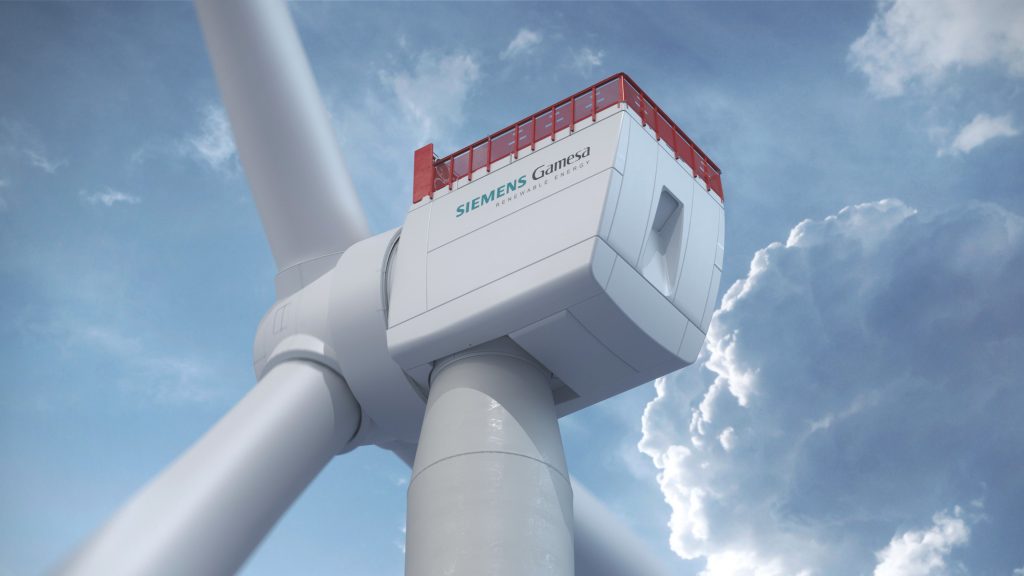
With its gigantic dimensions, the SG 14-222 DD will be a milestone for the offshore wind market. (Courtesy: Siemens Gamesa)

TÜV NORD recently certified the world’s largest offshore wind turbine. With a capacity of up to 15 MW and a rotor diameter of 222 meters, the newest turbine from Siemens Gamesa will raise the bar and be a milestone in the generation of clean energy.

Following TÜV NORD’s assignment with various predecessor models, the wind-energy experts will support the SG 14-222 DD on its way to market maturity. The order covers prototype and type certification.

“We are very proud that Siemens Gamesa is relying on our expertise for this extraordinary project,” said Silvio Konrad, TÜV NORD managing director and responsible for the energy sector. “The turbine makes it possible to use wind energy with a high efficiency and contributes significantly to the further progress of the energy transition.”

The TÜV NORD wind-energy experts are commissioned to certify the turbine in accordance with the internationally recognized IECRE scheme OD 501. In combination with OD 502, the scheme is particularly suitable for the highly complex certification of offshore projects.

“We have been operating successfully in the offshore wind sector for a long time and with this extraordinary project, we foster the worldwide expansion of offshore wind energy,” said Alexander Ohff, executive vice president of the Renewable Energy Segment at TÜV NORD.

TÜV NORD is responsible for the certification of the SG 14-222 DD’s prototype, scheduled for completion in 2021, and for the type certification prior to the series production. The focus is on the overall concept of the wind turbine. TÜV NORD experts assess the system design for the planned life time, which is 25 years for the SG 14-222 DD. They evaluate the complete turbine from the rotor blades to the nacelle and the tower base. In addition, the quality along the supply chain and a detailed test program will be evaluated. The experts also consider the extreme conditions a wind turbine is exposed to in the open sea. After all, the turbine must operate safely even in a saline environment, storm surges, and abnormal wind speeds. Accordingly, the SG 14-222 DD is going to be tested for the so-called “Typhoon class,” which is required specifically for the Japanese and Taiwanese market.

The SG 14-222 DD wind turbine is breaking records in many ways. The rated output of the Direct Drive wind turbine is 14 MW and can be increased to 15 MW by using the Power Boost function. The rotor blades measure 108 meters each, the rotor diameter is 222 meters. Thanks to its gigantic dimensions and output, the turbine will avoid around 1.4 million metric tons of CO2 emissions over 25 years compared to coal-based electricity generation. A single wind turbine of this type can supply electricity for about 18,000 average European households annually. The SG 14-222 DD turbine will be market-ready by 2024. A total of 4.34 GW of conditional orders already have been received for the product for three offshore wind projects on three continents with three customers: the 300-MW Hai Long project in Taiwan planned by Northland Power and Yushan Energy, the 1,400-MW Sofia project in the U.K. planned by innogy, and the 2,640-MW Coastal Virginia Offshore Wind project in the U.S. planned by Dominion Energy.

MORE INFO  www.tuv-nord-group.com

Ventient Energy teams with ONYX InSight to advance its digital strategy

0
Ventient Energy is acquiring onshore wind assets to achieve sustainable portfolio growth and deliver greater rewards for investors. (Courtesy: Ventient Energy)

Ventient Energy, one of the largest European renewable power producers, and ONYX InSight, a leading provider of predictive maintenance solutions to the wind industry, are partnering to optimize output and extend the life of a large fleet of the U.K.’s onshore turbines with new technology.

As a fast advancing company with wide operational expertise and strong merger and acquisition capability, Ventient is acquiring onshore wind assets to achieve sustainable portfolio growth and deliver greater rewards for investors. As part of a strategy to improve the reliability of its fleet, more than 300 turbines across 17 wind farms will be retrofitted with ONYX InSight’s condition monitoring system (ecoCMS) advanced sensing technology and cloud-based predictive analytics, fleetMONITOR. This will enable a transition to proactive maintenance, aiming to reduce downtime and major component refurbishment costs.

With the retrofit, the turbines will be “data-rich,” enabling predictive analytics and optimized repair planning.

“Once we get the equipment installed, we can identify bearing failures routinely six to 24 months in advance of repair,” said Dr. Evgenia Golysheva, head of engineering at ONYX InSight. “To ensure efficient installation, we’ve streamlined the process and have a strong quality assurance and control process. We have piloted on several sites already to iron out any potential technical challenges and make the scale-up easy.”

“We operate some of the oldest wind farms in the U.K., which up until now have run with no vibration monitoring of drive train components,” said Martin Vox, asset reliability engineer at Ventient. “This has led to major component failures being discovered at a late stage of damage progression, requiring unplanned work to restore to an operable condition. Some of our oldest wind farms do not have ethernet data transmission available within the nacelle, and ONYX InSight has developed a robust 4G solution to allow retrofit on these turbines.”

Where operators implement this Industry 4.0 solution, it yields better data that helps diagnose issues early and allows them to solve real-world problems from a cost reduction and power production point of view.

ONYX InSight’s advanced sensing solution has transformed the market through its use of affordable and effective micro-electro-mechanical systems (MEMS) sensors and analytics that have demonstrated predictive maintenance is invaluable for the wind-energy industry.

“This technology will play a key role in the near- and long-term success of wind energy in the U.K. and around the world,” said Sven Thiesen, sales director Europe for ONYX InSight. “And in the current circumstances, when operators have restrictions on where and when to send teams on-site, insight that allows owner-operators to manage their assets and maintain revenues will be invaluable. We are pleased that ONYX InSight is proving that the return on investment calculation for adding advanced sensing on older turbines can be turned on its head.”

More info: www.onyxinsight.com

New leadership takes the helm at GWO North America

0


Wesley Witt

Global Wind Organisation (GWO), the industry group responsible for safety training standards for more than 90,000 of the world’s wind-energy workers, recently announced its leaders for its North America committee.

Wesley Witt, Head of Quality Management and Health, Safety and Environment for the Americas region of Siemens Gamesa Renewable Energy (SGRE) has been elected chairman of the GWO North America committee, and Simon Hayes, Head of Health, Safety and Environment for Ørsted and the offshore business in North America, has been elected vice chairman.

Simon Hayes

The GWO North America Committee is establishing standards for safety and technical training across the continent, and is encouraging training centers, community colleges, trade union, and others to deliver GWO standards for the wind-energy workforce. Seventeen GWO training sites have now opened across North America, and the committee will focus its efforts on supporting the standards’ adoption to help create a safer and more productive workforce.

“We have a solid foundation to build on going forward,” Witt said. “Simon and I will work to ensure GWO’s system of collaborating between large wind employers helps to lead the adoption of global standards for safety and technical training.”

With more than 15 years focused on safety, Witt has been in his role for nearly five years at SGRE.  Before that, he was director of quality and HSE for Wind Services at SGRE. Witt also held several positions with Siemens Energy in quality and EHS management.

He has conducted in-depth studies of human-error management, human performance and resilience engineering to design improved procedures for risk management, and to build a culture of safety that is embedded in the business.

Witt earned his bachelor’s degree and master’s degree in safety, security, and emergency management from Eastern Kentucky University.

Hayes is head of HSE for Ørsted. He was previously lead project HSE manager for the company.

Hayes also gained experience at DONG Energy, the predecessor company to Ørsted, where he was team lead — site HSE, site HSE manager for the construction phase of the 582-MW GODE 01 & 02 offshore wind farms, and site HSE manager and project HSE manager for the construction phase of the 312MW Borkum Riffgrund 01 offshore wind farm. Before that, he was HSSE manager with London Array Limited where he also was involved in construction of offshore facilities.

Prior to the wind-farm industry, Hayes worked for 10 years in the offshore search-and-rescue sector as a marine engineer and safety manager.

He studied mechanical and marine engineering at Llandrillo Technical College in the U.K.

MORE INFO  www.globalwindsafety.org

GCube highlights growing cyber threat to energy companies amidst COVID-19 lockdown

0
Recent cyber-attacks on global renewable energy businesses have underlined the scale and nature of this previously under-reported threat and have added to the already significant demand for GCube’s non-damage cyber risk insurance product as increasing numbers of firms seek to mitigate their potential exposure to business interruption and other cyber losses.

GCube Insurance, a leading provider of insurance services for renewable energy projects, has emphasized that renewable energy asset owners relying more heavily on digital systems during the current period of lockdown — and beyond — must adapt to increased exposure to cyber threats such as ransomware, denial-of-service, and human error.

Recent cyber-attacks on global renewable energy businesses have underlined the scale and nature of this previously under-reported threat and have added to the already significant demand for GCube’s non-damage cyber risk insurance product as increasing numbers of firms seek to mitigate their potential exposure to business interruption and other cyber losses.

The emergence of COVID-19 has led to an unprecedented lockdown worldwide, leading many renewable energy companies to take advantage of remote monitoring systems and working practices to try and ensure “business as usual” despite the disruption.

Though cyber-attacks such as ransomware and denial-of-service remain significantly under-reported in the renewable energy industry, recent high-profile examples in the U.K., the U.S., and Portugal have provided additional public demonstration of the need for asset owners to invest in cyber insurance products which can provide financial cover in these “non-physical damage” events.

“Digitalization, of course, drives significant efficiency gains for businesses and is now a necessity for renewable energy companies looking to maintain continuity during the COVID-19 pandemic,” said Geoffrey Taunton-Collins, senior analyst at GCube. “But with portfolios now at greater risk of cyber-attacks, we are seeing even greater demand for our cyber insurance product as project owners are increasingly realizing the very real threat that cyber-attacks pose.”

Numerous businesses have approached GCube seeking a means to mitigate their financial exposure to cyber-attack. These include wind projects owned by leading firms such as Eolenerg and Molly Wind Ltd, who have either procured the coverage outright or included the product as part of their insurance renewal.

GCube’s research suggests that though cyber-attacks are estimated to be responsible for more than $3 trillion in losses annually — and are set to rise — the cyber insurance market last year was only worth about $5 billion, with many insurers not yet providing cyber cover.

MORE INFO  www.gcube-insurance.com

Siemens to supply high-voltage equipment for U.S. offshore project

0
The Mayflower wind project will have a capacity to generate up to 1.6 GW of renewable energy. (Courtesy: Siemens Gamesa)

Siemens was recently awarded an order from Danish customer Semco Maritime to provide the main electrical equipment for the electrical service platform (ESP) of the offshore wind project Mayflower Wind LLC (Mayflower Wind).

The project is in a federal lease area approximately 25 miles south of Nantucket, Massachusetts, in the United States, and will have a capacity to generate up to 1.6 GW of renewable energy. Siemens will supply the components for Semco Maritime by 2022.

Earlier this year, a joint venture between the Danish companies Bladt Industries and Semco Maritime was chosen by end customer Mayflower Wind — a joint venture of Shell & EDP Renewables — to design and construct the electrical service platform of the offshore project Mayflower. Semco Maritime has now awarded Siemens with the contract for the delivery of the high-voltage electrical equipment for the ESP, including three 275 kV/265 MVAr shunt reactors, a 72 kV HV gas insulated switchgear (GIS), three 275 kV MV GIS systems, integrated conditioning monitoring system, and SCADA and protection systems.

“At Semco Maritime, we have, for a number of years, created a very strong track record to deliver competitive quality projects in electrical infrastructure for offshore wind,” said Carsten Nielsen, senior vice president of Renewable Energy at Semco Maritime. “We are looking forward to the cooperation with Siemens, who is a competent and reliable partner.”

“We are proud of the opportunity to bring our expertise in offshore transmission to Mayflower Wind, a project that will lead the way for increasing the share of clean, renewable energy in the U.S. energy mix,” said Beatrix Natter, CEO of the Transmission division at Siemens Energy. “The offshore Center of Competence in Denmark did an outstanding job in creating a comprehensive, tailor-made solution for this exciting new project, making the best use of our broad transmission portfolio.”

The system solution is specifically designed to significantly reduce both the size and weight of the platform, lowering the need for the use of steel in the construction, and thus making the platform more resource- and cost-effective.

MORE INFO  www.siemens.com/energy

Abaris offers reduced count onsite training options

0

Abaris Training Resources, Inc. in Reno, Nevada recently announced that, in light of the COVID-19 restrictions placed on customer travel, Abaris is modifying its policy to accommodate fewer students in classes at client locations, making it both economical and convenient to obtain the world-class composite training it provides.

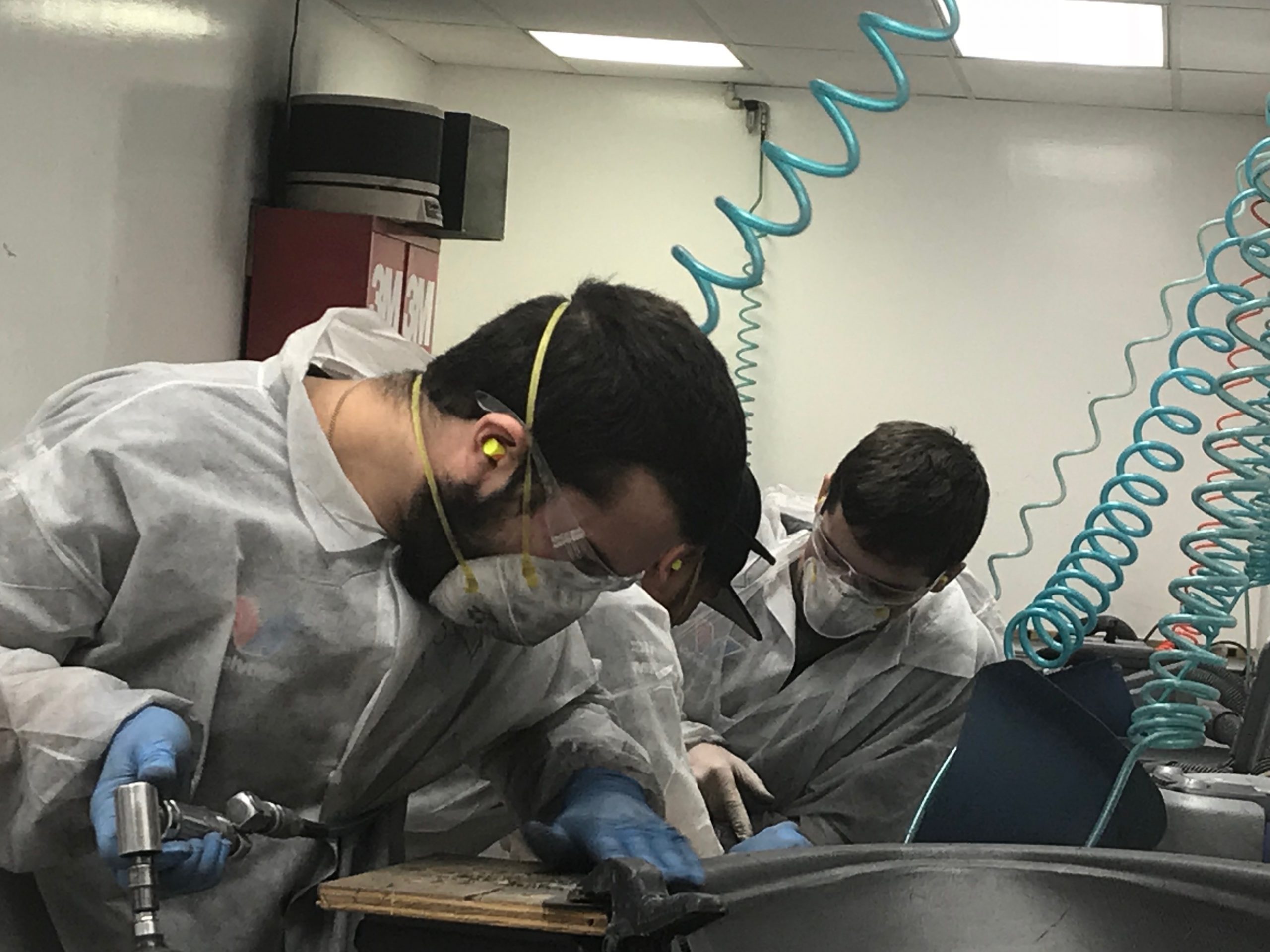
Carbon fiber repairs performed in the lab. (Courtesy: Abaris Training Resources)

Starting June 15, 2020, any customer with six or more students needing advanced composite training will qualify for the newly structured terms of agreement that waive the current 10-student minimum policy for onsite classes. This will allow many more companies and organizations to obtain the training they need while still following health and safety protocols put in place for COVID-19.

In addition to the reduced student-count policy, Abaris is offering a three-day, all-classroom (minimum hands-on) version of some select five-day introductory type courses. While a course of this type does not provide a great deal of tactile exposure for students, it can provide a fundamental understanding of composite materials for use in the workplace.

To find out more about this program, contact Abaris at training@abaris.com or visit www.abaris.com.

Terma completes ADLS installations for U.S. wind farms

0

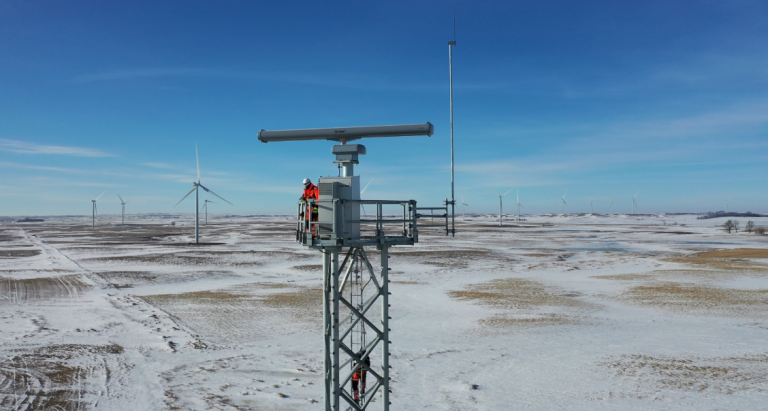
Terma North America has reached a milestone by installing their first two radar-activated aircraft detection lighting systems (ADLS) for wind farms: one in New Hampshire and the other in North Dakota.
The ADLS is designed to balance the dark sky desires of the surrounding community with the safety regulations of the Federal Aviation Administration (FAA) by only enabling the wind-turbine obstruction lights when an aircraft approaches within three nautical miles of a wind farm.

“Terma’s ADLS will keep the lights off up to 99 percent of the time, which will greatly reduce the visual impact on surrounding communities,” said Jeff Schleicher, Terma’s senior manager for Wind Energy Services.

The installation proved to be rather challenging due to high wind combined with a cold winter. As a result, Terma’s engineers, along with an on-site team of technicians, designed and developed a heated tent system that could be installed and used at the top of the radar tower to facilitate installations in almost any conditions.

According to Schleicher, several wind farms, both new and existing (i.e. retrofits) in the U.S. and Canada have been permitted for ADLS technology, and Terma expects to have installed systems in almost a dozen states by the end of the year.

“Terma North America is proud to support green energy programs by minimizing the impact on local communities without compromising aircraft safety,” said Frank Christophersen, director of Surveillance and Missions Systems at Terma North America. “Our ADLS solution will help secure local community support for even more wind energy projects in the future.”

A note on terminology: Canada uses the term aircraft detection system (ADS) for the same systems that in the U.S. are referred to as ADLS. In most of Europe, these solutions are known as obstruction lighting control (OLC) systems.

More info: www.terma.com

Meteorologist Ron Nierenberg joins ArcVera Renewables

0

ArcVera Renewables, a leading provider of consulting and technical services for wind, solar, and storage projects, has employed Ron Nierenberg in its wind-energy team.

Nierenberg is an award-winning wind industry veteran and meteorological specialist with 40 years of experience.

Nierenberg has more than four decades of experience with meteorological consulting in wind energy. His expertise ranges from prospecting and project analysis in development, to due diligence and strategic/operational climatological studies. He has designed, implemented, and analyzed wind-energy assessment programs to optimize production from wind-farm developments for hundreds of clients on more than 21 GW of wind-farm projects since 1978.

Nierenberg has been involved with the first wind-energy facilities in most states. One such project was the original wind study of the Altamont Pass, which led to the installation of $1.5 billion of wind turbines in the region. Nierenberg has worked on projects in the U.S., Canada, Latin America, China, India, and Europe, which fits seamlessly with ArcVera’s renewable energy experience on six continents. He has designed and managed federally funded wind-energy studies and has authored DOE/NREL (or SERI) reports.

In April 1998, Nierenberg was given a special award For making critical contributions to the development of wind energy in the U.S. and around the world, presented by the American Wind Energy Association.

“We are excited to have Ron join and enhance our powerful wind energy team,” said Gregory S. Poulos, CEO of ArcVera Renewables. “With his tremendous knowledge of wind energy-specific meteorology, wind-project experience relevant to rapid and insightful guidance, and undeniable zest for wind energy problem solving, I am confident that he will make important contributions to our clients new and old throughout the world.”

More info: www.ArcVera.com

Ingeteam reaches 50 GW installed wind capacity milestone

0
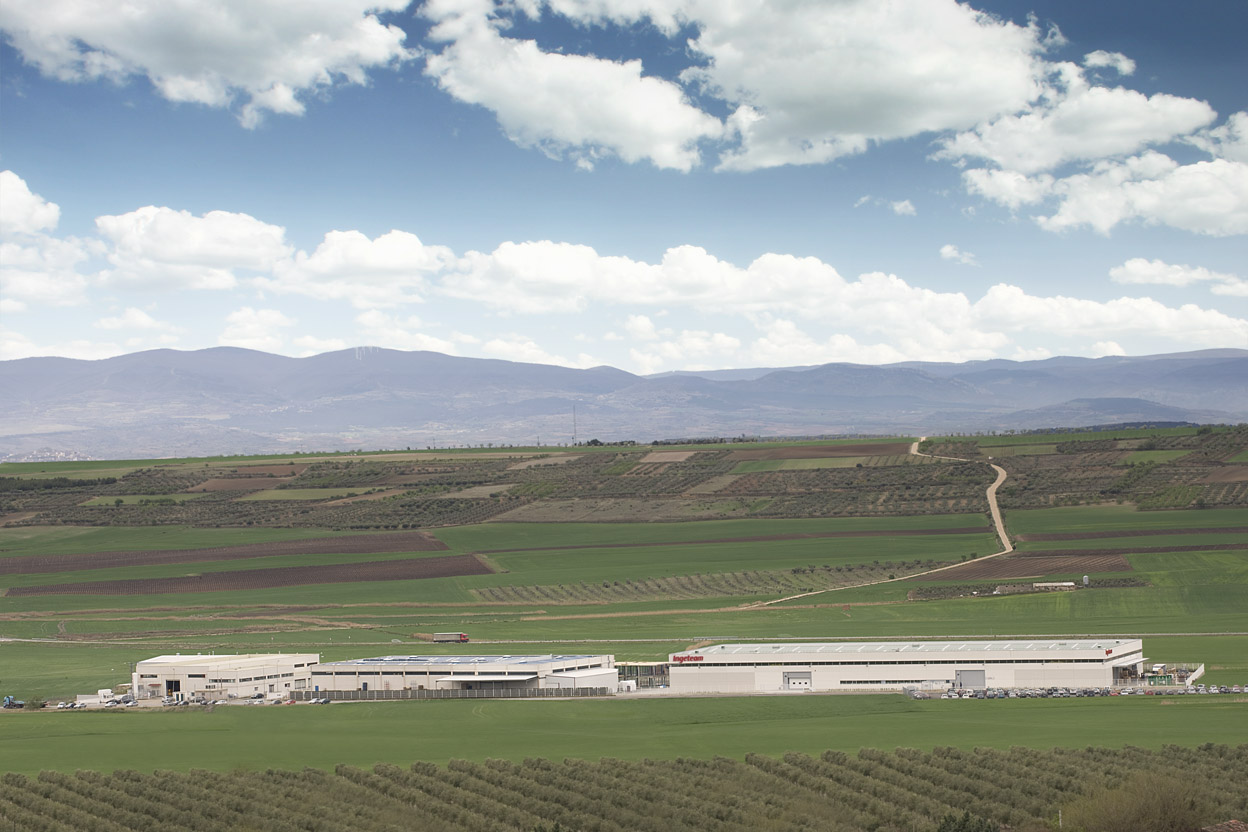
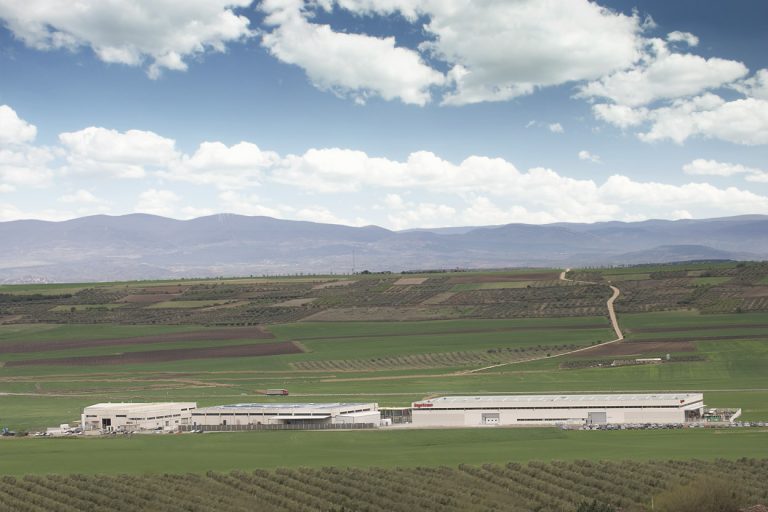
The Ingeteam production facility in Spain. (Courtesy: Ingeteam)

Ingeteam, a global technology group specializing in electric power conversion, recently announced it commissioned 50 GW of electrical wind power conversion equipment to date, thanks to consistently strong sales of wind-power converters and wind-control cabinets.

Ingeteam entered the wind industry in 1995 while working on the development of variable-speed machines. It was the first manufacturer to launch DFIG converters in the market; 25 years later, this technology is still the gold standard in the industry, and with 50GW on the clock, Ingeteam’s position as the world supplier of wind-power converters in terms of installed capacity remains unchallenged.

“This steady performance is largely supported by our company’s long-term commitment to continuous innovation, backed by industry-leading R&D investment levels; 5 percent of the company’s turnover is re-invested in new product developments and over 400 employees work in R&D labs,” said Alberto Barcia, commercial director of Ingeteam’s Wind Business Unit.

“Our sales were also strengthened by timely investments in key emerging markets, notably Brazil and India,” he said. “We were able to establish our company as the leader in these two key wind markets, which have been key important engines of our growth ever since.”

In 2019, Ingeteam reported once again a healthy growth of its global wind business with 4GW delivered worldwide. The company offers a wide range of proven, in-house developed electrical equipment up to 15 MW for both onshore and offshore applications. Thanks to its localized and agile manufacturing strategy, Ingeteam can supply its customers flexibly from cutting-edge production facilities in Europe, Asia, and North and South America, and it can consistently meet the industry’s highest-level quality standards.

Earlier this year, Ingeteam launched its latest innovation, a new-generation of wind-power converters developed for high power DFIG application ranging from 6 to 8 MW. This new converter technology is grid-friendly and includes FRT, SCR, and SSR features. It complies with the most stringent grid codes, enabling it to be deployed anywhere in the world. In particular, they are the technology of choice for emerging markets in areas such as India or Brazil.

More info: www.ingeteam.com

Offshore turbine design push could launch Gulf of Mexico market

0

Turbines that optimize lower wind levels and mitigate hurricane risk could bring zero-subsidy offshore wind to the Gulf of Mexico, experts told New Energy Update.

Two new studies by the U.S. National Renewable Energy Laboratory (NREL) have revealed the huge potential for offshore wind in the Gulf of Mexico.

NREL’s analysis, commissioned by the Bureau of Ocean Energy Management (BOEM), indicates there is 508 GW of technically feasible offshore wind potential in Gulf of Mexico waters, equivalent to half of total U.S. power generation capacity.

Offshore developers are using turbine advances and economies of scale to drive down costs.

In its study, NREL found that some Gulf of Mexico sites could host zero-subsidy offshore wind power soon after 2030. Based on a 600 MW wind farm with 10 MW turbines, the estimated levelized cost of energy (LCOE) could be as low as $70/MWh for sites near the shore in Texas and western Louisiana, it said.

“Cost trajectories from the modeled data indicate that costs will continue to decrease beyond 2030 and that the cross-over for economic viability may be just beyond this time horizon,” it said.

Turbine capacities are rising fast and this could accelerate cost reductions. Siemens Gamesa plans to install its new 14 MW model in Virginia by 2026.

The competitiveness of Gulf of Mexico offshore wind projects will depend on new technology solutions that optimize the unique site conditions, experts told New Energy Update.

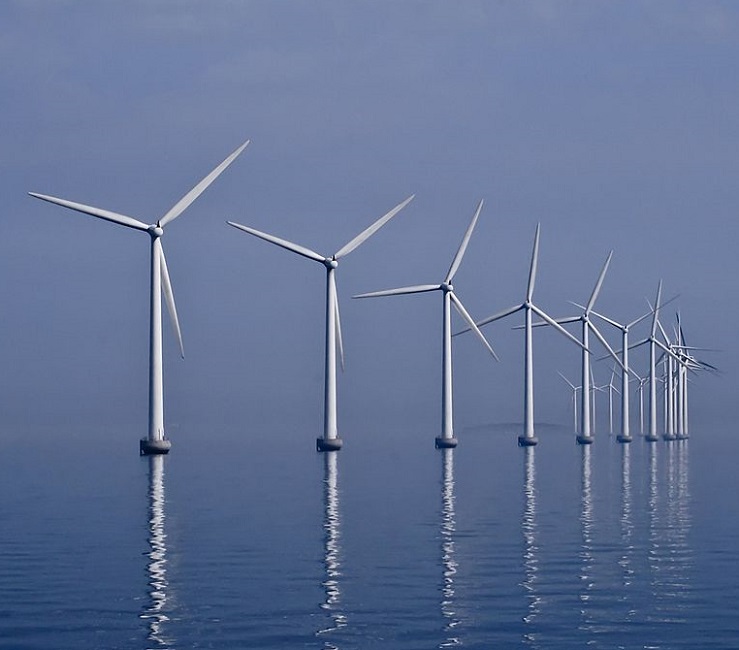
Rapid advances in turbine technology are opening up new markets. (Image credit: Wikimedia Commons)

Average wind speeds in the Gulf of Mexico are 7 to 9 meters per second (m/s), compared with 9 to 11 m/s in northern Europe. In addition, hurricanes regularly barrel through the Gulf, stressing structures and disrupting logistics.

These challenges are expected to increase CAPEX, but the region also offers potential savings, including gains in operations and maintenance (O&M) efficiency, experts said.

Gulf of Mexico wind farms could supply several U.S. electricity markets, including the Electric Reliability Council of Texas (ERCOT) and Southwest Power Pool (SPP) networks, said Steve Dayney, head of Offshore, North America, Siemens Gamesa Renewable Energy.

Other potential customers include utilities operating in Southeastern states that border the Gulf and are not part of an organized electricity market, he said.

The Gulf of Mexico hosts a third of the United States’ shallow water offshore wind potential, said Mike Celata, Gulf of Mexico BOEM regional director.

The gradual increase in water depth in the Gulf is conducive to turbine installation and other advantages include lower average wave heights, shallow water, and proximity to oil and gas infrastructure and expertise. Floating wind developers looking to install in deeper water areas could also benefit from local oil and gas manufacturing and offshore engineering resources.

The main challenges for Gulf of Mexico developers will be lower wind speeds, softer soils, and hurricane risk.

Gulf of Mexico projects may require turbines with longer rotor diameters and blades with lower solidity than in other offshore wind markets to maximize efficiency, Celata said.

The low average wind conditions may require “increased rotor diameters, with specific power ratings between 230 W/m2 and 300 W/m2,” NREL said in its report.

The soils and wind speeds favor jacket-type substructures rather than monopiles, NREL noted.

In total, the enhancements required for lower regional wind speeds are expected to increase turbine costs by 3 percent to 14 percent, depending on the site, it said.

Hurricanes regularly sweep into the Gulf of Mexico, bringing higher waves and extreme winds.

“Offshore wind developers may have to create specialized designs that ensure turbines, towers, blades, and substructures can withstand these extreme weather events,” Celata said.

Turbines may also require intelligent control systems to manage the extreme loads, he said.

Developers can use the experience of regional oil and gas players to design appropriate substructures, Celata noted.

Project partners will need to conduct site-specific risk assessments to identify design enhancements or load mitigation strategies, as commonly-used design standards set by the International Electrotechnical Commission (IEC) do not cover all the risks, NREL warned. Load mitigation could include on-board power supply to maintain yaw functioning through the storms.

Insurance costs could be 25 percent higher than in other offshore wind regions, NREL said.

The financial cost of lower wind speeds and hurricane mitigation in the Gulf of Mexico may be offset by other benefits, such as lower average sea states and warmer ocean waters that reduce O&M costs, Celata said.

Further offshore, relatively low wave heights will expand the window for O&M procedures, allowing more frequent access to turbines and shorter downtimes, Dayney noted.

Harsher wave conditions closer to shore could prompt a shift in vessel strategies compared with Northern Europe.

Wind farms sited closer to shore may require a specialized service operations vessel (SOV) to perform maintenance. Further offshore, readily available crew transfer vessels (CTVs) could be used, unlike in Europe, where SOVs are typically required.

More info: analysis.newenergyupdate.com

Abaris reopens Reno training facility

0

Classes at Abaris Training Resources, Inc. (Reno, Nevada) resumed June 1, 2020, after being closed since mid-March due to the Coronavirus pandemic.

The Abaris team is excited to be getting back to work and will start with two of the most popular courses; Composite Essentials for Engineers and Managers and Advanced Composite Structures: Fabrication and Damage Repair-Phase 1, after which the regular class schedule resumes.

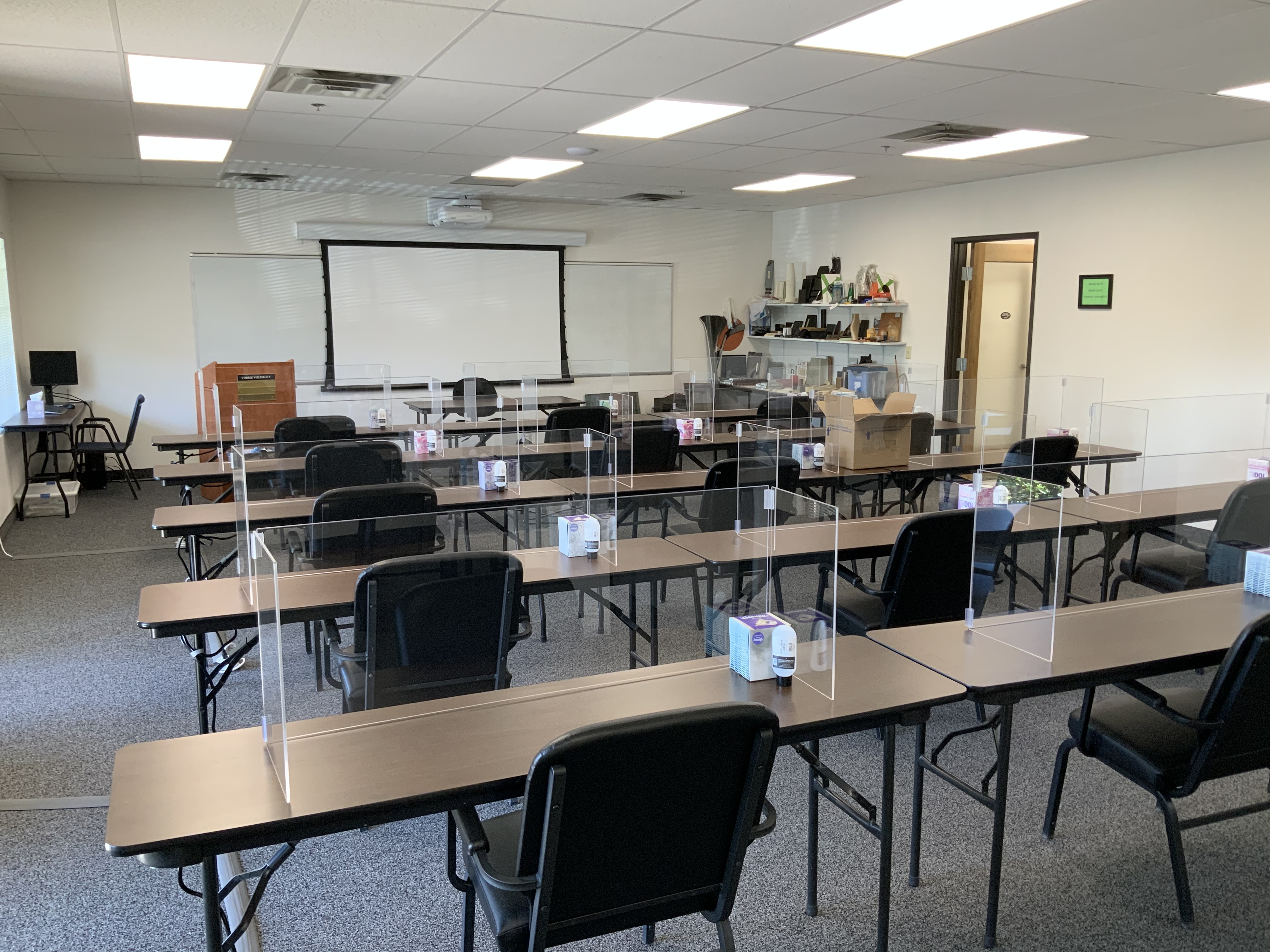
Abaris has retrofitted its three classrooms and labs so safe distancing can be practiced in every space — seating students individually at each table in the classroom and supplying physical plexiglass (sneeze guard) barriers at each location to aid in protecting students.  Rigorous cleaning and distancing protocols have been established in accordance with state and federal guidelines to ensure students and staff are safe.  This includes requiring and providing masks to those who need them and plenty of space to work on projects.

Moving forward, Abaris is committed to staying up-to-date with the latest mitigation requirements and adjusting protocols to ensure the best practices are deployed for keeping the students and staff safe.

More info: www.abaris.com

Siemens Gamesa SG 14-222 DD offshore turbines planned for Taiwan project

0
Since the opening of its Taipei office in 2017, Siemens Gamesa has been firmly committed to support the ambitious industry plan of the Taiwanese government, and to contribute to the growth of offshore wind in Taiwan.

Siemens Gamesa Renewable Energy and Hai Long Offshore Wind recently announced that the new SG 14-222 DD offshore wind turbine will be used at the upcoming 300 MW Hai Long 2 project in Taiwan.

The deployment of the new turbine for the rest of the 1,044 MW Hai Long pipeline is also being considered.

The exact number of units for the first 300 MW of the project remains to be confirmed based on site-specific conditions. The preferred supplier agreement as published in November 2019 remains subject to contract and final investment decision from the consortium partners, Canadian independent power producer Northland Power Inc. and Taiwan-based developer Yushan Energy, jointly owned by Mitsui & Co., Ltd. in Japan and Yushan Energy Pte. Ltd. in Singapore.

The Hai Long offshore wind power plant was awarded through the 2018 grid allocation mechanism in Taiwan. The project site is approximately 50 kilometers off the coast of Changhua County. The first 300 MW will serve as an anchor for Siemens Gamesa to expand its local footprint and supply base in Taiwan into a regional industrial hub.

As announced separately, nacelle production for the 300 MW Hai Long 2 project will begin in Taichung in 2024, and turbine installation will follow thereafter.

“Taking the next step in advancing the Hai Long 2 project by announcing that it will conditionally use the SG 14-222 DD offshore wind turbine is outstanding news,” said Andreas Nauen, Offshore CEO at Siemens Gamesa. “We are thrilled that the Hai Long partners have chosen our newest machine and are very excited to work closely in making this project the first installation of the SG 14-222 DD in Asia Pacific.”

Since the opening of its Taipei office in 2017, Siemens Gamesa has been firmly committed to support the ambitious industry plan of the Taiwanese government, and to contribute to the growth of offshore wind in Taiwan. Subject to Hai Long 2’s Industrial Relevance Proposal approval, Siemens Gamesa recently revealed plans to expand its Taichung footprint into a regional industrial hub for offshore wind nacelles, together with Taiwan-based suppliers.

This nacelle production setup in Taiwan will play a central role in the introduction of the latest turbine technologies in Asia Pacific, starting with the giant SG 14-222 DD for the 300 MW Hai Long 2 project. As such, it will also reinforce Taiwan’s pioneering position in the region and serve as a foundation to export state-of-the-art technologies to other neighboring markets.

“We are very proud to be able and reveal the planned deployment of this giant turbine in Taiwan with the Hai Long partners,” said Niels Steenberg, executive general manager of Siemens Gamesa Offshore for Asia-Pacific. “It matches our shared vision to establish a competitive and sustainable offshore wind hub here for the rest of the region.”

“The strategy of Hai Long’s Industrial Relevance Proposal (local content) has always been focused on enabling the local supply chain for global opportunities,” said David Povall, executive vice president for Development at Northland Power. “And bringing the latest turbine technology into the Taiwan market through our project has been part of the initiative. Hence, we proudly see ourselves as the ‘anchor project’ that will facilitate Taiwan’s policy goal of becoming the APAC Offshore Wind Export Hub.”

MORE INFO  www.siemensgamesa.com