









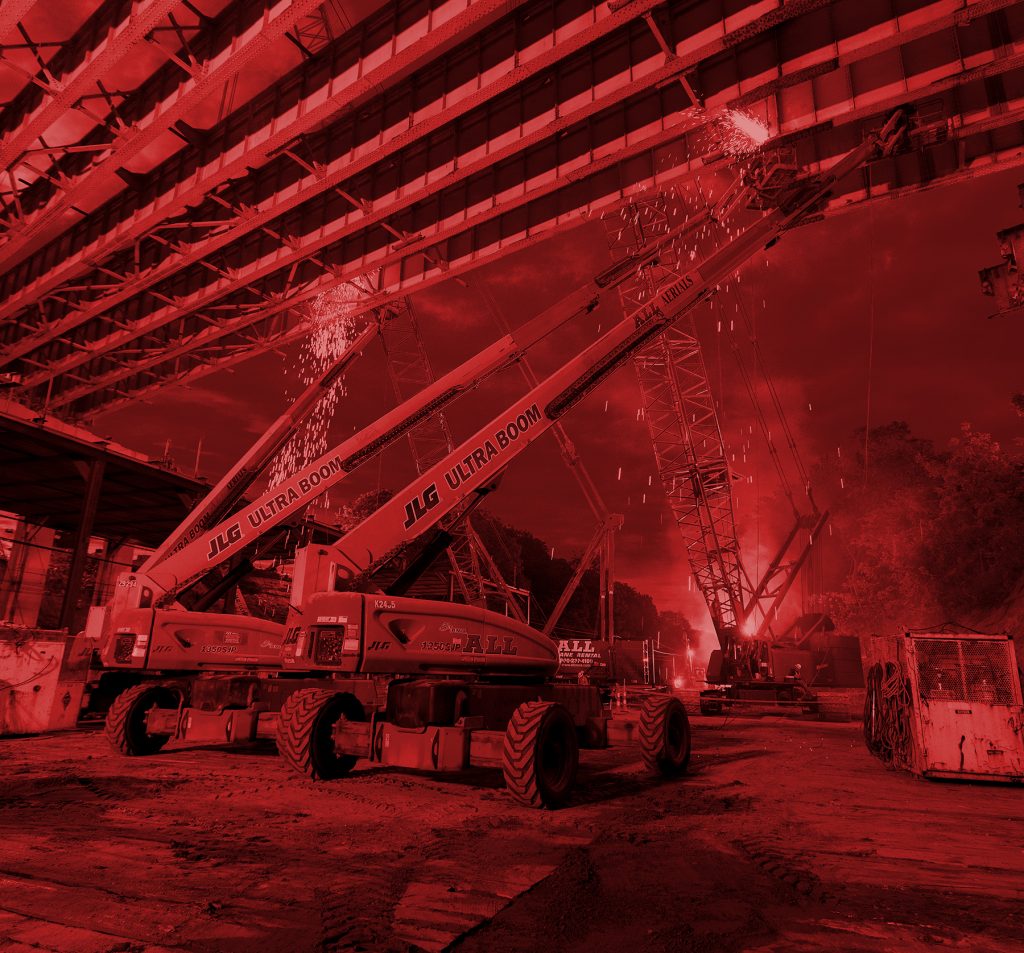
Today’s construction job sites are evolving, and project owners demand partner companies that embrace new methods to drive down costs without negatively impacting quality. It is with this in mind that the ALL Family of Companies announces its Shared Equipment Program (SEP), a new approach to equipment rental that can shave millions of dollars and many months off construction projects.
Here’s how it works: A project’s general contractor acts as the primary renter of all lift equipment for the job and then rents it to the subcontractors — a method that helps to eliminate waste, cut costs, improve productivity, and create positive outcomes. More than just equipment, the project also gets support from the ALL team, including mechanics who conduct regular maintenance to keep machines in “rent-ready” condition as they change hands between subcontractors.
When multiple subcontractors arrange for their own equipment, depending on the job site, the ALL Family of Companies’ SEP can eliminate redundancy and waste, which can be as much as one-third of the total project cost. And equipment redundancy does more than add costs — it adds a level of congestion to job sites where space is a premium, which can affect everything from traffic to safety. The SEP addresses all these concerns as ALL works with the general contractor to maximize efficient usage of lift equipment.
ALL developed the program to reinforce its unique blend of resources afforded general contractors, including a broad continental footprint and an extensive and varied fleet. The program works best when all subcontractors have ready access to equipment that meets their needs, from steelworkers who may require hefty all-terrain equipment to painting and electrical contractors whose finishing work requires access equipment such as scissor lifts. ALL’s equipment lineup includes crane types as small and versatile as mini/spider cranes or as large as 900-ton ATs and 1,000-ton crawlers, plus tower cranes, boom lifts/aerials/MEWPs,and boom trucks.
Beyond these extensive equipment resources, the company has the experience and willingness to collaborate both initially and then ongoing, which help make the equipment-sharing process successful. ALL has already executed projects using SEP, saving project owners millions of dollars and helping to complete projects months ahead of schedule.
MORE INFO www.allcrane.com
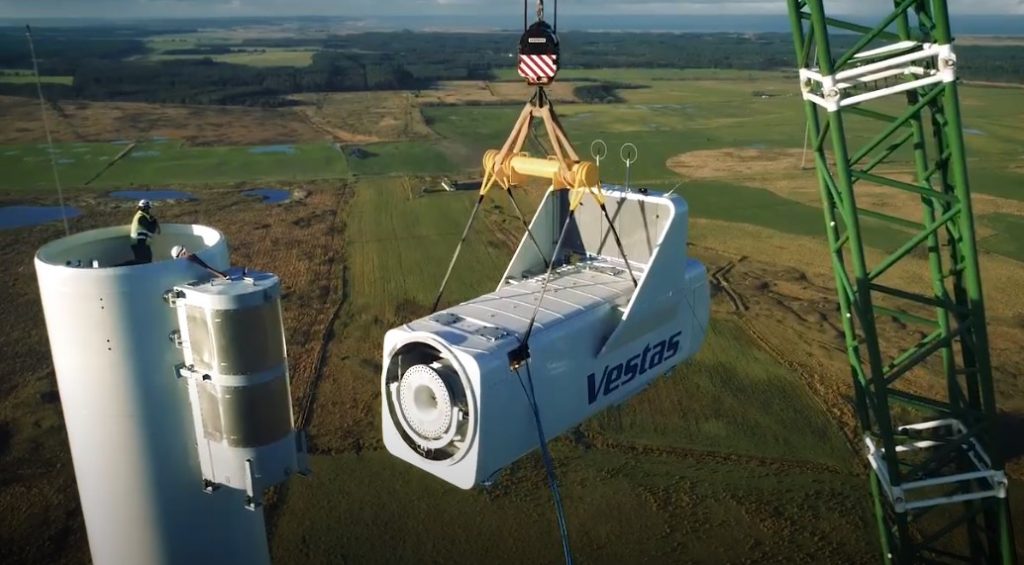

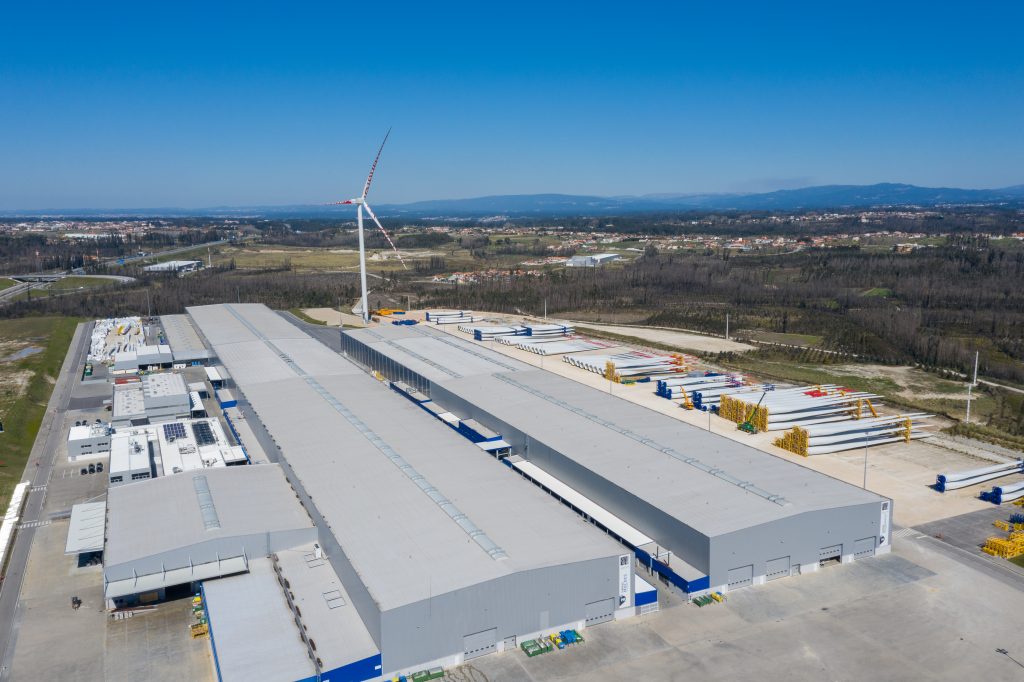
 As wind-farm owners and investors prioritize critical equipment maintenance, reduce subcontractor reliance, and adopt virtual working practices for non-essential kit monitoring and analysis, operational and technology teams have fast-tracked a new working framework for wind-turbine operations and maintenance that will drive future operational efficiencies, post COVID-19.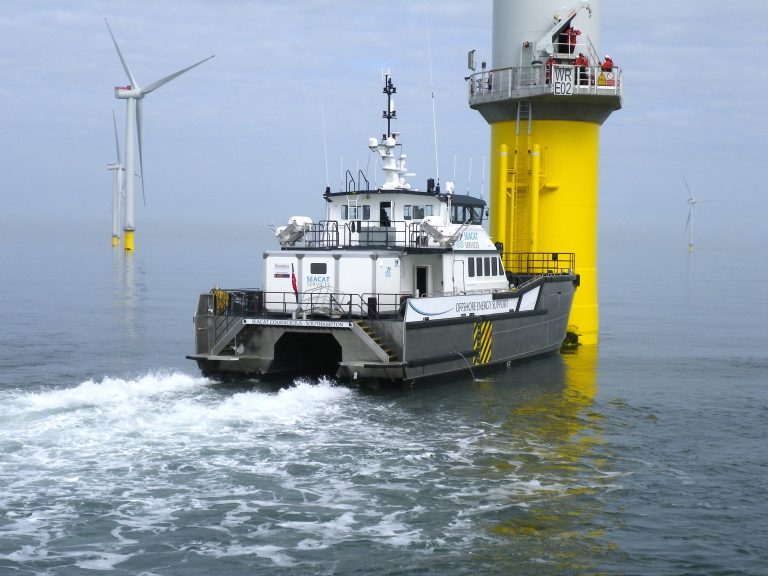
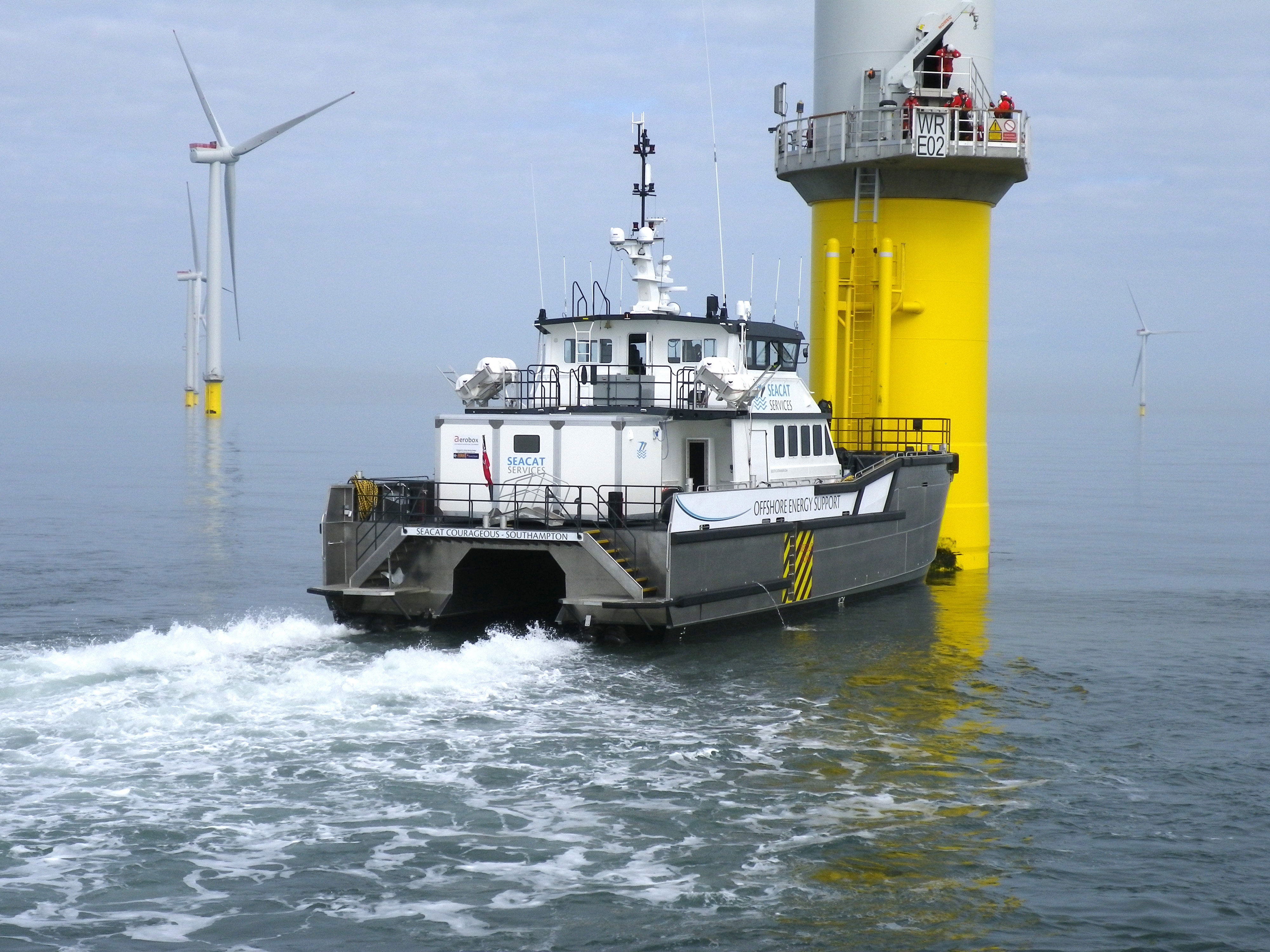 BareFLEET monitors the health and performance of critical equipment across each vessel — including engine health, fuel consumption, motion, and impact onto the turbine — reliably transmitting this data to the shore team via the cloud. Through BareFLEET’s reporting, CTV operators have full visibility over the activity and condition of each vessel, and with it, the insight needed to enhance operational efficiency. Naturally, this generates a commercial advantage in times of normal operations, but in unprecedented times like the present, this level of insight is coming into its own.

 “While we’re disappointed clean-energy sector relief did not make it into the phase three stimulus package, we will continue working with Congress and other renewable energy leaders to find solutions to the specific challenges COVID-19 is causing our members,” Kiernan said. “Relief provisions ensuring renewable projects can secure financing and meet safe harbor continuity schedules are critical to preserving a strong domestic clean energy sector. Making these adjustments to existing tax credits would provide the industry the flexibility needed to accommodate COVID-19 delays, without costing the Federal government any additional money. Taking these steps will protect thousands of American jobs and billions in economic investment, particularly in rural America, while preserving our country’s progress towards a strong economy and clean future. Without assistance, 35,000 American jobs, $43 billion of investment, and $8 billion in payments to local communities are at risk.”
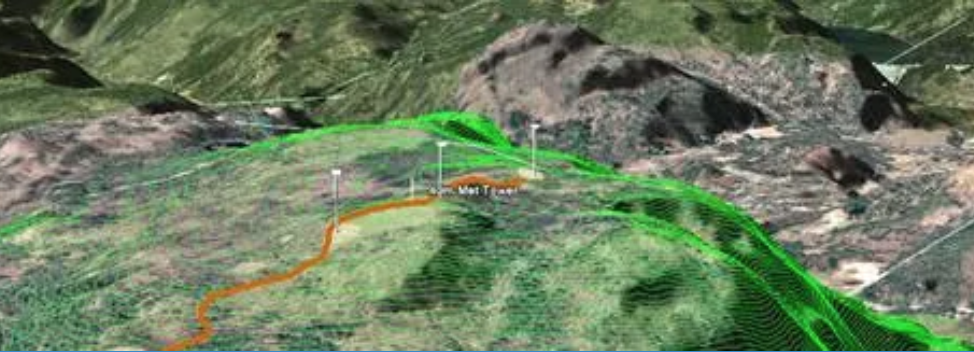 “It’s an honor and a privilege to be a part of a project and community that genuinely cares about developing renewable energy for the future while safeguarding cost efficiency today,” said Alan Robinson, general manager at Russell Municipal Light Department.


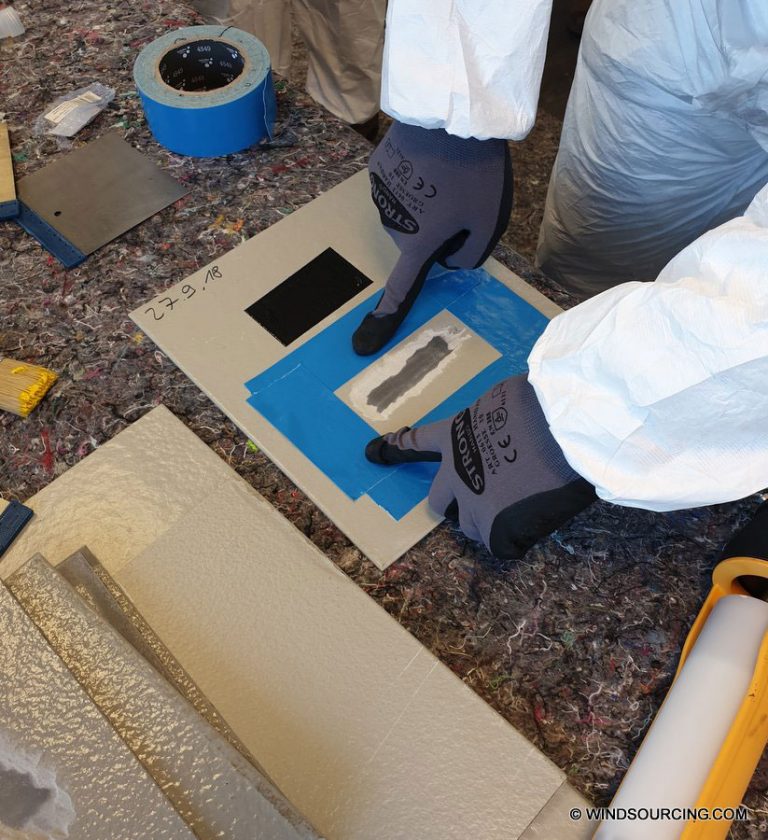
 Weber said he is enthusiastic about “SikaCor® SW-1000 RepaCor.”