





Home 2019

Operators must embrace disruptive technologies, says ONYX InSight

0

Embracing disruptive digital technologies for the collection and analysis of wind-turbine data offers the best route to reducing the costs of operations and maintenance programs.

This is according to more than half (55 percent) of the asset and operations managers attending ONYX InSight’s European Technical Symposium in March.

Disruptive technology is entering the wind-energy sector quickly and helping to improve the cost-basis for running wind-turbine maintenance programs. From micro-electro mechanical sensors (MEMS) for gathering turbine data to machine learning algorithms that improve data analysis, owners and operators of wind farms in Europe need to embrace these technologies to maintain their position in the industry.

“Operators that continue to rely on traditional O&M practices to manage their profitability and overlook the rise of disruptive digital technologies risk losing out,” said Dr. John Coultate, head of Product Development at ONYX InSight. “Failure to embrace these technologies and apply them appropriately will see them overtaken by competitors able to reliably and profitably operate wind farms at lower cost.”

MEMS sensors, which lie at the heart of the digital disruption of wind-turbine monitoring, are produced annually in the billions at significantly lower cost than the piezoelectric sensors they are replacing. Greater versatility means MEMS sensors can be used to capture much more data about turbine behavior. MEMS sensors’ digital data outputs also eliminate the need for additional costly signal conditioning, making it easier for operators to run data analysis using another disruptive technology, machine learning.

A majority of attendees recognized the need for involving specialists to implement and harness the kinds of digital technologies that could be seen as disruptive. More than half said they recognized the need for third-party expertise to support digital integration and analysis of turbine data.

“The technology is here to stay, the only barrier to adoption is access to quality data,” said Dr. Xiaoqin Ma, head of Technology at ONYX InSight. “Machine learning can make sense out of large quantities of data that human analysts might find overwhelming. With vast amounts of data being collected through hundreds of channels from every single turbine every second, ML is essential for understanding turbine condition and reducing the cost of maintenance programs.”

“Properly trained machine learning algorithms, backed up by intelligent engineering experience, can add real value to the wind-energy industry,” he said. “Without the right support for quality data inputs and guidance from experts, however, users of machine learning, disappointed by its outputs, risk overlooking a powerful tool that will drive OPEX cost reductions into the future.”

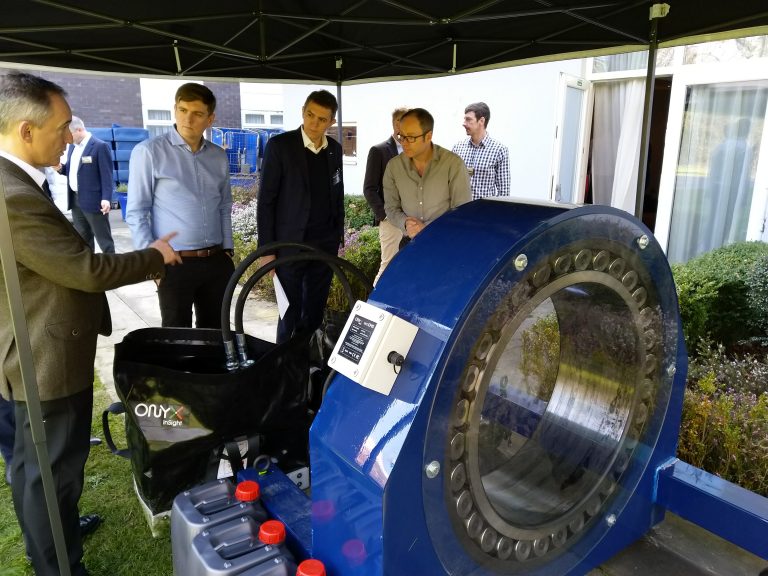
Dr. Ma and Dr. Coultate were speaking to more than 50 wind asset and operations managers from across Europe, at the ONYX InSight Technical Symposium in Manchester. Presentations and panel discussions focused on the technology trends and adoption by wind-farm operators looking to drive lifetime extension and reduce the cost of operations and maintenance.

“The symposium once again proved itself a welcoming forum for operators to share experiences, freely discuss the challenges they face and learn and understand current best practices and solutions that will help them get the best form their assets,” said Bruce Hall, CEO of ONYX InSight.

More info  www.onyxinsight.com
NRG’s Bat Deterrent System reduces bat fatalities by 67 percent

0

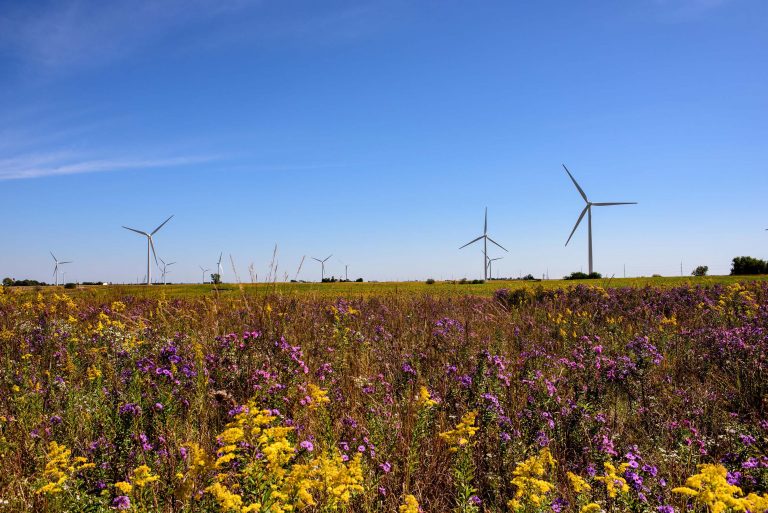
A trial of NRG Systems’ Bat Deterrent System at the Pilot Hill Wind Project in Illinois yielded an overall reduction in bat fatalities of 67 percent and greater reductions with species commonly affected by wind projects.

The results of the trial were announced on March 27, 2019, by EDF Renewables, the developer/owner of the Pilot Hill Wind Project, at the AWEA Wind Project Siting and Environmental Compliance Seminar in Albuquerque, New Mexico. Located in Kankakee and Iroquois counties, the 175-MW Pilot Hill Wind Project was made possible by a 20-year power purchase agreement with Microsoft Corporation and has been in commercial operation since 2015.

Testing of NRG’s ultrasonic acoustic Bat Deterrent System was conducted at Pilot Hill between August and October of 2018. Fifteen out of the facility’s 103 turbines were outfitted with Bat Deterrent Systems. A 5.0 m/second cut-in speed curtailment was simultaneously applied at the deterrent-equipped turbines.
“Our goal with this trial was to gauge the efficacy of combining curtailment with NRG’s Bat Deterrent System to reduce bat mortality at wind turbines,” said Michael Azeka, director of Environmental Strategy at EDF Renewables. “The results of this trial are very encouraging and suggest that this approach to minimizing bat impacts is a compelling one for the wind industry.”

There are several bat species present at Pilot Hill, including multiple migratory tree species. The testing revealed a significant reduction of 72 percent with silver-haired bats, 71 percent with hoary bats, and 94 percent with big brown bats. Eastern red bats proved harder to deter, with 58 percent reduction in mortality for the two treatments together.
At the moment, raising cut-in wind speed is the most widely used method for reducing bat mortality at wind turbines. While effective, many wind plants in North America experience a significant loss of energy production when this curtailment is implemented.

“The Pilot Hill trial is especially encouraging because it suggests that we can minimize bat impacts while increasing the amount of energy produced at wind plants struggling with this crucial issue,” said Brogan Morton, senior product manager at NRG Systems. “This is a win for all parties involved, including developers, conservationists, and, most importantly, the planet.”

The Pilot Hill trial was preceded by a two-year study at the Los Vientos Wind Energy Facility in Texas, which saw an overall reduction in bat fatalities of 54 percent. NRG’s Bat Deterrent System is available is North America. The company plans to hold trials of the technology in Europe in 2019.

More info  nrgsystems.com

Uptake wins ‘New Energy Pioneer’ award

0

Industrial artificial intelligence leader, Uptake, was recently named a 2019 New Energy Pioneer by Bloomberg New Energy Finance (NEF). The award recognizes ground-breaking companies fueling the transition to a lower-carbon economy and bringing new ideas for business models, technologies, market structures, and commercial opportunities.

“I’m proud of the entire Uptake team and our commitment to our energy, transportation, and industrial customers who use our artificial intelligence platform and applications in the field everyday,” said Uptake CEO Brad Keywell. “Our goal is to delight customers with impactful outcomes, and each new customer offers further proof of our belief that AI and data science should power operational decisions in major industries. Our market leadership has been fortified by our independence from any singular OEM. Further, the impact of our delivered outcomes has been magnified through our ownership of the world’s most comprehensive dataset of equipment failure patterns. Through the Uptake lens, industry productivity looks even better.”

With the massive amount of data generated by industrial machines, companies are increasingly searching for simple ways to turn this data into action that improves their bottom line. Using artificial intelligence and data science, an intelligent industrial platform turns machine data into insights, predictions, and recommendations. With insights, people can improve all aspects of industrial performance, make better-informed decisions that affect both topline and bottom line financials, and help optimize the overall business.

The winners from more than 185 applicants were assessed against three criteria:

  • Potential to scale the opportunity and have global impact.
  • Level of innovation of the technology or business model and the novelty it brings to the market.
  • Momentum by showcasing substantive progress in the form of strong commercial partnerships, the distribution channels in place and sales growth.

Uptake’s APM software improves productivity and efficiency by leveraging artificial intelligence (AI) to create business value from operational data. Traditional asset management only covers routine maintenance tasks and fails to anticipate and adjust to the ways industry operates its business. Today’s asset-intensive environments require a new approach with industrial data science generating OEM-agnostic insights, predictions and recommendations for any asset.

More info: www.uptake.com/industry-solutions/energy

MSA launches new harness lines

0

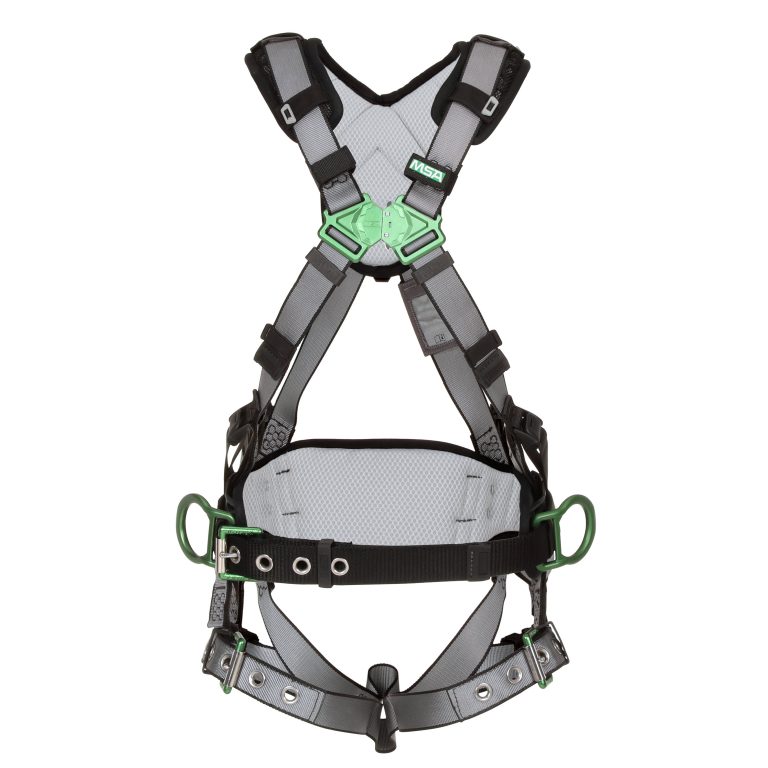
MSA recently announced the launch of the new V-SERIES full body harness line for fall protection: V-FLEX™, V-FIT™, and V-FORM™. Each is designed for comfort and differing needs.

With the V-SERIES, users can focus on their work instead of their harness. The exclusive racing-style buckle eliminates the need for chest straps, creating a closer, more comfortable harness. An athletic cut contours the harness to the body for increased upper torso mobility. A pull-down adjustment allows the wearer to easily and quickly make adjustments in order to get the right fit.

The V-SERIES harness line is suitable for use in multiple work-at-height applications in industries such as construction, general industry, and oil and gas.

More info: MSAsafety.com/vseriesfallprotection

Vestas receives 224 MW order in the U.S.

0

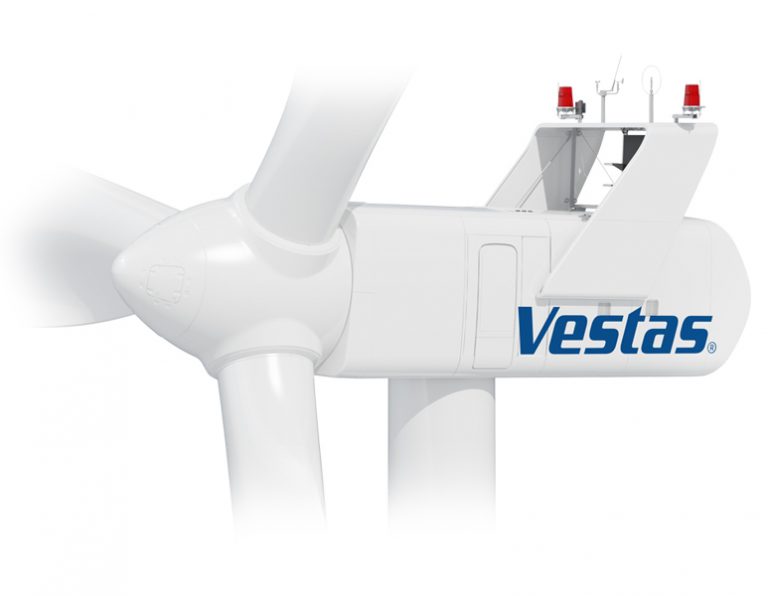
Vestas has received a 224-MW order in the U.S. for V110-2.0 MW turbines.

The order includes supply and commissioning of the turbines as well as a 10-year Active Output Management 5000 (AOM 5000) service agreement.

Deliveries are expected to begin in the third quarter of 2019 while commissioning is planned for fourth quarter of 2019.

The project and customer are undisclosed at the customer’s request.

More info: www.vestas.com

Ingeteam commissions over 4 GW of wind converters in 2018

0

Ingeteam Power Technology, an independent global supplier of electrical conversion equipment, recently announced it contracted more than 4 GW of wind-energy converters globally in 2018.

With a total of 45GW installed capacity to date, the company remains the No. 1 supplier of wind-power converters in the world.

The Ingeteam Group closed the year with a 15 percent increase in turnover compared to 2017.

Ingeteam achieved these strong results despite price pressures on the wind supply chain due to an increasing competition among OEMs, as well as the recent industry slowdown in Brazil and India, two strategic markets for Ingeteam.

“The wind industry as a whole has weathered a challenging period in India and Brazil last year. That impacted our sales a little, but the slowdown has leveled off and we expect orders to rebound strongly this year,” said Ana Goyen, director of Ingeteam Wind Energy.

Going forward, Ingeteam will benefit from the excellent growth outlook of the global wind sector, which becomes competitive with other energy sources in an increasing range of market conditions. This encouraging general environment combined with a stabilization in global prices and Ingeteam’s strong focus on innovation and client partnerships, provides an excellent foundation for the company’s future performance. For 2019, the company expects to experience steady sales growth, with major gains in all key markets.

In particular, the company’s recent investment in India in a facility equipped with state-of-the-art production technology is providing solid sales momentum. The feedback from both local and international clients is overwhelmingly positive.

“This highly efficient production center is based on a modular design, and boasts agile production lines, so we can swiftly embrace our client needs,” Goyen said. “Our customer-centric approach is really paying off there. We are happy to report that we have delivered our first units in 2018 and that our orderbook is very healthy going forward. We anticipate that about 25 percent of the total capacity we aim to deliver in 2019 will be manufactured in our Chennai factory.”

Ingeteam’s strategy to position itself as a complete solution provider for wind OEMs has proven very successful over the years.

“We can supply equipment from any of our production facilities in Europe, Asia, North and South America, applying the same standards and know-how,” Goyen said. “We can also deliver the most efficient and specialized support and service to clients from our sales and service centers strategically located all over the world.”

More info: www.ingeteam.com

Evolving offshore wind scope requires refits of aging CTVs

0

With a significant proportion of the European offshore wind support vessel fleet entering the latter phases of its operational lifetime or no longer able to meet changing industry demands, there is a growing emphasis on the vessel market to refit or repurpose these boats.

In doing so, vessel owners and shipyards can seize a commercial opportunity to maximize the value of these assets and support the overall sustainability of the offshore wind sector.

That, at least, is according to Chartwell Marine, a pioneer in next-generation vessel design that has supported a number of offshore wind vessel refit projects in recent months. Chartwell Marine has substantial expertise in vessel repurposing, including re-flagging, re-coding, and complete vessel conversion – such as from crew transfer vessel (CTV) to ferry, or leisure fishing boat to workboat.

While offshore wind is a young sector, with the majority of large-scale European projects no more than 10 years old – and expected to continue operating for 25 years in total – vessel lifetimes do not match those of offshore wind turbines. Furthermore, rapidly evolving construction and operational standards mean that many of the CTVs originally commissioned to service these projects may no longer meet the requirements of offshore wind developers and operators.

This is not to say, however, that these vessels are no longer fit for purpose. Indeed, for vessel owners, there are two main options on the table: One is to repurpose these catamarans for operation in other sectors, or for different functions within offshore wind. Offshore wind CTVs have been redeployed effectively for purposes including survey, dive support and security.

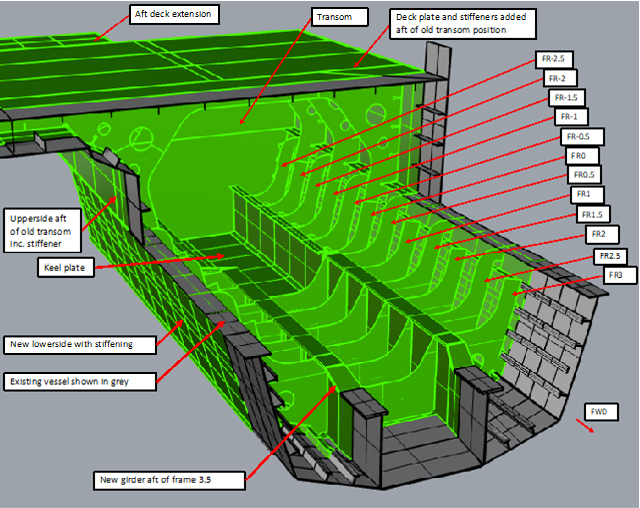
The other option is to conduct refits that extend the operational lifetime of the vessels in offshore wind. This often involves upgrades to propulsion systems, increasing the number of people who can be carried onboard, and lengthening of the hull to enhance deck space and potentially seakeeping. Chartwell Marine has provided design consultancy services to shipyards and vessel owners on a number of these refit projects.

Recent contracts have included supporting shipyard Diverse Marine in full refits of CTVs Maestro and Don Quixote, both of which were acquired by Turner Iceni in early 2019. Maestro, an 18-meter catamaran, has been refitted with Volvo IPS propulsion system, while Don Quixote has been refitted with 1,400 horsepower MAN engines and Hamilton 651 waterjets, and lengthened from 20 to 23 meters. Both are set to re-enter service later this year.

“For a sector like offshore wind, which is founded on principles of sustainability, vessel support is one area where substantial efficiencies can be realized,” said Andy Page, managing director at Chartwell Marine. “With robust design support, vessels that are starting to reach the end of their utility for offshore wind operators can either be upgraded in a cost-effective manner to re-enter service or set to work in other maritime sectors.”

“This creates plenty of opportunity for U.K. shipyards to carve out a niche in vessel refits – particularly during the winter months when demand drops off a little,” he said. “Furthermore, given an overall shortfall of new builds currently in build, and demand for offshore wind crew transfer vessels ramping up considerably, these vessel refits may well help to plug a gap until the next generation of offshore wind CTVs starts to enter operation.”

More info: www.chartwellmarine.com

BladeEdge℠ advances AI for the wind industry

0

BladeEdge, a leading provider of big data solutions for the wind industry, recently announced the launch of EDDIE, the world’s first artificial intelligence image analysis engine designed specifically for the wind industry.

EDDIE was created to enable automated condition assessments of blade inspection images, data analytic processing, and report generation.

“EDDIE brings the future to today’s wind industry,” said Chris Shroyer, BladeEdge president. “This revolutionary technology truly has the power to transform the industry by working up to 75 percent faster, more accurately, and more scalable than traditional data analysis methods.”

BladeEdge debuted EDDIE at the AWEA Wind Project O&M and Safety Conference in Coronado, California, treating conference goers to live demonstrations of EDDIE at work. EDDIE processes wind-turbine inspection data and automatically generates easily-consumable reports.

As AI, EDDIE has the capacity to work around the clock, processing data non-stop and delivering results with 98.8 percent confidence in data accuracy. EDDIE helps maximize the useable life of each asset reviewed, and tracks changes over time. With EDDIE, blade damage is caught sooner, making decisions regarding maintenance and repair easier than ever before.

EDDIE was designed to process any type of wind-turbine inspection data — from drone or ground scope capture images to legacy data. EDDIE automatically categorizes data and identifies anomalies, delivering reports that highlight blades requiring immediate attention and provides operators with a comprehensive understanding of all reviewed assets.

Blade management processes become more efficient when backed with the power of EDDIE, freeing teams to focus on revenue generation instead of data analysis.

“The true benefit of EDDIE lies in the time savings,” Shroyer said. “When engineers can spend less time analyzing large amounts of data and more time strategizing on improving efficiencies with preventative maintenance, EDDIE’s ROI is incredibly high.”

More info: www.bladeedge.net

Study: Employees seek and stay with greener companies

0

With the release of major climate reports depicting alarming risks to the environment and economy, an increasing number of companies are establishing environmental, social and corporate governance initiatives. Swytch, a blockchain-based clean-energy platform, recently conducted a survey of 1,000 employees in the U.S. who either currently work for or have worked for a company with more than 5,000 employees to explore their sentiments around employers’ corporate sustainability activities.

The survey results show employees of all generations seek companies that have programs set in place to be more sustainable. Gen Z and Millennials in particular are the most enthusiastic about pursuing and staying loyal to greener companies.

When choosing a company to work for, more than 70 percent of people surveyed are more likely to work for a company that has a strong green footprint. Nearly half of respondents are even willing to accept a smaller salary to work for an environmentally and socially responsible company. In fact, more than 10 percent would accept a salary decrease between $5,000 and $10,000, and more than 3 percent would even be inclined to accept a decrease of more than $10,000 per year.

Younger generations feel the most strongly about their employers taking steps to increase corporate sustainability. Over a third of both Gen Z and Millennials say it would be a deal breaker for them to work for a company that does not have a strong sustainability culture, whereas under a quarter of Gen X and only 17 percent of Baby Boomers would agree. In fact, nearly 40 percent of Millennials have accepted one job offer over another because that company was sustainable.

Beyond just attracting new talent, Swytch’s study shows that creating and circulating long-term sustainability goals will also help a business retain its employees. Nearly 70 percent of respondents say that a strong sustainability plan would affect their decision to stay with a company long term. In fact, about 30 percent have left a company due to its lack of a corporate sustainability agenda and more than 11 percent have done so more than once.

“Extreme weather events and natural disasters are serving as a wake-up call to the severe effects of greenhouse gas emissions,” said Evan Caron, co-founder and managing director of Swytch. “As a growing number of employees are eager to see corporations take a stand on environmental responsibility, employers will have to respond accordingly in order to attract and retain top talent.”

Other findings include:

● More than 35 percent of total respondents, and more than 40 percent of Millennials, have committed more time and effort to a company because they were happy with its sustainability agenda.

● Across the political spectrum, both liberals (95 percent) and conservatives (89 percent) overwhelmingly agree that companies should be rewarded for producing and/or consuming renewable energy.

● Over a third of respondents believe the national government should be primarily responsible for addressing climate change while nearly a quarter of respondents believe large corporations should be responsible.

More info  swytch.io

Collett delivers blades to Kype Muir wind farm

0

Using its Nooteboom triple extendable Super Wing Carriers, Collett delivered 78 turbine blades (26 turbines in total) destined for Kype Muir Wind Farm.

Collett’s teams undertook the planning and delivery of 494 components including blades, towers, nacelles, drive trains, and hubs required for the development of Kype Muir Wind Farm. The 80-meter hub height towers of the Senvion 3.4MW turbines feature 52-meter blades, and while these are not the largest the company has been appointed to handle, they necessitated the use of its Super Wing Carriers due to the problematic road restrictions and alignments en-route.

Several areas of route modifications were identified ahead of the project – including bridge restrictions – with an emphasis on the Lambhill Road and Brown’s Bridge areas on approach to the site. Excluding the loaded wind-turbine blades, each of the components would be loaded to a combination of 3-, 4-, 5-, and 6-axle stepframes, modular low loaders, and clamp trailers for transportation to the site. With the planned route modifications – including removal of vegetation, road signs, and road widening – already having been completed, this did not pose challenge to navigate.

The challenge arose when it came to the transportation of the 52-meter blades, which is where Collett’s Super Wing Carriers came into effect. The use of these specialist trailers provided the ability to shorten the body and wheelbase of the trailer while loaded with the use of the bolster arrangement on the trailer deck. Using the features of these Super Wing Carriers, extendable up to 64.3 meters, meant that the proposed access route to the development site became a viable option for this size of turbine.

Proof of this flexibility was demonstrated prior to transport by Collett Consulting creating a 3D model of the loaded vehicle. This then allowed Collett to produce a detailed swept-path analysis video of the blade components, successfully negotiating restricted route sections by manipulating the trailer while loaded.

This in-depth planning allowed Collett to highlight the sections of the route where the steering angle of the Super Wing Carrier’s bogie provided extra maneuverability. The challenge was to ensure there would be no contact with any part of the blade or the trailer chassis with the road surface, bridge structures, or buildings when navigating several sections of the route. This is where capabilities of the Super Wing Carriers to raise the trailer height came into action, allowing Collett to raise the height of both the front and the rear of the trailer, resulting in each of the blades oversailing the embankments and stone parapets when crossing the bridges en-route. By employing the capabilities of these trailers, Collett was able to remove the need for further, more costly modifications, and ensure that each of the 78 52-meter blades would safely arrive.

The 18-week delivery schedule that began in July is now complete. Following an agreed timetable of 1.5 turbines per week, Collett systematically transported each of the 494 cargoes from their portside location direct to the delivery site. Working on a multi-port strategy with components arriving at the Port of Grangemouth and King George V Dock, the Collett team has undertaken all ship’s discharge and stevedoring duties, port storage, extensive planning and delivery for each complete turbine.

Deliveries to the site, three miles south of Strathaven, South Lanarkshire, are now completed and construction of the wind farm is underway. Kype Muir Wind Farm is the flagship development of Banks Renewables and is expected to be fully operational in early 2019.

More info  www.collett.co.uk

AMSOIL announces strategic agreement in China

0

In a public signing ceremony, global wind industry leaders Envision Energy, NGC, CLCP, and AMSOIL recently became strategic partners in the world’s largest renewable energy market.

The China Wind Energy Association and other guests gathered in Beijing to witness the wind-energy leaders signing the “Powering the World’s Renewable Future” agreement. The partnership leverages proven expertise and innovation from four sectors within the industry: lubrication from AMSOIL, smart energy technology from Envision, gearboxes from NGC, and service from CLCP. Collectively, the partnership will provide a comprehensive array of wind-industry products and services to support rapid growth in an already exploding market.

“We’re excited to join NGC, CLCP, and Envision in this strategic partnership,” said AMSOIL President and CEO Alan Amatuzio. “Our organizations share the same high standards of innovation, service, and quality, and our combined leadership supports an ambitious vision for the future of renewable energy.”

“Being young, successful, and fast-growing are not the only reasons for our cooperation. Innovation and focus on customers are as well,” said Global Vice President of Envision Energy Kane Xu.

“It’s a great pleasure to witness this strategic cooperation among the leading wind companies from China and the U.S.,” said Qin Haiyan, secretary general of the China Wind Energy Association and vice president of the World Energy Association.

At a time of strained U.S.-China relations, the signing ceremony is a bright spot of collaboration between Wisconsin-based AMSOIL and three Chinese wind industry leaders. The strategic partnership is a perfect example of pioneering companies working together to address climate change while enhancing economic development, including meeting the goals of China’s Wind Energy Development 13th Five Year Plan and One Belt and One Road initiatives. The agreement advances global wind energy development, deepens international cooperation and will truly “Power the World’s Renewable Future.”

More info  www.amsoilwind.com

Global distributor, sensor maker join forces to modernize turbine ice sensors

0

Wind Cluster ApS, global distributor of wind-turbine components and accessories, together with New Avionics Corp, leading maker of modern optical ice sensors for industry and aerospace, recently announced the two companies have signed a distribution agreement covering modern ice sensors for wind-turbine manufacturers, operators, and energy companies throughout Europe, China, and India.

In Europe and Asia, Wind Cluster is a one-stop shopping center for turbine manufacturers and operators, offering a wide variety of components and accessories to the global wind power industry. Wind Cluster operates through a network of offices in Denmark, China, and India.

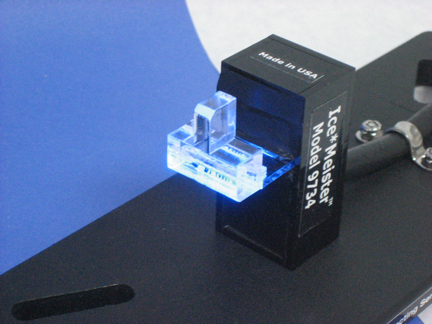
In Florida, New Avionics has developed the Ice*Meister™ line of NASA-tested optical ice sensors for aerospace and industry, where the need is to sense hazardous ice and take corrective action. These are demonstrably the smallest, lightest, most-sensitive ice detectors for wind-power turbines, unmanned aerial vehicles, commercial refrigerators and heat pumps, HVAC cooling towers, radio and TV broadcast towers, autonomous commercial drones, vehicular bridges and overpasses, oil and gas sites, etc.

“Ice detection is a necessity for optimum power production and safety in many countries,” said Peter Nyegard Jensen, CEO of Wind Cluster. “Until now, solutions have been complex and expensive. Therefore, we are happy to introduce the products and unique expertise of New Avionics to the industry.”

“New Avionics is extremely pleased to sign this agreement with Wind Cluster for distribution of our ice sensors,” said Richard Hackmeister, CEO of New Avionics Corp. “This pact helps turbine manufacturers and operators maximize operational efficiency during icing conditions, at the lowest possible sensor cost. We look forward to a long and productive relationship with the hardest-working distributor of wind-power components and accessories.”

More info  www.newavionics.com

North American growth helps RES hit 16-GW milestone

0

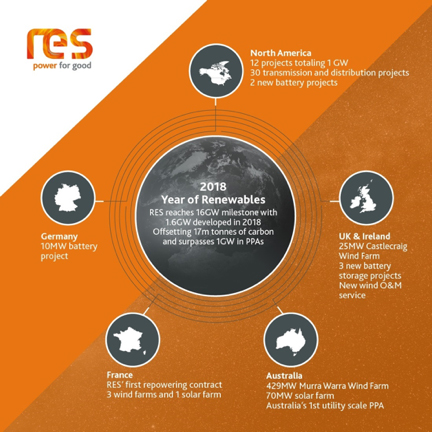
RES’ North American operations delivered 1 GW of renewable projects in 2018, helping the company reach a 16 GW global milestone in what it describes as the “Year of Renewables.”

A total of 12 wind, solar, and energy-storage projects and 30 transmission and distribution projects were developed and/or constructed across North America. During peak construction periods, these projects created more than 2,000 jobs. Among the 2018 milestones were the development and start of construction on a combined solar/energy storage project in Texas, and the sale of three projects: the 200-MW Reading Wind project, the 50-MW Lamesa II solar project, and the 100 MW Wildhorse Mountain Wind project.
“For us, 2018 was the ‘Year of Renewables’ and one in which Power Purchase Agreements came of age, the clearest indication yet that renewable energy has become as competitive as other forms of energy,” said Ivor Catto, chief executive officer at RES. “We have now developed and built over 16 GW of wind, solar, and storage assets across the world after growing our portfolio by 1.6 GW in the last year. Collectively, we now offset enough carbon, which is equivalent to 531,250 trucks of coal – if you lined them up end-to-end, they would stretch from Albuquerque to London.”

Globally, 2018 proved to be the year of the PPA, with November’s agreement with Royal Caribbean Cruises Ltd. helping the company surpass more than 1 GW of contracts with corporate customers. RES has previously signed agreements with Microsoft, Google, General Mills, Telstra, HSBC, and General Motors. RES also continued to serve utility customers in 2018, signing PPAs for the Crossett Solar project with Arkansas Electric and Delta’s Edge Solar project with Cooperative Energy in the United States.
In a year of milestones, RES also:

  • Commenced work on the 429-MW Murra Warra wind farm in Australia, which will be one of the largest in the world when completed in 2020.
  • In France, finalized construction and commissioning of the 14.2-MW Montigny la Cour, 8-MW Bricqueville, and 17.6-MW Rosieres wind farms, as well as the 5MWp Lauzieres solar farm.
  • Won its first wind farm repowering tender in France for the historic Souliella project – the first wind farm built in the country in 2001.
  • Delivered three energy-storage projects totaling 80 MW in the U.K., also taking on management of the 25-MW Castlecraig Wind Farm in Northern Ireland.
  • Won a new 10-MW battery storage project in Bordesholm, Germany.

“We have made great progress in 2018, and this provides us with a solid foundation to continue to build toward a future where everyone has access to affordable zero carbon energy, which is the vision of the company,” Catto said.

More info  www.resgroup.com

Offshore wind will increase nearly sixfold over next 10 years

0

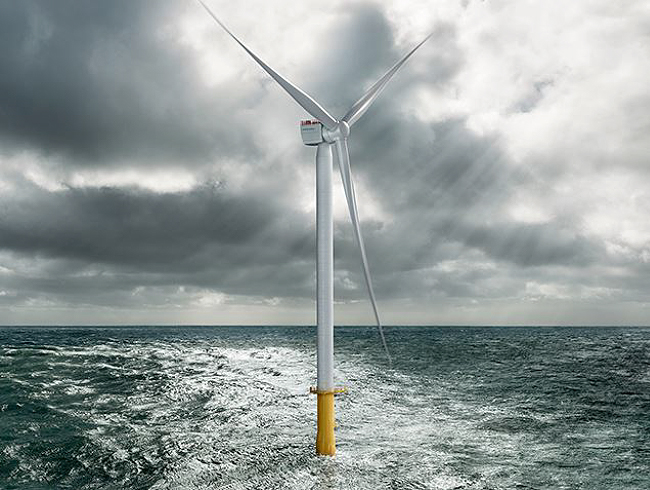
By the end of 2017, offshore wind had only been deployed commercially across seven markets, with the U.K. and Germany accounting for 68 percent of the grid-connected capacity. However, according to a recent report from Wood Mackenzie Power and Renewables, global offshore wind power demand will increase almost sixfold over the coming 10 years with projects deployed commercially across 18 countries by 2027.

As the pool of offshore markets is expanding beyond a handful of markets in Europe, local content policies in different forms are becoming an increasingly important topic for developers and suppliers as governments look to bolster their local industry and create more job opportunities for local labour forces.

“While the influence of local content policies has been limited thus far, these policies will impact 72 percent of future demand,” said Soren Lassen, leading author and offshore analyst with Wood Mackenzie.

The deployment of next-generation turbines will double average turbine ratings globally over the next 10 years and, in turn, subdue growing demand in the balance of plant segments in terms of number of units and material per megawatt – most notably in the foundation space where the weighted average monopile weight per megawatt will decrease by 36 percent by 2023 in Europe. Similarly, the average installation time per megawatt for turbine and foundation campaigns has been halved in Europe since 2010 and is set to continue. The transmission space is also undergoing holistic innovations where capacities are being increased and materials reduced.

“The proliferation of demand in new markets globalizes the European supply chain and motivates the entry of new suppliers,” Lassen said. “This is particularly true when supported by local content policies as the pressures in Europe lead to consolidation across the European supply chain – especially in the installation segments.”
Furthermore, the report points out that the high growth rates in offshore wind makes it increasingly attractive for oil and gas companies looking to leverage their offshore experience.

Average CAPEX for European offshore projects is dropping quickly, mainly driven by the increased competition in wind-farm development, increasing turbine size, and economies of scale.

“CAPEX and OPEX across Europe will drop, on average, by 36 percent and 55 percent respectively by 2027,” said Shimeng Yang, report author and European offshore analyst.
Offshore LCOE across Europe is also projected to go down at a fast pace with “the average LCOE across Europe for grid-connected projects expected to reach 53.6 euros/MWh by 2027, dropping from approximately 107 euros/MWh in 2018,” Yang said.

The report, Global offshore wind industry dynamics 2018, is available for purchase here.

ZX Lidars achieves world-first wind Lidar measurements from a drone

0

Leading wind Lidar developer, ZX Lidars, has successfully demonstrated the use of Drone Wind Lidar to accurately measure the wind in what is believed to be a world-first.

ZX Lidars provides vertical and horizontal profiling wind Lidars to accurately measure wind conditions remotely and above or ahead of their installed position. These accurate, independent wind measurements are a cornerstone in the development, construction, and operation of wind farms globally.

The company has now achieved accurate wind Lidar measurements from a commercially available drone (an unmanned aerial vehicle) for demonstration purposes and trialed the system successfully during summer 2018 with excellent data rates and sensitivity.

“ZX Lidars is a pioneer of wind Lidar technology — we were the first on turbines, the first offshore … now we’re the first to fly on a small drone,” SAID ZX Lidars’ Managing Director Ian Locker. “This and other trials conducted since 2015 only stand to further confirm that our core technology is accurate, reliable, and robust lending itself perfectly to a range of applications such as Drone Wind Lidar.”

Dr. Michael Harris, director of Science at ZX Lidars, has pioneered wind Lidar for the wind-energy industry for nearly 20 years and has been the driving force behind this latest innovation.

A number of ZX Lidar systems are available for trialing in this or similar applications.

2018 Drone Wind Lidar trial results will be presented at the Wind Energy Science Conference (WESC) 2019.

Jack-up vessel ‘Seafox 5’ joins the Fred. Olsen Windcarrier fleet

0

Fred. Olsen Windcarrier recently made an agreement with the Seafox International Group for the acquisition of a 51 percent ownership in the jack-up vessel Seafox 5.

By this move, Fred. Olsen Windcarrier will include this vessel under its commercial, technical, and administrative management as an integral part of their fleet of jack-up vessels for offshore wind. Singapore based Keppel Offshore and Marine Ltd. indirectly owns the remaining 49 percent of the vessel.

“We very much look forward to welcoming Seafox 5 to the Fred. Olsen Windcarrier fleet,” said Even Larsen, CEO in Fred. Olsen Ocean, the parent company of Fred. Olsen Windcarrier. “Seafox 5 is a highly capable vessel well suited to operate in the deepest waters and toward the most challenging offshore wind farms emerging in Europe, Asia, and the U.S. To us, this marks an important investment, and the vessel will be a perfect supplement to our current fleet. We believe in offshore wind, and this acquisition further strengthens our position in the growing global offshore wind market. For the Seafox 5, we look forward to partner up with Keppel Offshore and Marine Ltd., a highly reputable player within offshore marine solutions.”

Consequent on this the transaction, Fred. Olsen Windcarrier will be offering a fleet of three modern offshore wind transport & installation vessels, consisting of Seafox 5, Brave Tern and Bold Tern. Seafox 5’s first job under the Fred. Olsen flag will be the “Hohe See” project in 2019, where it will work side-by-side with the Brave Tern.

More info  www.windcarrier.com

Alberta energy procurement will create jobs in rural areas

0

The Canadian Wind Energy Association (CanWEA) commends the Alberta Electric System Operator (AESO) and the Government of Alberta for its continuing success in attracting some of the lowest prices ever seen for wind energy generation in Canada.

This news comes with the recent announcement of contracts for Rounds Two and Three of the Alberta Renewable Electricity Program (REP).

The AESO will secure power from five new wind-energy projects representing 763 MW of capacity at an average weighted price of $39 per megawatt-hour.

Since REP was originally announced in 2016, the AESO has awarded contracts to projects that will nearly double Alberta’s installed wind-energy capacity, positioning Alberta as the leading province for wind-energy investment in the country today. These commitments will result in a 10 percent increase to Canada’s installed wind-energy capacity, which currently sits at just less than 13,000 MW.

The companies behind the projects have each signed a 20-year Indexed Renewable Energy Credit (IREC) agreement with the AESO, providing predictable revenues while protecting Albertans against increases in the price of power. Under the IREC, when the market price is lower than the contracted price, the generator will be paid the difference; and when the market price is higher, generators will be required to pay back the difference to the government.

As mandated by the procurement process, all of the projects providing power through REP Round 2 (363 MW) meet the required minimum 25 percent equity partnership with Indigenous communities. Such partnerships have also been seen in other jurisdictions across Canada and have proven to provide training opportunities, jobs, revenue sharing and other economic benefits to participating communities.

The projects are expected to be operational by mid-2021.

The wind-energy industry looks forward to details about the schedule of future procurements for new renewable energy and will be active participants in the process.

“By attracting investment in the wind energy projects announced, Alberta is diversifying its economy, driving economic growth, and creating much-needed jobs in multiple sectors such as engineering, construction, and local services,” said Robert Hornung, CanWEA president. “Indigenous and rural communities around the province will benefit from the employment opportunities, and income streams associated with ownership, municipal taxation, or lease payments for landowners. We are pleased that these competitive renewable electricity procurements are resulting in very low costs for the non-emitting electricity that Alberta needs.”

“The competitive nature of these procurement processes made it possible to secure low-cost power for the Alberta grid,” said Evan Wilson,
CanWEA regional director – Prairies. “That in turn provides an incredible opportunity for significant and sustainable greenhouse gas reductions in the electricity sector while also presenting Albertans, particularly Indigenous and rural communities, with new job and economic opportunities.”

More info  canwea.ca

Vestas receives 202 MW order featuring tallest turbines in U.S.

0

Vestas has received an order for 56 V136-3.45 MW turbines delivered in 3.6 MW Power Optimized Mode for an undisclosed wind project in the U.S.

With 112-meter-tall towers and a tip height of 180 meters, the project will be the tallest in the U.S. Deploying taller towers unlocks new and previously unharnessed wind-resource areas and further increases the project’s annual energy production.

“We’re pleased to expand our tall tower technology and 4-MW platform,” said Chris Brown, president of Vestas’ sales and service division in the United States and Canada. “The combination of taller towers and 4-MW technology is perfectly designed to extract the abundant resource at the site, and deliver low-cost, reliable energy to the community and customer.”

The order includes supply and commissioning of the turbines as well as a 10-year Active Output Management 5000 (AOM 5000) service agreement, designed to maximize uptime and energy production and ensure optimized performance for the lifetime of the project.

Deliveries will begin in the third quarter of 2019, with commissioning scheduled for the fourth quarter.

More info  www.vestas.com

Apex Clean Energy sells Sugar Creek Wind

0

Apex Clean Energy recently announced the sale of Sugar Creek Wind to a wholly owned subsidiary of Algonquin Power & Utilities Corp.

The advanced-stage 202 MW project is in Logan County in central Illinois. In fall 2018, Apex secured a long-term contract with the Illinois Power Agency to provide renewable energy certificates to utilities in the state.

“Sugar Creek Wind demonstrates the Apex team’s proven ability to identify and advance projects with strong fundamentals, including access to transmission, exceptional resources, strong community support, and financeable offtake,” said Mark Goodwin, president and CEO of Apex.

More info  www.apexcleanenergy.com

Project to reduce risk, O&M costs of turbine blades

0

The Danish Government Scheme for Energy Technology Development and Demonstration Program has awarded financial support to the CORTIR project proposed by a partnership of 21 industry companies and two universities headed up by Bladena ApS.

The total budget for the project is 3.9 million euros and the EUDP support is 51 percent.
CORTIR – Cost and Risk Tool for Interim and Preventive Repair – includes the development of a sophisticated, yet user-friendly, numerical tool (CAR-Tool) to optimize the management of turbine-blade maintenance in terms of risks and costs, with the main focus to reduce the levelized cost of energy and secure alignment toward maintenance throughout the full value chain. Early work in this area has illustrated that significant improvements can be achieved by employing an all-encompassing and rigorous tool based on known structural issues.

The CAR-Tool input parameters will be widespread from reliability data to detailed knowledge about structural blade and composite behavior during operation of the wind turbines. Relating the technical inputs to the cost structures within O&M activities, the tool output will suggest an optimum inspection and maintenance strategy to be used for decision making which is both technically and financially sound.

CORTIR will further demonstrate how blade retrofits can be deployed beneficially in this effort and support the reduction of LCOE by diverting from standard repair solutions. This part of the project includes both experimental and theoretical work.

The project aims at benefiting everyone engaged in the blade maintenance activities, the owners as well as the companies that provide maintenance services to the industry, i.e. manufacturers, wind-turbine owners, service companies, and insurance companies. The importance of covering the entire value chain is reflected by the comprehensive list companies that participate and sponsor the project.

“We look forward to being part of this project and giving our input on how the industry can minimize risk and O&M cost on blades,” said Finn Thyrring, technical manager from CODAN insurance, which is partner in the project.

Partners include Bladena, AAU Civil Engineering, DTU Mechanical Engineering, Kirt x Thomsen, ECC, Guide2Defect, Codan, Global Wind Service, E.ON, Engie, Hofor, EDF Energy, Equinor (Statoil), Innogy, EWII, Acciona Energy, Arise, Ørsted, Enel, Vector Cuatro (Part of FalckRenewable), LM Windpower, Nordex, and Vestas.

The project was scheduled to start in January 2019 and run for two years.

More info  www.globalwindservice.com