First Look Solutions S.R.L., a subsidiary of Rezolv Energy, has placed a 269 MW order with Vestas to complete the second phase of Vifor wind farm in Buzău Country, Romania. Once both phases are fully operational, the Vifor project will become the largest wind farm in Romania and one of the largest onshore wind farms in Europe, with a total capacity of 461 MW.
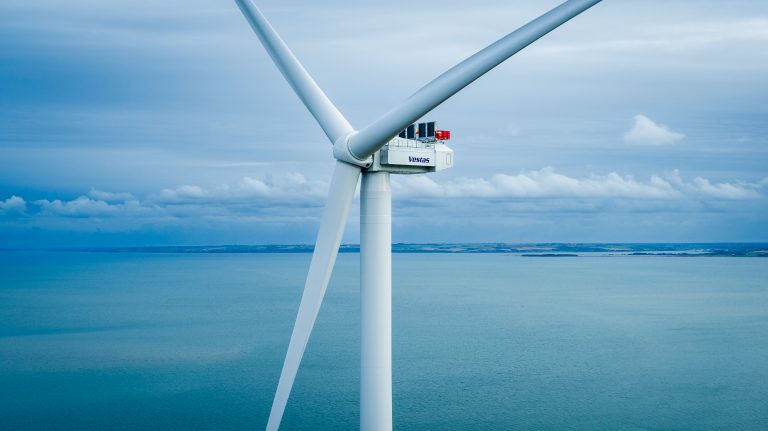
The order from Vestas will complete the Romania wind farm project. (Courtesy: Vestas)
The phase II order includes 42 V162-6.4 MW turbines of the EnVentus platform. Vestas will also provide long-term service for the project through a 15-year Active Output Management 5000 (AOM 5000) agreement.
“We are delighted to contribute to Romania’s energy transition through the realization of the country’s largest wind farm. Vestas continues to lead the market thanks to our strong local infrastructure, including five service hubs and a regional training center,” said SrdanCenic, Vestas Mediterranean East General Manager.
“Rezolv’sVifor wind farm is an iconic project which is helping to position Romania at the forefront of Europe’s clean energy transition. From the start, the project has been designed to ensure the maximum possible reduction in emissions, and the 6.4 MW turbines from Vestas – the most powerful ever installed in Romania – will be crucial in delivering this impact,” said Alastair Hammond, Rezolv Energy CEO.
Turbine delivery for phase II is planned for the second half of 2026, with commissioning scheduled for the second half of 2027. Vifor phase I is now under construction, with Vestas providing full engineering, procurement, and construction (EPC) solutions, along with 30 V162-6.4 MW turbines.
Vestas has played a key role in advancing wind energy in Romania since entering the market in 2009. With nearly 2 GW of capacity either installed or under construction, Vestas is the leading wind OEM in the country. The company’s Eastern European regional headquarters is located in Bucharest and employs more than 550 people across Romania, including a highly skilled team of service technicians supporting ongoing projects.
FairWind, a leader in wind turbine installation and service solutions, has appointed Alexandra Hof as Regional Head of Service for Northern Central Europe (NCE).
In this newly created role, established to reflect a sharpened focus on local market growth, Hof will lead the firm’s service activities across key territories in the region with emphasis on operational excellence, customer satisfaction, and regional business growth.
Hof will oversee all aspects of the NCE service business unit. (Courtesy: FairWind)
Hof, who holds an Executive MBA from Mannheim Business School in Germany, has had a career spanning product management, operations, and strategic development. She brings more than 18 years’ experience in services at renewable energy, power generation and cross-functional leadership. Most recently, Hof was senior product management leader for Offshore Wind Services at GE Vernova.
At FairWind, she will oversee all aspects of the NCE service business unit. This includes accountability for the region’s service financial performance, as well as the full portfolio of service and maintenance projects, ensuring quality and timely execution, and driving strategic KPIs.
“Alexandra’s appointment marks a significant step in the evolution of our regional strategy. Known for her leadership and technical acumen, her deep industry experience and customer-centric mindset make her an ideal fit to drive excellence across our NCE service operations. As we continue to scale globally, her track record of championing innovation and helping businesses advance clean energy technologies will be instrumental in reinforcing FairWind’s position as a trusted partner in renewable energy services,” said Gustavo Valbuena, NCE regional director at Fairwind.
“I’m honored to join FairWind at such a defining moment for the industry. This role brings together everything I care about: people, purpose, and the chance to make a real impact on the energy transition. The NCE region is vital to Europe’s green energy vision, and I look forward to working with our talented teams and trusted partners to deliver outstanding service excellence and lasting value for our customers,” said Hof.
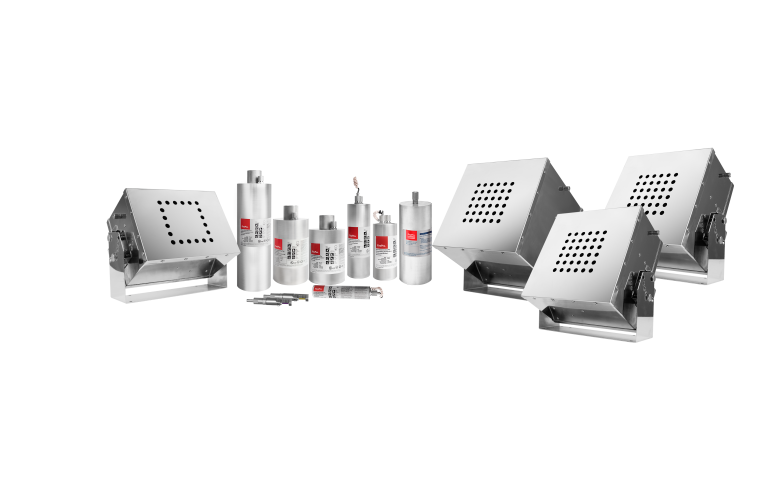
Boulder Imaging is teaming up with Oikon Ltd., a Croatian environmental consultancy, to bring AI-powered bird protection technology to wind farms across southeast Europe. Through the deployment of Boulder Imaging’s IdentiFlight system, the partnership supports the growing demand for sustainable wind development while also protecting biodiversity.
IdentiFlight can be installed as a single station for monitoring and data collection, or as multiple stations to provide full coverage for an entire wind farm. (Courtesy: Identiflight)
As Croatia ramps up renewable energy under the European Green Deal, permitting requirements now mandate detailed environmental impact assessments, particularly for wind farms near Natura 2000 sites. IdentiFlight’s real-time bird detection and automated turbine curtailment capabilities help developers meet these standards, reducing permitting risk while protecting high-concern species such as Eurasian griffons, honey buzzards, short-toed snake eagles, golden eagles, and kestrels.
“IdentiFlight is a proven solution that aligns with our mission to harmonize development with nature conservation,” said Dalibor Hatić, general manager of Oikon Ltd. “We’re excited to bring this cutting-edge technology to Croatia and the broader Southeast European region where wind energy is expanding and biodiversity protection is critical. Our goal is to ensure that wind development can thrive without compromising our common natural heritage.”
“Partnering with Oikon Ltd. enhances our ability to deliver conservation-driven technology where it’s most needed,” said Don Mills, President and Chief Operating Officer of Boulder Imaging. “Together, we’re advancing the role of AI in biodiversity protection and accelerating responsible wind energy growth in Croatia and beyond.”
With more than 520 systems deployed across five continents, IdentiFlight has reduced bird fatalities by more than 85% while maintaining a power generation loss of less than 1% in wind farms. The first systems in Croatia are planned for 2026, with an initial focus on sensitive migratory corridors and ecologically valuable terrain.
Apex Clean Energy announced that four utility-scale wind and storage projects totaling more than 625 MW have reached commercial operations across Illinois, Maine, and Texas—bringing Apex’s total operating and construction portfolio to above 3 GW.
Apex’s total operation and construction portfolio is above 3 GW. (Courtesy: Apex Clean Energy)
These facilities—all came online in the first half of 2025—underscore the company’s ability to deliver energy solutions across diverse markets and technologies. With a combined local economic impact of nearly $150 million and significant investments in conservation efforts for the regions surrounding these four projects through the Apex Conservation Grant Program, the operational facilities highlight clean power’s role in supporting local economic and ecological resilience.
“From Maine to Texas, these sites reflect the strength of the Apex team and our ability to execute at scale—delivering the infrastructure our country needs at the moment it’s needed most,” said Ken Young, CEO of Apex Clean Energy. “As we continue to expand our operating portfolio, we’re focused not only on supplying the grid with reliable, low-cost energy, but on maximizing the long-term value our projects create for the communities where we work.”
More about the newly operational facilities:
Piatt County, Illinois: Prosperity Wind (300 MW) is Apex’s fifth wind farm in the Prairie State and will generate around $93 million in tax revenue for the surrounding area, including $58 million for neighboring school districts. The facility is also providing $200,000 to support rewilding and restoration initiatives in Rockford and along the Illinois River.
Washington County, Maine: Downeast Wind (126 MW) marks Apex’s first operational facility in the ISO New England market. In addition to creating close to $20 million in new revenue for the county and nearby town of Columbia, the project has already driven $156 million of direct, indirect, and induced economic activity statewide and has committed $126,000 to rebuild habitat for the federally endangered Atlantic salmon.
Hidalgo County, Texas: Great Kiskadee Storage (100 MW/200 MWh) is the first operational asset of SA Grid Solutions, The facility will enhance the reliability of the Texas grid and is expected to generate more than $23 million in tax revenue over its lifetime, in addition to contributing $100,000 to conserve 200 acres of wetland habitat.
Tom Green County, Texas: Angelo Storage (100 MW/200 MWh) is Apex’s third storage facility to reach operations, as well as its latest wholly owned grid asset. The project is projected to create more than $13.6 million in local tax revenue over its lifetime.
Following the UK government’s approval of the £4.8bn Mona Offshore Wind Farm in the Irish Sea, Aggreko is highlighting how bubble curtain technology can help protect marine ecosystems from harmful underwater noise during construction.
With up to 96 turbines and four offshore substations set to be installed, the project marks a milestone in the UK’s clean energy transition. Aggreko is highlighting the critical role of bubble curtain technology in absorbing and dispersing soundwaves from underwater construction activities such as pile driving, to help safeguard marine ecosystems.
Aggreko advises organizations to consider the environmental performance of their equipment. (Courtesy: Aggreko)
“The approval of the Mona Offshore Wind Farm is a major step forward for UK energy security and decarbonization that should be welcomed,” said Sam Hutson, Renewable Energy Specialist at Aggreko. “But as we accelerate offshore wind deployment, we must not lose sight of the environmental responsibilities that come with it.
“One area that must be addressed is the impact of underwater noise during construction. Technologies such as bubble curtains are increasingly being used to reduce that impact, but for these systems to work properly, they rely on a steady supply of clean, oil-free air. If the air supply is inconsistent or contaminated, the effectiveness of the curtain can be compromised, putting marine life at risk,” Hutson said.
Aggreko is also advising organizations involved in offshore construction to consider the environmental performance of their equipment as well as operational reliability and the monitoring capabilities required to ensure they remain operational in such a demanding environment.
Oil-free air compressors, when paired with remote monitoring systems, can help ensure bubble curtain systems remain consistent and effective throughout the construction phase, minimizing the risk of environmental non-compliance or unplanned downtime.
“With environmental regulations tightening across the Irish Sea and beyond, developers face increasing pressure to deliver projects that are both efficient and environmentally responsible,” Sam concludes. “The supply chain can play a key role in supporting this effort, by providing access to compliant, well-maintained equipment and the technical expertise needed to deploy it effectively in complex marine environments.”
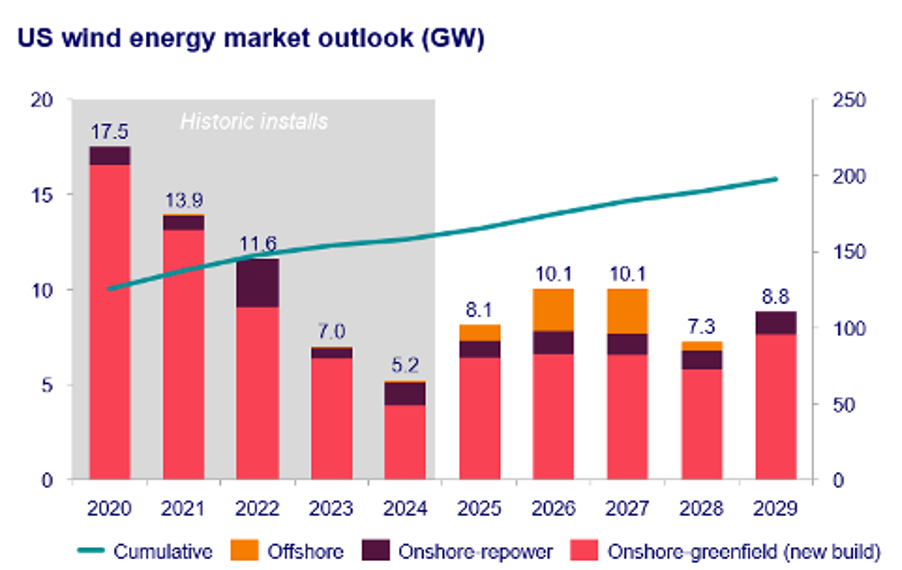
The Q1 U.S. wind market exceeded 2024’s pace, more than doubling activity with 2.1 GW of installations — but regulatory uncertainty led to a significant pullback in wind-turbine orders, according to the U.S. Wind Energy Monitor report recently released by Wood Mackenzie and the American Clean Power Association (ACP).
The report shows that all installations in Q1 came from new build onshore activity. Wood Mackenzie projects that a total of 8.1 GW of installed capacity will come online this year, including onshore, offshore, and repowers.
Courtesy: Wood Mackenzie
However, tariffs and policy uncertainty have placed significant challenges on the market, driving a 50 percent decrease in H1 turbine orders compared to the same period last year, taking them to their lowest level since 2020.
“The surge in first quarter wind installations, combined with a strong development pipeline, underscores the wind industry’s resilience and its capacity to rapidly deliver the clean, affordable, and reliable energy America needs,” said John Hensley, ACP Senior Vice President of Markets and Policy Analysis. “But this momentum is threatened by the changing policy landscape. Regulatory obstructions will drive up costs, putting at risk the nation’s ability to meet its energy demands with homegrown clean power.”
(Note: forecasts in this report were developed after the passage of the One Big Beautiful Bill Act, but do not incorporate potential effects resulting from the Department of Interior’s July 15 directive requiring the Secretary to review wind and solar projects.)
Onshore activity
Turbine orders have slowed in 2025, but demand — especially for safe harbor orders — is projected to rebound in the second half following the One Big Beautiful Bill Act’s (OBBBA) final passage.
“Market volatility will prompt a short-term decrease in onshore additions,” said Leila Garcia da Fonseca, director of research at Wood Mackenzie. “A quarter-over-quarter net reduction of roughly 430 MW in the U.S. onshore wind outlook from 2025-2029 reflects growing uncertainty for currently under-development projects, mainly driven by ongoing permitting challenges, tariff risk, and now a sunset of tax credits.”
A late-cycle spike is anticipated in 2029-2030 with developers looking to capitalize ahead of the tax credit expiration.
Western states, which will add 9.4 GW of installations through 2029, will see more activity than other regions.
Offshore activity
As almost all offshore projects in Wood Mackenzie’s five-year outlook are already under construction, the outlook remains largely unchanged. Wood Mackenzie is projecting a total of 5.9 GW of offshore wind capacity to come online by 2029.
“While we assume projects currently under construction or heading to construction will come online, we don’t expect to see any additional projects take a final investment decision during President Trump’s second term in office,” said Garcia da Fonseca. “This could have a significant impact on the number of offshore projects constructed in the 2030s.”
OBBBA to spur safe harbor activity ahead of pending IRS guidance
Despite near-term volatility, Wood Mackenzie forecasts average annual installations of 8.9 GW over the next 5 years across onshore, offshore, and repowering segments. By the end of 2029, approximately 44 GWof wind power capacity is expected to be installed, comprising nearly 33 GW from new onshore greenfieldprojects, 6 GW from offshore development and 5.4 GW from repowering. Cumulative capacity should reach 197 GW.
Following the passage of the OBBBA on July 4, 2025, and a subsequent executive order on July 7 challenging IRS guidance on start of construction definition, the wind industry faces regulatory uncertainty as the Treasury prepares revised rules.
The final version of the OBBBA shifts tax credit eligibility from “placed in service” to “start of construction,” creating a 12-month window for developers to begin projects and qualify for the four-year safe harbor, pending IRS confirmation.
This change is expected to drive increased safe harbor equipment activity for projects targeting 2029–2030 CODs, as permitting delays and supply chain constraints continue to limit earlier timelines.
“Wood Mackenzie’s modelling shows tax credit expiration would increase unsubsidized Levelized Cost of Energy (LCOE) by 25% on average, a more substantial impact than tariff scenarios, which can add up to 10% to LCOE,” said Garcia da Fonseca. “This underscores the critical role of policy support for continued wind deployment.”
Wood Mackenzie, Inc., a leading global data and analytics business empowering the energy transition, has appointed Bernardo Rodriguez as Chief Product & Technology Officer.
Rodriguez has more than 25 years of experience in leading growth initiatives across multiple industries. Most recently, he served as Chief Digital and Technology Officer at J.D. Power, leading a major shift in the company’s strategic direction and innovation agenda. Prior to that, Rodriguez was Managing Director of Strategy at Huge and Accenture, guiding digital transformation for Fortune 100 companies. Rodriguez has also successfully founded and scaled two tech startups.
“Bernardo brings to Wood Mackenzie a proven track record as a technology transformation executive,” said Jason Liu, CEO of Wood Mackenzie. “He has led complex transformations at some of the world’s largest organizations. This is a new role at Wood Mackenzie that reflects our commitment to investing further in our product and technology capabilities. I couldn’t be more excited about how his leadership will accelerate the adoption of cutting-edge AI and continue to deliver world-class solutions for our clients.”
“I’m excited to join Wood Mackenzie as we strengthen investment in product, technology, and AI for the evolving energy sector. Together with our talented teams, we’ll continue to build innovative, data-driven solutions that empower customers to navigate the energy transition and make the connections to drive intelligent decision-making,” said Rodriguez.
Danish renewable energy producer Eurowind Energy has placed a 143 MW order for Frumusita, Vector and Pecineaga Northeast wind parks, located in Romania. The contract includes the supply and installation of 23 V162-6.2 MW wind turbines from the EnVentusplatfrom. Vestas will also provide long-term service for the projects through a 20-year Active Output Management 5000 (AOM 5000) service agreement.
“We are proud to partner with Eurowind Energy on this project, and we are grateful for their trust in us. This order demonstrates the strength of our local execution and service expertise, and our ability to deliver the latest wind technology in support of Romania’s energy transition,” said SrdanCenic, Vestas Mediterranean East general manager.
As Romania accelerates its energy transition through regulatory reforms, upcoming CfDauctions, and grid enhancements, Vestas continues to strengthen its presence in the market. With its Eastern Europe regional headquarters based in Bucharest, Vestas employs over 550 people across Romania, including a highly skilled team of service technicians supporting projects.
Since entering the Romanian market in 2009, Vestas has played a pivotal role in driving wind energy deployment across the country. With over 1.5 GW of installed capacity and under-construction projects, Vestas is the leading OEM in Romania’s wind sector. The company also services more than 1.2 GW, supported by a strong local infrastructure that includes five service hubs and a regional training center
“Romania is a core market for us, and we are happy to take the next step with this order. Frumusita, Vector and Pecineaga Northeast are very important projects for us and we look forward to building on our long-standing relationship with Vestas by realizing the projects together,” said Morten Gaarde, Director for EPC, Eurowind Energy.
Turbine delivery is planned for the second half of 2026, while commissioning is scheduled for the second half of 2027.
As supply chain conversations and economic uncertainty continue across the U.S. and beyond, KASK America is stepping up with a more regional and reliable approach. The company has invested in U.S.-based production and logistics to help distributors, partners, and customers across North America – including both the U.S. and Canada – navigate what comes next.
Some of its most popular safety helmet lines – the Primero Series, the Zenith X2 Series and the new Zenith X2 MAX – made specifically for the North American market – are being manufactured in Chicago. This has allowed KASK to shorten delivery times, limit shipping costs, and keep its network better supplied.
“We know our customers and partners are watching every line item right now – and delivery delays and price changes are just not an option,” said Fabio Cardarelli, CEO of KASK America. “Making key helmets here in the U.S. means we can move faster, maintain reliable inventory, and confidently support our customers.”
Firetrace International and FirePro Systems, two powerhouses in the field of fire suppression technology, today announced a strategic partnership to launch FirePro’s innovative condensed aerosol fire suppression technology in the U.S.
The collaboration will bring together two Halma companies from the U.S. and Cyprus respectively, with more than 55 years of combined fire suppression expertise, and make FirePro solutions available to customers across the manufacturing, industrial and energy segments. It will also further enhance the Firetrace product portfolio, offering innovative, scalable, and environmentally responsible solutions for key applications.
FirePro products are now available through select Firetrace distributors across the U.S. This includes the proprietary FirePro aerosol-forming compound. This non-pressurized, total-flooding aerosol fire suppression technology is already certified, listed and trusted globally in high-risk environments such as electrical rooms, power generation, marine engine compartments, and Battery Energy Storage Systems.
“With FirePro technology in our portfolio, we bring our customers another powerful tool to protect critical infrastructure,” saidTom Crane, President at Firetrace. “Itsflexible installation, low maintenance needs, and environmentally responsible agent make it an ideal option for applications where clean agent systems may not be feasible or cost-effective.”
“We’re proud to partner with Firetrace to bring FirePro to the U.S. market,” said AvgoustinosAvgousti, Managing Director at FirePro. “This collaboration combines the deep market knowledge of Firetrace with FirePro’s proven aerosol technology, trusted in over 110 countries. Together, we’re expanding access to efficient, sustainable fire suppression for mission-critical environments across the United States.”
The addition of FirePro enhances Firetrace’s ability to engineer fire suppression systems tailored to each customer’s unique hazard profile. The new solution is particularly well-suited for settings where clean agent solutions are cost-prohibitive or impractical due to space constraints.
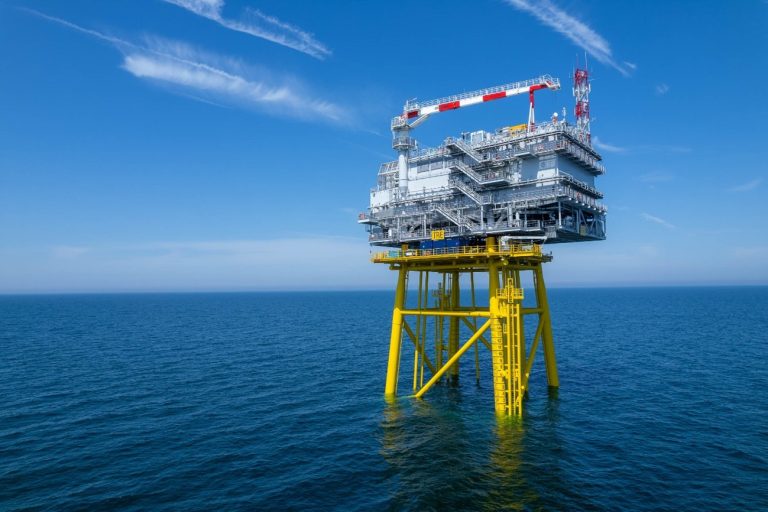
Ocean Winds, an international company dedicated to offshore wind energy and created as a 50-50 joint venture by EDP Renewables and ENGIE, marked the successful installation of the offshore electrical substation for the Dieppe – Le Tréport offshore wind farm (EMDT), project in consortium with Sumitomo Corporation and Banque des Territoires.
The milestone represents a step forward in the offshore construction of the project and an achievement made possible by collaboration between experienced French and European industry leaders. Designed and built by Chantiers de l’Atlantique at its Saint-Nazaire shipyard, the substation highlights the strength of the French offshore wind industrial sector. Its foundation, a steel jacket structure, was supplied by Navantia in Spain, and the installation operation at sea was carried out by DEME with its installation vessel Gulliver.
Once operational, the substation will collect the renewable electricity generated by the wind farm’s 62 turbines and transfer it to shore via the grid connection infrastructure developed by Réseau de Transport d’Électricité (RTE), operator of the French national electricity transmission system.
“Following the first power of the EMYN project earlier this month and our continued progress on EFGL, the successful installation of the Dieppe – Le Tréport offshore substation is another significant milestone for Ocean Winds, and a further demonstration of the momentum building across France’s offshore wind sector. It also reflects the trust placed in us by the French State to contribute to the country’s energy transition, supported by a robust French and European industrial supply chain,” said Marc Hirt, country manager for Ocean Winds in France.
The complex offshore operation was completed over several days, bringing together expert teams from the project, its contractors, and partners.
“This extremely precise and well-prepared phase ends 24 months of construction of the Dieppe-Le Tréport topside at our Saint-Nazaire site. Through this project, we continue to strengthen Chantiers de l’Atlantique’s position as a key player in marine renewable energy in Europe,” saidFrédéric Grizaud, Director of the Marine Energies Business Unit at Chantiers de l’Atlantique,
“This milestone is the result of months of rigorous preparation, technical expertise, and close coordination between all those involved. The arrival and installation of the substation not only marks the start of the project’s visible presence at sea but also brings us a step closer to delivering clean, renewable energy to the region,” said Frédéric Flaus, Project Director for Dieppe – Le Tréport.
Once fully operational, the wind farm will generate electricity equivalent to the annual consumption of around 850,000 people, supporting France’s renewable energy ambitions and strengthening Europe’s offshore wind leadership.
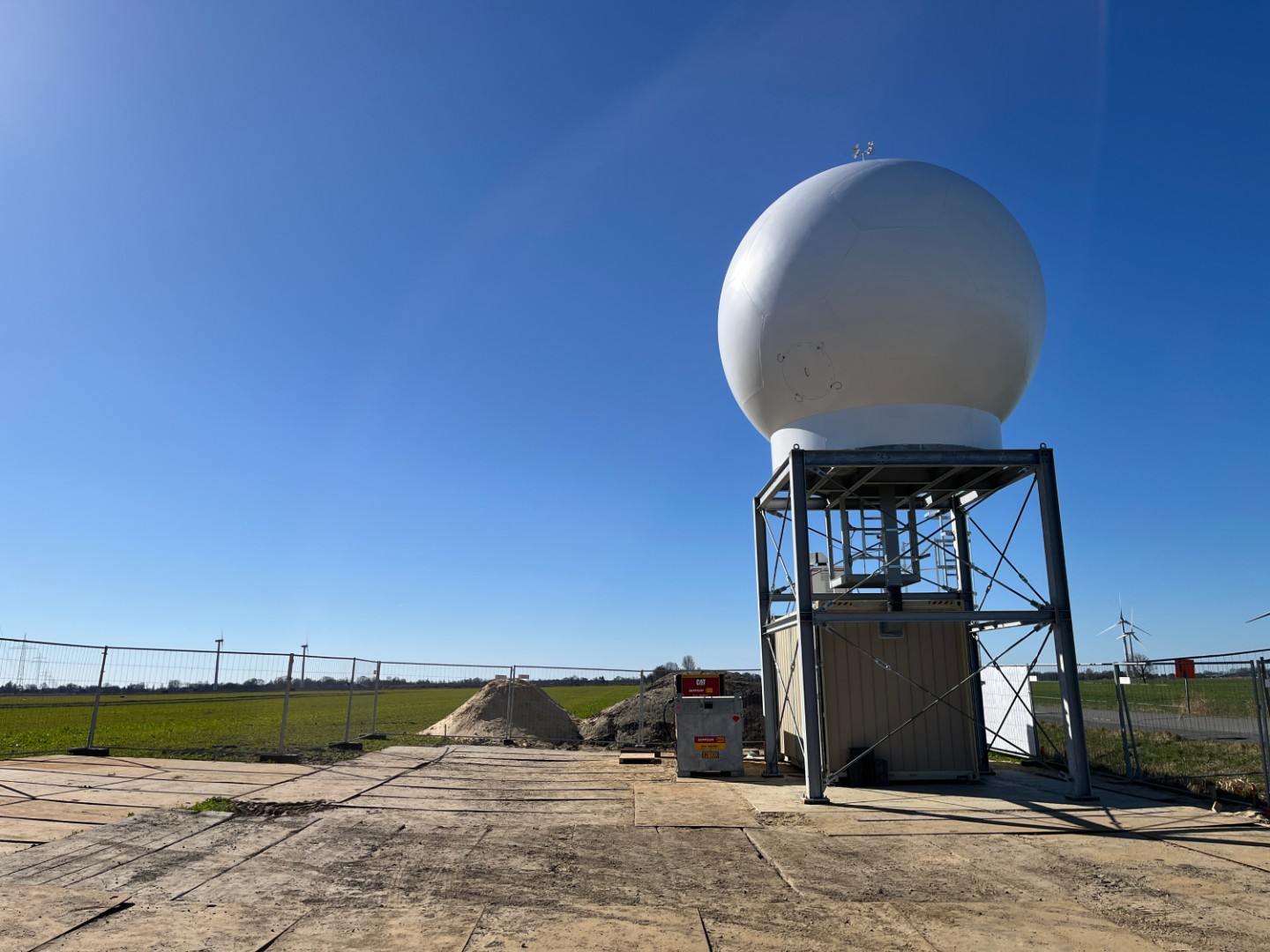
The Fraunhofer Institute for Wind Energy Systems IWES has put an innovative wind radar system into operation that enables three-dimensional wind field measurements at unprecedented distances and resolution. The so-called Dual Doppler Wind Radar, consisting of two synchronously operating radar units, was set up near the DLR research wind farm WiValdi in the district of Stade in Lower Saxony and has been delivering measurement data for the first time since the beginning of June.
The radar system was developed and built by SmartWind Technologies in Texas. As part of the “Wind farm RADAR” project, which is funded by the German Federal Ministry for Economic Affairs and Energy, the radar system is being scientifically validated for the first time by the Fraunhofer IWES in collaboration with ForWind — Carl von Ossietzky University of Oldenburg. The aim is to make this fundamentally new technology for wind field measurements usable for the wind industry and to offer it as a service for planners and operators in the long term. The project has the potential to fundamentally revolutionize the understanding of wind flows in and around wind farms. The aim is to establish dual Doppler wind-radar technology as a new measurement technique in view of the increasing demands on electricity generation from renewable sources. It could provide crucial data for site assessment and optimization of wind farms. The radar system could be used both during the planning phase and parallel to the operation of existing wind farms.
The system measures wind conditions over an area of more than 1,000 square kilometers and provides a unique information base for wind-farm operators, investors and planners. It records several million wind measurements every two minutes with a range of 35 kilometers and depths that reach through the rotor sweep upward into the lower atmosphere. This measurement technology therefore has the potential to reduce investment risks and determine the performance curves of all wind turbines in a wind farm simultaneously. Such data sets are also of interest to scientists in order to validate new models for wind field modelling for the industry and to develop methods for optimizing wind farm control.
“With our system, the wind industry can analyze wind fields in greater detail than ever before; this brings us a big step closer to achieving climate targets and an independent energy supply,” said Dr. Jan Diettrich, project manager of the Wind Farm RADAR project at Fraunhofer IWES.
The wind radar system is based on the dual Doppler principle: Two radar stations, each equipped with a four-meter radar dish, emit electromagnetic pulses which reflect off particles in the air. The characteristics of the reflected energy from each radar is then subsequently analyzed and merged to determine the exact wind speed — in three dimensions over the entire area under investigation. Among other things, the data obtained provides insights into load distribution on wind turbines. Furthermore, turbulence and wake effects can be measured and determined, which is of fundamental importance for the installation of turbines in wind farms.
The dual Doppler radar went into operation at the beginning of June 2025 and has been providing measurements on wind direction and turbulence every two minutes. Other instruments also have been installed, such as a Lidar measuring device (wind measurement by laser) and a disdrometer for measuring rain intensity and raindrop size. All data will be used in this research project to verify and validate the radar measurements.
“The dual Doppler wind radar system marks a significant advance in wind energy research,” said Prof. Dr. Martin Kühn from ForWind — University of Oldenburg. “The project enables us to validate the measurement data and use the findings to create new possibilities for optimizing wind farms.”
Once the measurements in Germany have been completed, an offshore measurement campaign is planned in England. In the future, the Fraunhofer IWES will offer corresponding measurement services with the Dual Doppler Radar. This includes not only the provision of the necessary equipment, but also the development and application of strategies and methods for optimal measurement, data analysis, and interpretation, as well as the validation and verification of the results obtained.
Combilift debuted the Combi Load Xtender at Ligna 2025. The pantograph-style load extender is designed to transform how businesses manage truck and container loading, especially in space-restricted environments.
Designed specifically for environments where access is limited or dual-side loading is not feasible, the Combi Load Xtender offers a versatile option for businesses operating in tight logistics zones, congested yards, or facilities with restricted trailer access. It is valuable for operations involving rail wagons or loading bays that offer only single-side access.
The Combi Load Xtender’s ultra-low mechanism height ensures seamless operation beneath standard trailer beds, avoiding any structural interference while maintaining full functionality. Its open-frame pantograph design provides operators with visibility during loading and unloading, allowing for more accurate and safer handling of goods.
Safety is a core focus of the Xtender’s design. By allowing operators to securely position loads against the far, closed side of a trailer, it reduces the risk of products toppling and enhances personnel safety by minimizing exposure to active traffic zones. Its robust construction is built to withstand demanding industrial environments, and Combilift has filed patents for the design in both Europe and the United States.
The introduction of the Combi Load Xtender marks an advancement in logistics technology. It offers a practical, efficient, and safe solution to a long-standing challenge — enabling full-scale, one-side loading in a wide range of real-world scenarios. Also at Ligna 2025, Combilift debuted the Combi-FSE 8000, an 8-ton electric sideloadercombining performance with zero emissions.
Brüel & KjærVibro (B&K Vibro), a worldwide supplier of condition monitoring and protection solutions for industrial machinery, has named Victor Castro as its new CEO.
Castro, who will be based at B&K Vibro’s headquarters in Darmstadt, Germany, will lead the global organization in growth and operational management.
“B&K Vibro has a proud legacy as pioneers in condition monitoring and machine protection, delivering innovative solutions that optimize asset uptime and performance while safeguarding people, infrastructure, and machinery. With a robust foundation built on integrity, teamwork, and ambition, we are committed to giving every machine a voice, providing actionable insights that boost productivity and support a sustainable society,” said Castro. Castro joined B&K Vibro in 2023 as CFO, and his promotion to CEO reflects his ongoing achievements in that role. Prior to B&K Vibro, he served more than 20 years as a Managing Director, CFO, and CEO, acquiring a proven track record in leading organizations through sustainable growth, strategic realignment, and digital transformation. Castro has an extensive background in financial services, IT, R&D, and digital platforms, having worked with software solution and digital health providers. As an experienced change manager, Castro has successfully spearheaded company reorganizations, expanded product portfolios, and optimized processes to drive profitability and innovation.
“B&K Vibro will invest in future product development driven by customer feedback and market intelligence. We aim to develop a service-oriented ecosystem for machine protection and condition monitoring, leveraging state-of-the-art technology. Additionally, we are committed to strengthening our collaboration with the NSK Group in product lifecycle management, capitalizing on our shared strengths to deliver comprehensive turnkey solutions that meet the evolving needs of our customers,” said Castro.
Geoquip Marine, a provider of geotechnical services to the global offshore energy sector, has completed a preliminary geotechnical site investigation for two 4GW offshore wind projects. The investigation will support the developer in advancing the next phase of design for both project sites, located in the German sector of the North Sea.
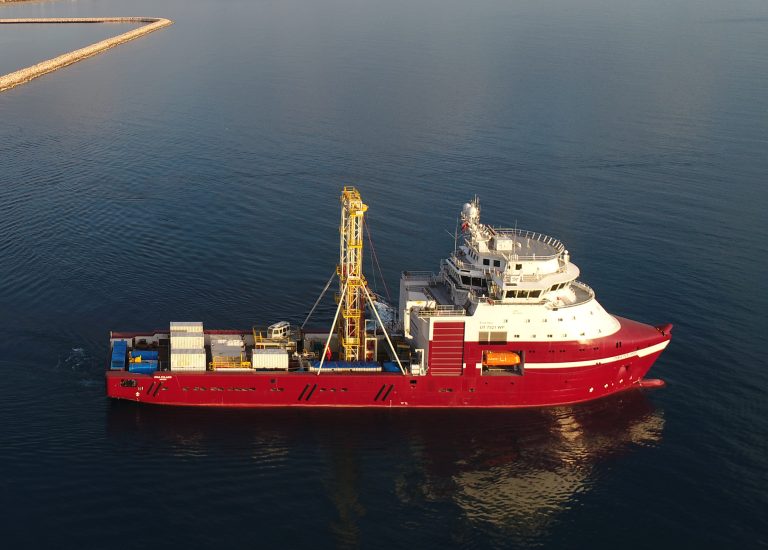
Under the contract, Geoquip drilled 28 boreholes across the project sites to analyze the subsea terrain for turbine foundations. It underwent thorough soil sampling and seismic site monitoring to inform the engineering parameters for both projects in depths of 40m. By deploying the Dina Polaris vessel, equipped with geotechnical drilling, sampling and testing equipment along with an offshore laboratory, Geoquip provided seabed data, identifying challenging site conditions safely and efficiently.
Germany has set ambitious offshore wind capacity targets of at least 30GW to be installed by 2030, and these projects will be vital in supporting the country in reaching its goal. The potential renewable power from both projects aims to integrate low-carbon, hydrogen, and biofuel production, supporting wider industry decarbonization in Germany.
Due to its stringent processes around safety, transparency in reporting and rapid response, the developer presented Geoquip with its safety award for its work on the project.
“Receiving this safety award is a testament to our commitment to delivering reliable data with safety at the heart of everything we do. It reflects the precision and transparency we bring to every stage of our work, especially as we identify and mitigate complex site and seabed conditions to support the safe development of critical wind projects. Safety and reliability aren’t just priorities for us, they’re the foundation of our approach, and we remain focused on setting the standard across the industry,” said Fatih Topal, Geoquip Marine project manager.
Aikido Technologies, a floating offshore wind technology provider, has signed an agreement with Marin Energy Test Centre (METCentre) in Haugesund, Norway, to deploy a15MW demo project, called AO60. Once installed in 2027, the platform will be one of the largest floating wind platforms constructed and deployed to date.
The METCentre has a long history of supporting floating wind projects, including the world’s first floating wind turbine, deployed by Equinor (then Statoil) in 2009. The AO60 project will showcase how the Aikido Platform technology can lower costs while engaging with local Norwegian supply chain partners to assist in the assembly and deployment of the platform. Due to its compact flat-pack configuration, Aikido’s technology can leverage existing maritime infrastructure, ports and vessels already in use in Norway. “We are proud to announce our partnership with the METCentre. As evidenced by the recent Utsira Nord actions, Norway is a key floating wind market. This project will show how Aikido can leverage existing infrastructure and vessels to reduce risks and accelerate the deployment of floating wind in Norway and around the world,” said Sam Kanner, Aikido CEO.
“This project offers valuable industry experience and supports the development of a full-scale, innovative and cost-effective solution. We are very excited to welcome Aikido to our site in Norway and connect them with Norway’s strong floating offshore wind supply chain,” said Cecilia Girard-Vika, METCentre Director.
The Aikido Platform consists of thirteen modular steel components, including columns and trusses, that can be fabricated at existing offshore wind or steel fabrication sites. For the AO60 project, the components will be transported to a final assembly site near the test center, where the platform can be completed in a matter of days, not months, like traditional construction techniques. The Aikido Platform uses pin joints to complete the assembly of the platform without any major welding or painting work. The pin joints act as hinges and allow the platform to be folded during assembly, taking up just one-third of the space of traditional designs. Once deployed in the water, the platform is able to unfold during a simple ballasting procedure.
The American Clean Power Association released its State of Clean Energy Manufacturing in America report, showing a sustainable ripple effect across states and economic sectors. The clean power manufacturing sector contributes $18 billion to U.S. GDP annually, spurs $33 billion in domestic spending annually, and supports 122,000 American jobs across the country.
If all announced manufacturing facilities become operational, clean power manufacturing is projected to support over 575,000 jobs and contribute $86 billion annually to GDP by 2030.
“Surging clean energy deployment is creating new manufacturing facilities across the country. This success will create hundreds of thousands of jobs and revitalize American communities if policy leaders place economic progress over partisan division,” said Jason Grumet, CEO of ACP.
“Today’s report shows that the manufacturing activities across the clean energy sector drive a ripple effect of economic growth that extends far beyond factory walls, reaching every corner of the country. Reshoring this critical supply chain requires a shared commitment by both industry and policymakers to prioritize domestic economic growth and global competitiveness.”
The report illustrates how the industry has laid the groundwork for a secure domestic supply chain, revitalizing manufacturing communities and driving American competition on the global stage.
More than 800 manufacturing plants contribute to the U.S. clean energy supply chain, with at least one in every state. Two hundred existing manufacturing facilities are actively building primary clean power components across 38 states to supply the booming demand for new energy in America.
New data highlights how clean power manufacturing is creating generational opportunities at the local level, providing opportunities across skillsets, industries, and generating wages well above the national average.
Clean energy manufacturing is booming in regions across the country, such as the Southeast, Midwest, and in states like Texas. The clean energy manufacturing workforce made on average $42,000 more than the average worker in the U.S. economy in 2024.
These manufacturing jobs also generate additional employment across the economy: Upstream supply chain jobs paid an average of $75,000, while downstream jobs supported by household spending—such as those in retail, food service, and hospitality—averaged about $52,000.
The report said that America’s power needs are growing fast—projected to rise 35–50% by 2040—as data centers expand, domestic manufacturing rebounds, and transportation and buildings electrify.
InterBolt™ has incorporated anew feature into its intelligent bolting system. The U.K.-based manufacturer is first to market with a solution that offers dynamic load monitoring to quantify cyclic loading of bolted connections.
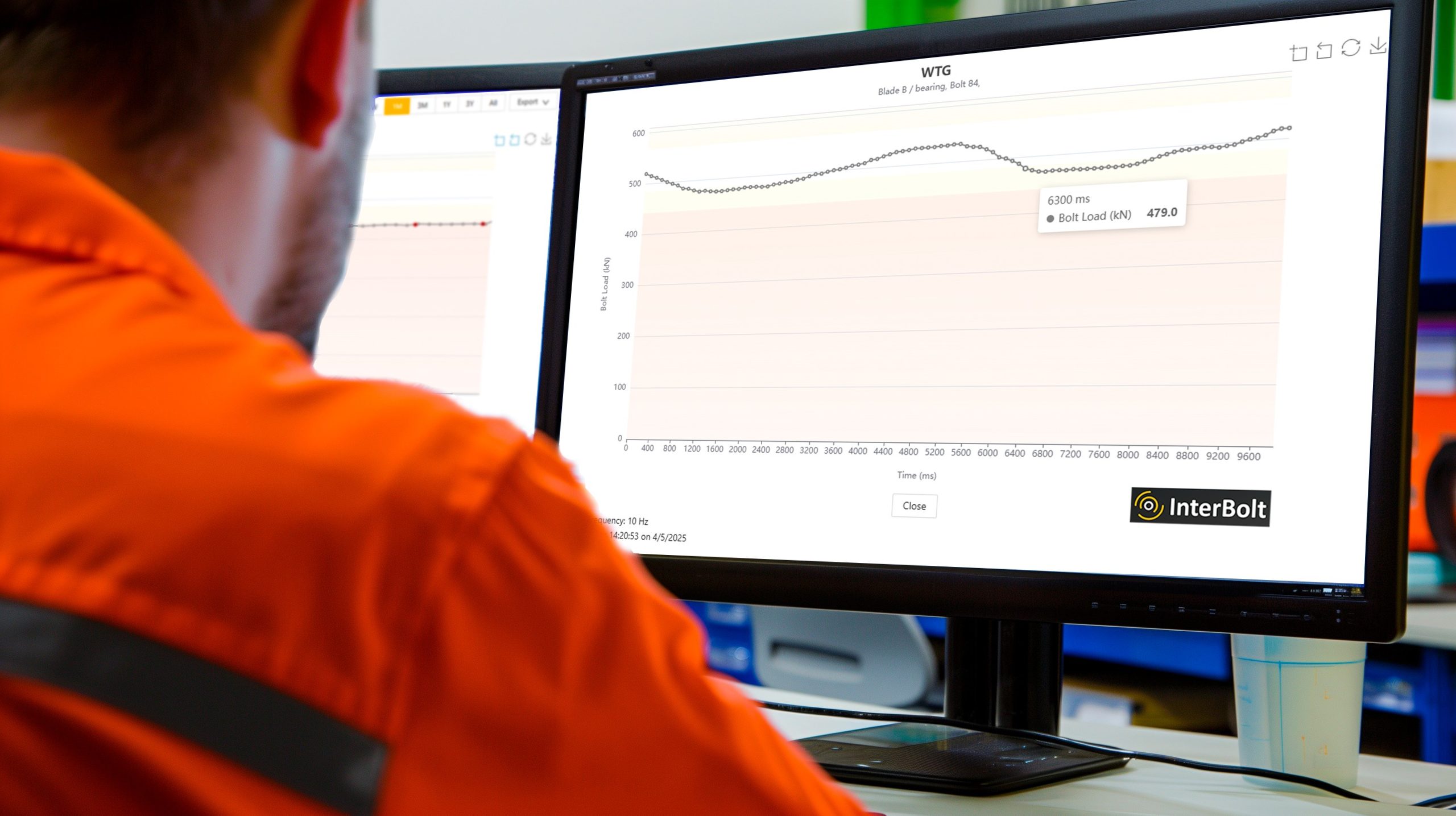
This feature enables engineers to measure bolt load up at up to 250Hz while the asset is operational. The InterBolt sensors autonomously measure the bolt load at high frequency, then transmit wirelessly to the InterBolt Cloud where it is stored, analyzed, and visualized. This means engineers can remotely monitor cyclic loading of bolted connections from anywhere with an internet connection.
InterBolttypically provides bolt load measurements every hour or day. With its dynamic load monitoring feature, it is now possible to capture critical bolt load data in much shorter intervals, as low as 4 milliseconds. Through a sophisticated burst sampling regime, InterBoltcan still achieve its impressive 12- to 15-year battery life with dynamic load monitoring enabled.
“Our dynamic load monitoring feature is a real game changer; 80 percent of bolting failures are due to fatigue but engineers currently have no way of measuring cyclic loading and identifying when fatigue failures are likely to occur,” said InterBoltCTO Jack Hughleigh. “Now, with InterBolt, cyclic loading can be quantified for the first time. This will significantly accelerate design validation and be an important tool for bolt failure investigations.”
TheInterBolt system provides real-time bolt load measurements via a miniature bolt load sensor embedded directly into the bolt or threaded stud itself. The technology provides onsite bolt load measurements to ensure bolts are tightened accurately as well as remote bolt load monitoring to eliminate the need for manual periodic inspection. The system features long–range wireless communications (up to 1kilometer), LED indicators, and a 12- to 15–year battery life. The technology is already widely used across the European and North American wind, rail, and mining industries.
Daughter craft can meet growing demand for offshore wind vessels in challenging environments across Europe and APAC, according to a report from Chartwell Marine.
As the offshore wind industry scales to meet ambitious capacity targets, there is a growing demand for vessels that can operate effectively in environments far from shore, Chartwell Marine’s report said.
Next-generation daughter craft are smaller and more adaptable. (Courtesy: Chartwell Marine)
“To complement CTVs and SOVs and help meet growing vessel demand, the offshore wind industry urgently needs an innovative solution. For too long, we’ve taken a bigger-is-better approach to vessel procurement, but it’s time for us to ‘scale down to scale up,” said Andy Page, Chartwell’s founder and managing director. By integrating the core strengths of CTVs into a smaller, more adaptable vessel, Chartwell argues next-generation daughter craft will create significant efficiencies for offshore wind vessel operations across the following areas:
Transporting crews quickly, comfortable and safely around offshore wind farms from SOV motherships anchored on site – eliminating the conventional 2-hour CTV roundtrip to and from shore.
Maximizing the reach of an on-site SOV, by enabling technicians to simultaneously service multiple wind turbines, cutting overall deployment times substantially.
Providing a designated safe refuge or emergency rescue option in situations where the SOV is required to operate beyond a 2-hour safe recovery range.
Acting as a temporary nearshore CTV, taking on less demanding logistical charters for wind farms located closer to shore.
“Working with Chartwell Marine to create the ultimate offshore wind daughter craft has been an absolute pleasure,” said Andrew Duncan, North Star renewables and innovations director.
Daughter craft, on average, can be built for around 25% of the cost of a typical CTV and take 6-8 months to build – half the time of a traditional CTV. Furthermore, they can be built efficiently by local boatyards using standardized construction kits and off-the-shelf components – helping to satisfy local content requirements in APAC and other markets.
North Star, a service operation vessel operator in Europe’s offshore wind sector, has become the first organization to have ships achieve Lloyd’s Register’s Cyber Resilience classification, in line with mandatory International Association of Classification Societies (IACS) standards implemented for all newbuilds beginning July 2024.
North Star ships are the first to achieve Lloyd’s cyber resilience classification. (Courtesy: North Star)
North Star’s new commissioning service operation vessels (CSOVs), the Grampian Kestrel and Grampian Eagle, gain stronger ability to withstand cyberattacks, continue operating under threat, and recover quickly from incidents, ensuring the protection of personnel and onboard systems, while maintaining critical offshore operations.
These CSOVs are the first in the world to be formally approved by Lloyd’s Register to the LR Rules implementing IACS standards UR E26 (‘Cyber Resilience of Ships’) and UR E27 (‘Cyber Resilience of Onboard Systems and Equipment’). They represent North Star’s first CSOV additions to its growing renewables fleet in its ambition to add 40 SOVs by 2040.“Being the first to certify our newbuilds under these new IACS standards demonstrates our commitment to safe, smart, and sustainable offshore operations. Working in partnership with VARD and Lloyd’s Register has been instrumental to this process, and I’m very proud of North Star’s IT and special projects team’s drive to advance our CSOVs’ cyber resilience, positioning us ahead of the curve as the sector evolves. We’re ready to support the next phase of Europe’s offshore wind growth, and we’re doing it with trust, security, and future-proof thinking built in from the keel up,” said Gard Talmo, North Star CEO.
“Cyber resilience is no longer optional, it’s essential. That’s why our newbuilds are equipped to withstand, recover from, and adapt to cyber incidents,” said James Bradford, North Star chief technology officer.












 The radar system was developed and built by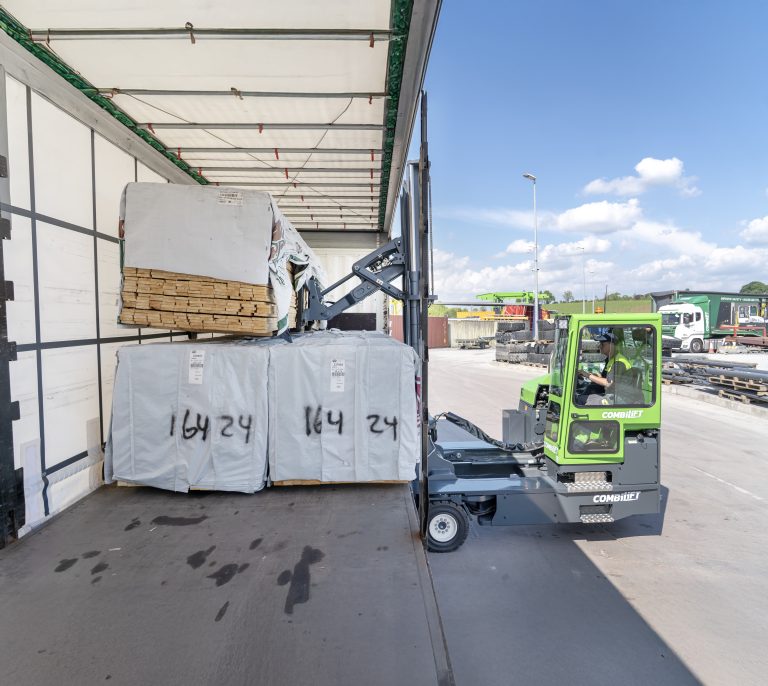



 This feature enables engineers to measure bolt load up at up to 250Hz while the asset is operational. The