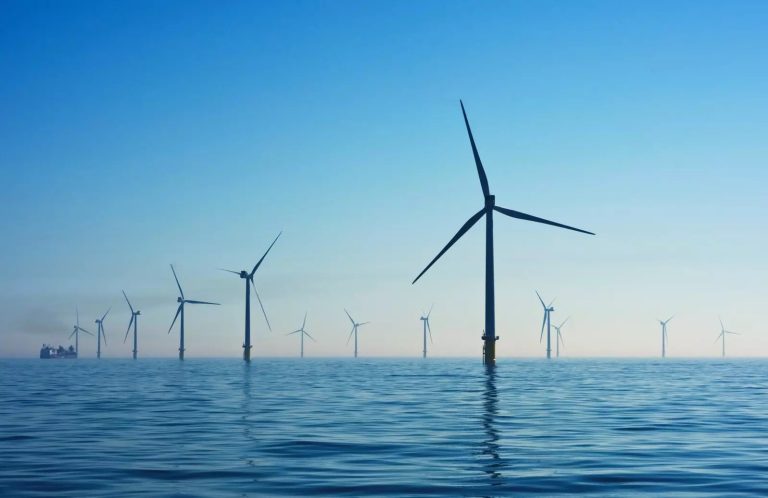
Corvus Energy, supplier of zero emission solutions for the offshore and marine industry, is proud to announce that it will deliver a mega-size battery system for the first fully electric offshore vessel.
The vessel is an electric Commissioning Service Operation Vessel (eCSOV) that will be constructed by Armon shipyard in Spain for UK-based shipowner Bibby Marine Ltd.
Corvus Energy will supply its Blue Whale Battery Energy Storage System (BESS) delivering close to 25MWh of power for the vessel. It will be the largest LFP (Lithium Iron Phosphate) battery system ever delivered to a maritime project.
“A fully electric offshore vessel is something the industry has been working towards for a long time and marks a major milestone in offshore vessel operations,” said Pål Ove Husoy, VP Sales at Corvus Energy.
“This eCSOV will be the first offshore vessel that can operate fully electric for a full day and will set a new standard for future offshore vessels. The unique system design incorporating both battery power and dual-fuel methanol engines will significantly reduce carbon emissions and increase energy efficiency while providing the reliability and performance needed for demanding offshore wind and renewable operations.”
Corvus Energy has worked with the shipowner, designer and integrator to dimension and optimize the system design. Unlike conventional hybrid systems, the vessel will use its large battery pack as the primary power source, with engines running solely for charging at a constant, optimized load that maximizes efficiency, extends battery lifespan and reduces emissions. The DC grid architecture further enhances system performance by minimizing energy losses and ensuring seamless power distribution. Additionally, offshore charging capabilities will enable simultaneous battery charging while maintaining DP for station-keeping, representing an industry first in the SOV market.
Equipment from Corvus Energy will be delivered to the shipyard in 2026, and the vessel is scheduled for operation in 2027.
Shoreline Wind, a full lifecycle SaaS solution built for wind farm O&M, construction, and design, recently published its latest white paper, “HEADWINDS: Offshore supply chain can boost profits despite challenging times ahead.” The paper offers an optimistic yet clear-eyed analysis of the opportunities and challenges facing the sector’s supply chain as the industry gears up to meet ambitious 2030 global renewables targets.
A white paper from Shoreline Wind details how the supply chain must address several systemic challenges. (Courtesy: Shoreline Wind)
The global offshore wind sector is on the brink of unprecedented growth. In 2023, a record 10.8 GW of new capacity was installed, bringing the total to 75.2 GW worldwide. The Global Wind Energy Council (GWEC) forecasts that 140 GW of new installations will be needed between 2024 and 2028, requiring annual growth rates nearly triple the current pace. With demand surging, driven by ambitious 2030 targets, offshore wind is uniquely positioned to drive a significant portion of the energy transition.
Despite the immense opportunities, the white paper details the supply chain must address several systemic challenges. Competitive tenders have historically led to a “race to the bottom,” forcing developers to accept lower strike prices and pay higher costs for development rights.
For example, U.K. strike prices plunged from 150 pounds/MWh in 2014 to under 40 pounds/MWh by 2020, while in Germany, developers recently paid 12.6 billion euros for 7 GW of development rights. This hyper-competitive environment has contributed to project delays and, in some cases, failed tenders, including the recent auction in Denmark.
The ripple effects of these dynamics have tightened profit margins across the supply chain, curtailing investment in innovation and scaling capacity. Smaller supply chain companies are particularly vulnerable, with many unable to compete against lower-cost rivals. Additional hurdles such as staffing shortages, port capacity constraints, and a slowdown in capital investment — particularly from U.S. markets into Europe — are further compounding the challenges.
“Offshore wind’s global supply chain is facing critical systemic challenges,” said Ole-Erik Endrerud, founder and chief product officer at Shoreline Wind. “To achieve the 2030 targets, the industry needs to move beyond short-term cost cutting and focus on building a resilient, innovative supply chain that can deliver consistently, and at scale.”
The white paper puts forward key recommendations to address these systemic issues. Governments, for instance, can play a crucial role by providing clearer policy direction, driving long-term investment security. Countries such as France, Germany, and The Netherlands have successfully demonstrated how integrating non-price criteria in tender processes can create more sustainable and viable projects.
Developers also can drive change by removing barriers for supply chain companies. Standardized contracts, improved payment terms, and greater predictability can empower smaller firms to invest in innovation and efficiency. Moreover, leveraging specialist service providers to optimize operations and margins can enable companies to focus on their core strengths while enhancing project delivery.
“Specialization drives supply chain resilience, profitability, and sustainability,” Endrerud said. “By leveraging expert providers and specialists, we create a model that boosts margins, fosters innovation, and accelerates industry growth. Additionally, adopting digital platforms that facilitate more fluid and tighter collaboration across the supply chain can streamline operations, align construction timelines, optimize port usage, and better manage project risks — key steps toward a more efficient and sustainable supply chain. Our latest white paper provides a clear path forward. The offshore wind sector has a unique opportunity to transform its supply chain into a robust, innovative, and collaborative ecosystem. With the right strategies in place, the industry can meet its ambitious targets and continue driving the global energy transition.”
Interocean Marine Services, a specialist provider of marine services to the global energy industry, has announced the appointment of Robert Dalziel as its new Managing Director for the Middle East and Asia Pacific.
Dalziel brings to the company nearly 30 years of engineering and business development expertise within the energy sector. His technical knowledge, coupled with a proven track record in commercial strategy, will be pivotal in driving Interocean’s growth plans across the Middle East and North Africa (MENA) & Asia Pacific (APAC) regions.
As the former Managing Director and CEO of Rigmar Group, Interocean’s recently merged sister company, Robert has an in-depth understanding of Interocean’s operations and strategic objectives. His leadership will reinforce the company’s commitment to delivering an integrated technology-led asset support service.
In line with its international expansion, Interocean is growing its MENA & APAC business, with plans to increase its regional presence in five new regions.
“I am absolutely delighted to be rejoining Interocean during this exciting period of growth. After nearly ten years, it was a fantastic opportunity to be involved in the next evolution of the business. The company’s commitment to innovation and its client-centric approach is inspiring. I look forward to working with the talented team to drive continued growth and strengthen our position internationally,” said Dalziel.
“We are thrilled to welcome Robert to the team. His exceptional leadership and proven success in driving business growth will be invaluable as we enhance our market presence, and continue to deliver exceptional service to our clients across the region,” said Alex Clark, Interocean CEO.
Parkwind, a leader in offshore wind development, has announced a partnership with Shoreline Wind to implement its Design software. This partnership will support the design and construction phase of Parkwind’s planned offshore wind projects. Parkwind will look to optimize the construction phase of new projects, expediting installations of turbines and across the site, shortening the time for projects to become operational.
Using Shoreline’s AI-powered Design software to simulate the construction phase, Parkwind will analyze multiple data streams to create the most efficient strategy. This includes allocating the allocation of resources for maximum efficiency and predicting weather patterns to ensure costly resources, such as jack-up vessels—which can incur expenses of up to $300,000 a day—are dispatched to the right location at the right time. Furthermore, by using the design tool for precise scheduling of vessel operations, substantial savings can be achieved throughout the construction phase.
The partnership between Shoreline Wind and Parkwind, part of JERA Nex, the renewable energy subsidiary of JERA Co., Inc., will play a crucial role in planning for the company’s growing portfolio of offshore wind projects. With more than 1GW of operational wind assets across Europe, it has plans in place to expand its current portfolio. These plans include the 1.5GW Sørlige Nordsjø II project in Norway (developed as a joint venture with Ingka) and the 375MW Oriel Windfarm off the coast of Ireland.
As the offshore wind industry continues to expand, both geographically and in terms of capacity (GW), there is increasing pressure to cut costs and improve reliability at a site level. Shoreline’s technology provides Parkwind with the tools required to meet the long-term demands of a rapidly evolving industry.
“Shoreline Wind’s technology allows us to plan our projects more effectively by reducing operational costs and improving overall performance of the design and construction phase. Parkwind’s offshore assets have grown consistently since its first project went online in 2010. We have now reached a critical point in our growth. Integrating Shoreline’s advanced Design software is an important and necessary step in scaling our operations globally while maintaining the highest standards of efficiency and sustainability,” said Daniel Castro, WTG package engineer at Parkwind.
“We are thrilled to be supporting Parkwind with its planning strategy globally. By simulating design and construction phases with a full picture of necessary data, including expected weather,” said Jakob Bebe, head of sales EMEA at Shoreline Wind.
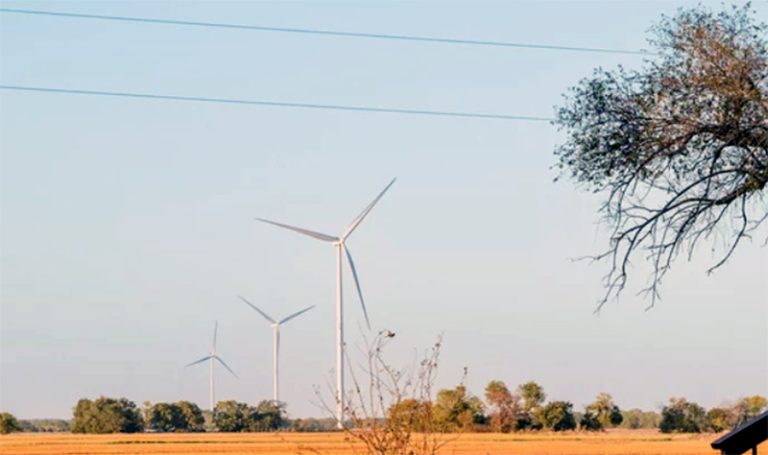
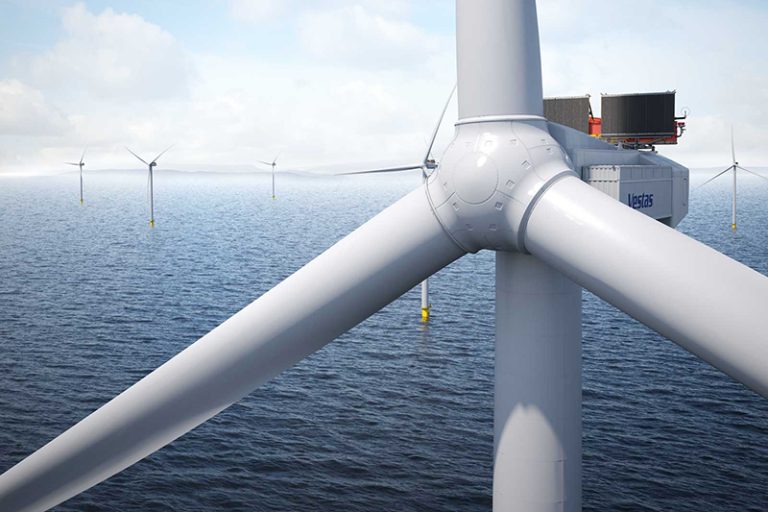
Vestas has received a 270 MW order to power an undisclosed wind project in the U.S. The order consists of 60 V163-4.5 MW turbines, Vestas’ newest high-capacity factor turbine and the project has been developed by Steelhead Americas, Vestas’ North American development arm.
The order includes supply, delivery, and commissioning of the turbines, as well as a multi-year Active Output Management 5000 (AOM 5000) service agreement.
“We’re pleased to close out 2024 by continuing to deliver significant projects across the U.S. and meet the growing demand for homegrown electricity while strengthening America’s energy independence and security,” said Laura Beane, President, Vestas North America. “We’re also grateful to the expertise of Steelhead Americas for developing this project, a testament to their growing track record of creating meaningful business opportunities for communities across the U.S.”
Steelhead Americas led all development efforts including permitting, land acquisition, and construction design to deliver the customer a project that is ready for construction and installation.
“Steelhead has a track-record of successfully delivering high-quality wind projects that fuel economic growth and bring meaningful local benefits,” said Chris Rogers, President, Steelhead Americas, a Vestas company. “This project exemplifies that success. By harnessing local wind resources and infrastructure, along with the support of local landowners eager to bring the benefits of wind energy, we can enhance grid reliability and strengthen the local economy.”
With a growing track record of opening new markets, including Mississippi and Arkansas, Steelhead is a wind-focused traditional flip renewable energy developer in the U.S that develops projects in-house from greenfield stage up to shovel ready.
To date, Steelhead has delivered almost 4 GW of renewable energy projects in North America with more than 5 GW in the pipeline, contributing to Vestas global development track record of 28 GW project pipeline and 7 GW of firm order intake from development activities.
Turbine delivery begins in the first quarter of 2026.
SCADA International, a provider of smart renewable energy solutions and digital services, is bringing its acquired companies together under a new name and identity: Opoura. This rebranding reflects the company’s broadened role in the energy sector.
The transition follows a year of record growth, including four acquisitions, bringing in a list of new capabilities, colleagues, and know-how, expanding the group’s offerings to the energy industry.
The progress the company has experienced in recent years has made it clear that the SCADA name, tied to the term Supervisory Control and Data Acquisition, no longer fully captures the full scope of what the company delivers.
“When we founded SCADA International in 2006, our ambition was to tackle renewable challenges related to SCADA by offering specialized expertise in both hardware and consultancy. So, a name like SCADA International seemed fitting. As the industry changed and customers took greater control of their operations and data, we also evolved by delivering independent monitoring and control software. In that way, our journey has always been shaped by advancing alongside our customers’ needs and evolving market conditions,” said SCADA CEO Thomas Bagger.
“Through this journey – and with the new companies joining us this year – we’ve grown into something much bigger than when we first started. It feels only right that our name reflects this development. That’s why I’m excited and proud to introduce Opoura – a name that reflects how far we have come and the wide range of solutions and services we now offer.”
The new Opoura brand is rooted in the company’s Nordic renewable heritage. Opoura is a contraction of Optimize Performance of Your Assets.
The rebranding process entails that the four former group companies – Sweet Geeks, Next Consult, Quantec Systems GmbH, and SCADA International – will unite as one brand. NovoGrid will continue for now as part of Opoura.
Headquartered in Denmark and with a presence in North America and Europe, the company enables customers to connect, control, and commercialize assets in the energy landscape.
“We are still the same dedicated team – just a much larger one with a broader range of expertise. At Opoura, we want to ignite the energy transition and are committed to doing so in a smart, innovative way. I’m excited to see how this vision will come to life,” Bagger said.
The Bureau of Ocean Energy Management (BOEM) has issued a Determination of Competitive Interest in two Wind Energy Areas (WEAs) in the Gulf of Mexico. The determination comes after an unsolicited request from Hecate Energy Gulf Wind LLC expressing interest in acquiring a commercial wind energy lease for WEA options C and D.
“The Gulf of Mexico remains an attractive option for offshore wind energy development,” said Gulf of Mexico Regional Director Jim Kendall. “We are excited about the future of this emerging sector in the region.”
On July 29, 2024, BOEM published a Request for Competitive Interest (RFCI) in the Federal Register seeking feedback on Hecate’s unsolicited lease request. Invenergy GOM Offshore Wind LLC expressed interest in WEA options C and D. BOEM has deemed both Hecate and Invenergy to be legally, technically, and financially qualified to hold an OCS renewable energy lease in the Gulf of Mexico.
BOEM will move forward with the competitive lease process and proceed to hold the next offshore wind lease sale in the Gulf of Mexico in 2026. The next step in that process will be to continue to analyze the other comments received in response to the RFCI and evaluate which portions of WEA options C and D, and other potential WEA options, are best suited for sale. BOEM will release draft WEAs for public input early next year.
Yutong Huang, chief technology officer and principal engineer for measuring services at Windtest North America, has assumed leadership of the company’s technical team in the United States.
Huang, who has been with the Windtest group since January 2023, previously was stationed in the company’s national headquarters in Grevenbroich, Germany. He is now based in Windtest North America’s headquarters in Estherville, Iowa.
Huang has worked in the renewable energy industry for more than 10 years. From 2012 to 2022, he was engaged in the development of wind energy in China, one of the world’s largest markets, and participated in a wide range of measurement projects, from the 1.0MW machine in the early stages to the latest 16MW offshore wind turbines.
Huang served as an assessor for power performance and mechanical loads with the IEC System for Certification to Standards Relating to Equipment for Use in Renewable Energy Applications. He also was the deputy head of the Renewable Energy Test Department at the China General Certification Center.
At Windtest, Huang leads the Power Performance and Loads Department, where he is responsible for strategic development, new product and service development and customer support. He also is the liaison between Windtest’s technical departments in Germany and the U.S.
Vestas has received a firm order for RWE’s 900 MW Nordseecluster B offshore wind project in Germany.
The order includes 60 V236-15.0 MW wind turbines and Vestas is responsible for the supply, delivery, and commissioning of the turbines. Upon completion, Vestas will also service the asset under a 5-year service agreement followed by a long-term operational support agreement.
The Nordseecluster is being implemented in two phases, phase A and phase B. The first phase of the project, the 660 MW Nordseecluster A, was announced as a firm order in June 2024 and consists of 44 V236-15.0 MW turbines.
“We’re pleased to contribute to this landmark project for Europe’s offshore wind sector, reflecting our ongoing commitment to advancing clean energy solutions. Our gratitude goes to RWE for years of excellent collaboration, which has been essential in bringing this project to life,” said Nils de Baar, President of Vestas Northern & Central Europe. “We look forward to the Nordseecluster’s successful delivery and to keep driving the transition toward a more sustainable future.”
“With the addition of Nordseecluster B to our portfolio of projects in execution, we’re building offshore wind farms with a total capacity of 4.8 gigawatts. Working closely with our supply chain partners is critical to the successful delivery of this ambitious program and we’re very much looking forward to working with Vestas on our German offshore project Nordseecluster,” said Thomas Michel, RWE Offshore Wind chief operating officer.
The project site is located around 50km north of the island of Juist in the German North Sea. Wind turbine installation for the Nordseecluster B is expected to take place in 2028 with commercial operation planned to start at the beginning of 2029.
SEL offers service packages to maximize cybersecurity effectiveness, to manage the security of SEL-designed OT systems, and more.
With cyber maintenance service offerings, SEL provides ongoing support for ICS and OT systems designed and commissioned by SEL.
These services include the ongoing support and maintenance of systems through patch requirement management, software update management, upgrade notifications, access log, security alert review, device backup, server and workstation health reviews, vulnerability assessments, system capacity analysis, and end-of-life monitoring for firmware and hardware.
The cyber monitoring package puts SEL analysts in the role of a full-time internal security analyst. This includes monitoring networks for suspicious activity, and regularly reporting on network threats and activity.
The cyber readiness and response provides engineers with expertise in a variety of ICS and OT environments can proactively assess and test systems to strengthen your cybersecurity posture. And if a security event does occur, SEL can help minimize the impact and return to normal operation quickly.
Services include infrastructure evaluation, compromise assessment, critical system evaluation, firewall evaluation, incident response plan development and readiness assessment, and vulnerability assessments.
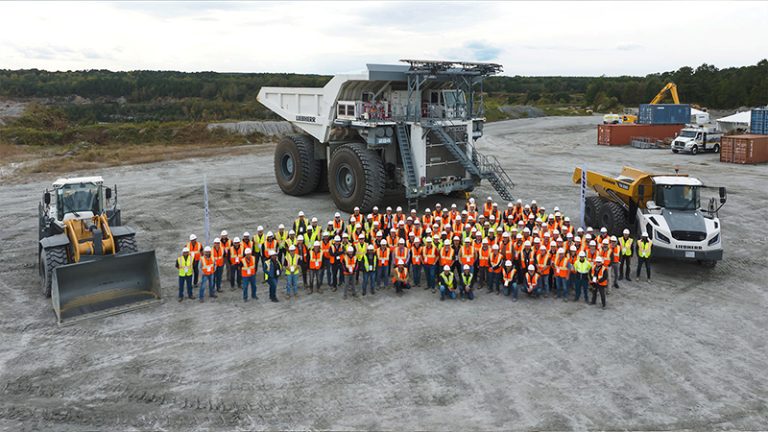
Liebherr’s earthmoving and material handling technology team hosted the 2024 North American Sales and Training Seminar in Richmond and Emporia, VA. More than 100 attendees participated in the two-day event receiving hands-on training of Liebherr’s earthmoving and material handling technology products.
Liebherr USA, Co. earthmoving and material handling technology team held the 2024 North American Sales and Training Seminar for both internal and external distribution network participants. Liebherr employees from the U.S., Canada, and Europe participated and supported the event.
“We are thrilled to host this year’s North American Sales and Training Seminar. Based on the excellent feedback from last year’s national training, we are pleased to expand this event and welcome our colleagues and sales professionals from Canada further reflecting on the importance of the North American market to the Liebherr Group,” said Kai Friedrich, Managing Director of Liebherr USA, Co., and Divisional Director of earthmoving and material handling technology.
The two-day event allowed more than 100 participants to receive extensive hands-on training of multiple products across a variety of stations including crawler excavators, wheel loaders, dozers, material handlers, and the TA 230 articulated dump truck. Each station was equipped with multiple machines, a digital display setup, and tents for onlookers. Additionally, each product manager gave multiple walk-around presentations during the event highlighting each machine’s latest features and innovative technologies.
“The North American Sales and Training Seminar is crucial in equipping our extensive distribution network with the necessary tools to be successful. The training acts as driving force for our internal teams to provide informative resources and comprehensive support to our dealer sales channels,” said Nick Rogers, General Manager of Product Management. “We believe that by fostering a deeper understanding of our product lines and technologies, sales representatives will be better prepared to engage customers confidently, offering solutions that deliver results.”
This event enabled attendees to apply their product knowledge to real-world application scenarios, with the assistance of Liebherr’s certified product managers on-site. This training also provided an excellent chance for Liebherr’s distribution partners to participate in industry networking.
“This is a great opportunity to showcase Liebherr’s product quality, innovation, and support services across our local U.S. distribution network. Together, we can show that Liebherr is a major player in the North American market, and we will continue to expand our presence,” said Friedrich.
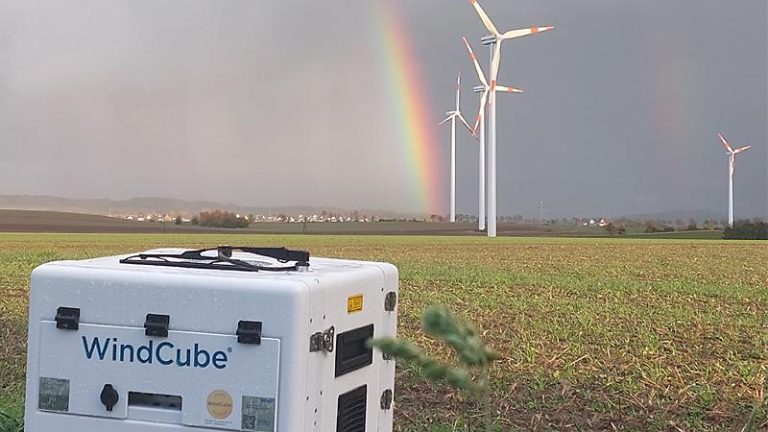
Vaisala today announced service enhancements to WindCube, the vertical profiling lidar for wind data offshore and onshore. The new offerings were available for new WindCube orders on Dec. 1.
With customers performing multiple measurement campaigns over a five-year period, WindCube now includes a five-year standard warranty, up from the previous three-year interval. Customers who conduct preventive maintenance at 5 years can purchase a 5-year warranty extension, increasing the warranty period to 10 years. This extension reflects WindCube’s wind measurement reliability, maximized uptime, and proven in-field durability and performance.
Another new offering is an online, level 1 training program with every WindCube purchase. This complimentary certificate program provides faster, more accessible training that results in quicker operational deployment. Optional in-person, on-site training remains available for customers seeking more in-depth instruction.
“The latest WindCube enhancements demonstrate Vaisala’s unwavering commitment to meeting the evolving needs of wind energy customers while remaining the trusted choice for weather intelligence solutions in the renewable energy sector,” said Alexis Crama, Vice President for Renewable Energy Business in Weather and Environment at Vaisala. “Extending our warranty to five years and introducing comprehensive e-learning capabilities allows us to not just improve the WindCube product but evolve how an entire industry approaches wind measurement campaigns.”
In September, Vaisala unveiled Compass, its weather-based decision-making platform for the renewable energy industry. The cloud-based platform organizes, interconnects, and simplifies access to the largest portfolio of weather solutions — including WindCube —combining instruments and intelligence.
Under this MoU, ABS and Akselos will collaborate to deliver best-in-class solutions for the floating wind sector, both in the U.S. and globally. This collaboration combines ABS’s expertise in floating wind certification and classification with Akselos’ advanced structural risk mitigation and optimization technology.
Akselos, the world’s leading provider of Structural Performance Management (SPM) software, and the American Bureau of Shipping (ABS), a global leader in classification and technical advisory services, recently signed a Memorandum of Understanding (MoU) to advance the engineering, design verification, certification, and classification phases of floating wind projects.
Under this MoU, ABS and Akselos will collaborate to deliver best-in-class solutions for the floating wind sector, both in the U.S. and globally. This collaboration combines ABS’s expertise in floating wind certification and classification with Akselos’ advanced structural risk mitigation and optimization technology. The partnership specifically targets the crucial design phase of floating offshore wind projects, aligning efforts to optimize costs and enhance efficiency, while simultaneously ensuring structural integrity.
The partnership will support the overarching goal set by the Floating Offshore Wind Energy Shot, which aims to reduce the cost of floating offshore wind energy by more than 70 percent, reaching $45 per Mw/hr by 2035 for deep-water sites far from shore.
“Our floating wind alliance with ABS, a leader in offshore certification and classification, is a strategic step to add value to this very promising yet challenging industry,” said Guillaume Lechaton, Wind and New Energies director at Akselos. “By combining ABS’ expertise with Akselos’ advanced simulation tools, we aim to create a framework for more reliable, robust, and cost-efficient solutions for designers and operators.”
“Partnering with ABS, a leader in offshore certification builds upon years of collaboration in the upstream sector,” said David Knezevic, Akselos’ chief scientific officer. “It will further strengthen our offering by merging our simulation expertise with ABS’s industry leadership, ensuring safe, reliable, and high-performing FOWT designs.”
“The safe, sustainable, reliable, and fit-for-purpose infrastructure required for the floating offshore wind market is crucial for the growth and evolution of the industry,” said Rob Langford, vice president, Global Offshore Renewables, ABS. “Enabling enhanced technology solutions will aid in the reduction of LCOE, levelized cost of energy, and support decision making by financial and insurance institutions. The partnership between ABS and Akselos will support the ever-growing need for renewable offshore energy, cementing our position in the offshore wind market and continue to support the design, construction and installation of floating wind.”
This MoU reinforces Akselos’ commitment to delivering cutting-edge technologies that address the challenges of complex engineering environments, paving the way for increased innovation and reliability.
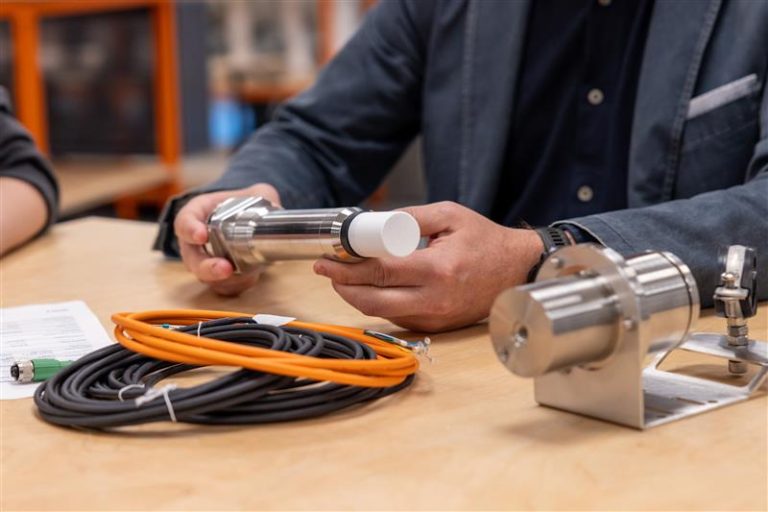
Vaisala, a leader in measurement technology, has launched a new measurement product, MGP241, that measures CO₂ and humidity and is designed to bring transparency to CCUS projects. Both governments and private companies need CCUS to reduce and offset carbon emissions if they are to meet their reported decarbonization targets. However, with current technology still not ready for widespread use, constant, and accurate measurement of captured carbon is vital to ensure its continued development.
“No one knows yet if CCUS will indeed grow to be a significant solution in our fight against climate change. The technology is still in its early stages. What we can solve now is how to make measuring these projects as transparent and efficient as possible to leave no room for guesswork or sugarcoating the results – our numbers don’t lie,” said Julia Salovaara, strategy and business development manager at Vaisala.
The success of CCUS technology is critical for hard-to-abate industries such as materials manufacturing, energy production, and the chemical industry. With high emissions and few other significant solutions beyond improving their energy efficiency, these industries experience increased pressures from regulators and the public to decarbonize their operations.
MPG241 measures carbon dioxide and humidity in point source and direct air carbon capture processes, and in different carbon utilization and storage projects.
Unlike traditional gas analyzers, Vaisala’s MGP241 requires no expensive calibration gases, needs less maintenance, and promises a 10+ year lifespan in heavy-duty use. The compact size and in-situ design of the instrument has allowed for competitive pricing, around a third of the price of most common solutions in the market.
“Our new probe measures directly in the gas flow and shows test results in real time. This level of transparency and proof is essential for process optimization, building trust with stakeholders, and demonstrating genuine commitment to sustainability,” said Salovaara.
Logisticus, a transportation logistics, project management and technology company, recently acquired rail logistics leader KingSize Rail and Logistics. This acquisition enhances LG’s capabilities in project logistics.
This strategic move is set to expand LG’s presence in the renewable energy space, enabling the company to offer a more comprehensive suite of services to its customer base.
“We are thrilled to welcome KingSize Rail and Logistics to the Logisticus family,” said Vikash Patel, co-founder of LG. “This acquisition aligns with our long-term strategy to enhance our capabilities in the project logistics space and provide innovative solutions for our clients. KingSize brings a wealth of expertise and a strong track record in rail logistics, which will greatly complement our current offerings.”
Founded in 2019, KingSize has built a reputation for creating tools that allow the wind energy industry to move large components via rail. Founder Chris King has nine patents related to wind energy component transport on rail. These patents help to increase the number of components transported by rail and paved the way for wind distribution centers that could handle multiple customer’s products.
“Logisticus’ vision for growth and its commitment to customer service made this a
perfect fit,” said King. “I am excited to join forces and leverage our combined expertise to create even more value for our customers.”
Founded in November 2012, Logisticus Group, a certified Minority Business Enterprise, serves projects throughout North and South America.
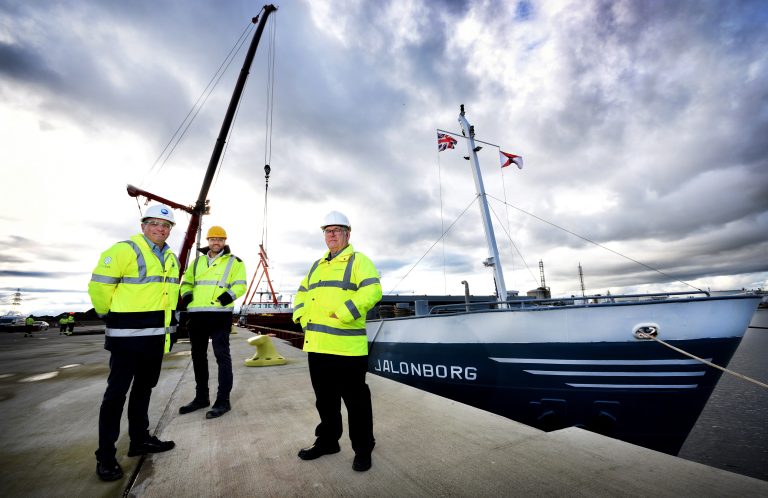
The development of the giant SeAH Wind factory on the Teesworks industrial site has reached a milestone with the arrival of the first vessel to supply raw materials for production trials to the factory.
The Jalonborg, an 89m-long supply ship, arrived with a 2,578-ton cargo of steel plates for the factory.
“We are thrilled to enter the next phase with the arrival of 2,500 tons of raw material, which we witnessed being unloaded from the vessel here at Steel River Quay,” said Peter Ivey, SeAH Wind chief operations officer.
“This marks the first significant material delivery, enabling pre-production trials to commence and reducing risk ahead of commercial launch in 2025.”
“This marks another important milestone in the development of the Teesworks site and is the perfect example of the importance of the Steel River Quay and its facilities to companies setting up their operations here,” said Martin Corney, Teesworks CEO.
“We are delighted to see this first shipment arrive for the SeAH Wind factory and look forward to seeing many more come in to dock over the coming months and years.”
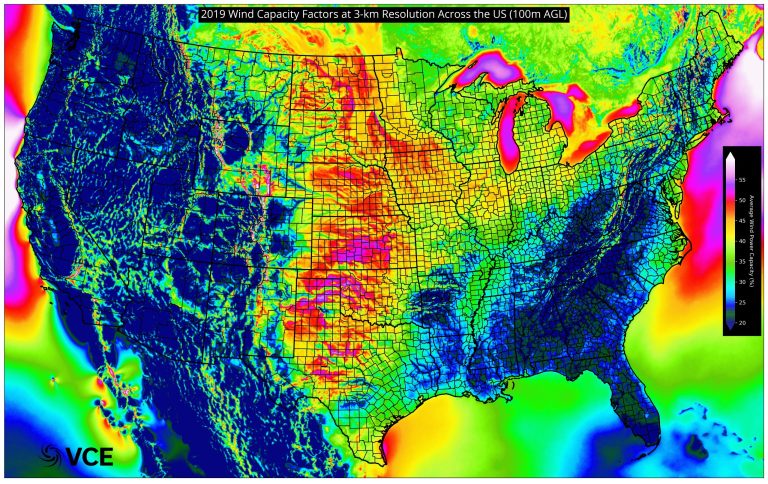
As part of the Energy Systems Integration Group Fall Technical Workshop, Vibrant Clean Energy, Pattern Energy, Catalyst Cooperative and GridLab released the Resource Adequacy Renewable Energy (RARE) Power Dataset, which provides an open-source solar and wind dataset for power systems planners helping to fill a void in the modeling world.
“The availability of public and quality high-resolution renewable datasets is one of the most important requirements for planning a reliable clean power system,” said Debra Lew, ESIG executive director. “Pattern Energy is filling an important void by making this data set available and addressing an important need for modeling high renewable future power systems.”
With support from GridLab, Catalyst Cooperative will host and distribute the renewable energy dataset. The data includes hourly solar, onshore and offshore wind production published at a county granularity by aggregating 3 km data for the contiguous U.S. The first release contains data for the years 2019-2023, while a further release in Q1 2025 will contain data for 2014-2018. The foundation for this dataset are weather variables produced by the National Oceanic and Atmospheric Administration’s high-resolution rapid refresh operational numerical weather prediction model. The approach has been used to inform real-world processes, such as developing a dataset for the Midcontinent Independent System Operator in 2020.
“Without quality renewable datasets that are coherent with the weather conditions and load, we are flying blind with respect to planning for an energy system powered by renewables. This contribution from Pattern Energy is a step forward in filling the gap and will help enable more accurate power system analysis,” said Justin Sharp, who has a doctorate in atmospheric sciences and is an EPRI technical lead focusing on the intersection of meteorology and energy.
“The Pattern team and I recognize that there is benefit to all consumers, as well as the power system broadly, by making this data publicly available,” said Christopher Clack, Pattern Energy vice president of integrated systems planning and CEO of VCE. “One of the main challenges that modelers run into when designing robust future clean power systems is the lack of availability of granular quality renewable datasets for multiple weather years. The partnership with Catalyst Cooperative moves us one step closer to a clean and reliable grid.”
“The models that energy planners utilize to power our world are only as good as the information provided to that model. Modelers have been operating with only a part of the picture, which is a risk to reliability for all consumers. The release of RARE Power Dataset will help the collective community to build a stronger grid for everyone,” said Ric O’Connell, Executive Director of GridLab.
The Bureau of Ocean Energy Management (BOEM) announced a Memorandum of Understanding (MOU) with the Department of Defense (DOD) to support the coordinated development of wind energy generation on the nation’s outer continental shelf. The agreement will help further institutionalize the collaboration between BOEM and DOD that is ensuring that offshore wind lease areas and project plans strengthen the nation’s energy security in ways that are compatible with military operations.
BOEM Director Elizabeth Klein and Brendan Owens, assistant secretary of defense for energy, installations, and environment, signed the MOU during a ceremony at the Offshore WINDPOWER Conference in Atlantic City, NJ.
“BOEM is dedicated to establishing a strong offshore wind industry that supports communities and co-exists with other ocean uses,” said BOEM Director Elizabeth Klein. “Our collaboration with the Department of Defense is crucial to ensure offshore wind development is carried out efficiently and sustainably, while minimizing impacts to military operations.”
“DOD is committed to working across the U.S. government to accelerate the ongoing clean energy transition, which is critical to ensuring access to reliable and resilient energy sources in order to fulfill our mission,” said Owens.
“We will continue to work with BOEM and our other interagency partners, to find solutions that enable offshore wind development while ensuring long-term compatibility with testing, training, and operations critical to our military readiness.”
DOD and BOEM share responsibility for ensuring that offshore wind project plans consider military preparedness requirements. The agreement will clarify the duties of both organizations during leasing and project review. This approach also includes participating in intergovernmental renewable energy task forces.
The MOU calls for DOD and BOEM to collaborate as early as possible in the offshore wind leasing process, regularly communicate and exchange information at the staff and leadership levels, and determine what areas should be deferred from leasing to enable the performance of DOD activities on the outer continental shelf.
The ZX 300 Lidar operates autonomously in extreme Alaskan weather. (Courtesy: Mobismart)
Golden Valley Electric Association (GVEA), a cooperative provider of electric services in Alaska, is advancing its renewable energy efforts with the help of wind Lidar technology to remotely sense the available wind resource at prospective wind-farm locations.
As part of its goal to reduce carbon emissions, GVEA is exploring opportunities to expand electric supply from renewable energy sources, particularly wind power. To enhance its wind resource assessments, the cooperative is using the ZX 300 Lidar.
Under the guidance of DNV, Golden Valley Electric Association (GVEA) deployed the ZX 300 wind Lidar, paired with a Mobismart Hybrid Clean Power Trailer, northeast of Fairbanks, Alaska. Despite the area’s extreme weather — ranging from 85°F (30°C) in summer to minus-36°F (minus-38°C) in winter — the Lidar has been successfully operating autonomously, powered reliably by the off-grid Mobismart Hybrid power trailer, ensuring a continuous and compatible energy supply and wind profile from the site.
“We are thankful for the funding provided through the Renewable Energy Fund at Alaska Energy Authority to allow this project to commence as the state strives toward promoting renewable energy development,” said Keith Palchikoff of GVEA. “To date, we are delighted to have experienced no downtime whatsoever since the Lidar and power trailer were installed. Alaska presents unique weather challenges, and it’s great to have technology that operates autonomously in such conditions. At GVEA, we are committed to exploring every opportunity to provide sustainable power to our customers.”
Data gathered by GVEA from the energy assessments is expected to be made public, encouraging private developers to submit proposals and potentially enter long-term power purchase agreements.
“We are thrilled to support GVEA with a remote off-grid power solution for this project,” said Irene Efston from Mobismart. “Our HYBRID solar with integrated fuel cell power trailers are designed to work seamlessly with the ZX 300 wind Lidar because they’re easily deployed and will provide autonomous and dependable power 24/7, while monitored remotely in various environments and extreme climates. To support the growing demand for wind measurements, our power trailers can be available within six weeks from order, allowing fast deployment of the Lidar on site.”
With more than 15,000 deployments in 100 countries globally, the ZX 300 wind Lidar is built to last and operate in extreme environments, simple and complex terrain, and in clear air, all with its survive-in-field attitude.
The collaboration builds the state-of-the-art manufacturing capacity of EFM, known for its high quality and capabilities in machined and welded parts and structures.
Pemamek and Fastems, two global leaders in manufacturing technology and automation, have signed a contract to deliver a flexible manufacturing system (FMS) to EFM Group Oy. The solution combines production control and intelligence enabled by Fastems’ automation with the welding engineering and cells by Pemamek. The outcome is a system capable of 24/7 welding of mixed parts with minimal human intervention.
The system is managed by Fastems Manufacturing Management Software (MMS) control. It consists of storage and automation for raw materials, jigs, and ready parts and cells for tack and robotic welding. The collaboration builds the state-of-the-art manufacturing capacity of EFM, known for its high quality and capabilities in machined and welded parts and structures.
“Some years ago, The EFM group was innovating for a new welding solution with Pemamek,” said EFM group CEO Petri Holopainen. “We challenged them with an idea: What if the starting point for the welding automation solution was to combine the core competencies of Fastems and Pemamek? The EFM group has had good experience with Fastems’ FMS and MMS systems for machining for many years. Discussions between the EFM group, Pemamek, and Fastems started at the Subcontracting 2022 fair. Now we are looking forward to seeing this new welding automation system in action, located in our new Ylämylly factory.”
“Our cooperation with Pemamek has worked seamlessly, and we are proud of the value we can provide to the EFM Group,” said Mikko Nyman, the Group CEO of Fastems. “Fastems is excited to build and expand our expertise in mixed manufacturing automation beyond the machining domain. This partnership is a step towards the future of manufacturing,”.
“By combining Pemamek’s advanced welding solutions with Fastems’ intelligent production control, we are able to provide EFM Group with a state-of-the-art solution that increases production flexibility and efficiency,” said Jaakko Heikonen, vice chairman of the board of Pemamek. “In the manufacturing industry, continuous improvement in automation is a critical factor in improving competitiveness and productivity. This project is an excellent example of how the combination of robotics, intelligent production control, and welding technology can take automation to a new level. Our goal is to support our customers in moving towards more flexible and fully automated production processes that enable high quality and cost-efficiency.”