




Onshore wind power and solar PV are expected to drive growth in Laos’ renewable power capacity, which is forecast to increase to 9.8 GW by 2035 at a compound annual growth rate (CAGR) of 17.1 percent during 2025-2035, according to GlobalData, an intelligence and productivity platform.
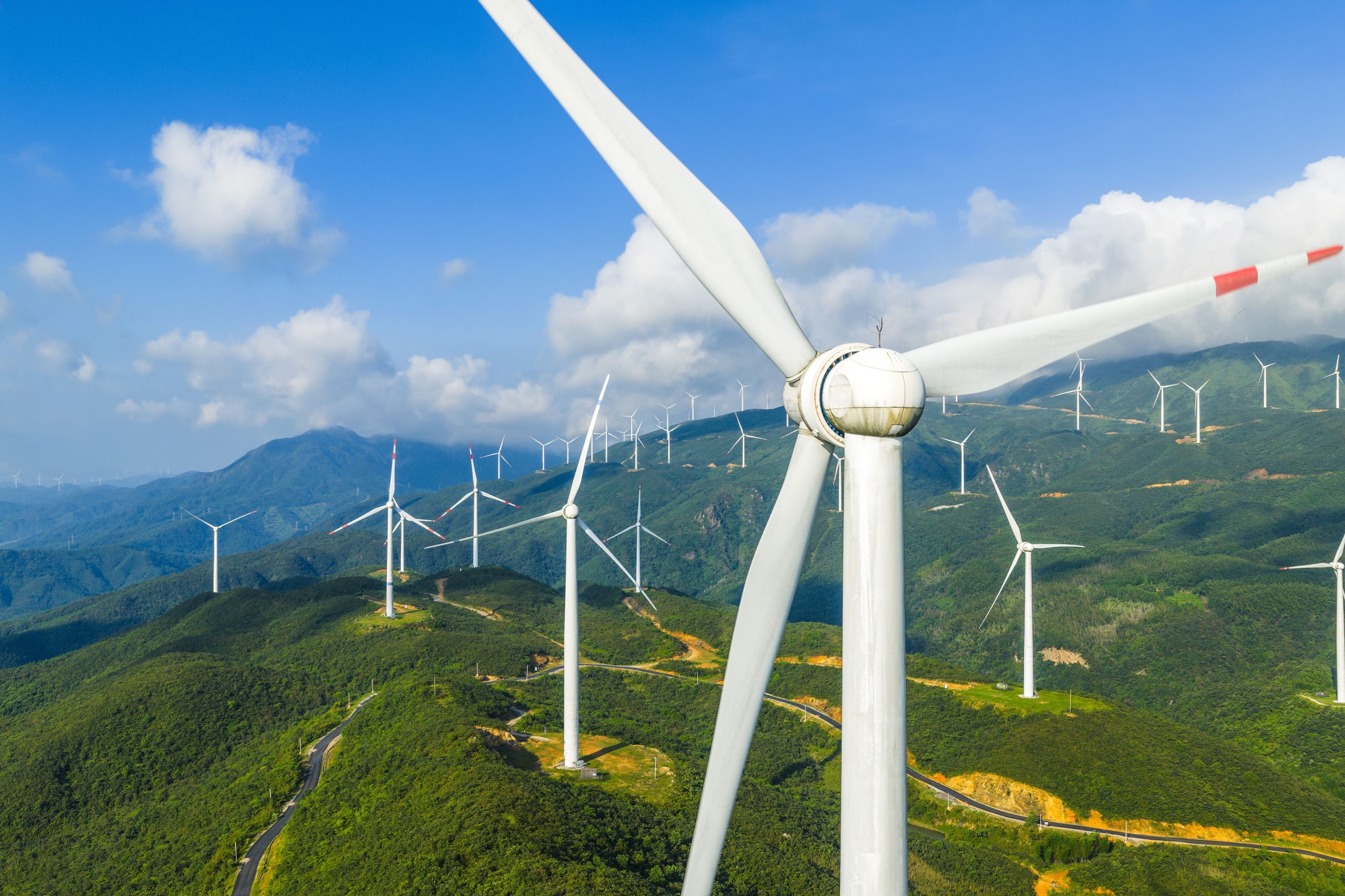
Laos is looking to move away from coal-based power generation, with a focus on renewables development, especially onshore wind and solar PV. The southern region of the country, encompassing the provinces of Sekong, Attapeu, and Champasak, boasts significant wind-energy potential. The solar potential is also estimated at 4.4 kWh per square meter per day, which translates to about 1,800 to 2,000 hours of sunlight annually.
GlobalData’s latest report, “Laos Power Market Trends and Analysis by Capacity, Generation, Transmission, Distribution, Regulations, Key Players and Forecast to 2035,” revealed that in 2025, onshore wind constituted for nearly 74.3 percent of Laos’ total renewable power capacity, followed by solar PV accounting for 12.8 percent share. Onshore wind is projected to increase from 1.5 GW in 2025 to 5.1 GW in 2035, whereas solar PV capacity is expected to increase from 0.3 GW in 2025 to 4 GW in 2035.
“Onshore wind will play a key role in the country’s renewable development,” said Attaurrahman Ojindaram Saibasan, Power Analyst at GlobalData. “Following the introduction of onshore wind into Laos’ capacity mix in 2025, with the launch of three wind power plants, the share of renewables increased from 2.6 percent in 2024 to 14.1 percent in 2025. However, hydropower is expected to continue to play an important role in the country’s electricity generation mix.”
Despite the potential for solar power development, the geography of Laos poses challenges for the implementation of large-scale, ground-mounted solar projects due to spatial constraints. However, developing floating solar installations on reservoirs used for hydropower generation provides an opportunity for solar power capacity expansion.
“Laos aims to achieve a 75 percent share of hydropower and an 11 percent share of variable renewables (specifically solar and wind) by 2030,” Saibasan said. “The country plans to increase its hydropower capacity by an additional 13 GW by 2030 and has set a conditional target of achieving 1 GW of total solar and wind capacity and 300 MW of biopower capacity by the same year. These targets are expected to bolster renewable growth.”
More info www.globaldata.com