GE announces 3.9 GW of U.S. orders since ’13 PTC renewal
Manufacturer will add 2.8 GW to its U.S. installation tally by the end of 2015, credits advanced technologies and capabilities of latest turbine portfolio
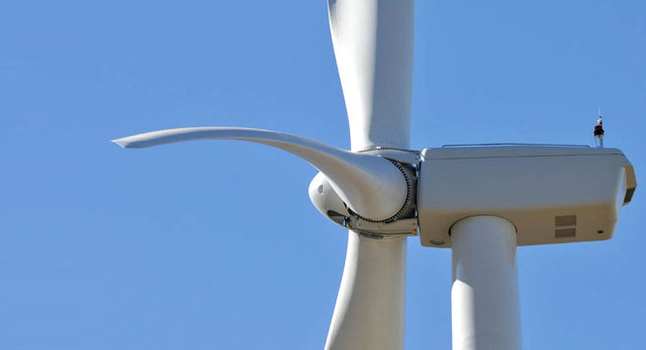
GE announced a cumulative 3.9 GW of firm and unconditional wind turbine supply orders in the United States since January 1, 2013, the date of the Production Tax Credit extension. Of these orders, 1.1 GW of GE technology was placed into service in 2013. The remaining 2.8 GW will be commissioned or begin construction by the end of 2015.
GE has expanded its customer base to include developers such as Sumitomo and Starwood Energy, which both will be installing 200 MW projects using GE’s 1.7-100 wind turbines. Mesquite Creek Wind, jointly developed by Sumitomo and BNB Renewable Energy, is based near Lamesa, Texas, and Starwood Energy’s Stephen Ranch wind farm is located in Borden and Lynn counties, Texas. The 1.7-100 was introduced in 2013 and is part of the GE’s brilliant platform.
“We feel confident that, with our strong backlog of orders, we are strongly positioned for 2014 and 2015,” said Anne McEntee, president and CEO of GE’s renewable energy business. “As we continue to expand our brilliant wind product line, our customers are seeing efficiencies and capabilities greater than ever before in the wind industry. Through these advancements in technology, combined with strong execution and operations expertise, GE is continuing our commitment to our customers’ success and investment in the future of renewable energy.”
New GE 2.2-107 to debut in Brazil
Today, GE also announced the expansion of its brilliant wind platform to include the 2.2-107 wind turbine. The 2.2-107 provides a 12 percent increase in capacity factor and a 33 percent increase in power output.
Omega Energia in the Piaui region of Brazil, was the first developer to order the 2.2-10. Omega Energia selected the 2.2-107 in the A-5 Brazil energy auction in December.
The 2.2-107 machine is the latest in GE’s “brilliant” wind turbine lineup. The turbine is an evolution of GE’s 1.5-megawatt series of turbines and is well suited for Brazil’s Class II wind regime. As part of the contract, GE will provide the operations and maintenance on the 32 turbines for 10 years.
In 2013, 4.7 GW of wind were contracted in Brazil through the Brazil Energy Auction system, and GE secured contracts for more than 1 GW. GE also announced the installation of its 500th wind turbine in Brazil in September.
––––––––––––––––––––––––––––––––––––––––––––––––––––––––––––––––––––––––
Gamesa secures two Chinese orders totaling 148 MW
General Nuclear Power Group, for the supply of 50 G97-2.0 MW wind turbines at the Yangchajie wind complex located in the province of Yunnan, in southeast China. Fulfilment of this order is slated for the last quarter of 2014. In addition, Gamesa and CGN have agreed the potential supply another 100 MW during a second phase of this project in the course of 2015.
Gamesa has also signed an agreement to supply 24 G90-2.0 MW turbines to Fujian Energy for a wind farm built in Dahanshan of Fujian Province, in China.
Gamesa operates both as a turbine manufacturer and wind farm developer in China, where it has installed more than 3,500 MW and maintains 880 MW.
–––––––––––––––––––––––––––––––––––––––––––––––––––––––––––––––––––––––––
Suzlon Group orders total 370 MW globally in Q4
Suzlon Group has signed contracts for 370 MW during the Q4 of FY 2013-14, adding to an already strong pipeline of orders globally in 2014. The company will be supplying these turbines for new wind farms in Germany, UK, India, Belgium, and elsewhere in Europe.
–––––––––––––––––––––––––––––––––––––––––––––––––––––––––––––––––––––––––
Gamesa to supply 100 MW to Greenko in India
Gamesa has signed an agreement for the supply of 100 MW to Indian wind power developer and operator Greenko. This order falls under the umbrella of the 300 MW framework agreement reached in 2013, under which orders for 250 MW for installation at various wind complexes have already materialized.
As well as supplying and installing 50 of Gamesa’s G97-2.0 MW turbines, the agreement contemplates the provision of the related operation and maintenance services for an initial five-year period.
The turbines will be installed in several wind farms being developed in the states of Andhra Pradesh, Karnataka and Rajasthan, which are slated for commissioning in two phases: September 2014 and March 2015.
–––––––––––––––––––––––––––––––––––––––––––––––––––––––––––––––––––––––––
New GE 2.2-107 to debut in Brazil
Today, GE also announced the expansion of its brilliant wind platform to include the 2.2-107 wind turbine. The 2.2-107 provides a 12 percent increase in capacity factor and a 33 percent increase in power output.
Omega Energia in the Piaui region of Brazil, was the first developer to order the 2.2-10. Omega Energia selected the 2.2-107 in the A-5 Brazil energy auction in December.
The 2.2-107 machine is the latest in GE’s “brilliant” wind turbine lineup. The turbine is an evolution of GE’s 1.5-megawatt series of turbines and is well suited for Brazil’s Class II wind regime. As part of the contract, GE will provide the operations and maintenance on the 32 turbines for 10 years.
In 2013, 4.7 GW of wind were contracted in Brazil through the Brazil Energy Auction system, and GE secured contracts for more than 1 GW. GE also announced the installation of its 500th wind turbine in Brazil in September.
–––––––––––––––––––––––––––––––––––––––––––––––––––––––––––––––––––––––––
Gamesa wins 144 MW supply contract in Brazil
Gamesa has signed a contract for the supply of 144 MW of its turbines to Eolicas do Sul, a subsidiary of the Río Bravo Investimentos y Eletrosul investment fund.
Under the terms of the contract, Gamesa will supply, transport, install, and commission 72 G97-2.0 MW turbines at six wind farms in the Chui complex being developed in the state of Rio Grande do Sul in southern Brazil. The company will also perform the required civil engineering work and provide the facility’s O&M services for 15 years. Turbine delivery is scheduled for the third quarter of this year, with a commissioning date expected in the first quarter of 2015.
–––––––––––––––––––––––––––––––––––––––––––––––––––––––––––––––––––––––––
Vestas lands 148 MW order from First Wind
Vestas recently received an order for 48 V112-3.0 MW turbines for the 148-MW Oakfield project in the state of Maine. The order is a call-off on the master supply agreement announced in December 2013 for multiple U.S. projects—the potential of which totals 718 MW. With today’s order, Vestas has secured 298 MW under this MSA.
The V112-3.0 MW turbines—for which Vestas has already received almost 6 GW of orders—will be supplied for this project. The project will also include a 10-year service agreement.
Deliveries for the Oakfield project will take place in the second quarter of 2015, with commissioning expected by the fourth quarter of 2015.
Additionally, Vestas recently reported it has received an order for 39 V110-2.0 MW turbines for an undisclosed 78 MW project in North America.
Deliveries for the project will take place in the 3rd quarter of 2016, with commissioning expected by the 4th quarter of 2016.
–––––––––––––––––––––––––––––––––––––––––––––––––––––––––––––––––––––––––
Senvion contracted for 27 turbines in France
Senvion SE, a wholly owned subsidiary of the Suzlon Group, concluded four contracts with ENERTRAG, one of the major renewable energy suppliers in Europe, for supply and installation of 27 wind turbines with a total rated output of 54.45 MW for four wind farms in France. Senvion will provide the full maintenance of the wind farms for 15 years.
Renneville wind farm, located in Champagne-Ardenne, is currently under construction. Nine Senvion MM92 2.05 MW turbines will be installed for this wind farm. Senvion will also supply 18 MM100 2 MW turbines for three wind farms in Chaourse, Anguilcourt, and La Ville-aux–Bois-lès-Dizy, located in Picardy region. The installation of Chaourse wind farm is planned for the end of this year.
–––––––––––––––––––––––––––––––––––––––––––––––––––––––––––––––––––––––––
Siemens tapped for Iowa project
The Carroll wind power plant, located in western Iowa near the city of Carroll, has chosen Siemens to supply nine 2.3-MW geared wind turbines. The customer is Carroll Area Wind Farm LLC, a company of NJR Clean Energy Ventures. Installation of the Siemens SWT-2.3-108 wind turbines is scheduled to begin in October, and commissioning is expected in early 2015.
–––––––––––––––––––––––––––––––––––––––––––––––––––––––––––––––––––––––––
Vestas receives order for repowering project in Germany
Vestas recently announced a firm and unconditional order from KGE Windpark Schipkau Nord GmbH & Co. KG. Vestas’ long-term customer Ventotec has developed this repowering project.
The wind power plant will be repowered in Brandenburg and is one of the largest repowering projects in Germany. Turbine delivery is planned to begin in the second half of this year with commissioning expected completed in the first quarter of 2015.
The contract includes supply, installation and commissioning of the 19 V112-3.3 MW turbines, along with a VestasOnline Business SCADA solution and a 15-year full-scope service agreement (AOM 4000).
–––––––––––––––––––––––––––––––––––––––––––––––––––––––––––––––––––––––––
Siemens selected for largest Dutch offshore project
The Gemini consortium recently selected Siemens to supply the largest-ever project financed offshore wind farm. For the Gemini project, Siemens will deliver 150 wind turbines with a capacity of 4 MW and a rotor diameter of 130 meters each.
The wind power plant is to be located in the North Sea, 85 km above the coast of Groningen. With an installed capacity of 600 MW in total Gemini will yield 2.6 TWh of electricity per year. The wind power plant will supply clean energy for one and a half million people after being fully commissioned.
For Siemens, this is the first order for an offshore wind power plant in Dutch waters. The innovative service concept banks on the ongoing presence of a service vessel and the steady ground readiness of a helicopter.
Siemens’ 15-year service and maintenance agreement for the Gemini project is the largest service order ever for Siemens Energy Service. It will introduce a highly advanced logistics concept for offshore sites.
Financial Services contributed to securing the Siemens bid by participating in the Gemini consortium via an equity investment. The multi-source financing model used in the project can help meet the increased capital investment required to finance the next stage in the offshore wind market’s development.
–––––––––––––––––––––––––––––––––––––––––––––––––––––––––––––––––––––––––
Siemens to supply Ontario’s largest wind farm
Siemens Energy recently announced a major wind turbine and service order in Canada. Along with the South Kent Wind Farm in Chatham-Kent, Ontario, the 270-MW K2 Wind Ontario (K2 Wind) Project will be among the largest wind power plants in Canada. It is located in Goderich in southwestern Ontario and will feature 140 units of the Siemens SWT-2.3-101 wind turbines. The project owners are Samsung Renewable Energy Inc. (Samsung), Capital Power LP and Pattern Energy Group LP (Pattern Development). The transaction includes a long-term service and maintenance agreement.
–––––––––––––––––––––––––––––––––––––––––––––––––––––––––––––––––––––––––
New GE 2.2-107 to debut in Brazil
Today, GE also announced the expansion of its brilliant wind platform to include the 2.2-107 wind turbine. The 2.2-107 provides a 12 percent increase in capacity factor and a 33 percent increase in power output.
Omega Energia in the Piaui region of Brazil, was the first developer to order the 2.2-10. Omega Energia selected the 2.2-107 in the A-5 Brazil energy auction in December.
The 2.2-107 machine is the latest in GE’s “brilliant” wind turbine lineup. The turbine is an evolution of GE’s 1.5-megawatt series of turbines and is well suited for Brazil’s Class II wind regime. As part of the contract, GE will provide the operations and maintenance on the 32 turbines for 10 years.
In 2013, 4.7 GW of wind were contracted in Brazil through the Brazil Energy Auction system, and GE secured contracts for more than 1 GW. GE also announced the installation of its 500th wind turbine in Brazil in September.




 The Canadian Wind Energy Association (CanWEA) recently urged the Ontario PC Party to reassess its energy policy platform, and to acknowledge that affordable energy for Ontario should include wind energy—a clean, renewable and cost-competitive source of electricity supply.