






Home 2026

FairWind makes changes to regional leadership

0

Renewables specialist FairWind announced a change in leadership for its Southern Europe and South America (SESA) region that took effect Jan. 1, 2026.

Aitor Diaz de Lezana Fernández, leader of FairWind’s new Mediterranean region, which contains Southern European countries and South Africa.  (Courtesy: FairWind)

Since acquiring regional onshore wind installation leader, Wind1000, in 2024, FairWind’s SESA business has been led by Wind1000 co-founders Jesύs Garcia Mallo, Diego Garrido Cousillas, and Carlos Louzao Aris. With the integration of Wind1000 into FairWind successfully completed, the three co-founders will move into a consultancy role with the business.

The Southern European countries, and South Africa, will form the new Mediterranean region, which will be led by Aitor Diaz de Lezana Fernández.

FairWind’s current North America region will now incorporate the South American countries to become the Americas region. North America Regional Director, Armando Barradas, will continue leading the newly expanded region.

Fernández joined FairWind in September 2024 as Regional Head of Service for SESA, having previously held senior service leadership roles at Siemens Gamesa and Nordex in Latin America.

Barrados joined FairWind in 2023. His previous experience includes leading Siemens Gamesa’s Latin American business.

“These changes will allow the Mediterranean business to focus on growth in the Southern European countries, while enabling efficiencies in shared resources across the Americas region. Expanding our service provision to support customers with the safety and reliability of their assets will be a key focus for both Aitor and Armando as they deliver our ambitious growth plans for their respective regions,” said Stewart Mitchell, FairWind CEO.

“The acquisition of Wind1000 was central to our growth strategy in the region and I would like to thank Jesύs, Diego, and Carlos for the significant contribution they’ve made to making this a success and for their continued support as they move into their new roles,” said Mitchell.

More info: www.fairwind.com
GreenpowerMonitor gets contract from Equinor for using GPM Horizon

0

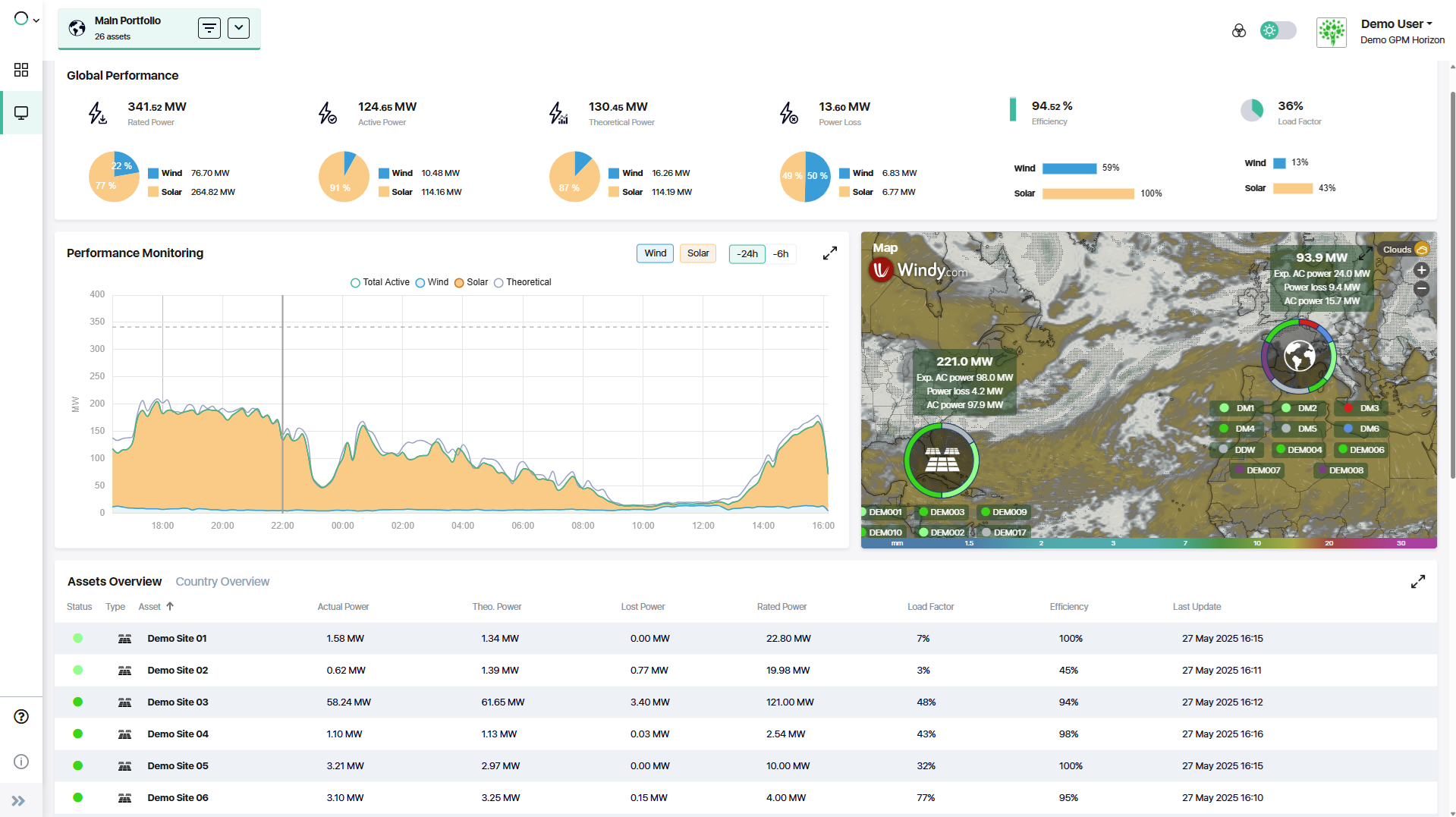
GreenPowerMonitor (GPM), a DNV company and leader in renewable asset monitoring, has announced a new contract with Equinor, the international energy company, for use of GPM Horizon in its onshore renewable energy portfolio, which can enhance operational efficiency and asset performance. 

Under a new global contract, GPM can offer its flagship platform, GPM Horizon (Elite), to centralize and harmonize operational data across a multi-technology portfolio.(Courtesy: DNV)

Under a new global contract, GPM can offer its flagship platform, GPM Horizon (Elite), to centralize and harmonize operational data across a multi-technology portfolio, which includes wind, solar, and battery energy storage systems. The application is underway in Northern Europe, with potential expansion across all regions where Equinor and its subsidiaries operate. 

GPM Horizon offers a streamlined approach to monitoring and financial transparency, distinguishing itself by integrating all three technologies—solar, wind, and battery energy storage systems—into a single platform. It features AI-powered KPI categorization, predictive analytics, and customizable reporting, providing visibility and control across renewable assets. 

“GPM Horizon exemplifies the power of data-driven decision-making in accelerating the energy transition,” said Juan Carlos Arévalo, Executive Vice President, Green Power Monitoring & Solutions, DNV. “By leveraging this platform, Equinor is not only streamlining operations but also unlocking deeper insights into asset performance and financial analysis.” 

 GPM Horizon enables Equinor and its subsidiaries to centralize operational data across a wide range of technologies and geographical locations, allowing for more streamlined and efficient management. It supports the optimization of asset performance and operational workflows, helping teams to work more effectively. By harmonizing data and processes, it simplifies tasks for both teams and asset managers. Additionally, it enhances financial analysis by providing accurate calculations of energy loss and revenue, contributing to better-informed decision-making. 

Cybersecurity and data sovereignty are core to GPM’s offering. All operational data is securely stored in Europe, aligning with GPM’s commitment to robust data protection and compliance. 

“This collaboration reflects GPM’s global-local model, combining international scale with local expertise. Equinor’s teams benefit from GPM’s deep domain knowledge and hands-on support, ensuring seamless integration and long-term value,” said Anders Husby, DNV global key account director responsible for Equinor.

 “At this level, it’s all about the data and what it enables you to do, GPM Horizon is designed to meet the complexities of managing global, multi-tech portfolios, helping customers like Equinor make faster, smarter decisions.”

 More info: www.dnv.com

Casa dos Ventos places 828 MW order for Brazil wind complex

0

Casa dos Ventos, one of Brazil’s largest renewable energy companies, and Vestas, the global leader in wind energy solutions, announced a new stage in their business partnership for renewable projects in Brazil, with an 828 MW order for the Dom Inocêncio wind complex. The project is located in the south-central region of Piauí – a state recognized for its strong wind resources and one of Brazil’s fastest-growing renewable energy hubs.

Casa dos Ventos and Vestas announced with a 828 MW order for the Dom Inocêncio wind complex in Brazil. (Courtesy: Caso dos Ventos)

The project will feature 184 V150-4.5 MW turbines, reinforcing the collaboration of more than eight years between the two companies and contributing to the sustainable expansion of Brazil’s energy matrix. Construction is expected to begin in 2026, with final commissioning scheduled for 2028. In addition to supplying the turbines and managing the construction project, Vestas will be responsible for operation and maintenance services for 25 years under an Active Output Management 5000 (AOM 5000) service agreement.

This announcement marks the first major move in Brazil’s wind market since 2023, signaling the return of large-scale investments and Casa dos Ventos’ confidence in cutting-edge technologies to support its expansion portfolio.

The project represents a total investment of over BRL 5 billion and will be one of the largest wind complexes in the country, capable of generating enough energy to power approximately 2 million homes. It will significantly strengthen Brazil’s energy security, increase the share of renewables in the energy mix, support the state’s socio-economic development, and stimulate the entire wind energy value chain through technical services, engineering, innovation, and professional training. Additionally, the project is expected to create over 8,500 direct and indirect jobs during construction and operation, boost local supply chains, and bring direct and indirect benefits to the region.

Through our partnership with Vestas, we are bringing solutions that deliver the reliability and performance required for a project of this magnitude. This new agreement is yet another demonstration of our commitment to supporting the expansion of Brazil’s renewable energy matrix. In addition to driving the country’s energy transition, our investment will also significantly boost the socio-economic development of the region,” said Lucas Araripe, Executive Director of Casa dos Ventos.  

Receiving Casa dos Ventos’ trust once again for a project of this magnitude is a great source of pride for us. Casa dos Ventos is a key player in expanding renewable generation in Brazil. It is an honor to support a partner that shares the same ambition: to develop projects that drive the energy transition, expand access to clean energy, and foster socio-economic growth in the regions where they operate,” said Eduardo Ricotta, President of Vestas for Latin America.

More info: www.casodosventos.com/br | www.vestas.com

FairWind accelerates Asia Pacific growth strategy

0

FairWind has signed a strategic partnership agreement with Japanese turbine operations and maintenance specialist Wind Energy Partners (WEP).

The partnership will bring together the company’s on- and offshore installation, pre-assembly and service expertise with WEP’s preventative maintenance, blade maintenance, and repair experience.

Jack-up vessel undertaking offshore installation off the coast of Kitakyushu, Japan. (Courtesy: FairWind)

The partnership marks the latest phase in FairWind’s Asia Pacific growth strategy following the announcement in December that FairWind acquired Cosmic Group, an Australian wind installation and maintenance provider.

Founded in 2020, WEP is headquartered in Yokohama with seven additional strategic bases across the country. Through the collaboration, FairWind will gain access to WEP’s established local network, infrastructure and regulatory expertise in Japan, while WEP will benefit from FairWind’s global experience in onshore and offshore wind installation and maintenance.

The partnership will enable the two companies to provide enhanced service reliability, faster response times, and innovative solutions to the Japanese wind market.

“This partnership is a significant milestone for FairWind as we expand our footprint in Asia Pacific. Japan’s wind sector is still in its relative infancy when compared to Europe, but with strong government support and increasing investment driving expansion, there is considerable opportunity for FairWind and WEP to support the growing number of onshore and offshore turbines,” said Matt Crossan, APAC regional director at FairWind.

“FairWind’s proven track record and commitment to quality align perfectly with WEP’s mission. The alliance reflects the growing demand for specialized wind turbine maintenance services in Japan and we are excited to build on our current relationship to drive greater safety and reliability across our customers assets,” said Kaoru Saito, president of WEP.

More info: www.fairwind.com/en/

How to stop construction delay corrosion before it starts

0

Cooling temperatures send contractors scrambling to complete unfinished projects before winter threatens to stop or seriously hinder construction. However, some projects will inevitably have to be delayed until next season, leaving contractors with the question of how to protect materials and equipment already on the jobsite.

Cortec’s line of MCI technology for the construction industry includes complementary corrosion solutions to help contractors bring their jobsites safely through the winter elements. (Courtesy: Cortec)

Although focused on extending the service life of reinforced concrete, Cortec’s line of MCI technology for the construction industry includes complementary corrosion solutions to help contractors bring their jobsites safely through the winter elements.

Freezing temperatures mean grouting delays for post-tensioning (PT) projects. However, for bridges, parking garages, or buildings where PT tendons have already been installed, grouting delays leave tendons at risk for corrosion and the potential loss of integrity by the time grouting occurs.

The most practical option is MCI-309, a Migrating Corrosion Inhibitor powder that can be fogged into PT ducts after the tendons are placed. By capping the ducts, contractors can trap protective vapors until temperatures warm sufficiently for the project to continue. When work resumes, contractors typically do not need to flush MCI-309 out of the ducts before grouting, eliminating a step that could introduce corrosives.

MCI CorShield offers an anticorrosion coating solution that can be brushed onto exposed rebar, leaving a thin protective film that in many cases may not even need to be removed before construction can continue. The same coating can be sprayed onto new rebar waiting to be used on the jobsite.


More info: www.cortecvci.com

DNV launches tools for analysis of offshore structures

0

DNV, the independent energy expert and assurance provider, has developed three advanced time-domain methods for analyzing the structural performance of floating offshore wind turbines. Now available in DNV’s Sesam software, the methods simulate how turbines respond to wind and wave forces in harsh offshore environments.

The enhanced time-domain methods in Sesam significantly reduce the computational time needed to simulate these dynamic responses, while improving the accuracy and efficiency of strength assessments such as fatigue damage and ultimate limit state analyses.

Floating wind capacity is projected to reach 331 GW by 2060, said DNV Digital Solutions CEO Kenneth Vareide. (Courtesy: DNV)

Analyzing floating wind turbines is complex, as combined wind and wave loads must be captured using large, detailed structural models. Time-domain analysis, used to model a structure’s behavior over time under changing conditions, is typically required, but demands substantial computing time, even on high-performance systems. By calculating how the structures move and react at every time step, engineers can more accurately predict performance, detect potential issues, and design safer, more reliable systems.

“According to our latest Energy Transition Outlook, floating wind capacity is projected to reach 331 GW by 2060, and the sector faces significant new challenges,” said Kenneth Vareide, CEO of DNV Digital Solutions. “It is essential that the industry takes every possible measure to minimize risk and secure project success. These new methods represent a fundamental advance in the analysis of floating wind structures, delivering faster performance, greater efficiency, and adherence to the latest standards.”

The new methodologies are fully integrated into DNV’s Sesam software suite, which supports design, optimization, and structural assessment throughout the lifecycle of offshore assets:

Direct Load Generation computes the hydrodynamic pressure field on the structure and performs a dynamic or quasistatic time-domain analysis.

Load Reconstruction uses pre-calculated pressure transfer functions to reconstruct the hydrodynamic pressure on the hull, followed by time-domain structural analysis.

Response Reconstruction goes a step further by deriving the structural response directly from response transfer functions, removing the need for explicit load calculations or traditional finite-element analysis.

 “Floating offshore wind turbine analysis is demanding because it tracks detailed hydrodynamic and structural responses throughout the simulation, making large projects extremely time-consuming. Customers can now choose the most efficient analysis method based on the specific needs of their project, reducing simulation time and costs, supporting faster design cycles with confidence that the results are accurate and in compliance with the relevant regulations,” said Sille Grjotheim, Global Segment Director for Floating Offshore Wind at DNV.

Since its origin in the 1960s, DNV’s Sesam software has been trusted for the design and analysis of ships and offshore structures. This latest development continues that legacy by helping ensure tomorrow’s floating wind turbines are ready for the demanding environments in which they will operate.

More info: www.dnv.com

Combilift releases Christmas celebration video

0

Combilift has released its 2025 Christmas video, “Twelve Days of Christmas,” a joyful celebration of Combilift’s dedicated team and the spirit of giving.

Combilift is giving away a Golden Forklift. (Courtesy: Combilift)

The video is a light-hearted tour through every corner of the Combilift facilities, with reimagined, factory-themed lyrics to the classic Christmas tune performed by employees from across all departments.

Leading the fun in the video is Georgia, 5, as she announces Combilift’s 100,000th Golden Forklift.

A drawing is being held to win the Golden Forklift. Proceeds from the drawing will benefit UNICEF in its vital work in providing life-saving food, clean water, shelter, and medical care to children in need.

More info: combilift.com/win-a-truck/ | youtu.be/GYrZo3_uZ1M?si=DK4_R39_r9uA0soB

WindEnergy Hamburg expands into Asia

0

DN Media Group AS (Recharge), Hamburg Messe und Congress GmbH, Enterprise Singapore and the Singapore Tourism Board, have signed a Memorandum of Understanding to collaborate on a series of wind energy conferences and exhibitions in Singapore from 2026 to 2029. Under the MOU, EnterpriseSG and STB will support Recharge and HMC to organize the 2-day Recharge Wind Power Summit Asia-Pacific powered by WindEnergy Hamburg in Singapore in 2026, and the flagship 3-day WindEnergy Asia-Pacific powered by Recharge in Singapore in 2027 and 2029.

Wind energy groups are working with Singapore to bring conferences and exhibitions there. (Courtesy: WindEnergy Hamburg)

The groups signed the MOU during the Recharged Wind Power Summit 2025, marking WindEnergy Hamburg`s first expansion outside Europe. The partnership will leverage the success and reach of WindEnergy Hamburg, a leading wind industry event organizer with 1,600 exhibitors and 43,000 participants from 100 countries, and Recharge – the top global source for renewable energy news and business intelligence.

The events will drive APAC’s wind industry growth and bring together global and regional companies in the global offshore wind supply chains. Attendees can expect to participate in conferences and trade fairs, plenaries, roundtables, networking sessions as well as site visits to Singapore’s offshore wind supply chain companies. These activities aim to facilitate business development, policy dialogue and knowledge exchange among industry leaders, policymakers, financiers, innovators and regional supply chain players.

Wind energy stands at an inflection point in Asia-Pacific (APAC) where countries with abundant wind resources such as Australia, India, Japan, the Philippines, South Korea and Vietnam have unveiled wind energy targets and rolled out feasibility studies and auctions. The region is the largest wind market with 607.5 gigawatts of wind power installed in 2024.

To unlock the potential of wind power in APAC, coordinated efforts between governments, industry and academia are required to encourage greater dialogue, best practice exchange and collaboration. The WindEnergy Asia-Pacific and Recharge Wind Power Summit Asia-Pacific events will establish platforms for stakeholders to convene and create opportunities to accelerate the rollout of offshore and onshore wind in APAC and beyond.  

More info: www.hamburg-messe.de/

Exel Composites’ new India plant celebrates shipment start

0

Pultruded composites manufacturer Exel Composites’ joint venture Kineco ExelComposites India (KECI) has reached volume production capacity at its new Banda facility. The factory is purpose-built to serve the wind-energy sector, expanding Exel’sexisting delivery capability in other regions.

Following testing throughout 2024 and 2025, the site is now fully operational with dedicated lines for carbon fiber products used in turbine blades.

Completed in 2024, the plant was developed by Exel Composites and long-standing partner Kineco Group, with its machinery and layout specifically tailored for high-volume production of carbon-fiber components. The first full customer approvals have been achieved, and the volume shipments of carbon fiber flats have started, marking the start of sustained deliveries to major wind energy manufacturers in the region.
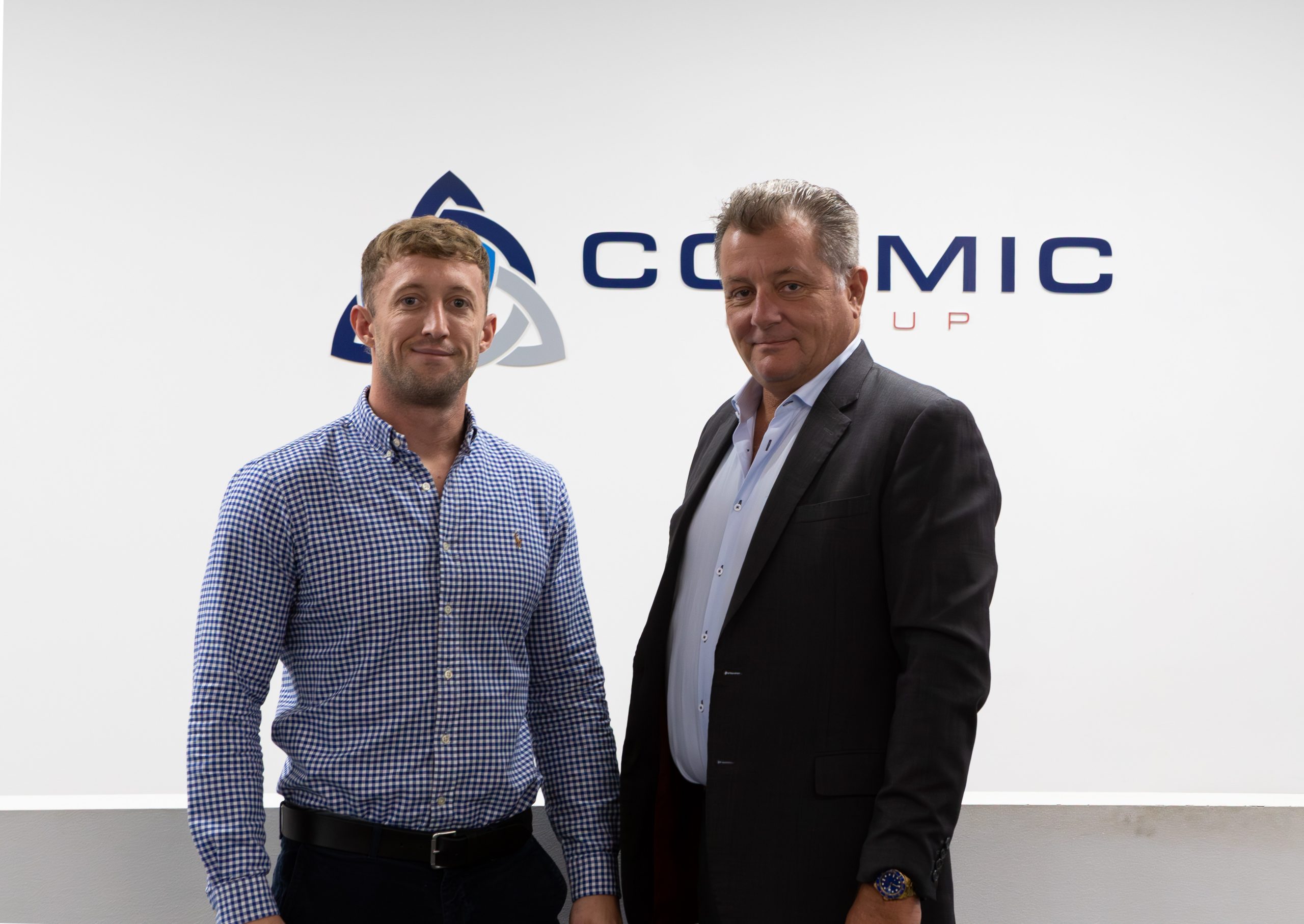
These flats, used in turbine blades as structural reinforcements such as in spar caps, are designed to handle the rising mechanical loads as blade lengths increase. The demand for components like these has grown rapidly in recent years as India added a further 4.15 GW to its wind capacity in 2024, bringing the total to 50 GW.

“Reaching volume production capacity in India marks a leap in our long-term plans to support the wind industry,” said Kari Loukola, executive vice president of industrial solutions at Exel Composites. “By localizing our pultrusion capabilities in India, we can supply high-performance components close to the point of use, helping our customers meet their business goals.”

The milestone follows a 10 million euro order from a South Asian manufacturer last year.

“This is what our customers have been waiting for,” said Rohit Verlekar, chief operating officer at KECI. “Locally made, IEC 61400-5 certified products delivered at volume. Our team has worked hard to get to this point, and we’re ready to meet both the technical and logistical expectations of our customers.”

The facility dedicates most of its capacity to wind components, including flats, joiners, and bolt fixtures, and with production now underway, KECI is positioned to strengthen India’s wind supply chain and support the delivery of larger, more efficient turbines.

More info: exelcomposites.com.

FairWind to acquire Australian wind maintenance provider

0

Renewables specialist FairWind is set to boost its Asia-Pacific (APAC) presence by reaching agreement to acquire Cosmic Group, an Australian wind installation and maintenance provider.

This acquisition reinforces the company’s existing presence in Australia and expands its footprint into New Zealand and Japan. The transaction is expected to close in Q4 subject to customary regulatory approval, and will see the Brisbane-based business and its team of 100technicians become part of FairWind.

Left to right: Stewart Mitchell, FairWind CEO, and Matt Crossan, Fairwind regional director.  (Courtesy: FairWind)

Together with Cosmic, FairWind will be able to leverage local expertise while aligning the team with its global systems, standards, and strategic direction. The business will become the regional hub for FairWind’s APAC operations with one of its founders, Matt Crossan, appointed as regional director.

Cosmic will continue to operate under the Cosmic name, ensuring continuity for its existing projects and clients.

This collaboration with Cosmic is a significant step in our growth strategy,” said Stewart Mitchell, FairWind CEO.There are great synergies between the two organizations, with sharedvalues and unwavering commitment to safety. By joining forces with a team known for delivering to the highest standards, we’re extending our geographic reach while strengthening our capability to support customers wherever they operate.

Together, our deep technical expertise and track record in onshore and offshore wind create a powerful platform in our mission to help advance the global energy transition. We look forward to working closely together and unlocking new opportunities across the region’s renewables landscape.”

With the installed turbine base set to continue to increase and the next generation of wind turbines being introduced to the region by our customers, there is significant potential for growth across Asia Pacific, said Matt Crosan, one of Cosmic’s founders and now FairWind regional director.

FairWind has a workforce of more than 2,000 people in more than 40 countries across Europe, North America, South America, Asia, and Oceania. The business provides complete lifecycle solutions for the installation and maintenance of onshore and offshore wind turbines around the world.

More info: www.fairwind.com

DLM Stingray tracks grapnel train on Leask subsea project

0

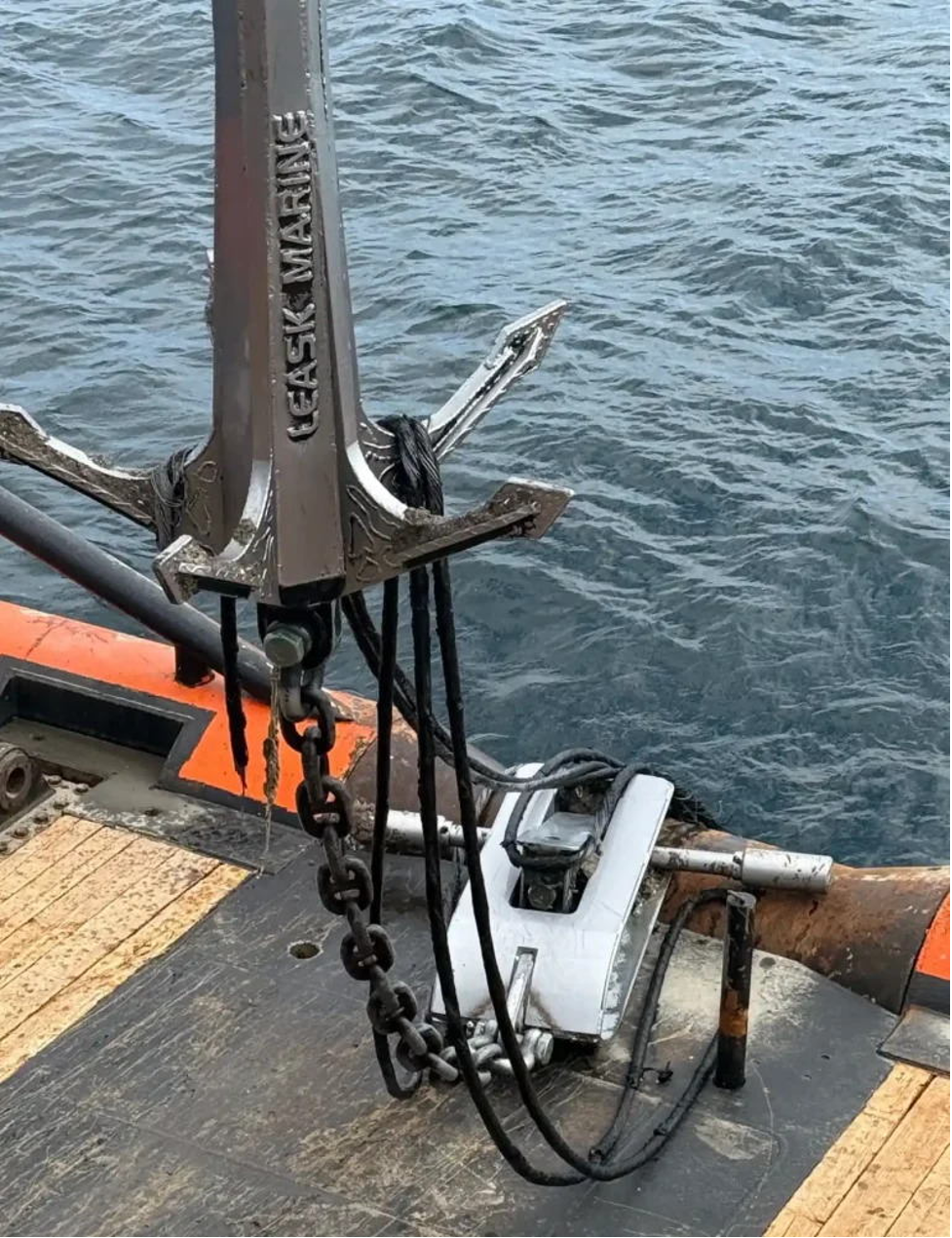
Dynamic Load Monitoring Ltd. Is providing a Stingray acoustic positioning grapnel to enable Leask Marine Ltd. to track a grapnel train within a narrow corridor at a North Sea wind farm.

DLM offers design, manufacture, repair, and calibration of load cells, load monitoring, and cable working equipment for the wind energy, renewables, and telecommunications sectors. It has steadily grown its grapnel range, used for recovering lightweight, fiberoptic, or heavier-duty armored cables on the seabed. The products are used by subsea cable lay companies and ship operators for pre-lay grapnel run (PLGR) and route clearance operations.

Close-up of the Stingray attached to the Leask Marine grapnel. (Courtesy: Dynamic Load Monitoring Ltd.)

In this instance, Leask Marine Ltd, an international marine contractor, was conducting PLGR work ahead of installing two export cables and was seeking a solution that enabled accurate tracking of a grapnel train within a narrow corridor. Leask required a system that provided complete visibility of the grapnel train’s position at all times, enabling Leask to ensure it remained within the programmed route over an 80km run.

Technically, the Stingray is not a grapnel, as it doesn’t “grapple” for anything. However, the shape of it is based on the front skid of DLM’s wheeled detrenching grapnel. As a grapnel train is being towed, it is often assumed that it falls in line with the direction and movement of the vessel and follows the same path. However, this is not necessarily the case due to the length of the tow line and also the length of the train; the whole assembly can wander and in some cases the grapnel train could be outside of the planned route.

Stingray, which gets its name from being relatively flat and moving along the seabed, can be connected in the grapnel train and uses acoustics to send a signal to a vessel towing the train to communicate where it is on the seabed. It is positioned at the rear of a train of multiple grapnels attached together and towed behind the vessel when a PLGR is being undertaken. It is located the furthest away from the ship’s stern.

“Without clear visibility of the grapnel train’s position, PLGR operators cannot react immediately if it deviates from its pre-programmed route,” said Martin Halford, DLM managing director. “This increases the risk of the train straying into no-go areas, which can lead to serious compliance issues — resulting in fines, equipment damage, and costly delays. Such delays can be significant, particularly when operators are required to repeat sections of the intended route. In offshore operations, where time is a major expense, unplanned re-runs can be the difference between a profitable and a loss-making project.”

The Stingray eliminated uncertainty around route deviations and reduced the likelihood of costly re-runs. By providing live data confirming that the grapnel assembly was progressing along its intended route, the client could act immediately if any deviations occurred.

“We approached DLM to enquire about the Stingray, as we were looking for a way to track our grapnel train,” said John F. Macleod, Leask Marine commercial director. “They were quick to react and fast-tracked the manufacture of the Stingray, delivering it on time for our project. We were impressed by how reliable and accurate it proved to be, protecting both our equipment and surrounding infrastructure.”

In addition to tracking and avoiding project delays, the Stingray ensured there was no damage to the grapnel train arrangement or any associated equipment. The surrounding environment — wildlife, local pipelines, etc. — wasn’t impacted, and regulatory requirements were met.

More info: www.dlm-uk.com

Simply Blue welcomes investment from Kansai Electric

0

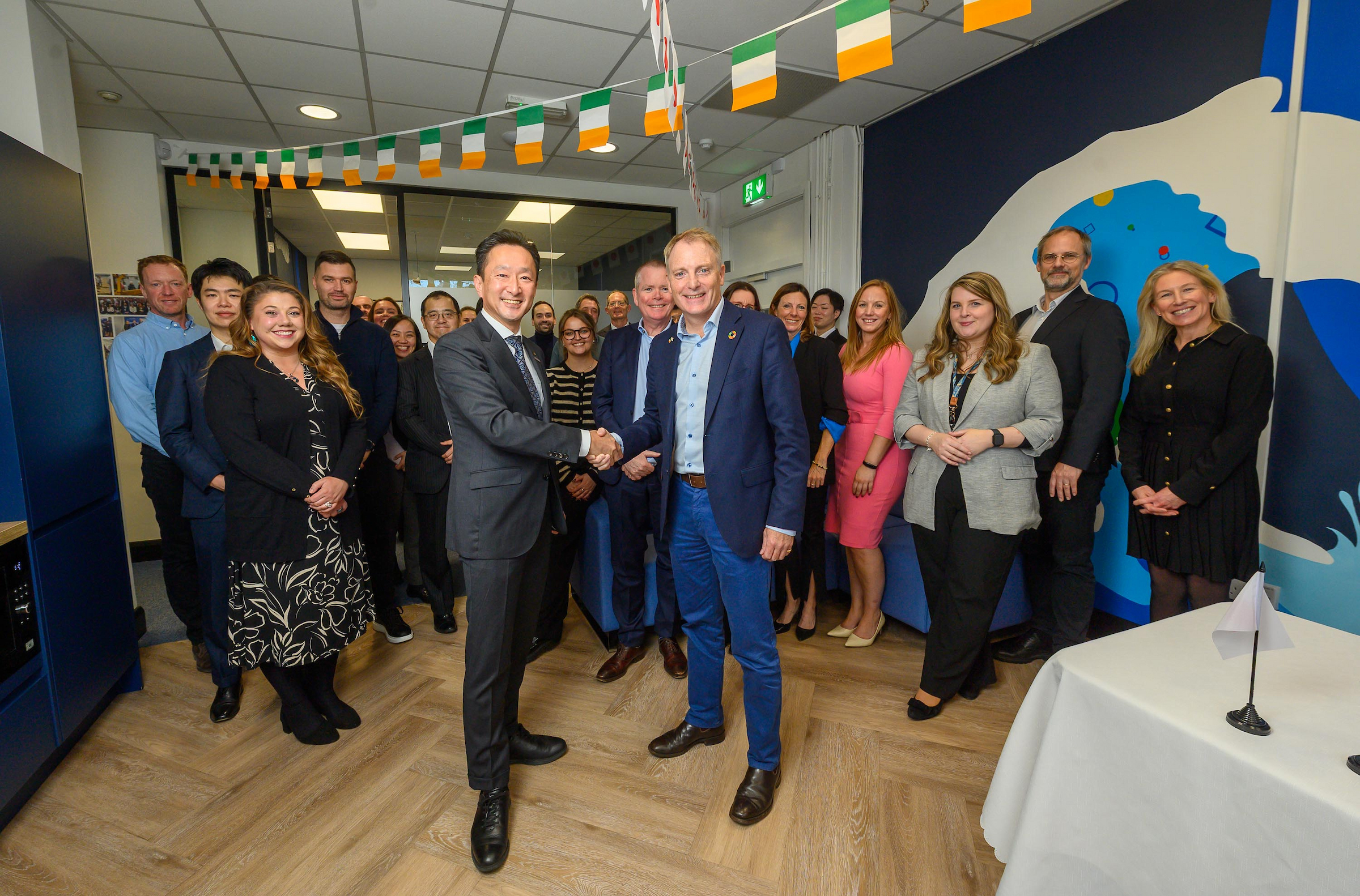
Simply Blue Group announced that Kansai Electric Power Co., Inc. has signed a share subscription agreement with Simply Blue Group’s offshore wind development arm, Simply Blue Energy OSW Ltd.

This strategic investment marks KEPCO’s first investment involving management participation in an offshore wind developer.

Hugh Kelly, co-founder & CEO Simply Blue Group, and Toru Kuwahara, executive vice president, and general manager of Global EX Division of Kansai Electric Power Co. with members of the KEPCO and Simply Blue Group team in Cork for the official signing ceremony of a Share Subscription Agreement between the two companies.(Courtesy: Simply Blue)

Simply Blue Group is a leading developer of renewable energy projects. Simply Blue Energy OSW Ltd. is actively engaged in multiple offshore wind projects across Europe and elsewhere and possesses extensive experience and expertise in offshore wind development from the early stages of project formation. With KEPCO’s investment, SBE OSW aims to accelerate the expansion of its offshore wind portfolio.

This investment represents a pivotal moment for us at Simply Blue Energy OSW Ltd. The support from KEPCO provides the strength and resources needed to scale our operations and advance our offshore wind initiatives,” said Hugh Kelly, Simply Blue co-founder and CEO. Together, we are poised to deliver significant contributions to the clean energy transition.

“We are honored to embark on a partnership with Simply Blue Energy, a developer possessing a pioneering spirit and extensive expertise in the field of offshore wind power,” said Toru Kuwahara, KEPCO’s executive vice president and general manager of Global EX Division. “Through this collaboration, we aim to further advance offshore wind development for both companies and contribute to achieving a carbon-neutral society.”

This strategic investment reflects Kansai Electric Power Group’s long-term vision to contribute to the realization of a zero-carbon society and ensure the sustainable, stable supply of clean energy worldwide.

Its offshore wind arm, Simply Blue Energy OSW Ltd. (SBE OSW) is actively developing a significant renewable energy portfolio, including 8 GW of floating offshore wind and 4 GW of fixed-bottom wind projects across multiple markets.

More info: www.simplybluegroup.com

Liebherr USA names new director for mobile and crawler cranes

0

Liebherr USA, Co. has named Simon Schuster as divisional director of mobile and crawler cranes. Schuster will be taking over the role previously held by Pierre Bilgeri.

Simon Schuster is Liebherr’s new Divisional Director of Mobile and Crawler Cranes.   (Courtesy: Liebherr)

As divisional director, Schuster will be responsible for ensuring support for U.S. mobile and crawler crane customers in regard to new crane sales, used crane sales, customer service, and spare parts.

“I am honored to have been entrusted with the responsibility of managing the mobile and crawler crane division and look forward to the future with our U.S. customers and employees with a healthy dose of respect and an even greater dose of anticipation,” said Schuster.

Schuster brings a robust engineering and leadership background to his role as divisional director. He holds a Bachelor of Engineering in industrial engineering from Ravensburg-Weingarten University of Applied Sciences and a Master of Engineering in Leadership in Industrial Sales and Technology from Aalen University.

Schuster began with Liebherr in 2018 as a sales trainee at Liebherr-Werk Ehingen GmbH, where he underwent on-the-job training across multiple business units and departments.

In 2020, he advanced to the role of area sales manager for the U.S. and Canada, serving as a liaison between these markets and Liebherr-Werk Ehingen. Schuster was responsible for aligning sales strategies, engineering coordination, and production planning.

“Simon brings extensive knowledge and experience of the U.S. market, having worked closely with both the U.S. team and customers over an extended period through his responsibilities in Ehingen,” said Kai Friedrich, managing director, Liebherr USA. “His expertise will continue to drive the sales growth of the mobile and crawler crane divisions product portfolio as well as the service organization in the USA.”

The Liebherr Group is one of the largest construction equipment manufacturers in the world. The Liebherr Group includes more than 150 companies across all continents. In 2024, it employed more than 50,000 staff and achieved combined revenues of over 14 billion euros.

More info: www.leibherr.com

RECHARGE Wind Power Summit 2025 to debut in Germany

0

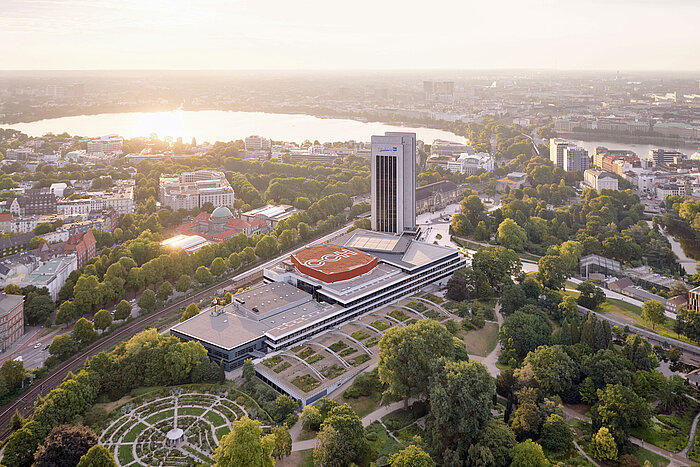
The RECHARGE Wind Power Summit 2025 powered by WindEnergy Hamburg takes place November 27, 2025 at the Congress Center Hamburg.

The event will bring together global industry leaders to discuss the future of wind power, policy, and innovation.

The International Energy Agency’s Renewables 2025 Report projects that renewable energy capacity will increase 2.6-fold by 2030 (Courtesy: WindEnergy Hamburg)

The one-day event will feature three in-depth sessions exploring market outlook, technology transformation, and energy security, along with exclusive networking opportunities and an accompanying exhibition featuring leading companies from across the sector.

With political uncertainty, regulatory shifts, and rising costs reshaping the global energy landscape, the wind industry faces mounting challenges and new opportunities.

The International Energy Agency’s Renewables 2025 report projects that renewable energy capacity will increase 2.6-fold by 2030, with China and Europe maintaining growth and India scaling its investments.

Bloomberg data show wind energy alone attracted more than $126 billion in investments in the first half of 2025.

WindEnergy Hamburg will bring together 1,600 companies from 40 countries and 43,000 participants from 100 nations at Hamburg Messe und Congress. Covering 80,000 square meters of exhibition space, the event offers an overview of the onshore and offshore wind value chain, including a dedicated Energy Storage expo area. More than 300 experts will take to five open stages as part of a free-to-attend conference program.

More info: www.windenergyhamburg.com

Vaisala launches new probe recalibration and reuse service

0

Vaisala, a global leader in measurement technology, has launched an innovative new instrumentation service, Vaisala Circular.

Developed for applications where measurement accuracy and uptime are critically important, Vaisala Circular is a comprehensive service platform designed to ensure that measurements are as accurate, uninterrupted, and reliable as possible, in the long-term.

Under Vaisala Circular, customers have a dedicated pool of measurement probes, securely stored and maintained at Vaisala’s service centers. When calibration is necessary, customers simply order replacement probes from Vaisala online and swap them in — thereby minimizing measurement downtime. Batches of used probes then circle back to Vaisala for recalibration, storage, and re-use. These refurbished probes retain warranty for the full term of the Circular agreement.
“As the designer, developer, and manufacturer of measurement probes, we are in the best position to maintain them and deliver long-term value for customers,” said Shan Gao, director of Vaisala’s Global Service Line. “Our testing, maintenance, and calibration capabilities are so rigorous that probes are returned to operation with appropriate certification, and in ‘as-new’ condition. When Vaisala probes are used and maintained according to specifications, they can be expected to last for more than a decade.”

By assuming responsibility for probe management, Vaisala Circular delivers long-term peace of mind to customers, providing reliable, accurate measurements and enabling process optimization and waste reduction to improve sustainability.

The range of measurement parameters included in the Circular service is the widest offered in its market and includes humidity, dew point, temperature, carbon dioxide, and hydrogen peroxide.

“Circular is a good example of Vaisala’s determination to develop life-long partnerships, offering customers increased operating uptime and reliable measurements, with predictable instrumentation and maintenance costs,” Gao said.

Circular Service key points:

  • Maximizes accuracy and reliability.
  • Minimizes downtime and extends probe life and warranty.
  • Customers retain probe ownership, but Vaisala maintains them in “as-new” condition.
  • Uses Vaisala’s high-end calibration facilities, following world-class standards.
  • Reduces waste and optimizes efficiency to improve sustainability.
  • Makes probe performance and maintenance costs predictable.

More info: www.vaisala.com 

OEG improves offshore tech welfare at U.K. wind farms

0

OEG, a global energy solutions business, has installed its proprietary 500th in-turbine welfare unit across the UK’s offshore wind sector.

Operating from 15 UK locations, OEG has supplied offshore toilet facilities to major wind developers, further cementing its position as a trusted provider of offshore welfare solutions.

OEG’s in-turbine welfare units. (Courtesy: OEG)

Headquartered in Aberdeen, the company’s amenity solution is designed to improve offshore working conditions by providing safe, self-sufficient facilities directly within wind turbine towers. This enhances both safety and comfort by removing the need for time-consuming trips to standby vessels nearby simply to access a toilet.

The crew facility units are built for robust design and reliable performance in offshore conditions and are currently deployed across nine UK offshore wind sites. They are fully off-grid, requiring no external power or water connection, with an OEG servicing framework in place for cassette cleaning.

“With 500 welfare units now operational in UK waters, we are leading the charge in transforming offshore working conditions,” said Faye McFarlane, OEG Topside division’s business development manager. “These units give offshore technicians the comfort, hygiene, and dignity they deserve, while reducing unnecessary transfers between turbines and vessels, lowering risks, and enhancing operational performance for operators.”

“By cutting transfers, we are maximizing efficiency and enabling both personnel and vessels to be more productive on site. The welfare units also play a vital role in supporting and retaining a more diverse and inclusive workforce by making offshore facilities more accessible for women.

Available in both flatpack and fully built configurations, the units can be matched to the specific stage of an offshore wind project. The flatpack version is suited to operational sites where turbines are already installed, with OEG technicians completing assembly and integration offshore. The fully built option is typically used during pre-assembly phases, enabling straightforward deployment ahead of installation offshore.

More info: www.oeg.group/

Vestas wins orders for 239 MW of EnVentus turbines

0

Vestas has announced orders totaling 239 MW across eight wind projects located in the Münster region in North Rhine-Westphalia, Germany. The orders are part of Vestas’ Q3 2025 intake and mark another step in supporting Germany’s energy transition.

The German wind farm developer BBWind and its local partners developed the individual projects, and the partners supported the coordination and project management throughout the planning and execution phases.

Vestas has announced orders totaling 239 MW across eight German wind projects. (Courtesy: Vestas Wind Systems)

The orders include Vestas’ latest turbine technology of the EnVentus platform, featuring V172-7.2 MW and V162-6.2 MW wind turbines, tailored to local site conditions. This highlights Vestas’ ability to deliver flexible, high-performance solutions for customers’ wind energy projects. 

“We are proud to partner with BBWind in their efforts to develop community-led wind farms in one of Germany’s key regions for wind energy. These projects underline how our EnVentus wind turbine technology is ideally suited to meet our customers’ needs in the German wind market, and it will make a strong a contribution the country’s rapidly growing energy transition,” saidNils de Baar, Regional President, Vestas Northern and Central Europe.

“The EnVentus platform proves to be a strong solution for our community wind projects in North Rhine-Westphalia. We look forward to working with our partner Vestas to advance the energy transition in our core region,” said BBWind Managing Director Michael Schlüß.

More info: www.vestas.com

LDA Design to lead impact assessment for new Wales wind farms

0

LDA Design has been appointed to lead the Environmental Impact Assessment (EIA) and landscape services for two new proposed wind farms on public land in Wales.

Energy developer Trydan Gwyrdd Cymru is driving the two projects. The Welsh government launched the developer in 2024 to help realize its clean energy ambitions.

LDA Design will lead the environmental impact assessment as well as landscape services for two proposed wind farms in Wales. (Courtesy: LDA Design)

The proposed onshore wind farms will contribute to Trydan’s mission to deliver 1GW of state-owned new renewable energy by 2040. They will also provide jobs and training within the renewable industry.

LDA Design’s Kelly Norman, project lead for LDA’s work with Trydan Gwyrdd Cymru, said the projects would provide social, economic, and environmental benefits.

“We have assisted numerous renewable energy projects in Wales to date, ranging from some of the country’s largest schemes right through to smaller developments. So, we are excited to be supporting Trydan as it pushes to power more of Wales via renewables and to help local communities benefit directly from energy projects,” said Norman.

LDA Design will lead a team of consultants including Hayes McKenzie, Aqua Terra Consultants, Pager Power, Pell Frischmann, Sylvan Resources, Wallingford Hydrosolutions, Hardisty Jones, Heneb – The Welsh Trust for Archaeology, and Wind Power Aviation Consultants.

LDA Design is a 100% employee-owned creative consultancy made up of planners, landscape architects, EIA coordinators, and master planners.

LDA’s experience includes solar, offshore, and onshore wind and battery storage, as well as new nuclear, carbon capture, tidal, energy from waste and resource recovery schemes and onshore grid connections. The company has been involved with at least 160 onshore and 24 offshore UK wind farms.

More info: www.lda-design.co.uk

ONYX Insight appoints new CEO

0

ONYX Insight, the Macquarie Capital-backed provider of condition-based monitoring (CMS) solutions for the global wind industry, has appointed renewable energy technology executive Alexis Grenon CEO of the company.

Alexis Grenon is ONYX Insight’s new CEO. (Courtesy: ONYX Insight)

Grenon spent nearly two decades at Schneider Electric, most recently leading the Digital Grid division as CEO and member of the board. In this role, he was responsible for smart grids software, providing utilities with energy management solutions to ensure consistent power supply and renewables integration. Earlier, he led various global divisions delivering energy efficiency software, hardware and recurring services. Grenon started his career in software engineering at Thales Air Systems.

“ONYX Insight’s CMS suite has grown to be a top choice for wind turbine operators, owners and manufacturers to anticipate operational issues and reduce downtime through the use of predictive analytics and industry leading sensing technology. I am honored to be leading the company into its next stage of growth,” said Grenon.

ONYX Insight’s technology is trusted to protect more than $12 billion in assets, including 28,000 wind turbines across 35 countries. The company continues to expand and add new capabilities, including blade sensing, creating a comprehensive wind CMS suite, enabling wind operators to avoid catastrophic blade failures, optimize blade maintenance and increase overall operating efficiency.

“Alexis Grenon’s engineering leadership, deep knowledge of energy management systems and experience innovating state-of-the-art energy-focused digital solutions will be an invaluable asset to ONYX’s growing customer base,” said John Spirtos, Senior Managing Director at Macquarie Capital.

Ben Bailey, Senior Managing Director at Macquarie Capital, added: “Mr. Grenon brings a unique combination of energy sector experiences to advance ONYX’s capabilities for the benefit of its customers. We are delighted to welcome him as ONYX’s new CEO.”

More info: www.onyxinsight.com

WindSTAR gets NSF grant to power AI research projects

0

The University of Texas at Dallas has received continuing federal support for WindSTAR, the Center for Wind Energy Science, Technology and Research, a public-private research partnership designed to develop solutions for energy independence and reliability.

UT Dallas and the University of Massachusetts Lowell run WindSTAR, which recently received a five-year, $500,000 grant from the National Science Foundation (NSF), a supporter of WindSTARsince it was founded in 2014.

The new funding, which provides $250,000 to each university, supports projects that incorporate artificial intelligence (AI) to minimize manufacturing defects, predict the condition of turbine components, forecast wind conditions, and develop robust and resilient wind energy systems.

From left: Mechanical engineering professors Dr. Giacomo Valerio Iungo, Dr. Stefano Leonardi, Dr. Mario Rotea, Dr. Todd Griffith and Dr. Jie Zhang conduct research for the Center for Wind Energy Science, Technology and Research. (Courtesy: University of Texas at Dallas)

WindSTAR is an NSF Industry-University Cooperative Research Center (IUCRC) that aims to generate breakthrough research by facilitating collaboration between industry innovators, academic researchers and government agencies. It is part of UTD Wind, the Wind Energy Center at UT Dallas, which is dedicated to advancing wind energy science and engineering.

“This support from the National Science Foundation enables us to continue our work to strengthen the resiliency of the energy grid,” said Dr. Mario Rotea, UTD Wind director, WindSTAR site director, and professor of mechanical engineering in the Erik Jonsson School of Engineering and Computer Science. “Investments in WindSTAR enhance our ability to innovate new technologies to ensure greater reliability of our energy systems.”

The IUCRC has completed 79 projects for industrial members that include digital models to assess performance, measurement campaigns, control systems, materials processing and manufacturing for blades and towers.

“WindSTAR has created a direct pipeline between our graduate research and industry needs,” said Dr. Edward White, professor and department head of mechanical engineering and Jonsson School Chair. “More than 25 graduate students have gained invaluable experience working with industrial partners, and many have secured positions with WindSTAR member companies after graduation. This partnership is a model for how university research can be workforce development for the energy sector.”

More info: wind.utdallas.edu/research/windstar/