


Home 2019

Aquarius Marine Coatings launches anti-foul solution in offshore sector

0
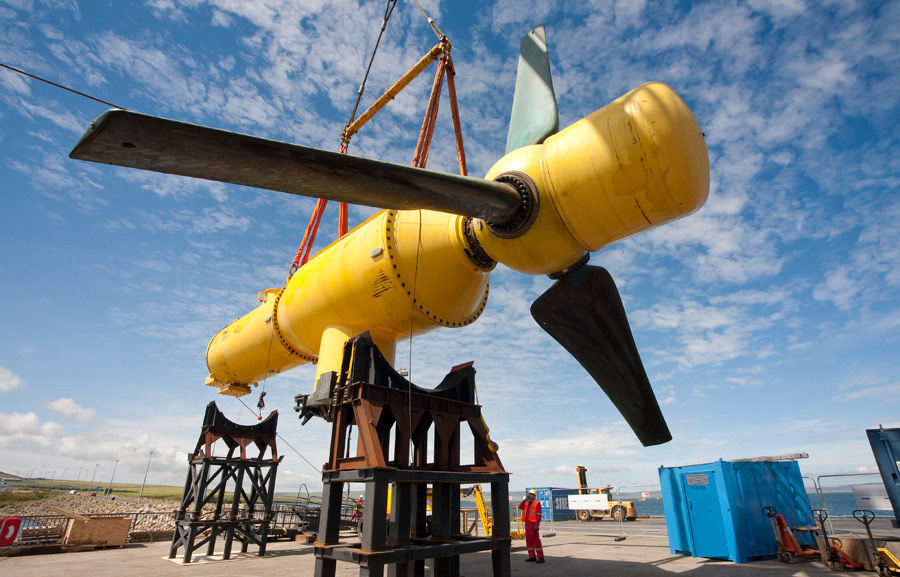
The launch follows the completion of a five-year trial funded by EDF Energy and undertaken by Plymouth Marine Labs (PML) in the U.K., which concluded that Coppercoat-Commercial is the best protective anti-foul solution for underwater turbines. (Courtesy: Aspectus Group)

Aquarius Marine Coatings Ltd. (AMC) recently announced the launch of its award-winning anti-foul coating, Coppercoat-Commercial, in the offshore energy sector.

The coating, which contains exceptionally high levels of copper, a natural anti-microbial agent, protects sub-sea infrastructure from hosting layers of plant, animal, and microbe growth while meeting environmental and safety standards. It ensures that underwater infrastructure continues to meet expected performance levels, while lowering maintenance costs and reducing the potential for planned and unplanned outages.

The launch follows the completion of a five-year trial funded by EDF Energy and undertaken by Plymouth Marine Labs (PML) in the U.K., which concluded that Coppercoat-Commercial is the best protective anti-foul solution for underwater turbines. Although the trial was carried out with a view to support wave and hydropower facilities, the same coating can be applied equally to any static or dynamic sub-sea structure to enhance the longevity and efficiency of both fixed and floating wind farms, particularly in areas of significant marine flow.

Further research conducted by Dr. Tom Vance at PML looked at loss of paint thickness over time and showed that Coppercoat-Commercial was also the most effective anti-foul in terms of longevity, losing just 4.3 percent over the five-year trial period.

“We developed Coppercoat for the marine industry 30 years ago,” says Jayson Kenny of AMC. “Since then, we have perfected our products and gained plenty of first-hand experience of what happens to vessel’s hulls and sub-sea equipment when left unprotected. Bio-fouling on sub-sea structures can cause all manner of problems, from accelerated aging, increases in weight, drag and operating temperatures, through to the erosion of metalwork. Ever more commonly we are encountering reports of microbial induced corrosion (MIC), a problem to which Coppercoat-Commercial provides a reliable long-term solution.”

The launch of Coppercoat-Commercial for the offshore energy sector comes at a key moment in the development of renewable offshore energy, as operators look to exploit opportunities in deeper waters where lifting, cleaning, and replacing subsea assets becomes significantly more difficult. Equally important, Coppercoat-Commercial is seen as a key component in extending the lifespan of the infrastructure necessary to support wave or hydropower and so can contribute toward making it a viable part of the energy mix.

AMC’s experience in the marine sector has demonstrated that Coppercoat-Commercial can last for 20 to 30 years depending on usage and conditions. The hard-wearing, densely copper-filled resin is suitable for both cold and tropical waters and can be applied by roller or spray and can be used on all surfaces including steel, concrete, aluminum, GRP, and various polymers. As it is both water-based and free from volatile organic compounds (VOCs), Coppercoat-Commercial is also the most environmentally safe bio-active anti-foul product on the market.

MORE INFO  www.aspectusgroup.com
3M offers product course for wind-energy customers

0
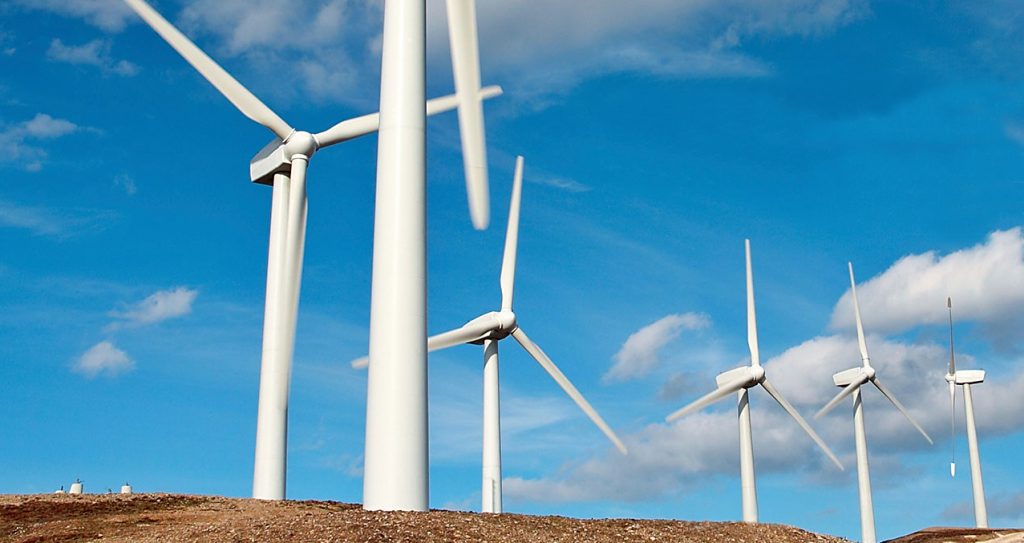
The product training is aimed at all service companies involved in the maintenance and repair of wind turbines and rotor blades. (Courtesy: WindSourcing.com)

In January 2020, WINDSOURCING.COM GmbH will again offer free product training for customers from the service market of the wind industry together with its supply partner 3M Deutschland GmbH.

The product training is on January 24, 2020, at the 3M Fall Protection Training Center in Hamburg and is aimed at all service companies involved in the maintenance and repair of wind turbines and rotor blades.

The training consists of three different modules. After the successful application training in February 2019, customers again have the opportunity to get to know the new 3M™ Erosion Protection Tape 2.0 W8750/W8780. The participants will learn the correct application practically on a blade model and receive a certificate of participation as proof of training, which is partly also required by the OEM. In the second training module, 3M™ presents the Acrylic Foam Tape, which can be used for the attachment of aerodynamic parts such as vortex generators. In the last module, participants get to know the 3M™ Peltor communication headset and learn where it can be used in wind energy.

The organizers expect service companies from all over Europe to participate in the training and therefore point out that the training will be offered in German and English.

MORE INFO  www.windsourcing.com/en/trainings/3m-product-training-2020

Wind development in the high seas could unlock offshore potential

0
While offshore wind at high seas clearly has barriers to overcome, it could drastically increase capacity by adding almost 70 percent more construction space to consider.

The offshore wind industry is making great strides in developing technology. That means projects can be built further from shore, including technological innovations in floating foundations and hydrogen storage. However, a new report by Chatham Partners, a boutique law firm specializing in renewable energy, indicates that if such technology were to allow the construction of wind farms in the high seas, the current legal framework would not have the scope to cover such development.

The high seas are all regions of the sea that sit outside the control of a single nation. They make up 50 percent of the surface area of the planet and cover more than two thirds of the oceans. However, the lack of clear rules covering development in the high seas will be a challenge for using any of these areas for offshore wind. According to the report, “Offshore Wind in High Seas: Unlimited potential beyond national control?”, the industry should call for discussions to form a robust legal framework now or risk missing the opportunities the high seas could offer in decades to come.

Global efforts toward decarbonization have proven offshore wind to be a viable alternative power source to fossil fuels. However, the sector could still face challenges in developing close to shore due to countries’ desire to protect coastal ecosystems and conflicts with local industries and the military or simply inactivity. These would not be obstacles in most of the high seas.

While offshore wind at high seas clearly has barriers to overcome, it could drastically increase capacity by adding almost 70 percent more construction space to consider. However, if offshore wind were to look to the high seas for development, the lack of a legal framework will become a major obstacle.

In particular, uncertainty around right of use, ownership, and jurisdiction of the high seas presents a significant challenge. Building close to shore in an Exclusive Economic Zone means that the relevant state has the remit to govern and authorize installation and operations of a wind farm under their national laws; but no such jurisdiction or governing body exists for the high seas. As such, offshore wind on the high seas would be too great a risk for any company to invest in.

Chatham Partners notes that precedents for international cooperation in order to take advantage of valuable resources already exist in the scope of current legislation. For example, fishing is regulated in the high seas by Regional Fisheries Management Organizations. The International Seabed Authority (ISA) acts as a governing body to authorize public and private organizations to extract minerals from the deep seabed outside their states’ jurisdiction. In addition, a treaty for biodiversity beyond national jurisdiction is currently proposed that may introduce so-called “area-based management tools” as well as various forms of governance — concepts that could include or serve as an example for a framework concerning offshore wind.

However, these precedents provide an example for the offshore wind industry of how many years a legal framework can take to be built. The ISA took more than 20 years of negotiation between member states to formally establish. The treaty concerning biodiversity has been negotiated since 2004 and will likely stay a draft for several years to come.

“Currently, offshore wind developers are only able to consider a third of the available sea when planning new sites,” said Felix Fischer, partner at Chatham Partners. “The high seas could have the potential to further unlock the expansion of offshore wind beyond what can be developed along coastlines if the industry deems it feasible from an economic and technical perspective. However, the technology to allow development in these areas could outpace the legislation.”

“Without a legal framework, these sites will remain out of reach for developers for decades to come,” he said. “If the high seas should become part of the answer to expanding offshore wind development and contribute to global decarbonization, building a viable legal framework is critical.”

MORE INFO chatham.partners/en/downloads

Renewables growth may close green hydrogen cost gap by 2030

0
(Courtesy: Wood Mackenzie)

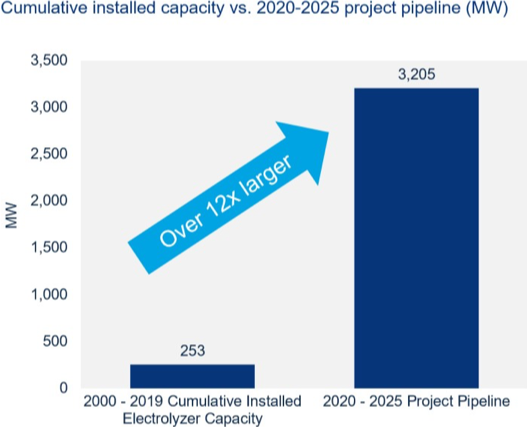
Green hydrogen production can compete with fossil fuel-based hydrogen by 2030 in Australia, Germany, and Japan, should renewable power prices reach $30 per megawatt hour (MWh), new research from global natural resources consultancy Wood Mackenzie indicates.

Today, wind and solar power purchase agreement (PPA) prices range from $53 to $153/MWh in those markets.

The production of hydrogen, used in industries as diverse as oil refining, steel manufacturing, and ammonia and methanol production, is carbon-intensive. In 2017, hydrogen production resulted in 830 metric tons of carbon emissions, greater than the annual emissions pumped out by the entire nation of Germany (797 metric tons) or the 677 metric tons attributed annually by the global shipping sector.

Wood Mackenzie’s research shows that less than 1 percent of all hydrogen produced today comes from renewable electricity, relying instead on natural gas and coal.

Switching to hydrogen produced by wind and solar via electrolysis, which splits water molecules into hydrogen and oxygen atoms, offers a significant opportunity to decarbonize its production and reach emissions targets.

According to Wood Mackenzie, from 2000 to the end of 2019, 252 MW of green hydrogen projects will have been deployed worldwide. By 2025, this will increase by 1,272 percent, with the deployment of a further 3,205 MW of electrolyzers dedicated to green hydrogen production.

“The large increase in the 2019-2025 period is partially due to the nascency of the market,” said Ben Gallagher, a senior analyst at Wood Mackenzie. “But aggressive targets in East Asia and increased interest from major international stakeholders will drive deployment in the near term.

“While cost-competitiveness might be out of reach in most scenarios by 2025, national targets and pilot projects will produce enough volume to realize substantial capex declines beyond 2025,” he said.

Gallagher said that as renewable energy deployment grows, so too will the green hydrogen market.

But there are challenges. While green hydrogen has made gains in a number of key markets, including Japan, Germany, and Australia, at present it cannot compete with the low costs of locally produced coal and natural gas-produced hydrogen in China and the U.S., for example.

On top of this, it remains unclear if renewable PPA prices worldwide will fall fast enough to make green hydrogen production competitive.

However, Gallagher is optimistic about the green hydrogen sector’s future.

“We are just embarking on the energy transition,” he said. “There are several unknowns that would further spur adoption of green hydrogen: changing policy dynamics, new carbon regimes, new ways to monetize grid flexibility, and lower-than-expected costs of renewables.”

MORE INFO  www.woodmac.com

XL Specialized Trailers introduces new Gooseneck Trailer

0
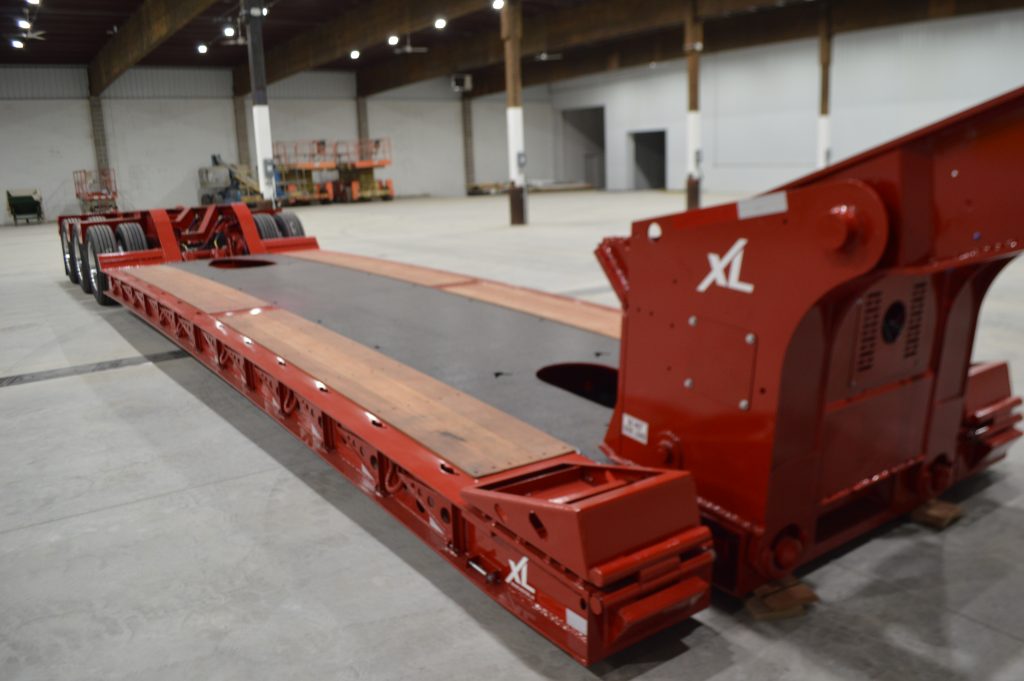
With a capacity of 110,000 pounds in 12 feet and many operator-friendly features, the Low-Profile Hydraulic Detachable Gooseneck (HDG) trailer is ideal for adaptable hauling in commercial and construction applications. (Courtesy: XL Specialized Trailers)

XL Specialized Trailers is releasing a newly designed Low-Profile Hydraulic Detachable Gooseneck (HDG) trailer to its lineup. The trailer offers a loaded deck height of only 15 inches.

With a capacity of 110,000 pounds in 12 feet and many operator-friendly features, the unit is ideal for adaptable hauling in commercial and construction applications. The 13-foot gooseneck has a swing clearance of 110 inches, and the relief cut out in the gooseneck provides additional space between the truck and trailer.

The hydraulic neck detaches and re-attaches quickly using a power unit or a wet kit. The redesigned sloped nose of the gooseneck protects the air and electric connections from damage.

Additionally, a new front access panel in the base of the gooseneck allows for easy engine maintenance. The neck also offers a five-position ride height. Based on neck position and load, the deck can be leveled as needed with the adjustable wheel area ride height. A work light in the upper deck increases visibility when monitoring the load at night.

With the 15-inch deck height and 4.5-inch ground clearance, this flat deck lowboy can accommodate loads that may otherwise require a dropside trailer. The new three-beam deck design offers an improved strength-to-weight ratio, keeping drivers’ payload possibilities high.

The Low-Profile HDG offers enhanced main deck features. The bucket well in the rear provides an area for an excavator bucket to ride safely and a toolbox at the front serves as a storage space. The main deck offers many tie-down points with seven pairs of bent d-rings along the outer beams, 12 chain drops per side on the outer rails, four chain drops around the toolbox, and swing out outriggers on 24-inch centers.

The wheel area’s drop bolster height of 37 inches allows for machinery to be loaded on the rear.  To decrease wear on the tires, the third axle airlift can lift up when it is not needed. The notched-out tail channel allows easy access to controls at the rear, and the air control valve is conveniently located in the bolster. Additionally, the frame of the XL Low-Profile HDG is prepped for a flip axle, allowing drivers to add a fourth axle when necessary. Bolt-on wheel covers are available for driving or parking on.

MORE INFO  www.xlspecializedtrailer.com

Transverse load-out supports semi-submersible floating wind farm

0
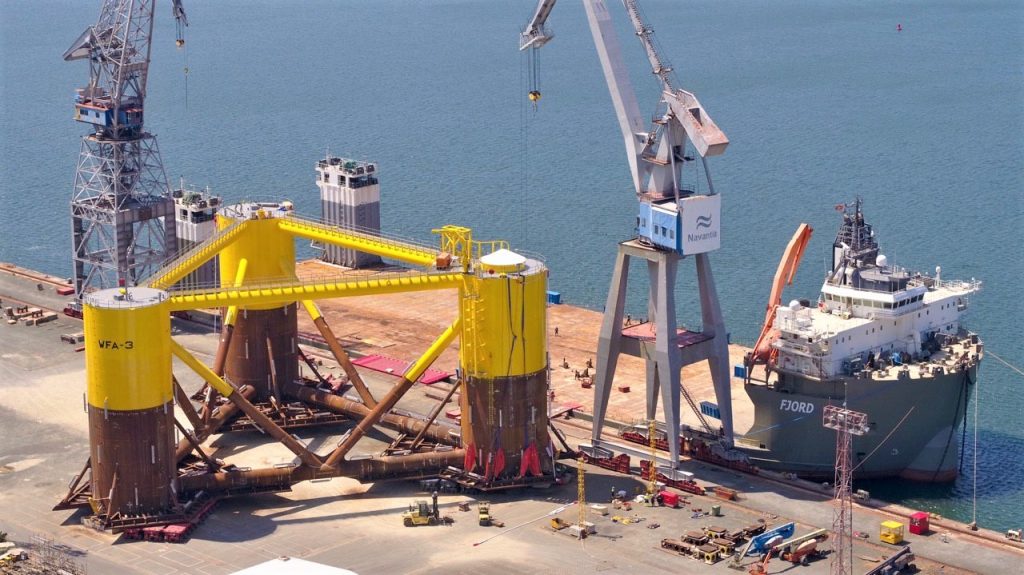
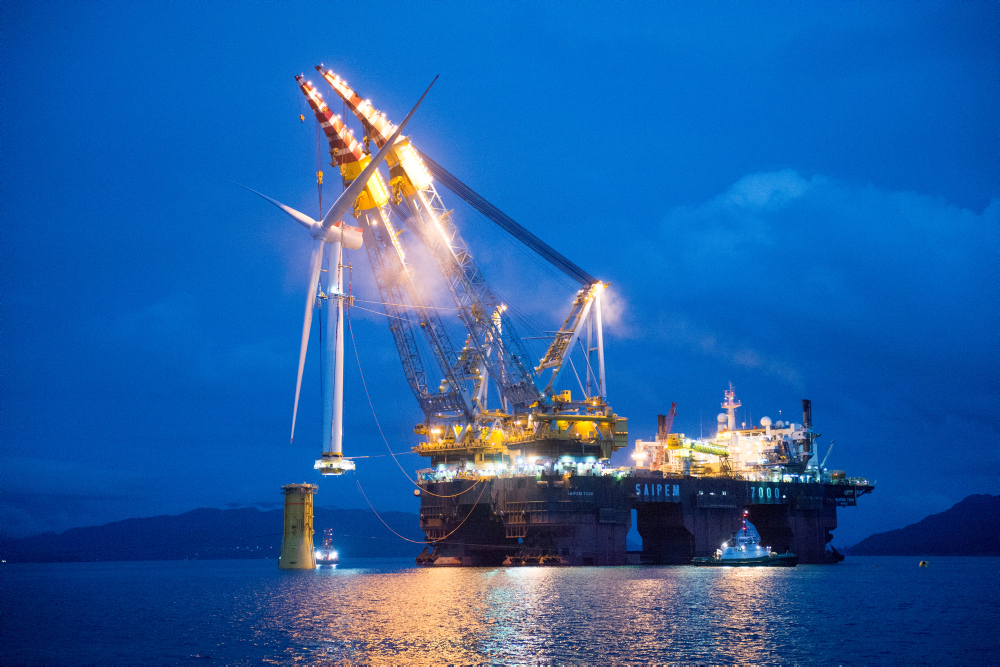
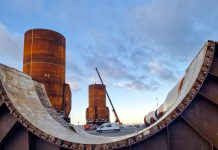
Construction and assembly of the more than 2,000-metric-ton structure took place as planned at the Navantia-Fene shipyard. (Courtesy: ALE)

The WindFloat Atlantic project is constructing the first floating wind farm on continental Europe, and will generate a capacity of 25 MW; equivalent to the energy consumed by 60,000 homes in a year.

Being a floating wind farm, it is secured to the sea bed with chains, and so avoids complex and disruptive offshore operations that might be damaging to the environment and costly.

ALE was chosen by its client Coordinatora to undertake the project, due to its expertise in performing complex load-outs on tight deadlines, as was the case here. Other projects elsewhere in the business had seen ALE perform transverse load-outs of large structures, experience that would be vital.

Construction and assembly of the more than 2,000-metric-ton structure took place as planned at the Navantia-Fene shipyard. Transportation was then required over a distance of several hundred meters to the quayside, and ultimately onto the Heavylift vessel Fjord.

Several factors made this project particularly challenging. The load-out operation was defined as Class 1, meaning strict time limits were in place; the operation was performed transversally, bringing obvious space limitations; the sheer size of the structure was also a factor, at 30-meters tall and with a distance of 50 meters between its columns.

To perform the load-out, ALE installed 236 axle lines of SPMT underneath the three corners of the structure, taking care to synchronize their movements to a high degree of accuracy. Three groups of 54-meter ramps also were installed between the quay and the deck of the Fjord, allowing the ro-ro operation to take place.

The structure was then towed to a position approximately 20 kilometers off the coast of Viana de Castelo, where it was installed. It will be joined by three similar structures in the near future.

This is a landmark project, involving the raising of the largest floating wind turbine on the planet. It is also allowing wind farms to move into deeper waters farther from the coast, where winds are stronger and more reliable than closer to shore.

MORE INFO  www.ale-heavylift.com

Siemens Gamesa project to power oil and gas offshore platforms

0
The Hywind Scotland floating wind power plant was installed at water depths between 90 and 120 meters. (Courtesy: Siemens Gamesa)

The world’s largest floating wind power plant will be installed in Norway, equipped with 11 Siemens Gamesa SG 8.0-167 DD turbines. Scheduled to be commissioned in late 2022, Hywind Tampen will be the first ever floating wind power plant to power offshore oil and gas platforms.

“We are pleased to have received the firm order from Equinor to be the supplier of this ground-breaking project,” said Andreas Nauen, CEO of the Siemens Gamesa Offshore Business Unit. “Thanks to our strong collaboration and joint focus on innovation, we are now at the forefront of developing this exciting technology and unlocking the vast potential for floating offshore wind power,”

Hywind Tampen will have a total capacity of 88 MW and be about 140 kilometers from shore in an area with water depths of 260 to 300 meters between the Snorre and Gullfaks oil and gas platforms. Specifically, this wind-power plant will be capable of meeting about 35 percent of the annual power demand of the Snorre and Gullfaks platforms.
By reducing the use of gas turbines on the fields, the project helps cut CO2 emissions by more than 200,000 metric tons per year, equivalent to the annual emissions from 100,000 passenger cars.

The floating foundations in the Hywind Tampen project are ballast-stabilized and anchored to the seabed with mooring lines. With their lightweight nacelles, Siemens Gamesa large direct drive wind turbines are particularly suited for floating foundations.

The innovative partnership between Siemens Gamesa and Equinor dates back to 2009, when the world’s first full-scale floating wind turbine project, Hywind Demo, was successfully installed in Norway. This initiative was followed in 2017 by the 30-MW Hywind Scotland floating wind power plant, currently the world’s largest, installed at water depths between 90 and 120 meters. Hywind Scotland is a hugely successful project that has world-class safety performance and the highest capacity factor of any offshore wind farm in the UK. The Hywind Tampen project continues this partnership, bringing industrial-scale floating wind a giant leap forward.

Offshore wind already has a strong foothold in Europe with close to 18.5 GW installed capacity and a global potential to reach more than 100 GW by 2030. Of this, floating offshore wind is estimated to constitute 10 percent of the market, potentially powering 12 million homes in 2030.

MORE INFO  www.siemensgamesa.com

NextEra Energy donates borescopes to Northeastern’s wind program

0
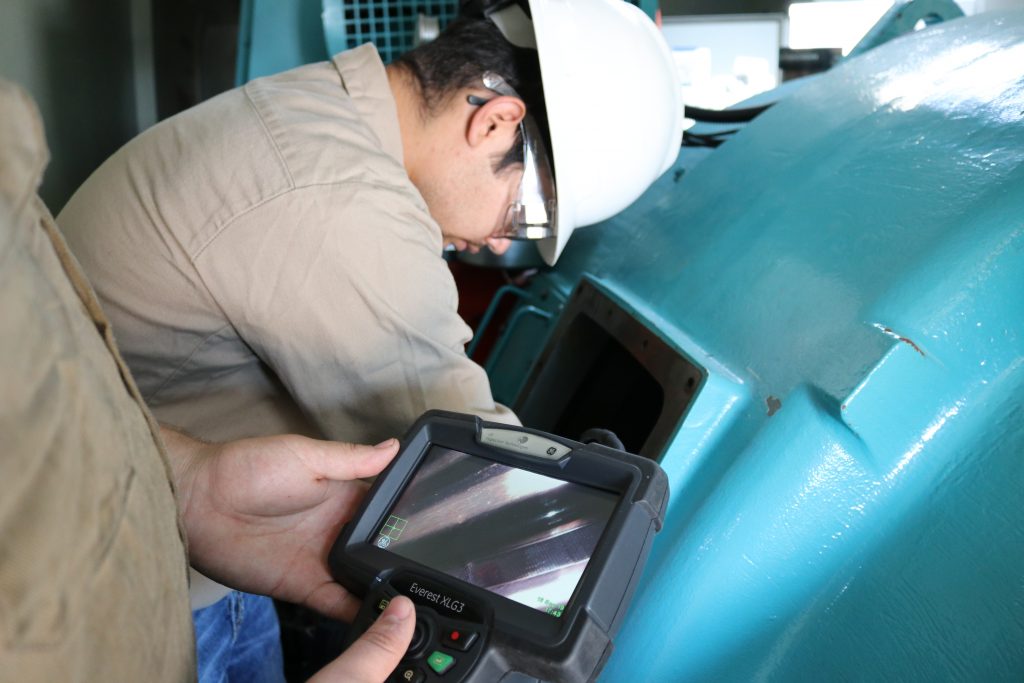
The borescopes allow students to use modern remote visual inspection techniques to learn how wind-generation equipment works. (Courtesy: NextEra)

Northeastern Junior College’s Wind Technology program has received a pair of borescopes donated by NextEra Energy Resources, one of the largest energy generation companies in the United States.

The borescopes, each valued in the thousands of dollars, allow Northeastern students to use modern remote visual inspection techniques to learn how wind-generation equipment works, said Jim Lenzen, assistant director of Renewable Energy at Northeastern.

“This generous donation by NextEra not only enables us to improve our students’ learning experience, it will make it much safer to learn how to perform wind equipment diagnostics,” Lenzen said. “We won’t have to tear down and reassemble defective components each semester, which allows us more time to focus on other hands-on learning experiences.”

A typical borescope is a device with a tiny camera and light source at the end of a long flexible thin probe. It is designed to gain visibility into otherwise hard-to-access spaces. Operators can manipulate the camera remotely via manual or electronic controls. Just as a physician uses an endoscope to peer into areas of the body for signs of injury or infection without major surgery, a borescope is used by wind-generation maintenance technicians to inspect the insides of gearboxes for defects or extensive wear, such as cracks in gear teeth, breaks and wear patterns, and pits in bearings. Borescopes capture pictures and information during inspections that can be logged and sent to a team of engineers for further analysis in a process known as preventative maintenance. The borescopes donated to Northeastern by NextEra are equipped with the same types of cameras used in real-world wind industry applications.

NextEra operates a large wind farm near Peetz, Colorado, where a number of Northeastern alumni work as maintenance technicians.

“This is a win-win for us to have NextEra as an industry partner,” Lenzen said. “The folks we work with appreciate the dedicated, hands-on program we offer students here and see the benefit of hiring technicians experienced at using the donated equipment NextEra also uses in its day-to-day operations.”

NextEra spokesperson Roxanne Reyes said the company is proud to be part of the Logan County, Colorado, community.

“Since 2007 we’ve operated the Logan Wind Energy Center, a 201-MW wind site that brings clean and reliable energy to the Centennial State,” she said. “Our partnership with Northeastern Junior College is mutually beneficial, and the program has our continued support for its efforts to teach the next generation of wind technicians in this rapidly-growing field of renewable energy.”

MORE INFO  www.NextEraEnergyResources.com

Southern Power Acquires Skookumchuck Wind Facility

0

Southern Power, a leading U.S. wholesale energy provider and subsidiary of Southern Company, recently announced the acquisition of its 12th wind project — the 136-MW Skookumchuck Wind Facility — from RES (Renewable Energy Systems).

“This project is a great addition to our renewable portfolio,” said Southern Power President Bill Grantham. “We continue to strive to develop clean, safe, reliable, and affordable wholesale energy resources for the benefit of our customers.”

The project, located in Lewis and Thurston counties, Washington, is Southern Power’s first wind facility in that state and contributes to the company’s growing renewable fleet of clean generating assets from California to Maine. Skookumchuck was developed by RES and is expected to use 38 wind turbines manufactured by Vestas.

Construction is underway, and the project is expected to achieve commercial operation in the first quarter 2020. Once operational, the electricity and associated renewable energy credits generated by the facility will be sold under a 20-year power purchase agreement with Puget Sound Energy, which will use the resource to meet the electricity demand of their Green Direct product customers.
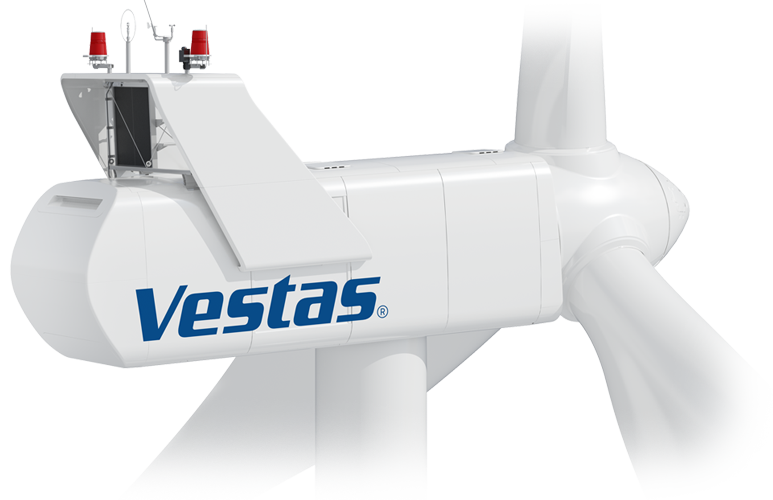

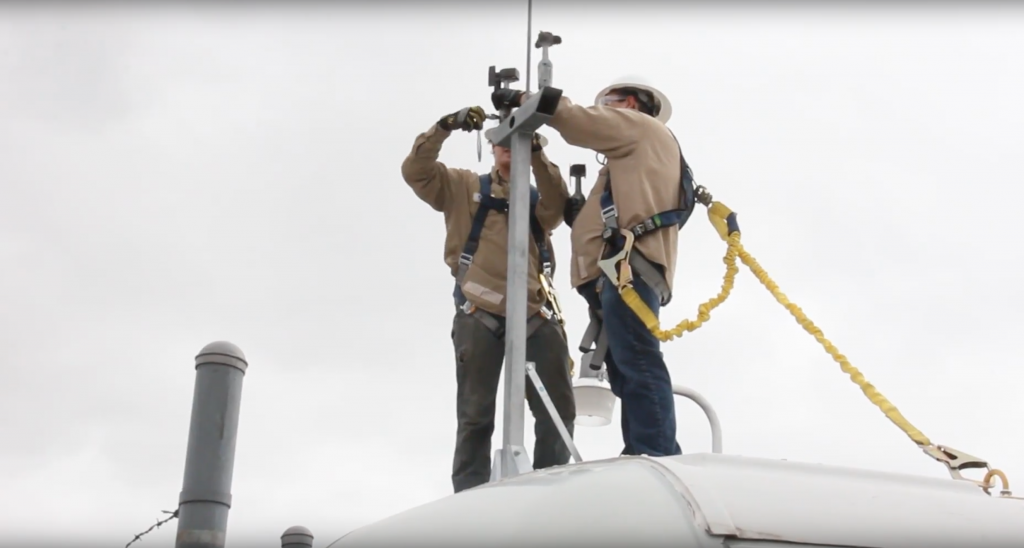
Southern Power is the majority owner and has signed an agreement to sell a minority stake in the facility to TransAlta Corporation upon commercial operation.

With the addition of Skookumchuck, Southern Power’s wind portfolio consists of more than 1,960 MW of wind generation. Southern Power’s wind facilities are a part of the company’s 3,190-MW renewable fleet, which consists of 40 solar and wind facilities operating or under construction.

This project aligns with Southern Power’s overall business strategy of strengthening its wholesale business by acquiring and developing generating assets that are covered by long-term contracts with counterparties with strong credit support.

Vestas wins 359 MW order of V120-2.2 MW turbines in U.S.

0
Turbine delivery is planned for the first quarter of 2020 with commissioning scheduled for the third quarter of 2020.

Vestas has secured an order for 359 MW of V120-2.2 MW turbines for a wind project in the U.S. Including previously purchased V112-3.45 MW components, the project has a total nameplate capacity of 400 MW.

The mixed platform site configuration demonstrates both the flexibility of Vestas’ 2 and 4 MW platforms and Vestas’ ability to create tailor-made site layouts designed to optimize the site’s wind resources.

The order includes supply and commissioning of the turbines as well as a 10-year service agreement, designed to ensure optimized performance for the lifetime of the project. Turbine delivery is planned for the first quarter of 2020 with commissioning scheduled for the third quarter of 2020.

The project and customer are undisclosed.

MORE INFO  www.vestas.com

Mobil advanced turbine oil approved for all GE wind turbines

0
GE’s lubricant approval process is one of the industry’s most demanding and includes more than 300 itemized testing parameters built around ASTM, DIN, and GE specifications.

ExxonMobil’s Mobil SHCTM Gear 320 WT advanced turbine gear oil has been approved by GE for use in all of its wind turbines worldwide. This approval applies to all of the more than 50,000 GE wind turbines in operation today.

GE’s lubricant approval process is one of the industry’s most demanding and includes more than 300 itemized testing parameters built around ASTM, DIN, and GE specifications. To obtain this approval, Mobil SHC Gear 320 WT gear oil underwent more than two years of field trials and inspections.

The approval follows ExxonMobil’s recent extension of Mobil SHC Gear 320 WT gear oil’s warranty from seven years to 10 years, which represents one of the longest warranties on the market. Any wind-turbine operator who uses this product can now take advantage of this extended warranty protection.

“GE’s approval is a testament to the performance of Mobil SHC Gear 320 WT gear oil — GE is one of the top-three turbine manufacturers in the world, and they have one of the most stringent lubricant standards in the industry,” said Mike Galloway, industrial equipment builder engineer at ExxonMobil. “Backed by our industry-leading warranty, operators can rest easy knowing that this oil can help protect against the extreme conditions wind turbines face all around the world, helping them achieve their long-term reliability and productivity goals.”

Mobil SHC Gear 320 WT was developed in collaboration with leading global original equipment manufacturers and features a proprietary additive technology designed to provide excellent protection against common types of wear such as scuffing and micro-pitting fatigue. The oil also does not contribute to white etching cracks, which are costly to repair.

MORE INFO  www.mobil.com/wind

NextEra Energy Resources donates nacelle to Northeastern wind program

0
A nacelle is the protective shell that houses all of the turbine machinery atop a wind generation tower. The nacelle donated by NextEra Energy Resources includes the driveline, gearboxes, generator, and braking systems that comprise a wind turbine.

NextEra Energy Resources is donating a fully-functional decommissioned wind-turbine nacelle to Northeastern Junior College’s Wind Technology program as a learning tool for one of the nation’s top wind technology education programs.

A nacelle is the protective shell that houses all of the turbine machinery atop a wind generation tower. The nacelle donated by NextEra Energy Resources includes the driveline, gearboxes, generator, and braking systems that comprise a wind turbine.

NextEra Energy Resources, one of the largest energy generation companies in the United States, is a major supporter of the college’s wind program. Northeastern is ranked among the top eight schools in the country for its wind technician academic program and is the only fully accredited wind technology college in Colorado. NextEra Energy Resources recently delivered the nacelle to the college’s Applied Technology Campus in Sterling, where it will be used as yet another hands-on learning laboratory tool.

“We’re very appreciative of NextEra Energy Resources’ generous support through these types of equipment donations,” said Jim Lenzen, assistant director of Renewable Energy at Northeastern. “It’s a win-win situation for both parties. Students benefit from the real-world experience they acquire from work they are tasked to perform on these donations, and NextEra Energy Resources reaps the benefits from our pipeline of graduating knowledgeable, highly skilled, work-ready technicians.”

NextEra Energy Resources operates more than 180 wind farms in the U.S., including the Logan Wind Energy Center, a 201-MW wind site near Peetz, Colorado, where several Northeastern alumni work as maintenance technicians.

MORE INFO  njc.edu

Vineyard Wind proposes 1,200 MW of offshore to Connecticut

0
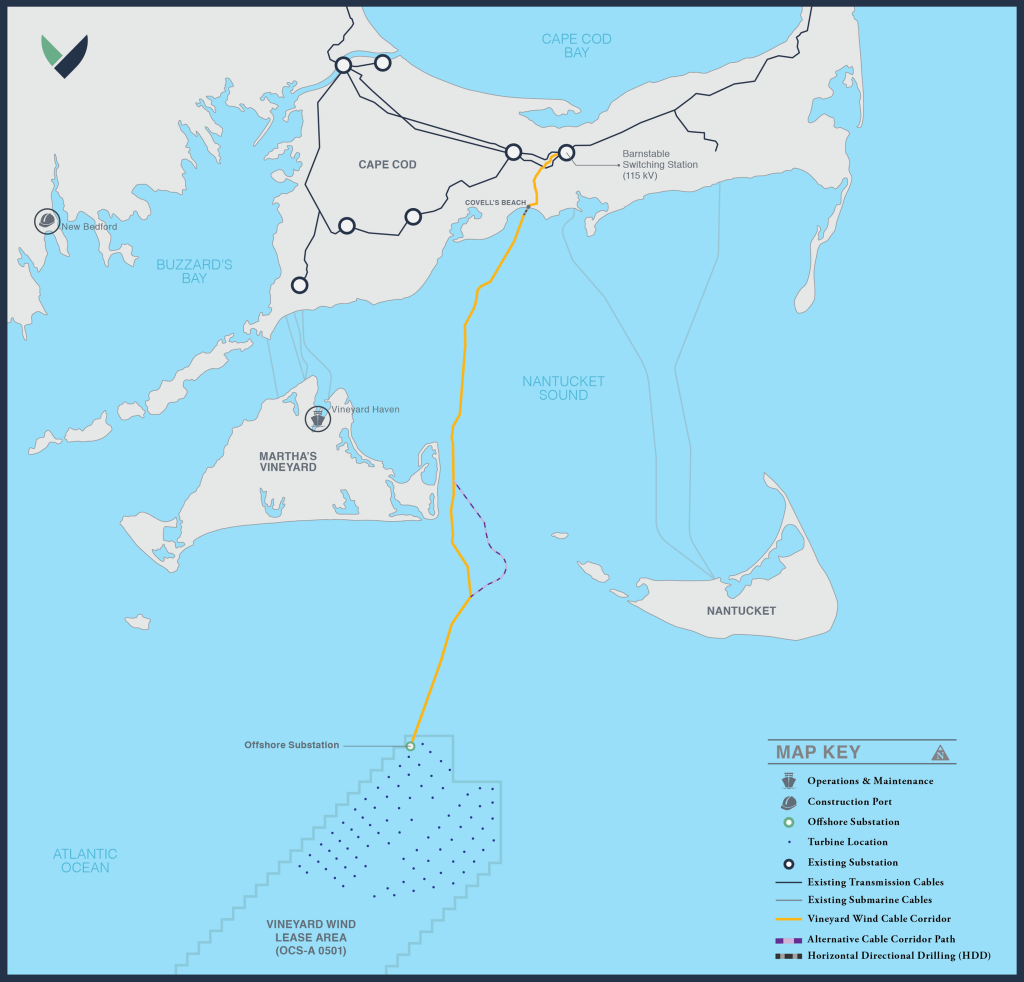
This map shows one of the two federally designated lease areas. (Courtesy: Vineyard Wind LLC)

Vineyard Wind recently set offshore wind-project proposals called “Park City Wind” to the Connecticut Department of Energy and Environmental Protection (DEEP) in response to their 2019 solicitation for offshore wind power.

The bids submitted include a required 400 MW plan and options to develop projects that will generate 800 MW, 1,000 MW, and 1,200 MW.

“Vineyard Wind is pleased to submit a dynamic set of project proposals to deliver a reliable source of fixed, low-cost, zero-emission energy to Connecticut rate-payers, while supporting the state’s efforts to reduce greenhouse gas emissions,” said Lars Pedersen, CEO of Vineyard Wind. “Our Park City Wind proposal is much more than an energy project — it’s an opportunity for Connecticut to develop a world-class offshore wind industry in Bridgeport and solidify its role as a high value industry hub in the U.S. for years to come. Vineyard Wind looks forward to working with all stakeholders involved throughout the review process and will be announcing additional details about this exciting opportunity in the weeks ahead.”

Park City Wind, named after the City of Bridgeport, includes projects ranging from 408 MW to 1,200 MW that would be constructed in one of Vineyard Wind’s two federally designated lease areas (Lease Area OCS-A 0501 and Lease Area OCS-A 0522). Both lease areas are located south of Martha’s Vineyard and Nantucket in the midst of the strongest winds on the east coast and would not be visible from any shoreline in Connecticut.

Each Park City Wind option will bring substantial economic development and job creation benefits to Connecticut, providing hundreds of millions of dollars in economic activity and thousands of jobs particularly in and near Bridgeport. Beyond the immediate job and economic opportunities, Vineyard Wind has sought partnerships with a number of preeminent educational and workforce development organizations to ensure that Connecticut residents of all skill levels, ages, and backgrounds can have access to a tremendous opportunity in this 21st Century industry.

Vineyard Wind LLC is an offshore wind development company seeking to build the first large-scale offshore wind energy project in the U.S. 15 miles south of Martha’s Vineyard. Vineyard Wind, based in New Bedford, Massachusetts, is 50 percent owned by funds of Copenhagen Infrastructure Partners (CIP) and 50 percent by Avangrid Renewables.

MORE INFO  www.vineyardwind.com

Montana celebrates grand opening of Stillwater Wind

0
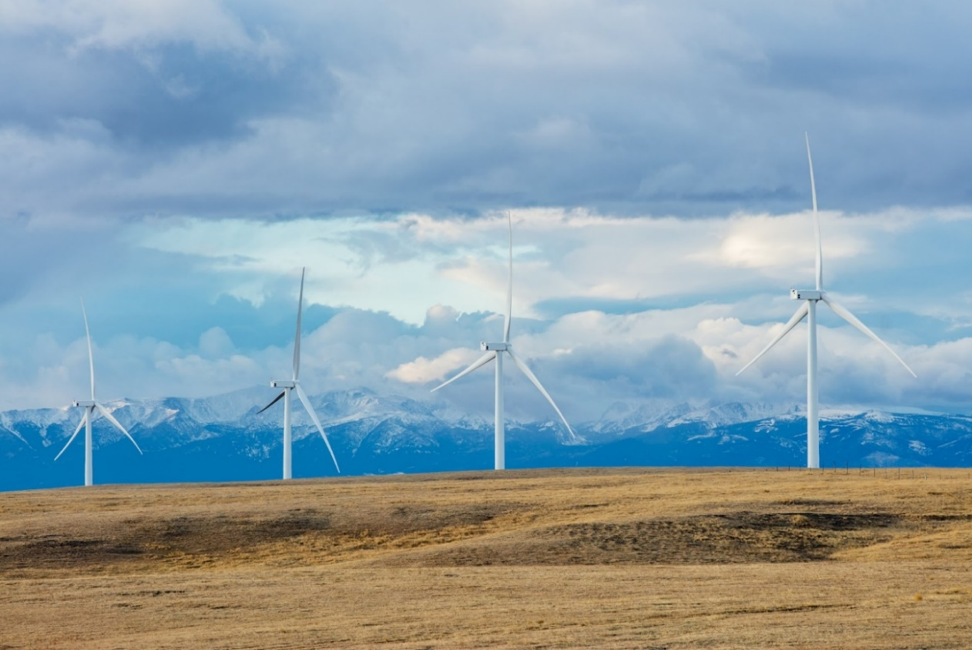
Stillwater Wind is using 31 Siemens Gamesa wind turbines comprised of five 2.3-MW turbines with 108-meter rotors and 26 2.625-MW turbines with 120-meter rotors.

Montana Gov. Steve Bullock and Sen. John Tester recently were a part of the grand opening ceremony of the state’s newest wind power facility — the 79.75 MW Stillwater Wind in Stillwater County, Montana owned by Pattern Energy.

“Montana ought to be in the driver’s seat when it comes to realizing renewable energy opportunities — and we can do so with new facilities like Stillwater Wind,” Bullock said. “We have incredible wind potential in this state, and I look forward to how this facility will benefit our clean air and water, grow our economy and local revenue, and support jobs in the community.”

“This facility shows that, with responsible energy development, we can have the best of both worlds,” Tester said.  “We can create new jobs and economic opportunities, while also working to address climate change.”

“Our first wind power facility in Montana is now generating strong benefits for the state, including millions of dollars in tax revenue, while producing enough clean energy to power 23,000 homes each year without any emissions,” said Mike Garland, CEO of Pattern Energy. “Montana has one of the strongest wind resources in the U.S., and we’re proud to be harnessing the power of its wind through this new facility.”

Stillwater Wind is using 31 Siemens Gamesa wind turbines comprised of five 2.3-MW turbines with 108-meter rotors and 26 2.625-MW turbines with 120-meter rotors.

Construction of the project created approximately 80 jobs within the local and regional communities and it is employing up to six full-time personnel during operations. The two construction contractors responsible for construction of the Stillwater Wind project, Dick Anderson Construction and EPC Services Company, are both headquartered in Montana.

Over the first 25 years of the facility’s operational life, it is expected to produce more than $18 million in tax revenue. The local county will also receive impact-fee payments over the first three years, in addition to royalty payments to participating landowners.

Stillwater Wind has a 25-year Power Purchase Agreement for 100 percent of the energy produced. The facility interconnects to the local transmission provider’s 230-kV transmission line via a newly constructed 230-kV switching station.

MORE INFO  www.patternenergy.com

Dominion Energy announces largest offshore wind project in U.S.

0
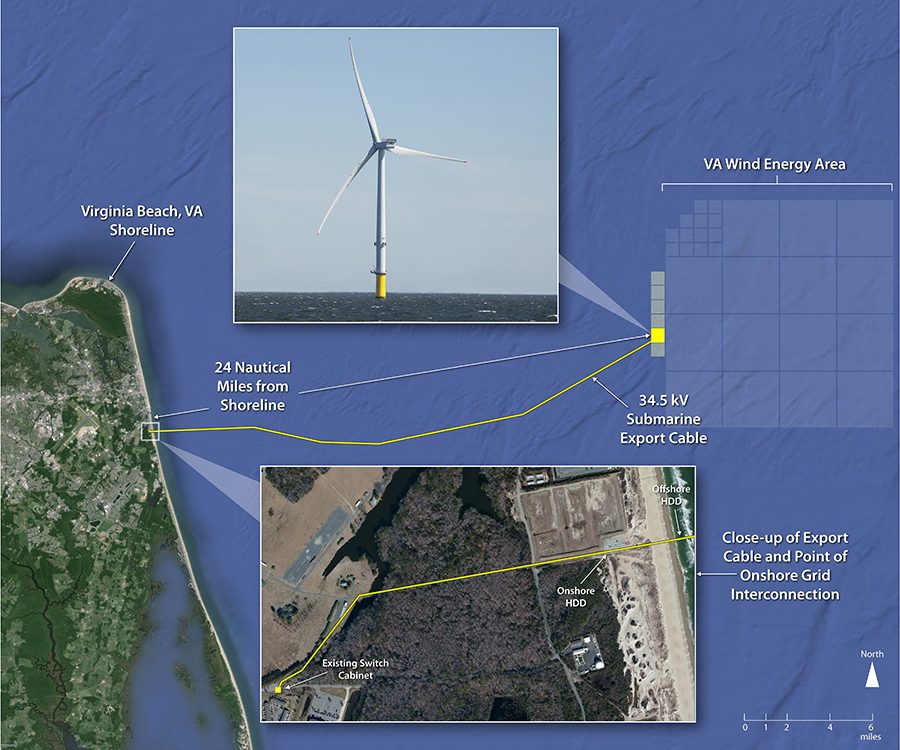
The wind turbines point to the location of the two-turbine demonstration site 27 miles or 24 nautical miles offshore from Virginia Beach. It also depicts the route the distribution line will take to deliver the wind energy to customers on shore. The Virginia Wind Energy Area represent the 211,000 commercial lease Dominion Energy holds for future development of up to 2,000 megawatts of offshore wind.

Dominion Energy is proposing the largest offshore wind development in the country to provide more renewable energy to its customers in the Commonwealth and provide a boost to the offshore wind industry on the East Coast.

The company recently filed an application with PJM, the regional transmission organization that coordinates the electrical grid in all or parts of 13 states and the District of Columbia, to interconnect the proposed turbines to the transmission grid.

Dominion Energy’s filing is a vital first step to move forward in developing Virginia’s full offshore wind potential. The company looks forward to working with the Northam Administration and other partners on next steps in public policy needed to realize both the clean energy and economic potential of offshore wind.

“Offshore wind is an excellent renewable energy source, and this filing with PJM shows how serious we are about bringing commercial-scale offshore wind to Virginia, giving our customers what they have asked for — more renewable energy,” said Mark D. Mitchell, vice president of generation construction. “Governor Ralph Northam has made it clear Virginia is committed to leading the way in offshore wind. We are rising to this challenge with this 2,600-MW commercial offshore wind development.”

Dominion Energy is aggressively pursuing a clean energy future anchored by a 55 percent reduction in carbon emissions by 2030. To accomplish this goal, the company is investing in solar and wind energy partnered with zero-carbon nuclear and low-carbon natural gas. The company also has planned investments in battery storage, pumped hydroelectric storage, and other resources that can support the intermittent nature of solar and wind.

If approved, the project would be in the 112,800 acres Dominion Energy is leasing from the Bureau of Ocean Energy Management 27 miles off the coast of Virginia Beach. Following the key filing with PJM, ocean survey work is expected to begin in 2020 and a construction-and-operations plan will be submitted in 2022.

Building on an expected successful deployment of the Coastal Virginia Offshore Wind (CVOW) project in 2020, Dominion Energy plans to move forward with its commercial offshore wind project in three phases, each totaling 880 MW. The first phase of the buildout will support initial generation of wind energy by 2024. Additional phases will come online in 2025 and 2026, totaling more than 2,600 MW of energy, enough to power 650,000 homes during peak wind.

The company began construction in June on the 12-MW CVOW project, which is the first fully permitted wind project in U.S. federal waters. Dominion Energy will leverage key learnings from the permitting, design, and development of that project as it goes through a similar process for commercial offshore wind development.

MORE INFO  www.DominionEnergy.com

Mayflower Wind offers low-cost, local manufacturing options to Massachusetts

0

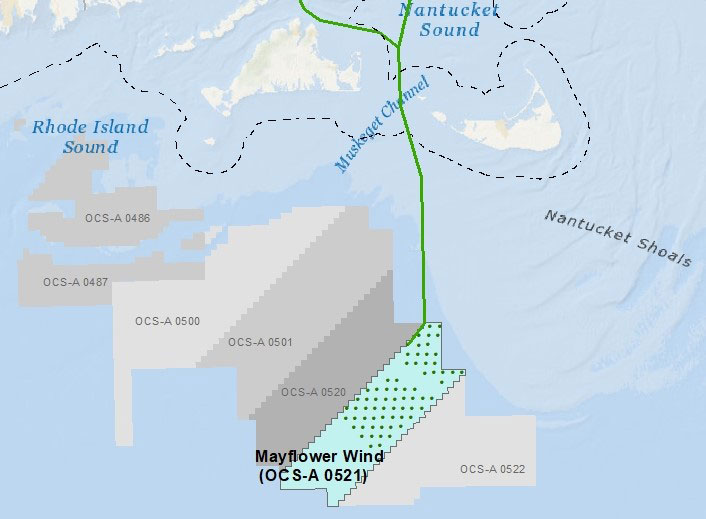
Mayflower Wind Energy LLC, a joint venture of Shell New Energies US LLC and EDPR Offshore North America LLC, recently provided the public version of its bids into the Commonwealth of Massachusetts’ second round of the Section 83C offshore wind-development procurement process.

Mayflower Wind submitted three 800-MW proposals as well as a 400-MW proposal to the Massachusetts electric utilities. The publicly available versions of the Mayflower Wind bids are available at www.mayflowerwind.com.

“We are very excited to submit these proposals to provide the utilities implementing the Commonwealth’s offshore wind policy with a range of options,” said John Hartnett, president of Mayflower Wind. “The low-price energy proposal includes strong support for research, workforce training, and economic development. Our infrastructure and innovation proposal adds significant strategic investments in port infrastructure and technology to the South Coast, boosting the fledgling offshore wind industry and the economy of the Commonwealth. Finally, our Massachusetts manufacturing proposal would further accelerate the process of Massachusetts assuming a leadership role in offshore wind by including a major new manufacturing facility that would serve both domestic and foreign offshore wind markets.”

In the months since Mayflower Wind acquired a Federal offshore wind lease, it has engaged with the fishing industry, local communities, tribal representatives, and local governments on the South Coast and Cape Cod, completed conceptual design of an entire offshore wind farm, filed for initial permits with the federal regulatory agency, and begun the process of pre-construction surveys.

Mayflower Wind brings deep experience and skills of its parent companies, Shell and EDP Renewables, to Massachusetts. These include successfully developing, permitting, financing, constructing, and operating offshore and onshore wind projects and offshore production facilities. Mayflower Wind draws on the experience of its parent companies who have the combined strength of more than 18,000 U.S. employees, a supply chain of more than 5,000 U.S. companies of which more than 800 are small businesses or women- and minority-owned enterprises, $400 billion in market capitalization, experience operating 6,300 MW of onshore wind in the U.S. and ongoing development and construction of 2,700 MW of offshore wind projects in France, the Netherlands, Portugal, and Scotland that are anticipated to be operational between now and 2023. This powerhouse combination gives Mayflower Wind the tools it needs to deliver projects in a safe, environmentally responsible, and timely manner.

More info: www.shell.com/newenergies

Triton Knoll selects Seacat Services for offshore vessel support

0

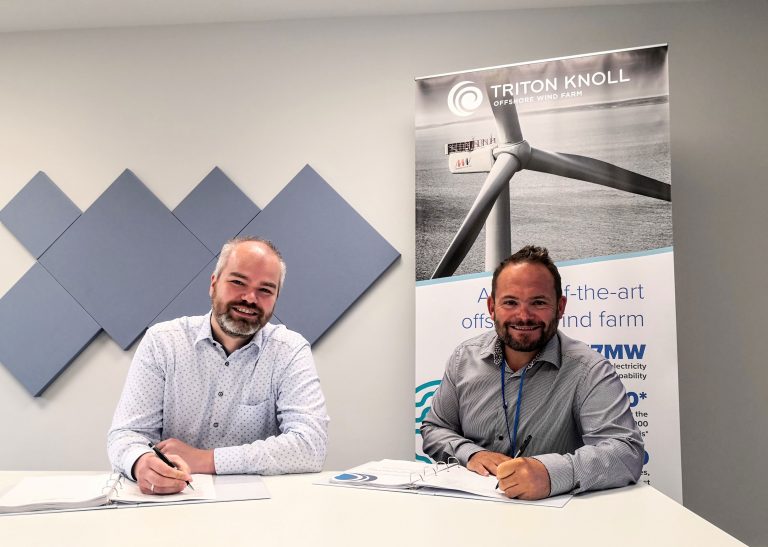
Class-leading offshore energy support vessel (OESV) operator Seacat Services has signed a long-term deal to support the construction phase of Triton Knoll offshore wind farm.

The contract, which includes options for further vessel charters, will initially see two Seacat Services OESVs — one 26-metER and one 24-metER catamaran — operating out of Triton Knoll’s new Grimsby construction base, providing specialist crew transfer and logistical support at the 90-turbine, 857-MW project off the U.K.’s East Coast.

With offshore construction set to commence in the first quarter of 2020, the first of the two vessels will begin preparation works at the project this winter, with the second set to join her in April 2020. Both are set to remain on the project until the end of 2021.

Triton Knoll will be the next major offshore wind construction project to enter U.K. waters when the first components are installed next year, and it has already made significant progress during the installation of the onshore electrical system. Once fully operational, Triton Knoll will be capable of generating enough renewable energy for the equivalent of more than 800,000 typical U.K. households.

Throughout construction, the wind-farm project continues to support the ongoing development of the domestic supply chain and recently launched a local recruitment drive for long-term operations technicians on the project. The contract with Isle of Wight-based Seacat Services extends a relationship that has already seen the project owner and vessel operator work together at Galloper Offshore Wind Farm.

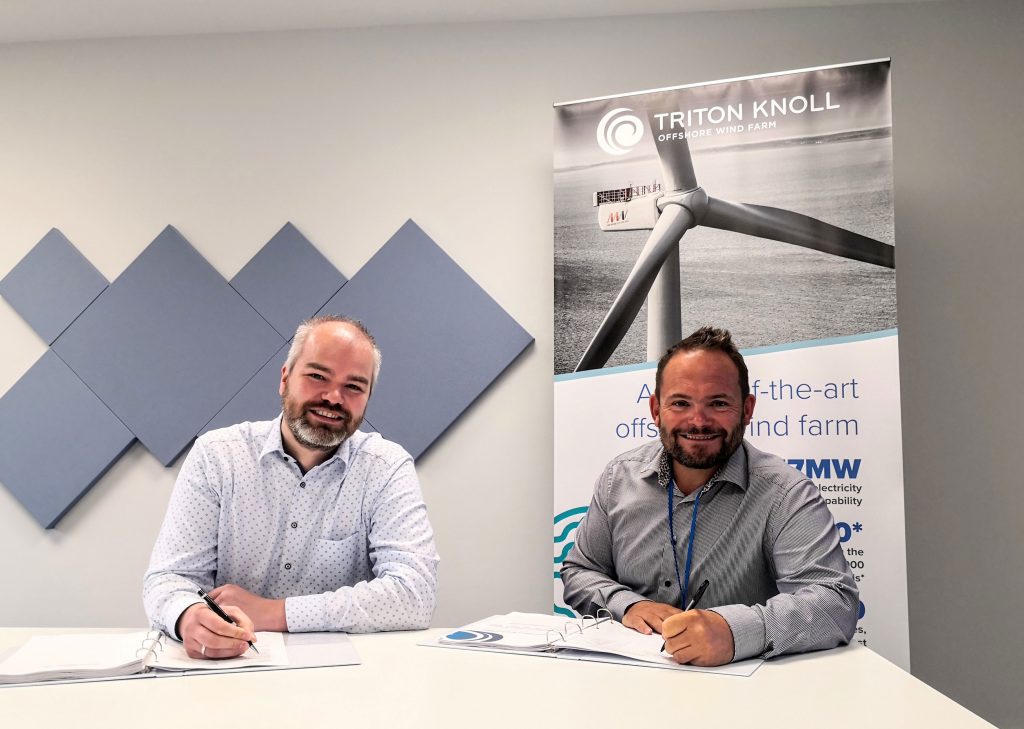
Ian Baylis, managing director of Seacat Services, and Matthias Reiker, finance director of Triton Knoll. Triton Knoll will be the next major offshore wind construction project to enter U.K. waters. (Courtesy: Triton Knoll)

Seacat Services’ entire fleet of 14 state-of-the-art OESVs has been built in the U.K., with two further catamarans currently under construction at the Diverse Marine shipyard in Cowes.

“We’re delighted to bring Seacat Services into the Triton Knoll team, further strengthening our project presence in Grimsby and reinforcing our commitment to the U.K.’s offshore supply chain,” said Matthias Reiker, finance director for Triton Knoll. “It is vital that the construction of the project is conducted as efficiently as possible while meeting our highest safety standards. In light of this, Seacat Services has proved a natural fit as a vessel provider, and we look forward to progressing our state-of-the-art project with them.”

The deal reaffirms the expertise of Seacat Services in managing complex logistical charters for large-scale offshore wind construction projects. For the duration of the contract, the pair of Seacat Services vessels will be operating out of the Port of Grimsby and will work in conjunction with the on-site Service Operation Vessel (SOV) as part of a shift-based approach that will keep them available on a 24-hour basis at the height of construction activity.

“During the time-sensitive offshore wind construction phase, the importance of a finely-honed approach to vessel management cannot be understated,” said Ian Baylis, managing director of Seacat Services. “It not only ensures maximum ‘time-on-turbine’ for project technicians to keep the project on track but can also create wider operational efficiencies that have an impact across the board. Having worked out of Grimsby previously, we’re looking forward to returning later this year and getting the project underway.”

More info: www.tritonknoll.co.uk

Siemens Gamesa reinforces its partnership with Southern Hills expansion

0

Siemens Gamesa has been selected by MidAmerican Energy Company for the Southern Hills Expansion wind-power project, which will feature 21 SG 4.5-145 wind turbines, operating at 4.8 MW, and will be in Iowa.

This project also features the company’s premier service and maintenance agreement for three and a half years.

This turbine model, a benchmark solution for sites with medium winds, has been designed to offer a flexible rating ranging from 4.2 to 4.8 MW, increasing its adaptability to be configured for optimal performance in each individual project, achieving maximum returns.
“We are once again proud to have been awarded a project by MidAmerican Energy Company, strengthening our long-standing relationship with them,” said José Antonio Miranda, CEO of Onshore Americas at Siemens Gamesa Renewable Energy. “We have had great success with the SG 4.5-145 wind turbine, with over 1.4 GW sold in the U.S., Canada and Mexico, and are excited to continue growing that number.”

Siemens Gamesa has installed more than 10,000 wind turbines in the U.S. totaling about 20 GW of installed capacity. In Iowa, Siemens Gamesa has installed nearly 1,400 wind turbines for a total of almost 3.5 GW. Of that, 1,164 units for a total capacity of nearly 3 GW are with MidAmerican Energy Company, highlighting the strong collaboration of both companies.

More info:  www.siemensgamesa.com

Sulzer Schmid and NNAISENSE develop AI engine for blade damage detection

0

Sulzer Schmid, a Swiss company pioneering UAV technology for rotor blade inspections, and NNAISENSE, a world leading artificial intelligence specialist, have partnered to develop an artificial intelligence engine to automatically detect rotor blade damages on wind turbine.

This leapfrog technology is expected to bring the twin benefits of improving the productivity and consistency of blade-inspection processes.

With this new development effort, the two partners are aiming to build the industry’s most powerful artificial-intelligence engine able to recognize damages based on inspection-image material. The initial version will be able to flag all areas of concern on any given damaged blade. Ensuing upgrades will add other capabilities, such as the ability to establish damage categories and severity levels.

“Maintaining the structural integrity of rotor blades is critical to maximizing energy output and ensuring the safe operation of wind turbines,” said Faustino Gomez, CEO of NNAISENSE. “We are convinced that we will be able to transfer our extensive expertise in surface defect recognition from other industries to the wind industry and are looking forward to our cooperation with Sulzer Schmid, an innovator in its own space.”

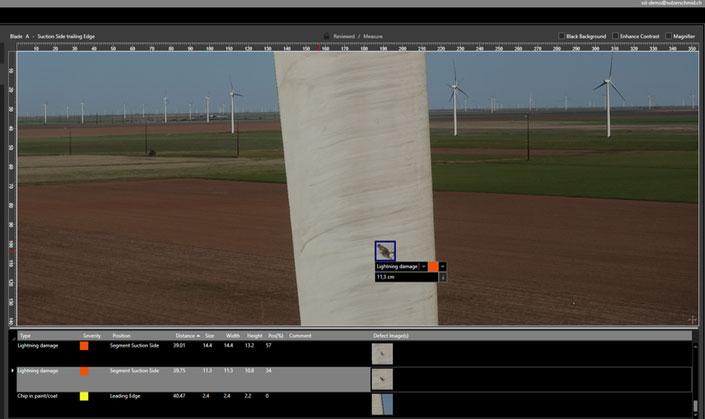
The autonomously flying drones of the 3DX™ Inspection Platform of Sulzer Schmid assure high-definition quality and consistent image acquisition time as well as 100-percent blade coverage while minimizing human errors and operational risks. The cutting-edge image assessment tools of the platform ensure detailed and efficient damage assessment. With the support of an AI-enabled inspection software, the review work of blade experts will be greatly facilitated. Instead of having to review the entire surface of the blades, they will simply need to focus on the pre-selected areas of concern. This technology progress will not only significantly boost the productivity of the reviewing teams but will also improve the quality of damage annotation processes.

“Maximizing end-to-end productivity is a key success factor in the highly competitive market of wind turbine inspection solutions,” said Christof Schmid, COO and co-founder of Sulzer Schmid. “Thanks to our collaboration with NNAISENSE, we will be able to push the envelope in this area and significantly advance the automation capabilities of our inspection platform.”

“We are very excited about our collaboration with NNAISENSE, a true leader in the visual recognition of surface damages by means of AI,” said Tom Sulzer, CEO and co-founder of Sulzer Schmid. “This will further enhance the added value we provide for our customers and partners.”

More info: www.sulzer-schmid-labs.ch

Semco Maritime adds new business area for offshore wind

0

Semco Maritime to leverage two decades of offshore wind project experience into a new business area focusing on the concept and feasibility phases of offshore wind projects.

Semco Maritime has a significant footprint in the offshore wind market, providing EPC solutions for offshore high-voltage substations (in cooperation with long-term partners Bladt Industries and ISC Consulting Engineers) as well as services and maintenance for offshore wind balance of plant. All in all, these business areas have been part of Semco Maritime’s offerings for almost two decades, and adding a new business area dedicated to concept and feasibility studies extends Semco Maritime’s offerings to cover almost the full life cycle of any offshore wind project.

“We have found that our unique in-house technical skills and experience can be leveraged into the early concept phases of developing offshore wind sites, ensuring that proper considerations are evaluated and that the right decisions are taken at an early stage,” said Tommy Flindt, director of Technology, Offshore Wind. “We have decades of successful EPC experience and feedback from sites in operation, and it will all be available to the benefit of our customers.”
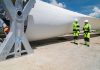

The offerings provided by Semco Maritime may include studies related to how to transmit offshore wind power to the onshore power grids factoring in the balance between project capital versus operational expenditures and asset availability.

“The studies for the offshore wind market cover a wide range of technical disciplines,” Flindt said. “As for some selected competencies, we are partnering with other strong engineering companies in the market. These partnerships have already been tried and tested on a number of successfully delivered studies for the European, Taiwanese, and U.S. offshore wind markets where our EPC and service experience has created good value and been of benefit to our customers.”

The new business area and selected references have been introduced to the Semco Maritime website.

More info: www.semcomaritime.com