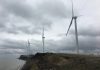







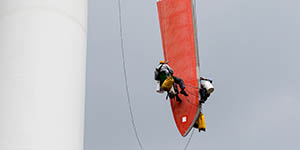
Across the American Midwest, turbines that once symbolized a new energy frontier are now simply part of the landscape.
Turning above cornfields in Iowa, along ranchland in Texas, and across the high plains of Oklahoma, wind turbines have become steady, familiar, and almost unremarkable. Yet, behind the quiet rotation lies one of the most important questions facing the U.S. wind sector today: What happens when the pioneering fleet surpasses its prime?
For much of the past two decades, the industry’s story has been dominated by scale — bigger rotors, taller towers, record-breaking installation figures. But, as the U.S. fleet matures and the original OEM service agreements expire, the narrative is shifting. Owners are weighing the high capital cost of full repowering against the more nuanced proposition of extending the life of those machines already generating revenue.
For companies like BGB, this shift represents not a compromise, but an opportunity to reimagine what “aftermarket” really means.
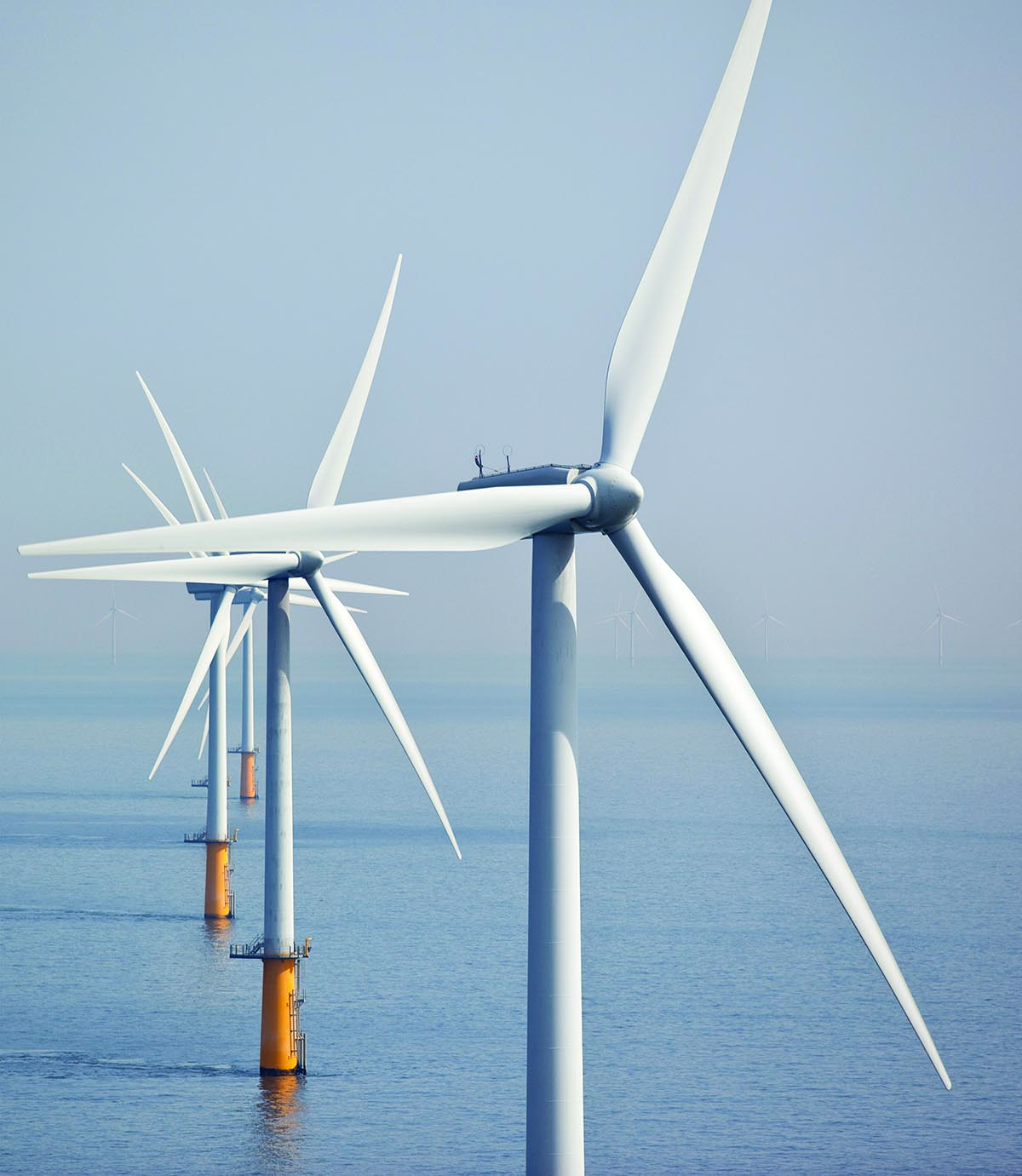
The moment after the contract ends
When a turbine’s original service agreement comes to an end, the operator enters a new phase of independence, gaining flexibility alongside full responsibility and liability. From here on out, every maintenance decision carries sharper commercial consequences. Downtime is no longer buffered by warranty structures, and spare parts strategies now become imperative boardroom discussions.
In the United States, where projects often span vast and remote landscapes, the true cost of a single, unplanned intervention can ripple far beyond the isolated turbine. Expenses such as crane mobilization, technician dispatch, and the resulting lost generation are a series of events that rapidly erodes margin in an already tightening sector. It would be easy to treat this stage conservatively, replacing failed components like-for-like and focusing only on restoring operations. But that mindset misses something fundamental. After 10 or 15 years in the field, a turbine has told you its story — it’s revealed its stress points; it’s shown you which components fatigue first, which seals struggle in humidity, and which electrical interfaces degrade under thermal cycling and operating in harsh environments.
But this knowledge isn’t a red flag or warning sign, it’s an engineering blueprint.
Engineering out the weak link
In Grantham, Lincolnshire, U.K., BGB’s testing facility hums with controlled intensity, forming a center of engineering excellence that supports its global operations, including its dedicated U.S. outfit. Here, components destined for turbines thousands of miles away — from the windswept plains and deserts of North America to sites across the globe — are subjected to simulated operational conditions, rotational stresses, vibration patterns, and cyclical electrical demands designed to mirror life inside a working turbine.
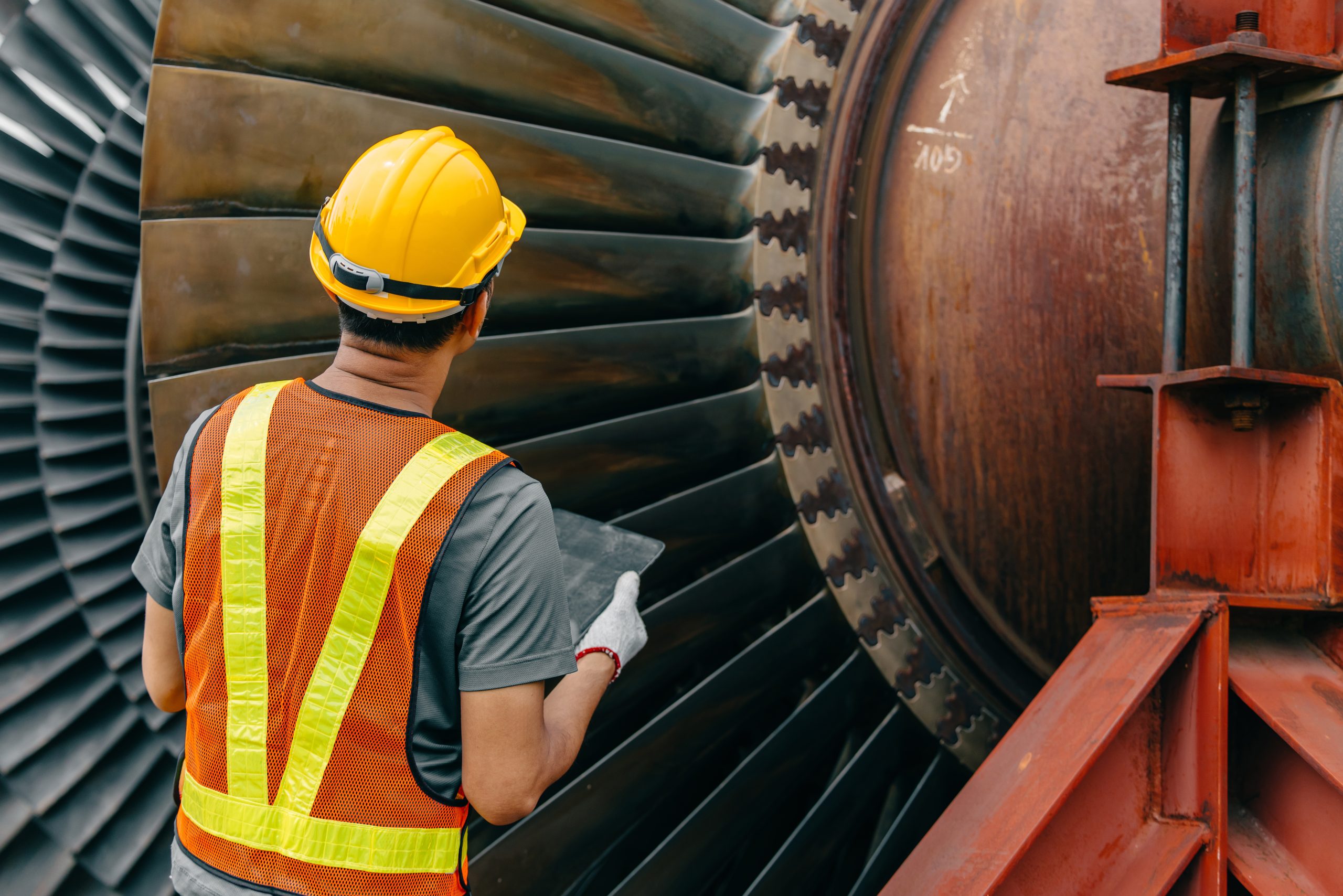
The goal is to replicate for refinement.
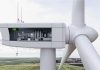
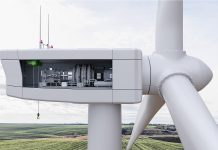
Slip rings, pitch systems, and other electromechanical assemblies are examined not as static parts, but as evolving systems. Materials are reconsidered; contact technologies are upgraded; tolerances are tightened, and designs are adjusted to exceed original specifications rather than merely match them. Retrofitting isn’t just about replacing like-for-like, it’s about understanding why something failed and making sure it doesn’t fail in the same way again.
For U.S. operators managing mixed fleets from multiple OEMs, this kind of engineering-first approach carries real weight. A component that lasts longer between service intervals does more than reduce costs, it changes the rhythm of an entire site with fewer call outs and fewer moments of turbine down time. In a sector where availability percentages are scrutinized down to a decimal point, incremental reliability gains amplified commercial advantage.
The economics of longevity
Repowering will continue to play a role in the American energy transition, particularly where brand new turbines and extended blades unlock compelling production gains. However, full repowering is capital intensive, logistically complex, and material demanding. The true inefficiency is that foundations, towers, and major drivetrain infrastructure are often still structurally sound when electronic or auxiliary systems begin to show age.Extending operational life by five, 10, or even 15 years — while improving performance in the process — can offer a powerful alternative. It allows operators to defer major capital expenditure, maximize the return on existing assets, and stabilize cash flow in an uncertain policy environment.
At the moment, there is also a deeper economic story unfolding. The supply chain volatility the sector has experienced in recent years has exposed the fragility of global component sourcing. Long lead times and transport costs have sharpened the appeal of advanced repair and refurbishment strategies. Restoring and upgrading core assemblies, rather than discarding them, shortens turnaround times and preserves the value embedded in the original manufacture.
What emerges is a disciplined strategy: treat the turbine not as a disposable unit of production, but as a long-term industrial asset worthy of continual refinement.
A circular future for a renewable industry
Wind energy has always carried an environmental promise. Yet as the sector matures, it must confront its own material footprint. Manufacturing new components consumes a huge amount of raw resources. Alongside astronomical costs, decommissioning assemblies generates huge amounts of waste. So much so, a few years ago, it was projected that as many as 25,000 metric tons of new blades would be scrapped every year, with this amount set to double by 2030. True sustainability demands more than renewable generation: It requires a fundamental change in mindset — a shift from disposal to reusing, modifying, and retrofitting. This circular thinking, embodied by life extension through engineered upgrades, is what answers that call.
Each repaired assembly, each redesigned subsystem, represents material conserved and emissions avoided. By requalifying components and pushing their performance beyond original design limits, the industry can move closer to a genuinely circular economy — one in which longevity is designed into the product, not improvised.
For the United States, with one of the world’s largest installed wind fleets, this philosophy could define the next decade. The turbines already turning across the plains aren’t relics of an earlier boom, they’re platforms for innovation, data-rich machines capable of evolving with the sector around them. If the first chapter of U.S. wind was about building higher, faster, bigger, and better, the next may be about building wiser — engineering a future that spins longer, is more enduring, and is smarter than before.