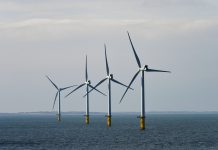







It’s no surprise we’ve been hearing a lot about wind lately. According to the Global Wind Energy Council (GWEC), 27 countries have set national targets for offshore wind, with offshore wind capacity projected to almost triple between 2024 and 2030, increasing from 83 GW to 238 GW [1].
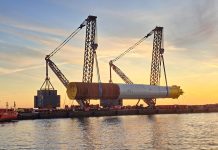
A recent example of this growing momentum came in January 2026, when it was announced that the U.K. is joining nine other European countries in building a power grid in the North Sea, accelerating the rollout of offshore windfarms in the 2030s. It’s expected to provide 100 GW of offshore wind power, or enough electricity capacity to power 143 million homes [2]. This record haul of offshore wind energy is necessary for Europe’s ongoing green transition. However, this leads to an inevitable acceleration of underwater construction, which does not exist without harm or risk to the very environment we’re trying to protect.
A spotlight should be shone on the technology and innovation that ensures marine ecosystems are protected throughout intense underwater construction. Specifically, the critical role of bubble curtains and the oil-free air compressors that power them.
Bubble curtains – the crucial solution that releases air bubbles that rise and create a barrier in the water – help to reduce underwater noise, limit the spread of contaminants, and protect marine life during offshore operations. A great idea in principle and in practice.
Hiding in Plain Sight
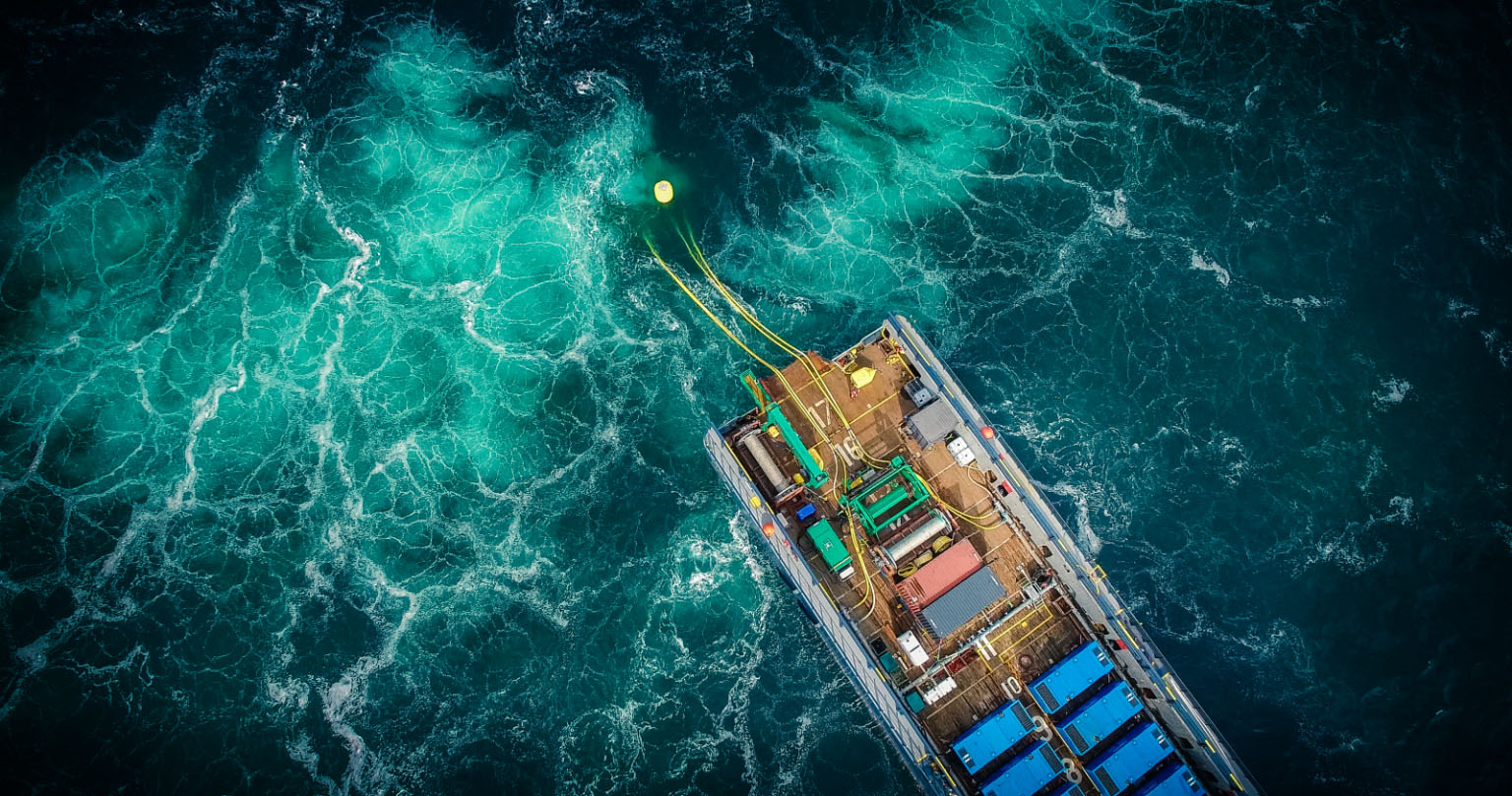
Firstly, pipes are laid on the seabed around a site, with a perforated hose connected to the compressors, which provide clean, oil-free air. The airflow rate and pressure are both adjusted to achieve the desired bubble size and density. Diffusers positioned on the seabed then release compressed air as bubbles into the water.
These bubbles alter the water’s density, creating a sound barrier to protect marine life and control noise pollution. Double or triple bubble curtains may also be used for enhanced noise mitigation.
Alongside offshore wind construction and shipping, bubble curtains can help contain and control the spread of sediments during dredging operations, preventing them from muddying surrounding waters. As a result, this protects sensitive marine ecosystems, such as coral reefs, from being layered with fine particles. The same can be said for subsea pipeline installations, whereby bubble curtains are used to manage the displacement of water and sediments.
Other applications include being used during pile driving to restrict noise created by installing offshore platforms and underwater welding to create a dry work environment and for the prevention of ice build-up in cold climates. They can even be used to contain and control oil spills. Here, oil is gathered into a concentrated area, allowing for decontamination and recovery methods to be implemented easily. In addition to limiting noise emissions, bubble curtains can also reduce algae growth and increase oxygen levels to safeguard marine life and improve overall water quality. The former is achieved by preventing jellyfish from entering fish pens.
Rules and regulations
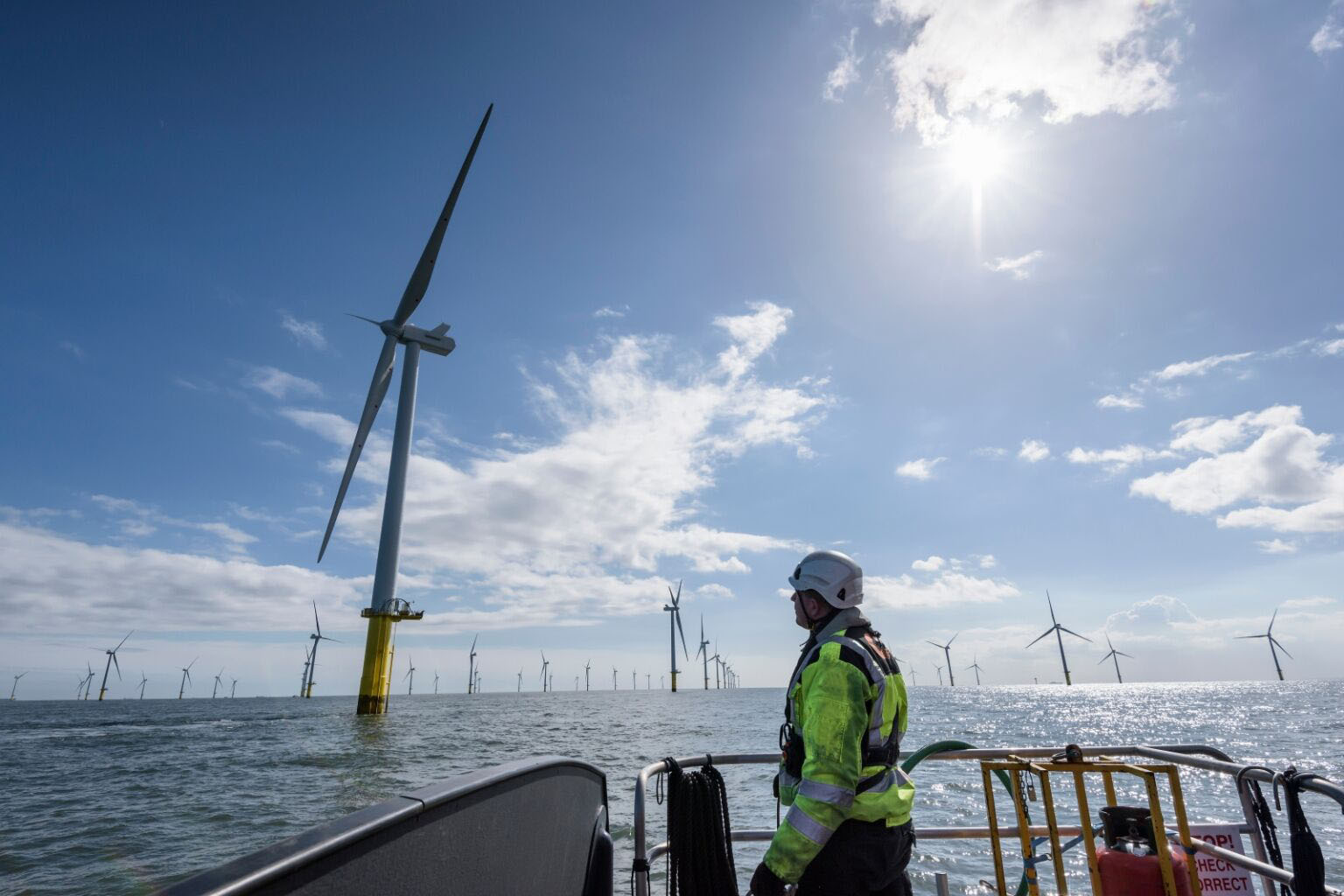
Stringent environmental regulations also mandate the installation of bubble curtains in several key regions of the offshore wind industry. While the North Sea, for instance, houses more than 40 offshore wind farms [1] and almost 200 oil platforms [2], it is also home to endangered marine species, such as bottlenose dolphins and harbor porpoises.
As a result, strict environmental rules are in place to ensure that any underwater construction activities must be conducted in a safe and environmentally friendly manner. The Offshore Petroleum Activities Regulations (2001) stipulates that projects likely to have a significant effect on protected sites must undergo an assessment to evaluate their potential impact on conservation objectives [3]. Similar regulations can be found in both the Baltic and Mediterranean Seas, with particularly stringent rules designed to prevent oil pollution.
Ensuring compliance
When it comes to ensuring environmental compliance with bubble curtains, oil-free air compressors eliminate the need for airborne oil and prevent the risk of oil contamination during critical processes such as offshore wind farm construction, oil and gas exploration, and underwater drilling, protecting marine life in the process. Crucially, Aggreko’s range of oil-free air compressors meets the strict ISO 8573-1 Class 0 certification, assuring the highest level of air purity required for sensitive applications like bubble curtains.
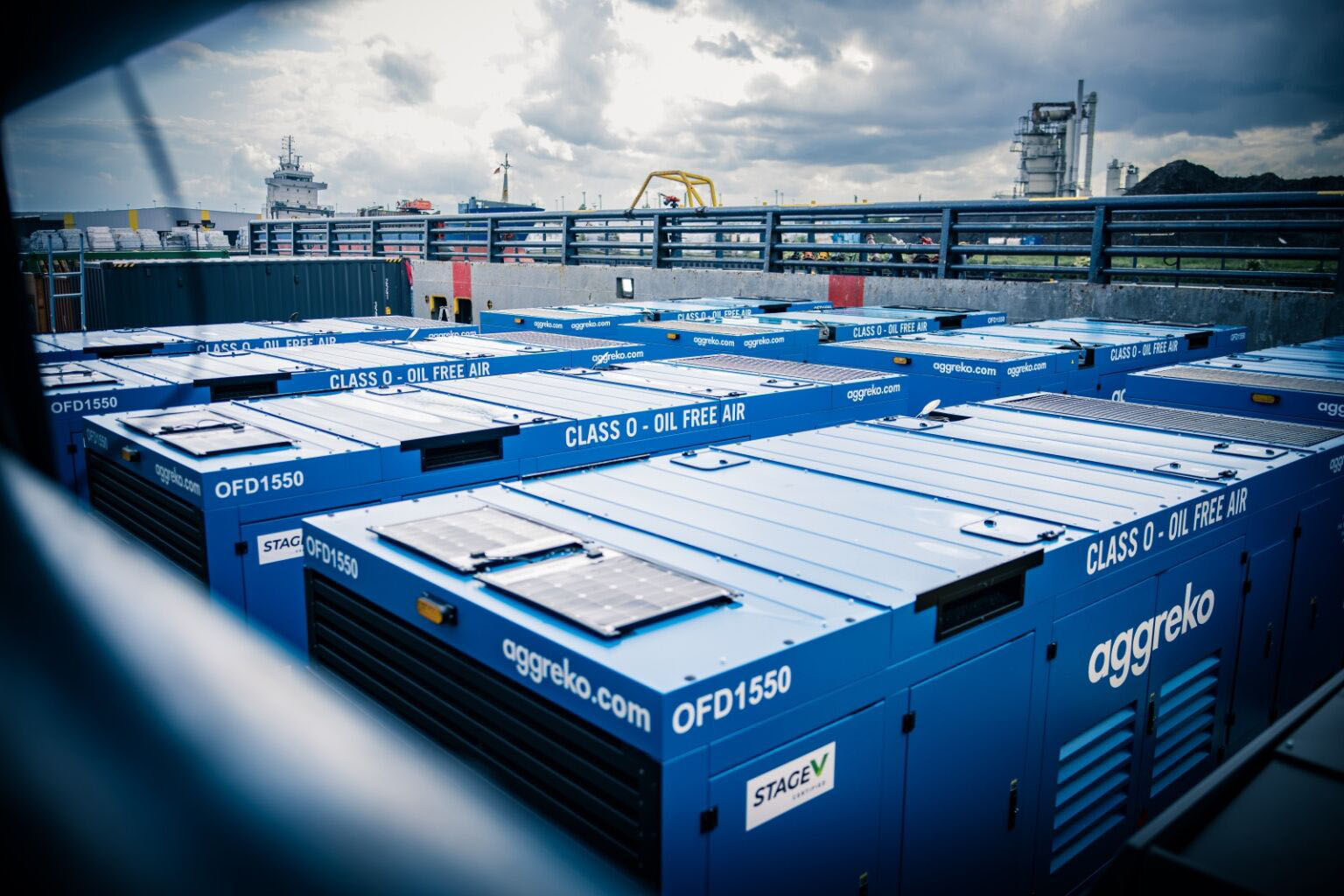
Oil-free air compressors are engineered to optimize efficiency, reducing energy consumption and operational costs associated with bubble curtains. For instance, Aggreko’s electric VSD-driven compressors offer emission-free operations, while its diesel-powered solutions are Stage-V-certified, making them the ideal temporary modular solution, short or long term, for those tasked with achieving ambitious emission reduction targets.
A helping hand
While it’s safe to say that bubble curtains are an indispensable tool in underwater environments, choosing the right compressors is equally important in ensuring these systems operate efficiently and without the risk of environmental contamination. By leveraging these solutions, this ongoing demand of offshore wind projects can be met, while safeguarding marine life.
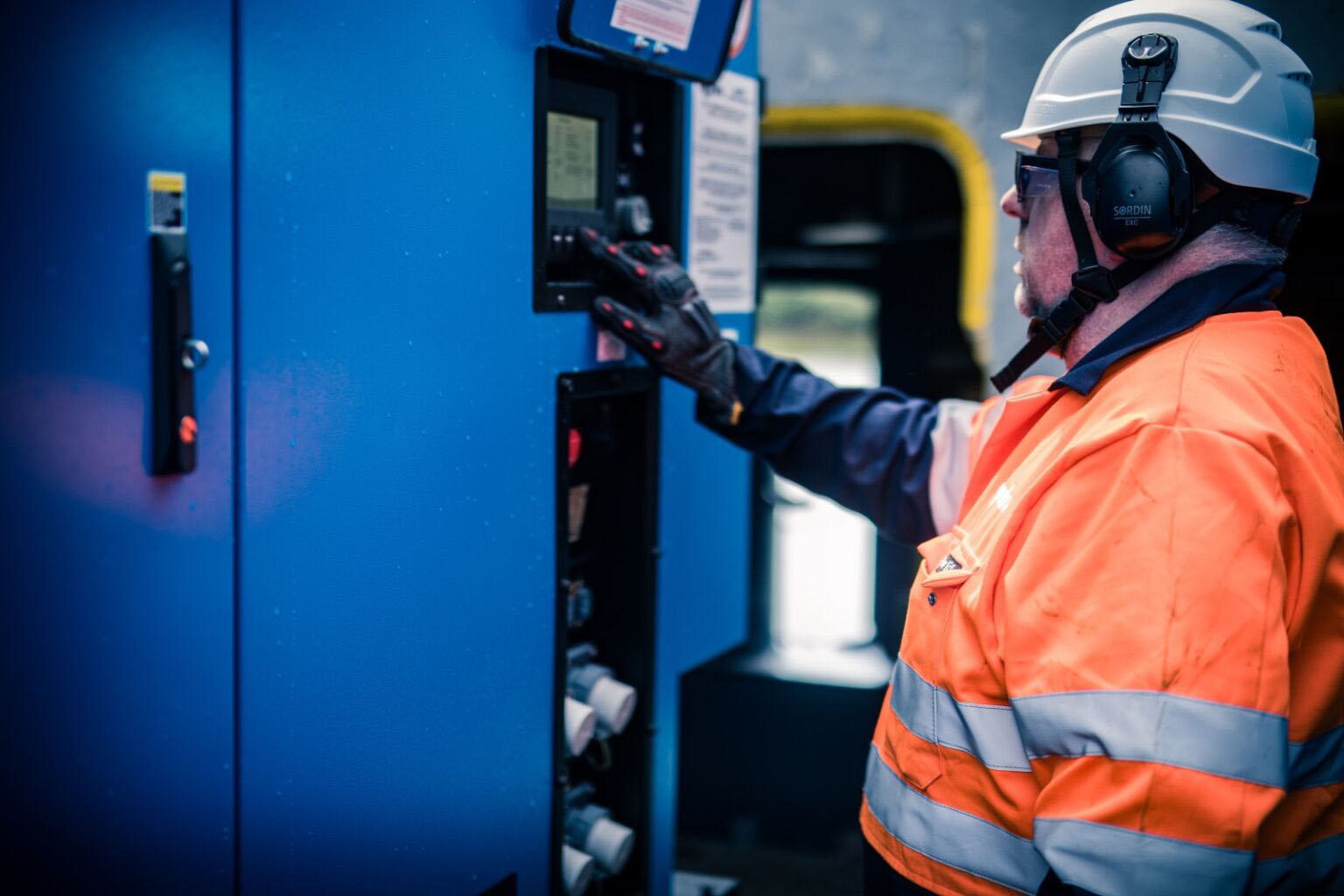
When it comes to specifying oil-free air compressors to work alongside bubble curtains, third-party expertise can be a real helping hand, particularly to the growing number of decisionmakers facing staff and subsequent skills shortages. Aggreko’s engineering team offers extensive sector-specific knowledge, with the ability to deliver robust oil-free air compressors adaptable to various project sizes and air demands.
Stakeholders also have the chance to implement a 24/7 remote monitoring system, which enables greater control over utility provision. The Aggreko Remote Management (ARM) service offers real-time insights into the air compressor’s performance and alerts operators of any issues well before they risk bringing processes to a halt.
References
- Offshore wind targets underpin acceleration to 2030 and beyond | Ember.
- U.K. joins European offshore windfarm plan to create world’s largest ‘clean energy reservoir’ | Wind power | The Guardian.
- www.legislation.gov.uk/uksi/2001/1754/regulation/5.
About the author
Alan Dunne is Managing Director for U.K. and Ireland at Aggreko. For more information, go to www.aggreko.com/en.