


As the wind industry focuses on ever-larger turbines, supply chain pressures, and evolving policy frameworks, the role of maintenance remains one of the most critical yet consistently under-recognized components within the sector. Often operating behind the scenes, maintenance functions receive far less visibility than development and construction, despite being fundamental to long-term success. When wind farms operate seamlessly, they are largely invisible, but when they fail, they threaten grid stability, investor confidence, and decarbonization targets.
Wind power continues to be one of the fastest growing energy sources, with preliminary statistics from the World Wind Energy Association indicating that 169,014 GW of new capacity was added globally last year — a 35 percent increase on 2024. However, while industry attention is fixed on turbine scale, installation targets, and policy ambition, far less focus is given to what happens after commissioning.
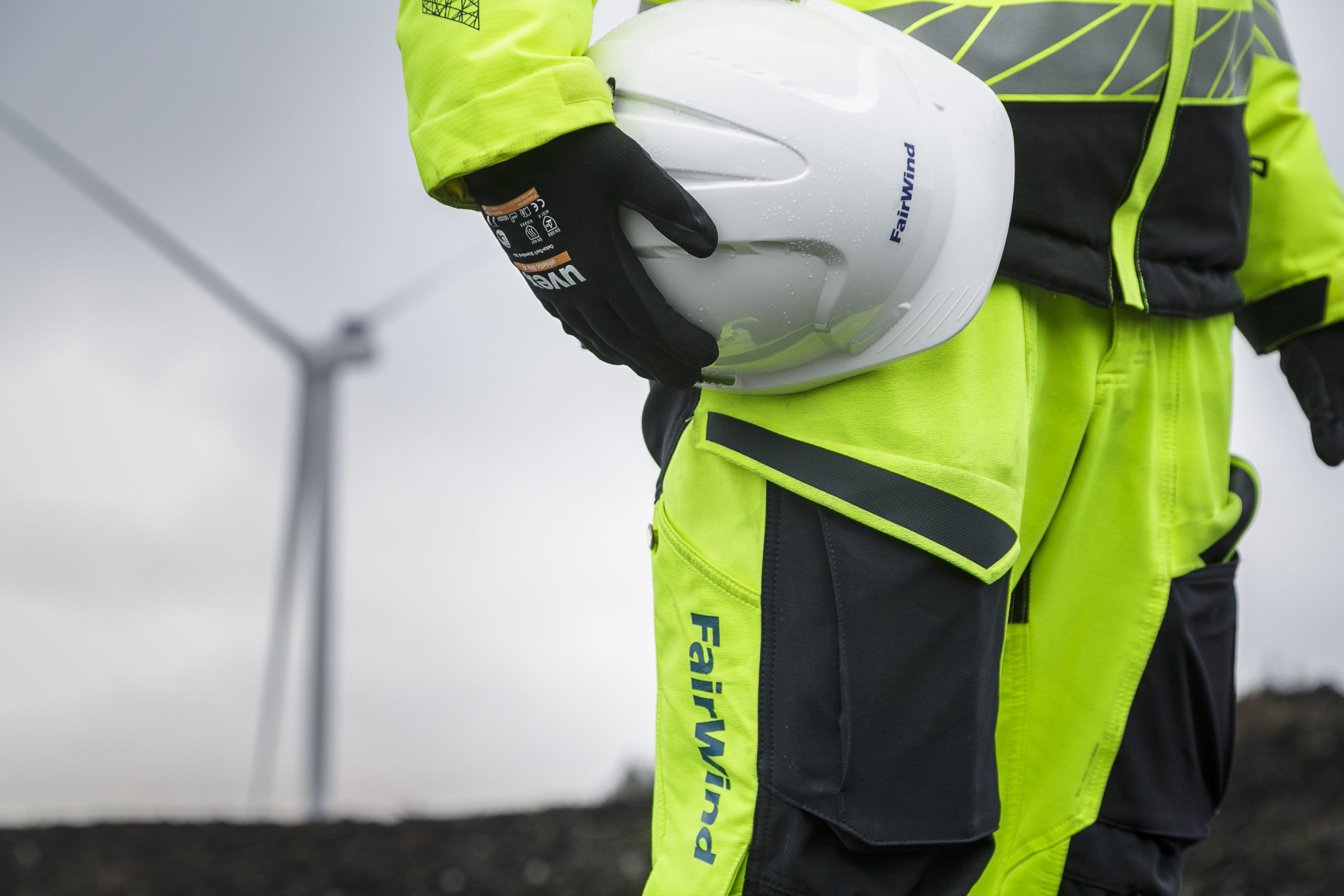
The operational phase, which can span 20 to 30 years, represents the longest and most value-critical period of any wind asset’s lifecycle. To keep these systems operating effectively across its full operating period requires continuous and often highly complex work. This goes well beyond routine servicing, encompassing detailed diagnostics to detect emerging issues, targeted repairs to address wear and failure, and periodic retrofits to integrate new technologies or extend operational life. Alongside these activities, ongoing performance optimization is also essential to ensure turbines run as efficiently as possible under changing conditions. As turbines age, the nature of this work evolves, shifting from preventative maintenance toward more intensive interventions.
At a time when energy resilience, affordability, and decarbonization are under intense scrutiny, maintenance is a critical element of the energy transition. Recognizing and investing in operations and maintenance (O&M) as a strategic priority is essential to ensure turbines don’t just get built, but continue to perform over their full lifespan. Despite this, maintenance is still often treated as a secondary consideration, optimized after installation rather than embedded from the outset. This disconnect is increasingly at odds with the realities of a maturing industry, where long-term performance defines success.
As turbines increase in size and projects move further offshore, this complexity only intensifies. Larger components, harsher operating environments, and more challenging access conditions all increase the consequences of failure. Offshore environments in particular, introduce weather constraints, vessel dependencies, and extended response times, making proactive planning even more critical. In this context, maintenance is a vital enabler of performance, safety and economic viability.
The Cost vs. Reliability Balancing Act
Today’s maintenance landscape is defined by an overarching need to reduce costs while maintaining high levels of reliability. Global competition, supply chain volatility, and tighter margins have placed sustained pressure on both manufacturers and operators to do more with less. At the same time, the cost of failure, financially, operationally, and reputationally, remains high. Unplanned downtime significantly reduces revenue and can also strain contractual obligations and investor confidence. The result is a delicate balance to manage.
Reducing maintenance spending may deliver short-term gains, particularly under immediate budget pressures. However, this approach frequently moves cost rather than eliminates it, with consequences that only become visible over the full lifecycle of an asset. Increased failure rates, secondary component damage, and extended outages can quickly outweigh any initial savings. In complex systems such as wind turbines, where components are highly interdependent and access is often constrained, the true cost of reactive maintenance can escalate rapidly. For example, a minor component failure left unaddressed can cascade into major drivetrain or gearbox damage, significantly increasing repair costs and operational downtime.
Reactive approaches can also introduce additional hidden costs such as logistical inefficiencies, lost production, and increased health and safety risks associated with unplanned interventions.
These factors rarely appear in upfront cost calculations, but materially affect overall asset performance.
Long-Term Performance
The challenge is not simply to do less, but to do better. This requires a fundamental shift from cost-driven decision making to value-driven maintenance strategies.
Leading operators are moving beyond traditional time-based maintenance models toward more sophisticated approaches that integrate condition monitoring, data analytics, and risk-based prioritization.
These approaches allow operators to intervene only when necessary, reducing unnecessary maintenance while preventing critical failures.
Digitalization is playing a central role in this change, predicting failures modes and optimizing maintenance schedules, but technology alone is not a silver bullet. The real value lies in how insights are translated into action. Organizations that successfully integrate data into decision-making processes, aligning engineering, operations, and commercial teams, are those best positioned to realize meaningful gains. However, this requires technological investment and a willingness to adapt legacy processes and mindsets.
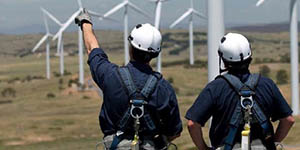
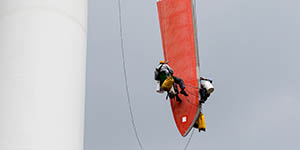
Behind every effective maintenance strategy is a highly skilled workforce. Wind-turbine maintenance is increasingly specialized, requiring technicians to operate at height and navigate complex electrical and mechanical systems. As turbines grow in scale and sophistication, so too does the expertise required to maintain them safely and efficiently. However, the availability of skilled technicians has not always kept pace with industry growth, creating a critical dependency that is often overlooked.
By 2030, the sector is expected to support 39,000 jobs in operations and maintenance, 25,000 in installations and foundations, 155,000 in manufacturing, and 69,000 in planning and decommissioning, underlining the scale of the workforce needed across the full asset lifecycle [1].
Investing in training, retention, and workforce development is essential to safeguarding the long-term performance and reliability of wind assets. Apprenticeships, continuous professional development, and dedicated training programs will all play a role in attracting and retaining the talent required to meet this demand.
Strategic Infrastructure
To truly address the under-recognition of maintenance, the industry must reframe how it is perceived. Maintenance should not be viewed as a cost center to be minimized, but as strategic infrastructure that underpins the entire value chain of wind energy. Without effective maintenance, capacity additions alone cannot deliver reliable or affordable power. As the wind sector continues to scale, the gap between installed capacity and effectively maintained capacity risks becomes a defining challenge. Bridging this gap will require not only investment, but also a cultural shift in how maintenance is valued across the industry. If the energy transition is to deliver on its promises, the industry must look beyond the visible symbols of progress such as tower height, turbine scale, and installation speed, and recognize the less visible, but equally critical, discipline that keeps those turbines turning day after day. Only by elevating maintenance to a strategic priority can the sector ensure that rapid growth translates into sustained, reliable, and economically viable clean energy generation.