






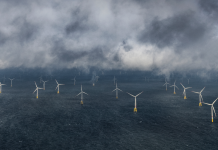
The APAC region (excluding China) has circa 6 GW of offshore wind capacity installed, forecast to increase to 21 GW by 2030 and up to 220 GW by 2050, representing a CAGR of 16 percent out to 2050.
The region is expected to have a 12 percent market share by 2030, increasing to 19 percent by 2050 as more countries begin offshore wind developments over the next decade.
Taiwan dominates the APAC market, accounting for 4.25 GW (63 percent) of capacity. Other countries such as Vietnam, are second with 1.6 GW of installed capacity. South Korea and Japan have some ground to make up.


It is South Korea that shows the largest potential for growth prior to 2030 with more than 10 GW of capacity approved following successful auction rounds in 2024 and H1 2025.
One common theme among all countries pushing offshore wind is they suffer from largely similar issues, both in Asia and worldwide. Those issues typically include supply chain constraints, policy and regulatory inconsistencies, and soaring pricing.
Asia also has a lack of WTIVs capable of handling larger wind turbines, as well as a relatively small C/SOV fleet. These factors will affect countries’ ability to reach 2030 capacity targets; Taiwan is expected to reach 91 percent of its target with 9.95 GW of installed capacity by 2030.
South Korea is expected to achieve just 36 percent of its ambitious 14.3 GW target; however, it has successfully restructured its auction round process, passing the Special Act on the Promotion of Offshore Wind Power (aka the Offshore Wind Promotion Act) in early 2025.
This means site selection is government-led, allowing a single point of contact for the permitting/licensing process, reducing regulatory steps and allowing more predictability and outlining clear targets and capacity ceilings.
Taiwan leads ex-China push to 20 GW by 2030
In 2025, turbine installations in the APAC-ex China are heavily concentrated in Taiwan, with the nation expected to contribute 139 turbine installations from the 165 planned in the region. Taiwan saw the 80-turbine Yunlin offshore wind project reach its full operational capacity in Q3 2025, contributing 640 MW capacity to the country as it looks to continue growing its offshore wind capacity in its next Round 3.3 auction.
It is not yet known when Round 3.3 will be launched or how much capacity will be offered, however, given that Taiwan is running low on available space for fixed bottom offshore wind farms within its territorial waters, Round 3.3 may be the last for fixed bottom projects under the current planning regime.
MSI forecasts turbine installations to increase significantly post-2025, reaching 410 in 2029, up from circa 160 in 2025. This upswing is driven by increasing activity in developing markets such as South Korea and Japan as well as continued activity within Taiwan.
In 2029 it’s forecasted that more than 4 GW of capacity is to be installed across South Korea (2.2 GW), Japan (0.75 GW), and Taiwan (1.5 GW). It is important to note that, post-2029, it is expected turbine installations will remain robust, with more projects due to be added to the project pipeline over the next year, adding to the construction outlook for this decade.
Annual capacity installations are forecast to increase toward the end of the decade with South Korea significantly increasing its rate of installation, with more than 2 GW forecast in 2029 and a further 1.75 GW in 2030 off the back of successful auction rounds in 2023 and 2024.
Japan is also forecast to see increasing installations toward the end of the decade, reaching more than 1 GW per annum by 2030. However, Japan’s success over the next five years will rely heavily on it having more successful auction rounds, following disappointing project cancellations throughout 2025.


Vietnam made a promising start to its offshore wind market, but in recent years has stalled due to inconsistencies in regulations and politics within the country, leaving wind-farm developers wary of investing heavily in Vietnam’s offshore wind sector. Australia and the Philippines also have significant offshore wind potential, but this isn’t expected to materialize pre-2030.
Vessel demand set to grow
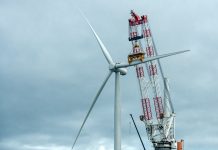
APAC ex. China WTIV demand is forecast to increase to five vessels by 2029, supported by the surge in turbine installations. A significant shift in the industry is the proportion of demand growth for vessels in the 14-20 MW category, which, by 2030, will represent 90 percent of demand compared to close to 56 percent in 2025.


This is due to the offshore wind market shifting to 14-plus MW turbines as turbine technology and design advancements continue to increase potential turbine size, with 26 MW turbines being tested in China. SOV demand is expected to grow from six vessels in 2025 to 36 vessels by 2030, this increase is driven not only by increased installation activity but also increased maintenance requirements of existing projects.
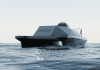
It is expected that a steady increase in C/SOV new building in Asia will aid supply in order to accommodate this demand increase, as has already been seen with companies such as Marco Polo, Dong Fang, and Ta San Shang Marine (TSSM) building C/SOVs for the Asia-ex China market.
It is also expected SOV owners operating primarily in Europe will seek opportunities to market their vessels in the APAC ex. China region as demand continues to climb. For example, ESVAGT, a leading European SOV operator of nine vessels, signed a joint venture with the Korean shipping company KMC Line to provide its expertise in the nation’s growing offshore wind market.
CTV demand is expected to continue its upward trajectory throughout the forecast period with a CAGR of 7 percent, rising from circa 43 vessels in 2025 to just more than 60 vessels by 2030. APAC ex. China CTV demand accounts for 11 percent of global demand and is expected to increase to 12 percent by 2030. This is a relatively small market share increase but also a reflection of strong growth given China and Europe are also investing heavily in their offshore wind sectors.