





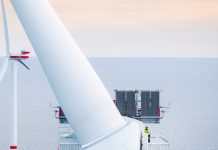


Auction Round 7 (AR7) has provided a welcome boost and renewed confidence for the U.K.’s offshore wind industry following a period of uncertainty. However, it also accelerates a broader trend: Projects are becoming larger, more complex, and are further offshore in deeper waters.
This shift will require a rapid transformation of the offshore wind support fleet to ensure projects are delivered efficiently, on time, and within budget. With AR7 and AR8 projects expected to be staggered, operators must also prepare for periods of fluctuating demand, making fleet versatility an operational and commercial priority, according to Chartwell Marine.
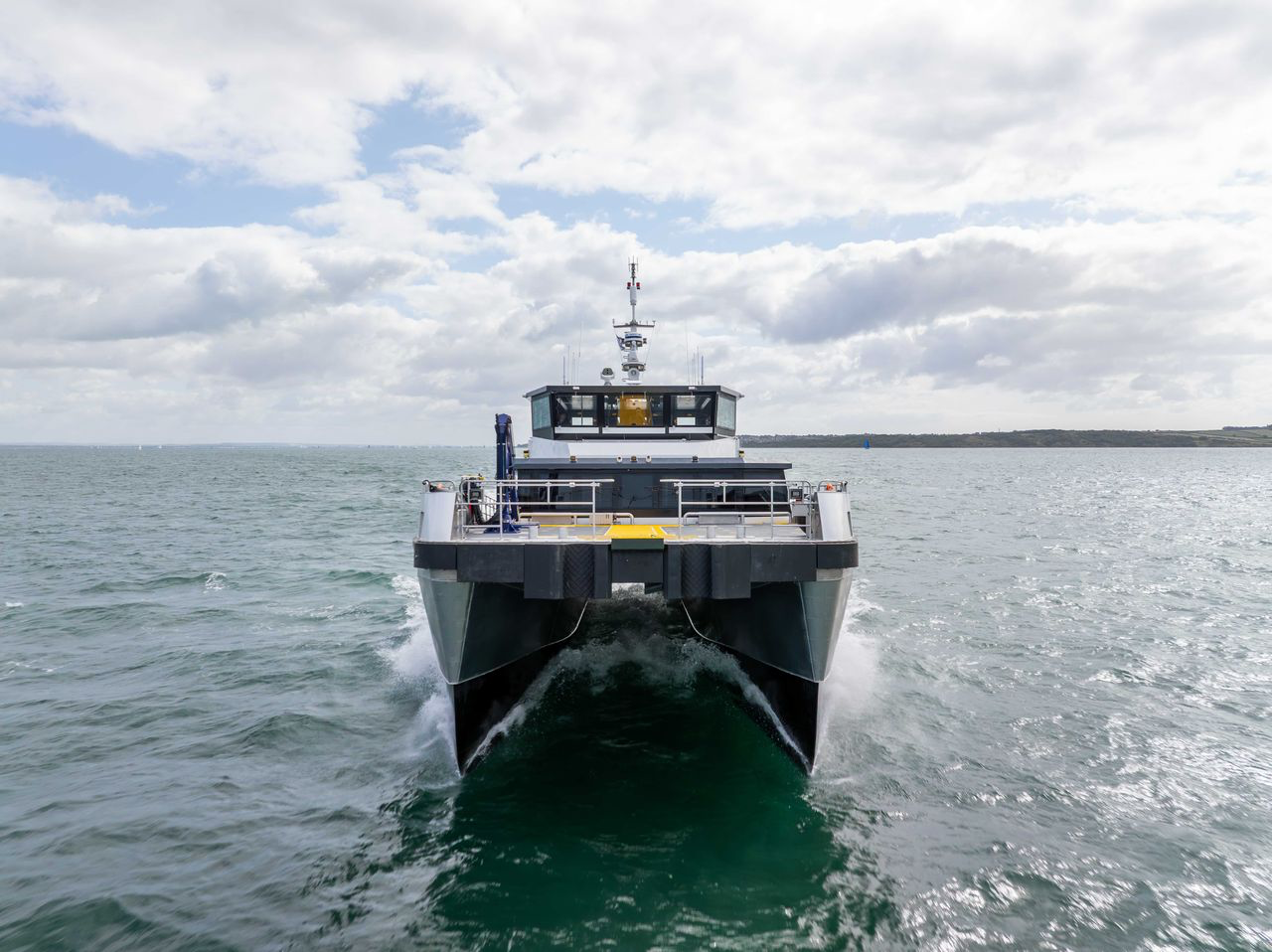
“AR7 is a major step forward for the offshore wind sector, restoring confidence and unlocking a new wave of vessel activity and investment,” said Andy Page, managing director of Chartwell Marine. “However, based on past experience, market fluctuations are inevitable. It will therefore be essential for the industry to take a smart, flexible approach and develop fleets capable of supporting a wide range of commercial activities until AR7 and AR8 projects ramp up.”
To build more effective, versatile and resilient offshore wind fleets, Chartwell Marine believes the industry must take the following steps:
Adopt next-generation vessel designs: Innovative designs, such as the Chartwell Courageous, Brevity SL & Brevity XL, can improve operational efficiency, flexibility, and safety in deep-water environments. These proven designs can also be built by U.K. shipyards, helping to comply with local content requirements and strengthening regional supply chains.
Invest in supply chains: Expanding shipbuilding capacity, scaling stock-build programs, forming industry partnerships, and investing in workforce skills will be critical to delivering the next generation of vessels.
Smarter use of existing boats: Ensuring current vessels can be used for multiple roles will help operators manage demand cycles and maintain financial resilience. This may include “re-energizing” existing tonnage through retrofits that enhance sustainability and operational performance.
“Incorporating new vessels is only part of the solution to meeting the challenges facing the offshore wind support fleet,” Page said. “The industry also needs to maximize the value of the existing fleet to remain competitive and resilient through future market cycles. At Chartwell, we are committed to delivering proven, next-generation designs and building stronger industry partnerships that facilitate the transformation and diversification of the fleet.”
More info www.chartwellmarine.com