




For renewable energy company Boralex, the idea of tackling energy projects literally looked good on paper.
Confused? See if this helps: Before launching into the development of renewable energy, the company began life as a paper company in Canada in the early 1990s. As the business grew, this innovative company, originally known as Cascades, started doing its own energy projects such as hydro and biomass to power the paper mills. Before long, the energy business began to take on a life of its own beyond the paper business.
From that, Boralex was born, and through the following years, it continued to add to its renewables portfolio with onshore wind, solar, and, most recently, battery storage.
Move to Europe
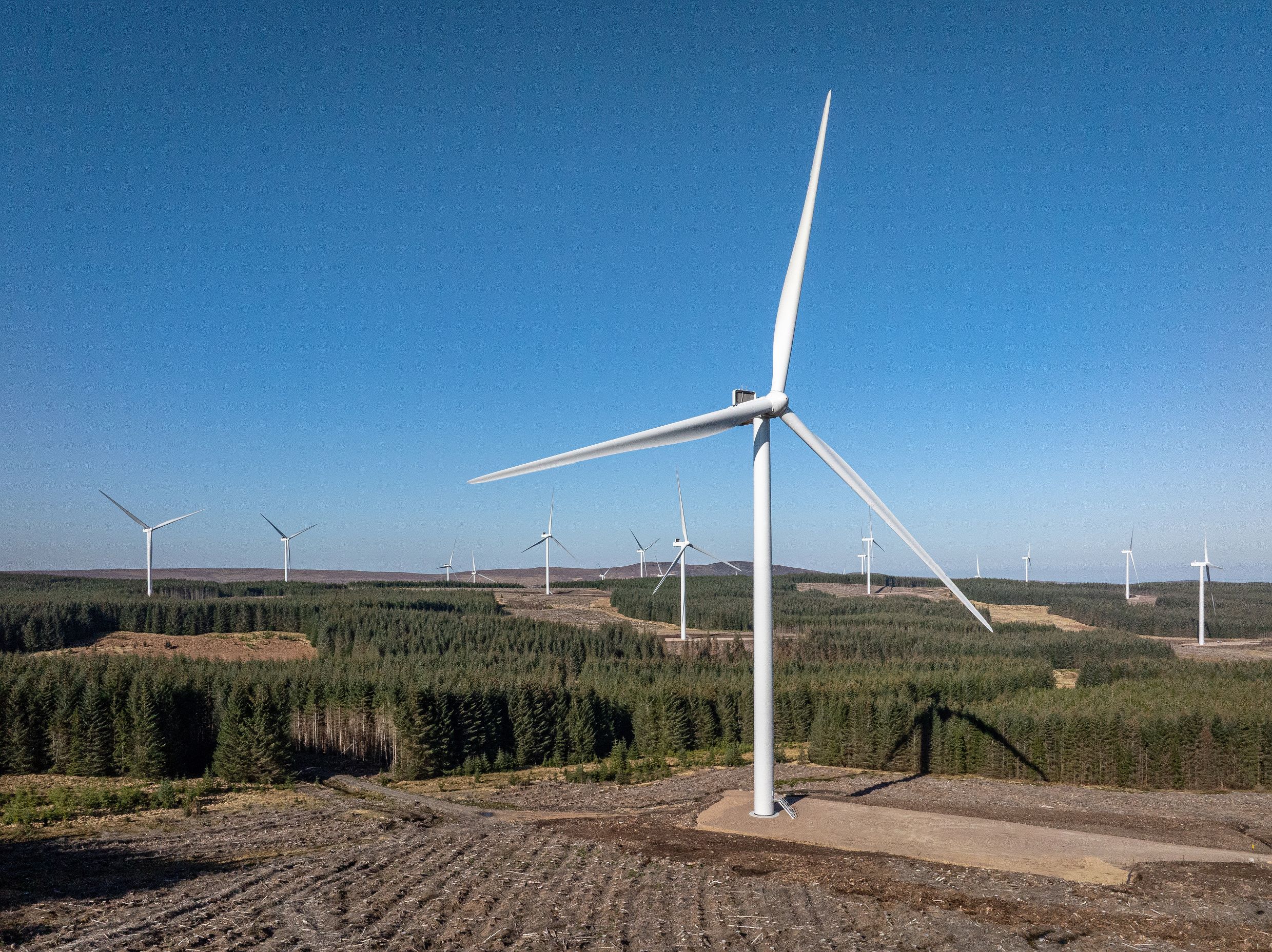
With roots in Canada, Boralex eventually moved to Europe. This market growth has pushed the company into a global competition with business being done in Canada, France, the U.S., and the U.K., according to Esbjorn Wilmar, vice president of Boralex UK.
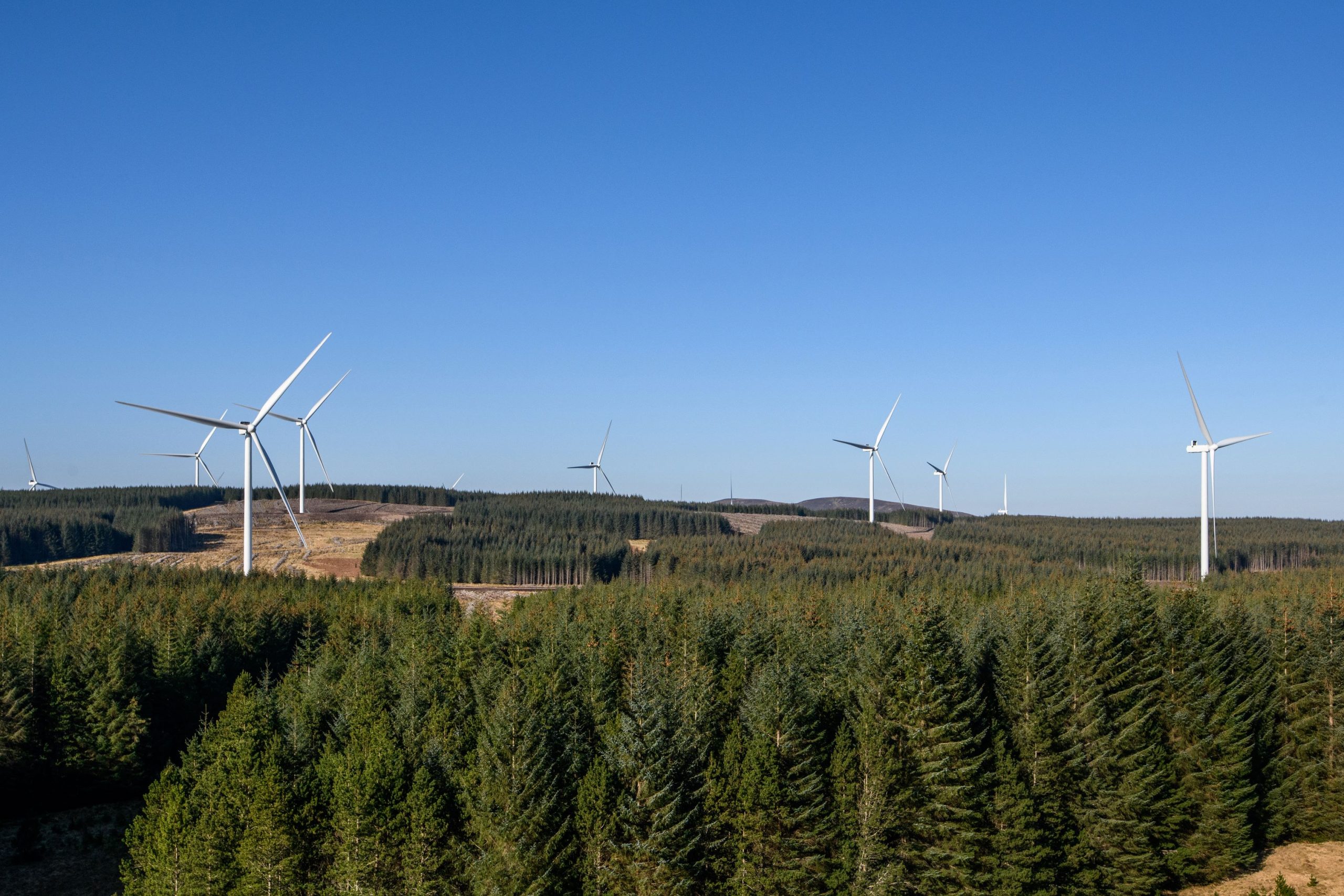
Within the wind market, Wilmar said the company is involved in the full value chain.
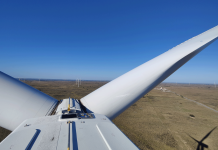
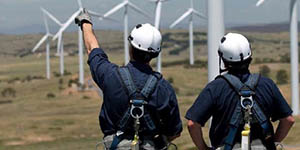
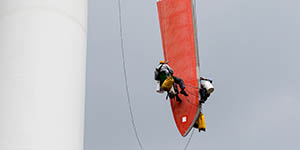
“We do development, construction, and operation, and now also repowering,” he said. “Our wind operations span the full value chain, setting us apart from many of our direct competitors. We also aim to insource our site operation and maintenance where possible. If you look, for example, at France, half of our workforce is directly related to that maintenance. We literally have our team members turning up at the turbine, climbing the ladder, and then oiling the wheel, so to speak. We are very hands-on in the way that we operate our fleet of wind turbines.”
For Wilmar and his Boralex team, long-term maintenance is extremely important. “Wind turbines are amazing machines when you think about it, because we expect them to operate almost continuously 24/7 up to a minimum of 25 years,” he said. “Think about this: It’s a bit like sitting on a plane and marveling at how the engine just keeps running. In many ways, the demands on a wind turbine are even greater. That’s why timing maintenance is so critical. Ideally, you carry it out when the wind isn’t blowing, so the turbines are ready to run as soon as conditions improve. This kind of preventive maintenance, aimed at maximizing performance across the fleet and pushing the capacity factor as high as possible, is essential. It allows you to get the most out of the asset and truly maximize the value of each turbine.”
Schedule autonomy
And since Boralex supplies its own turbine maintenance, it can effectively set its own maintenance programs, according to Wilmar.
“When you handle maintenance yourself, you’re not dependent on third parties,” he said. “That gives you freedom to optimize operations as much as possible. Preventive maintenance is especially important, and the goal is to get ahead of the problems before they happen, because turbines have a bad habit of going out of service at the worst possible time. For example, an issue arises on a Saturday morning and then the engineer’s only back on Monday morning. Ideally you want everything in a good state on a Friday, so they are at their best for the whole weekend when the wind is really blowing.”
Another advantage to being responsible for maintenance is being able to make schedules when they are needed, according to Wilmar.
“You are in charge of your own maintenance philosophy,” he said. “You can direct your people where you believe they’ll be most effective. When maintenance is outsourced, it’s governed by contracts, response times, and availability. Ultimately, you’re not in charge. You are relying on a third party to prioritize you and to deliver the level of service you want.”
Revenue and cost
Being cost effective to its clients is always Boralex’s main concern, and it often comes down to a balance between revenue and cost, according to Wilmar.
“We benchmark our performance very deliberately, and we don’t insource everything,” he said. “A portion of our operations are always outsourced, which introduces competitive market pressure on our internal teams. That helps us understand where we are still delivering value for the money. That’s also the potential downside of this philosophy: If you do everything internally, how do you know that you’re still best in class?”
Focused on renewables
At the heart of Boralex’s mission is to be a pure renewable energy company, according to Wilmar.
“That has a couple of important implications: First, it means that we are entirely focused on renewable energy, so we don’t have the usual trade-offs about where to invest, whether that’s coal, gas, or nuclear — for us, it’s renewable energy,” he said. “That focus has other benefits as well. I see it resonate when attracting new talent and team members. I get feedback that people really like to work for a 100 percent renewable energy player, and our message to the market is clear and undiluted. That is one of the key philosophies that we have: that we want to be a pure renewable energy player.”
Working with communities
Boralex is also committed to be close to, and work with, the communities that will become home to renewable projects, according to Wilmar. “You might think that every corporation would say that, but with our Canadian heritage and our long history of working with First Nations, we know just how important it really is,” he said.
There isn’t similar indigenous involvement in the U.K., but those Canadian relationships fuel how Boralex approaches community engagement in other areas, according to Wilmar.
“If you look at our most recent large wind project in Canada, which has just become operational, that is 50 percent owned by First Nations,” he said. “That’s not a token amount. It’s very material. That means that you really have to work together as partners. That mindset resonates through the whole company, because it shows we are capable of doing 50 percent joint ventures with local people that are not developing wind farms day in, day out. It certainly adds complexity, but if you can get it right — and I think we do get it right — it demonstrates that we can deliver real local benefits.”
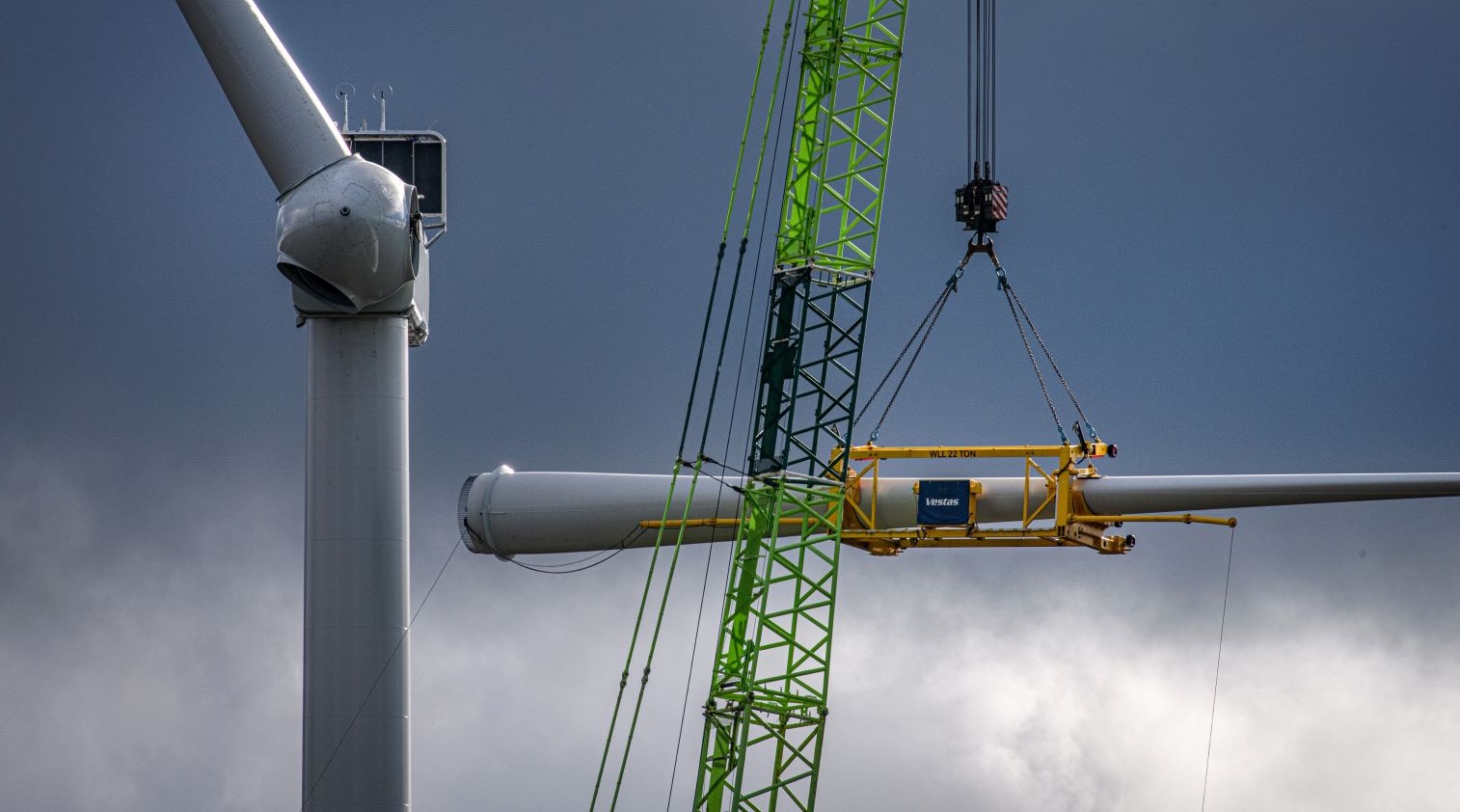
This is important as Wilmar points out that wherever wind farms are constructed, there often can be a layer of opposition.
“Turbines are visible; not everyone likes them; that is just a fact of life; we can’t hide away from that,” he said. “For us, it’s crucial to show how our projects benefit local communities and local people. It is not just about generating energy, but it’s also about delivering tangible local value.”
Moving into a more renewables world
That community involvement has never been more essential as the world moves into more and more renewable energy options, according to Wilmar.
“We are definitely moving toward a 100 percent low carbon energy system, and that means we have to think much more carefully about how everything fits together,” he said. “One of the challenges is that the wind doesn’t always blow, and the sun doesn’t always shine, so the business model has to evolve.”
In that vein, Wilmar sees battery storage as a necessary player in keeping energy needs constant.
“Battery storage is starting to play a major role,” he said. “Strictly speaking, it is not energy generation, but it allows us to store renewable energy and use it at a later moment. Demand for renewable energy is constant, and in some grids, Scotland is a good example, we’re already seeing systems that operate at 100 percent renewable energy.”
‘Cornerstone of the grid’
But as the global energy grid becomes more complicated, the need for renewables becomes even more evident, and Wilmar sees Boralex continuing to have a hand in that successful transition.
“Renewables will become a cornerstone of the grid,” he said. “In the past, we relied on gas-fired power stations or other sources of energy; now, we have to step up and provide that stability ourselves. At the same time, we have to drive the cost down. That’s true in every country we operate in, but especially in Europe, where the cost of energy is a major political issue. We need to bring that cost of electricity down, while at the same time generating stable revenues for our shareholders. There is definitely pressure there.”
In addition, Wilmar said projects will have to move past being designed as standalone facilities.
“In the past, you might just have a wind farm or just a solar farm,” he said. “Now it is all about combining what I call the holy trinity: solar, wind, and battery storage. Integrating and managing those technologies will be challenging for us, but in a positive way, and it’s something I’m genuinely excited about.”
More info us.boralex.com/en