


Home March 2026

March 2026

Powering the Future: Why big tech is looking offshore

0

The ocean has long been a source of abundant energy, from offshore oil and gas platforms to utility-scale renewable energy projects. Today, a new wave of innovation is taking shape that could extend the offshore environment far beyond traditional energy production and into digital infrastructure, electrified maritime operations, and clean industrial systems. This combined effect, and if realized at scale, could reshape how nations power artificial intelligence, data centers, ports, and vessels over the coming decades: critical digital infrastructure moving offshore.

The American Bureau of Shipping (ABS) is helping to accelerate this shift, working with energy developers, maritime operators, and digital infrastructure stakeholders to bring offshore solutions to market. For industries grappling with rising electricity demand and physical land constraints, the offshore domain is becoming a strategic enabler rather than a niche deployment environment.

A New Demand Curve: Electrification Meets Digitalization

Electricity demand is rising sharply as economies electrify transport, ports, industry, and buildings while accelerating AI adoption and data processing workloads. After years of near-flat consumption in advanced economies, load profiles are now steepening. Grids and permitting systems are under strain, while land availability in high-demand data center regions is becoming a material constraint.

No single energy technology can solve this challenge alone. The global footprint is seeing energy expansion rather than energy substitution where multiple clean technologies are deployed in parallel to meet rising digital and electrified loads. In parallel with digitalization, shipping is decarbonizing its operational footprint. New builds and retrofits are incorporating battery-electric propulsion, hybrid systems, shore-power interfaces and charging solutions for coastal, inland, and short-sea trades. Ports and shipyards are likewise regreening operations, installing high-capacity electrical infrastructure to reduce auxiliary emissions and support vessel charging.

The new age of electricity is therefore an age of plurality: oil and gas, renewables, nuclear, enhanced geothermal, long-duration storage, and advanced grid architectures will all be needed in parallel. It is not an energy transition; it is an energy expansion.

The world is entering a structural step-change in both power demand and power density, and the offshore environment is uniquely positioned to help close that gap.
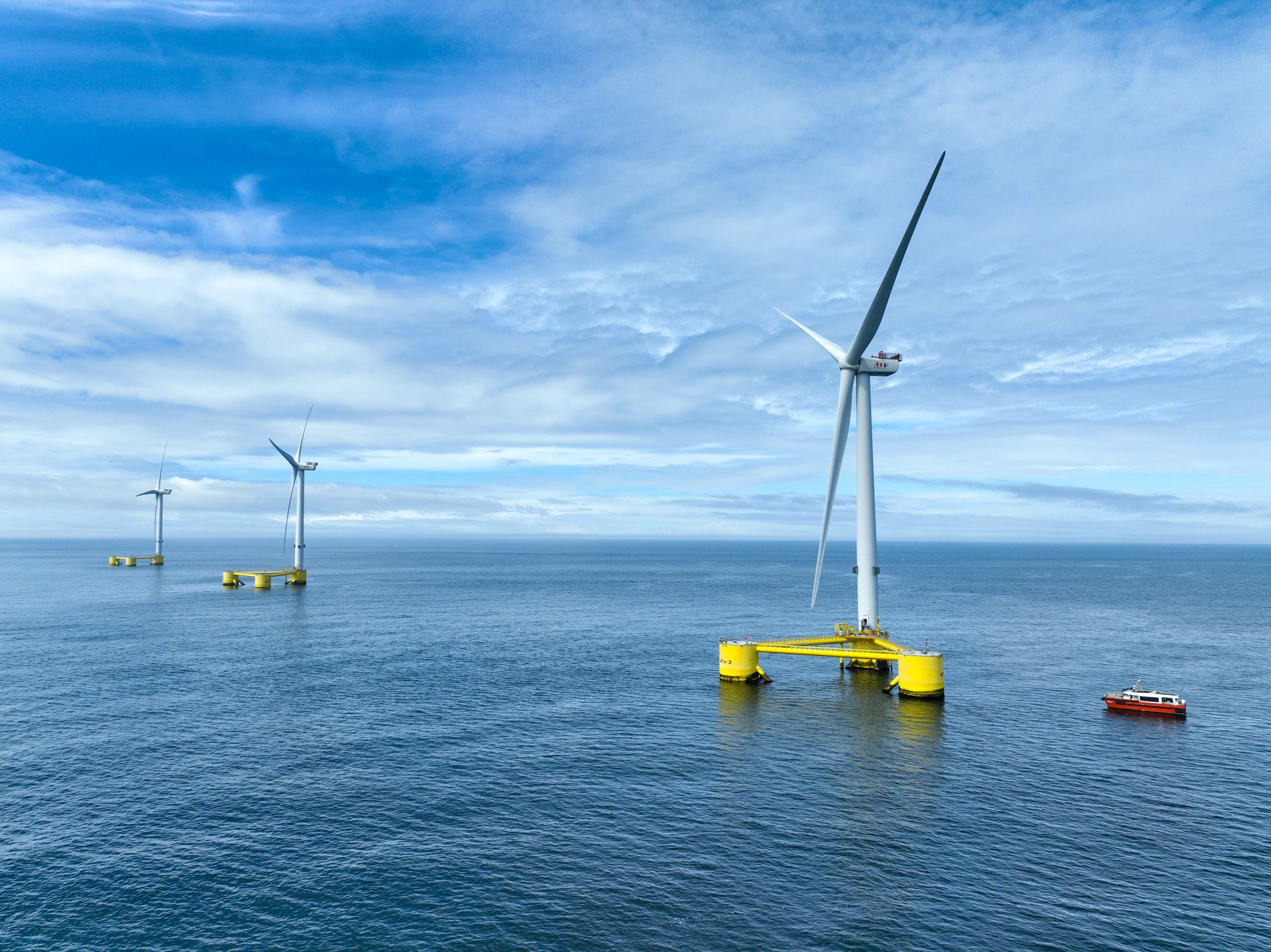
The WindFloat Atlantic project. (Courtesy: Principle Power, Ocean Winds)

AI, Data & Power: The Digital Load

Artificial intelligence has become one of the fastest-growing sources of electricity consumption globally. The International Energy Agency estimates that data center electricity demand could more than double by 2030 to approximately 945 TWh, exceeding Japan’s annual consumption today [1]. Even conventional hyperscale data centers are now competing for scarce grid capacity, while AI clusters and high-density servers require even greater cooling and reliability.

These pressures are now intersecting with additional demand from shore-power installations, cold-ironing programs, vessel charging corridors, and electrified port operations. After decades of incremental change, the energy footprint of the maritime system is shifting rapidly.

Wind at the Fore: Fixed and Floating Solutions

Renewables, and offshore wind in particular, are expected to play a central role in meeting this expanded electricity demand. Fixed-bottom offshore wind has matured into a core utility-scale technology, supplying large markets across Europe, the Northeast U.S., and East Asia. As wind farms grow in size and capacity factor, co-location with industrial and digital assets becomes increasingly viable.

Floating wind extends this potential significantly. By deploying turbines in deeper waters with stronger and more consistent resource, floating platforms unlock wind zones that are inaccessible to fixed-bottom foundations. According to the Global Wind Energy Council, roughly 80 percent of global offshore wind resource lies in waters deeper than 60 meters [2].

ABS is supporting projects across both segments, including the Kincardine floating wind project off Scotland — the world’s largest grid-connected floating wind farm.

Floating and fixed wind are becoming critical for electricity supply. Their ability to scale quickly, deliver high-capacity factors and access new geographies makes them essential for the digital economy.

Electrifying Vessels, Ports and Shipyards

The maritime system is undergoing its own electrical transformation. Hybrid-electric and fully battery-electric vessels are already operating on shorter routes, with ferry and coastal trades viewed as early beneficiaries. Inland waterways, harbor craft, and pilot vessels are electrifying for both emissions and cost reasons.

This shift requires new infrastructure on the shore side. High-capacity charging stations, grid reinforcement, and energy-storage systems are being deployed at ports to enable rapid turnaround operations. Shore-power systems allow vessels to plug into the grid rather than burning fuel for auxiliary loads, reducing local air pollutants and CO₂ emissions.

Shipyards, historically heavy energy users, are also modernizing. Electrified lifts, cranes, fabrication lines, and test infrastructure reduce diesel dependence and support compliance with emerging emissions regulations. These upgrades increase demand for reliable and clean baseload power in coastal regions already targeted for data center deployment.

Cooling the Compute: Why Data is Going Offshore

One of the most compelling offshore migration trends involves data centers themselves. AI clusters and high-performance computing generate substantial heat, and cooling now represents a major share of operational expenditure. Seawater provides an abundant thermal sink, enabling energy savings and potentially reducing lifecycle emissions.

Offshore locations also help alleviate land scarcity and planning constraints. In established hyperscale regions — from Northern Virginia to Dublin to Singapore — the ability to add new data capacity is increasingly limited by grid availability and zoning restrictions. Offshore deployments circumvent these barriers while enabling modular and prefabricated construction using shipyard and offshore fabrication facilities.

ABS has already demonstrated that Information and Communication Technology (ICT) infrastructure can operate safely offshore, having supported cybersecurity assurance for an offshore substation in the Asia-Pacific region. This reflects an emerging pattern of industrial migration: Technologies move offshore when energy requirements increase, land constraints tighten, and regulatory environments mature. We are now seeing digital infrastructure follow that trajectory.
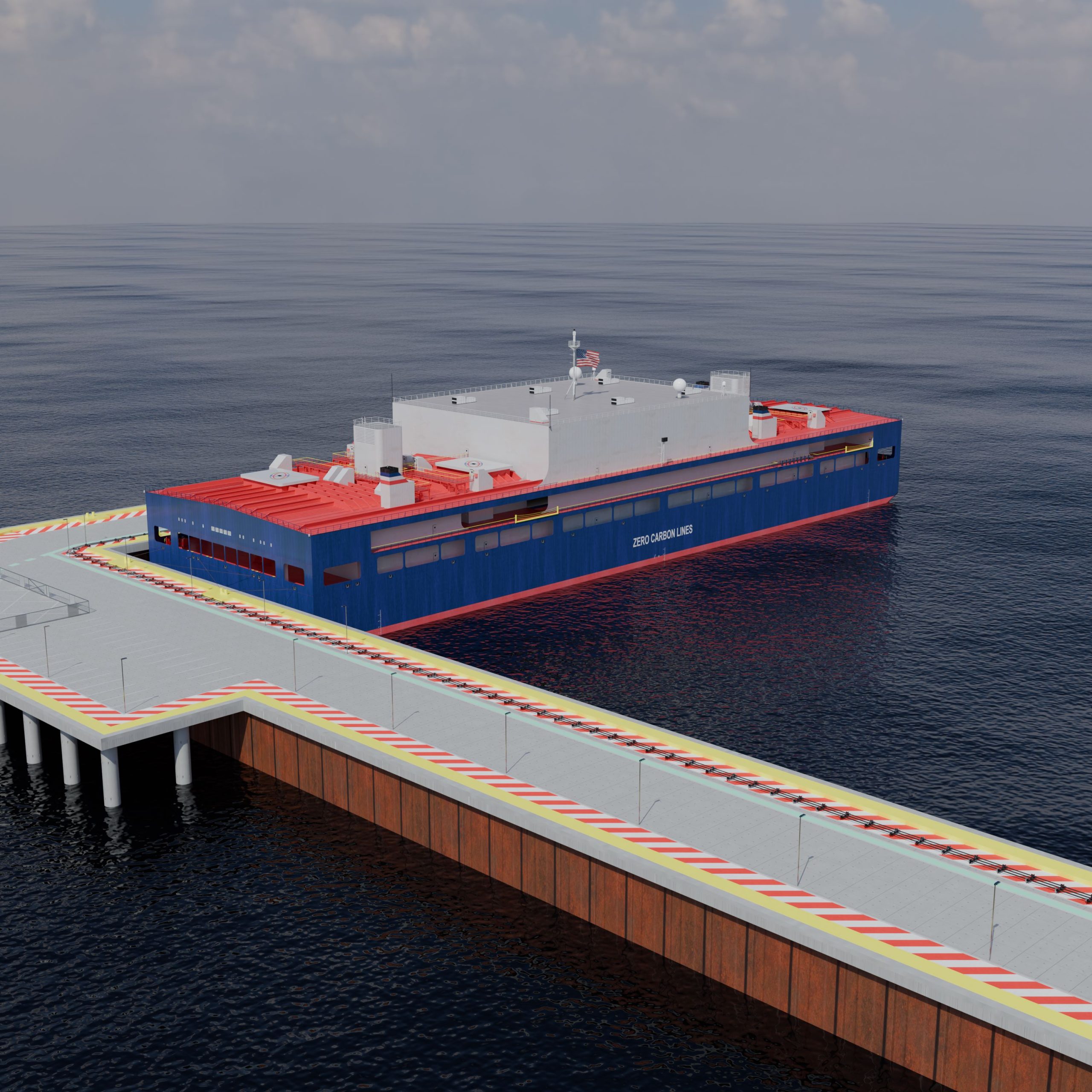
Rendering of a nuclear-powered floating data center from Herbert Engineering (HEC). (Courtesy: ABS)

Future Options Without Overstatement

While there is interest in emerging technologies such as offshore small modular reactors (SMRs), their deployment is expected to be gradual and highly regulated. Rather than positioning SMRs as imminent, ABS views them as a longer-term option that could complement renewables in specific geographies.

Nuclear may play a supporting role at some point, particularly for baseload electricity in offshore industrial zones, but renewables, grid upgrades, and electrification are the immediate levers.

This framing preserves realism and credibility, reflecting both technical readiness and market sentiment.

A Convergence Taking Shape

The convergence of renewables, electrified maritime systems, and digital infrastructure represents one of the most consequential industrial shifts now underway. Hyperscalers and AI firms are seeking access to electricity and cooling; shipping is seeking access to clean electrons, and ports are becoming energy hubs rather than simple interfaces between sea and land.

From floating -wind-to-port electrification and seawater-cooled data platforms, the offshore environment is emerging as a strategic solution space for the 2030s and beyond. More energy, more computing, more grid flexibility, and more physical space will be required. The offshore environment can deliver all four with the support of class and certification providers that are working to ensure the migration of onshore technologies to offshore environments is safe, robust, and commercially viable.

Offshore industries solved seemingly impossible challenges once before. They may soon do so again, this time for electrification, digitalization, and artificial intelligence. 

References
  1. https://www.iea.org/news/ai-is-set-to-drive-surging-electricity-demand-from-data-centres-while-offering-the-potential-to-transform-how-the-energy-sector-works.
  2. https://www.gwec.net/gwec-news/report-outlines-enormous-potential-for-floating-offshore-wind-in-energy-transition.

Vestas gets 26 MW order in New Zealand

Vestas recently received an order for the 26 MW Kapuni Wind Farm in New Zealand from Hiringa Energy Limited.

The order includes supply and installation of 4 V162-6.4 MW EnVentus wind turbines optimized to boost energy output. The order also includes a 20-year service agreement, ensuring reliable, long-term clean power for local communities and industry.

The Kapuni project is a partnership between Hiringa Energy, Balance Agri-Nutrients, Todd, PKW and MBIE, with Hiringa Energy leading development and operations.

As one of New Zealand’s first large scale projects integrating wind power to the grid that supports green hydrogen production at scale, Kapuni supports decarbonization across transport, energy, industry, and agriculture while strengthening the country’s renewable energy system.

“Vestas’s cutting-edge technology and proven track record in New Zealand will strengthen our energy generation capacity, enabling us to reliably supply clean hydrogen across our network,” said Catherine Clennett, Hiringa co-founder and chairperson. “Their experience delivering major wind projects and long-term service partnerships gives us confidence in the reliability of our renewable energy supply.”

“Partnering with Hiringa Energy enables us to convert New Zealand’s world-leading wind resources into other forms of energy such as clean hydrogen, supporting a secure and independent energy supply,” said Danny Nielsen, Vestas’ senior vice president and country head, Australia and New Zealand. “Together, we are contributing to a reliable, zero-emission energy future.”

Deliveries are expected to begin in the first quarter of 2026, while commissioning is planned for the second quarter of 2027. 

More info www.vestas.com

FairWind awarded Australia onshore wind-farm contract

FairWind has been awarded an eight-figure contract from a major wind-turbine manufacturer to deliver installation, mechanical and electrical services for a large-scale onshore wind farm in Australia. 

The company will deliver key services across 50 turbines, including the lifting and installation of main components comprising towers, nacelles, drivetrains, hubs, and blades. Electrical routing will also be provided, in addition to the integration of mechanical systems such gearbox, braking systems, hydraulics and lubrication.

FairWind has been awarded an eight-figure contract from a major wind turbine manufacturer in Australia. (Courtesy: FairWind)

The contract builds on FairWind’s successful installation of more than 100 turbines for the same manufacturer on a previous project. The business has hired an additional 37 roles to support the project, which is due to complete by Q1 2026.

Fifty specialist technicians are already on-site, with support provided from a newly appointed project manager at the company’s base in Melbourne. 

“Australia is a driving force in the global energy transition and large-scale projects like this are vital in strengthening the country’s energy security and delivering clean, affordable power,” said Rasmus Jessen, FairWind’s chief operating officer – installation. “This latest project win not only reflects the trust placed in our capabilities, but also gives us a strong foundation to continue supporting the full wind turbine lifecycle, from installation through to long-term operations.

As more wind farms come online across Australia, ensuring the long-term performance, availability and safety of these assets becomes increasingly critical. Effective maintenance, repair and optimization are just as important as installation in maximizing output and protecting value over the lifetime of a wind farm. With our deep technical expertise, highly skilled teams and strong local presence, FairWind is uniquely positioned to support operators in meeting these challenges, keeping turbines performing at their best and delivering reliable, sustainable energy for decades to come.”

Founded in 2008, FairWind is headquartered in Vejle, Denmark, and has more than 2,200 technicians operating in more than 40 countries. The company offers full-scope wind turbine services across the entire lifecycle of renewable energy assets, playing a major role in the global energy transition.

More info fairwind.com/en 

RUD develops neXera electric hoist with variable lifting speeds

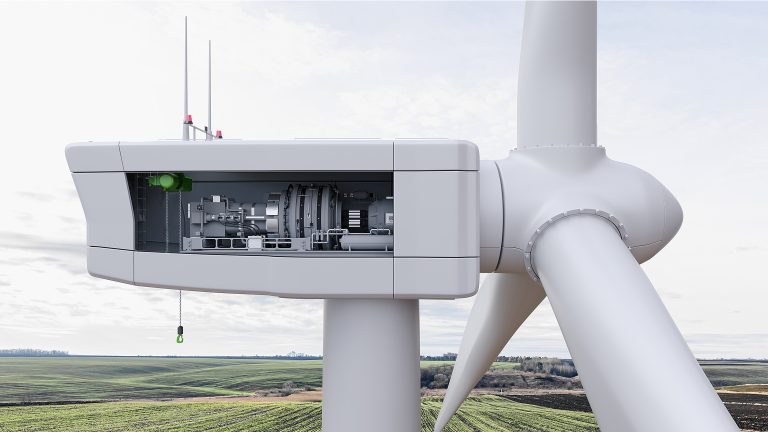
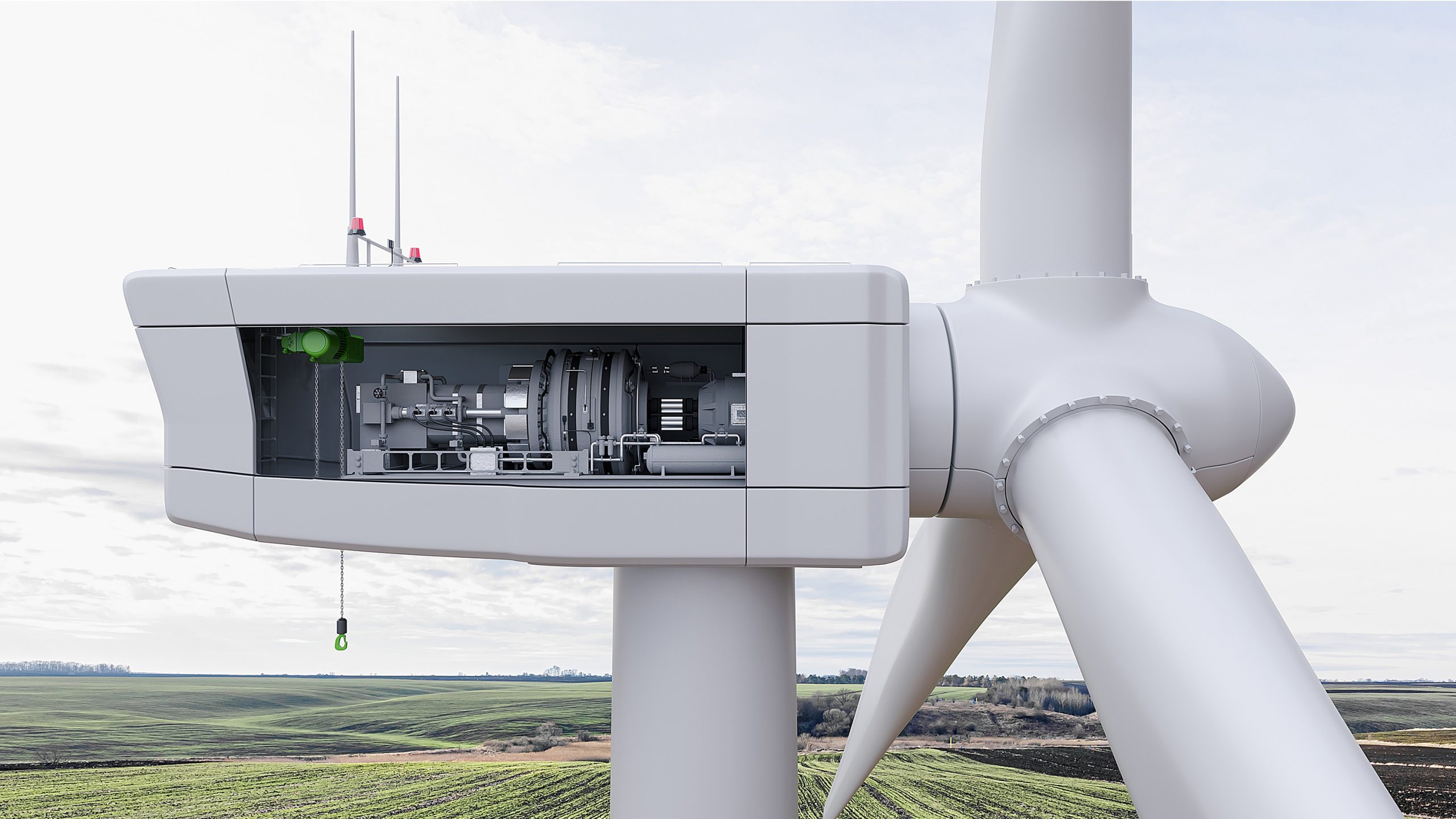
RUD recently developed neXera, an electric hoist that comes with variable lifting speeds of 24 to 80 m/min for loads of up to 800 kg. Compared to conventional devices, RUD neXera is about four times faster at lifting and lowering over a typical service cycle. This is made possible primarily by the patented X-Drive chain drive. Wind-turbine operators benefit from less downtime for maintenance and longer operating times per turbine. The hoist offers higher safety for service personnel and is easy to maintain thanks to its modular design. 

“RUD neXera is completely new and unique; there has never been such a fast and safe hoist for wind turbines on the market before,” said Matthias Müller, technical manager in Drive Development at RUD Drives GmbH, based in Wermsdorf (Saxony). “We developed our innovation specifically for lifting applications with lifting heights of up to 200 meterss and more. These hub heights are now a reality in the wind power industry, but classic hoists are designed for a hub height of 160 metres. With RUD neXera, we are closing this gap in the market.”

RUD has developed neXera, an electric hoist that comes with variable lifting speeds of 24 to 80 m/min. (Courtesy: RUD)

As an innovative hoist for wind turbines, RUD neXera is suitable for all turbine types with a hub height of up to 200m, both onshore and offshore.

THE X-Drive chain drive, a RUD innovation, enables high chain speeds of up to 80 m/min. The result: shorter waiting times when lifting and lowering, and therefore shorter service times on wind turbines. This leads to lower service costs and less downtime for the turbine. The fast chain drive also scores points with low chain wear, which leads to lower operating costs and greater safety. Another safety plus: with the X-Drive, the chain pocket wheel prevents the chain from becoming unclamped or sheared off.

When maintaining wind turbines, tools, replacement materials, and lubricants have to be transported up into the turbine. RUD neXera takes care of this job; RUD neXera 800, for example, can transport up to 800 kg of payload to a height of 200 meters in about eight minutes.

“It’s a real advantage to be able to travel at high speeds and get from top to bottom as quickly as possible – and vice versa,” said Annekatrin Strunz, Sales Area Manager Windpower at RUD.

“With conventional hoists, lifting the necessary tools and auxiliary materials for maintenance work on wind turbines takes an average of two hours. RUD neXera, on the other hand, takes around half an hour,” Müller said.

RUD neXera not only scores with high lifting speeds, but also with increased operational and work safety. The newly developed hoist has a built-in incremental encoder that allows the highest and lowest desired hook positions to be set precisely. The sensor records the revolutions of the drive shaft precisely and ensures high positioning and repeat accuracy. The encoder cannot be manipulated during operation and, unlike the push button switches or tilt elements in conventional hoists, its trigger elements cannot be mechanically destroyed.

“These are all developments designed to reduce the risk of accidents during wind turbine maintenance,” Müller said.

In addition, RUD neXera can be equipped with a load eye instead of a load hook.

“With the load eye and matching shackles, the load is held securely in place. This is a real safety advantage for the operating and service personnel on the ground,” Müller said.

The hoist from RUD has a modular design, which enables servicing of the hoist and replacement of assemblies. Electricians have easy access to the control system on RUD neXera, enabling them to rectify faults more quickly. All control elements are housed in a separate box. The entire control system can be replaced separately, as can the pendant control. Unlike conventional hoists, the hoist’s operating data (e.g. for the annual inspection and the test log) can be recorded and stored as a variable in the frequency converter in a way that cannot be manipulated.

As of January 1, 2025, there were a total of 30,243 wind turbines in Germany with a total installed capacity of 69,475 MW, as reported by strom-report.de. The majority of wind energy generation comes from onshore turbines. These, as well as offshore turbines at sea, require regular maintenance.

“There is a high demand for efficient, safe and fast lifting equipment for wind turbines,” Müller said. “This is where RUD neXera comes in, taking wind turbine maintenance to a new level.”

More info www.nexera.rud.com

Gill launches infrared optical rain gauge

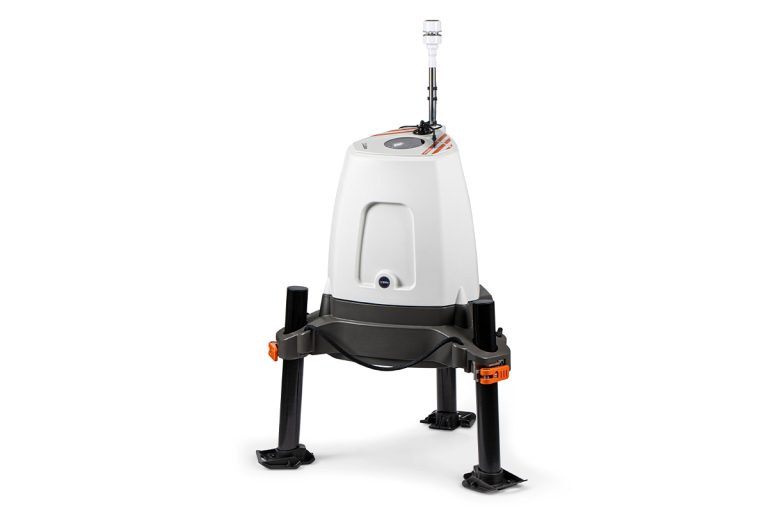
Gill Instruments, designer and manufacturer of meteorological and environmental measurement instruments, recently launched TruMet PW100, its new infrared optical rain gauge.

For decades, rainfall measurement has relied on mechanical tipping bucket gauges. While trusted, these systems are prone to clogging, mechanical drift (requiring frequent calibration for reliable data), and under-counting during high-intensity rainfall, leading to maintenance demands and data uncertainty when accuracy matters most.

Gill’s TruMet PW100 Optical Rain Gauge is engineered to overcome these long-standing challenges. The TruMet PW100 uses a solid-state optical measurement principle rather than mechanical collection. LEDs (light-emitting diodes) create a beam of light across a defined sensing area, and a receiver monitors interruptions in the beam caused by rainfall.

By analyzing the size and velocity of droplets, the system accurately measures rainfall accumulation and filters out non-rain interference, such as insects or debris.

With no moving parts, collection funnel, or tipping mechanism, the infrared optical rain gauge delivers accuracy equal to that of traditional tipping buckets, but without the mechanical parts that can fail, reducing maintenance and long-term costs.

“Rainfall is changing, yet the industry relies on legacy mechanical technology,” said Greg Koch, product manager at Gill. “We didn’t set out to reinvent rain measurement for novelty’s sake.

We set out to remove the weakest link. This optical rain gauge delivers trusted accuracy without moving parts and minimal maintenance, which fundamentally changes how rain data can be collected at scale.”

The TruMet PW100 provides rainfall measurement at a lower lifetime cost, with less complexity or servicing than traditional or specialist instruments.

Typical applications include meteorological and hydrological networks, flood forecasting and early-warning systems, smart city and urban drainage monitoring, transport, aviation and infrastructure operations, and renewable energy and environmental monitoring.

By minimizing routine maintenance, the TruMet PW100 Optical Rain Gauge lowers ownership costs and improves data reliability for widely distributed networks.

At launch, TruMet PW100 Optical Rain Gauge outputs the standard pulse signal (an electronic output used by weather equipment) that tipping bucket rain gauges use, so it can be deployed as a direct replacement within existing monitoring networks without system changes or retraining.

The TruMet PW100 Optical Rain Gauge will be available both as a standalone rainfall sensor, and an integrated option within Gill’s MaxiMet product line, including the upcoming GMX603, which incorporates the optical rainfall technology into a compact weather station (an instrument that measures multiple meteorological parameters) for meteorological monitoring in a single instrument.

More info www.gillinstruments.com

DNV completes IEC classification of ZX 300e wind Lidar

Energy expert and independent technical adviser DNV has completed its independent IEC Classification of the ZX 300e ground-based wind Lidar, confirming the highest performance outcome under the IEC classification framework has been achieved: zero percent standard uncertainty and zero percent accuracy class.

The assessment was carried out using the complete methodology defined in IEC 61400-50-2 and provides clear, independently verified confidence in the capabilities of the ZX 300e for wind-energy assessment and power-performance testing. This included multiple test sites, multiple reference masts, several extended campaigns, and a wide range of environmental conditions. ZX Lidars supplied an extensive dataset for a fleet of ZX 300e Lidars that exceeded the minimum requirements of the standard, enabling DNV to evaluate the system’s performance across a broader set of scenarios than is typically available for a Classification of this kind.

DNV has completed its independent IEC Classification of the ZX 300e ground-based wind Lidar. (Courtesy: DNV)

As part of the work, the ZX 300e achieved validated performance across a 20-to-200-meter height range, the broadest range confirmed for any wind Lidar under the IEC framework. This corresponds to ZX 300e’s capability to measure from lower heights of 10 meters upwards, with the lower height in the assessment limited only by the availability of suitable reference measurements at the test sites. “DNV has completed the formal IEC Classification of the ZX 300e, applying the full multi-site and multi-mast methodology set out in IEC 61400-50-2,” said Richard Frühmann, senior engineer and technical lead for Lidar services in Northern Europe at DNV.

“The ZX 300e achieved zero percent standard uncertainty and an associated zero percent accuracy class. The measurement program surpassed IEC minimum criteria in terms of campaign count and duration, and included full seasonal coverage, thereby enhancing confidence in the final results.”

The Classification confirms the suitability of the ZX 300e for a variety of industry uses where validated wind measurements are required, including energy-yield assessments, site suitability, and wind turbine power performance testing. The result also builds on the earlier independent classification of the ZX 300, which demonstrated zero percent standard uncertainty to 100 meters, and now extends validated performance to the higher hub heights widely deployed in modern wind projects.

More info www.ZXLidars.com

Venterra, CAPE Holland secure Taiwan wind-farm contract

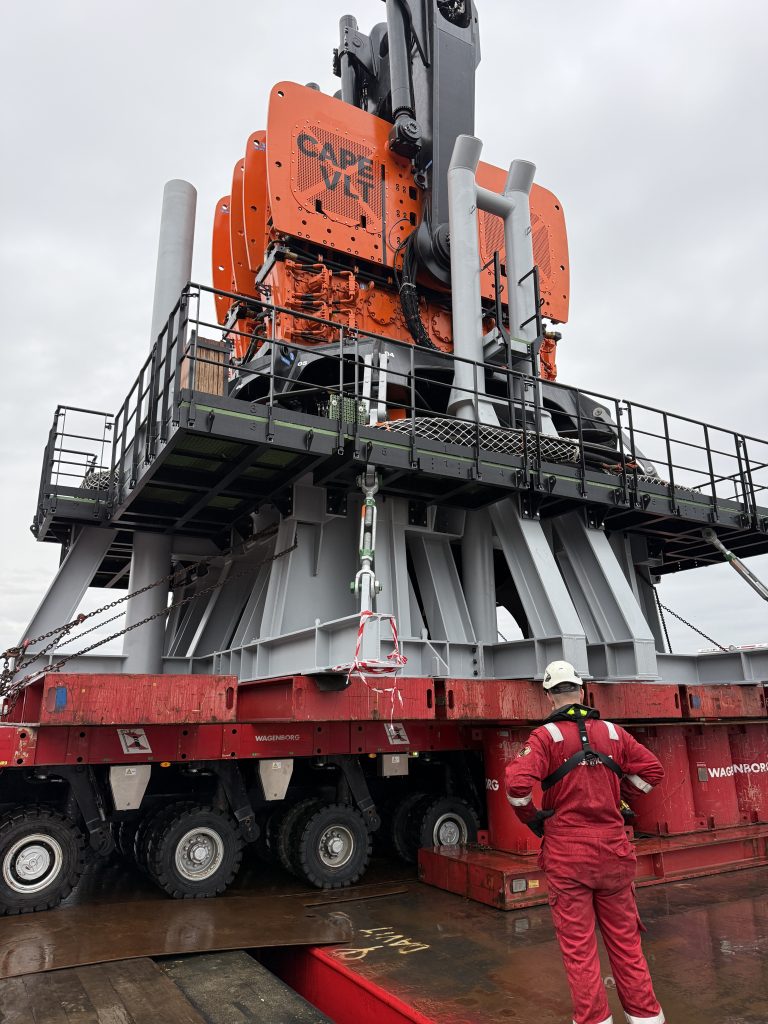
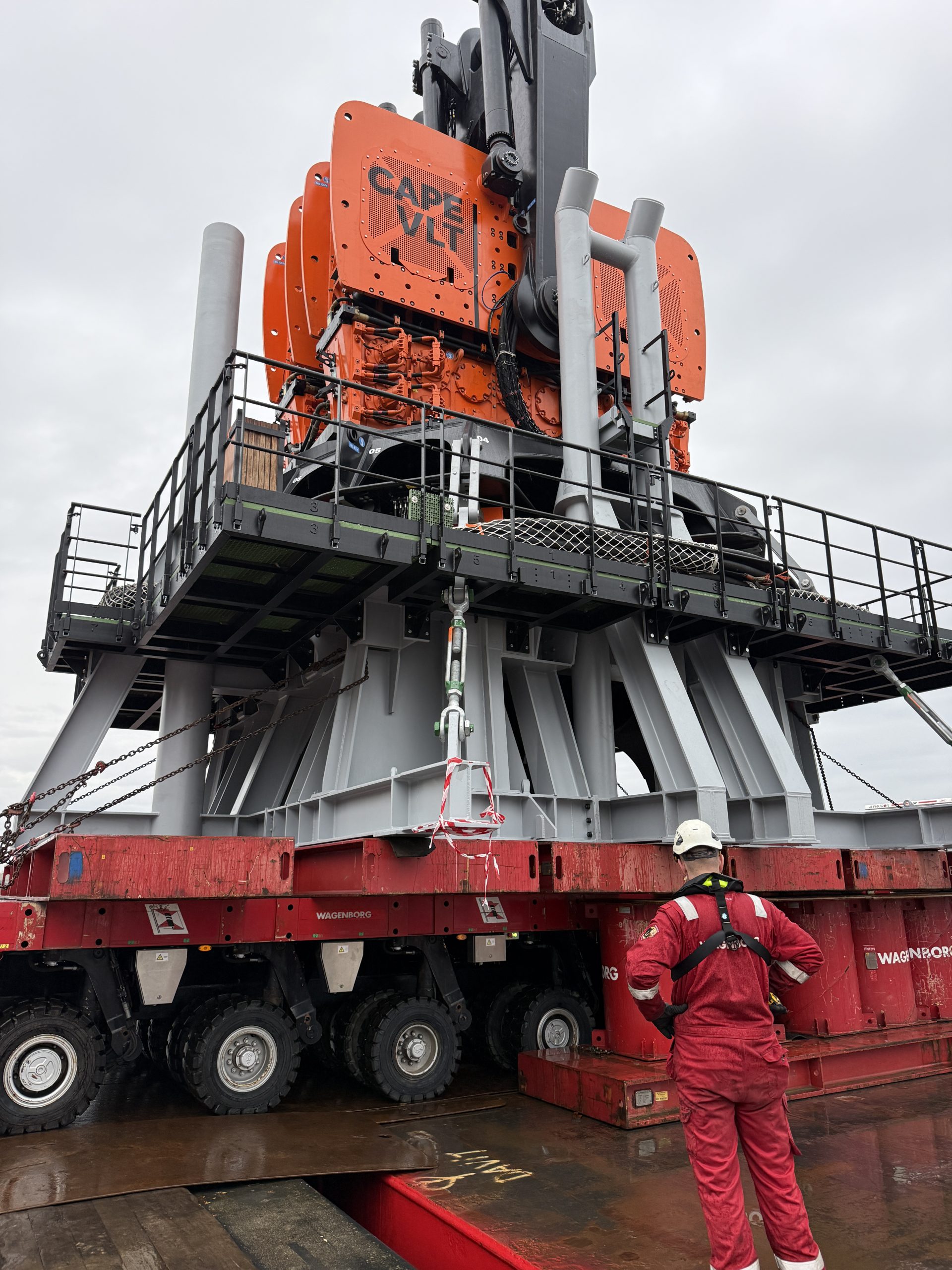
CAPE Holland, a leader in offshore industry foundation installation equipment and a key company within the Venterra Group, has secured a contract with CDWE for the Fengmiao Offshore Wind Farm project in Taiwan. Under this agreement, CAPE Holland will supply its CAPE VLT-640 Tandem Vibro Lifting Tool for the pre-installation of foundation piles and offshore substation piles.

The decision to deploy the CAPE VLT-640 was driven by its ability to safely drive piles through challenging subsea soils with risk of pile run. With a track record of successfully installing well over 400 jacket piles in Taiwan, all without a single pile run, the CAPE VLT continues to set new standards for operational efficiency and risk reduction. Significant schedule optimization on the project was achieved in close collaboration with CDWE.

CAPE Holland has secured a contract for the Fengmiao Offshore Wind Farm project in Taiwan. (Courtesy: Venterra Group, CAPE Holland)

“We are delighted to strengthen our relationship with CDWE through the Fengmiao project,” said Frank Koopman, CAPE Holland managing director. “The successful application of the CAPE VLT on previous projects like Hai Long, has proven its value in delivering safe, efficient, and cost-effective pile installation with significantly benefits addressing operational risks as well as environmental concerns given the key features of the CAPE VLT.”

The Fengmiao Offshore Wind Farm, situated in the Taiwan Strait about 36 kilometers off the coast of Taichung City, will feature water depths ranging from 53 to 64 meters. Once completed, the wind farm will deliver a total capacity of 500 MW, comprising 33 wind turbine generator (WTG) positions (99 pre piles through template) equipped with 15-MW turbines. The offshore substation foundation comprises a four-legged jacket structure with four post-installed skirt piles, each 4.6 meters in diameter and weighing up to 810 tons. The foundation piles are of the same diameter and weigh up to 585 tons.

As part of the Venterra Group, CAPE Holland benefits from the group’s extensive manufacturing and engineering capabilities. Venterra is a supplier of equipment and services to the offshore wind industry, manufacturing key equipment and components that support the construction and decommissioning of offshore wind farms. This contract win further strengthens Venterra’s position as a trusted partner to offshore wind developers worldwide, confirming its commitment to delivering innovative, safe, and efficient solutions for clients.

More info www.venterra-group.com

Advanced Precast adds Shuttlelift crane

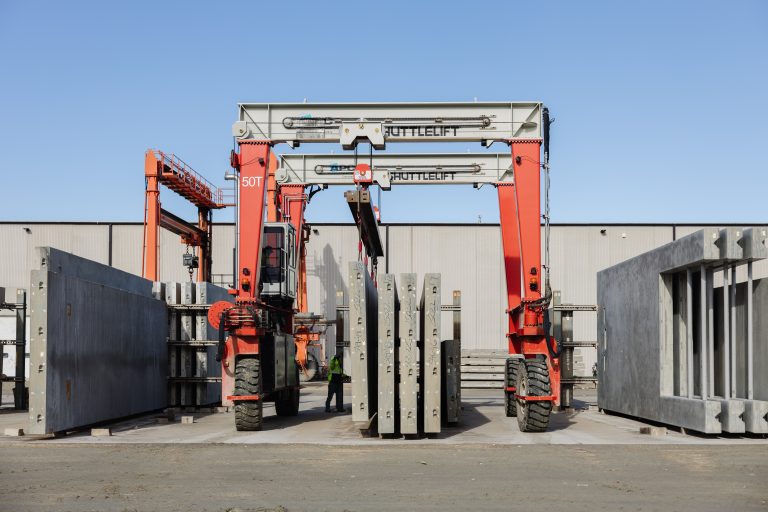
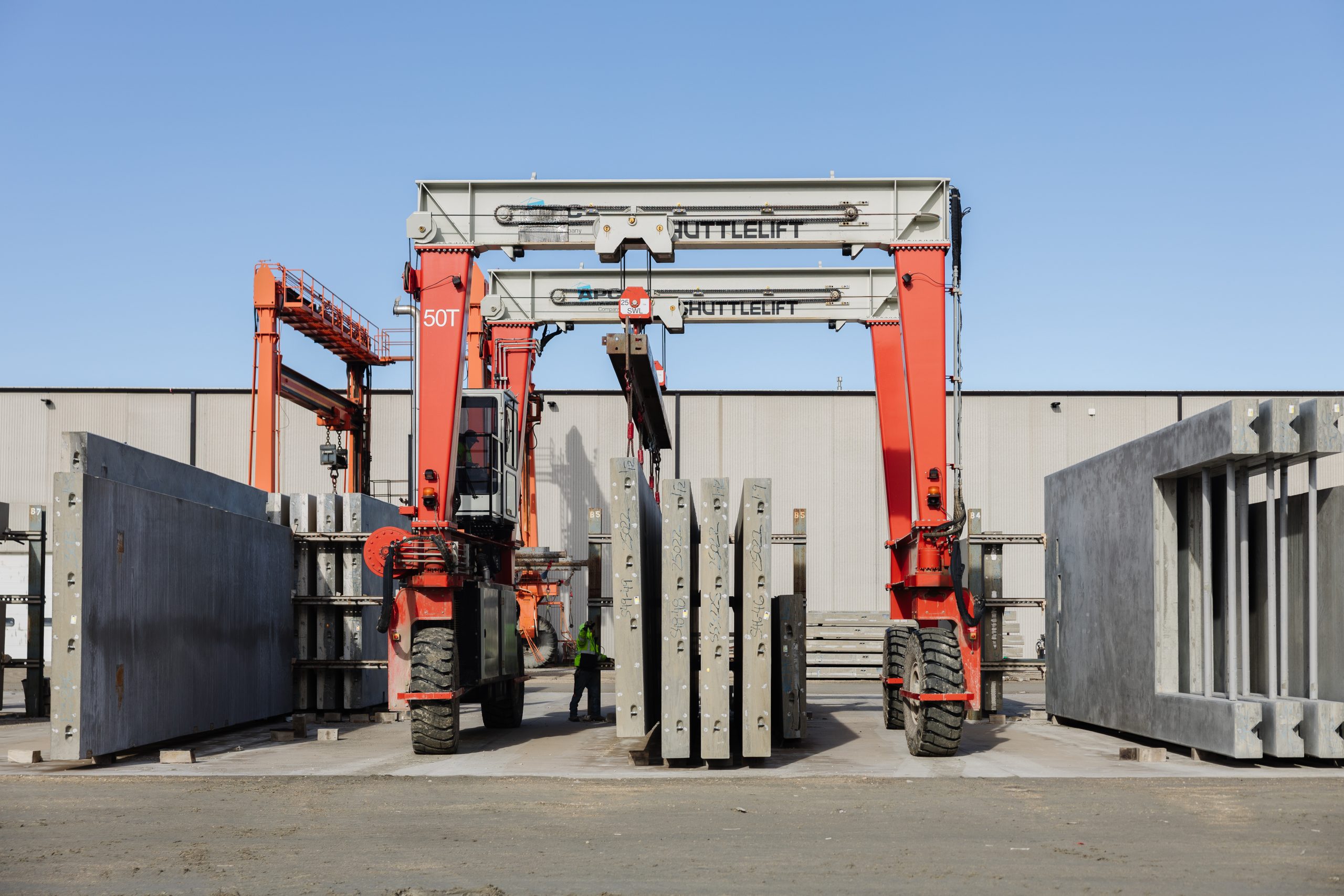
Advanced Precast Company, Inc., an Iowa based producer of structural and architectural prestress products, has strengthened its lifting and material-handling capabilities with the recent addition of a Shuttlelift DB50 rubber-tired gantry crane. The investment supports the company’s growth and its commitment to efficient, precise, and dependable production.

The DB50 delivered to Advanced Precast includes features that have proven valuable to both operators and maintenance staff. Anderson highlighted Shuttlelift’s spacious cab and platform layout, which he described as “a nice working space for our operators.” The maintenance team also noted the benefit of being able to access and service critical components from ground level or a ladder thanks to the crane’s low-mounted hoist design. Shuttlelift’s IQAN diagnostic system gives the ability to streamline troubleshooting and help the team keep working, further maximizing uptime and improving overall efficiency.

The DB50 delivered to Advanced Precast includes features that have proven valuable to both operators and maintenance staff. (Courtesy: Shuttlelift)

Founded in 2008, Advanced Precast operates a 70,000-square-foot facility equipped with four casting lines. Despite being a smaller operation, the company has built a reputation for exceptional speed and efficiency.

“We are a small facility, but we are fast in how we operate,” said Randy Anderson, Director of Operations. “Because of our efficiencies, people often think we’re much larger than we actually are.”

As business continued to expand over the past several years, the need for a new gantry crane became increasingly clear. Anderson first connected with Shuttlelift at a trade show, where he was introduced to the company’s equipment and team.

“After getting to know Shuttlelift, we realized how easy it was to work together,” he said. “The Shuttlelift technicians were incredibly self-sufficient, we were able to go about our normal day as they did their job. It was a seamless install… the learning curve from our previous equipment to Shuttlelift was easy and smooth. Shuttlelift has always treated us well, and there has always been full transparency. If we’re in a bind, they are quick to help us out. Their level of knowledge in the gantry crane industry is second to none.”

More info www.shuttlelift.com

Seaboard Marine invests in harbor cranes for U.S. hubs

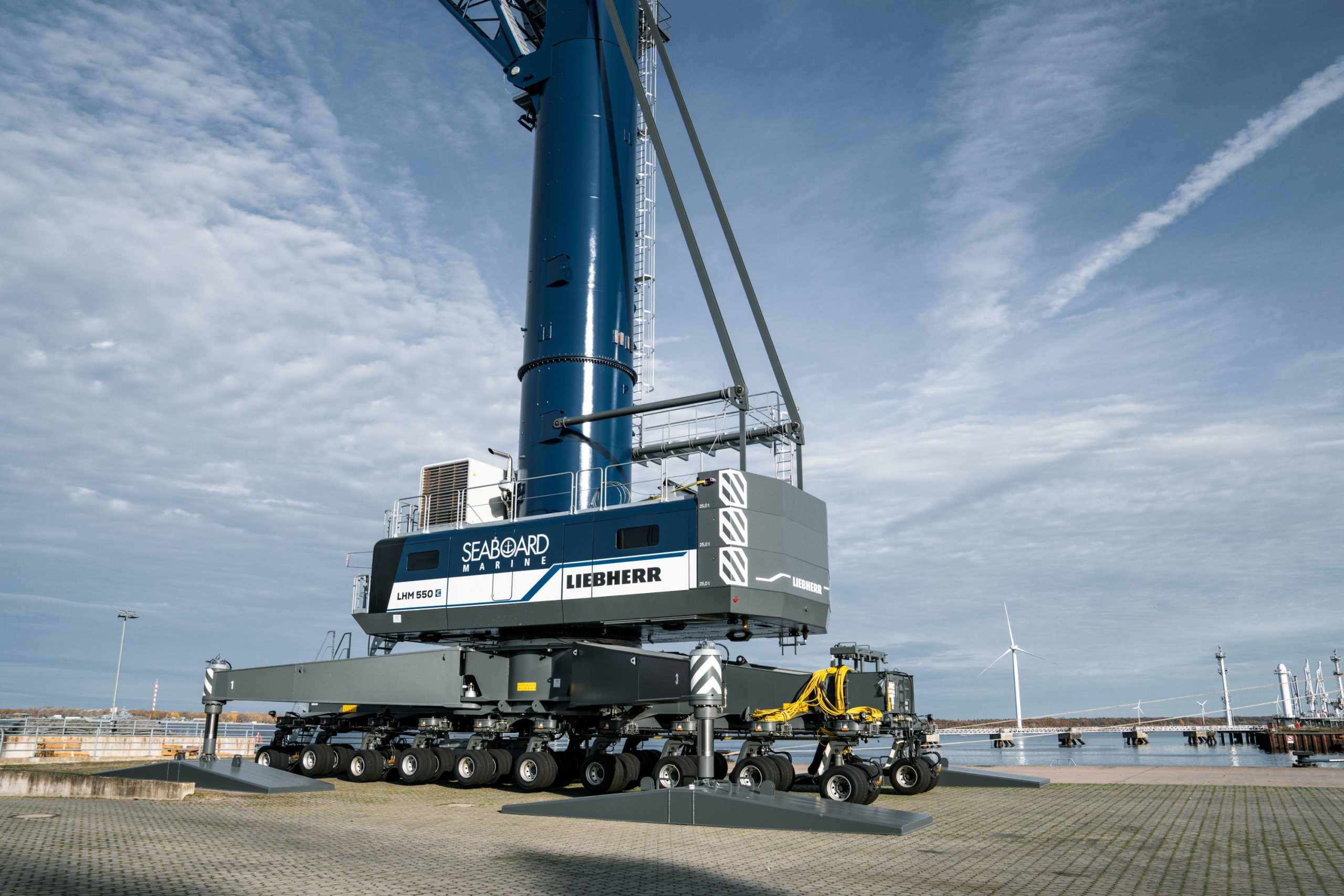
Seaboard Marine has invested in electric LHM 550 harbor cranes for use at U.S. trade hubs PortMiami and Port of Houston. Liebherr delivers three LHM 550 mobile harbor cranes with electric drive, tower extension, and custom pads to enhance container and multipurpose handling at PortMiami and Port of Houston.

The three Liebherr LHM 550 mobile harbor cranes in high-rise configuration will be deployed across Seaboard Marine’s private terminals at PortMiami and Port of Houston, enhancing container handling. Electric drive positions the cranes for future shore power initiatives, while hydrostatic drive technology ensures smooth, efficient performance under variable load conditions. With an outreach of up to 54 meters and a configured lifting capacity of 104 metric tons, the LHM 550 accommodates New Panamax vessels while preserving exceptional turnaround times.

Seaboard Marine has invested in electric LHM 550 harbor cranes for use at U.S. trade hubs. (Courtesy: Liebherr)

The project builds on a partnership dating back to 2001, adding to eight Liebherr cranes already in service and reinforcing Seaboard Marine’s commitment to future ready infrastructure and operational resilience.

Seaboard Marine Ltd., established in 1983, operates a fleet of more than 20 vessels and more than 60,000 containers, serving nearly 40 ports and carrying more cargo to and from PortMiami than any other carrier.

Seaboard Marine’s decision for three LHM 550 reflects a commitment to scalable infrastructure and energy efficient solutions, leveraging Liebherr’s modular crane design and full service support to optimize performance in high volume environments.

PortMiami processed more than 1.1 million TEUs in 2024, with Seaboard Marine as the largest carrier by cargo volume at the port. The new cranes will strengthen berth productivity and support growth in refrigerated cargo and breakbulk shipments, complementing Seaboard Marine’s LNG powered fleet expansion. These cranes also will enable fast vessel turnaround, reducing congestion during peak periods and supporting the port’s role as a hub for Caribbean and Latin American trade.

At the Port of Houston, which achieved a record by handling more than 4.1 million TEUs last year, the additional crane capacity will improve flexibility for container handling while supporting Seaboard Marine’s multipurpose service model.

This expansion strengthens the company’s strategy to uphold competitive transit times and address the rising demand for container handling.

Customer specific adaptations, including tower extensions, customized supporting pads, and tailored painting, reflect operational and branding requirements. Each crane is equipped with electric drive, ensuring eco friendly operation and compliance with future port electrification standards.

This delivery continues a partnership with Seaboard Marine that has spanned more than two decades, reinforcing trust through consistent technical performance and tailored solutions. Liebherr’s regional service network, supported by Liebherr USA, Co., provides remote support and rapid on site intervention under a full service contract, with dedicated teams based in Miami and Houston to guarantee swift response and maximum uptime.

“This collaboration demonstrates our shared commitment to future ready solutions and operational excellence,” said Andreas Ritschel, General Manager Sales Mobile Harbour Cranes at Liebherr Rostock GmbH.

More info www.liebherr.com

Global fleet could reach 400-GW capacity by 2030

A recent study by the Kuehne Climate Center shows that the existing and forthcoming global fleets of wind-turbine installation vessels (WTIVs) and heavy lift vessels (HLVs) could install an additional 320 GW of offshore wind by 2030, driving global installed capacity up to 400 GW, if broader market conditions align.

China’s fleet can most likely achieve about 225 GW through the smart coordination of demand and supply of installation services alone. The rest of the world market, led by European operators, would, in addition to smart coordination, require annual fleet investments in the range of 2.5 billion to 4 billion euros over the next three years to achieve 175 GW installed capacity by 2030. Without these investments, the rest of the world’s vessel fleet could at best achieve about 140 GW installed capacity by 2030, bringing global possible installations down to 365 GW.

A recent study says the global wind fleet could achieve 400 GW installed capacity by 2030. (Courtesy: Shutterstock)

While these gigawatt numbers may seem high from today’s perspective of a volatile offshore wind market, renewable energy scenarios suggest that 2,500 GW of offshore wind will be needed by 2050 to meet climate targets. Under the “Double Down, Triple Up” renewables pledge from the end of 2023, aspirations were for 500 GW of offshore wind by 2030. Given the need to scale renewables such as offshore wind at an unprecedented pace, the findings highlight the entire supply chain’s capacity should be regularly assessed, and that future output targets need to be backed by supply chain development targets. Stefanie Sohm from the Kuehne Climate Center, who led the study, sees especially the logistics systems to support sector growth as an often-overlooked component.

“Wind installation vessels are large assets and can have long lead times,” she said. “Mobilizing the right investments early on requires market visibility and coherent supply chain development plans across the industry.”

The study also illustrates how a qualitative mismatch between market supply and demand constrains the overall installations that can be achieved: Tasking the vessel fleet with the installation of the same overall amount of gigawatts but composed of different plausible turbine sizes results in different amounts of gigawatts installed.

“Efficient vessel deployment strategies within a project should be an obvious objective for keeping costs down,” said Panticon’s Thomas Poulsen, a contributor to the research. “Looking further ahead, the potential efficiency gains from smart coordination of vessel allocation across projects and regions have not yet received the attention it deserves.”

Since installation vessels are only one of many critical players in offshore wind, possible achievements obviously also depend on the capacities of the rest of the supply chain, and importantly, the broader market conditions and political ambition.

The study “Logistics’ role in scaling offshore wind to climate targets – a scenario study on installation vessel requirements” is available for download on KCC’S website. It includes a general overview of offshore wind logistics and an assessment of the existing and forthcoming wind-turbine installation vessel and heavy-lift vessel fleets for PR China and the rest of the world.  Using different turbine evolution scenarios, the study includes a detailed analysis up to 2030 and a high-level outlook to 2050.

More info www.kuehne-stiftung.org

Providing advanced asset protection

0

Let’s start with the obvious: Today’s wind turbines are enormous. Keeping them turning and creating power throughout their lifetime can sometimes be a bit more … complicated.

There are many checks and balances and necessary equipment needed to perform that complex task, but nothing may be more essential than the lubricants within the turbine itself.

To that end, Castrol has been creating lubricants for wind turbines since the early 1980s, according to David DiNunzio, Wind Key Account manager, North America.

As a global organization, Castrol has teams all over the world with expertise in dealing with a variety of different environments. (Courtesy: Castrol)

Expanding its wind knowledge

In 2000, Castrol was acquired by BP as the company began to expand its presence in alternative energy, including wind. These investments focused on building and operating wind farms, especially in the United States, according to DiNunzio.

“That gave us some really unique insight into the wind business,” he said. “Today, it continues to give us a unique opportunity to look at what challenges the OEMs face when they’re building and constructing, and also the responsibilities of the site teams. It gives us valuable perspective that helps us bring the best solutions and develop products to meet new technology as it continues to evolve.”

One of the challenges facing lubricant providers, like Castrol, is the continued growth of the turbines themselves, according to DiNunzio.

“Unfortunately, everything doesn’t scale along with the power output,” he said. “In the past, turbines were small — around 200 to 400 kW — mounted on lattice towers. Today, we’re dealing with machines in the 4  to 6 MW range, which are massive pieces of equipment.”

One of the biggest engineering challenges that comes with this scale is weight.

According to DiNunzio, turbine manufacturers are very cautious about placing large or heavy components at the top of the tower, since doing so can introduce significant safety risks. He noted that the high power output required from modern turbines puts substantial additional stress on the gearboxes, main bearings, and the entire drivetrain.

“The power ratio these turbines have to put out puts a lot more stress on the gearboxes and main bearings — the whole drivetrain,” he said. “It just brings a lot of safety hazards with it.”

Castrol’s vast timeline of expertise mean the company has brought a lot of unique solutions to the industry. (Courtesy: Castrol)

The power of lubrication, not just lubricants

To address the challenges, both large and small, Castrol works with customers to focus on the “total cost of ownership,” according to DiNunzio.

“What truly impacts a plant’s profitability isn’t the upfront price of the lubricant, but how it performs over time,” he said. “Castrol’s philosophy is centered on delivering the lowest total cost of ownership through performance, reliability, and advanced technology. In wind, where turbines operate under extreme conditions and service access is limited, our focus has always been on maximizing lubricant technology to extend component life, reduce failures, and simplify maintenance.”

Dealing with different environments

When it comes to total cost of ownership, operating environment matters because wind turbines face vastly different conditions that directly affect reliability and maintenance, according to DiNunzio. Understanding the distinct environments in which wind turbines are built is a critical part of the equation. Total cost of ownership is ultimately shaped by where the turbine operates, because the environment — whether offshore, coastal, or inland — directly affects lubricant performance, component life, and the overall value discussion.

“They’re not sitting in one, neat, sunny climate,” he said. “They’re all over the United States — and really, all over the world. That’s why we have to make products that are flexible to handle those different environments that turbines face.”

Offshore wind also has its own set of challenges, according to DiNunzio, which is why offshore turbines tend to be a little more robust.

Castrol was one of the first lubricant companies to develope products specific for the wind industry. (Courtesy: Castrol)

“Offshore environments make serviceability even more challenging, so longer-lasting products that extend equipment life become essential,” he said. “Servicing a turbine 300 feet in the air is difficult on its own — adding a boat trip into open water makes it even tougher. That’s why we design products built for these conditions, with broad OEM approvals across multiple platforms.”

With that in mind, Castrol wants to ensure turbines get the best lubrication wherever they’re located, according to DiNunzio.

“We need our technology to perform everywhere — from the equator to the far north, offshore or onshore,” he said.

Finding the best solutions

Staying on top of the latest developments is just part of how Castrol develops the ideal solutions for its clients, according to DiNunzio.

“There’s a lot of competition in the industrial and wind space,” he said. “We’re all working to advance technology, understand emerging challenges, and anticipate where the industry  will be in a few years. Developing, testing, and field validating new solutions takes time, so we have to project five to six years out and plan for the challenges ahead we’re going to face. That’s how we balance cost and technology to deliver the most value for our clients.”

As a global organization, Castrol has teams all over the world with expertise in dealing with a variety of different environments, according to DiNunzio.

“As you would expect, our teams in Europe have deeper experience with offshore turbines, while here in the United States the sheer number of onshore turbines gives us a strong base of knowledge, especially through our connection with the bp wind team,” he said. “We focus on asking customers the right questions and engaging the right people. It’s very important to get the opinion of the people in the field that see it firsthand. Input from field technicians, along with engineering and reliability teams, helps us understand the scale of an issue. From there, we can involve data scientists and specialists who monitor predictive technologies. Oil analysis is a core expertise for us, but we also rely on vibration analysis, temperature monitoring, and other diagnostic tools to pinpoint what’s going on. We draw on experience, ask targeted questions, and we’re not afraid to pull in other experts as needed. Troubleshooting is always better with more than one opinion.”

Staying on top of the latest developments is just part of how Castrol develops the ideal solutions for its clients. (Courtesy: Castrol)

Developing wind-specific products

Castrol’s vast timeline of expertise mean the company has brought a lot of unique solutions to the industry, according to DiNunzio.

“We’ve developed products specific for the wind industry,” he said. “We were one of the first lubricant companies to do that. We’ve pioneered technology that allows gear oil to be reconditioned uptower, which extends oil life and, in turn, equipment life — reducing the amount of service required, which I’ve dedicated a lot of time to testing and proving out the main bearing greases we’ve launched over the past eight years. They’ve boosted reliability across many platforms, earning approvals from nearly every OEM — proof of our product advantages and the industry experience behind them.”

Future of wind

Despite the current political client when it comes to wind energy, DiNunzio said he isn’t worried about the future state of the industry.

“The industry naturally cycles up and down, and wind industry has operated this way for a long time,” he said. “With its dependence on the tax code, fluctuations are expected, but I am confident wind will keep growing quickly. Our energy needs are enormous, and any viable source will be highly sought after.”

It’s also important to remember that wind energy as a power source is still very young compared to others, according to DiNunzio.

“It’s remarkable to see how far the industry has come in the 40 years we’ve been involved,” he said. “Turbine designs have changed rapidly, and we’ve evolved our lubrication technology right alongside them. The materials we use today are completely different from what we used in the ’80s.”

Wind is still a young industry compared with traditional power sources, according to DiNunzio.

“It’s learning how to scale, improve reliability, and support larger machines,” he said. “That’s where we fit in — developing solutions that help operators grow and get more energy from the wind. I’m excited about where wind is headed, which is why I’ve dedicated the past 10 years to it and expect to see even more growth ahead.” 

More info: www.castrol.comwind-us

AI and Composites: The new paradigm in blade manufacturing and maintenance

0

The wind-energy industry, a cornerstone of the global energy transition, faces a dual challenge: scaling production to meet growing demand while ensuring maximum efficiency and long-term durability of its assets. At the heart of this challenge are turbine blades — composite structures that are growing increasingly large and complex. In this context, artificial intelligence (AI) emerges as a transformative technology, quietly optimizing manufacturing processes and pointing toward a future of higher productivity and reliability.

Far from being an abstract concept, AI is already a tool with measurable impact on the factory floor of wind components. Its algorithms are redefining efficiency and quality standards, with concrete applications ranging from material-use optimization to real-time inspection to the development of intelligent curing processes.

While current applications focus on optimizing existing processes, the next frontier for AI in the wind industry lies in creating more resilient components and in autonomous manufacturing and maintenance processes. (Courtesy: SLEA)

The Present: Gains in Production Efficiency and Quality

The application of AI in wind-blade manufacturing is already delivering tangible results. The Israeli company, Plataine, for example, has implemented its optimization solution at major global manufacturers, including TPI Composites. By automating and optimizing cutting plans for the hundreds of fiberglass parts that make up a single blade, the technology achieved material savings of 3 percent to 4 percent — a significant gain in large-scale production [1].

Another critical advance is taking place in quality inspection. Traditionally, a manual and offline process, defect detection is being transformed. The Indian company, Assert AI, with its ORBIT system, and the Canadian company, Virtek, with its IRIS AI camera, use computer vision to inspect blades during the manufacturing process [2, 3]. These systems detect defects such as wrinkles, air bubbles, and foreign object debris (FOD) in real time, enabling immediate corrections, reducing waste, and eliminating the need for production stops for inspection. Control of the curing process — one of the most critical stages in composite manufacturing — is also becoming more intelligent. TPI Composites, in collaboration with the University of Texas at Dallas, is developing a “digital twin” to optimize blade curing. Using physics-informed machine learning algorithms and real-time sensor data, the system adjusts temperatures across multiple mold zones to ensure optimal curing, resulting in greater consistency and productivity [4]. In a previous project with the WindSTAR research center, TPI had already achieved 95 percent predictive accuracy with its digital twin of the infusion process, with computation speeds 100 times faster than traditional simulations [5].

While much of the attention in wind-turbine manufacturing has centered on the blades, other critical components are now entering the spotlight of AI-driven innovation. The nacelle cover — the protective housing for the turbine’s generator, gearbox, and control systems — presents its own manufacturing challenges. Though less discussed than the aerodynamic marvels of blades, the integrity of the nacelle cover is paramount to a turbine’s long-term reliability. A defect in this composite shell can lead to water ingress, corrosion, and failure of the equipment it protects.

The manufacturing of these large composite structures is a demanding process. Spanning several meters, each cover must be produced with tight tolerances to ensure a proper fit during final assembly, where even minor misalignments can cause costly delays. The process involves molding large fiberglass sections, ensuring correct resin infusion, and managing the internal components installed within the housing. For large wind farms requiring hundreds of identical units, ensuring repeatability and quality control is a significant technical challenge.

In response, a new trend is emerging: Component manufacturers are developing their own AI solutions in-house. This strategy allows them to create systems tailored to their specific production lines, thereby avoiding the high costs and long integration times associated with external vendors. By using their own process knowledge, these companies are building effective AI tools to address their most pressing quality and efficiency problems.

Far from being an abstract concept, AI is already a tool with measurable impact on the factory floor of wind components. (Courtesy: SLEA)

One example is a phased AI implementation at a nacelle cover facility. The first phase, already operational, focuses on administrative and traceability processes. An image recognition system integrated into the factory’s workflow management platform automatically verifies the purchase order number for a project matches the serial number and date on the component’s label. This automated check reduces human error and improves traceability, ensuring the digital record for each part is accurate from the start.

While this first step provides a solid foundation, the next phase represents a major step forward in quality control — a development seen as a significant advance for nacelle manufacturing. This system will use computer vision to conduct a full quality inspection inside the nacelle cover.

By training the AI on an image database from thousands of existing quality reports, the system will learn to identify and verify the presence and correct placement of every component, from brackets and wiring harnesses to insulation panels. Such a system allows for a level of inspection that is difficult to achieve with manual checks alone, especially in a high-volume production environment. It is a notable application, as no similar AI-based quality control system has been deployed in the serial production of nacelle covers to date.

The use of AI in nacelle cover manufacturing contrasts with the high-profile innovations being deployed for blade inspection, most notably by GE Vernova. While both use computer vision to improve quality, they target different components with distinct challenges, showing the technology’s versatility.

GE Vernova’s approach to blade quality addresses the structural demands of modern turbine blades. As Veronica Barner, the company’s renewables director at its Advanced Research Center, has noted, even an anomaly of a couple of millimeters can compromise a blade’s longevity. Finding such small deviations in a structure the size of a football field is like “trying to find a needle in a haystack” [10].

To solve this, GE Vernova has deployed robotic “crawlers” inside its blade factories. These compact robots, about the size of a two-foot model car, can navigate the entire interior of a blade, a task impossible for human inspectors who can only access about half of the internal surface. In about 30 minutes, the crawlers capture a complete high-definition visual record of the blade’s inner surfaces. This feed is then analyzed by a computer vision system trained on tens of thousands of annotated images to flag potential anomalies.

The system logs its findings in a digital tool, allowing technicians to review and address any issues before the blade is shipped. Each blade that passes this vetting process receives a digital quality certificate, ensuring a consistent standard across GE Vernova’s manufacturing network. The technology is already in use for the company’s 154-meter rotors, including those for the SunZia wind project in New Mexico [10]. The distinction between these two AI applications is important. The GE Vernova solution addresses the structural challenge of ensuring the integrity of a massive, load-bearing surface by detecting minute material and surface flaws. The in-house AI system for nacelle covers, on the other hand, solves a different problem: assembly verification. Its main goal is not to detect microscopic material defects in the shell, but to confirm that the components within it are installed correctly. This means every part is present, in the right place, and properly secured, preventing issues such as loose components or incorrect wiring during assembly.

This comparison shows there is no single solution for AI in wind manufacturing. The most effective applications are those designed for a component’s specific challenges. While the crawler robots are a powerful answer for blade inspection, the development of custom AI for nacelle covers demonstrates a more targeted, process-oriented approach to quality control. Both are vital for the industry’s future. As the wind energy sector continues to scale — with larger turbines, offshore exposure, and tighter project timelines — AI is becoming a key tool to deliver the quality and efficiency that the global energy transition demands.

While much of the attention in wind-turbine manufacturing has centered on the blades, other critical components are now entering the spotlight of AI-driven innovation. (Courtesy: SLEA)

The Future: Intelligent Blades and Autonomous Manufacturing

While current applications focus on optimizing existing processes, the next frontier for AI in the wind industry lies in creating more resilient components and in autonomous manufacturing and maintenance processes.

One of the most promising advances is the development of self-healing composites. Researchers at North Carolina State University have created a material that self-repairs more than 1,000 times. Its application in wind turbine blades — explicitly mentioned in the study — could extend the service life of these structures to centuries, dramatically reducing maintenance costs and turbine downtime [6]. Maintenance itself is another area undergoing rapid transformation. BladeRobots, a spin-off from Vestas, has developed an autonomous robot for repairing blade leading edges, a task that is currently dangerous and time-consuming. In partnership with Kawasaki, the robot is transported to the blade by an unmanned helicopter, the K-RACER, which automates the entire process and increases both safety and efficiency [7].

These innovations point to a paradigm shift in which real-time process control and automation, focused on consistency, become more important than sheer production speed. Digitalization — once an aspiration — becomes a reality, with each blade carrying a complete digital record of its manufacturing history, ensuring traceability and confidence throughout its entire service life [8].

The market reflects this trend. The AI-in-energy sector is expected to grow from $8.9 billion in 2024 to nearly $59 billion by 2030 [9]. For the wind-energy industry, the adoption of artificial intelligence is no longer optional, but an essential component to ensure the scale, quality, and sustainability required to lead the global-energy transition. 

References
  1. Plataine. (2020). Case Study: TPI Composites Optimizes Wind Blade Manufacturing. https://www.plataine.com/wp-content/uploads/2018/03/Plataine-TPI-Composites-Case-Study.pdf.
  2. Assert AI. (2026, February 3). Wind Turbine Blade Manufacturing in 2026: Why Offline QC is a Risk. https://www.assertai.com/as-the-wind-blade-market-doubles-can-2026-manufacturers-still-afford-offline-qc/.
  3. Virtek Vision. (n.d.). Wind Blade Manufacturing. https://virtekvision.com/pages/industry-wind.
  4. CompositesWorld. (2024, August 16). TPI, University of Texas participate in wind blade cure optimization project. https://www.compositesworld.com/news/tpi-university-of-texas-participate-in-wind-blade-cure-optimization-project.
  5. CompositesWorld. (2023, January 20). TPI, WindSTAR create digital twin for wind blade manufacturing. https://www.compositesworld.com/news/tpi-windstar-create-digital-twin-for-wind-blade-manufacturing-.
  6. NC State University. (2026, January 14). Self-Healing Composite Can Make Airplane, Automobile and Spacecraft Components Last for Centuries. https://news.ncsu.edu/2026/01/healing-composite-lasts-centuries/.
  7. Kawasaki Heavy Industries. (2026, January 6). Kawasaki and BladeRobots partner on blade robot. https://renews.biz/106208/kawasaki-and-bladerobots-partner-on-blade-robot/.
  8. Composite Integration. (2026, January 16). How Might Wind Blade Manufacturing Evolve in 2026?. https://www.composite-integration.co.uk/how-might-wind-blade-manufacturing-evolve-in-2026/.
  9. MarketsandMarkets. (2025, April 25). Artificial Intelligence in Energy Market worth $58.66 billion by 2030. https://www.marketsandmarkets.com/PressReleases/ai-in-energy.asp.
  10. GE Vernova. (2024, May 21). Blade Runners: GE Vernova Is Deploying AI-Enabled Machines to Boost Wind Turbine Blade Quality. https://www.gevernova.com/news/articles/blade-runners-ge-vernova-deploying-ai-enabled-machines-boost-wind-turbine-blade-quality

The next U.S. wind boom isn’t new turbines – it’s the ones already turning

0

Across the American Midwest, turbines that once symbolized a new energy frontier are now simply part of the landscape.

Turning above cornfields in Iowa, along ranchland in Texas, and across the high plains of Oklahoma, wind turbines have become steady, familiar, and almost unremarkable. Yet, behind the quiet rotation lies one of the most important questions facing the U.S. wind sector today: What happens when the pioneering fleet surpasses its prime?

For much of the past two decades, the industry’s story has been dominated by scale — bigger rotors, taller towers, record-breaking installation figures. But, as the U.S. fleet matures and the original OEM service agreements expire, the narrative is shifting. Owners are weighing the high capital cost of full repowering against the more nuanced proposition of extending the life of those machines already generating revenue.

For companies like BGB, this shift represents not a compromise, but an opportunity to reimagine what “aftermarket” really means.

The turbines already turning across the plains aren’t relics of an earlier boom, they’re platforms for innovation. (Courtesy: BGB)

The moment after the contract ends

When a turbine’s original service agreement comes to an end, the operator enters a new phase of independence, gaining flexibility alongside full responsibility and liability. From here on out, every maintenance decision carries sharper commercial consequences. Downtime is no longer buffered by warranty structures, and spare parts strategies now become imperative boardroom discussions.

In the United States, where projects often span vast and remote landscapes, the true cost of a single, unplanned intervention can ripple far beyond the isolated turbine. Expenses such as crane mobilization, technician dispatch, and the resulting lost generation are a series of events that rapidly erodes margin in an already tightening sector. It would be easy to treat this stage conservatively, replacing failed components like-for-like and focusing only on restoring operations. But that mindset misses something fundamental. After 10 or 15 years in the field, a turbine has told you its story — it’s revealed its stress points; it’s shown you which components fatigue first, which seals struggle in humidity, and which electrical interfaces degrade under thermal cycling and operating in harsh environments.

But this knowledge isn’t a red flag or warning sign, it’s an engineering blueprint.

Engineering out the weak link

In Grantham, Lincolnshire, U.K., BGB’s testing facility hums with controlled intensity, forming a center of engineering excellence that supports its global operations, including its dedicated U.S. outfit. Here, components destined for turbines thousands of miles away — from the windswept plains and deserts of North America to sites across the globe — are subjected to simulated operational conditions, rotational stresses, vibration patterns, and cyclical electrical demands designed to mirror life inside a working turbine.

When a turbine’s original service agreement comes to an end, the operator enters a new phase of independence, gaining flexibility alongside full responsibility and liability. (Courtesy: Shutterstock)

The goal is to replicate for refinement.

Slip rings, pitch systems, and other electromechanical assemblies are examined not as static parts, but as evolving systems. Materials are reconsidered; contact technologies are upgraded; tolerances are tightened, and designs are adjusted to exceed original specifications rather than merely match them. Retrofitting isn’t just about replacing like-for-like, it’s about understanding why something failed and making sure it doesn’t fail in the same way again.

For U.S. operators managing mixed fleets from multiple OEMs, this kind of engineering-first approach carries real weight. A component that lasts longer between service intervals does more than reduce costs, it changes the rhythm of an entire site with fewer call outs and fewer moments of turbine down time. In a sector where availability percentages are scrutinized down to a decimal point, incremental reliability gains amplified commercial advantage.

The economics of longevity

Repowering will continue to play a role in the American energy transition, particularly where brand new turbines and extended blades unlock compelling production gains. However, full repowering is capital intensive, logistically complex, and material demanding. The true inefficiency is that foundations, towers, and major drivetrain infrastructure are often still structurally sound when electronic or auxiliary systems begin to show age.Extending operational life by five, 10, or even 15 years — while improving performance in the process — can offer a powerful alternative. It allows operators to defer major capital expenditure, maximize the return on existing assets, and stabilize cash flow in an uncertain policy environment.

At the moment, there is also a deeper economic story unfolding. The supply chain volatility the sector has experienced in recent years has exposed the fragility of global component sourcing. Long lead times and transport costs have sharpened the appeal of advanced repair and refurbishment strategies. Restoring and upgrading core assemblies, rather than discarding them, shortens turnaround times and preserves the value embedded in the original manufacture.

Each repaired assembly, each redesigned subsystem, represents material conserved and emissions avoided. (Courtesy: Shutterstock)

What emerges is a disciplined strategy: treat the turbine not as a disposable unit of production, but as a long-term industrial asset worthy of continual refinement.

A circular future for a renewable industry

Wind energy has always carried an environmental promise. Yet as the sector matures, it must confront its own material footprint. Manufacturing new components consumes a huge amount of raw resources. Alongside astronomical costs, decommissioning assemblies generates huge amounts of waste. So much so, a few years ago, it was projected that as many as 25,000 metric tons of new blades would be scrapped every year, with this amount set to double by 2030. True sustainability demands more than renewable generation: It requires a fundamental change in mindset — a shift from disposal to reusing, modifying, and retrofitting. This circular thinking, embodied by life extension through engineered upgrades, is what answers that call.

Each repaired assembly, each redesigned subsystem, represents material conserved and emissions avoided. By requalifying components and pushing their performance beyond original design limits, the industry can move closer to a genuinely circular economy — one in which longevity is designed into the product, not improvised.

For the United States, with one of the world’s largest installed wind fleets, this philosophy could define the next decade. The turbines already turning across the plains aren’t relics of an earlier boom, they’re platforms for innovation, data-rich machines capable of evolving with the sector around them. If the first chapter of U.S. wind was about building higher, faster, bigger, and better, the next may be about building wiser — engineering a future that spins longer, is more enduring, and is smarter than before. 

Exus Renewables opens regional office in Cambridge

Exus Renewables, a global energy solutions provider, recently entered the U.K. and Irish markets with the opening of a new regional office in Cambridge, marking a step in the company’s international growth strategy.

With a team now in place, the expansion follows the recent appointment of Declan Keiley as U.K. & Ireland country manager, reinforcing Exus Renewables’ commitment to building a strong platform and delivering long-term value across two of Europe’s most advanced renewable energy markets.

Headquartered in Madrid, Exus Renewables has a strong international track record in the development, acquisition, and long-term management of renewable energy assets. Its entry into the U.K. and Ireland marks a strategic step into two of Europe’s most advanced renewable energy markets, where Exus seeks to partner with local developers to accelerate the delivery of high-quality projects.

In the near term, the new U.K. and Ireland team will focus on building a pipeline of asset management and investment opportunities. This includes acquiring renewable energy projects at various stages of development where Exus can add value by supporting them through to final investment decision. Additionally, it will provide energy services to third-party assets, leveraging its technical, commercial, and operational expertise.

In addition to its core activities, Exus will pursue opportunities in energy and digital infrastructure to support energy-intensive customers at scale.

This includes delivering integrated energy solutions for data center and industrial users via the Exus platform, as well as developing and operating infrastructure tailored to specific power and grid requirements in both markets.

“We are extremely pleased to enter the U.K. and Ireland markets at such an exciting time in their renewable energy transitions,” said Declan Kelley, U.K. and Ireland country manager for Exus Renewables. “As the dust settles on grid reform, we are keen to establish long-term development partnerships and extend our proven asset management expertise to both countries.”

Based in Cambridge, a European hub for innovation and talent, the Exus U.K. and Ireland team expects steady growth, supported by the recruitment of technology and finance professionals with strong market expertise.

Operating from offices near Mill Road, the team will work closely with local developers and stakeholders to advance renewable energy projects, drawing on Exus Renewables’ international experience across development, financing, construction oversight, and long-term asset management. 

More info www.exusrenewables.com

Venterra opens Oceanscan facility in Singapore

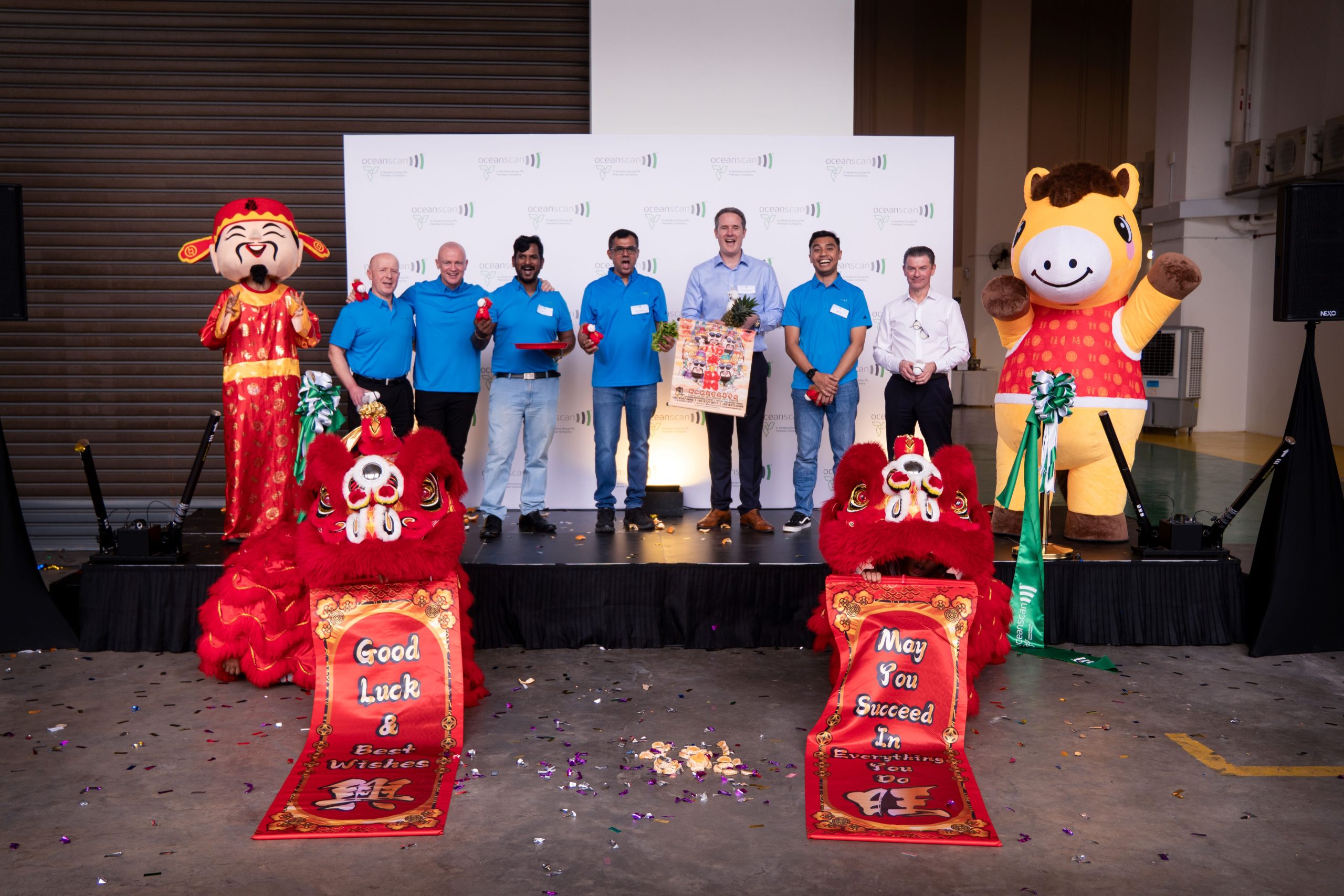
Venterra, the offshore wind services group, recently strengthened its presence in Asia Pacific with the expansion and opening of an enhanced Oceanscan facility in Singapore, marking a major investment in regional capability to support clients across the offshore energy sector. Oceanscan has operated in Singapore for several years; the new, larger facility represents a step change in scale and capability. It provides expanded office, storage, testing and mobilization space, reflecting growing client demand and Venterra’s long term commitment to the region’s offshore wind and wider energy sector.

Venterra has strengthened its presence in Asia Pacific with the expansion and opening of an enhanced Oceanscan facility in Singapore. (Courtesy: Venterra)

Acquired by Venterra in 2024, Oceanscan provides subsea and non destructive testing (NDT) and inspection equipment, geotechnical services and specialist personnel. Its expanded Singapore base is the latest milestone in Oceanscan’s growth trajectory and Venterra’s increasingly international footprint, as the group continues to scale its offshore services to support the global energy transition.

Mirroring the capabilities of its Aberdeen headquarters, Oceanscan’s new site establishes a permanent regional base to deliver equipment, services, and solutions for offshore projects across APAC. It is supported by a team of 14 specialists, reflecting both established capability in the region and strong foundations for future growth. Its closer proximity to clients enables better alignment with schedules, reduced lead times and greater operational flexibility for offshore campaigns.

The investment follows a period of strong year-on-year performance for Oceanscan Group, including 54 percent growth in subsea rental revenue and continued market share gains across its international bases in 2025. Regional growth has included a 30 percent increase in the Americas (Houston) and 33 percent growth in Asia Pacific (Singapore), underlining the strategic importance of both markets and the role of local infrastructure in supporting clients effectively.

“Holding a greater proportion of our rental fleet closer to where it’s needed improves availability and reduces mobilization time, while our growing team ensures we can continue to deliver safe, efficient and high quality solutions; this investment reflects our confidence in the region and the momentum we’re seeing across our business,” said Oceanscan CEO Derek Donaldson.

“Venterra has a well established track record of supporting complex offshore scopes in Asia Pacific; by investing further in permanent regional infrastructure, we’re strengthening how we support projects across the region and demonstrating our long term commitment to our clients,” said Steve Coates, Venterra chief operating officer. “The Singapore hub enhances Oceanscan’s delivery capability and creates a stronger platform for our businesses to work together.”

From Singapore, Oceanscan will support offshore campaigns across the region, complementing Venterra’s established operations in markets including Thailand, Japan, South Korea, and Taiwan, where the group’s businesses are already delivering complex scopes across offshore energy project lifecycles – from early survey and geotechnical campaigns through to engineering, installation, operational and decommissioning services, solutions and technologies.

More info www.venterra-group.com

DNV supports Ørsted at Hornsea 3 offshore wind farm

DNV, the independent energy expert and assurance provider, recently completed Vendors’ Technical Due Diligence on Ørsted’s Hornsea 3. The Hornsea 3 offshore wind farm, 160 kilometers off the Yorkshire coast and 120 kilometers off the Norfolk coast, will feature 197 Siemens Gamesa SG DD-236 wind turbines.

Collaborating with Ørsted, DNV conducted an independent energy yield assessment and undertook a detailed technical due diligence study on all aspects of the offshore wind farm and the associated offshore transmission assets, which use HVDC technology.  Drawing on DNV’s extensive offshore wind experience, this work identified the key technical and commercial aspects of the project for consideration by the multiple financial institutions, which supported the 50 percent ownership stake divestment to the buyer, Apollo Funds.

By 2050, offshore wind is set to become the U.K.’s main power source, supplying two-thirds of the nation’s grid electricity. DNV’s latest U.K. Energy Transition Outlook forecasts that capacity will reach 76 GW by then, fueled by offshore wind’s ability to generate more consistent power than onshore sites. It is already seeing a rapid shift: Capacity is expected to nearly double from 15 GW today to 28 GW by 2030.

“Successfully advising on the divestment of a stake in Hornsea 3 demonstrates how critical independent technical assurance is for unlocking the capital required for the U.K.’s energy transition,” said Hari Vamadevan, Senior Vice President, and Regional Director for the U.K. & Ireland, Energy. “Our latest U.K. forecast shows that projects of this scale are essential: We need to install new offshore wind capacity at more than twice the historical rate to meet the 2030 target and support the massive electrification of transport and heating demand.”

“This project exemplifies the complex technical and financial ecosystem that must work in unison,” Vamadevan said. “Our multidisciplinary due diligence — from energy-yield assessment to the review of pioneering HVDC transmission assets — provided the rigorous analysis needed to give Ørsted and its financial partners the confidence to advance a project that will be a cornerstone of the U.K.’s future clean power system.”

More info www.dnv.com

Sunrise Wind can resume construction after district court ruling

A federal judge for D.C. District Court has allowed Sunrise Wind to resume work after granting a preliminary injunction against the administration’s lease suspension and construction pause issued December 22, 2025.

D.C District Judge Lamberth ordered the action to be “arbitrary and capricious” after having reviewed classified information and agreed that irreparable harm standards were met given the loss of specialized vessels that would cause a “cascade of delays” preventing the project from meeting its obligations.

A judge has allowed Sunrise Wind to resume work. (Courtesy: Sunrise Wind)

Previously, Judge Lamberth ruled in favor of Revolution Wind’s construction resumption twice, most recently under the same lease suspension and stop construction order affecting Sunrise Wind, and again in September 2025 when the federal administration issued a stop work order directly for Revolution Wind. The administration referenced undisclosed “national security concerns” that arose from a recent classified Department of War study alleging that turbine structures cause interference with military radar systems.   

“Sunrise Wind represents a vital investment in strengthening both Long Island’s power system and the broader regional grid that millions of residents rely on — particularly during the harsh winter months. Offshore wind is uniquely suited for these conditions and stands ready to deliver steady, abundant power, easing the burden on families who have long relied on costly peaker plants to keep the lights on. Oceantic applauds this decision, which moves us closer to providing reliable, affordable clean energy and creating high quality jobs for the communities that stand to benefit the most,” said Liz Burdock, Oceantic Network CEO.

The latest ruling follows recent industry court victories against the administration’s attempts to slow down offshore wind. Most recently, Vineyard Wind resumed offshore activities after a stay was granted; Coastal Virginia Offshore Wind, Empire Wind, and Revolution Wind were also allowed to restart construction work after injunction requests were granted against the administration’s lease suspension and stop construction order issued December 22, 2025. In December, a federal judge vacated the administration’s previous permitting pause, ruling it unlawful. 

Sunrise Wind is 45 percent complete and set to provide 924 MW of power generation to New York. The project’s supply chain stretches across 34 states and has driven more than $1.9 billion worth of investments while supporting more than 4,290 American jobs across the construction, operations, shipbuilding, and manufacturing sectors. Ten shipyards in Alabama, Florida, Louisiana, New York, Pennsylvania, Rhode Island, and Texas built or retrofitted the more than 16 vessels operating at the site. Most notably, the first U.S.-built subsea rock installation vessel was constructed at Hanwha Philly Shipyard. 

Halting the construction of these projects threatens at least 12,000 American jobs directly supporting their buildout.  The construction has sparked more than 1,000 supply chain contracts to 675 unique American businesses across 41 states, spanning domestic shipyards, upgraded ports, and a massive resurgence in American steel.

Building and maintaining these projects has initiated at least 40 new vessel orders or specialized retrofits, totaling nearly $2 billion in activity at American steel mills and shipyards. 

More info www.oceantic.org