


Home 2026

Vestas sets out plans to build nacelle factory in Scotland

0

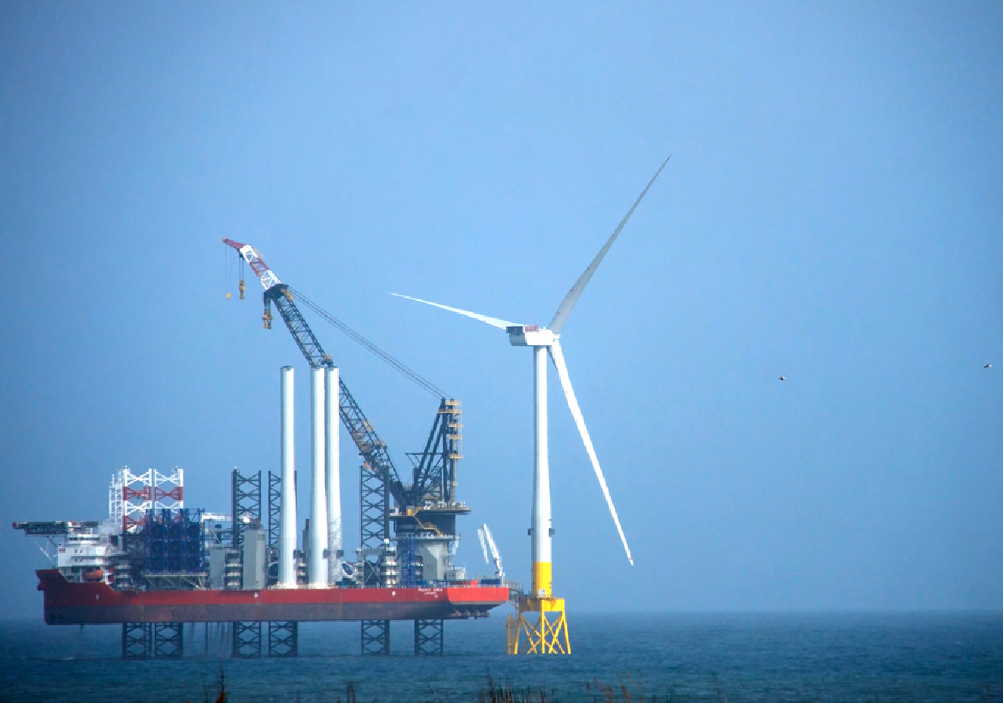
Vestas has announced plans to establish a nacelle and hub factory in Scotland, United Kingdom to meet growing demand for offshore wind in the UK and Europe. The factory, a capital investment in excess of €250m, would produce nacelles and hubs for Vestas’s flagship offshore wind turbine, the V236-15.0 MW. The investment would create up to 500 skilled direct jobs, support further indirect jobs in the wider economy and underpin a supply chain critical to meeting the UK’s clean power targets and energy security.
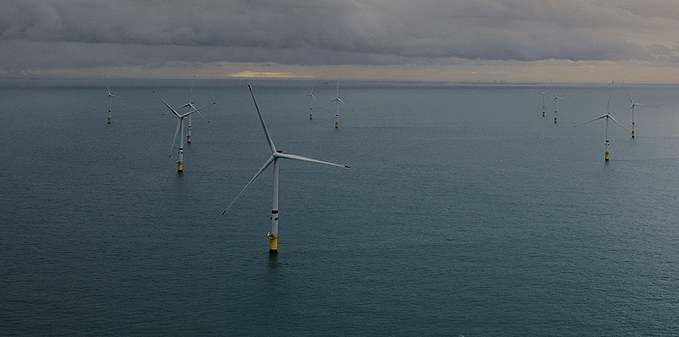
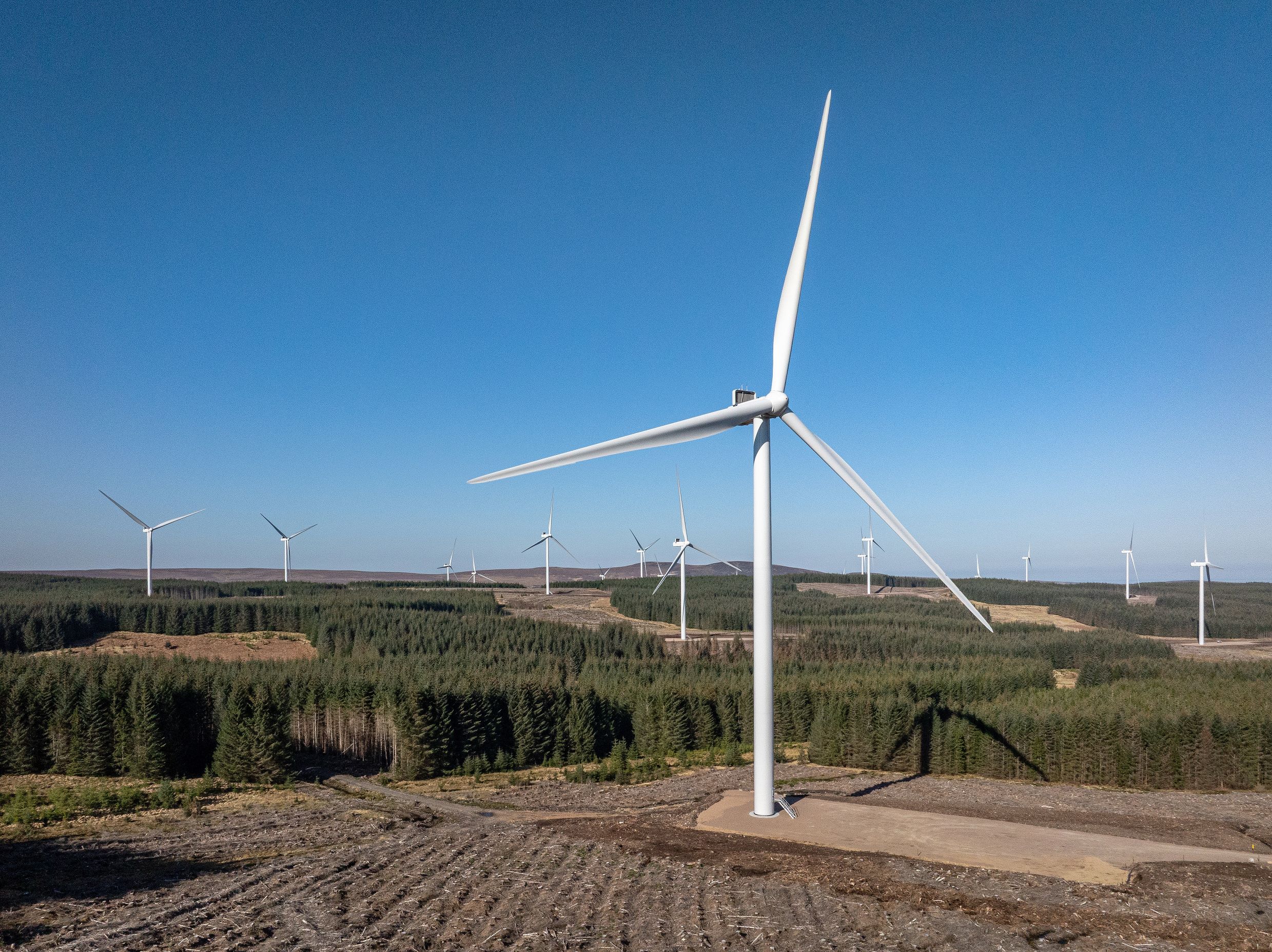
Vestas has announced plans to establish a nacelle and hub factory in Scotland.
(Courtesy: Vestas)

The announcement follows record-breaking AR7 auction results in January 2026, a growing offshore wind order book for Vestas in the UK, and strategic discussions between the UK government, the Scottish government and Vestas on the next steps to develop and co-invest in the facility.

The final investment decision is conditional on securing sufficient UK-based orders in AR7 and AR8. Subject to the timing of those results, and the planning process, the facility could start production by 2029/2030. The plan also includes identifying opportunities for co-locating sub-suppliers of other major components.

“The UK government has made a big statement with AR7, showcasing how wind energy creates a positive impact on energy security, sustainability, and affordability for end consumers. We welcome the UK and Scottish governments’ dedication to fostering a competitive offshore wind market and look forward to working together to progress our co-investment plans,” says Henrik Andersen, CEO Vestas. “Establishing a nacelle and hub assembly factory in Scotland would create hundreds of local jobs and support further jobs across the wider supply chain, delivering longlasting economic benefits to the region.”

“The Government’s clean energy mission is delivering good industrial jobs for Scottish workers-boosting growth as part of our drive to give the UK energy security. This is happening because of the Government’s record-breaking offshore wind auction and the confidence our mission has given industry to invest in Scotland. We will not stop in driving to create many more jobs like these for Scotland and the UK,” said energy secretary Ed Miliband.

“Vestas’s proposal to develop a hub and nacelle factory in Scotland, with the potential to support hundreds of jobs, speaks to the huge potential of the Scottish offshore wind sector and our attractiveness as an investment destination. Scottish Ministers have engaged closely with Vestas since 2021, and we look forward to continuing to work with the company and delivery partners to develop our offshore wind supply chain and deliver long-term economic benefits for our communities,” said Kate Forbes, deputy first minister and economy secretary.

The announcement demonstrates Vestas’s ambition to grow the UK’s supply chain and an approach to invest where a strong and visible pipeline can support a competitive and sustainable business case. The potential factory in Scotland, UK would become Vestas’ fifth factory in Europe dedicated solely to the manufacturing of offshore wind turbine nacelles and blades.

More info: www.vestas.com
GeoForce wins geotechnical survey contract

0

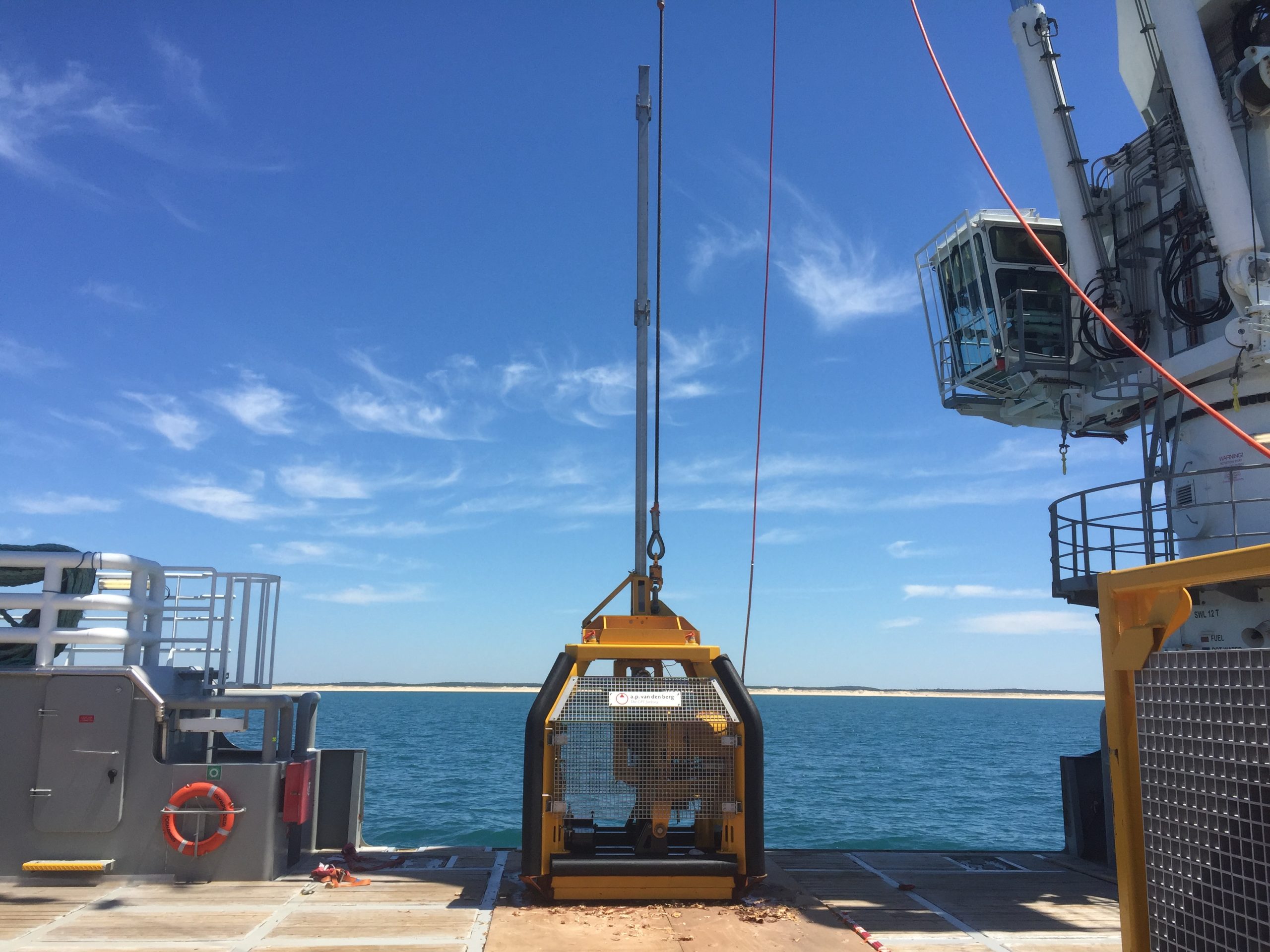
GeoForce Technical Services, part of Oceanscan and the wider Venterra Group, has been selected by Reach Subsea to deliver the geotechnical component of a wider offshore survey campaign for the Shetland HVDC Link 2, a nationally significant program to strengthen Great Britain’s transmission network and support future renewable energy growth.

Running from late February to August 2026, the sixmonth campaign for Scottish & Southern Electricity Networks Transmission (SSEN Transmission) will support the development of an around-330km, 2 GW subsea connection between Shetland and the Scottish mainland, forming part of SSEN Transmission’s longterm Beyond 2030 strategic network plan.

GeoForce Technical Services will deliver the geotechnical component of a wider offshore survey campaign. (Courtesy: GeoForce)

“We’re proud to support Reach Subsea on a project of this scale and national importance. By delivering fast, accurate geotechnical insight, we help transform complex seabed conditions into confident engineering decisions – strengthening the UK’s future transmission network and contributing to a more resilient, cleanenergy system. This award reflects the depth of our continued collaboration with Reach and the trust placed in us to support SSEN Transmission’s future network ambitions,” said James McDonald, GeoForce managing director.

As part of its scope, GeoForce will deliver specialist geotechnical acquisition and analysis, including seabed characterization, sediment analysis and core penetration testing. These insights will feed directly into route optimization and installation design, giving SSEN Transmission a higherresolution understanding of subsurface conditions and derisking engineering decisions ahead of cable installation. This work is essential to ensuring the subsea cable can be routed and installed safely, efficiently and effectively across varied offshore conditions.

The contract award builds on the established relationship between GeoForce and Reach Subsea across previous offshore site investigation projects, bringing together expertise to accelerate highquality, decisionready data delivery.

“GeoForce provides specialist geotechnical expertise that will play a key role in the success of our campaign with SSEN Transmission. Their capabilities complement our integrated project delivery onboard our vessels and will help ensure we acquire the high-resolution seabed data needed to support SSEN Transmission’s design and routing activities, while maintaining the highest standards of safety,” said Alastair McKie, Reach Subsea UK managing director.

GeoForce’s contribution also supports the broader role of its parent company, Venterra, in enabling offshore wind growth and subsea infrastructure development through its specialist businesses across the project lifecycle, from earlystage analysis through to offshore execution.

More info: www.venterra-group.com

DWT completes Buena Vista Wind Farm refurbishment

0

DWT has completed a 38 MW refurbishment project at the Buena Vista Wind Farm in California for LRE (Leeward Renewable Energy). The project began in August 2025 and was delivered on schedule in December 2025, reflecting DWT’s execution and integrated Engineering, Procurement, and Construction (EPC) capabilities.

Buena Vista Wind Farm in California has been refurbished with blade enhancements, modernized control equipment, and more. (Courtesy: DWT)

This marked DWT’s first refurbishment project with LRE and stood as a testament to strong collaboration, seamless coordination, and disciplined execution between both teams. Through teamwork and planning, the companies maintained schedule integrity while navigating demanding site conditions.

The refurbishment project included comprehensive upgrades across all 38 turbines, consisting of blade enhancements and bladework improvements; oil and hydraulic system upgrades; control equipment modernization, and power plant control system enhancements.

“We are proud to have successfully delivered the project on time and on budget,” said Melf Lorenzen, CEO of DWT. “This achievement demonstrates the strength of our team and our close collaboration with LRE. By aligning technical expertise with clear communication and joint problem-solving, DWT and LRE ensured smooth implementation across all scopes of work. Even while facing weather interruptions, the teams maintained momentum and achieved completion without schedule delays.”

More info: www.dwtglobal.com

Major expansion of offshore wind off coast of England

0

NOF and Energi Coast, North East England’s offshore wind cluster, has welcomed the Crown Estate’s announcement that it will move forward with the next phase of offshore leasing. The announcement was made at the Energy Central Learning Hub in Blyth on March 26 at an event attended by local industry and national stakeholders.

The area identified by The Crown Estate could support up to 6GW or more of offshore wind capacity, supporting 2030 clean power targets. The announcement also signals a strong step toward strengthening a credible pipeline of opportunities, limiting the impacts of attrition and supporting energy security at a key time.

North East England’s offshore wind cluster, has welcomed the Crown Estate’s announcement that it will move forward with the next phase of offshore leasing. (Courtesy: Energi Coast)

The region’s potential to support future leasing is bolstered by its strategic location, with access to ports, infrastructure through supply chain capacity, and a ready workforce skilled in construction, fabrication, operations and maintenance. All of which have been at the forefront of Energi Coast’s ambitions to highlight the North East’s offshore potential.

Established in 2011, Energi Coast is one of eight UK offshore wind clusters and is owned and operated by NOF; a national business development organization with more than 400 members involved in the offshore wind, hydrogen, carbon capture & storage, oil & gas and nuclear industries.

Over the course of three years, Energi Coast has undertaken numerous activities to raise awareness of the opportunity, supply and technology innovation in the region and has developed key strategic relationships with national stakeholders, as well as, more recently, assisting in the development of a pan-regional offshore wind strategy for the coming decade.

“This is a significant moment for both the UK and the North East, placing the region at the heart of delivering energy security whilst simultaneously delivering economic growth,” said Tony Quinn, Energi Coast chairman.

“The deliverability is borne out of incremental innovation, our engineering expertise and our ability to scale our key businesses to the requisite capacity. We’ve already demonstrated our capability on projects like Dogger Bank and Sofia and are ready to increase our regional share of this new capacity announced today,” Quinn said.

“These new offshore wind farm sites will drive multi-billion-pound private sector investment and create thousands of skilled jobs with regional businesses lined up to capitalise on the future supply chain opportunities,” said Joanne Leng MBE, Chief Executive of NOF.

“Today’s announcement has the potential to unlock the next phase for North East England’s offshore wind future. The region has grown both expertise and innovation, and further collaboration will grow the industry further for generations to come,” said Tom Nightingale, Energi Coast deputy chairman and Equinor local supply chain manager.

North East England is at the epicenter of the energy transition with the pipeline, projects and people needed to advance the UK’s Net Zero ambitions. The region is built on a great industrial heritage, and its strong supply chain and ports will be at the heart of the sector’s growth in the North East and beyond, helping to deliver the Offshore Wind Industrial Growth Plan and create opportunities for local people to prosper.

More info: energicoast.co.uk/

Boralex acquires two onshore wind projects to expand UK renewable portfolio

0

Renewable energy developer Boralex has acquired two onshore wind projects in the UK, strengthening its development pipeline and supporting the expansion of renewable power generation across Wales and Scotland.

The projects, Upper Ogmore Wind Farm in South Wales and the Tom na Clach Extension in the Scottish Highlands, have a combined capacity of more than 58MW and are expected to become operational toward the end of the decade.

Renewable energy developer Boralex has acquired two onshore wind projects in the UK. (Courtesy: Boralex)

The Upper Ogmore Wind Farm, located near Blaengarw and Nant-y-Moel in South Wales, is a seven-turbine development with a capacity of around 25MW. Consented by the Welsh government in 2022, the project was originally developed by RES and later acquired by Marubeni. Once operational, it is expected to generate enough renewable electricity to power about 16,500 homes.

Boralex will now progress development, which secured a 20year Contract for Difference in AR7, which provides long-term revenue visibility.

The company has also acquired a 75% majority share in the Tom na Clach Extension, a 34MW ready-to-build project located northeast of Tomatin in the Scottish Highlands. The project, consented in May 2024, will comprise seven turbines and extend the existing Tom na ClachWind Farm, which is already operational in the area. The extension was developed by Infinergy, with Colin Cawdor retaining a minority stake in the project.

Construction of the projects is expected to support local economic activity and provide long-term community benefit funding in surrounding areas. Upper Ogmore is anticipated to bring significant investment during construction and the early years of operation, while the extension at Tom na Clach will build on the established presence of wind generation in the Strathdearnarea.

“The acquisition of Upper Ogmore and the Tom na Clach Extension strengthens our development portfolio in the UK, and reflects our commitment to delivering high-quality renewable energy projects that support the transition to a low-carbon energy system.

“Both projects are located in areas with strong wind resources and established grid infrastructure. By progressing these developments, we can help deliver reliable and affordable clean energy while creating economic opportunities for local communities,” said EsbjornWilmar, UK Director at Boralex.

The Upper Ogmore project is expected to connect to the grid later in the decade, with grid connection planned for 2029, while the Tom na Clach Extension is targeting commercial operation around 2030, subject to final development milestones.

Together, the acquisitions support Boralex’s strategy to expand its renewable energy footprint in the UK and help deliver the clean power capacity needed to meet national decarbonisationgoals.

More info: www.boralex.com

KK Group delivers solid results during 2025

0

2025 was a solid year for KK Group. Amid a market challenged by geopolitical and macroeconomic forces, the company increased revenue while also significantly improving overall profitability and free cash flow.

At the same time, the company completed the integration of Vestas’ converter and controls business and prepared to finalize the integration of Nissens Cooling Solutions.

“In 2025, during a year of economic uncertainty, we achieved solid financial results while transforming our business to prepare for future growth. We exceeded expectations for both our top and bottom-lines, while maintaining high focus on quality, reliability and most importantly, safety,” says Mauricio Quintana, CEO of KK Group.

In 2025, the company launched a new strategy, Powering Change, and rebranded from KK Wind Solutions to KK Group. The strategy sets the company on a journey to become a more resilient, diversified, and global technology partner for renewables and energy-intensive industries.

As part of the new strategy, the company will accelerate investment to solidify its customer value proposition and to explore new opportunities within its core wind business, repurpose existing wind products in other industries to expand its role across the energy transition value chain.

The company transformed its organization to work more efficiently, drive scale, and to better serve its customers by establishing three business divisions: Power & Controls, Cooling, and Monitoring & Service, supported by group functions.

“Changing our name to KK Group respects our history while incorporating our acquisitions that have complemented our portfolio and enabled us to provide even more value for our key customers,” Quintana said. “Our 3,700 colleagues deliver solutions that ensure stable and efficient energy systems in wind and other energy-intensive industries. As electrification accelerates, we help customers improve efficiency and optimize asset performance. Combined with our 2025 results and new structure, we are aiming to become a more diversified and resilient business, well positioned to deliver on our long-term ambitions.

More info: www.kkgroup.com

Vaisala introduces new service for maximal uptime and lifetime of weather measurement systems

0

Vaisala, a leader in measurement instruments and intelligence for climate action, will launchVaisala Care, a service offering that maximizes uptime, measurement quality, and asset lifetime for Vaisala weather systems and sensors. Vaisala Care combines the company’s in-house expertise, remote capabilities, and proactive lifecycle care into two tiers.

The program is designed for airports, meteorological institutes, energy companies, road authorities, and infrastructure operators who manage weather observation networks.
(Courtesy: Vaisala)

When challenges are managed on a one-off basis, recovery often takes more time. Vaisala Care ensures planned support that brings together prioritized access to Vaisala’s global technical support teams, remote services, defined response times, and extended warranty coverage.

Vaisala Care+ builds on this foundation with proactive lifecycle services including managed calibration programs performed by Vaisala experts, preventative maintenance, and performance enhancements to ensure long-term system reliability, stable performance, and trusted data quality across the network.

“Customers told us they wanted clearer choices and more predictable budgeting,” said AnneJalkala, Executive Vice President, Weather, Energy and Environment at Vaisala. “Vaisala Care makes it straightforward to select the right level of support, whether that is responsive expert help when needed, or fully proactive lifecycle management where we handle scheduling and execution.”

The program is designed for airports, meteorological institutes, energy companies, road authorities, and infrastructure operators who manage weather observation networks, where uptime and long-term accuracy are critical.

With two tiers, customers can choose the level of support that matches their operational criticality, while Vaisala takes long-term responsibility for keeping systems performing as intended. Both tiers are structured as annual contracts that bring fewer surprises, predictable costs, less effort, and confidence that critical observation infrastructure stays accurate, reliable, and available.

Vaisala manages service delivery through a combination of remote support, service centers, and onsite services provided by Vaisala or authorized partners. Customers select their preferred tier when purchasing new systems or sensors, or at contract renewal for existing installations, protecting the value of their measurement infrastructure throughout its lifecycle.

The framework addresses growing customer preference for planned maintenance approaches over reactive service calls, while providing cost predictability through annual pricing rather than variable charges for individual service events.

“Our technical capabilities and global service organization have evolved to better support our customers worldwide,” said David Rey, Vice President, Project, CareTech and Service at Vaisala. “Vaisala Care brings that expertise together in a clear framework aligned with customers’ operational requirements, from essential support to comprehensive lifecycle management.”

Vaisala Care launches first for airport weather observation systems, with rollout planned for weather radars, wind lidars, and road weather systems throughout 2026.

More info: www.vaisala.com

ARGON at Belgian Offshore Days: Precision as Competitive Advantage in Offshore Wind

0

As offshore wind structures grow larger and tolerances tighter, precision on the shopfloor is becoming a decisive competitive factor.

On March 11 and 12, at offshore wind conference Belgian Offshore Days, ARGON will showcase how its fully integrated Shopfloor Measurement Solutions (SMS) transform advanced 3D metrology into practical, operator-friendly and operator-independent production tools. By embedding automated, data-driven measurement into manufacturing workflows, ARGON enables faster execution, higher accuracy and shorter feedback loops — turning (sub)millimeter control into measurable economic value for offshore wind manufacturers.

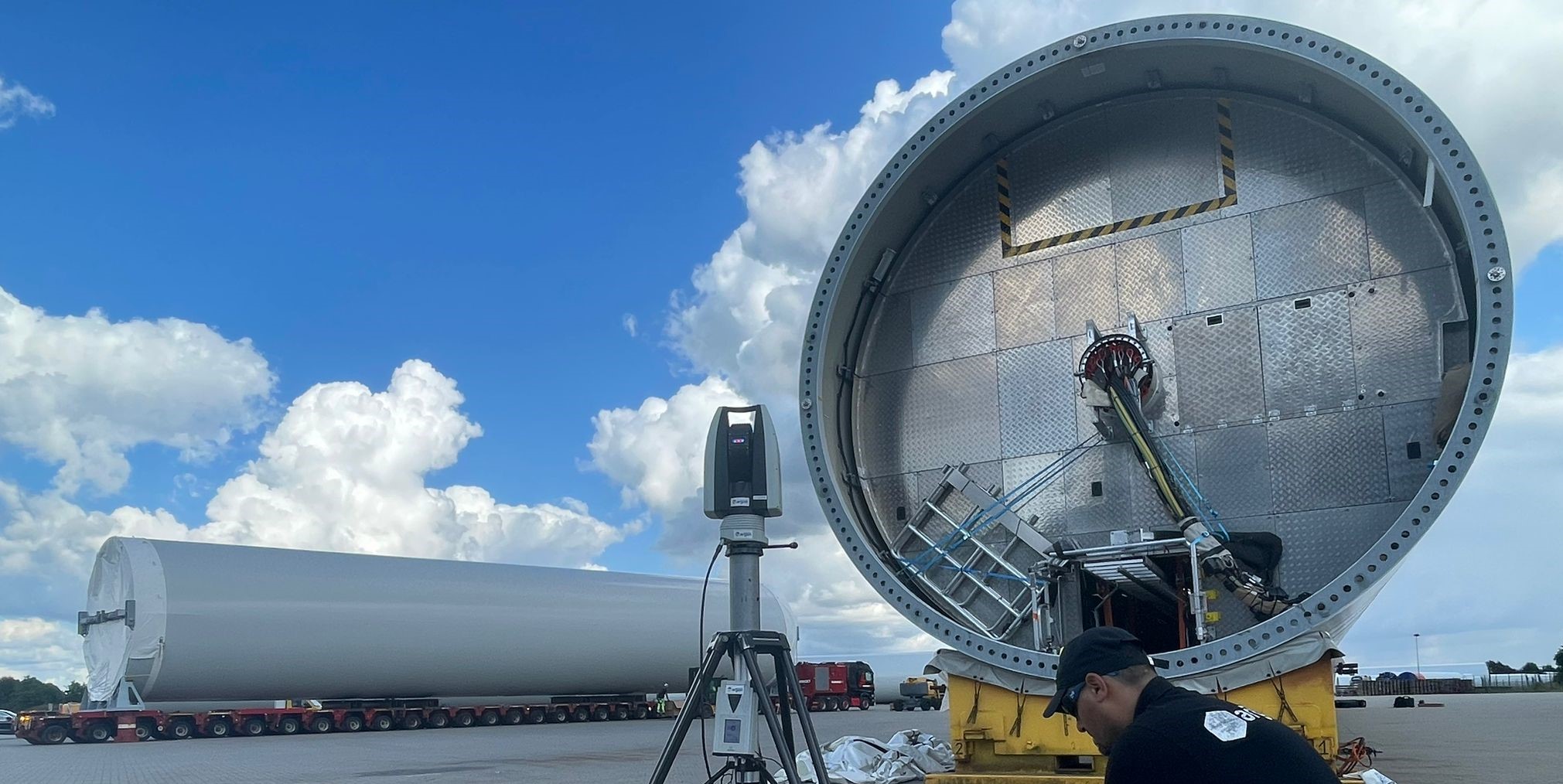
At offshore wind conference Belgian Offshore Days, ARGON will showcase its fully integrated Shopfloor Measurement Solutions (SMS). (Courtesy: ARGON )

Europe’s offshore wind sector is accelerating at a sustained pace. North Sea countries have set ambitious renewable energy targets, triggering a wave of investments. Meanwhile, turbines and foundations continue to grow in size and complexity. Larger components, tighter tolerances and more demanding installation requirements significantly increase manufacturing challenges. As dimensions scale up, so do the risks and costs of even the smallest deviation. In offshore wind, more than ever, every (tenth of a) millimeter counts.

Within this landscape, ARGON plays a distinct role. Where traditional measurement methods reach their limits with extremely large and complex structures, ARGON bridges advanced 3D metrology technologies with the practical realities on the shopfloor.

Rather than supplying standalone devices, ARGON delivers fully integrated shopfloor measurement solutions (SMS), engineered, developed, assembled and installed specifically for offshore wind manufacturers.

ARGON’s advanced systems are designed to be as intuitive as a coffee machine, while leveraging 3D measurement hardware and software.

Through its Stepstone Model, ARGON translates metrology challenges into practical solutions for industrial production environments. Each project follows a structured approach: from concept and proof of concept to a fully developed solution ready for immediate use, including full support after entry into service.

Dedicated ARGON SMS solutions for offshore wind applications include: BLADEscan, an inspection solution for wind turbine blades; FLANGEscan for flanges of foundations and towers, WELDscan, for (semi) automated marking and inspection solution for large welded assemblies, and CRANEscan for telescopic crane pipes.

More info: www.argon-ms.com/ | www.belgianoffshoredays.eu/en/home/

Onshore wind and solar PV to drive renewables development in Laos, says GlobalData

0

Onshore wind power and solar PV are expected to drive growth in Laos’ renewable power capacity, which is forecast to increase to 9.8GW by 2035 at a compound annual growth rate (CAGR) of 17.1% during 2025–35, according to GlobalData, an intelligence and productivity platform.

Onshore wind power and solar PV are expected to drive growth in Laos’ renewable power capacity. (Courtesy: GlobalData)

Laos is looking to move away from coal-based power generation, with a focus on renewables development, especially onshore wind and solar PV.  The southern region of the country, encompassing the provinces of Sekong, Attapeu, and Champasak, boasts significant wind energy potential. The solar potential is also at estimated at 4.4 kWh per square meter per day, which translates to around 1,800 to 2,000 hours of sunlight annually.

GlobalData’s latest report, “Laos Power Market Trends and Analysis by Capacity, Generation, Transmission, Distribution, Regulations, Key Players and Forecast to 2035,” revealed that in 2025, onshore wind constituted for nearly 74.3% of Laos’ total renewable power capacity, followed by solar PV accounting for 12.8% share. Onshore wind is projected to increase from 1.5GW in 2025 to 5.1GW in 2035, whereas solar PV capacity is expected to increase from 0.3GW in 2025 to 4GW in 2035.

“Onshore wind will play a key role in the country’s renewable development. Following the introduction of onshore wind into Laos’ capacity mix in 2025, with the launch of three wind power plants, the share of renewables increased from 2.6% in 2024 to 14.1% in 2025. However, hydropower is expected to continue to play an important role in the country’s electricity generation mix,” said Attaurrahman Ojindaram Saibasan, Power Analyst at GlobalData,

Despite the potential for solar power development, the geography of Laos poses challenges for the implementation of large-scale, ground-mounted solar projects due to spatial constraints.  However, developing floating solar installations on reservoirs used for hydropower generation provides an opportunity for solar power capacity expansion.

“Laos aims to achieve a 75% share of hydropower and an 11% share of variable renewables (specifically solar and wind) by 2030. The country plans to increase its hydropower capacity by an additional 13GW by 2030 and has set a conditional target of achieving 1GW of total solar and wind capacity and 300MW of biopower capacity by the same year. These targets are expected to bolster renewable growth,” said Saibasan.

More info: www.globaldata.com

IMCA moves its Dynamic Positioning CPD platform to help users learn better and boost access

0

The International Marine Contractors Association (IMCA) has announced it has launched IMCASkills, a digital learning hub, which will now be the go-to place for the marine industry’s competence and development needs. The first product on the new platform is the migration of the Dynamic Positioning CPD learning program, which is designed to be the first step in bringing all Dynamic’s CPD content together in the secure platform, which will offer improved learning and user experience.

The International Marine Contractors Association has launched a digital learning hub, IMCA Skills. (Courtesy: IMCA)

It is designed to make professional development simpler, richer and better value for users and is built to fit around learners’ needs, with improved function, and enhanced access.

IMCA’s purpose is to bring all its CPD (Continuing Professional Development) and learning content together in one modern platform, and ultimately make it easier for users to operate and navigate.

The organization, which for more than 50 years has played a key role in bringing the offshore industry together to improve safety, says the migration to IMCA Skills will also offer its users clearer progress tracking, and better access across both online and offline devices.

“The change is entirely motivated by wanting to make our users’ experience as easy as possible; more convenient, flexible and assisting them in acquiring the skills that are important to their work, said Richard Purser, IMCA technical advisor—Marine.

“We are always on hand to advise them through the process, and welcome any feedback on the new platform. Our goal is to make our industry safer and better, and we are certain this will be another big step towards that.”

IMCA includes more than 230 Guidance documents and 250 Information Notes that cover almost every aspect of offshore operations including, diving, marine, ROV and offshore survey.

The program will remain accredited by the Nautical Institute, which supports the revalidation of DPO certificates, ensuring alignment with industry standards and professional requirements.

More info: www.imca-int.com

Sherwin Williams helps protect Germany’s largest offshore wind farm

0

Steelwind Nordenham steel fabricators turned to Sherwin-Williams when working on He Dreiht, Germany’s largest wind farm and a showcase for modern, sustainable infrastructure.

Offshore wind is playing a vital role in delivering clean, reliable power at scale. And with the foundations of these mammoth structures being exposed to some of the harshest environments imaginable, protecting them from corrosion is tantamount to protecting our energy security.

Steelwind Nordenham steel fabricators turned to Sherwin-Williams when working on He Dreiht, Germany’s largest wind farm. (Courtesy: Sherwin-Williams)

Given positive experiences on previous projects in collaboration with EnBW, The EnBW offshore wind farm He Dreiht comprises 64 turbines with a total capacity of 960 megawatts, and is one of the first wind farms in Germany to be built without government subsidies.

Covering an area of around 90 km near the island of Borkum in the North Sea, he Dreiht is one of Europe’s largest energy transition projects. By spring 2026, it will be able to supply 1.1 million households with renewable energy. It plays an integral part in the country’s future energy plans, making its protection from the elements a crucial consideration.

“Off-shore wind monopiles are exposed to aggressive environmental conditions every day. Rising from the seabed, these steel structures encounter saltwater immersion, strong currents, wave impacts, and fluctuating splash zones, all of which leaves them highly vulnerable to corrosion,” said Matthias Winkler at Sherwin-Williams.

“The monopiles are the backbone of the entire wind farm. If they fail, the turbines fail,” said Winkler.

Protecting monopiles from corrosion is not just a technical necessity. It is a matter of safety, sustainability, and energy reliability.

Corrosion protection coatings act as a barrier between the metal and its environment, preventing corrosive elements like water, oxygen, and salts from reaching the surface. Sherwin-Williams’ Dura-Plate SW-501 Series is a 100% solvent-free and benzyl alcohol-free high-build epoxy coating that forms a dense, impermeable layer over the steel surface. With outstanding structural integrity, these coatings offer long-term protection for turbine investment while delivering safety and reliability well beyond their expected service life.

Due to their extensive experience working with Sherwin-Williams on a range of projects, Steelwind Nordenham and EnBW were well aware of the coating system that best met their needs.

“For Steelwind Nordenham, reliability and quality are non-negotiable. Our reputation depends on delivering foundations that will stand the test of time,” said Dr. Andreas Liessem of Steelwind Nordenham.

“By choosing the Sherwin-Williams Dura-Plate SW-501 coating system, we’re not only ensuring 25 to 30 years of corrosion resistance in one of the toughest marine environments, but also helping safeguard Germany’s energy security and the end user’s investment.”

Application of the 100% solvent-free coating system took place at Steelwind Nordenham’sadvanced fabrication facility in northern Germany, where the massive steel monopiles, each measuring up to 71m in length and weighing around 1,350 tons, were produced.

Close collaboration between all three partner companies ensured the system met all regulatory and client requirements. As part of the He Dreiht offshore wind project, Steelwind Nordenhamagain relied on the proven protective coating Dura-Plate SW-501 this time on a foundation of exceptional size.

Dura-Plate SW-501 exceeded expectations in two key areas: handling during application and superior surface finish after curing. This confirmed the coating as a reliable solution for demanding offshore structures and highlighted its role in a long-term corrosion protection strategy.

More info: www.enbw.com

HELUKABEL rebrands as HELU

0

The HELUKABEL Group takes an important step in its strategic development: The specialists in electrical connection technology may now be found on the market under a new brand name — HELU, giving clear expression to the company’s transformation in recent years into a systems and solutions provider.

No longer HELUKABEL, just HELU — the idea behind this change is both deliberate and strategic, as the company has developed step by step from a manufacturer of only cables into an internationally leading systems supplier for electrical connection technology. In addition to cables and wires, its portfolio now includes assemblies and drag chains with which it creates integrated, custom, and installation-ready solutions for its customers’ wide range of applications. This evolution will also have an impact at a market level with a new brand name, new logo, and a new claim: “Always Stay Electrified.”

“The future of connection technology is no longer defined by the quality of individual components,” said Managing Director Marc Luksch. “Instead, it’s about combining them into intelligent, installation-ready systems and services. In the previous years, we’ve consistently expanded our competencies and our vision.”

Customers benefit from this solution-based approach through fewer and more clearly defined points of contact, time-saving implementation, and a consistently proven high level of quality.

As a sole supplier, HELU produces more than cables — it also produces drag chains and assemblies in its own factories. Unifying its entire range of products under the roof of the HELU brand is taking a step toward greater clarity and simplicity for customers.

“Our goal is to combine our competencies as a group to provide the users of our solutions with real added value,” Luksch said. “Regardless of how complex or unique the challenges may be.”

HELU USA is the wholly-owned U.S. subsidiary of HELUKABEL GmbH, a global cable system solutions provider specializing in the production of cables, wires, accessories, cable assemblies, robotic dress packs, and drag chains with 76 locations in 43 countries throughout the world. In its 200,000-square-foot, suburban-Chicago facility, HELU USA stocks more than 4,000 cable, wire, and accessory line items for a multitude of application areas including mechanical and plant engineering, industrial automation, oil and gas, building technology, infrastructure, mobility and renewable energy. Direct access to a 1.8 million-square-foot, fully automated warehouse with 33,000 line items, enables HELU USA to provide extremely short delivery times.

More info: www.helukabel.com

WindSCORE project launched: 360° evaluation system for offshore projects

0

The EU project WindSCORE, which launched in December 2025, is developing a scientifically based 360° evaluation toolbox within the next three years, that incorporates economic, technical, sustainability-oriented, and social criteria, thereby supporting investors and stakeholders.

The Fraunhofer Institute for Wind Energy Systems has joined forces with its partners FondationOpen-C, SINTEF, Statnett, TÜV SÜD, Bio-Littoral, and Equinor.

Fraunhofer, in the EU project WindSCORE, is working with partners from Norway, France and Germany to develop a scientifically based 360° evaluation toolbox within the next three years.   (Courtesy: Fraunhofer)

When constructing offshore wind farms, criteria such as sustainability, innovation, and system benefits will be taken into account in the future with the help of the WindSCORE assessment tool.

Offshore wind energy plays a key role in Europe’s sustainable energy supply. New locations, such as in the Atlantic, are coming into focus and need to be evaluated. At the moment, there is no comprehensive evaluation system that provides investors with a reliable risk analysis. Another key issue is to generate social acceptance, which is crucial to the success of such projects.

This is where the WindSCORE (Sustainable Criteria and Overall Renewable Evaluation for Offshore Wind Energy) research project comes in: The aim of the project is to develop a decision-making tool in the form of a 360-degree KPI toolbox to improve the structure and design of tender criteria and enable a holistic assessment of offshore wind farm projects. This is intended to promote social acceptance of offshore wind energy and also to provide targeted support to stakeholders in the industry, from tendering to implementation.

WindSCORE integrates aspects such as sustainability, technical innovations – including floating wind turbines – as well as the integration of offshore wind energy into energy systems and grids and operational and maintenance (O&M) efficiency. Social impacts, such as regional value creation, are also to be included in the assessment. For practical application, the evaluation criteria and methods developed form the basis for a draft industry standard.

The Fraunhofer Institute for Wind Energy Systems IWES is leading the project and taking on key tasks such as site analysis, modeling electricity generation costs, and evaluating technical concepts. A cost model and life cycle simulations are being used to assess the technical and financial sustainability of offshore wind farms.

”The development of the offshore wind industry is a central pillar of the energy transition. To ensure long-term social, political, and economic acceptance and minimize risks in the value chain, the WindSCORE project is developing a transparent, comprehensible 360° KPI-based evaluation system,” said Prof. Marcel Wiggert, responsible for project cooperation at Fraunhofer IWES.

“This is something many of our industry partners have been asking for,” said SINTEF’s Gard Hopsdal Hansen, Centre Director for FME NorthWind.

Statnett and Equinor, the two other Norwegian partners, contribute to operational experience with power systems and offshore wind farms, respectively, further advancing Norway´s renewable energy transition.

WindSCORE’s 360° assessment system lays the foundation for the further expansion of offshore wind energy and a climate-friendly power supply. It provides a reliable basis for assessing the risks and opportunities of future projects and locations – with a particular focus on environmental impact and sustainability.

Once the project is complete, Fraunhofer IWES will validate the methods developed and the toolbox and further develop them until they are ready for market.

More info: www.iwes.fraunhofer.de

Advanced Precast boosts efficiency with Shuttlelift DB50 gantry crane

0

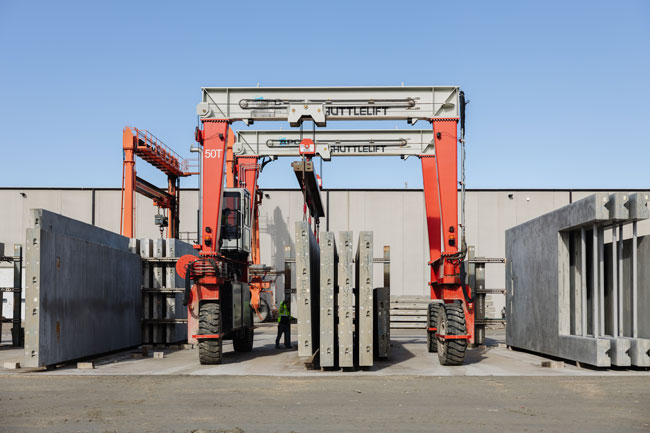
Advanced Precast Company, Inc., an Iowa based producer of structural and architectural prestress products, has strengthened its lifting and material-handling capabilities with the recent addition of a Shuttlelift DB50 rubber-tired gantry crane. The investment supports the company’s growth and its commitment to efficient, precise, and dependable production.

The DB50 delivered to Advanced Precast includes features that have proven valuable to both operators and maintenance staff.  (Courtesy: Shuttlelift)

The DB50 delivered to Advanced Precast includes features that have proven valuable to both operators and maintenance staff. Anderson highlighted Shuttlelift’s spacious cab and platform layout, which he described as “a nice working space for our operators.” The maintenance team also noted the benefit of being able to access and service critical components from ground level or a ladder thanks to the crane’s low-mounted hoist design. Shuttlelift’s IQAN diagnostic system gives the ability to streamline troubleshooting and help the team keep working, further maximizing uptime and improving overall efficiency.

Founded in 2008, Advanced Precast operates a 70,000-square-foot facility equipped with four casting lines. Despite being a smaller operation, the company has built a reputation for exceptional speed and efficiency. “We are a small facility, but we are fast in how we operate,” said Randy Anderson, Director of Operations. “Because of our efficiencies, people often think we’re much larger than we actually are.”

As business continued to expand over the past several years, the need for a new gantry crane became increasingly clear. Anderson first connected with Shuttlelift at a trade show, where he was introduced to the company’s equipment and team. “After getting to know Shuttlelift, we realized how easy it was to work together.”

“The Shuttlelift technicians were incredibly self-sufficient, we were able to go about our normal day as they did their job. It was a seamless install… the learning curve from our previous equipment to Shuttlelift was easy and smooth,” said Anderson.

“Shuttlelift has always treated us well, and there has always been full transparency,” he said. “If we’re in a bind, they are quick to help us out. Their level of knowledge in the gantry crane industry is second to none,” Anderson said.

More info: www.shuttlelift.com

DNV supports Ørsted as technical adviser for Hornsea 3 wind farm

0

DNV, the independent energy expert and assurance provider, has completed Vendors’ Technical Due Diligence on Ørsted’s Hornsea 3. The Hornsea 3 offshore wind farm, located 160 km off the Yorkshire coast and 120 km off the Norfolk coast, will feature 197 Siemens Gamesa SG DD-236 wind turbines.

Collaborating with Ørsted, DNV conducted an independent energy yield assessment and undertook a detailed technical due diligence study on all aspects of the offshore wind farm and the associated offshore transmission assets, which use HVDC technology.

DNV has completed due diligence on Ørsted’s Hornsea 3 offshore wind farm. (Courtesy: DNV)

Drawing on DNV’s extensive offshore wind experience, this work identified the key technical and commercial aspects of the project for consideration by the multiple financial institutions which supported the 50% ownership stake divestment to the buyer, Apollo Funds.

By 2050, offshore wind is set to become the UK’s main power source, supplying two-thirds of the nation’s grid electricity. DNV’s latest UK Energy Transition Outlook forecasts that capacity will reach 76 GW by then, fueled by offshore wind’s ability to generate more consistent power than onshore sites. We are already seeing a rapid shift: capacity is expected to nearly double from 15 GW today to 28 GW by 2030.

Successfully advising on the divestment of a stake in Hornsea 3 demonstrates how critical independent technical assurance is for unlocking the capital required for the UK’s energy transition. Our latest UK forecast shows that projects of this scale are essential: we need to install new offshore wind capacity at more than twice the historical rate to meet the 2030 target and support the massive electrification of transport and heating demand,” said Hari Vamadevan, Senior Vice President, and Regional Director for the UK & Ireland, Energy.

“This project exemplifies the complex technical and financial ecosystem that must work in unison. Our multidisciplinary due diligence—from energy yield assessment to the review of pioneering HVDC transmission assets—provided the rigorous analysis needed to give Ørstedand its financial partners the confidence to advance a project that will be a cornerstone of the UK’s future clean power system,” Vamadevan said.

More info: www.dnv.com

Seaboard Marine invests in electric LHM 550s for U.S. trade hubs

0

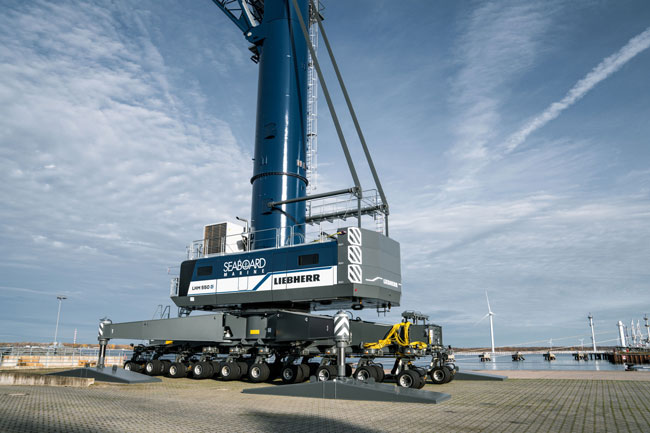
Seaboard Marine has invested in electric LHM 550 harbor cranes for use at U.S. trade hubs PortMiami and Port of Houston.

Liebherr delivers three LHM 550 mobile harbor cranes with electric drive, tower extension, and custom pads to enhance container and multipurpose handling at PortMiami and Port of Houston.

Seaboard Marine has invested in electric LHM 550 harbor cranes for use at U.S. trade hubs. (Courtesy: Liebherr)

The three Liebherr LHM 550 mobile harbor cranes in high-rise configuration will be deployed across Seaboard Marine’s private terminals at PortMiami and Port of Houston, enhancing container handling. Electric drive positions the cranes for future shore power initiatives, while hydrostatic drive technology ensures smooth, efficient performance under variable load conditions. With an outreach of up to 54m and a configured lifting capacity of 104 metric tons, the LHM 550 accommodates NewPanamax vessels while preserving exceptional turnaround times.

The project builds on a partnership dating back to 2001, adding to eight Liebherr cranes already in service and reinforcing Seaboard Marine’s commitment to futureready infrastructure and operational resilience.

Seaboard Marine Ltd., established in 1983, operates a fleet of more than 20 vessels and more than 60,000 containers, serving nearly 40 ports and carrying more cargo to and from PortMiamithan any other carrier.

Seaboard Marine’s decision for three LHM 550 reflects a commitment to scalable infrastructure and energyefficient solutions, leveraging Liebherr’s modular crane design and fullservice support to optimize performance in highvolume environments.

PortMiami processed over 1.1 million TEUs in 2024, with Seaboard Marine as the largest carrier by cargo volume at the port. The new cranes will strengthen berth productivity and support growth in refrigerated cargo and breakbulk shipments, complementing Seaboard Marine’s LNGpowered fleet expansion. These cranes will also enable fast vessel turnaround, reducing congestion during peak periods and supporting the port’s role as a hub for Caribbean and Latin American trade.

At the Port of Houston, which achieved a record by handling more than 4.1 million TEUs last year, the additional crane capacity will improve flexibility for container handling while supporting Seaboard Marine’s multipurpose service model. This expansion strengthens the company’s strategy to uphold competitive transit times and address the rising demand for container handling.

Customerspecific adaptations, including tower extensions, customized supporting pads, and tailored painting, reflect operational and branding requirements. Each crane is equipped with electric drive, ensuring ecofriendly operation and compliance with future port electrification standards. This delivery continues a partnership with Seaboard Marine that has spanned more than two decades, reinforcing trust through consistent technical performance and tailored solutions.

Liebherr’s regional service network, supported by Liebherr USA, Co., provides remote support and rapid onsite intervention under a fullservice contract, with dedicated teams based in Miami and Houston to guarantee swift response and maximum uptime. ‘This collaboration demonstrates our shared commitment to futureready solutions and operational excellence,’ said Andreas Ritschel, General Manager Sales Mobile Harbour Cranes at LiebherrRostock GmbH.

More info: www.liebherr.com

Sunrise Wind resumes construction, fifth ruling overturned

0

A federal judge for D.C. District Court has allowed Sunrise Wind to resume work after granting a preliminary injunction against the administration’s lease suspension and construction pause issued December 22, 2025. 

D.C District Judge Lamberth ordered the action to be “arbitrary and capricious” after having reviewed classified information and agreed that irreparable harm standards were met given the loss of specialized vessels that would cause a “cascade of delays” preventing the project from meeting its obligations. 

A judge has allowed Sunrise Wind to resume work. (Courtesy: Sunrise Wind)

Previously, Judge Lamberth ruled in favor of Revolution Wind’s construction resumption twice, most recently under the same lease suspension and stop construction order affecting Sunrise Wind, and again in September 2025 when the federal administration issued a stop work order directly for Revolution Wind. The administration referenced undisclosed “national security concerns” that arose from a recent classified Department of War study alleging that turbine structures cause interference with military radar systems.   

 “Sunrise Wind represents a vital investment in strengthening both Long Island’s power system and the broader regional grid that millions of residents rely on—particularly during the harsh winter months. Offshore wind is uniquely suited for these conditions and stands ready to deliver steady, abundant power, easing the burden on families who have long relied on costly peaker plants to keep the lights on. Oceantic applauds this decision, which moves us closer to providing reliable, affordable clean energy and creating highquality jobs for the communities that stand to benefit the most,” said Liz Burdock, Oceantic Network CEO.

 The latest ruling follows recent industry court victories against the administration’s attempts to slow down offshore wind. Most recently, Vineyard Wind resumed offshore activities after a stay was granted; Coastal Virginia Offshore Wind, Empire Wind, and Revolution Wind were also allowed to restart construction work after injunction requests were granted against the administration’s lease suspension and stop construction order issued December 22, 2025. In December, a federal judge vacated the administration’s previous permitting pause, ruling it unlawful.  

Sunrise Wind is 45% complete and set to provide 924 MW of power generation to New York. The project’s supply chain stretches across 34 states and has driven more than $1.9 billion worth of investments while supporting more than 4,290 American jobs across the construction, operations, shipbuilding, and manufacturing sectors. Ten shipyards in Alabama, Florida, Louisiana, New York, Pennsylvania, Rhode Island, and Texas built or retrofitted the more than 16 vessels operating at the site. Most notably, the first U.S.-built subsea rock installation vessel was constructed at Hanwha Philly Shipyard.

 Halting the construction of these projects threatens at least 12,000 American jobs directly supporting their buildout.  The construction has sparked more than 1,000 supply chain contracts to 675 unique American businesses across 41 states, spanning domestic shipyards, upgraded ports, and a massive resurgence in American steel.

Building and maintaining these projects has initiated at least 40 new vessel orders or specialized retrofits, totaling nearly $2 billion in activity at American steel mills and shipyards.  

More info: www.oceantic.org

Global wind fleet could achieve 400 GW installed capacity by 2030

0

A recent study by the Kuehne Climate Center shows that the existing and forthcoming global fleets of wind-turbine installation vessels (WTIVs) and heavy lift vessels (HLVs) could install an additional 320 GW of offshore wind by 2030, driving global installed capacity up to 400 GW, if broader market conditions align.

Courtesy: Shutterstock

China’s fleet can most likely achieve about 225 GW through the smart coordination of demand and supply of installation services alone. The rest of the world market, led by European operators, would, in addition to smart coordination, require annual fleet investments in the range of 2.5 billion to 4 billion euros over the next three years to achieve 175 GW installed capacity by 2030. Without these investments, the rest of the world’s vessel fleet could at best achieve about 140 GW installed capacity by 2030, bringing global possible installations down to 365 GW.

While these gigawatt numbers may seem high from today’s perspective of a volatile offshore wind market, renewable energy scenarios suggest that 2,500 GW of offshore wind will be needed by 2050 to meet climate targets. Under the “Double Down, Triple Up” renewables pledge from the end of 2023, aspirations were for 500 GW of offshore wind by 2030. Given the need to scale renewables such as offshore wind at an unprecedented pace, the findings highlight the entire supply chain’s capacity should be regularly assessed, and that future output targets need to be backed by supply chain development targets. Stefanie Sohm from the Kuehne Climate Center, who led the study, sees especially the logistics systems to support sector growth as an often-overlooked component.

“Wind installation vessels are large assets and can have long lead times,” she said. “Mobilizing the right investments early on requires market visibility and coherent supply chain development plans across the industry.”

The study also illustrates how a qualitative mismatch between market supply and demand constrains the overall installations that can be achieved: Tasking the vessel fleet with the installation of the same overall amount of gigawatts but composed of different plausible turbine sizes results in different amounts of gigawatts installed. Thomas Poulsen from Panticon, who contributed to the research, notes that “Efficient vessel deployment strategies within a project should be an obvious objective for keeping costs down. Looking further ahead, the potential efficiency gains from smart coordination of vessel allocation across projects and regions have not yet received the attention it deserves.” The authors therefore suggest the creation of an independent, multi-regional coordination platform for offshore wind projects that can enhance forecasting and vessel allocation for faster results at lower collective cost.

Since installation vessels are only one of many critical players in offshore wind, possible achievements obviously also depend on the capacities of the rest of the supply chain, and importantly, the broader market conditions and political ambition.

The study “Logistics’ role in scaling offshore wind to climate targets – a scenario study on installation vessel requirements” is available for download on KCC’s website. It includes a general overview of offshore wind logistics and an assessment of the existing and forthcoming wind-turbine installation vessel and heavy-lift vessel fleets for PR China and the rest of the world.  Using different turbine evolution scenarios, the study includes a detailed analysis up to 2030 and a high-level outlook to 2050.

More info: www.kuehne-stiftung.org

Combilift raises 100,000 euros for global children’s charity

0

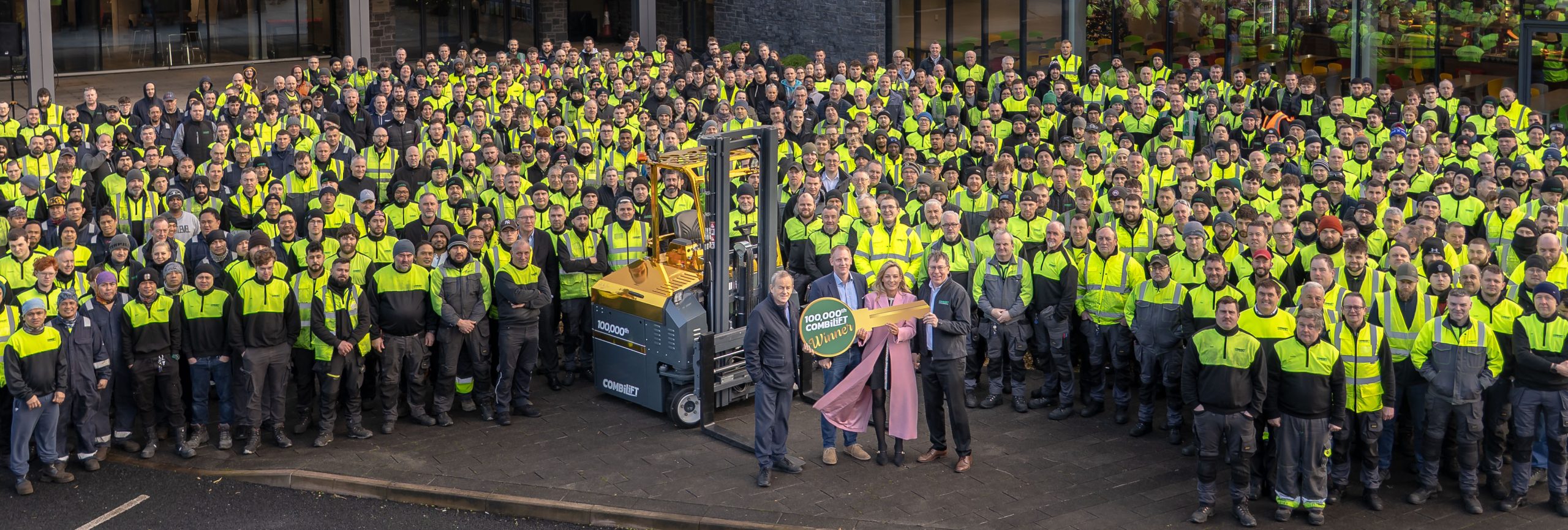
Global materials handling leader Combilift has celebrated a manufacturing milestone by transforming its 100,000th forklift into a powerful force for good, raising and donating €100,000 to the United Nations International Children’s Emergency Fund to support children in crisis worldwide.

To mark the production of its 100,000th forklift, Combilift launched a worldwide competition, offering the exclusive 100,000th “Golden Prize” multidirectional Combi-CBE. All proceeds raised were donated to UNICEF Ireland’s Children’s Emergency Fund.

Golden Forklift winner Kareen Farrell at the awarding of the Golden Forklift.
(Courtesy: Combilift)

The campaign generated €56,500 in ticket sales, and at a presentation ceremony, Combiliftannounced it had increased the total contribution to €100,000, underlining the company’s  commitment to corporate social responsibility.

“This campaign was designed not only to celebrate a major manufacturing achievement for Combilift, but also to make a meaningful difference beyond the factory floor. By supporting UNICEF, we are supporting one of the world’s most effective humanitarian organisations and helping children who need it most,” said Combilift CEO and co-founder Martin McVicar.

The check was presented by Martin McVicar to Owen Buckley, UNICEF Ireland’s Head of Corporate Partnerships, and Michaela Plunkett, Business Development Manager, in Monaghan.

“As we enter the winter season, our priority is ensuring children affected by war and natural disasters have access to warm clothing, safe shelter and continued education. This generous contribution from Combilift will help UNICEF respond quickly to urgent needs,” said Buckley.

Kareen Farrell purchased the winning ticket. She traveled to Combilift’s headquarters in Monaghan to receive the one-of-a-kind 100,000th Combi-CBE “Golden Forklift.”

“I was absolutely delighted when I heard I had won, as I’m never lucky. My dad shared the competition details and bought a ticket to support UNICEF because it’s a children’s charity that helps children all over the world, so winning the forklift was an incredible bonus,” said Farrell.

The Golden Forklift was first unveiled at the IMHX Exhibition in the UK before embarking on a European trade show tour.

More info: www.combilift.com

GT Wings Secures Investment Led by Grieg Kapital

0

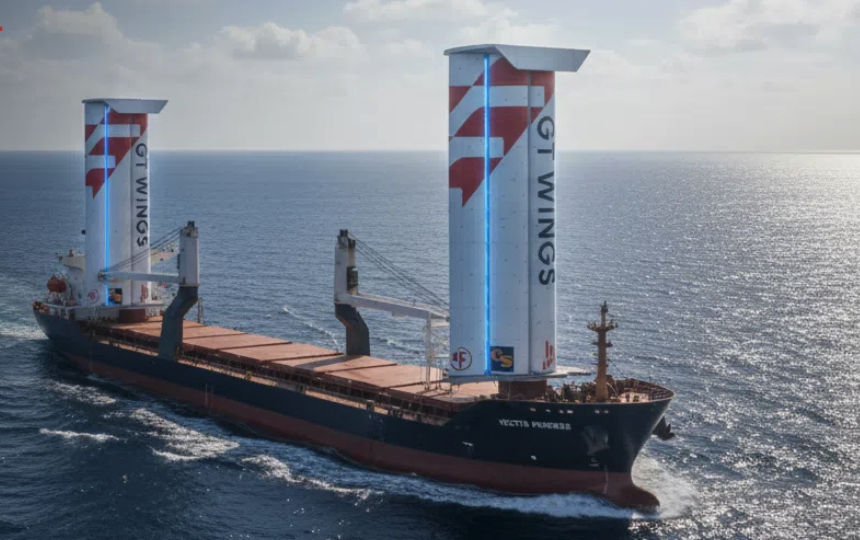
GT Wings, the UK-based wind propulsion company behind the AirWing™ Jet Sail system, has announced the close of a significant investment round led by Grieg Kapital, the investment arm of the Grieg Group.

Grieg Kapital invests alongside established investment partners, including Blackfinch Ventures and One Planet Capital, to support GT Wings’ growth journey. The investment marks a step forward in scaling next-generation wind-assisted propulsion for the global commercial shipping sector.

GT Wings, the UK-based wind propulsion company behind the AirWing™ Jet Sail system, has announced the close of a significant investment round. (Courtesy:  GT Wings)

The investment will enable GT Wings’ growth plans, support the broader commercial deployment of AirWing,™ and accelerate the company’s global supply-chain and manufacturing readiness, as demand for wind propulsion increases with an evolving regulatory framework.

“Wind-propulsion is emerging as a transformative technology for decarbonizing global shipping, and GT Wings has developed a practical, scalable solution that addresses real operational constraints for shipowners,” said Stian Grieg, Grieg Kapital.

“GT Wings’ strength lies not only in the solution but in the team behind it – drawing on cutting-edge aero- and hydrodynamic engineering backgrounds from F1, America’s Cup, and leading maritime and industrial companies, giving them the depth needed to scale AirWing,™” said Jon Gjøsund of Grieg Kapital.

The investment comes as shipowners face increasing pressure to cut emissions intensity, particularly under FuelEU Maritime, which will impose progressively tighter greenhouse-gas intensity requirements from 2025. Wind-assisted propulsion is one of the most cost-effective and immediate levers available to drive adoption across multiple vessel segments.

The market is at an inflection point. A DNV white paper on wind assisted propulsion systems reports 52 ships already in operation and nearly twice as many newbuilds on order. With most installations so far focusing on retrofits, this surge in newbuild commitments signals both integration from the design stage and a faster pace of adoption ahead.

GT Wings’ AirWing™ is the first commercially available Jet Sail, a high energy-density wind-propulsion technology designed to deliver substantial fuel and emissions savings.

Its proprietary Jet Sail technology delivers industry-leading thrust performance with a compact footprint and minimal operational disruption, a key advantage for shipowners seeking high-impact, energy-saving solutions that do not adversely encroach on deck space.

Working closely with its global partners, GT Wings is preparing for large-scale installation volumes over the coming years, driven by strong demand signals and a rapidly expanding order pipeline.

“We are pleased to welcome Grieg Kapital as a new investor,” said George Thompson, CEO of GT Wings. “Grieg Kapital’s reputation for backing forward-thinking, sustainability-driven technologies aligns closely with our mission. The group’s heritage stems from one of Norway’s most respected maritime industrial families and the investment strengthens our ability to scale AirWing,™ as demand for credible decarbonization solutions continues to grow.”.

More info: gtwings.com/