





Home 2021

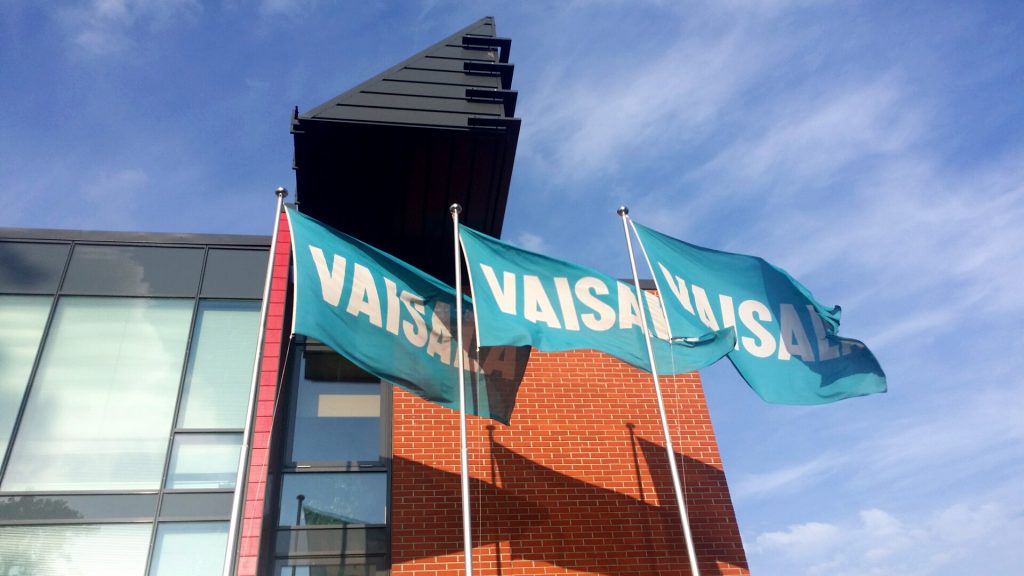
Vaisala achieves its target to use 100% renewable electricity

0
Around the world, 14 Vaisala facilities are powered by renewables. (Courtesy: Vaisala)

As a member of the RE100 initiative, Vaisala, a global leader in weather, environmental, and industrial measurements, has achieved its target to use 100 percent renewable electricity by the end of 2020.

The goal covered all Vaisala’s facilities with significant energy consumption around the globe and was reached with the combination of self-produced clean energy in Finland and the United States as well as green electricity from local energy companies. Among Finnish companies, Vaisala is the first technology company and second overall to achieve the RE100 target. In total, 17 companies in the Nordics have committed to RE100.

Sustainable solutions and business practices have always been at the core of Vaisala. In 2015, Vaisala joined RE100, the Climate Group’s global initiative encouraging the world’s most influential companies to make a 100 percent renewable electricity commitment within a clear timeframe. Vaisala set the target to use 100 percent renewable electricity in its facilities by the end of 2020.

“As the environmental and economic impacts of climate change increase, we need to implement different mitigation practices,” said Kai Öistämö, president and CEO of Vaisala. “We see that the private sector needs to be a key driver of change and accelerate the transition to a low-carbon economy. Therefore, I am proud to say Vaisala has achieved the important goal of using 100 percent renewable electricity.”

“By rapidly switching to 100 percent renewable power, Vaisala is leading by example and showing it makes business sense — even in these challenging times,” said Mike Peirce, Corporate Partnerships Director at the Climate Group. “Vaisala’s success will inspire others to strive for the same goal and walk the talk on sustainable technologies — if we’re to halve emissions this decade, there’s no time to lose.”

Following the initiative, Vaisala took several actions to ensure 100 percent renewable electricity in its facilities with significant energy consumption. In total, 14 Vaisala facilities around the world are powered by renewables. The target was achieved with a combination of self-produced energy and green electricity products purchased from local energy companies.

About 94 percent of the electricity that Vaisala’s facilities consume comes directly from renewable sources, mainly from wind power. This 94 percent comprises Vaisala’s largest facilities, where it is possible to affect consumption with self-produced energy and local green energy. For instance, Vaisala’s manufacturing sites in Finland and the United States use solar panels to produce clean energy.

The remaining 6 percent consists mostly of small office facilities where Vaisala is not the sole proprietor of the building and therefore cannot directly choose to consume renewable electricity. This remaining part was covered by purchasing unbundled renewable energy attribute certificates from the market. An energy-attribute certificate is a market-based instrument that proves that 1 MWh of renewable energy has been produced in the same region. With these certificates, Vaisala was able to cover electricity consumption on those sites that cannot negotiate their own electricity contracts.

Throughout its 85-year history, Vaisala has created innovations that help to build a better future by mitigating environmental impacts but also adapting to them. Vaisala’s solutions for weather and environment as well as for industrial sectors help customers to make smart decisions concerning weather events and the use of energy and other resources. For instance, wind-energy operators and biogas producers can get reliable measurement data on their operations and thus produce sustainable energy efficiently. In this way, Vaisala helps to increase the amount of and access to clean energy globally.

“The positive handprint of our business is formed through our multitude of measurement solutions,” Öistämö said. “We are strongly involved in the renewable energy industry through our customers, but it is also essential that we advance the use of renewable energy sources in our own operations. By ensuring that our facilities consume 100 percent renewable electricity, we can also decrease our own carbon footprint and contribute to a more sustainable future.”

MORE INFO  vaisala.com
Energy and finance heavyweights to rejuvenate older European wind parks

0

Combining more than 100 years’ experience in energy, green finance, and M&A across its senior team, NeXtWind recently launched its strategy to become Europe’s next major green independent power producer (IPP).

Backed by established sustainable investors including Crestline Investors, Ferd, and ARB Investment Partners, the company will initially seek to acquire and rejuvenate older, most likely teenage, wind parks in Germany.

Working with local communities and partners to bring new life, higher performance, and shared benefit to existing sites, NeXtWind’s strategic goal is to acquire and transform a portfolio in excess of 1GW of end-of-regulatory-life European assets.

“The older wind sites tend to have the best locations but the worst efficiencies,” said Ewald Woste, NeXtWind CEO. “We’ve assembled the expertise and funding to ensure that these sites are not lost to a diminishing baseline of clean power. Indeed, with smart investment and management, we expect to double the average wind harvest from these pioneering parks. With Germany phasing out coal and nuclear generation, this is important work.”

“The energy transition must keep moving forward and an increasingly important ingredient to that will be the rejuvenation of Europe’s early green energy parks,” said Lars Meyer, Chief Investment Officer at NeXtWind. “In Germany alone, we estimate that some 15 GW of teenage onshore wind capacity will soon need to navigate today’s market complexities and determine a proactive plan for a future that looks very different to the present. It’s an extremely fragmented market in need of consolidation, modernization, and significant investment.”

With an active M&A pipeline already in place, NeXtWind was expected to complete the acquisition of its first sites soon. Acquired sites will either be repowered or undergo lifetime extension works.  The company is negotiating framework agreements with some of Europe’s largest utilities in order to facilitate the signature of future Power Purchase Agreements (PPAs).

MORE INFO  www.nextwind.de/home-en.html

BOEM to resume environmental review of Vineyard Wind project

0
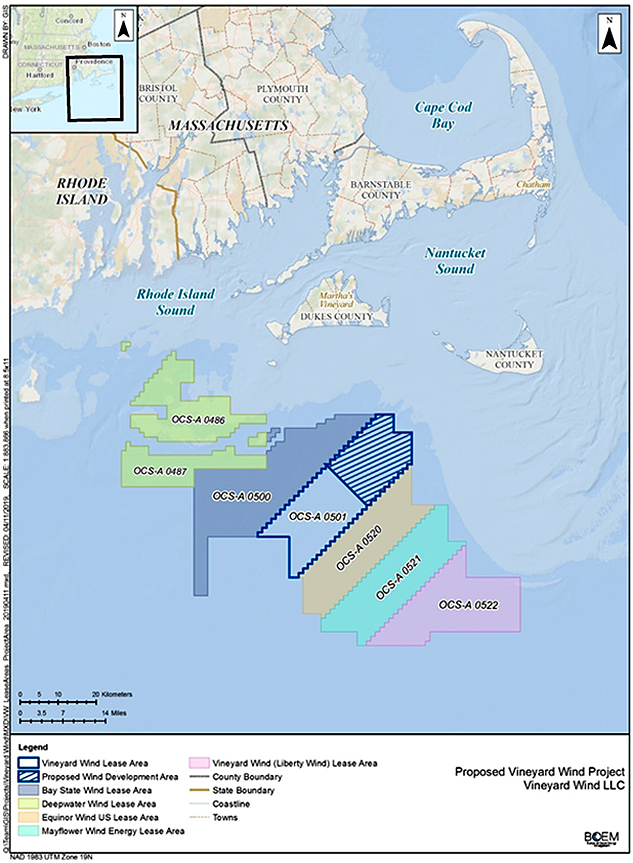
The proposed project would be about 12 nautical miles offshore Martha’s Vineyard and 12 nautical miles offshore Nantucket in the northern portion of its lease area. (Courtesy: BOEM)

In support of the Biden administration’s goal to address climate change and promote offshore renewable energy production, the Bureau of Ocean Energy Management (BOEM) recently announced it intends to resume the environmental review of Vineyard Wind’s proposed offshore wind project.

“Offshore wind has the potential to help our nation combat climate change, improve resilience through reliable power, and spur economic development to create good-paying jobs,” said BOEM Director Amanda Lefton. “BOEM is committed to conducting a robust and timely review of the proposed project.”

BOEM will resume the environmental review of the Vineyard Wind Project and proceed with development of a Final Environmental Impact Statement.

On January 22, 2021, Vineyard Wind submitted a letter rescinding its temporary Construction and Operations Plan (COP) withdrawal and requesting that BOEM resume review of the 800-MW wind-energy project offshore Massachusetts. The proposed project would be about 12 nautical miles offshore Martha’s Vineyard and 12 nautical miles offshore Nantucket in the northern portion of its lease area. Vineyard Wind had paused the Department’s consideration of its proposal while it reviewed whether the use of Haliade-X turbines warranted any modifications to their COP.

President Joe Biden issued an Executive Order on January 27, 2021, that called for the Interior Department to identify steps to accelerate responsible development of renewable energy on public lands and waters. Interior has initiated a review of processes and procedures to date as it re-invests in a rigorous renewable energy program.

MORE INFO  www.boem.gov/vineyard-wind

New report reveals opportunities for offshore wind operators

0

The offshore wind sector should invest now in new technologies to transform operational practices and ensure continued growth, or risk losing out on significant immediate savings, and over the coming decades, too.
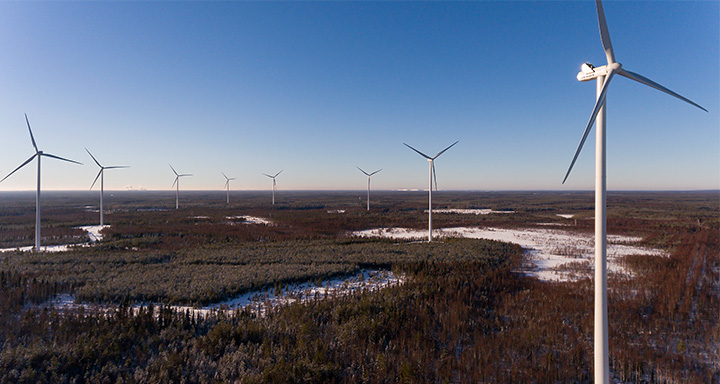
This is according to ONYX InSight, a leading provider of data analytics and engineering expertise to the global wind industry, who recently released a new whitepaper outlining the key challenges and opportunities for the offshore wind industry in the short, medium, and long term.

Offshore wind faces a tough landscape where strike prices are low and margins are being squeezed. The industry has made great strides in reducing the LCOE by increasing turbine size and streamlining the supply chain. However, ONYX InSight has found there is huge potential to achieve further significant efficiencies without entering into a race for the biggest turbine or the lowest parts or service contracts costs.

Drawing on its experience in offshore wind, ONYX InSight has pinpointed several prospects for the industry. In the short-term, optimizing logistics will deliver significant savings for operators due to new advances in digital O&M. Addressing “minor” repairs, accounting for up to 50 percent of total maintenance costs, will also deliver significant efficiency gains. With more oversight on asset health, owners and operators can prioritize their O&M work and implement more effective condition-based scheduled maintenance.

Another key finding from ONYX InSight’s whitepaper is offshore wind stands to gain significantly from life extension. However, the greatest savings will only materialize if life extension strategies are established early in asset lifecycles. By using the latest diagnostics to inform life extension, the right predictive maintenance program can extend useful asset life by 25 percent. This comes together with a wider adoption of new digital tools to streamline data collection and aid training, easing the skills gap.

According to ONYX InSight’s report, the offshore wind industry is set to prosper in the long term but must first adopt a collaborative supply chain wide approach to data. From optimizing turbine design for the reality of operations to enabling large collaborative maintenance zones with clustered O&M strategies, advances in data analytics can potentially revolutionize the sector over the next decade. But this will be unlocked only through sharing data with trusted partners, instead of letting it sit unused.

“The offshore opportunity is huge,” said Bruce Hall, CEO of ONYX InSight. “We are proud to support the industry as it continues to break new ground, and now, it’s time for the next wave of innovation. Exciting opportunities such as floating wind are within grasp. Our whitepaper has picked out a course to successfully reduce O&M costs and boost profits in offshore operations, envisioning a future where added capacity from new assets is bolstered by continued digital enhancements to the growing global fleet.”

“There’s not one cure-all solution to the challenges offshore wind must overcome,” said Evgenia Golysheva, head of engineering at ONYX InSight. “But there’s great cause for optimism. The sector has seen a renewed boost in interest, investment, and political support and is set to expand rapidly into large new markets such as the U.S. and Asia. With the right advice, owners and operators can put relatively simple changes into place now to save money, while laying a strong foundation for the working practices of the future.”

MORe INFO  onyxinsight.com/offshore-wind-whitepaper

Vestas seals another EnVentus order in Finland for a 90 MW project

0
The Murtomaki wind project will consist of 15 V162-6.0 MW turbines. (Courtesy: Vestas)

Vestas has secured a 90 MW order from new customer Ålandsbanken for the Murtomaki wind project.

The project comprises 15 V162-6.0 MW turbines maximizing the yield under the permitted tip height and a 30-year active output management 5000 (AOM 5000) service agreement. Leveraging the upgraded rating of the EnVentus platform, the tailored solution is designed to ensure an industry-leading level of energy production for the lifetime of the project at a highly competitive levelized cost of energy.

Winning the second deal with the upgraded V162-6.0 MW wind turbines, Vestas reinforces its presence in Finland’s wind market and surpasses 600 MW in orders of EnVentus turbines in the country.

“Murtomäki wind farm with Vestas turbines is the first investment of the newly established Wind Power Fund of Ålandsbanken,” said Juha Känkänen, investment director of Ålandsbanken Funds. “We would like to thank the Vestas team for its efforts in bringing down the levelized cost of energy and constructive approach during contract negotiations.”

The project has been developed by YIT Suomi Oy and will continue to be a part of their project development process until completion in 2023.

“This project strongly supports our climate goals, since the Murtomäki wind farm produces an amount of renewable domestic electricity that is equal to the consumption of approximately 15,000 single-family houses annually,” said Harri Kailasalo, EVP, Infrastructure Projects, YIT. “During the construction and production period, the project also has a significant positive economic impact on the town of Pyhäjärvi.”

“I would like to thank our new, well-established business partners Ålandsbanken and YIT Suomi Oy for the trust they placed in us,” said Nils de Baar, president of Vestas Northern & Central Europe. “We are certain that the competitiveness of the V162-6.0 MW turbine together with the key focus on Finland and our long-term service offering ensures maximum value for our customer’s business case.”

The contract includes supply, installation, and commissioning of the wind turbines as well as a VestasOnline® Business SCADA solution, lowering turbine downtime and thus optimizing the energy output.

Turbine delivery is expected to begin in the second quarter of 2023, while commissioning is planned for the third quarter of 2023.

MORE INFO  www.vestas.com

John Leahy joins GEV Wind Power board to support its growth ambitions

0
David Fletcher, GEV Wind Power CEO (right) welcomes John Leahy (left). (Courtesy: GEV)

GEV Wind Power recently announced the appointment of John Leahy to the Board of GEV Wind Power.

Leahy is a seasoned private equity executive with leadership experience across various disciplines enjoying an outstanding record of value enhancement across well-known companies including the luxury travel brand Tumi and Rank Hovis McDougall, owner of brands such as Hovis bread, Bisto gravy, and Mr Kipling cakes.

As chairman, he led the transformation and growth of LM Windpower from a local producer to the global No. 1 wind-turbine blade manufacturer with a turnover of 1.2 billion euros, producing approximately 20 percent of the world’s installed rotor blades.

“We are delighted to welcome John to the Board of GEV, bringing his 12 years of experience leading LM Wind Power to our organization,” said David Fletcher, CEO of GEV Wind Power. “We look forward to John helping us to shape our growth strategy going forward, with the aim of achieving our goal of being the global partner of choice to our clients, for all blade maintenance requirements.”

“I am thrilled to be re-engaging in the wind-energy sector and to have the opportunity to continue my focus on rotor blades and being part of the transformation of this area of maintenance over the coming years, as the industry continues to consolidate and mature,” Leahy said. “GEV is well supported and has an excellent platform to lead this process, and I am looking forward to working with David and his team.”

An independent service provider of blade-maintenance services, GEV Wind Power is recognized as one of the leading blade maintenance operators across its core markets of Europe and North America. GEV’s service offerings vary from straight forward surface conditioning to complex structural repairs using a range of access methods.

MORE INFO  www.gevwindpower.com

Siemens Gamesa seals first wind project in Ethiopia

0
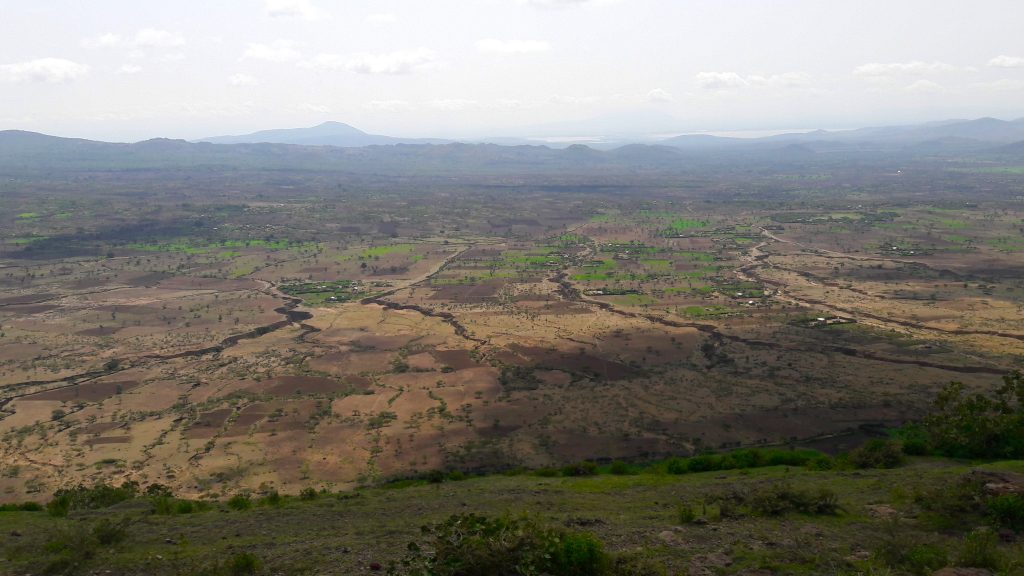
The site of the 100-MW Assela wind farm, which will be between the towns of Adama and Assela. (Courtesy: Siemens Gamesa)

Siemens Gamesa has signed its first wind-power project in Ethiopia with state-owned electricity company Ethiopian Electric Power (EEP), strengthening its leadership in Africa as the country begins to expand its green energy capacity to meet ambitious renewable targets.

The 100-MW Assela wind farm will be between the towns of Adama and Assela, approximately 150 kilometers south of the capital, Addis Ababa, and will contribute to clean and affordable power for the country’s electricity grid.

The country has set an ambitious target to supply 100 percent of its domestic energy demand through renewable energy by 2030. According to the African Development Bank, Ethiopia has abundant resources, particularly wind, with a potential 10 GW of installation capacity and having installed 324 MW at present.

“Siemens Gamesa is intent on expanding its leadership across Africa, and in turn help a growing transition to green energy across the continent,” said Roberto Sabalza, CEO for Onshore Southern Europe and Africa at Siemens Gamesa. “So, we are extremely pleased to begin work in Ethiopia and look forward to collaborating with both EEP and the country to continue to promote their drive to install more renewables and meet transformational energy targets.”

According to a Wood Mackenzie forecast, about 2 GW of wind power would be installed in Ethiopia by 2029.

The wind farm will be made up of 29 SG 3.4-132 wind turbines and is expected to be commissioned by the start of 2023. The project will generate about 300,000 MWh per year. Siemens Gamesa will provide full engineering, procurement, and turnkey construction.

The Assela wind project will be financed by the Danish Ministry of Foreign Affairs via Danida Business Finance (DBF) adding to a loan agreement signed between the Ethiopian Ministry of Finance and Economic Cooperation (MoFEC) and Danske Bank A/S.

Ethiopia has many renewable resources covering wind, solar, geothermal, and biomass, and the country aspires to be a power hub and the battery for the Horn of Africa. The country’s National Electrification Program, launched in 2017, outlines a plan to reach universal access by 2025 with the help of off-grid solutions for 35 percent of the population.

Siemens Gamesa is among the global leaders in the wind power industry, with a strong presence in all facets of the renewable energy business: offshore, onshore, and services. With more than 107 GW installed worldwide; Siemens Gamesa is an ideal partner for Ethiopia at this critical juncture in the East African nation’s accelerating energy journey.

MORE INFO  www.siemensgamesa.com

PSG names Dale Bartelson senior VP of sales and marketing

0
Dale Bartelson

Pure Safety Group (PSG), the world’s largest independent height safety product development, manufacturing and training company, recently hired Dale Bartelson as senior vice president of sales and marketing.

Bartelson will oversee sales, business development, training, customer service, and commercial marketing for PSG in North America and Latin America.

Bartelson has close to 20 years of experience in the industrial and safety markets. Prior to joining Pure Safety, he held a variety of sales and channel leadership positions at 3M, including national sales manager for the corporation’s Industrial and Safety Markets Center. His experience also includes developing Fastenal’s safety portfolio, before taking on director-level positions at GOJO and Capital Safety, the fall protection company that was acquired by 3M in 2015. Bartelson holds an undergraduate degree from Winona State University and an MBA from the University of St Thomas.

“Dale has a deep commitment to delivering safety solutions to customers,” said PSG CEO Jeff Ward. “He is a trusted resource in the safety community among businesses wanting to continually advance their safety portfolio and approach. His knowledge of fall protection products and innovation, and his ability to partner with companies to plan, particularly for their height safety needs, makes Dale an asset to our customers and our growing organization.”

MORE INFO  www.puresafetygroup.com

Enel Green Power brings two new U.S. wind farms online

0
Enel Green Power North America has begun operating a 199 MW expansion to the Cimarron Bend wind farm in Kansas, increasing the facility’s total capacity to 599 MW. (Courtesy: Enel Green Power)

Enel, through its U.S. renewable subsidiary Enel Green Power North America, has begun operating a 199-MW expansion of the Cimarron Bend wind farm in Clark County, Kansas, making the overall 599-MW facility the largest renewable plant owned by the Enel Group currently in operation worldwide.

The 236.5-MW White Cloud wind farm also began operations in Nodaway County, Missouri. The two wind farms bring Enel’s total renewable capacity added in 2020 across the U.S. and Canada to 865 MW. The investment in the construction of White Cloud amounts to about $380 million, while that of the Cimarron Bend expansion amounts to more than $281 million.

“We are progressing at full speed toward a sustainable energy future,” said Salvatore Bernabei, Enel Green Power CEO. “In a challenging year across all sectors, our teams have demonstrated exceptional dedication to the achievement of our business goals while continuing to prioritize health and safety. These milestones further prove our track record in the development, construction and operation of high-quality generation assets, enabling the accomplishment of sustainability targets by us and our renewable energy offtakers.”

The start of operations at the Cimarron Bend expansion, on which construction began in the second quarter of 2020, further cements Enel Green Power’s status as the largest wind operator in Kansas by managed capacity. The overall 599-MW facility is expected to generate a total of more than 2.7 TWh per year, equivalent to avoiding about 1.7 million tons of CO2 emissions. Enel will sell the facility’s energy output through a 150-MW power purchase agreement (PPA) with Evergy, an investor-owned utility based in Kansas City, Missouri, and a 30-MW PPA with the Missouri Joint Municipal Electric Utility Commission (MJMEUC), a joint action agency [1] of the Missouri Public Utility Alliance (MPUA) [2].

White Cloud, on which construction began in summer 2019, is due to generate about 950 GWh annually while avoiding the emission of more than 621,000 tons of CO2 per year. Enel Green Power North America signed a PPA with Associated Electric Cooperative Inc. (AECI) in which the Springfield, Missouri-based electric cooperative will purchase the entire energy output from the plant.

In Missouri, Enel also operates the 300 MW Rock Creek wind farm in Atchison County, which sells its entire output to Evergy.

The construction process for Cimarron Bend and White Cloud followed Enel Green Power’s Sustainable Construction Site model, a collection of best practices aimed at minimizing the impact of plant construction on the environment. The Cimarron Bend construction site team adopted a recycling program and is set to be donating office supplies as well as equipment to local schools in need with the aim to extend the products’ useful lives alongside diverting them from landfills. The White Cloud operations and maintenance (O&M) building is a refurbished and repurposed space, an approach adopted to reduce the costs and environmental impact from construction of new O&M buildings.

In the final stages of construction, Enel closely monitored the emergent COVID-19 pandemic and responded to protect the health of its workers and the community. While abiding by the guidance of public officials, the company implemented strict travel guidelines and enhanced sanitation, as crews implemented safe working habits and physical distancing instructions. Furthermore, Enel North America announced more than $1.3 million in contributions to relief efforts across the U.S. and Canada.

Enel Green Power has three projects under construction in the United States: the 299-MW Aurora wind farm in North Dakota and two solar-plus storage projects in Texas: Lily (181 MW) as well as Azure Sky (284 MW). As part of the Enel Group’s three-year strategic plan announced in November, the company is planning to bring an additional 3 GW of renewable capacity online in North America by 2023.

MORE INFO  www.enelgreenpower.com

NREL Advanced Manufacturing Research moves wind turbine blades toward recyclability

0

A new material for wind blades that can be recycled could transform the wind industry, rendering renewable energy more sustainable than ever before while lowering costs in the process.

The use of a thermoplastic resin has been validated at the National Renewable Energy Laboratory (NREL). Researchers demonstrated the feasibility of thermoplastic resin by manufacturing a 9-meter-long wind-turbine blade using this novel resin, which was developed by Pennsylvania company, Arkema Inc. Researchers have now validated the structural integrity of a 13-meter-long thermoplastic composite blade, also manufactured at NREL.

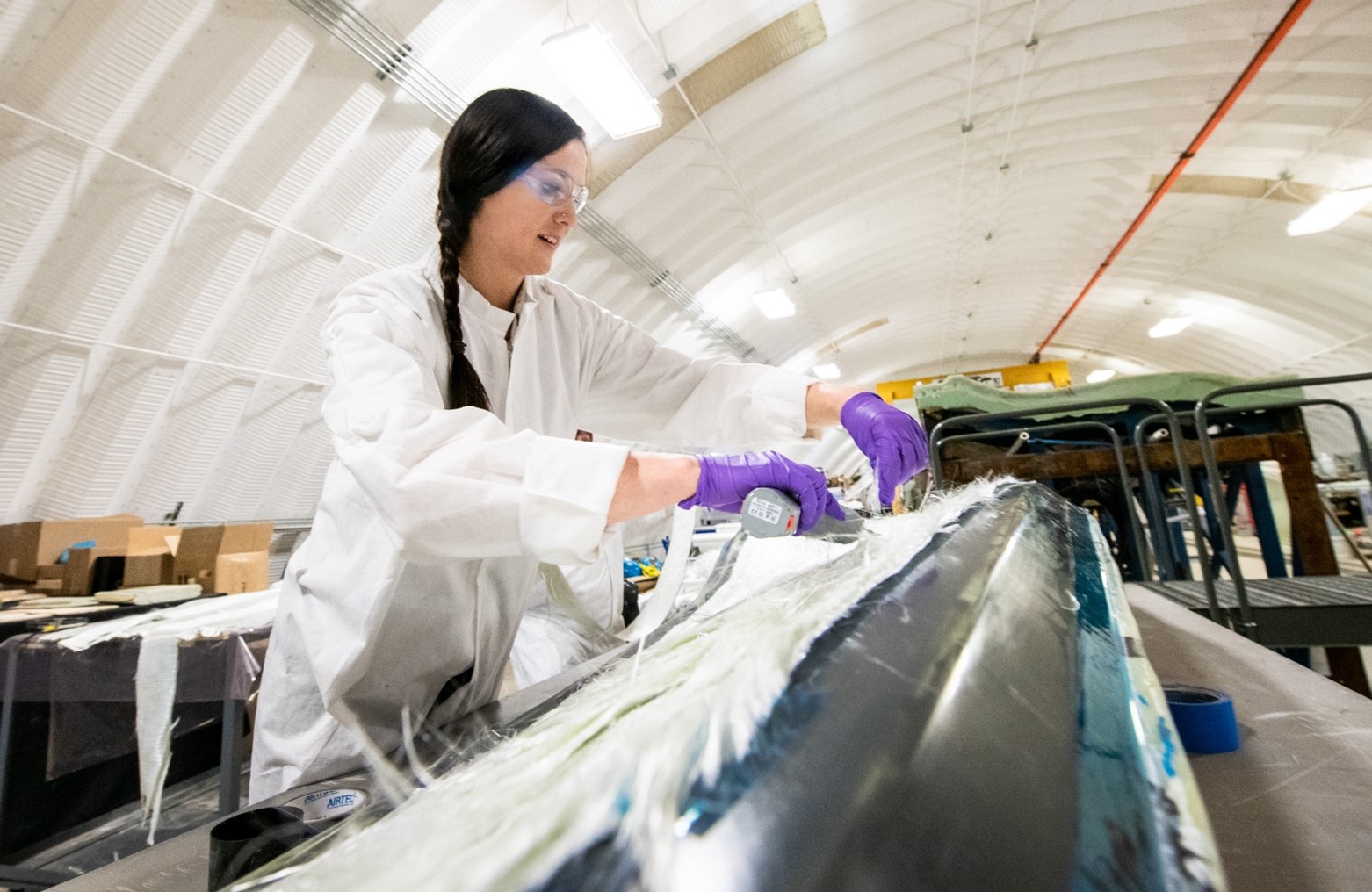
In addition to the recyclability aspect, thermoplastic resin can enable longer, lighter-weight, and lower-cost blades. (Courtesy: NREL)

In addition to the recyclability aspect, thermoplastic resin can enable longer, lighter-weight, and lower-cost blades. Manufacturing blades using current thermoset resin systems requires more energy and manpower in the manufacturing facility, and the end product often winds up in landfills.

“With thermoset resin systems, it’s almost like when you fry an egg; you can’t reverse that,” said Derek Berry, a senior engineer at NREL. “But with a thermoplastic resin system, you can make a blade out of it. You heat it to a certain temperature, and it melts back down. You can get the liquid resin back and reuse that.”

Berry is co-author of a paper titled, “Structural Comparison of a Thermoplastic Composite Wind Turbine Blade and a Thermoset Composite Wind Turbine Blade,” which appears in the journal Renewable Energy.

The other authors, also from NREL, are Robynne Murray, Ryan Beach, David Barnes, David Snowberg, Samantha Rooney, Mike Jenks, Bill Gage, Troy Boro, Sara Wallen, and Scott Hughes.

NREL has also developed a technoeconomic model to explore the cost benefits of using a thermoplastic resin in blades. Current wind-turbine blades are made primarily of composite materials such as fiberglass infused with a thermoset resin. With an epoxy thermoset resin, the manufacturing process requires the use of additional heat to cure the resin, which adds to the cost and cycle time of the blades. Thermoplastic resin, however, cures at room temperature. The process does not require as much labor, which accounts for about 40 percent of the cost of a blade. The new process, the researchers determined, could make blades about 5 percent less expensive to make.

NREL is home to the Composites Manufacturing Education and Technology (CoMET) Facility at the Flatirons Campus near Boulder, Colorado.

“The thermoplastic material absorbs more energy from loads on the blades due to the wind, which can reduce the wear and tear from these loads to the rest of the turbine system, which is a good thing,” Murray said.

The thermoplastic resin could also allow manufactures to build blades on site, alleviating a problem the industry faces as it trends toward larger and longer blades. As blade sizes grow, so does the problem of how to transport them from a manufacturing facility.

This work was funded by the U.S. Department of Energy Advanced Manufacturing Office. NREL is the U.S. Department of Energy’s primary national laboratory for renewable energy and energy efficiency research and development. NREL is operated for the Energy Department by the Alliance for Sustainable Energy, LLC.

More info: nrel.gov

Sealing solution meets challenges of larger turbine designs

0

Global sealing technology expert James Walker has launched a new innovative version of its Walkersele® rotary lip seal, following an in-depth research and development project in collaboration with wind-turbine and bearing OEMs.

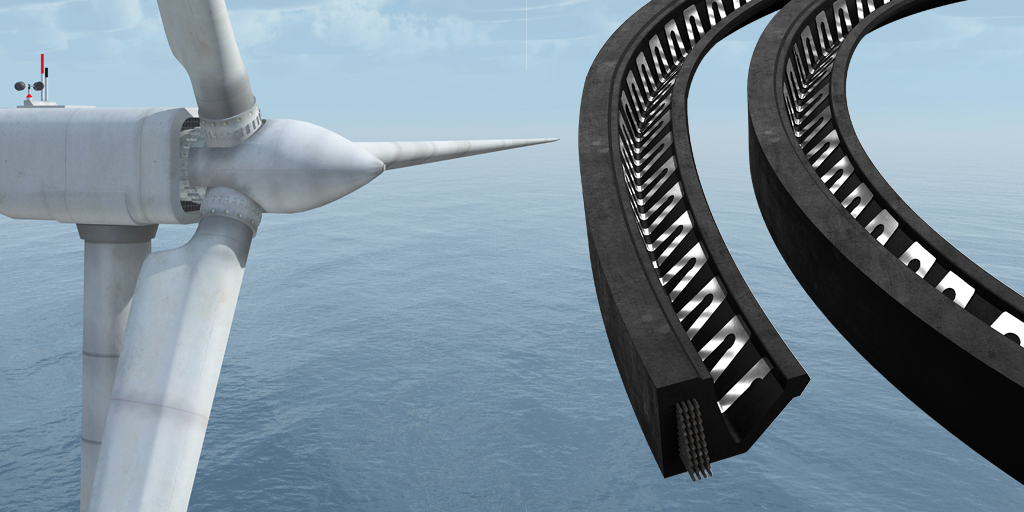
The new product, Walkersele® X-Gen, meets the challenges of the increasing size of turbine designs — maintaining effective sealing against deflected shafts or housings and increased offset, plus enhanced retention of sealing forces over the full circumference of the sealing face.

The new patented design of the Walkersele X-Gen incorporates a refined lip design, molded-in finger spring, and innovative fiberglass-reinforced backing. (Courtesy: James Walker)

Walkersele X-Gen also addresses the issues created by the use of high-performance greases for lubrication rather than oil, which brings a new dynamic to the operation of the bearing seal and an additional challenge for any sealing solution.

In cooperation with bearing and turbine OEMs, James Walker has undertaken a comprehensive test program covering all elements of rotary seal design. These include spring retention, lip loading, torque, friction, leakage and wear, plus sealing capability at a variety of significant offsets. Testing was focused on protecting and extending the service life of critical bearing applications and drive mechanisms.

The result is a new patented seal construction specifically configured to optimize sealing capability on large diameters where increased levels of offset from loaded bearings and out-of-round shafts and seal housings can create significant issues.

More info: www.jameswalker.biz

Siemens Gamesa appoints Marc Becker as CEO of Offshore

0

Siemens Gamesa Renewable Energy recently announced that Marc Becker is to return to the company as CEO of its industry-leading offshore business.

Becker served as managing director for Germany and head of Offshore Sales and Projects at Siemens Gamesa before leaving the company in early 2020. In the latter role, and previously as COO of Siemens Wind Power, Becker played a key role in building the company´s strong leadership position in the rapidly growing offshore segment.

Marc Becker. (Courtesy: Siemens Gamesa)

Becker, who is to be the permanent replacement for Andreas Nauen, who was promoted to CEO of the company in June, will be based in Hamburg and start his new role February 1. Pierre Bauer will continue as interim CEO in the meantime.

“I am delighted to bring Marc back to the company to lead offshore,” Nauen said. “He has an outstanding track record in offshore wind energy and has the experience, expertise, and industry network to lead our future growth in this critical area. With the addition of Marc, we will complete a strong and revitalized team to lead the turnaround that will deliver long-term sustainable growth and profitability to Siemens Gamesa.”

“Siemens Gamesa is the undisputed leader in offshore wind, and I´m looking forward to rejoining the company and working to extend that leadership,” Becker said. “There is huge potential for offshore wind to lead the fightback against climate change, and with the talented team at Siemens Gamesa as well as the industry´s best technology, we are well positioned to play a leading role.”

Becker will join a senior management team that was overhauled in the second half of 2020. Lars Bondo Krogsgaard, former CEO of Nordex Acciona and co-CEO of MHI Vestas, joined as CEO of onshore earlier in November. Juan Gutierrez took over as CEO of Service in August. Beatriz Puente joined as Chief Financial Officer on December 1 from NH Hotels, where she has served as Executive Managing Director Finance & Administration since 2015.

For more information: www.siemensgamesa.com

Logisticus teams with Georgia Tech for blade re-use project

0

Wind turbines are, by design, green solutions for the production of power. Wind turbines produce zero carbon emissions; however, the blades themselves pose an environmental challenge as the blades depreciate. To address this concern, the Georgia Institute of Technology in partnership with Logisticus Groupwas awarded the U.S. National Science Foundation (NSF) Partnerships for Innovation (PFI) grant.

The Partnerships for Innovation Program within the Division of Industrial Innovation and Partnerships (IIP) provides researchers from science and engineering disciplines funded by the NSF with the opportunity take their research and technology from the discovery phase to the marketplace for the benefit of society.

Russell Gentry, professor in the Georgia Tech School of Architecture, serves as the project’s principal investigator. The three-year grant continues Gentry’s research on the reuse of retired wind blades and builds on the proprietary technology developed as part of the Re-Wind Tripartite Research program funded by the U.S. NSF, Science Foundation of Ireland, and the Department for the Economy of Northern Ireland.

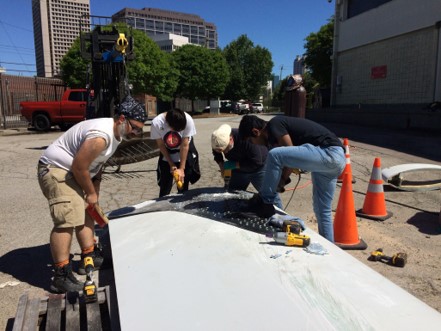
Georgia Tech and Logisticus will conduct research and development to commercialize mass-market architectural, engineering, and construction products from repurposed FRP composite of decommissioned wind turbine blades. (Courtesy: Georgia Tech)

“In our foundational NSF grants, our team demonstrated the potential for wind-blade re-use and the positive environmental benefits that will come from the re-use of these amazing composite materials in civil infrastructure,” Gentry said. “This potential is embodied in the two patents we are pursuing and in the follow-on Partnership for Industry grant from NSF. The team is now advancing our hardware and software technology and has partnered with companies in the wind energy and electrical transmission industries to pilot these technologies.”

Logisticus Group joins the project as the key provider of transportation for the retired wind-turbine blades. As one of the largest wind-blade transporters, Logisticus Group brings supply expertise for the complex logistics of transporting decommissioned wind-turbine blades, which are approximately 50 meters in length.

“We are thrilled to partner with Georgia Tech on this project,” said Will Stephan, founder of Logisticus Group. “Their team has always had a passion to conduct research and development on proprietary technology when it comes to reusing wind blades. We feel, as a company, that we need to be a part of the solution to find ways to recycle and repurpose these blades.”

Wind-turbine blades are made from high quality fiber-reinforced polymer composite materials, which are not biodegradable or recyclable. Currently, turbine blades are landfilled or incinerated at their end-of-life stage. Georgia Tech and Logisticus will conduct research and development to commercialize mass-market architectural, engineering, and construction products from repurposed FRP composite of decommissioned wind turbine blades.

The team, comprised of Georgia Tech faculty, laboratory staff, and graduate and undergraduate students in architecture and engineering, will develop commercial products using Generative Design software, architecture studios and workshops, structural and Finite element analysis, life-cycle analysis, Lidar technology, and full-scale testing of prototypes in Georgia Tech’s 20,000 sq. ft Digital Fabrication Laboratory.

“The success of our project comes from the diverse talents and viewpoints represented on the team,” Gentry said. “It’s rare to have architects, engineers, and social, geospatial, and environmental scientists working on the same fundamental problem. As we move to commercialize, we are building an entrepreneurial team and linking with industry. We look forward to seeing our re-use applications implemented in the next three years.”

Prior to receiving the NSF PFI grant, researchers at Georgia Tech developed proprietary algorithms for a tool called the “Blade Machine” and created unique testing methodologies to rapidly characterize any wind-turbine blade currently in production for architectural and structural analysis and design purposes.

In October 2020, the team participated in the NSF’s I-Corp Innovation Program.

More info: www.logisticusgroup.com

Vineyard Wind selects GE to supply turbines

0

Vineyard Wind, a joint venture between Avangrid Renewables and Copenhagen Infrastructure Partners, recently announced that the company has selected GE as its preferred supplier of wind turbine generators for its Vineyard Wind 1 project, the first utility-scale offshore wind installation in the United States.

“The selection of GE as our preferred turbine supplier means that a historic American company will play a vital role in the development of the first commercial scale offshore wind power in the U.S.,” said Vineyard Wind CEO Lars T. Pedersen. “This is a huge moment not only for the future of our project, but also for the future of an industry that is poised for exponential growth in the coming decades.”

Vineyard Wind 1 will be using GE Renewable Energy’s industry-leading Haliade-X wind turbine generators, the most powerful in operation to date. With this selection, GE Renewable Energy is poised to play a pivotal role in the development of offshore wind power in the U.S., which will be a major source of investments and job creation up and down the supply chain in communities across the region.

“GE Renewable Energy is proud to partner with Vineyard Wind for the first major offshore wind project in the U.S.,” said John Lavelle, president and CEO, Offshore Wind at GE Renewable Energy. “To be selected as the preferred supplier is an important sign of confidence for our proven technology and for all our employees around the world. We look forward to making this important contribution to the growth of offshore wind in the U.S.”

As a part of reaching this important milestone, Vineyard Wind has decided to temporarily withdraw its Construction and Operations Plan (COP) from further review by the Bureau of Ocean Energy Management (BOEM) to allow the project team to conduct a final technical review associated with the inclusion of the Haliade-X into the final project design.

“While the decision to pause the ongoing process was difficult, taking this step now avoids potentially more federal delays and we are convinced it will provide the shortest overall timeline for delivering the project as planned,” Pedersen said. “We intend to restart the BOEM process from where we left off as soon as we complete the final review.”

The company expects its review to take several weeks, after which Vineyard Wind will resume the Federal permitting process with BOEM. With buffer built into the project schedule, Vineyard Wind still expects to reach financial close in the second half of 2021 and to begin delivering clean energy to Massachusetts in 2023.

Vineyard Wind 1 is an 800-MW project 15 miles off the coast of Martha’s Vineyard and is slated to become the first large-scale offshore wind farm in the United States. The project will generate cost-competitive electricity for more than 400,000 homes and businesses in the Commonwealth of Massachusetts and is expected to reduce carbon emissions by more than 1.6 million tons per year.

More info: www.vineyardwind.com

NOIA outlines offshore energy priorities for Biden Administration

0

The National Ocean Industries Association (NOIA) released the NOIA Offshore Wind Priorities List for Biden Administration and the Importance of Gulf of Mexico Energy Production to the United States.

The documents are a pair of offshore energy priority proposals, detailing offshore oil, natural gas, and wind policies that President-elect Joe Biden should pursue to bolster U.S. offshore energy as a strategic asset, as well as possible legislation for consideration by the incoming Administration.

“President-elect Biden and the incoming Administration should recognize that offshore energy provides a unique solution to some of their top priorities,” said NOIA President Erik Milito. “American offshore energy is a foundation of domestic energy, accessible jobs and economic opportunity, and billions of dollars of government revenue. Offshore energy production occurs miles from onshore populations, so it avoids adverse environmental justice issues. On top of that, offshore-energy revenues provide the funding for vital parks-and-recreation programs that promote environmental justice solutions for local communities. The ecosystem of oil, natural gas, wind and service and supply companies are not just driving energy and climate innovation, they are providing a way to scale and deploy real-world solutions. There are not many industries that can provide these broad benefits in such a sustainable and responsible manner.”
Offshore oil and natural gas production is an American energy and economic anchor. A study by Energy & Industrial Advisory Partners found that, in 2019, the Gulf of Mexico oil and gas industry supported more than 345,000 jobs, across every U.S. state, $28.6 billion in GDP, and $5.4 billion in government revenue, including $1 billion that was directed to the Land & Water Conservation Fund.

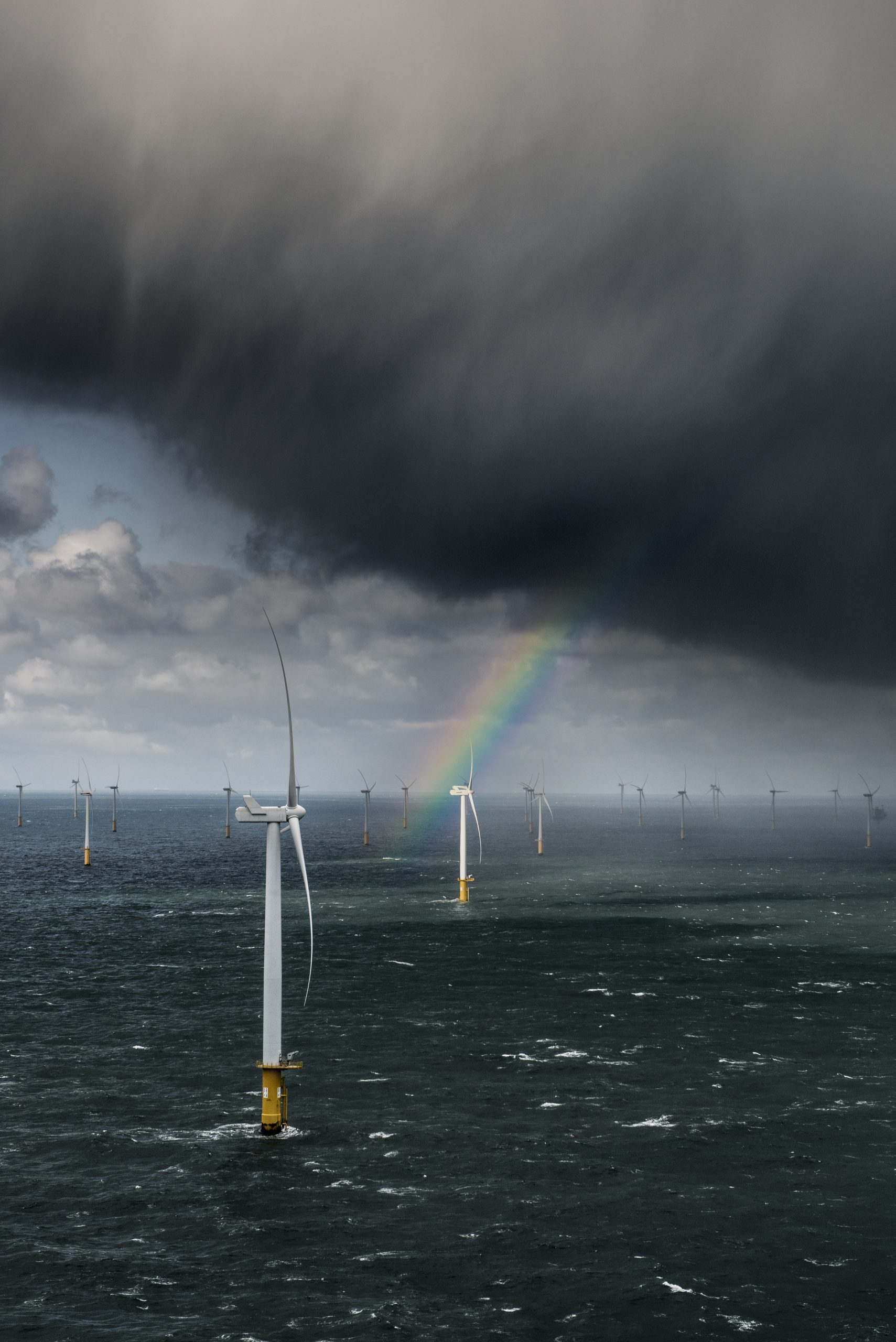
The outlook for offshore wind is bright. A recent Wood Mackenzie paper indicates that new near-term prospective offshore wind leases could end up generating 37 GW of new electricity, supporting 80,000 jobs annually and creating $166 billion in total investment by 2035.

  • Key offshore wind policies highlighted in the NOIA policy paper include:
  • Leasing and permitting of offshore renewable energy.
  • Appoint renewable energy permitting czar inside executive office of the president.
  • Offshore wind investment tax credit implementation regulations.
  • Reverse or alter the recent withdrawal of offshore wind leasing acreage.
  • Improve coordination on the Pacific Coast between industry and the Department of Defense.

More info: www.noia.org

Vestas, MHI strengthen sustainable-energy partnership

0

Vestas Wind Systems, a world leader in sustainable energy solutions, and Mitsubishi Heavy Industries, Ltd., a leading global manufacturing and engineering firm, have signed an agreement to expand their partnership in sustainable energy.

The strengthened partnership entails that Vestas will acquire MHI’s shares in the MHI Vestas Offshore Wind (MVOW) joint venture and MHI will acquire 2.5 percent in Vestas and be nominated to a seat in Vestas’ Board of Directors.

Vestas and MHI seek to accelerate their overall growth journey by integrating onshore and offshore platforms and leveraging Vestas’ strengths in both segments. (Courtesy: MHI Vestas Offshore Wind)

Through the strengthened partnership, Vestas makes an emphatic long-term move in offshore wind energy to become a leading player in offshore wind by 2025 and to expand the two companies’ overall leadership in sustainable energy. A new offshore wind turbine platform will also be imminently introduced to improve efficiency and drive the levelized cost of energy further down. The companies also aim to meet customer needs across a wider range of the value chain and increase their global leadership in sustainable energy solutions. To that end and underlining the long-term goal of the agreement, Vestas and MHI will also plan for collaborating in green hydrogen as well as a joint venture in Japan to secure accelerated growth for onshore and offshore wind energy.

“Vestas is the leader in onshore wind, but to accelerate the energy transition and achieve our vision, we must play a larger role in offshore wind,” said Henrik Andersen, group president and CEO of Vestas. “On behalf of all of Vestas, I’m therefore very excited that Mitsubishi Heavy Industries shares Vestas’ vision to become a leading player in offshore wind energy in the long term and will strengthen our partnership by becoming a large shareholder and part of Vestas’ Board of Directors. Offshore wind is key to creating a sustainable planet for future generations and offers unique growth, and with (this) announcement, we underline that we want to be an integral part of both.”

“We are very pleased to be able to expand our cooperation and collaboration with Vestas, now more than ever, under the backdrop of increasing need for cleaner and more economical energy worldwide,” said Seiji Izumisawa, president and CEO of MHI. “We will continue to strengthen business cooperation by leveraging our respective strengths to support the growth of clean energy around the world, especially in Japan.”

In Japan, the two companies will establish a joint venture for sales of onshore and offshore wind-power turbines, and Vestas will, as part of the collaboration, plan for establishing parts of its regional supply chain and production in Japan should market volume and cost-competitiveness allow.

The demand for offshore wind energy has accelerated in recent years and is expected to reach about 25 GW per year by 2030. This development is driven by a 67 percent decline in levelized cost of offshore wind energy since 2012 and growing applicability of offshore wind energy, which is mainly driven by high system value, proximity to load centers, better permitting, and public acceptance, as well as large-scale Power-to-X solutions, an area in which MHI has particular expertise and can contribute to across the value chain.

Through the agreement, the two companies seek to accelerate their overall growth journey by integrating onshore and offshore platforms and leveraging Vestas’ strengths in both segments. Specifically, this entails a stronger integration between onshore and offshore technology and modular frameworks.

“On behalf of Vestas, I look forward to welcoming Kentaro Hosomi, CEO, Energy Systems, MHI, to our Board of Directors,” Andersen said. “We hope to benefit from his visionary and strategic mindset as we seek to create a more sustainable planet for future generations.”

Vestas’ planning of the expected integration of MVOW into the Vestas group will commence immediately and run until transaction closing, focusing on synergies in sales, technology, manufacturing footprint and procurement to sustain customer relationships, lower costs, and building a strong shared Vestas culture. Until transaction closing, the executive management of MVOW will consist of Johnny Thomsen, CEO of MVOW; Tatsuichiro Honda, co-chief executive officer and chief financial officer of MVOW; Kentaro Hosomi, deputy chairman of MVOW and CEO, Energy Systems, MHI; and Andersen, chairman of MVOW and group president and CEO of Vestas.

On a stand-alone basis, MVOW is expected to report a consolidated revenue for 2020 of approximately 1.4 billion euros, with an EBIT margin of about 4 percent.

Closing of the transaction is expected to take place within either the fourth quarter of 2020 or the first quarter of 2021.

More info: www.mhivestasoffshore.com

A2Z Drone Delivery launches flagship Rapid Delivery System

0

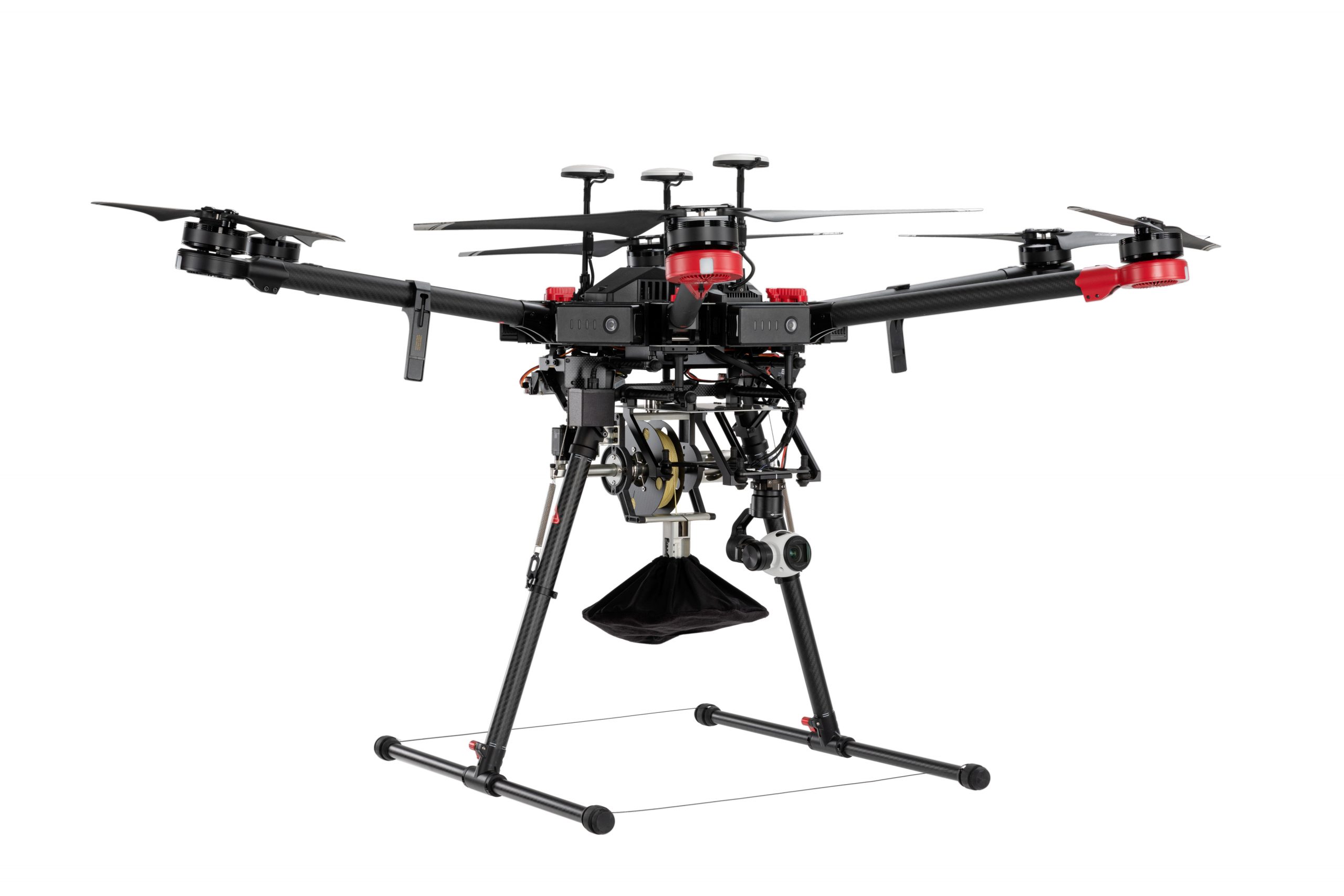
A2Z Drone Delivery, LLC, developer of a patented tethered freefall drone delivery mechanism, recently launched its flagship product, the RDS1 (Rapid Delivery System), which maintains a safe hover of up to 150 feet (45.71 meters) while its delivery mechanism controls the payload’s freefall for a safe and accurate touchdown.

Offered as a modular add-on system or as a ready-to-fly platform based on the DJI® Matrice 600 Pro, the RDS1 is designed for payloads up to 2 kg (4.4 lbs.). With a range of up to 3.5 km (2.17 miles), the RDS1 is ideal for rapid deployment of time-sensitive first aid and life-saving medical supplies, or to deliver material to destinations where landing the drone is problematic such as a tossing ship or dense forest.

The RDS1 addresses some of the consumer-protection concerns with drone delivery. By delivering payloads from a safe hover altitude, the RDS1 protects recipients from spinning UAV propellers, while mitigating privacy concerns of low-flying drones and abating intrusive rotor noise. The RDS1’s patented freefall delivery mechanism reduces time-on-station to ensure onboard power can be put to use in other ways. Built on the familiar DJI flight control interface, the A2Z Drone Delivery app combines manual control system operations with an onboard sensor array to manage the package’s freefall and gently stop its descent just above the ground. Rated at 100 pounds tensile strength, the RDS1’s Kevlar® tether and elastic fabric pouch can be reeled back up for reuse or to retrieve materials from personnel on the ground.

The RDS1 addresses some of the consumer-protection concerns with drone delivery. (Courtesy: A2Z Drone Delivery)

“Our rapid delivery system is ideal for situations where a drone cannot safely approach close proximity to its delivery location such as delivering radios or medical supplies to a search and rescue team in a forest or as a more efficient option to deliver and retrieve port documents from awaiting cargo ships,” said Aaron Zhang, founder of A2Z Drone Delivery, LLC. “While other drone delivery platforms are designed to hover close to the ground, our tethered free-fall delivery technique enables efficient and accurate placement without the UAV approaching people, structures, or other obstructions like trees and wires.”

RDS1 Features

The company’s proprietary delivery mechanism incorporates a Lidar sensing system that streams continuous data to the onboard firmware, which controls the payload’s rapid descent. Additional integrated features include:

  • Payload status detection: Monitors payload throughout flight and delivery, enabling eventual beyond-visual-line-of-sight (BVLOS) missions.
  • Pre-flight weight check: Ensures the flight platform is not overloaded and controls payload deceleration.
  • Rapid descent calculation: Automatically determines when to slow the payload freefall at the proper distance from the ground.
  • Manual delivery control: Intelligent onboard systems provide safeguards while allowing pilots to manually control tethered payload delivery and retrieval.
  • Emergency payload abandonment: Allows the pilot to quickly detach the drone from its payload amid flight emergencies.
  • Transverse tether winding: Ensures the tether is tightly woven on the reel to maximize capacity and prevent knotting.
  • Passive payload lock: Safeguards against payload loss or tether slippage in case of unforeseen power fluctuations and eliminates the need for additional payload housing.

“As we bring this first iteration of our unique rapid delivery system to market, we’re eager to work with our customers to adapt the system to meet their unique mission demands and set our product roadmap to suit their needs,” Zhang said. “We have already initiated development of a ‘tap-and-go’ payload auto-release mechanism to remotely deposit the payload without an awaiting recipient, and while our flexible payload pouches can already accommodate diverse demands, our design team is nimble enough to adapt the delivery system to just about any payload the flight platform can support.”

More info: www.a2zdronedelivery.com/rds1

DemoSATH floating platform work set to begin

0

Leading global infrastructure operator Ferrovial has been selected for the manufacturing and assembly of the SATH floating platform in the DemoSATH project lead by Saitec Offshore Technologies in collaboration with RWE Renewables.

The construction package will last 14 months and covers site preparation, concrete precasting, procurement of steel bulkheads, and assembly of the floater along with management of the supply chain.

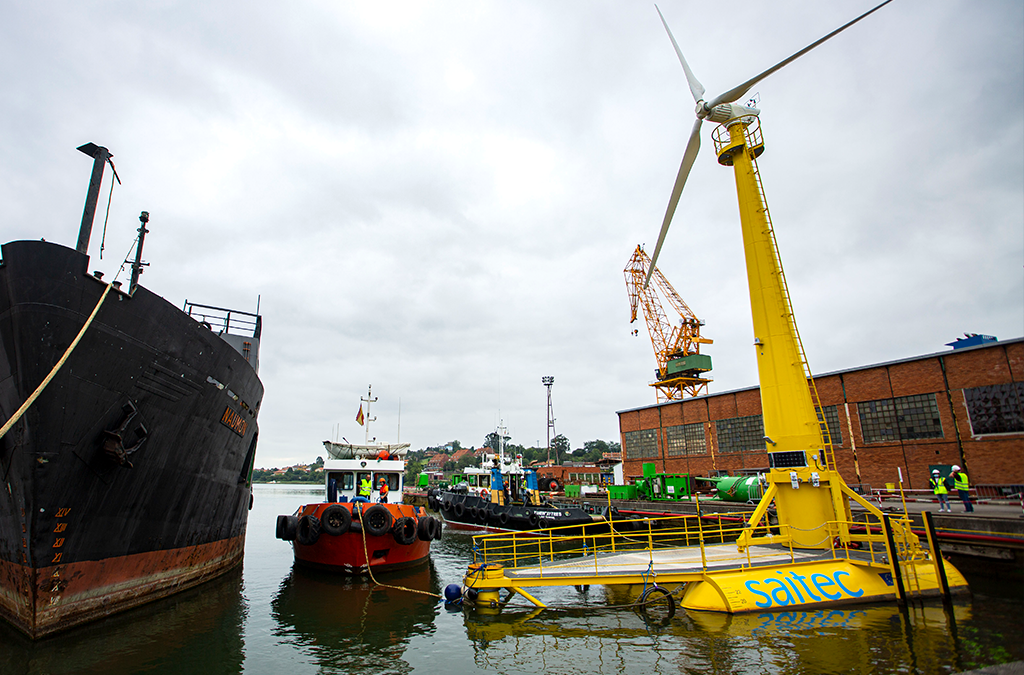
In February 2020, RWE Renewables and Saitec Offshore Technologies announced they were joining forces to test a floating platform for wind turbines off the Basque Coast. (Courtesy: Saitec)

The award of the construction contract is a significant milestone for the project and kicks off the on-site works in the already granted area of the Port of Bilbao (northern Spain). Work will start in November 2020 under strict health and safety rules to protect against COVID-19 and will create about 60 local jobs during the peak of the project.

In February 2020, RWE Renewables and Saitec Offshore Technologies announced they were joining forces to test a floating platform for wind turbines off the Basque Coast. The DemoSATH project will deploy the first multi-megawatt floating offshore wind turbine connected to the Spanish grid. RWE Renewables will finance part of the project costs and contribute its extensive experience as the second largest player in offshore wind globally, gaining access to the resulting findings in return.

The SATH Technology floater is based on a twin hull, made of modularly prefabricated and subsequently braced concrete elements. It can align itself around a single point of mooring depending to the wind and wave direction.

“Our ambition is to rapidly advance toward commercial production,” said David Carrascosa, chief technology officer of Saitec Offshore Technologies. “DemoSATH is therefore not only proving the technical feasibility of the SATH technology but is also demonstrating how these structures can be mass produced. Ferrovial is the perfect partner to rely on and to ensure we meet our objectives.”

“We are pleased to see that the DemoSATH project is entering the manufacturing phase now and making good progress towards offshore installation in 2022,” said Sven Utermöhlen, chief operating officer, Wind Offshore Global of RWE Renewables GmbH. “We see great potential for floating wind farms worldwide, especially in countries with deeper coastal waters where this opens up attractive opportunities. As part of this large-scale demonstration project, we are gaining experience with an innovative concrete-based platform technology that will help us to position ourselves in this growth market.”

“This is Ferrovial’s first floating offshore wind project, and it represents a great opportunity to add value to the project, based on our experience in marine construction and landmark pre-stressed concrete structures,” said Alberto Val, Ferrovial construction manager in Basque Country. “Moreover, this project has a large innovation component, not only because of the materials but also because of the manufacturing and assembly processes that it will develop.”

For the prototype, the structure and the 2-MW wind turbine will be assembled in the port of Bilbao. The base of the structure will be about 30 meters wide and 64 meters long. The platform, including the turbine, will be towed to its anchorage point in a test field (BIMEP) two miles off the coast at a depth of 85 meters. Hybrid mooring lines, composed by chains and fiber anchored to the seabed will hold the floating body in position. The unit is expected to go into operation early 2022. The power generated by DemoSATH will provide enough annual electricity to meet the power needs for 2,000 homes and will prevent emissions of more than 5,100 tons of CO2 into the atmosphere.

The objective of the project is to collect data and gain real-life knowledge from the construction, operation, and maintenance of the unit. DemoSATH will test the offshore behavior of the platform, in addition to the construction procedure to be used in the future for mass production. The various sections of the floater will be first precast and then assembled in order to prove the efficiency of the industrial fabrication conceived by Saitec Offshore Technologies for upcoming commercial wind-farm developments.

SATH technology will also demonstrate its capacity as a local content enabler, largely due to the use of concrete as main construction material. The DemoSATH project will spend 90 percent of its construction budget with the local supply chain (less than 50 kilometers from the site.)

More info: saitec-offshore.com

Clir: Portfolio-wide turbine benchmarking crucial to tracking defects

0

Clir Renewables, a leading provider of performance assessment software for renewable energy, recently called on asset owners to benchmark the performance of their renewable energy equipment at portfolio, rather than project, scales.

While a number of high-profile manufacturers have recently announced losses owing to the repair and replacement of turbines with blade or tower defects, very few of these serial faults are made public until they affect the manufacturers’ balance sheet. Therefore, in order for asset owners to understand what issues might be recurring, a lack of transparency around “big picture” operational data must be addressed.

Clir argues that in the absence of industry-wide transparency on serial defects, owners need to use their asset and project data to build a portfolio-wide understanding of asset health and act on issues before they affect performance or result in a critical failure.

Clir argues that in the absence of industry-wide transparency on serial defects, owners need to use their asset and project data to build a portfolio-wide understanding of asset health. (Courtesy: Clir)

Today’s turbines are four times as large as the average assets installed in the wind power boom of the 1980s, with the next generation of turbines set to reach new heights offshore. However, as complex, highly innovative new technology is rolled out across the globe, major unknowns around asset performance in specific environments remain. As such, recurring issues are often only recognized and addressed many years later.

“Often, serial defects do not surface until the asset has been operational for more than 10 years; however, if operational and performance data from new turbines was freely shared between the manufacturer, the owner, and the operator, defects common to certain models could be identified and addressed early,” said Gareth Brown, chief executive officer, Clir Renewables.

“At Clir, we are taking three key steps to overcoming the issue of missing data on serial defects,” he said. “Firstly, by facilitating owner-to-owner collaboration on specific issues. This gives our clients the ability to either jointly tackle an issue or learn from each other’s first-hand experience. Secondly, by building a knowledge base of known issues that have been identified through our supported asset base and complimented by decades of in-house domain expertise. Lastly, by arming clients with the right information during turbine-supply-agreement or service-and-maintenance-agreement negotiations to ensure the most favorable terms are in place should defects occur.”

“Unfortunately, this level of information sharing is not the norm,” Brown said. “However, by analyzing turbine data holistically from Day 1 of operations, benchmarking performance against every other turbine of that model in the owner’s portfolio and against Clir’s supported portfolio as a whole, common issues — serial or otherwise — can be tackled before they impact operations.”

Recently, Clir announced that more than 5GW of renewable energy assets have been signed up to the firm’s platform over the last year.

More info: www.clir.eco

Robotic automation of data cleaning optimizes wind park operations

0

When it comes to wind park operations, data is invaluable — indeed, it is utterly critical to a healthy business. The general consensus in the industry, however, is that that 80 percent of the employee time spent on wind-farm data is used in cleaning it up, while only 20 percent is spent on actual analysis and optimization.

SCADA International has now addressed this challenge with the launch of Robotic Data Intelligence, a patented new software solution that automatically cleans, organizes, and reports wind-farm data. By doing so, the innovative software ensures the data enhancement that underlies operational optimization.

“Gathering and cleaning data are two of the most difficult and time-consuming tasks in operating a wind park,” said Thomas Bagger, CEO of SCADA International. “Nevertheless, they are vital elements of a successful operation. But while high-quality data supports good decision-making, poor or missing data can mean missed opportunities and lost income.”

SCADA International has launched Robotic Data Intelligence, a patented new software solution that automatically cleans, organizes, and reports wind-farm data. (Courtesy: Scada International)

The new software was designed to complement OneView® SCADA software and its well-known data-collection features. While OneView® SCADA retrieves data and provides precise calculations of up and downtime, production losses, and availability, Robotic Data Intelligence organizes and qualifies that data. And that makes it possible to dedicate more time on analysis and optimization and less on validation.

“The reason wind-park operators use so much time to systemize the data they’ve gathered is that unfortunately, errors in event sequences are not unusual,” said Bo Lovmand, SCADA International’s R&D director. “For instance, a reset can mean anywhere from a couple of minutes to several months of incorrect calculations. With this new software solution, such errors will be discovered immediately — and automatically. Robotic Data Intelligence gathers data from several sources, cleans it by weeding out incorrect and duplicate data, and formats it all in accurate, easy-to-understand summaries.”

The new software was developed in consultation with a group of experts who specialize in different types of wind turbines. In that way, SCADA International has ensured the best overview of operating situations, regardless of the makeup of a particular wind turbine fleet.

Bagger notes Robotic Data Intelligence is undergoing further development in order to make it possible to customize advanced reporting systems.

“One of our chief goals is to improve transparency in calculating turbine availability, both operational and contractual,” he said. “By doing that, we’ll make it possible for wind-park operators to develop optimization strategies that utilize existing equipment and free up more time to find solutions instead of identifying problems.”

More info: scada-international.com