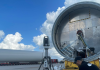
Vaisala, a global leader in measurement technology, has launched an innovative new instrumentation service, Vaisala Circular.
Developed for applications where measurement accuracy and uptime are critically important, Vaisala Circular is a comprehensive service platform designed to ensure that measurements are as accurate, uninterrupted, and reliable as possible, in the long-term.
Under Vaisala Circular, customers have a dedicated pool of measurement probes, securely stored and maintained at Vaisala’s service centers. When calibration is necessary, customers simply order replacement probes from Vaisala online and swap them in — thereby minimizing measurement downtime. Batches of used probes then circle back to Vaisala for recalibration, storage, and re-use. These refurbished probes retain warranty for the full term of the Circular agreement.
“As the designer, developer, and manufacturer of measurement probes, we are in the best position to maintain them and deliver long-term value for customers,” said Shan Gao, director of Vaisala’s Global Service Line. “Our testing, maintenance, and calibration capabilities are so rigorous that probes are returned to operation with appropriate certification, and in ‘as-new’ condition. When Vaisala probes are used and maintained according to specifications, they can be expected to last for more than a decade.”
By assuming responsibility for probe management, Vaisala Circular delivers long-term peace of mind to customers, providing reliable, accurate measurements and enabling process optimization and waste reduction to improve sustainability.
The range of measurement parameters included in the Circular service is the widest offered in its market and includes humidity, dew point, temperature, carbon dioxide, and hydrogen peroxide.
“Circular is a good example of Vaisala’s determination to develop life-long partnerships, offering customers increased operating uptime and reliable measurements, with predictable instrumentation and maintenance costs,” Gao said.
Circular Service key points:
Maximizes accuracy and reliability.
Minimizes downtime and extends probe life and warranty.
Customers retain probe ownership, but Vaisala maintains them in “as-new” condition.
Uses Vaisala’s high-end calibration facilities, following world-class standards.
Reduces waste and optimizes efficiency to improve sustainability.
Makes probe performance and maintenance costs predictable.
OEG, a global energy solutions business, has installed its proprietary 500th in-turbine welfare unit across the UK’s offshore wind sector.
Operating from 15 UK locations, OEG has supplied offshore toilet facilities to major wind developers, further cementing its position as a trusted provider of offshore welfare solutions.
OEG’s in-turbine welfare units. (Courtesy: OEG)
Headquartered in Aberdeen, the company’s amenity solution is designed to improve offshore working conditions by providing safe, self-sufficient facilities directly within wind turbine towers. This enhances both safety and comfort by removing the need for time-consuming trips to standby vessels nearby simply to access a toilet.
The crew facility units are built for robust design and reliable performance in offshore conditions and are currently deployed across nine UK offshore wind sites. They are fully off-grid, requiring no external power or water connection, with an OEG servicing framework in place for cassette cleaning.
“With 500 welfare units now operational in UK waters, we are leading the charge in transforming offshore working conditions,” said Faye McFarlane, OEG Topside division’s business development manager. “These units give offshore technicians the comfort, hygiene, and dignity they deserve, while reducing unnecessary transfers between turbines and vessels, lowering risks, and enhancing operational performance for operators.”
“By cutting transfers, we are maximizing efficiency and enabling both personnel and vessels to be more productive on site. The welfare units also play a vital role in supporting and retaining a more diverse and inclusive workforce by making offshore facilities more accessible for women.
Available in both flatpack and fully built configurations, the units can be matched to the specific stage of an offshore wind project. The flatpack version is suited to operational sites where turbines are already installed, with OEG technicians completing assembly and integration offshore. The fully built option is typically used during pre-assembly phases, enabling straightforward deployment ahead of installation offshore.
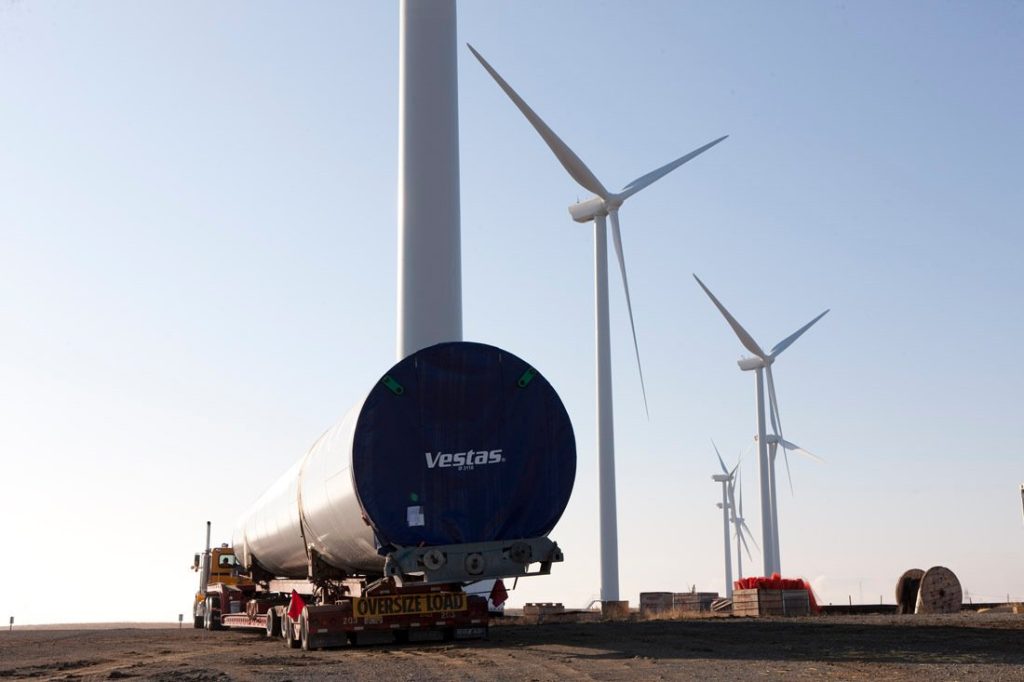
Vestas has announced orders totaling 239 MW across eight wind projects located in the Münster region in North Rhine-Westphalia, Germany. The orders are part of Vestas’ Q3 2025 intake and mark anotherstep in supporting Germany’s energy transition.
The German wind farm developer BBWind and its local partners developed the individual projects, and the partners supported the coordination and project management throughout the planning and execution phases.
Vestas has announced orders totaling 239 MW across eight German wind projects. (Courtesy: Vestas Wind Systems)
The orders include Vestas’ latest turbine technology of the EnVentus platform, featuring V172-7.2 MW and V162-6.2 MW wind turbines, tailored to local site conditions. This highlights Vestas’ ability to deliver flexible, high-performance solutions for customers’ wind energy projects.
“We are proud to partner with BBWind in their efforts to develop community-led wind farms in one of Germany’s key regions for wind energy. These projects underline how our EnVentus wind turbine technology is ideally suited to meet our customers’ needs in the German wind market, and it will make a strong a contribution the country’s rapidly growing energy transition,” saidNils de Baar, Regional President, Vestas Northern and Central Europe.
“The EnVentus platform proves to be a strong solution for our community wind projects in North Rhine-Westphalia. We look forward to working with our partner Vestas to advance the energy transition in our core region,” saidBBWind Managing Director Michael Schlüß.
LDA Design has been appointed to lead the Environmental Impact Assessment (EIA) and landscape services for two new proposed wind farms on public land in Wales.
Energy developer Trydan Gwyrdd Cymru is driving the two projects. The Welsh government launched the developer in 2024 to help realize its clean energy ambitions.
LDA Design will lead the environmental impact assessment as well as landscape services for two proposed wind farms in Wales. (Courtesy: LDA Design)
The proposed onshore wind farms will contribute to Trydan’s mission to deliver 1GW of state-owned new renewable energy by 2040. They will also provide jobs and training within the renewable industry.
LDA Design’s Kelly Norman, project lead for LDA’s work with Trydan Gwyrdd Cymru, said the projects would provide social, economic, and environmental benefits.
“We have assisted numerous renewable energy projects in Wales to date, ranging from some of the country’s largest schemes right through to smaller developments. So, we are excited to be supporting Trydan as it pushes to power more of Wales via renewables and to help local communities benefit directly from energy projects,” said Norman.
LDA Design will lead a team of consultants including Hayes McKenzie, Aqua Terra Consultants, Pager Power, Pell Frischmann, Sylvan Resources, Wallingford Hydrosolutions, Hardisty Jones, Heneb – The Welsh Trust for Archaeology, and Wind Power Aviation Consultants.
LDA Design is a 100% employee-owned creative consultancy made up of planners, landscape architects, EIA coordinators, and master planners.
LDA’s experience includes solar, offshore, and onshore wind and battery storage, as well as new nuclear, carbon capture, tidal, energy from waste and resource recovery schemes and onshore grid connections. The company has been involved with at least 160 onshore and 24 offshore UK wind farms.
ONYX Insight, the Macquarie Capital-backed provider of condition-based monitoring (CMS) solutions for the global wind industry, has appointed renewable energy technology executive Alexis Grenon CEO of the company.
Alexis Grenon is ONYX Insight’s new CEO. (Courtesy: ONYX Insight)
Grenon spent nearly two decades at Schneider Electric, most recently leading the Digital Grid division as CEO and member of the board. In this role, he was responsible for smart grids software, providing utilities with energy management solutions to ensure consistent power supply and renewables integration. Earlier, he led various global divisions delivering energy efficiency software, hardware and recurring services. Grenon started his career in software engineering at Thales Air Systems.
“ONYX Insight’s CMS suite has grown to be a top choice for wind turbine operators, owners and manufacturers to anticipate operational issues and reduce downtime through the use of predictive analytics and industry leading sensing technology. I am honored to be leading the company into its next stage of growth,” said Grenon.
ONYX Insight’s technology is trusted to protect more than $12 billion in assets, including 28,000 wind turbines across 35 countries. The company continues to expand and add new capabilities, including blade sensing, creating a comprehensive wind CMS suite, enabling wind operators to avoid catastrophic blade failures, optimize blade maintenance and increase overall operating efficiency.
“Alexis Grenon’s engineering leadership, deep knowledge of energy management systems and experience innovating state-of-the-art energy-focused digital solutions will be an invaluable asset to ONYX’s growing customer base,” said John Spirtos, Senior Managing Director at Macquarie Capital.
Ben Bailey, Senior Managing Director at Macquarie Capital, added: “Mr. Grenon brings a unique combination of energy sector experiences to advance ONYX’s capabilities for the benefit of its customers. We are delighted to welcome him as ONYX’s new CEO.”
The University of Texas at Dallas has received continuing federal support for WindSTAR, the Center for Wind Energy Science, Technology and Research, a public-private research partnership designed to develop solutions for energy independence and reliability.
UT Dallas and the University of Massachusetts Lowell run WindSTAR, which recently received a five-year, $500,000 grant from the National Science Foundation (NSF), a supporter of WindSTARsince it was founded in 2014.
The new funding, which provides $250,000 to each university, supports projects that incorporate artificial intelligence (AI) to minimize manufacturing defects, predict the condition of turbine components, forecast wind conditions, and develop robust and resilient wind energy systems.
From left: Mechanical engineering professors Dr. Giacomo Valerio Iungo, Dr. Stefano Leonardi, Dr. Mario Rotea, Dr. Todd Griffith and Dr. Jie Zhang conduct research for the Center for Wind Energy Science, Technology and Research. (Courtesy: University of Texas at Dallas)
WindSTAR is an NSF Industry-University Cooperative Research Center (IUCRC) that aims to generate breakthrough research by facilitating collaboration between industry innovators, academic researchers and government agencies. It is part of UTD Wind, the Wind Energy Center at UT Dallas, which is dedicated to advancing wind energy science and engineering.
“This support from the National Science Foundation enables us to continue our work to strengthen the resiliency of the energy grid,” said Dr. Mario Rotea, UTD Wind director, WindSTAR site director, and professor of mechanical engineering in the Erik Jonsson School of Engineering and Computer Science. “Investments in WindSTAR enhance our ability to innovate new technologies to ensure greater reliability of our energy systems.”
The IUCRC has completed 79 projects for industrial members that include digital models to assess performance, measurement campaigns, control systems, materials processing and manufacturing for blades and towers.
“WindSTAR has created a direct pipeline between our graduate research and industry needs,” said Dr. Edward White, professor and department head of mechanical engineering and Jonsson School Chair. “More than 25 graduate students have gained invaluable experience working with industrial partners, and many have secured positions with WindSTAR member companies after graduation. This partnership is a model for how university research can be workforce development for the energy sector.”
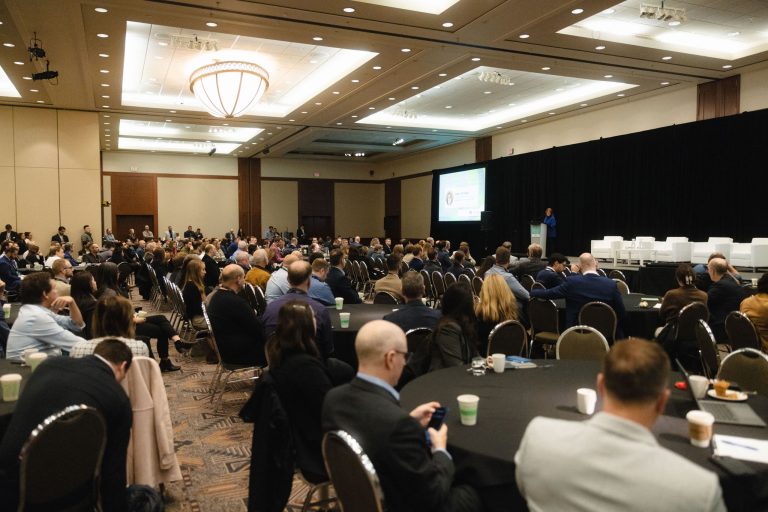
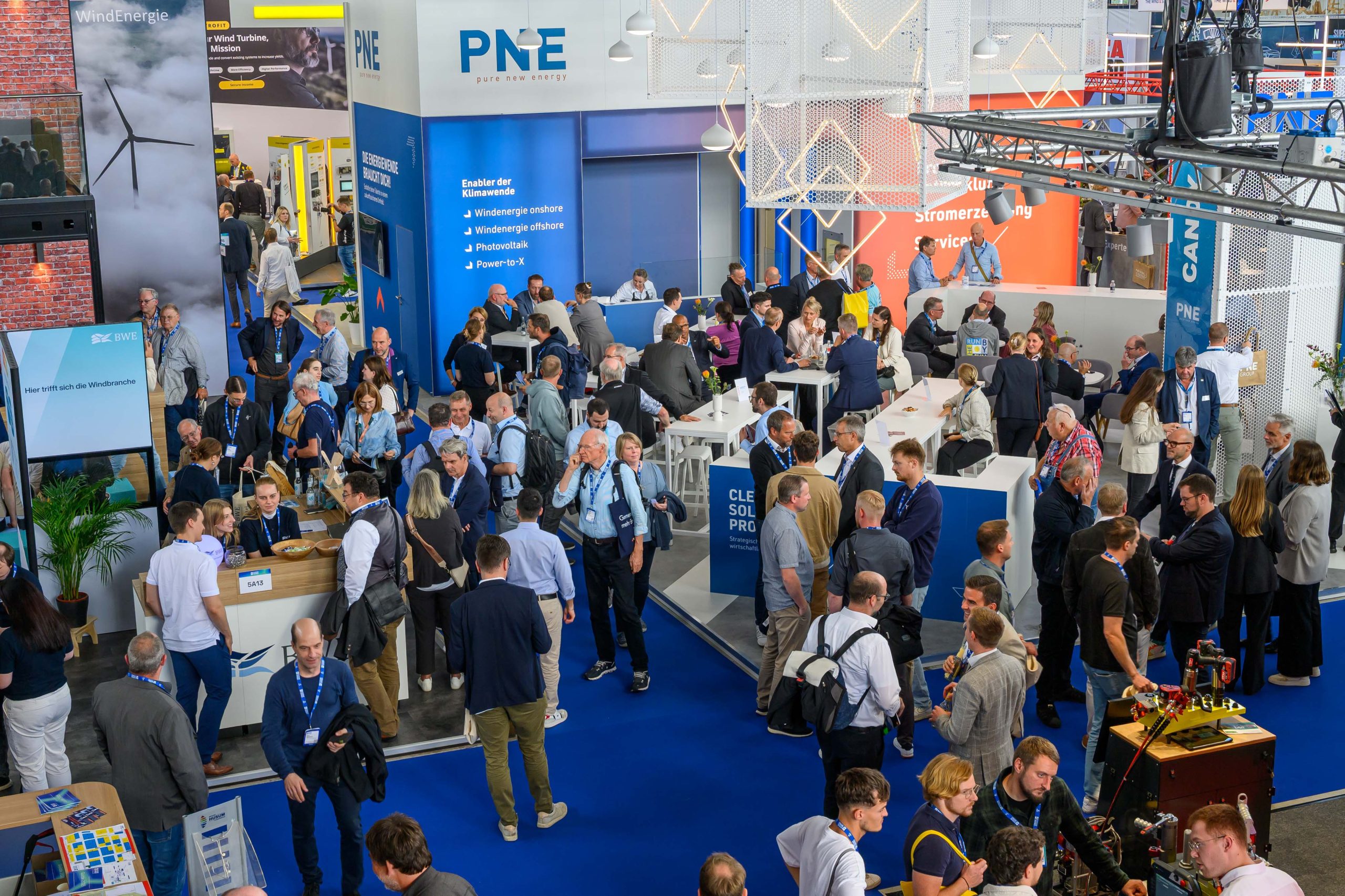
HUSUM WIND 2025 recently ended its four-day schedule showcasing the capabilities of modern wind energy with about 12,300 visitors from 51 countries. All areas along the value chain were represented at the trade fair — from OEMs and project development to supply, financing, and services, right through to storage and grid integration technologies.
“We have risen to the challenges and are leaving the event with a tailwind,” said Meike Kern, managing director of Messe Husum & Congress. “A stable HUSUM WIND in politically and economically challenging times must be regarded as a major success. It underlines the importance of the trade fair and its location. In several areas – such as the slight increase in visitor numbers, ticket sales for the job fair, and demand for our new offerings – our expectations were even exceeded.”
The WINDCareer job fair attracted about 800 aspiring professionals over two days, with 29 exhibitors taking part. New initiatives such as the networking event “Women in Wind” also proved highly popular where about 140 women from the wind industry came together for lively exchanges and networking. Under the patronage of the German Wind Energy Association (BWE), with its President BärbelHeidebroek as moderator, a platform was created to encourage women in the industry to step forward and become more visible.
Highlights
New product launches and turbine premieres presented in Husum attracted considerable interest from visitors. Leading manufacturers showcased new prototypes, including models with significantly larger rotor diameters and higher rated outputs. The industry’s ambitious and long-term outlook was also underscored by several contract signings during the fair. ENERCON and JUWI signed a partnership agreement for long-term collaboration on wind projects to 2030. GE Vernova and ENERTRAG announced a major turbine order for Germany. UKA, Nordex, and Max Bögl Wind AG concluded an agreement in Husum for a large-scale wind-farm project consisting of 20 turbines with a total capacity of more than 140 MW. It is set to be built at the Mercedes-Benz test site in Papenburg. In addition, Alterric signed supply agreements with Vestas and ENERCON for 20 new wind turbines.
“The wind industry in Germany and Europe is demonstrating in Husum that it is high-performing and fit for the future – we are ready to deliver,” said Dr Dennis Rendschmidt of VDMA Power Systems. “Wind energy is the strong backbone of Germany’s power system – now it is essential to stay on course with expansion, permitting, and regulatory frameworks.”
The Future & Innovation Hall provided an important new platform for highly sought-after topics such as cybersecurity, AI, drone technology, and data management.
“Resilience requires robust digital infrastructures,” said Mohamed Harrou, a cybersecurity expert in the Digital+ Area. “Cybersecurity, AI, and interconnected data management are no longer optional components, but essential elements for a stable energy system.”
Onshore excursions led to pioneering projects in the region, including energy-storage facilities, a virtual power plant, and an H2 refueling station where visitors were able to see first-hand how these technologies are already being put into practice as model projects in Schleswig-Holstein.
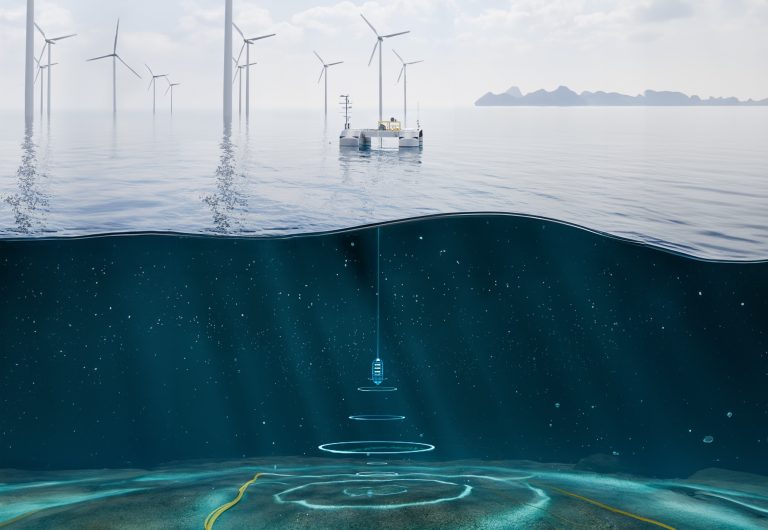
Robosys Automation, a leader in marine autonomy systems, is leading Project ORACLES, aventure that will transform the environmental consenting process for offshore wind farms. The Project ORACLES consortium includes ACUAOcean, MSEIS, Plymouth Marine Laboratories, and the Offshore Renewable Energy Catapult.
Funding for Project ORACLES was secured through the UK Research and Innovation’s Innovate UK Launchpad program, in line with the UK government’s Levelling Up plan.
The data collection process for environmental monitoring at proposed OWF sites is labor-intensive, with separate providers handling various aspects such as bird monitoring and sea conditions. Data is collected manually and analyzed after it reaches shore, significantly slowing down the decision-making process.
Aiming to significantly reduce the approval timeline, Project ORACLES will address this by leveraging advanced marine robotics, advanced autonomous systems, and other digital ocean technologies, to streamline, improve, and accelerate this process, and help meet the UK’s target of 60GW of offshore wind capacity by 2030.
“This ambitious project will revolutionize the environmental consenting process for offshore wind farms in the Celtic Sea and other areas across the UK. These technological innovations will reduce the need for crewed survey missions and accelerate data delivery, enabling a faster, more cost-effective consenting process,” said Nigel Lee, Robosys Automation’s CSO and project lead.
“The project’s outcomes will also foster the growth of regional businesses, by opening new markets and supporting the advancement of technological capabilities such as ACUA’s Pioneer USV, and Robosys’ VOYAGER AI advanced maritime autonomy. It will further reinforce the region’s expertise in marine autonomy, clean maritime technologies, and digital ocean innovations to a worldwide stage,” said Lee.
The project’s 14-month research phase will advance the use of clean maritime solutions, including ACUA’s Unmanned Survey Vessel (USV), which will be equipped with a range of environmental sensors (eDNA, ADCP, acoustics) to collect comprehensive, real-time data on marine life, water quality, and environmental changes.
The Project ORACLES consortium will develop the dynamic positioning system (DPS) and a BVLOS (beyond visual line of sight) winch profiling system for water column data collection, and they integrate multiple sensors, delivering a novel and effective output, together with automated ballasting.
Project ORACLES will enable the launch and recovery of multiple environmental sensor payloads which will facilitate comprehensive and cohesive datasets, improving the accuracy and efficiency of environmental assessments. Sensors such as eDNA, ADCP, and acoustics will allow for continuous monitoring of marine life, water quality, and environmental changes from one vessel.
Project ORACLES’ proposed outcomes will enable deployment of significant payloads, support USVs operating in higher sea states and across extended operating periods, and reduce capital, environmental and operational costs, while delivering and managing data more effectively.
Odfjell Oceanwind has completed the acquisition of Ørsted`s 80% share in the Salamander Offshore Wind Farm.
OOW will work together with the remaining shareholders of the Salamander Offshore Wind Farm consisting of Simply Blue Group and Subsea7 to continue the development of the project into a demonstration project for commercial-scale floating offshore wind. Crown Estate Scotland has welcomed the new consortium.
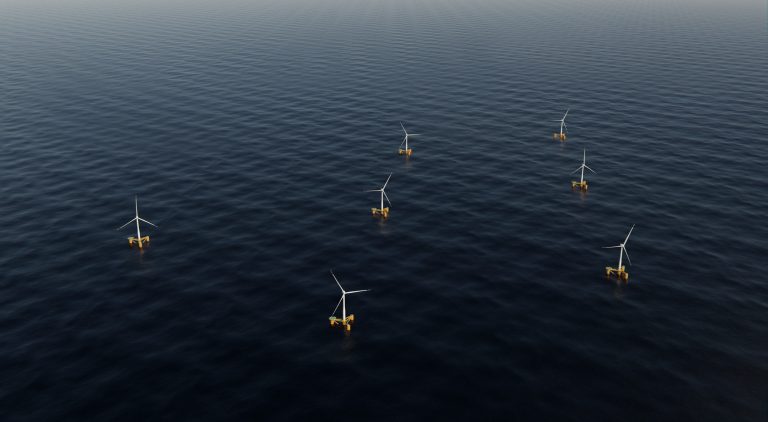
Salamander is a 100 MW floating offshore wind project in Scotland, located 35 km off Peterhead. The project was awarded an Exclusivity Agreement for a seabed lease by Crown Estate Scotland in the INTOG leasing round and recently received section 36 consent from the Scottish government.
“Innovation projects are essential to de-risk relevant floating offshore wind technologies and the supply chain prior to embarking on larger projects like those in ScotWind and many of the INTOG projects that are planned to be operational in the 2030s. OOW has closely monitored the UK market for several years and sees the country`s commitment to net zero and well-established framework conditions, including annual CfD rounds, as investor-friendly features,” said Per Lund, Odfjell Oceanwind CEO.
“The UK has become a global leader in offshore wind, and we are very excited that OdfjellOceanwind is establishing a presence in Scotland, where our sister companies OdfjellTechnology and Odfjell Drilling have been present since the 1980s.”
Salamander has adopted Odfjell Oceanwind’s Deepsea Star™ semisubmersible steel foundation for the project.
“The Salamander project share acquisition is a key part of our ambition to make floating wind relevant and commercial through the gradual scale-up in project and wind turbine sizes before reaching utility scale. It follows as a natural stepping stone from our recent announcement of theScaleWind project where we secured a slot with a 24 MW grid connection at the Marine Energy Test Centre, Norway with the ambition of installing one full-scale floating offshore wind turbine in 2028,” said Lund.
“We are delighted to welcome Odfjell Oceanwind to the Salamander Offshore Wind Farm. This partnership brings new strength and momentum to one of the country’s most significant offshore wind developments and together, we are supporting Scotland’s ambition to become a global leader in offshore wind, delivering long-term benefits for communities, the economy and the environment,” said Hugh Kelly, Simply Blue Group CEO and co-founder.
“It is a pleasure to welcome Odfjell Oceanwind to the Salamander Offshore Wind Farm. Together with Simply Blue Group, we look forward to collaborating closely to advance floating offshore wind technologies and support the scaling up of the UK’s renewable energy capabilities,” said Stuart Fitzgerald, Seaway7 CEO, the offshore wind business of the Subsea7 Group.
A group of U.S. state governors on Labor Day issued a statement supporting offshore wind. The group included Michigan Gov. Kathy Hochul, Massachusetts Gov. Maura Healey, Connecticut Gov. Ned Lamont, Rhode Island Gov. Dan McKee, and New Jersey Gov. Phil Murphy:
“On Labor Day, we honor the strength, skill, and determination of America’s workers. From construction sites and factories to ports and power plants, working people are the backbone of our economy and the foundation of our shared prosperity.
“Nowhere is that clearer than in the offshore wind industry, where labor is on the front lines. Today, more than 5,000 workers—many of them proud union members—are directly engaged with building this new American industry, with many thousands more manufacturing products across 40 States that will help lead to a new era of U.S. energy independence. These projects represent years of planning, billions of dollars in private investment, and the promise of tens of thousands of additional jobs. They are revitalizing our ports, strengthening our supply chains, and ensuring that America—not our competitors—leads in clean energy manufacturing and innovation,” the statement said.
“We are looking for the Trump Administration to uphold all offshore wind permits already granted and allow these projects to be constructed. Efforts to walk back these commitments jeopardize hardworking families, wasting years of progress and ceding leadership to foreign competitors. Workers, businesses, and communities need certainty, not reversals that would cost tens of thousands of American jobs and critical investment. Sudden reversals would also impact countless other workers and taxpayers on scores of non-energy public projects. The U.S. markets operate on certainty. Canceling projects that have already been fully permitted–including some near completion—sends the worrisome message to investors that the work can be stopped on a whim, which could lead them to decide to either not finance different projects or impose higher interest rates that would ultimately place a bigger burden on taxpayers,” the governor said in the statement.
“At the same time, we remain committed to ensuring that the electric grid is reliable, resilient and affordable. Offshore wind and other renewables are central to that effort, but it must be complemented by a diverse mix of resources—including nuclear power, natural gas, hydropower, and other technologies—that together keep our system strong and our energy sources secure. “Doing so will also help us attract major economic development projects that will offer economic security for American workers and transform communities as we move to a 21st century economy. As Governors, we are committed to delivering on this energy system for our states and working with the Trump Administration to advance projects that meet these objectives,” the statement said.
“On this Labor Day, we reaffirm our unwavering support for working people and the unions that represent them. We stand with America’s workers and strongly urge the Trump administration to keep these projects on track—for our jobs, our families, our competitiveness, our energy security, and our future,” the statement said.
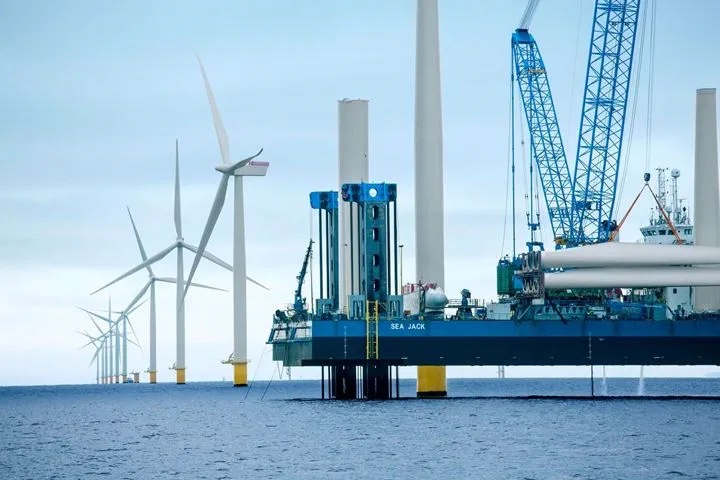
Global energy solutions leader Aggreko has supported Jaeger Maritime Solutions in deploying a bubble curtain for an offshore wind farm project situated off the coast of France.
Before driving the turbine’s piles into the seabed, a bubble curtain was required to absorb and disperse sound, safeguarding surrounding marine ecosystems from harmful noise levels and fine particles produced by underwater construction.
This was when Jaeger Maritime contacted Aggreko to supply a compressed air solution capable of powering the bubble curtain for its vessel.
With both businesses committed to protecting marine life while supporting the transition to a more efficient, sustainable future, Aggreko leveraged its Greener Upgrades™ portfolio to supply a package of 18 Stage V 100% oil-free air compressors, along with a 60 kVA Stage V generator to power the winch, positioned at the stern of the vessel, used to reel on the bubble curtain.
The compressors were connected to hoses that delivered the volume and pressure needed to form the bubble curtain, minimizing harmful emissions in the process.
The Aggreko Remote Monitoring service was also provided to enable real-time, offshore monitoring of the air compressor’s performance.
“Throughout the construction of offshore wind farms, protecting marine life is a top priority. We required a partner with proven project management expertise, who could not only supply 100% oil-free air compressors, but also manage the logistics and performance monitoring offshore,” said David Baum, Jaeger Maritime Solutions managing director.
“Aggreko delivered a solution that was both technically sound and environmentally conscious, with their team of expert engineers with us every step of the way,” Baum said.
100% oil-free air compressors eliminate the need for airborne oil and prevent the risk of contamination during critical construction activities. Aggreko’s range of 100% oil-free air compressors meets the ISO 8573-1 Class 0 certification, ensuring the highest level of air purity required for sensitive applications like bubble curtains.
“This project was a great example of environmentally responsible offshore construction, and we remain committed to contributing to the continued development of renewable energy infrastructure in Europe,” said Michel Maaskant, Renewable Energy Specialist at Aggreko.
“From the outset, we worked closely with Jaeger Maritime Solutions to shape a solution precisely around their requirements. The result was 18 Stage V 100% oil-free air compressors that meet the stringent ISO Class 0 certification. By adopting our remote monitoring service, we were also able to minimize fuel consumption and provide insightful data to help inform the business’s future projects.”
Canada’s premier clean energy conference and exhibition has unveiled its educational program. Electricity Transformation Canada (ETC), to be held October 6-8 at the Enercare Centre in Toronto, will feature 50-plus expert speakers and four focused educational streams featuring dozens of full conference sessions related to the theme of “Clean energy: Canada’s strategic advantage.”
“CanREA is proud to welcome the industry to Toronto for Electricity Transformation Canada 2025—the country’s premier clean electricity conference. ETC addresses every link in the clean energy value chain, from developers and suppliers to service providers, all united in driving the future of wind, solar, energy storage and grid modernization. This year, we’re zeroing in on clean electricity as a strategic advantage for Canada’s economy, highlighting how our sector is rolling up its sleeves and accelerating project development from coast to coast,” said Vittoria Bellissimo, CanREA’s President and CEO.
The conference portion of Electricity Transformation Canada (ETC) 2025 will offer a comprehensive look at the political, regulatory and market forces shaping Canada’s clean energy future. Attendees will explore how Canada’s electricity systems are evolving to meet the demands of increased energy consumption and unlock the central role energy storage systems will enable a resilient clean energy grid.
“The expansion of the clean energy industry throughout Canada has accelerated over the past few years,” said Stephen Miner, President and CEO of RE+ Events. “Our goal with Electricity Transformation Canada is to link businesses to the growing number of opportunities in the Canadian clean energy market. Together with CanREA, we’ve built a premier platform to advance this effort.”
Electricity Transformation Canada invites all attendees to gain comprehensive insights into the clean energy industry, as well as to enjoy networking opportunities for collaboration and partnerships.
The exhibition portion of ETC 2025 offers a larger expo hall than in 2024, where visitors can discover the latest solutions for clean energy projects. The show floor will feature 140+ exhibiting companies showcasing the technologies, tools and solutions shaping tomorrow’s energy landscape, from breakthroughs in solar, wind, and energy storage to cutting-edge microgrid systems, hydrogen, smart grid tech, EV infrastructure and digital tools for energy project development.
Late Friday afternoon, August 22, The Department of the Interior ordered work to stop on the Revolution Wind project off the New England Coast. The project, which is 80percent complete, was set to provide 704 MW of power generation to Connecticut and Rhode Island once completed early next year. The project sparked investments in Louisiana and New England shipyards, purchased export cables from a South Carolina factory, and spurred a steel supply chain that crossed New York and created hundreds of unions jobs in Providence, Rhode Island.
Several renewable energy organizations expressed their immense disapproval of such a move, which is the second time the Trump administration has taken unlawful action against a fully permitted offshore wind project under active construction — this time one that is nearly 80 percent complete, according to Oceantic Network CEO Liz Burdock.
The Revolution Wind project off the New England Coast is 80 percent complete. (Courtesy: Revolution Wind)
“This dramatic action further erodes investor confidence in the U.S. market across all industries and undermines progress on shared national priorities—shipyard revitalization, steel and port investments, and energy dominance,” she said.“In fact, halting work on Revolution Wind will drive up energy costs for consumers, idle Gulf Coast vessel operators that have invested hundreds of millions of dollars in new or retrofitted vessels, and jeopardize the livelihoods of union workers.”
Revolution Wind represents years of planning, billions in private investment, and significant progress for America’s offshore energy supply chain, according to National Ocean Industries Association (NOIA) President Erik Milito.
“Any pause or uncertainty at this stage could ripple across jobs, contracts, and communities already benefiting from the project,” he said.
Operational data from the nation’s first commercial-scale offshore wind project demonstrate energy production and reliability rates on par with traditional sources — performing even better during severe weather and winter months — saving ratepayers in the Northeast hundreds of millions of dollars, according to Burdock.
“Offshore wind is a shovel-ready, reliable and affordable energy source ready to power America’s leadership and independence,” she said. “Just (recently), the administration released documents showing it was unable to justify its previous stop-work order. (This)action is no different.The Oceantic Network and the hundreds of American suppliers that make up its membership urge the Department of the Interior to reverse course immediately and allow this project to move forward, protecting jobs, lowering costs, and securing America’s energy independence.”
This is not the first time extreme partisan politics has derailed sound energy policy, according to American Clean Power Association CEO Jason Grumet.
“Revolution Wind has been years in the making, planned, permitted, and financed under clear federal rules, said American Clean Power Association CEO Jason Grumet. “Stopping construction now, when it is 80 percent complete, is more than a bureaucratic delay — it’s a broken promise to the communities, workers, and consumers and businesses counting on this project. The unfortunate message to investors is clear: The U.S. is no longer a reliable place for long-term energy investments.”
More than 1,000 American workers have already logged in 2 million union work hours on the Revolution Wind project, according to Grumet.
“Rhode Island and Connecticut families and businesses deserve the power Revolution Wind will provide,” he said. “They deserve the jobs it will create. The nation deserves a governing system that keeps its promises.”
According to Grumet, the Trump administration is raising alarms about rising energy prices while blocking new supply from reaching the grid.
“Taking jobs away from American families while raising their energy bills is not leadership,” he said. “American workers and consumers deserve better.”
According to Milito, projects like Revolution Wind actually advance priorities of the administration by restoring American manufacturing, strengthening shipbuilding, modernizing ports, and building the reliable power needed to support data centers and AI innovation.
“These projects are not only about energy,” he said.
Today, the U.S. has only one fully operational large-scale offshore wind project producing power, according to Milito, which is not enough to meet America’s rising energy needs.
“We need more energy of all types, including oil and gas, wind, and new and emerging technologies,” he said. “Offshore projects take years of investment before delivering results, and stable, consistent policy is essential to keep that progress moving.”
Milito pointed out that the totality of America’s offshore energy industry, including oil and gas, wind, carbon capture and storage, and deep-sea mining, is driving more stability for consumers, more jobs nationwide, and a stronger future for America.
Late Friday afternoon, August 22, The Department of the Interior ordered work to stop on the Revolution Wind project off the New England Coast. The project, which is 80percent complete, was set to provide 704 MW of power generation to Connecticut and Rhode Island once completed early next year. The project sparked investments in Louisiana and New England shipyards, purchased export cables from a South Carolinafactory, and spurred a steel supply chain that crossed New York and created hundreds of unions jobs in Providence, Rhode Island.
Several renewable energy organizations expressed their immense disapproval of such a move, which is the second time the Trump administration has taken unlawful action against a fully permitted offshore wind project under active construction — this time one that is nearly 80 percent complete, according to Oceantic Network CEO Liz Burdock.
“This dramatic action further erodes investor confidence in the U.S. market across all industries and undermines progress on shared national priorities—shipyard revitalization, steel and port investments, and energy dominance,” she said.“In fact, halting work on Revolution Wind will drive up energy costs for consumers, idle Gulf Coast vessel operators that have invested hundreds of millions of dollars in new or retrofitted vessels, and jeopardize the livelihoods of union workers.”
The Revolution Wind project off the New England Coast is 80 percent complete. (Courtesy: Revolution Wind)
Revolution Wind represents years of planning, billions in private investment, and significant progress for America’s offshore energy supply chain, according to National Ocean Industries Association (NOIA) President Erik Milito.
“Any pause or uncertainty at this stage could ripple across jobs, contracts, and communities already benefiting from the project,” he said.
Operational data from the nation’s first commercial-scale offshore wind project demonstrate energy production and reliability rates on par with traditional sources — performing even better during severe weather and winter months — saving ratepayers in the Northeast hundreds of millions of dollars, according to Burdock.
“Offshore wind is a shovel-ready, reliable and affordable energy source ready to power America’s leadership and independence,” she said. “Just (recently), the administration released documents showing it was unable to justify its previous stop-work order. (This)action is no different.The Oceantic Network and the hundreds of American suppliers that make up its membership urge the Department of the Interior to reverse course immediately and allow this project to move forward, protecting jobs, lowering costs, and securing America’s energy independence.”
This is not the first time extreme partisan politics has derailed sound energy policy, according to American Clean Power Association CEO Jason Grumet.
“Revolution Wind has been years in the making, planned, permitted, and financed under clear federal rules, said American Clean Power Association CEO Jason Grumet. “Stopping construction now, when it is 80 percent complete, is more than a bureaucratic delay — it’s a broken promise to the communities, workers, and consumers and businesses counting on this project. The unfortunate message to investors is clear: The U.S. is no longer a reliable place for long-term energy investments.”
More than 1,000 American workers have already logged in 2 million union work hours on the Revolution Wind project, according to Grumet.
“Rhode Island and Connecticut families and businesses deserve the power Revolution Wind will provide,” he said. “They deserve the jobs it will create. The nation deserves a governing system that keeps its promises.”
According to Grumet, the Trump administration is raising alarms about rising energy prices while blocking new supply from reaching the grid.
“Taking jobs away from American families while raising their energy bills is not leadership,” he said. “American workers and consumers deserve better.”
According to Milito, projects like Revolution Wind actually advance priorities of the administration by restoring American manufacturing, strengthening shipbuilding, modernizing ports, and building the reliable power needed to support data centers and AI innovation.
“These projects are not only about energy,” he said.
Today, the U.S. has only one fully operational large-scale offshore wind project producing power, according to Milito, which is not enough to meet America’s rising energy needs.
“We need more energy of all types, including oil and gas, wind, and new and emerging technologies,” he said. “Offshore projects take years of investment before delivering results, and stable, consistent policy is essential to keep that progress moving.”
Milito pointed out that the totality of America’s offshore energy industry, including oil and gas, wind, carbon capture and storage, and deep-sea mining, is driving more stability for consumers, more jobs nationwide, and a stronger future for America.
First Look Solutions S.R.L., a subsidiary of Rezolv Energy, has placed a 269 MW order with Vestas to complete the second phase of Vifor wind farm in Buzău Country, Romania. Once both phases are fully operational, the Vifor project will become the largest wind farm in Romania and one of the largest onshore wind farms in Europe, with a total capacity of 461 MW.
The order from Vestas will complete the Romania wind farm project. (Courtesy: Vestas)
The phase II order includes 42 V162-6.4 MW turbines of the EnVentus platform. Vestas will also provide long-term service for the project through a 15-year Active Output Management 5000 (AOM 5000) agreement.
“We are delighted to contribute to Romania’s energy transition through the realization of the country’s largest wind farm. Vestas continues to lead the market thanks to our strong local infrastructure, including five service hubs and a regional training center,” said SrdanCenic, Vestas Mediterranean East General Manager.
“Rezolv’sVifor wind farm is an iconic project which is helping to position Romania at the forefront of Europe’s clean energy transition. From the start, the project has been designed to ensure the maximum possible reduction in emissions, and the 6.4 MW turbines from Vestas – the most powerful ever installed in Romania – will be crucial in delivering this impact,” said Alastair Hammond, Rezolv Energy CEO.
Turbine delivery for phase II is planned for the second half of 2026, with commissioning scheduled for the second half of 2027. Vifor phase I is now under construction, with Vestas providing full engineering, procurement, and construction (EPC) solutions, along with 30 V162-6.4 MW turbines.
Vestas has played a key role in advancing wind energy in Romania since entering the market in 2009. With nearly 2 GW of capacity either installed or under construction, Vestas is the leading wind OEM in the country. The company’s Eastern European regional headquarters is located in Bucharest and employs more than 550 people across Romania, including a highly skilled team of service technicians supporting ongoing projects.
FairWind, a leader in wind turbine installation and service solutions, has appointed Alexandra Hof as Regional Head of Service for Northern Central Europe (NCE).
In this newly created role, established to reflect a sharpened focus on local market growth, Hof will lead the firm’s service activities across key territories in the region with emphasis on operational excellence, customer satisfaction, and regional business growth.
Hof will oversee all aspects of the NCE service business unit. (Courtesy: FairWind)
Hof, who holds an Executive MBA from Mannheim Business School in Germany, has had a career spanning product management, operations, and strategic development. She brings more than 18 years’ experience in services at renewable energy, power generation and cross-functional leadership. Most recently, Hof was senior product management leader for Offshore Wind Services at GE Vernova.
At FairWind, she will oversee all aspects of the NCE service business unit. This includes accountability for the region’s service financial performance, as well as the full portfolio of service and maintenance projects, ensuring quality and timely execution, and driving strategic KPIs.
“Alexandra’s appointment marks a significant step in the evolution of our regional strategy. Known for her leadership and technical acumen, her deep industry experience and customer-centric mindset make her an ideal fit to drive excellence across our NCE service operations. As we continue to scale globally, her track record of championing innovation and helping businesses advance clean energy technologies will be instrumental in reinforcing FairWind’s position as a trusted partner in renewable energy services,” said Gustavo Valbuena, NCE regional director at Fairwind.
“I’m honored to join FairWind at such a defining moment for the industry. This role brings together everything I care about: people, purpose, and the chance to make a real impact on the energy transition. The NCE region is vital to Europe’s green energy vision, and I look forward to working with our talented teams and trusted partners to deliver outstanding service excellence and lasting value for our customers,” said Hof.
Boulder Imaging is teaming up with Oikon Ltd., a Croatian environmental consultancy, to bring AI-powered bird protection technology to wind farms across southeast Europe. Through the deployment of Boulder Imaging’s IdentiFlight system, the partnership supports the growing demand for sustainable wind development while also protecting biodiversity.
IdentiFlight can be installed as a single station for monitoring and data collection, or as multiple stations to provide full coverage for an entire wind farm. (Courtesy: Identiflight)
As Croatia ramps up renewable energy under the European Green Deal, permitting requirements now mandate detailed environmental impact assessments, particularly for wind farms near Natura 2000 sites. IdentiFlight’s real-time bird detection and automated turbine curtailment capabilities help developers meet these standards, reducing permitting risk while protecting high-concern species such as Eurasian griffons, honey buzzards, short-toed snake eagles, golden eagles, and kestrels.
“IdentiFlight is a proven solution that aligns with our mission to harmonize development with nature conservation,” said Dalibor Hatić, general manager of Oikon Ltd. “We’re excited to bring this cutting-edge technology to Croatia and the broader Southeast European region where wind energy is expanding and biodiversity protection is critical. Our goal is to ensure that wind development can thrive without compromising our common natural heritage.”
“Partnering with Oikon Ltd. enhances our ability to deliver conservation-driven technology where it’s most needed,” said Don Mills, President and Chief Operating Officer of Boulder Imaging. “Together, we’re advancing the role of AI in biodiversity protection and accelerating responsible wind energy growth in Croatia and beyond.”
With more than 520 systems deployed across five continents, IdentiFlight has reduced bird fatalities by more than 85% while maintaining a power generation loss of less than 1% in wind farms. The first systems in Croatia are planned for 2026, with an initial focus on sensitive migratory corridors and ecologically valuable terrain.
Apex Clean Energy announced that four utility-scale wind and storage projects totaling more than 625 MW have reached commercial operations across Illinois, Maine, and Texas—bringing Apex’s total operating and construction portfolio to above 3 GW.
Apex’s total operation and construction portfolio is above 3 GW. (Courtesy: Apex Clean Energy)
These facilities—all came online in the first half of 2025—underscore the company’s ability to deliver energy solutions across diverse markets and technologies. With a combined local economic impact of nearly $150 million and significant investments in conservation efforts for the regions surrounding these four projects through the Apex Conservation Grant Program, the operational facilities highlight clean power’s role in supporting local economic and ecological resilience.
“From Maine to Texas, these sites reflect the strength of the Apex team and our ability to execute at scale—delivering the infrastructure our country needs at the moment it’s needed most,” said Ken Young, CEO of Apex Clean Energy. “As we continue to expand our operating portfolio, we’re focused not only on supplying the grid with reliable, low-cost energy, but on maximizing the long-term value our projects create for the communities where we work.”
More about the newly operational facilities:
Piatt County, Illinois: Prosperity Wind (300 MW) is Apex’s fifth wind farm in the Prairie State and will generate around $93 million in tax revenue for the surrounding area, including $58 million for neighboring school districts. The facility is also providing $200,000 to support rewilding and restoration initiatives in Rockford and along the Illinois River.
Washington County, Maine: Downeast Wind (126 MW) marks Apex’s first operational facility in the ISO New England market. In addition to creating close to $20 million in new revenue for the county and nearby town of Columbia, the project has already driven $156 million of direct, indirect, and induced economic activity statewide and has committed $126,000 to rebuild habitat for the federally endangered Atlantic salmon.
Hidalgo County, Texas: Great Kiskadee Storage (100 MW/200 MWh) is the first operational asset of SA Grid Solutions, The facility will enhance the reliability of the Texas grid and is expected to generate more than $23 million in tax revenue over its lifetime, in addition to contributing $100,000 to conserve 200 acres of wetland habitat.
Tom Green County, Texas: Angelo Storage (100 MW/200 MWh) is Apex’s third storage facility to reach operations, as well as its latest wholly owned grid asset. The project is projected to create more than $13.6 million in local tax revenue over its lifetime.
Following the UK government’s approval of the £4.8bn Mona Offshore Wind Farm in the Irish Sea, Aggreko is highlighting how bubble curtain technology can help protect marine ecosystems from harmful underwater noise during construction.
With up to 96 turbines and four offshore substations set to be installed, the project marks a milestone in the UK’s clean energy transition. Aggreko is highlighting the critical role of bubble curtain technology in absorbing and dispersing soundwaves from underwater construction activities such as pile driving, to help safeguard marine ecosystems.
Aggreko advises organizations to consider the environmental performance of their equipment. (Courtesy: Aggreko)
“The approval of the Mona Offshore Wind Farm is a major step forward for UK energy security and decarbonization that should be welcomed,” said Sam Hutson, Renewable Energy Specialist at Aggreko. “But as we accelerate offshore wind deployment, we must not lose sight of the environmental responsibilities that come with it.
“One area that must be addressed is the impact of underwater noise during construction. Technologies such as bubble curtains are increasingly being used to reduce that impact, but for these systems to work properly, they rely on a steady supply of clean, oil-free air. If the air supply is inconsistent or contaminated, the effectiveness of the curtain can be compromised, putting marine life at risk,” Hutson said.
Aggreko is also advising organizations involved in offshore construction to consider the environmental performance of their equipment as well as operational reliability and the monitoring capabilities required to ensure they remain operational in such a demanding environment.
Oil-free air compressors, when paired with remote monitoring systems, can help ensure bubble curtain systems remain consistent and effective throughout the construction phase, minimizing the risk of environmental non-compliance or unplanned downtime.
“With environmental regulations tightening across the Irish Sea and beyond, developers face increasing pressure to deliver projects that are both efficient and environmentally responsible,” Sam concludes. “The supply chain can play a key role in supporting this effort, by providing access to compliant, well-maintained equipment and the technical expertise needed to deploy it effectively in complex marine environments.”
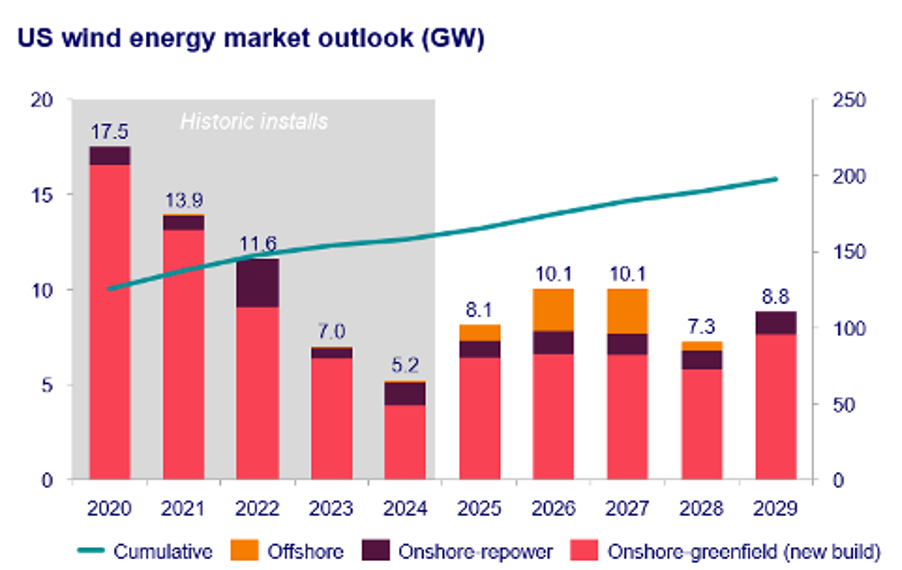
The Q1 U.S. wind market exceeded 2024’s pace, more than doubling activity with 2.1 GW of installations — but regulatory uncertainty led to a significant pullback in wind-turbine orders, according to the U.S. Wind Energy Monitor report recently released by Wood Mackenzie and the American Clean Power Association (ACP).
The report shows that all installations in Q1 came from new build onshore activity. Wood Mackenzie projects that a total of 8.1 GW of installed capacity will come online this year, including onshore, offshore, and repowers.
Courtesy: Wood Mackenzie
However, tariffs and policy uncertainty have placed significant challenges on the market, driving a 50 percent decrease in H1 turbine orders compared to the same period last year, taking them to their lowest level since 2020.
“The surge in first quarter wind installations, combined with a strong development pipeline, underscores the wind industry’s resilience and its capacity to rapidly deliver the clean, affordable, and reliable energy America needs,” said John Hensley, ACP Senior Vice President of Markets and Policy Analysis. “But this momentum is threatened by the changing policy landscape. Regulatory obstructions will drive up costs, putting at risk the nation’s ability to meet its energy demands with homegrown clean power.”
(Note: forecasts in this report were developed after the passage of the One Big Beautiful Bill Act, but do not incorporate potential effects resulting from the Department of Interior’s July 15 directive requiring the Secretary to review wind and solar projects.)
Onshore activity
Turbine orders have slowed in 2025, but demand — especially for safe harbor orders — is projected to rebound in the second half following the One Big Beautiful Bill Act’s (OBBBA) final passage.
“Market volatility will prompt a short-term decrease in onshore additions,” said Leila Garcia da Fonseca, director of research at Wood Mackenzie. “A quarter-over-quarter net reduction of roughly 430 MW in the U.S. onshore wind outlook from 2025-2029 reflects growing uncertainty for currently under-development projects, mainly driven by ongoing permitting challenges, tariff risk, and now a sunset of tax credits.”
A late-cycle spike is anticipated in 2029-2030 with developers looking to capitalize ahead of the tax credit expiration.
Western states, which will add 9.4 GW of installations through 2029, will see more activity than other regions.
Offshore activity
As almost all offshore projects in Wood Mackenzie’s five-year outlook are already under construction, the outlook remains largely unchanged. Wood Mackenzie is projecting a total of 5.9 GW of offshore wind capacity to come online by 2029.
“While we assume projects currently under construction or heading to construction will come online, we don’t expect to see any additional projects take a final investment decision during President Trump’s second term in office,” said Garcia da Fonseca. “This could have a significant impact on the number of offshore projects constructed in the 2030s.”
OBBBA to spur safe harbor activity ahead of pending IRS guidance
Despite near-term volatility, Wood Mackenzie forecasts average annual installations of 8.9 GW over the next 5 years across onshore, offshore, and repowering segments. By the end of 2029, approximately 44 GWof wind power capacity is expected to be installed, comprising nearly 33 GW from new onshore greenfieldprojects, 6 GW from offshore development and 5.4 GW from repowering. Cumulative capacity should reach 197 GW.
Following the passage of the OBBBA on July 4, 2025, and a subsequent executive order on July 7 challenging IRS guidance on start of construction definition, the wind industry faces regulatory uncertainty as the Treasury prepares revised rules.
The final version of the OBBBA shifts tax credit eligibility from “placed in service” to “start of construction,” creating a 12-month window for developers to begin projects and qualify for the four-year safe harbor, pending IRS confirmation.
This change is expected to drive increased safe harbor equipment activity for projects targeting 2029–2030 CODs, as permitting delays and supply chain constraints continue to limit earlier timelines.
“Wood Mackenzie’s modelling shows tax credit expiration would increase unsubsidized Levelized Cost of Energy (LCOE) by 25% on average, a more substantial impact than tariff scenarios, which can add up to 10% to LCOE,” said Garcia da Fonseca. “This underscores the critical role of policy support for continued wind deployment.”








 Under Vaisala Circular, customers have a dedicated pool of measurement probes, securely stored and maintained at Vaisala’s service centers. When calibration is necessary, customers simply order replacement probes from Vaisala online and swap them in — thereby minimizing measurement downtime. Batches of used probes then circle back to Vaisala for recalibration, storage, and re-use. These refurbished probes retain warranty for the full term of the Circular agreement.


 Highlights