







Home 2023

Vestas secures 370 MW order for 2 U.S. repowering projects

0

Vestas has received an order for two wind projects totaling 370 MW to repower the Pleasant Valley and Border Winds projects owned by Xcel Energy in the U.S.

The order for the 213 MW Pleasant Valley project in Minnesota consists of 97 V110-2.0 MW wind turbines delivered in 2.2 MW operating mode, while the 156 MW Border Winds project, located in North Dakota, consists of 71 V110-2.0 MW wind turbines delivered in 2.2 MW operating, which will update the current V100-2.0 MW technology at both sites.
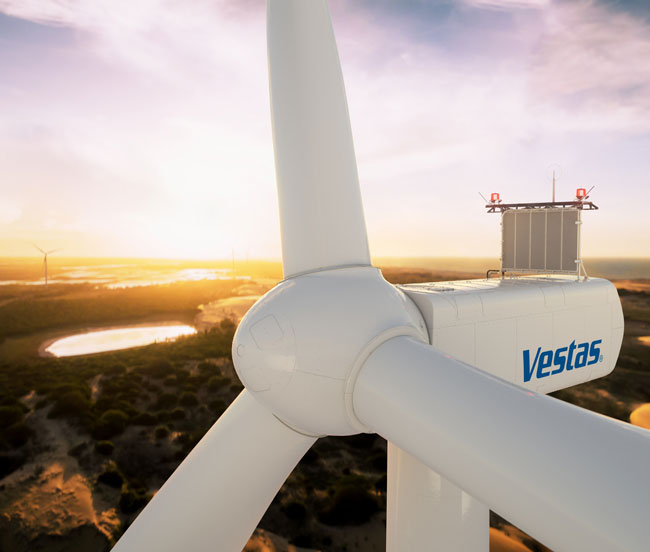
Vestas will repower Xcel Energy projects in Minnesota and North Dakota. (Courtesy: Vestas)

“Vestas and Xcel Energy have a strong history of bringing wind energy to local communities across the U.S. and we look forward to continuing this partnership by extending the longevity and increasing the energy projection of current wind projects like Pleasant Valley in Minnesota and Border Winds in North Dakota,” said Laura Beane, President of Vestas North America. “Upgrading the site’s current technology will not only extend the lifespan of the project and bring clean energy to thousands of households, it will also provide needed economic opportunities to these communities.”

“As a national leader in wind energy, we’re pleased to work with Vestas on repowering two Upper Midwest wind farms which have long provided clean, affordable energy to our customers as well as economic benefits to surrounding communities. Advancing the technology at Pleasant Valley in Minnesota and Border Winds in North Dakota is important to our plan for achieving 85% carbon-free energy by 2030 in the region while keeping energy costs as low as possible,” said Chris Clark, President, Xcel Energy Minnesota, North Dakota and South Dakota.

Both projects include supply, delivery, and commissioning of the turbines, and Vestas will continue to service the turbines and provide an energy-based availability guarantee, designed to ensure optimized performance of the asset.

Turbine delivery for both projects will begin in the second quarter of 2025 with commissioning scheduled for completion in the fourth quarter of 2025.

More info: https://www.vestas.com/en
TÜV NORD and COWI to take over Owner’s Engineering Services

0

Together with the international consulting group COWI, TÜV NORD will provide Owner’s Engineering services for the Egyptian wind farm Gulf of Suez on the Red Sea Coast. In this project, COWI will perform project management and design review while TÜV NORD will be responsible for all site services such as civil, mechanical and electrical quality supervision.

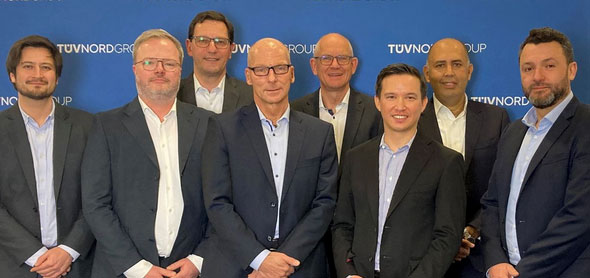
Executives from TÜV NORD and COWI. (Courtesy: TÜV NORD)

With a capacity of 500 MW, the project, which is being led by renewable energy developer AMEA Power in collaboration with Sumitomo Corporation of Japan, will be the largest wind farm in Africa.

“We are very pleased about the cooperation of COWI and TÜV NORD in this particular project, which the combined team in Denmark, Germany and Egypt from both companies have jointly been driving forward,” said Alexander Ohff, Executive Vice President Renewables at TÜV NORD. “Together with COWI and the Sponsors , we will ensure the highest international technical quality and safety standards to make this flagship wind energy project in Egypt a success.”

“Being a part of developing clean renewable energy solutions is at the heart of our business. With TUV NORD we get a strong partner for this important onshore wind project and can complement each other’s expertise and strengths in delivering the best possible solution to our customer and their customers. I see this as a start of a long and successful cooperation,” said Holger Hahn, COWI’s project director.

More info: https://www.tuev-nord-group.com/en/home/

Saildrone announces new USV model

0

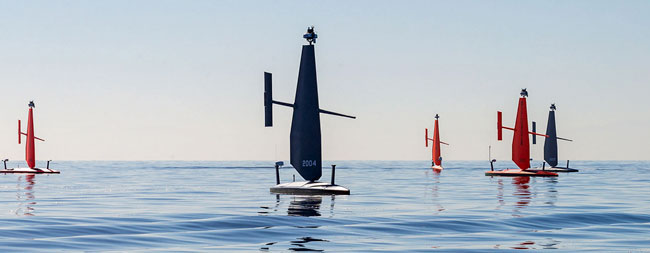
Saildrone, a leader in providing near real-time maritime intelligence using small uncrewed systems, has announced a new mid-size class of uncrewed surface vehicles (USVs). The 33-foot (10 m) Voyager is designed for near-shore ocean and lakebed mapping, and to meet the challenges of IUU (illegal, unreported, and unregulated fishing), ISR (intelligence, surveillance, reconnaissance), law enforcement and maritime safety, drug interdiction, and border and harbor security.

“With our Voyager platform, Saildrone helps to eliminate maritime gaps above and below the ocean surface, reducing risk to mission and risk to force. We want to be a force-multiplier for our partners and allies when it comes to ISR capabilities,” said Richard Jenkins, Saildrone founder and CEO.

Saildrone has been conducting sea trials of the Voyager in the San Francisco Bay and offshore of California since late 2022. (Courtesy: Saildrone)

Saildrone’s three USV models—the Voyager along with the 23-foot (7 m) Explorer and 65-foot (20 m) Surveyor—have been developed to balance mission payload flexibility and endurance. The Voyager’s larger size, compared to the Explorer, allows for a more persistent datalink, increased power available for ocean mapping and ISR payloads, and versatile payload integration options.

The ocean mapping sensor suite includes multibeam sonar equipment capable of seafloor mapping of depths to 900 feet (300 m), and the ISR sensor suite includes a smart camera array, digital radar, and sub-surface passive acoustics. Primarily powered by wind and solar, the Voyager also features an electric propulsion alternative, useful for low-wind and near-shore operations.

Saildrone has built 100 23-foot Explorer-class USVs at its headquarters in Alameda, CA. To meet the increasing demand for the new Voyager platform, Saildrone has elected to outsource the production of the wing, hull, and keel to composite specialists: Janicki Industries will manufacture the wing and keel in Washington, and Seemann Composites will manufacture the hull in Mississippi. Saildrone will continue to produce, install, and service internal components in Alameda.

“One of the truly exceptional aspects of working at a company like Saildrone is the fact that hardware and software engineering, manufacturing, mission operations, and G&A are all housed under one roof—in a former airplane hangar on a site known for aviation and naval innovation,” said Saildrone COO Mark Cuyler. “But with the rapidly increasing demand for ocean data collection across the fleet, it is necessary to outsource some of our production.

Saildrone is proud to work with great US-based companies like Janicki and Seemann, whose expertise in the marine composites industry will help us to more rapidly meet the demanding challenges of the world’s oceans.”

Saildrone has been conducting sea trials of the Voyager in the San Francisco Bay and offshore of California since late 2022, and the first operational maritime security and ocean mapping missions will begin this spring. The company is producing new Voyagers at a rate of one per week.

The data collection capabilities of Saildrone’s autonomous vehicles have been proven in numerous operational missions, covering almost 1 million nautical miles from the Arctic to the Antarctic.

More info:https://www.saildrone.com/

Clir Renewables on list of fastest growing companies

0

Clir Renewables, the market intelligence platform for wind and solar, has secured a ranking of 210 in a list of the fastest growing companies in the Americas, published by the Financial Times. Clir’s absolute growth rate was 274% between 2018 and 2021.

To be eligible for inclusion in the list, companies must be headquartered on the continents of North or South America, have generated a revenue of at least $100,000 in 2018, and $1.5 million in 2021.

Clir detects market-wide, project-related and site-specific issues for wind and solar projects. (Courtesy: Clir Renewables )

The business must be independent, and revenue growth between both 2018 and 2021 must be primarily organic. 

Clir combines the world’s largest renewable energy operational dataset with software and analytics to provide renewable energy power generators, investors and asset managers with actionable insights into the production, health, risk, and financing of assets.

Over the last four years, Clir has secured more than 200 GW of project data, 29 new clients including Glennmont Partners and Northleaf Capital Partners, and expanded into 12 new territories. The business supports the fundamentals of renewable energy project growth and development, working with developers, lenders, and investors through project development, operations, and subsequent mergers and acquisitions.

Leveraging advanced AI and 200+ GW of data from decades of project experience, Clir detects market-wide, project-related and site-specific issues for wind and solar projects.

“To be recognized by The Financial Times as one of the Americas’ fastest growing companies is an achievement we’re all hugely proud of. Over the past six years since our formation, we’ve been able to grow rapidly by continually listening to and recognizing the needs of the market,” said Gareth Brown, Clir’s chief executive and founder.

“As the industry increases in competition, we’re looking forward to the continued growth of our company, and to further incentivizing the shift towards clean energy through deeper intelligence into performance and risk,” said Brown.

More info: https://www.clir.eco/

Maryland makes history With 8.5 GW offshore wind goal

0

Baltimore-based US Wind and other Maryland leaders applauded Maryland Gov. Wes Moore’s announcement of major offshore wind energy initiatives during the 2023 International Partnering Forum in Baltimore.

“Our administration is serious about offshore wind, and Maryland is ready to lead,” said Moore. “We need all hands on deck in this crucial moment — so we can strengthen Maryland’s supply chain, leverage our state’s assets, and put Marylanders to work in clean energy jobs centered on logistics and manufacturing. If we join together in partnership, we can make Maryland the offshore wind capital of the United States.”

Moore announced that Maryland will aim to quadruple the amount of energy produced by offshore wind from about 2 gigawatts to 8.5 gigawatts, which is enough to power nearly three million homes. The governor said the state has plans to increase its offshore wind output and prioritize wind energy partnerships, creating significant economic and job creation opportunities in the state.

US Wind’s Sparrows Point Steel has the potential to be one of the largest offshore wind staging ports in the U.S. (Courtesy: US Wind)

“Governor Moore’s announcement is a homerun for the people of Maryland. He has a big and bold vision that aims to make Maryland the national leader in this new industry and will create thousands of jobs in the process. Governor Moore is the person we need right now to achieve a clean energy future for Maryland,” said Jeff Grybowski, US Wind CEO.

“Maryland can — and will be — a national leader for offshore wind and Governor Moore’s announcement is a major win for Baltimore County as we continue transforming into a premiere hub for renewable energy projects,” said Baltimore County executive Johnny Olszewski. “These projects will help combat climate change while creating hundreds of high-quality jobs in our communities and we look forward to working with our partners at the State, US Wind, Tradepoint Atlantic, and beyond to ensure the future of America’s green economy continues to be built — literally — at Sparrows Point.”

“Governor Moore’s record-shattering announcement means so much to so many across the state, especially minority owned businesses like Strum Contracting,” said Teaera Strum, CEO of Strum Contracting Company, Inc. “Offshore wind will not only improve air quality and combat climate change, but also uplift under-served communities while creating career opportunities and economic vitality. Strum Contracting is thrilled for Governor Moore’s leadership and for US Wind’s commitment to delivering offshore wind and good paying jobs to Marylanders.”

“The Steelworkers couldn’t be happier to hear Governor Moore’s commitment to make Maryland a leader in offshore wind manufacturing,” said Jim Strong, United Steelworkers offshore wind assistant. “Sparrows Point Steel, Maryland’s first permanent offshore wind facility, is being built on Steelworkers’ hallowed ground at the site of the former Bethlehem Steel. Our partnership with US Wind will create good union jobs for this new renewable energy industry right here in Baltimore County. Governor Moore’s announcement and the work of the Maryland state legislature will position Maryland as a leader in offshore wind manufacturing for decades to come.”

“The future of offshore wind energy presents an incredible opportunity for minorities to get into the energy industry and make a difference in their communities,” said Pamela Minor, president of the Southern Maryland Minority Chamber of Commerce. “The potential of offshore wind power is immense, with massive potential for job creation and economic growth. As we move forward in achieving Governor Moore’s history-making goal of 8.5 gigawatts for Maryland, it is essential that we work together to ensure that all people have access to the opportunities presented by offshore wind energy. We’re proud to be working with US Wind on this effort.”

“IBEW Local 24 is thrilled to hear Governor Moore’s new offshore wind goal for Maryland,” said Mike McHale, Business Manager, Local 24. “Our partnership with US Wind is a top priority for our union. This announcement solidifies the governor’s commitment, along with the commitment of the Maryland state legislature, to clean energy and union jobs in the state.”

The governor also announced that the administration is working to establish new lease areas and strengthen the offshore wind supply chain in the state. Meanwhile, the Maryland General Assembly is set to pass the complimentary Promoting Offshore Wind Energy Resources (POWER) Act of 2023 which also calls for Maryland to boost its offshore wind generation goals to 8.5 gigawatts, improve its transmission infrastructure, and provide a pathway to future procurement of offshore wind energy in the state.


More info:https://uswindinc.com/

K2M to perform quality oversight on Virginia offshore project

0
With a capacity of 2.6 GW via 176 offshore wind turbines, the Coastal Virginia Offshore Wind project is a significant step forward in the growth of the offshore wind industry in the United States — which has set a lofty target of 30 GW of installed offshore wind capacity by 2030.

K2 Management, a global leading renewable energy consultancy, recently announced a four-year partnership with Dominion Energy, an energy company with 7 million customers in 16 states, to provide quality oversight services for the Coastal Virginia Offshore Wind (CVOW) project 27 miles off the coast of Virginia.

With a capacity of 2.6 GW via 176 offshore wind turbines, the project is a significant step forward in the growth of the offshore wind industry in the United States — which has set a lofty target of 30 GW of installed offshore wind capacity by 2030.

K2M will serve as Dominion Energy’s Owner’s Quality Assurance Representative, and among other services, will provide quality oversight at suppliers’ manufacturing facilities for all major components. The manufacturing stage began in Q4 of 2022, and K2M’s involvement will commence in March with an expected completion date of April 2027.
K2M and Dominion Energy will also partner to include local Hampton Roads businesses and workers in this project.

“We’re thrilled to be partnering with Dominion Energy on such a ground-breaking project,” said Lars Andersen, president — Americas at K2 Management. “Our expert knowledge and experience ensured we were successful in a highly competitive tender and will enable us to bring Dominion Energy advice and insights from more than 500 accumulated offshore wind engagements around the world.”

“As the Coastal Virginia Offshore Wind project takes the mainstage in U.S. offshore wind development, it will attract the interest and scrutiny of future industry stakeholders and investors,” he said. “It’s crucial, therefore, that all partners in the value chain get this right the first time. With the experience of our work in other global offshore wind markets, we’re singularly focused on ensuring that Dominion benefits from learning experiences elsewhere and is set up for long-term success. Lastly, recognizing the opportunity for local economic success, we look forward to supporting Dominion Energy in maximizing local content and the use of the local workforce in delivering its services, directly benefitting the commonwealth of Virginia.”

“Given its wealth of experience, K2M is the clear partner to oversee the day-to-day fabrication at our suppliers’ facilities, as well as the delivery of major components to the Portsmouth Marine Terminal,” said Joshua Bennett, Dominion Energy vice president of offshore wind. “We are at the forefront of delivering reliable, affordable, and increasingly clean energy to our customers, and this partnership is going to help us meet those expectations with our offshore wind project.”

Shoreline Wind names new COO

0

Shoreline Wind, the wind energy leader in design simulation, construction and O&M solutions, announced it has appointed David Tuohy as Chief Operating Officer.
This latest move strengthens the company’s leadership team, bringing into the fold an experienced executive with a proven international track record in scaling energy software platforms.

The move also capitalizes on what the company sees as positive policy developments in key markets regarding wind energy, including the U.S. In January, the U.S. Department of the Interior announced it will reform its regulations for the development of wind energy facilities on the country’s outer continental shelf, in order to meet key climate goals.

With 30 years of relevant international experience, Tuohy has spent the last 15 years leading private equity backed climate technology companies, both at C-level and in board roles.

New Shoreline Wind COO David Tuohy has spent the last 15 years leading climate technology companies. (Courtesy: Shoreline Wind)

He has worked with technologies from solar PV and power electronics for grid integration of wind power to SaaS solutions for energy efficiency and demand response management. He is also a non-executive director of publicly listed Climate Transition Capital. Tuohy has an engineering background and studied at University College Dublin, INSEAD and the UCLA Anderson School of Management.

 “Shoreline makes a real contribution to carbon reduction goals by enabling faster and cheaper deployment of wind energy at a global scale,” said Tuohy. “With its market-leading SaaS offering, Shoreline is well on its way to become the industry standard for project design, construction, and O&M for wind energy. This company can make a real difference. I am really excited to be part of the team.”

Since 2014, Shoreline has been developing and deploying cutting edge SaaS solutions that deliver the essential, data-driven insights wind farm developers, operators, OEMs, contractors and consultants need to make wind energy more cost-efficient throughout the entire wind farm lifecycle. 

Last year Shoreline secured additional funding from U.S.-based Ecosystem Integrity Fund (EIF) and Nordic investor Ferd Capital. Existing investor Blue Bear Capital also participated in the round. The funds are being used to drive Shoreline’s growth in the U.S. and APAC, and to expand the company’s feature set for lifecycle asset optimization. Since closing the investment, Shoreline has increased staffing two-fold with hires in Norway, Denmark, Germany, Sweden and most recently in the Netherlands.

“Right now, Shoreline is perfectly positioned to realize exponential growth in lockstep with the growing global demand for wind energy,” said Ole-Erik Vestøl Endrerud, CEO and founder of Shoreline. “We have proven to our customers that our patented technology can drive down construction and O&M costs. The next phase is all about scaling the business and execution capabilities.”

Ambitious wind energy installation and energy production goals are being announced globally with planned installations in APAC and the U.S. leading the trend. Wind farm developers and operators are increasingly reliant on smart simulation solutions to virtually plan and optimize construction and operation, and subsequently deploy and manage the assets using digital solutions. This is key to maximize return on investment in what is an increasingly cost-competitive market.

Shoreline provides solutions to major global players such as Siemens Gamesa, Ørsted, Equinor, Ocean Winds and Vattenfall, with more local players also adopting Shoreline’s solutions. Whether acting global or local, Shoreline is committed to ensuring its platform and people deliver what these customers need to achieve their goals.

“David has worked for multiple clean energy tech scale-ups and he is really passionate about the energy transition. There are not many people around who have worked for big energy companies and a leading energy SaaS unicorn. The investors are thrilled to have him join the leadership team to help Shoreline realize its full growth potential,” said Geoff Eisenberg, partner at EIF.

Shoreline provides enterprise solutions for the wind industry using intelligent data integration and simulation software to optimize and execute wind farm construction, asset management and business cases, and their solutions are deployed globally with the world’s largest energy companies, OEMs and service companies. Shoreline Wind’s solutions are cloud-based, distributed on Software as a Service terms and available to customers on subscription basis, along with an appropriate training and support package.

More info:https://shoreline.no/

Vestas completes converter, controls sale to KK Wind

0

The sale of Vestas’ converters and controls business has been completed and marks the transfer of Vestas’ three converters and controls factories to KK Wind Solutions. Around 600 of Vestas’ experienced and skilled colleagues will join KK.

“I’m very excited about the next chapter of our partnership with KK Wind Solutions, and I look forward to growing and maturing the wind energy supply chain together. I would also like to extend my deepest appreciation to our dedicated and skilled colleagues, who will join KK. You have done an outstanding job, and I know you will continue doing so together with your new colleagues at KK,” said Tommy Rahbek Nielsen, Executive Vice President and COO at Vestas.

KK Wind will exclusively supply converters and control panels to Vestas. (Courtesy: KK Wind)

“Our people are our most important and valuable asset. Their expertise and dedication are vital in accelerating the green energy transition, and we are excited to welcome our new colleagues whose skills and know-how will help us further develop the industry’s supply chain,” said Mauricio Quintana, Chief Executive Officer, KK Wind Solutions.

Vestas looks for partners that help scale renewables efficiently in the long-term. As part of the partnership between Vestas and KK, KK will exclusively supply converters and control panels to Vestas, and the partnership will further advance with co-development of future Vestas converters.

KK Wind Solutions and Vestas have agreed on several transactional service agreements to ensure business continuity, knowledge transfer, and stable operations throughout the integration period.

More info:https://www.kkwindsolutions.com/

GE Renewable Energy approves Lidar ZX TM

0

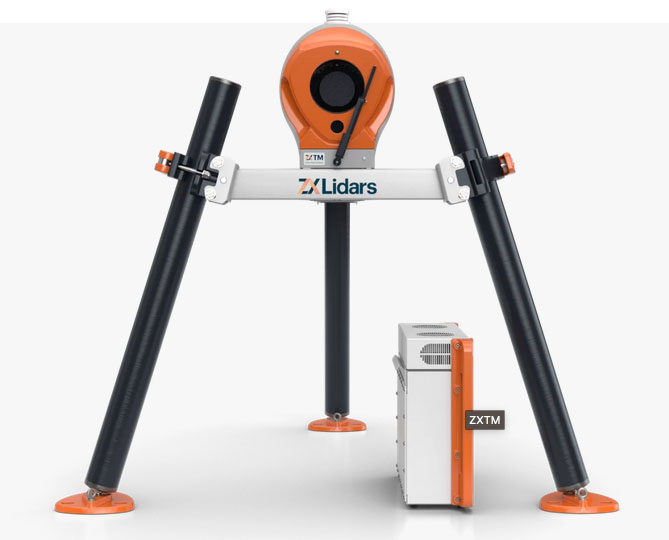
GE Renewable Energy has approved the use of the nacelle-based Continuous Wave scanning Lidar ZX TM from Lidar OEM ZX Lidars for power performance testing.

Within the past year, the International Electrotechnical Commission released the standard IEC 61400-50-3, Use of nacelle-mounted lidars for wind measurements. In anticipation of and response to this new standard, GE Renewable Energy studied the use of those devices for power performance measurements.

ZX TM allows the power curve of GE onshore wind turbines to be measured and verified as a function of the hub height wind speed. (Courtesy: GE Renewable Energy)

This specific Lidar, ZX TM, allows the power curve of GE onshore wind turbines to be measured and verified as a function of the hub height wind speed and may be, when agreed with the customer, used instead of the procedure described in the IEC61400-12-1:2017 (ed. 1/ed. 2) using a meteorological mast and anemometry installation.

In addition to hub height measurements specifically used for power performance tests, operational rotor equivalent power curves can also be measured with ZX TM’s 50 points around the full rotor swept area, providing full veer and shear information. These measurements help to inform operational strategies relating to turbine performance outside of warranted conditions, and may be important for turbines with larger rotor diameters offshore and on sites with complex veer or shear profiles onshore.

More info:https://www.zxlidars.com/

Vestas to supply South Korea offshore wind project

0

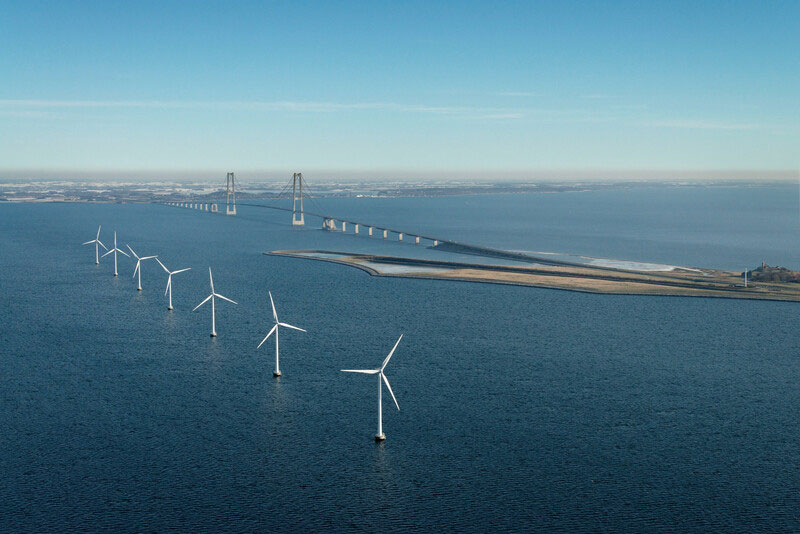
Vestas has signed a preferred supplier agreement with Korea South-East Power Company (KOEN) for the 600 MW Wando Geumil offshore wind project in Wando-Gun, South Jeolla Province, South Korea.

If the project materializes, Vestas will supply and install 40 units of the V236-15.0 MW turbine. Vestas will also deliver 20 years of operation and maintenance service for the wind farm when operational.

If the South Korea project materializes, Vestas will supply and install 40 units of the V236-15.0 MW turbine. (Image features the 90-3.0MW turbine in Sprogø, Denmark.) (Courtesy: Vestas)

“We are honored to have been selected as preferred turbine supplier by KOEN for the Wando Geumil offshore wind project and the trust that the customer placed in Vestas,” said Purvin Patel, President of Vestas Asia Pacific. “Aiming to become a leader in offshore wind, Vestas is committed to support decarbonization of the country as well as the Asia Pacific region, in close partnership with our customers.”

“We are so excited to take part in this project, which will be the first collaboration for us with KOEN. Through the project, KOEN and Vestas will work together to unleash the potential of offshore wind in the west coast of the country and contribute to South Korea’s goal of generating 20 percent of its energy from renewable sources by 2030,” said Srdan Cenic, Country Manager of Vestas Korea & Vice President, Head of Sales Offshore of Vestas Asia Pacific.

KOEN is a power generation company newly started on April 2, 2001, according to the South Korean government policy for restructuring the power generation industry.

The company operates five power generation facilities with a total capacity of 10,324 MW.
Delivery of the turbines will be expected to begin in the fourth quarter of 2025, with commercial operation scheduled for the third quarter of 2026.

More info: https://www.vestas.com/en
Vaisala integrates lightning data into weather suite

0

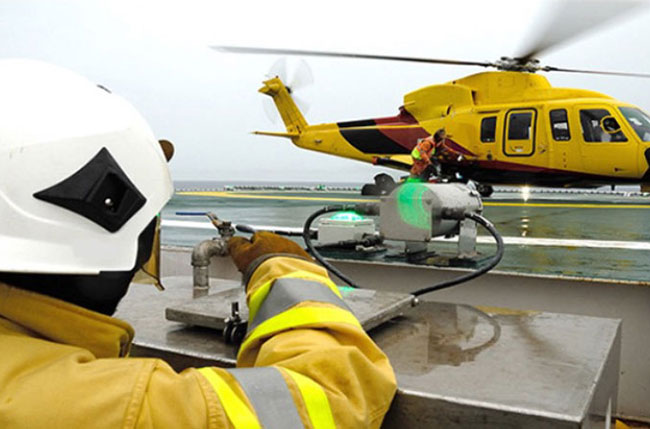
Vaisala, a global leader in weather, environmental, and industrial measurements, has announced the integration of lightning data from Vaisala’s Global Lightning Dataset GLD360, part of its Xweather suite of weather and environmental data services, into its Helideck Monitoring System.

Built to meet the demands of challenging offshore environments, Vaisala’s Helideck Monitoring System uses thunderstorm and lightning information from GLD360, the only global sensor network that detects thunderstorms in real time anywhere, including oceans, seaports and other areas outside the range of weather radars. Helicopter pilots, helideck operators, and offshore authorities can now make informed “waiting on weather” decisions that result in minimized operational downtime, improved route planning, and reduced cost and impact of weather disruptions.

Vaisala has added lightning data to its Helideck monitoring system (Courtesy: Vaisala)

This solution for offshore operations delivers:

Detection efficiency and location accuracy: Vaisala’s global lightning data network identifies 100% of global thunderstorms and locates lightning with a median accuracy of 1 km.


Complete situational awareness: The Vaisala Lightning Threat Zone provides storm and lightning trajectory in 10-minute increments up to 60 minutes out, advising when a location of interest may be impacted.

Maintenance-free lightning data services: With no capital investment needs or expensive offshore maintenance costs, the Helideck Monitoring System eliminates the need to purchase, install, or maintain single-point lightning detection sensors.


Highest-quality lightning data: Vaisala’s expertise in lightning data, and its ongoing investments in operating and maintaining the world’s best global lightning network, safeguards offshore operations with real-time lightning data with better than 99.99% availability.

Proven lightning and offshore weather expertise: Vaisala lightning detection networks are used by the U.S. Navy, U.S. Air Force, National Weather Service, Federal Aviation Administration, and many large power utilities and commercial organizations globally.


Lightning data when needed: The lightning data services are compatible with 4G LTE, 5G, and all common satellite internet communication solutions used at sea with minimal bandwidth requirements.

Compliance with industry standards: The certified Helideck Monitoring System solution complies with current CAP437 and Helideck Certification Agency requirements, and its CAA-certified software adheres to international aviation regulations.

“It’s all about safety and efficiency. Lightning can cause power outages, damage helicopters and infrastructure, and even put people in harm’s way. Monitoring lightning in real time to assess its impact is essential for protecting lives and assets and optimizing the timing of offshore helicopter takeoffs, landings, hoist operations and fueling,” said Mikko Nikkanen, head of maritime at Vaisala. “Our upgraded Helideck Monitoring System allows offshore customers to stay ahead of the weather and gain oceans of actionable insight to boost their operations with confidence.”

Leveraging more than 85 years of measurement expertise, including 45-plus years in aviation weather and more than a decade of experience in demanding offshore weather applications, Vaisala’s global support team has delivered hundreds of Helideck Monitoring Systems to partners around the world.

More info:www.vaisala.com/helideckmonitoring


U.S. rule change equips offshore wind developers for faster growth

0

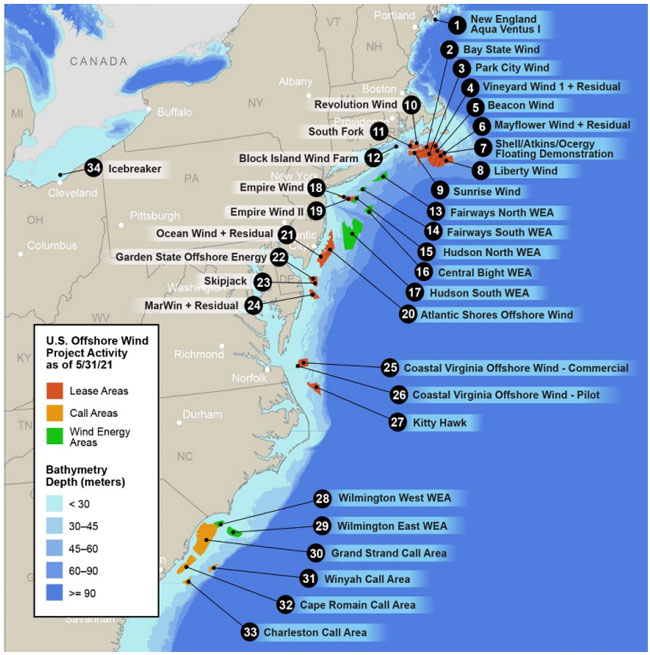
Last month, the Biden administration set out new streamlined regulation for offshore wind development as it chases its highly ambitious installation target of 30 GW by 2030.

In the first major regulatory shakeup since 2009, the U.S. Interior Department will offer more flexibility on survey requirements, reform lease auctions, and improve the verification of project designs, it said.

The new rules come as the Interior Department plans to hold up to four additional offshore lease sales by 2025 and aims to complete environmental reviews of at least 16 offshore wind projects by 2025, representing more than 20 GW of new capacity.

Subject to 60-day public consultation, the rule changes represent a “very big package of important incremental improvements” that is “long overdue,” Seth Kaplan, Director of Governmental and Regulatory Affairs at Ocean Winds North America, told Reuters Events.

In particular, more flexibility on surveys in construction and operations plans (COPs) will simplify the permitting and approval process.

“The new rule adds flexibility in the timing of data submittal, which saves costs, and enables developers to do fewer unnecessary surveys, said Josh Kaplowitz, vice president of Offshore Wind at the American Clean Power (ACP) association.

The Interior Department will also clarify leasing criteria and release five-year leasing roadmaps, providing investors with much-needed certainty.

The rule improvements “will provide the necessary predictability to grow the domestic clean energy economy,” Joris Veldhoven, CEO of Atlantic Shores Offshore Wind, told Reuters Events.

The rule changes “give the industry certainty moving forward,” an Equinor spokesperson said.

Under the proposals, developers will be allowed to submit a range of design parameters in their construction and operations plan (COP) and defer certain survey requirements until later in the development process.

This new approach is less prescriptive and more similar to the project design envelope (PDE) process used in Europe and would give developers greater flexibility to tweak their designs and incorporate the latest technology before installation begins.

Developers could install larger, more efficient turbines “without having to restart the process, so long as you were approved to use a larger model,” Kaplowitz said. Suppliers continue to release higher capacity turbines as developers seek a lower cost per megawatt.

The approval of Vineyard Wind, the U.S.’ first large offshore wind project, was delayed when BOEM expanded the scope of the environmental review to take into account larger turbine considerations, previously unavailable fishing data, a new transit lane alternative, and cumulative risks from multiple offshore wind projects. The environmental review took three years to complete and the 800-MW project is due online in Massachusetts waters in 2024.

The new rules also remove the requirement for site assessment plans (SAPs) for meteorological buoys, providing further savings for developers.

Developers will also be allowed to pay the cost of decommissioning the asset at the end of its life incrementally over the lease term, rather than upfront as required currently, which will create significant savings over the life of the project.

BOEM estimates that the new rules will save U.S. offshore wind developers $1 billion over 20 years, mostly due to the change to decommissioning funding.

The rule changes will help clarify development processes and avoid some delays but the exact impact on project timelines is unclear. Approval processes will remain rigorous and can involve around a dozen federal agencies, industry sources said.

More specific timelines within the rules would help developers plan resources, Kaplowitz said.

“Adding these timelines could be very helpful in terms of making the length of the process more predictable,” he said.

More info: www.reutersevents.com/renewables/wind

SKF cartridge pump simplifies lubrication

0
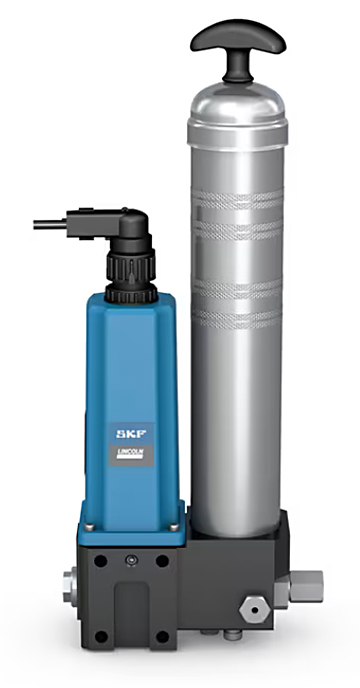
The AECP automatically lubricates up to 22 lubrication points. (Courtesy: SKF)

SKF has developed a compact cartridge pump that provides effective lubrication to applications such as small agricultural and construction machinery.

The pump, called AECP,  automatically lubricates up to 22 lubrication points making it more time and cost-effective – than manual methods. The pump dispenses grease from standard tubes that are widely available from distribution or retail outlets.

“Using standard grease tubes makes refilling an auto-lube system as easy as refilling a grease gun,” said Jordan Butler, lubrication product line manager at SKF. “This saves operator time and automates a time-consuming maintenance task.”

Typical applications include dozers, loaders and farm machinery such as balers and municipal equipment. This type of machinery is typically lubricated manually, which has downsides such as time consumption and the cost of repairs, which is picked up by the equipment rental fleet owner.

The system is also more straightforward for the end-user and keeps both grease and the machine clean. OEMs are likely to see a reduction in warranty claims over traditional manual greasing methods.

Other benefits include increased equipment availability and reliability; simpler maintenance; lower cost of maintenance and spare parts; and easier retrofitting.

The AECP requires no special refilling tool or equipment. Grease is stored in standard grease cartridges making it easy to swap out and prime while the motor and pump elements pull grease in a metered way. The use of cartridges also allows for a wide range of lubricants. It also fits into tight spaces and can withstand harsh working conditions and environments.

The pump can be used to create a small progressive lubrication system when combined with SSV progressive metering devices. A built-in sensor gives early warning that a cartridge needs replacing. For more advanced monitoring options, the AECP can be operated with a controller.

The pump is ready for sale in North America, with global availability in the works.

MORE INFO  https://www.skf.com/us

Emerson launches Ovation Green portfolio

0
OvationGreen is a portfolio of purpose-built renewables software and automation solutions. (Courtesy: Emerson)

Emerson has combined its power expertise and renewable energy capabilities into the Ovation Green portfolio to help power generation companies meet the needs of customers navigating the transition to green energy generation and storage.

By uniting the recently acquired Mita-Teknik software and technology with its own Ovation automation platform, renewable energy knowledge base cybersecurity solutions and remote management capabilities, Emerson has created a new extension of its power-based control architecture. The resulting portfolio focuses on the emerging clean energy market to provide simplified renewables automation to help power producers build and scale sustainable operations.

“Countries around the globe are focused on transitioning to a clean energy economy in the coming decades, and while green energy is a simple concept everyone understands, the road to implementation is not always clear,” said Bob Yeager, president of Emerson’s power and water solutions. “With the Ovation Green portfolio, our software, support and solutions are unified in one system from a single trusted provider to help power producers more quickly, easily and reliably manage their renewable electricity operations.”


Renewable electricity capacity has seen record growth in recent years. However, transitioning to cleaner energy systems or scaling up existing ones is a complex undertaking for power producers. Wind turbines, solar arrays, lithium-ion batteries, hydrogen electrolyzers and hydroelectric power all use a wide variety of automation software and technologies. As renewable portfolios grow, the number of applied technologies will multiply, increasing learning curves and adding complexity to operations as solutions from different vendors require additional integration. While some existing systems can provide layers of connectivity between very specific assets, the Ovation Green portfolio will deliver a single set of purpose-built software and solutions that supports different technologies in one standardized, intuitive system.

By gathering, collating and contextualizing vast amounts of data created by renewable generation and storage assets, Emerson’s Ovation Green portfolio provides a clear view of renewable operations in a seamless space. The portfolio will empower actionable intelligence from a unified platform to drive faster, more informed decisions to increase availability and production while reducing operations and maintenance costs.

MORE INFO  https://www.emerson.com/en-us/automation/ovation-green

Wind farm builders call for reforms in England

0
Large wind farms offer lower energy costs but there are relatively few in England. (Courtesy: Reuters)

Planning law changes proposed by the UK government lack measures that aid larger onshore wind projects and national targets are needed to make stakeholders accountable, project partners told Reuters Events.

The UK government in December said it would ease restrictions on building onshore wind farms in England after objections by 34 MPs from the ruling Conservative party.

The UK operates 15 GW of onshore wind capacity and development activity has mainly been confined to Scotland since rules in England were toughened by David Cameron’s Conservative government in 2015. Much of Scotland benefits from windier conditions and larger areas of unpopulated land but electricity demand is higher in England.

In a U-turn by Prime Minister Rishi Sunak, the government said it would adapt the National Planning Policy Framework to permit onshore wind development where local consent is demonstrated and any impacts identified by the local community are appropriately addressed. Previous rules meant opposition from one person could block the project, despite government surveys showing 80% of the public were in favor of onshore wind farms.

The details of the reforms will be established through a public consultation that will conclude in April and will also seek views on how local communities could benefit from the projects through lower energy bills.

Further reforms are needed to support larger onshore wind projects as the proposed changes are likely to mainly aid smaller, community-scale projects, wind farm developer RWE told Reuters Events.

Turbine supplier Siemens Gamesa welcomed the reforms but called for the government to set national onshore wind targets that include planning milestones. Prior to the reforms, industry group RenewableUK targeted 15 GW of new onshore wind capacity by 2030 but only 1 GW in England.

The government is already reforming planning rules for offshore wind as it looks to quadruple capacity to 50 GW by 2030.

“It’s important that planning constraints are part of the progress tracking as they already hinder offshore progress,” a Siemens Gamesa spokesperson said.

“We should use our combined and substantial knowledge to improve these lead times,” the spokesperson said.

MORE INFO  https://www.reutersevents.com/renewables/wind/

Vestas announces 2023 outlook

0
In 2022, Vestas made strategic and commercial progress in terms of strengthening operations. (Courtesy: Vestas)

The wind power industry’s challenging period continued in 2022 due to unexpected geo-political uncertainty, an accelerating energy crisis, and high inflation. In this environment, Vestas’ fourth quarter results were negatively impacted by additional challenges. The negative impact in the fourth quarter causes the full-year results to be lower than the outlook, primarily driven by a confined number of project delays, an impairment on the V174-9.5 MW turbine and increased warranty provisions.

In 2022, Vestas made strategic and commercial progress in terms of strengthening operations and substantially raising prices that indicates Vestas will deliver improved financial results in 2023. Activity levels in 2023 are expected to be lower than in 2022 followed by a step up in 2024 where installations in key markets are projected to increase.

Vestas’ preliminary and unaudited 2022 results show a total revenue of EUR 14,486m, (outlook: EUR 14.5-15.5bn). The Service business accounted for EUR 3,155m of the total revenue, corresponding to a year-on-year growth of 27 percent (outlook: min. 20 percent). The higher-than-expected revenue growth in Service thereby partially offsets the lower-than-expected Power Solutions revenue, which has been impacted by delays in execution.

Based on preliminary numbers, the EBIT margin before special items was 8.0, primarily driven by isolated events in the fourth quarter of 2022 as well as delays in a confined number of projects by the end of the fourth quarter. In the fourth quarter, additional warranty provisions of EUR 210m were made. The higher warranties primarily relate to increased repair and upgrade costs and a few select cases. As a result of an expected challenged profitability and lower order intake for offshore projects using the V174 turbine, an impairment of EUR 95m has been made on that platform in the quarter.

Increasing the price on wind turbines is and has been a necessity to address the external cost inflation and ensure the industry’s long-term value creation. Order intake in the fourth quarter was 4.2 GW with an average selling price of EUR 1.15m per MW, a sequential increase of 8 percent.

For the full year 2022 this resulted in an average selling price of EUR 1.07m per MW (onshore only: EUR 1.04m per MW).

Free cash flow amounted to EUR 1,283m in the fourth quarter but was negative EUR 953m for the full year compared to EUR 183m in 2021. This development was primarily a reflection of the lower profitability and resulted in a net debt position of EUR (46)m.

In 2023, high inflation levels are expected throughout the supply chain and reduced wind power installations to impact revenue and profitability negatively. The lower level of installations is caused by slow permitting processes in Europe as well as dampened activity levels in the U.S. due to a steep ramp-up ahead of a busy 2024 driven by the Inflation Reduction Act. Increasing prices on our order intake is an offsetting factor, but still leaves Vestas challenged on profitability in 2023.

MORE INFO  https://www.vestas.com/en

WindGuard receives approval for type certification

0
WindGuard Certification is one of only 10 companies worldwide to gain approval to issue type certificates. (Courtesy: WindGuard )

WindGuard Certification is now among only 10 companies worldwide that have been approved to issue type certificates for wind turbines according to IECRE OD-501 (“Type and Component Certification Scheme – Wind Turbines”).

In addition to prototype, type and component certification, the scope of validity
includes design evaluation and site suitability conformity statements. The certificate of
acceptance confirms that the internationally operating certification body from Varel,
Germany, complies with the requirements of ISO/IEC 17065:2012 as well as the rules
and procedures of the IECRE system.

The IEC System for Certification to Standards Relating to Equipment for Use in
Renewable Energy Applications (IECRE) established by the International Electro-
technical Commission aims to facilitate international trade of products and services
in the field of renewable energies.

“Certifications under IECRE guarantee our customers not only highest quality and
safety standards, but above all the international recognition of their products,”
said Jerome Feldhaus, head of type and project certification.

“With our many years of experience in type certification according to IEC 61400-22,
we were accredited by the German Accreditation Body (DAkkS) for type certification
according to IECRE standards already at the beginning of 2020. The official IECRE
recognition was therefore the logical consequence,” said Lars Weigel, managing director
Director of WindGuard Certification.”

“We are thus optimally positioned for the future and have further strengthened our international market position. The type certificate according to IECRE OD-501 will be a prerequisite for global marketing of wind turbines in the future. For clients from India and the Netherlands, for example, our IECRE authorization was a decisive criterion for selecting us as their certifier,” Weigel said.

MORE INFO  https://www.windguard.de/

Offshore drone market estimated at $1.46B by 2033

0
Traditional inspection methods can be replaced with advanced technology, such as drones, providing more data with less risk and less downtime.

The market for offshore drone inspection is anticipated to reach $421.6 million in 2023 and grow at a healthy 13 percent CAGR between 2023 and 2033.

The various advantages offered by advanced drones (stability, low deployment costs, improved data quality, superior navigation algorithms, etc.) have increased their use in offshore inspection and maintenance services.

The use of these advanced unmanned vehicles is increasing in the oil and gas industry and in the defense sector. This has encouraged investment in this sector and strengthened offshore inspection and maintenance services. The increasing demand for energy has led to exploration activities in a variety of deep-sea and hostile environments using innovative technologies developed in recent years. Areas that were humanly impossible to explore are now delved into with the help of drones.

For example, in August 2021, multinational energy company Equinor ASA completed the world’s first drone logistics operation to an offshore facility. As a result, the offshore drone inspection market is expected to grow significantly during the forecast period.

Takeaways from Market Study include:

  • The global offshore drone inspection market is projected to reach $1.4578 billion by 2033.
  • The market witnessed 9.8 percent CAGR between 2018 and 2022.
  • Filming and photography in application segment dominates the market with 24.4 percent market share in 2023.
  • Under drone type, rotary wing offshore drone inspection dominates the market and is valued at $226.4 million in 2023.
  • Based on region, demand for offshore drone inspection is expected to increase at CAGR of 13.5 percent in East Asia during the forecast period.

Traditional inspection methods can be replaced with advanced technology, providing more data with less risk and less downtime. Offshore operators will continue to use other assistive technologies such as AI, wireless networks, analytics, robotics, IoT, and cloud systems to access and analyze data to improve data-driven decision making. Unmanned aerial vehicles (UAVs) have been highly efficient and lucrative technology for conducting surveillance activities in offshore environments across a variety of industries. Due to the great advantages these devices offer, governments and companies are using them to perform a variety of functions such as collection of data for inspection, security, and surveillance. This increases the demand for the offshore drone inspection market.

MORE INFO  www.factmr.com/report/offshore-drone-inspection-market

TÜV NORD pilot project uses drones for turbine inspection

0
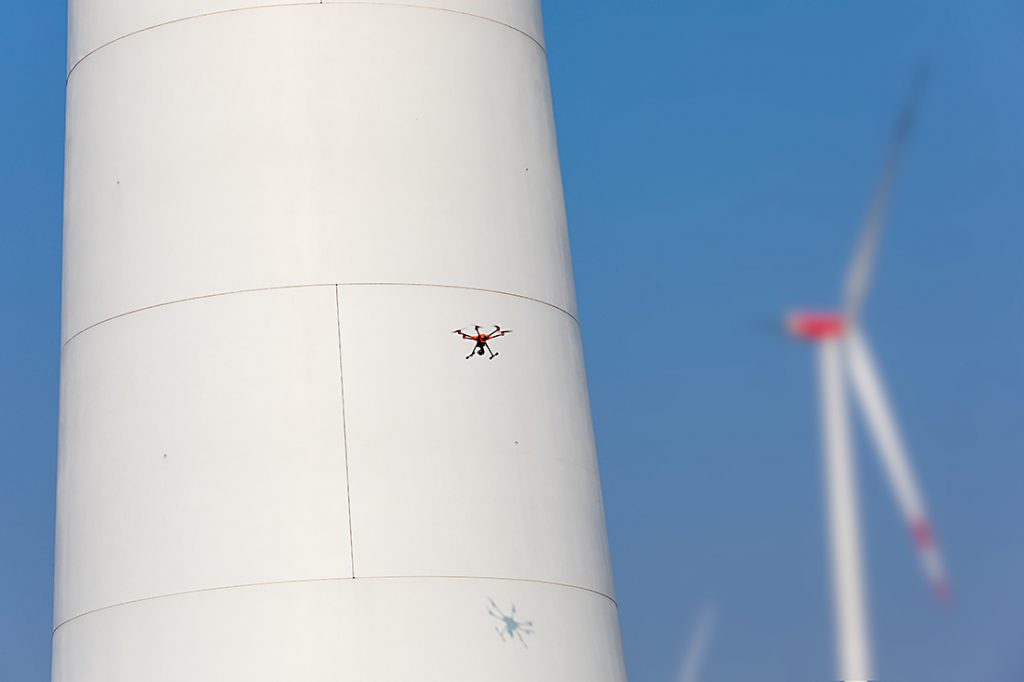
: In a pilot project, TÜV NORD is using drone support for the end-of-warranty inspection. (Courtesy: TÜV NORD)

In a pilot project for a European wind turbine manufacturer, TÜV NORD is using drone support for end-of-warranty inspection. The entire concrete tower is photographed by drone; experienced TÜV NORD experts later evaluate the images. In the medium term, an automated image recognition system is also to be used, which will pre-sort images with conspicuous features on the basis of extensive training data so that the experts can view and evaluate the images in an even more targeted manner.

“Initially small cracks and spalling can later lead to critical damage in the concrete structure. That is why it is important to assess any anomalies on the tower before the end of the warranty period so that they can be repaired,” said wind energy expert Michael Lange, who is responsible for remote inspection projects for renewable energies at TÜV NORD.

Using drones for this inspection simplifies image capture and also means greater occupational safety, as no additional skilled personnel with rope access technology have to be deployed, said Lange. “We are also working on a system that will allow the drone to fly autonomously up the tower, so that jobs can be completed in less time.”

“We use digital technologies such as drones or new software solutions to make services more efficient or safer. Pilot projects evaluate the benefits in practice,” said Alexander Ohff, TÜV NORD’s executive vice president of the renewables segment.

Using the drone-based inspection, 34 of the manufacturer’s wind turbines have already been assessed this year. The results have been validated. Now, the procedure is being extended to additional sites. Talks are under way with other manufacturers and wind farm operators.

MORE INFO  tuev-nord-group.com

Ireland wind project will require 30% fewer wind turbines

0
Codling Wind Park will require almost 30 percent fewer wind turbines than in the original proposal. (Courtesy: Codling Wind Park)

Ireland’s largest Phase One offshore wind project, Codling Wind Park, which will be located off the County Wicklow coast, will require almost 30% fewer wind turbines than originally proposed. The development will still generate enough renewable electricity to meet over 20% of Ireland’s 2030 offshore wind targets.

While the initial estimate for the number of turbines required had been put at a maximum of 140, the project team said that advances in wind turbine technology, combined with a more detailed understanding of the wind farm site, means a maximum of 100 turbines will now be required.

Poolbeg in Ringsend will be the location of the project’s electricity grid connection with 1,450MW – enough electricity to power up to 1.2 million Irish homes – confirmed as the maximum amount of electricity it will generate.

Codling Wind Park is a 50/50 joint venture between Fred. Olsen Seawind and EDF Renewables and will be located around 13 to 22 kilometers off the Co. Wicklow coast between Greystones and Wicklow Town.

Feedback gathered from the public as part of a January and February consultation process will feed into the ongoing development of the project, and updated proposals will be presented at a third phase of public consultation later this year.

“We have made significant progress since our first phase of public consultation in March 2021 and we are looking forward to updating people, in Wicklow and Poolbeg in particular, and receiving their thoughts and feedback on a range of topics, including the design of the project, the Environmental Impact Assessment we are working on, the best way we can deliver benefits to local communities through the Community Benefit Fund over the next 20 years and how best we can continue to engage with the fishing and sailing communities,” said co-project director Scott Sutherland.

When developed, Codling Wind Park will be Ireland’s largest offshore wind farm. The project is expected to create more than 1,000 jobs in the construction phase and 75 new, long-term jobs associated with its proposed Operations and Maintenance Base at Wicklow Port.

Subject to all necessary permits and consents being received, Codling Wind Park could begin construction in 2026, and is expected to take two to three years to complete.

MORE INFO  codlingwindpark.ie