The wind industry is one of the world’s most demanding industries with unique challenges for those involved with manufacturing and installing towers, monopiles and transition pieces.
However, there are common elements with many other end markets: heavy materials to lift from various angles, concern about equipment damage during handling, and a top focus on safe lifting and rigging operations.
As a leading manufacturer of rigging, lifting, and load securement hardware, The Crosby Group works to provide solutions that directly address these concerns of the wind industry. Their extensive portfolio for the renewables market includes a range of vertical and horizontal lifting clamps and pipe hooks specifically designed for the demands of wind-energy applications. A standout special feature of CrosbyIP-branded standard and custom clamps is the availability of minimal-marring camsegments and pivots, the clamping pieces of a clamp.
The Crosby Group’s extensive portfolio for the renewables market includes a range of vertical and horizontal lifting clamps. (Courtesy: The Crosby Group)
“When handling steel plates with lifting clamps, the clamping camsegment and pivot usually leave an indentation in the material surface — known as marring,” said Kees Gillesse, product marketing manager at The Crosby Group. “Because of the high standards in the wind-energy industry, these indentations have to be ground away from the surface. This rework costs time and money. By reducing the height of the teeth of the camsegment and pivot, the pitch between the teeth can be decreased and more teeth can be in contact with the material surface, reducing the depth of the indentations.”
CrosbyIP vertical lifting clamps feature welded alloy steel bodies to minimize size but increase strength. Alloy components are forged, where required. The lock open, lock close function has a latch for pretension and release of material. Each product has its own serial number and proof load test (to two times working load limit), date stamped on the body, and user manual with test certificate included with each clamp. Manufactured at an ISO 9001 certified facility, all sizes are also RFID equipped.
CrosbyIP is also known for the manufacture of special clamps where there might be a requirement beyond the capabilities of the standard range.
“The Crosby Group develops practical solutions for specific problems,” Gillesse said. “Our mission is to be the innovative and quality leader in the field of lifting clamps by manufacturing products of uncompromising quality and providing solutions for specific lifting situations. If our standard product range may not meet the client’s specific needs, CrosbyIP-branded lifting clamps can offer an extensive range of custom or bespoke options.”
A recent example of custom manufacturing is the 22.5-ton capacity special universal vertical clamp (model IPU10X3). The clamp, which was designed for a German wind-energy manufacturer, features an extra-wide camsegment and three pivots for less surface pressure to further reduce indentations. A deep jaw, meanwhile, allows for lifting beveled plates and constructions. Lifting brackets make positioning easy when the lifting clamp is in the horizontal position. The universal lifting eye permits lifting from every direction.
Another special product is the 6-ton capacity universal horizontal clamp (model IPHGUX1), which presents many of the same benefits to the end user and is ideal for rolling larger plates. This is a new high-tonnage addition to the universal horizontal lifting clamp range. Finally, the 70-ton capacity pipe hook (model IPPH) has been designed for 5,700 mm to 7,000 mm diameter pipe, up to a thickness of 100 mm. It features soft steel replaceable inserts and is equipped with 40-ton capacity G-2140 shackles. With both the universal horizontal clamp and pipe hook, other capacities and jaw-openings are available on request.
“A common problem is that most of the standard pipe hooks can damage the pipe surface when lifting,” Gillesse said. “A general solution is to have aluminum inserts to prevent marring of the surface of the pipe. However, with aluminum, there can be contamination with the steel of the pipe, compromising quality of the weld when welding pipe sections together. The replaceable inserts of the CrosbyIP pipe hook are made from soft steel to prevent such contamination and marring.”
With vertical and horizontal lifting clamps and pipe hooks developed and manufactured specifically for key manufacturers of towers, monopiles, and transition pieces, The Crosby Group is eager to help solve problems for the wind industry and contribute to its continued growth.
Green infrastructure developer Cerulean Winds has revealed an ambitious plan to accelerate decarbonization of oil and gas assets through an integrated 200-turbine floating wind and hydrogen development that would shift the dial on emissions targets and create significant jobs.
The £10 billion proposed green infrastructure plan would have the capacity to abate 20 million metric tons of CO2 through simultaneous North Sea projects West of Shetland and in the Central North Sea.
The venture is now calling on U.K. and Scottish governments to make an exceptional case to deliver an extraordinary outcome for the economy and the environment. A formal request for seabed leases has been submitted to Marine Scotland.
Cerulean Winds is led by serial entrepreneurs Dan Jackson and Mark Dixon, who have more than 25 years’ experience working together on large-scale offshore infrastructure developments in the oil and gas industry. They believe the risk of not moving quickly on basin wide decarbonization would wholly undermine the objectives set out in the recent North Sea Transition Deal.
“The U.K. is progressing the energy transition, but a sense of urgency and joined-up approach is required to enable rapid decarbonization of oil and gas assets or there is a risk of earlier decommissioning and significant job losses,” said Jackson, founding director of Cerulean Winds. “Emissions are quite rightly no longer acceptable, but with emissions penalties and taxes coming, the U.K. oil and gas industry’s role in homegrown energy security during the transition could be threatened unless current decarbonization efforts can be greatly speeded up. The consequences of not moving quickly enough will be catastrophic for the economy and the environment.”
The Cerulean leadership has Tier 1 contractors in place to deliver the UKCS backbone development and has engaged the financial markets for a fully funded infrastructure construct.
The proposed development involves:
• More than 200 of the largest floating turbines at sites West of Shetland and in the Central North Sea with 3 GW per hour of capacity, feeding power to the offshore facilities and excess 1.5 GW per hour power to onshore green hydrogen plants.
• Ability to electrify the majority of current UKCS assets as well as future production potential from 2024 to reduce emissions well ahead of abatement targets.
• 100 percent availability of green power to offshore platforms at a price below current gas turbine generation through a self-sustained scheme with no upfront cost to operators.
• The development of green hydrogen at scale and £1 billion hydrogen export potential.
• No subsidies or CFD requirements and hundreds of millions of pounds to government revenue via leases and taxation through to 2030.
Cerulean has undertaken the necessary infrastructure planning for the project to ensure the required level of project readiness, targeting financial close in Q1 2022. Construction would start soon after with energization beginning in 2024. An infrastructure project finance model, commonly used for major capital projects is being adopted.
Société Générale, one of the leading European financial services groups, is advising Cerulean Winds.
“The Cerulean UKCS decarbonization project has the potential to meet all of the basin’s transition needs by reducing oil and gas emissions as quickly as possible whilst also introducing large scale green energy,” said Allan Baker, Global Head of Power Advisory and Project Finance. “We are pleased to be supporting the leadership on what is a transformational proposition for the U.K.”
Corporate finance advisers to the energy industry Piper Sandler are also advising.
“The Piper Sandler investment bankers in the U.K. and in the U.S. have partnered with Cerulean’s leadership over the last year to develop the UKCS decarbonization model, and we are pleased that it is now at the regulatory approval stage,” said Tim Hoover, managing director, Project Finance Investment Banking at Piper Sandler. “It is a scheme that understands the needs and requirements of the financial markets to make it bankable.”
Cerulean estimates the current 160,000 oil and gas jobs can be safeguarded, and 200,000 new roles within the floating wind and hydrogen sectors will be created within the next five years.
“We have a transformative development that will give the U.K. the opportunity to rapidly decarbonize oil and gas assets, safeguard many thousands of jobs, and support a new green hydrogen supply chain,” Jackson said. “The decision to proceed with the scheme will ultimately rest with the Scottish government and Marine Scotland and their enthusiasm for a streamlined regulatory approach. The ask is simply that an exceptional decision is made for an extraordinary outcome. We are ready to deliver a self-sustained development that will decarbonize the UKCS and be the single biggest emissions abatement project to date.”
Pacific offshore wind development could bring up to 4.6 GW of clean energy to the grid, enough to power 1.6 million homes. (Courtesy: U.S. Department of the Interior)
Secretary of the Interior Deb Haaland, National Climate Adviser Gina McCarthy, Under Secretary of Defense for Policy Dr. Colin Kahl, and California Gov. Gavin Newsom recently announced an agreement to advance areas for offshore wind off the northern and central coasts of California.
This significant milestone is part of the Biden-Harris administration’s goal to create thousands of jobs through the deployment of 30 GW of offshore wind by 2030.
These initial areas for offshore wind development could bring up to 4.6 GW of clean energy to the grid, enough to power 1.6 million homes.
The Department of the Interior, in cooperation with the Department of Defense and the State of California, has identified an area (“the Morro Bay 399 Area“) that will support 3 GW of offshore wind on roughly 399 square miles off California’s central coast region, northwest of Morro Bay. The Department of the Interior is also advancing the Humboldt Call Area as a potential Wind Energy Area (WEA) off northern California. These identified areas will enable the build out of a significant new domestic clean-energy resource over the next decade or more.
“I believe that a clean-energy future is within our grasp in the United States, but it will take all of us and the best-available science to make it happen. (This) announcement reflects months of active engagement and dedication between partners who are committed to advancing a clean energy future,” Haaland said. “The offshore wind industry has the potential to create tens of thousands of good-paying union jobs across the nation, while combating the negative effects of climate change. Interior is proud to be part of an all-of-government approach toward the Biden-Harris administration’s ambitious renewable energy goals.”
The announcement comes after years of collaboration between the departments of the Interior and Defense to find areas off the central coast of California that are compatible with the Department of Defense’s training and testing operations. The Bureau of Ocean Energy Management (BOEM) issued a Call for Information and Nominations for offshore wind on October 19, 2018, for three areas off the central and northern coasts, including Humboldt and Morro Bay.
The Department of Defense engages in significant testing, training, and operations off the coast of California that are essential to national security. The Department of the Interior acknowledges the critical nature of current and future military testing, training, and operations and acknowledges that ensuring the operational integrity thereof is a national security imperative. Interior’s Bureau of Ocean Energy Management will work with the Department of Defense to ensure long-term protection of military testing, training, and operations, while pursuing new domestic clean energy resources.
“Tacking the climate crisis is a national security imperative, and the Defense Department is proud to have played a role in this important effort,” Kahl said. “The Defense Department is committed to working across the U.S. government to find solutions that support renewable energy in a manner compatible with essential military operations. Throughout this effort, the Defense Department has worked tirelessly with the White House, the Department of the Interior, and the State of California to find solutions that enable offshore wind development, while ensuring long-term protection for testing, training, and operations critical to our military readiness. The Defense Department applauds this step and looks forward to continued coordination to address the climate crisis.”
In addition to contributing to the goals of the Biden-Harris administration, the development of offshore wind can help California reach its goal of carbon free energy by 2045, create good-paying, union jobs, and foster investments in coastal communities. Offshore wind resources are typically stronger and more consistent than land-based wind and is especially strong in the evening hours when solar production drops off, ensuring it can make an important contribution to California’s electric grid.
“Developing offshore wind to produce clean, renewable energy could be a game changer to achieving California’s clean energy goals and addressing climate change — all while bolstering the economy and creating new jobs,” Newsom said. “This historic announcement, which could provide clean power for up to 1.6 million homes over the next decade, represents the innovative approach we need for a clean energy economy that protects the coasts, fisheries, marine life, and Tribal and cultural resources we value so much as Californians.”
BOEM, in partnership with California, will hold an Intergovernmental Renewable Energy Task Force meeting June 24 to discuss the identified areas off the north and central coasts as potential WEAs. Following the task force meeting, the WEAs can be finalized and will undergo environmental analysis; BOEM will also undertake government-to-government tribal consultation. The processes for the northern and central coasts will then be merged in a Proposed Sale Notice (PSN) for one lease sale auction, targeted for mid-2022.
ACP recently announced guests scheduled to address attendees at the 2021 CLEANPOWER Virtual event. Speakers include John Kerry, former Secretary of State and current Special Presidential Envoy for Climate; Gina McCarthy, White House National Climate Adviser and former head of the Environmental Protection Agency under the Obama administration; Sen. Joni Ernst (R-Iowa); Richard Glick, chairman of the Federal Energy Regulatory Commission; and Andrew Steer, president and CEO of the Bezos Earth Fund.
John Kerry, Special Presidential Envoy for Climate
John Kerry was sworn in this past January as our nation’s first Special Presidential Envoy for Climate and the first-ever principal to sit on the National Security Council entirely dedicated to climate change. President Joe Biden announced Kerry would have a seat at every table around the world as he combats the climate crisis to meet the existential threat that we face. Kerry has been advocating action on climate change for decades at state and federal levels. He has a real understanding of the science of climate change and a grasp of the economic costs and benefits of moving to clean energy.
Gina McCarthy, White House National Climate Adviser
Gina McCarthy was also sworn in earlier this year as the White House National Climate Adviser, where she advises President Biden on domestic climate change policy and leads the White House Office of Domestic Climate Policy. The former EPA administrator and member of President Obama’s cabinet has served as a career public servant in both Democratic and Republican administrations. She has been a leading advocate for common sense strategies to protect public health and the environment for more than 30 years, working at both the state and local levels on critical environmental issues and helped coordinate policies on economic growth, energy, transportation, and the environment.
Sen. Joni Ernst (R-Iowa)
Sen. Joni Ernst has dedicated her life to her state and country, having served in the military for more than 23 years and now in the U.S. Senate. Ernst was elected as the first woman to serve in federal elected office from Iowa and also became the first female combat veteran elected to serve in the Senate. In Washington, Ernst serves on four Senate committees of major importance to Iowans: Armed Services; Agriculture, Nutrition, and Forestry; Environment and Public Works; and Small Business and Entrepreneurship.
Richard Glick, FERC Chairman
In January, President Biden named Richard Glick as chair of the Federal Energy Regulatory Commission (FERC), an independent U.S. agency that regulates the interstate transmission of electricity, natural gas, and oil. Glick, a former government affairs director for Avangrid Renewables and Iberdrola and general counsel for the Democrats on the Senate Energy and Natural Resources Committee, previously served as a FERC Commissioner nominated by President Trump in August 2017 and confirmed by the Senate later that year. He also worked as an adviser to Bill Richardson when Richardson was serving as U.S. Secretary of Energy during Bill Clinton’s presidency.
Andrew Steer, President and CEO, Bezos Earth Fund
In March, Jeff Bezos announced Andrew Steer would lead the Bezos Earth Fund as president and CEO. Steer has decades of experience in environmental and climate science, as well as economic and social policy in the U.S., Europe, Asia, and Africa. Prior to the Bezos Earth Fund, he was president and CEO of World Resources Institute (WRI), where he led more than 1,400 experts working to alleviate poverty while protecting the natural world. He joined WRI from the World Bank, where he served as Special Envoy for Climate Change from 2010 to 2012. From 2007 to 2010, he served as director general at the U.K. Department of International Development (DFID) in London.
Registration is open for both the CLEANPOWER Virtual in June and CLEANPOWER Salt Lake City on December 7-8.
Vineyard Wind, a joint venture between Avangrid Renewables, a subsidiary of AVANGRID, Inc., and Copenhagen Infrastructure Partners, received the Record of Decision (ROD) from the U.S. Department of the Interior Bureau of Ocean Energy Management (BOEM), the final major step in the federal review process for the first commercial scale offshore wind farm in the United States.
“Today’s Record of Decision is not about the start of a single project, but the launch of a new industry,” said Vineyard Wind CEO Lars T. Pedersen. “Receiving this final major federal approval means the jobs, economic benefits, and clean-energy revolution associated with the Vineyard Wind 1 project can finally come to fruition. It’s been a long road to get to this point, but ultimately, we are reaching the end of this process with the strongest possible project. I want to thank the Biden Administration, Secretaries Haaland and Raimondo, and BOEM for their efforts in finalizing the review of this project. I also want to thank Governor (Charlie) Baker, the Massachusetts federal delegation and State Legislature for their steadfast commitment to seeing this endeavor through to today. And of course, I want to extend my sincerest appreciation to all our supporters and stakeholders for all of their work, input, and dedication. We could not have reached this milestone without you.”
“We are very excited and proud to be part of the birth of an incredibly important new industry the U.S. Offshore wind is a key part of America’s clean energy future, and Vineyard Wind 1 is a major step forward to the clean and connected future we envision and work toward every day,” said AVANGRID CEO Dennis V. Arriola. “We appreciate the thorough review by BOEM as well as the considerable input from stakeholders. The broad engagement from many parties throughout this process has improved the project and positioned both Vineyard Wind 1 and the broader offshore wind industry for long-term success.”
“We are very proud to have been part of developing this landmark project,” said Christian T. Skakkebæk, a senior partner and co-founder of CIP. “Vineyard Wind 1 is slated to become one of the world’s largest offshore wind projects, creating significant investments and good paying jobs in the U.S. For many years we have been actively engaged in the development of the U.S. offshore wind market, and we are confident that Vineyard Wind will pave the way for a successful and growing wind industry in the country. This market will play an important role for CIP’s renewable investments for years to come, and we look forward to being an integral part in the transition to green energy in the U.S.”
“Massachusetts should be proud that this decision launches the nation’s first commercial-scale offshore wind project here on the Commonwealth’s shores,” said Gov. Charlie Baker. “This groundbreaking project will produce affordable, renewable energy, create jobs, and prove Massachusetts developed a successful model for developing offshore wind energy. We appreciate the federal government’s partnership to grant this approval and look forward to working with Vineyard Wind to create thousands of jobs and set the Commonwealth on a path to achieve Net Zero emissions.”
“Today’s approval of the Vineyard Wind offshore project is a key step toward achieving the Biden Administration’s goal of bringing 30 GW of offshore wind online by 2030, and GE is excited to support that goal by providing our Haliade-X turbines, the most powerful offshore wind turbine built to date, for this project,” said John Lavelle, president and CEO, Offshore Wind at GE Renewable Energy. “Today’s decision is one more reason to be optimistic about the potential of offshore wind in the US, an abundant source of clean, renewable energy that can help coastal communities address the threat of climate change and accelerate the energy transition.”
Since 2017, the Vineyard Wind 1 project has been through an unprecedented and exhaustive public review process that generated more than 30,000 public comments, more than 90 percent of which supported the project. The Construction and Operations Plan (COP) was reviewed by more than two dozen federal, state, and local agencies over the course of more than three and a half years.
The project design includes the world’s most powerful wind turbine, the GE Haliade-X, with a capacity of 13 MW. The larger turbine capacity has allowed the project to reduce the total number of turbines from 108 to 62 while still delivering a total capacity of 800 MW to Massachusetts ratepayers. The turbine layout, which features consistent spacing of one nautical mile between turbines, was endorsed by the United States Coast Guard for transit, fishing, and navigational safety.
“With this record of decision on Vineyard Wind on the books, the era of American offshore wind is no longer on the horizon — it’s here, now, off the coast of Massachusetts, and the answer to America’s energy future is blowing in the offshore wind,” said U.S. Sen. Edward Markey. “Vineyard Wind will be the first of many offshore wind projects to come, and we can use our Bay State know-how to show the rest of the country how to get steel in the water, zero-emission energy on the grid, and union jobs to American workers. I applaud Vineyard Wind, Massachusetts stakeholders, and the Biden administration for moving forward with this project and following through on their commitment to jobs, climate, and American innovation.”
“Today’s Record of Decision for Vineyard Wind is great news for Massachusetts and our country,” said U.S. Sen. Elizabeth Warren. “The Vineyard Wind project will generate clean energy for Massachusetts families and businesses, create thousands of good jobs, and is a bold step forward toward fighting the climate crisis. I will keep working with the Biden Administration, my delegation colleagues, local stakeholders, and Vineyard Wind to move this project forward and help make Massachusetts a leader in our clean energy future.”
In response to comments and direct engagement with neighboring communities, environmental organizations and advocates, fisheries organizations, and governmental and tribal entities, the project has incorporated significant mitigation measures, including:
Historic Protections for the North Atlantic Right Whale (NARW)
Commitment to invest millions of dollars to develop and deploy innovative technologies and undertake scientific research to further safeguard marine mammals. Last year, Vineyard Wind partnered with Greentown Labs to work with the startup community to innovative technologies to the forefront. To learn more about that initiative, click here.
Institute comprehensive monitoring protocols to ensure that construction doesn’t take place when NARWs are near the lease area. The project will use acoustic monitoring technology throughout construction including in transit corridors and will employ trained protective species observers to spot NARW visually during transits and foundation installation.
Deploy industry leading technology to dampen construction noise during installation in order to protect the NARW and all marine species.
Substantial Fisheries Investment and Mitigation Funding
Agreements with the states of Massachusetts and Rhode Island to provide millions to compensate fishermen for potential loss of revenue and gear and to enhance their ability to fish in and around the lease area.
Commitment to continue funding pre- and post-construction survey studies with both the University of Massachusetts Dartmouth School for Marine Science and Technology (SMAST) and the Massachusetts Lobstermen’s Association (MLA) to measure what impact, if any, the windfarm is having on the marine environment. To learn more about the fisheries studies, click here.
Cultural and Historical Protections
Project will use an aircraft detection lighting system (ALDS) to ensure that nighttime lights will only operate a few hours a year when aircrafts are present.
Turbines will be painted to reduce visual impacts to historical properties.
Funds will be allocated to conduct ethnographic studies for local Native American Tribes that will serve as the basis for submissions to the National Register of Historic Places to allow for greater recognition of tribal heritage sites.
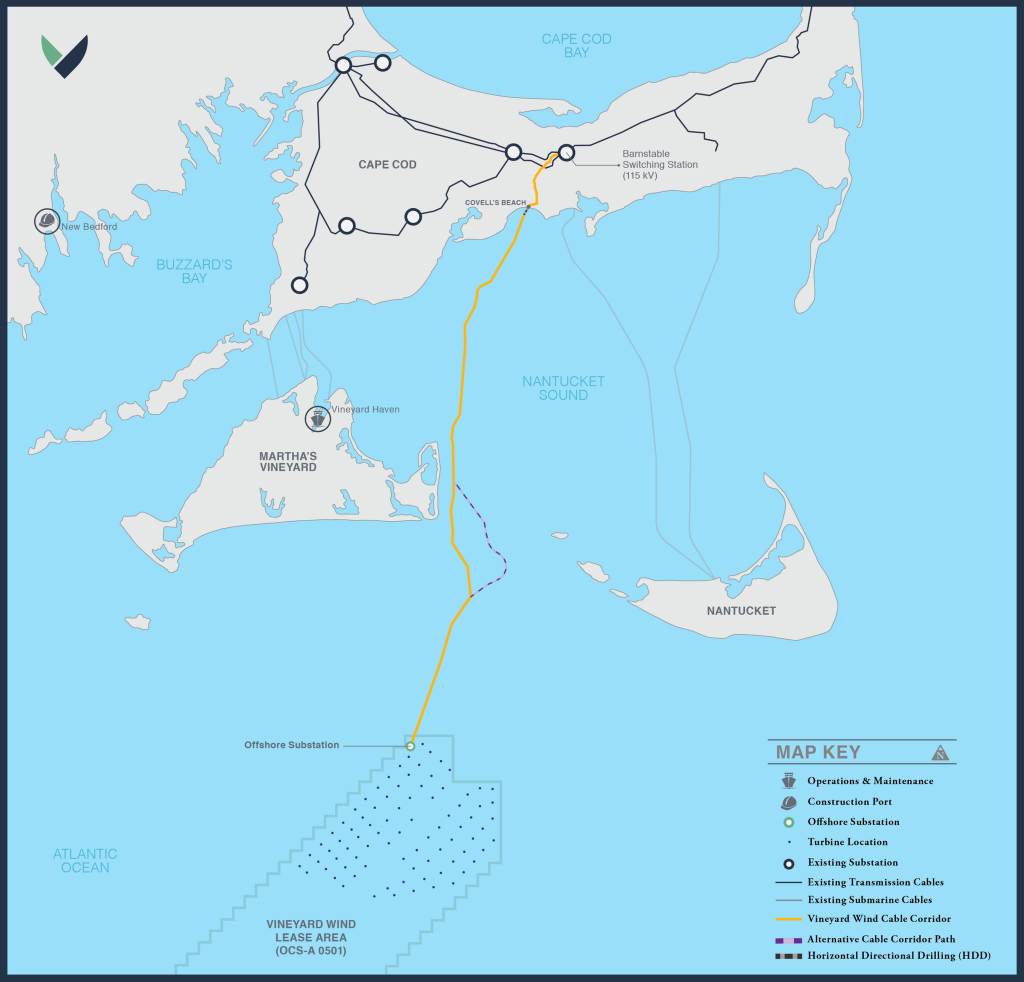
Vineyard Wind 1 is an 800 MW project 15 miles off the coast of Martha’s Vineyard and will be the first commercial scale offshore wind project in the United States. The project will generate electricity for more than 400,000 homes and businesses in the Commonwealth of Massachusetts, create 3,600 full-time equivalent (FTE) job years over the life of the project, save ratepayers $1.4 billion over the first 20 years of operation and is expected to reduce carbon emissions by more than 1.6 million tons per year.
Vineyard Wind will reach financial close in the second half of 2021 and begin delivering clean energy to Massachusetts in 2023.
The Targale project is in Ventspils municipality in western Latvia, and will be powered by 14 V136-4.2 MW turbines. (Courtesy: Vestas)
Marking its entrance into the Latvian wind market, Vestas has secured a 59-MW order at the Targale wind project from a special purpose company majority owned by Utilitas, the Estonian utility provider.
The Targale project is in Ventspils municipality in western Latvia, and will be powered by 14 V136-4.2 MW turbines at a hub height of 82 meters.
With only 65 MW of wind capacity installed in Latvia, this project is due to nearly double the total installed capacity in the country, as Latvia makes progress toward its target to procure 50 percent of energy from renewable energy sources by 2030. To support the country’s wind-energy ambitions, Vestas opened its first office in Latvia in April 2021.
Vestas will supply and install turbines and will provide service for the project through a long-term 20-year Active Output Management 5000 (AOM 5000) service agreement, providing power performance certainty and Vestas’ industry-leading service expertise throughout the lifetime of the project.
“Our first project with Utilitas also marks Vestas’ arrival in Latvia,” said Nils de Baar, president of Vestas Northern & Central Europe. “We are positive about Latvia as a market and are delighted to be selected to provide turbines and long-term service at the Targale project. This project can be a bellwether for the Latvian wind industry, as the country advances its strong performance on clean energy toward 50 percent renewable energy penetration by 2030.”
“We are delighted to partner with Vestas, the largest manufacturer of wind-turbine generators, to build the wind park Targale together,” said Rene Tammist, development manager at Utilitas. “The explicit technological innovations in terms of efficient and environmentally friendly energy production that Vestas provide will contribute greatly to the renewable energy sector in Latvia. I am convinced that their presence in the Baltics will even more support the wind-energy development in the region.”
Turbine delivery to the Targale project will begin in the second quarter of 2022, and commissioning will begin in the third quarter of the same year.
To seal Vestas’ entry into Latvia and to service new wind projects such as Targale, plans are also underway to establish a local Vestas service hub in Latvia in 2022, near Ventspils port.
WindESCo’s proprietary algorithms have outpaced many challengers in the market. (Courtesy: WindESCo)
WindESCo, a pioneer in innovative renewable energy optimization technologies, has confirmed a benchmark increase in assets under management through the first 90 days of 2021.
The partnerships comprise an increase of more than 50 percent against the closing months of 2020, with locations in North America, Asia Pacific, Europe, the Middle East, and Africa.
The milestone marks a significant evolution in the continuing maturation of the wind industry, as investors seek to improve their revenue and bolster balance sheets through a rigorous understanding of their annual energy production. Growth occurred primarily in the North American market, along with the opening of new customer opportunities in both Europe and India.
“Investors in the wind market are facing new challenges in terms of increasing revenue as the sector simultaneously grows more expensive, more populated, and more complex,” said Blair Heavey, CEO of WindESCo. “In a climate of uncertainty, we are proving ourselves as a trusted partner, driving beyond top-line data monitoring to suggest improvements, affect change, and deliver real value for customers.”
WindESCo’s proprietary algorithms have outpaced many challengers in the market by identifying and resolving restrictions to output through leading-edge hardware and controller modifications, as well as measuring AEP improvements and delivering revenue gains within a full-service optimization offering.
The company’s first quarter performance echoes its key innovations in the market, using proprietary machine learning technology to enact real change and tangible gains for investors, with a mission to maximize the performance of wind-farm assets by ensuring every turbine achieves its optimum energy production and reliability.
Efficiency has emerged as a critical commercial advantage for wind-farm operators as the cost profile of the sector transforms. The increasing size of wind farms, and their component parts, has driven up overall costs in the last decade — a phenomenon compounded by the influx of larger entities into the market. Improved profitability through increased operational efficiency of existing assets is a natural counter to the potential decline in financial viability of new projects.
“Our software service is built on deep wind-turbine expertise and first-hand understanding of how complex wind dynamics, turbine controls, and wind loads impact revenue,” Heavey said. “Our ability to evidence these conditions with our proprietary algorithms and act on them to positive effect has been crucial to our industry credentials and growth and the success we have delivered for our customers. We’re incredibly proud to start 2021 at such a high point, delivering more real revenue value for our customers, and we look forward to continuing this trend throughout the year and beyond.”
WindESCo recently announced its approval from DNV for its Energy Improvement Analysis Method, marking a significant advancement in machine learning technologies for measuring performance change at wind plants. Using this measurement methodology, WindESCo’s services have demonstrated returns of up to seven times the investment. Furthermore, operators generally realize payback from WindESCo’s services within 12 months.
WindESCo was also selected from a field of more than 150 entrepreneurs to participate in the 26th Annual Innovation Growth Forum (IGF) sponsored by the U.S. Department of Energy’s National Renewable Energy Laboratory (NREL), which took place April 21-22. It is one of the nation’s premier events for clean-tech entrepreneurs and other industry experts, wherein a final shortlist of 40 of the world’s most promising start-up companies, elected through an extensive selection process, present their innovations to potential investors and industry experts. More than 600 clean-tech investors, entrepreneurs, and industry representatives attended this year’s IGF.
RealWear’s assisted reality device supports safe, hands-free work for front-line jobs in manufacturing, oil and gas, healthcare, utilities, and other industries. (Courtesy: Imint)IMINT Image Intelligence AB, a global leader in video enhancement software, recently announced collaboration with RealWear Inc., the world’s leading developer of industrial-grade assisted-reality connected devices for industrial applications.
Under the agreement, Imint’s pioneering Vidhance software is integrated into RealWear’s flagship HMT-1 voice-controlled device — delivering the industry’s clearest, most stable video performance to frontline workers who need hands-free access for visual communications and information.
Already a pioneer in the mobile industry, partnering with blue-chip brands such as Xiaomi, Vivo, and Motorola, among many others, this collaboration marks Imint’s debut into the head-mounted display and enterprise wearable markets — which, like smartphones, stand to benefit significantly from professional-quality video performance.
“RealWear’s hands-free platform is the gold standard for industrial wearables and is an ideal application for Imint’s industry-leading video optimization software — which has already proven essential in today’s leading smartphones and other mobile devices,” said Andreas Lifvendahl, CEO, Imint. “Imint’s Vidhance video enhancement software, together with RealWear’s advanced technology, ensures optimal video performance for both recording procedures and real-time viewing by a remote expert.”
RealWear’s assisted reality device supports safe, hands-free work for front-line jobs in manufacturing, oil and gas, healthcare, utilities, and other industries. In light of the ongoing COVID-19 pandemic, organizations are seeking solutions to give remote experts access to onsite frontline workers. The HMT-1 voice-enabled solution gives workers real-time access to documents, workflows, visual data, and remote experts while on the job.
Remote mentoring on RealWear’s assisted reality, hands-free platform has gone global in large part due to the pandemic, leveraging certified voice-enabled apps such as Microsoft Teams, Cisco WebEx Expert on Demand, Zoom, or other purpose-built software. The HMT-1 allows remote technicians to “see” what frontline workers see while maintaining a safe distance during the pandemic or by bringing their expertise to bear without incurring travel costs. However, doing so effectively requires stable, high-quality video processing.
To achieve this, RealWear is leveraging Imint’s Vidhance video optimization software, which is included in Release 12 of the HMT firmware update, which became available March 2021. Specifically, RealWear Release 12 will incorporate Imint’s Vidhance Video Stabilization and Vidhance Dynamic Blur Reduction, two technologies that intelligently compensate for camera movement to deliver the most stable video possible, especially in low-light environments.
“A superior video experience on the HMT-1 has always been critical to performing mission-critical tasks while using both hands on the job,” said Dr. Chris Parkinson, chief technology officer. “By integrating Vidhance into our firmware, it’s helping take remote mentor to the next level. Through our early access program, we’ve already received very positive feedback about the stable video experience.”
The cumulative effect of Imint’s Vidhance software algorithms on the HMT platform is video that is significantly more stable, balanced, and clear — ensuring professionals receiving a feed from an HMT headset have the highest-quality picture possible of the situation and can take decisive action.
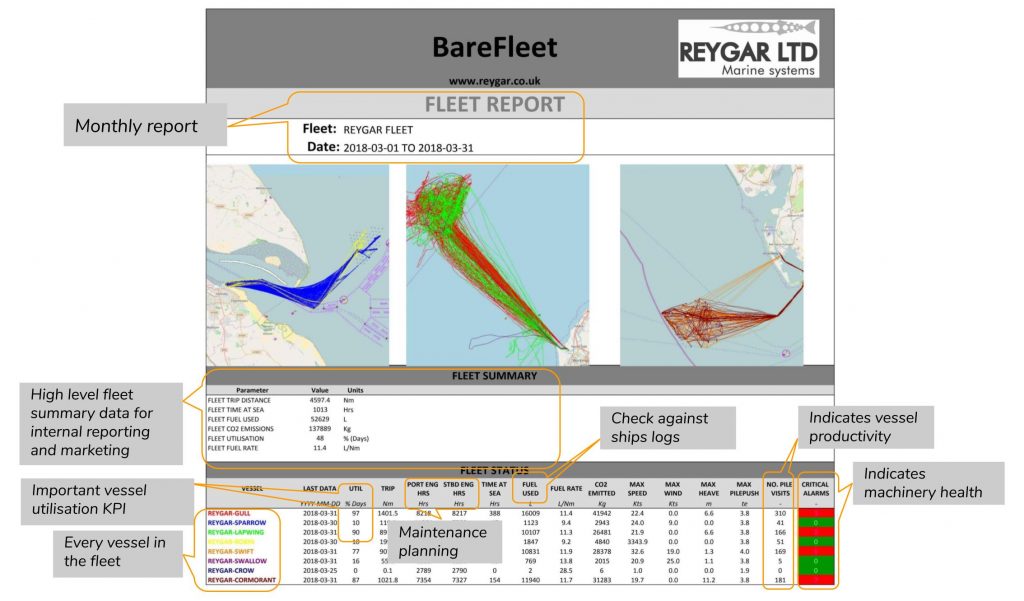
The BareFLEET system monitors vessel health, navigational, and performance data from across any vessel or critical equipment type. As well as informing accurate daily reporting and baseline comparisons, it provides the data for a “deep dive” into values such as motion, fuel use, and engine health in order to inform operational improvements where relevant.
As offshore wind expands in the U.S., local commercial vessel and workboat operators looking to become leaders in the emerging offshore support market must respond to the demands of project owners whose standards and ways of working have been established in the mature European sector.
That is according to Reygar Ltd, the firm behind the innovative advanced remote monitoring platform, BareFLEET, which is seeing growing demand from U.S. vessel operators.
Across Europe and, increasingly, Asia-Pacific, offshore wind project owners focused on maximizing the availability and, therefore, profitability of their assets are mandating for advanced remote monitoring and reporting technologies across both their direct operations via their operations and maintenance providers, but also their operator’s support fleet. As these mature project owners begin to establish interests stateside, it is clear that digitalized O&M will be a requirement of firms looking to determine their place in the burgeoning U.S. offshore support market, too.
Fortunately, many firms working across the U.S. workboat and commercial vessel sector are already beginning to invest in cost-effective monitoring platforms integrated into their existing vessel systems. Harbor tug, ferry, and pilot boat operators in particular are looking to these systems to cut downtime via real time data-informed planned maintenance across their varied fleets, allowing them to guarantee a continued high quality of service to existing clients.
“Forward thinking commercial vessel operators are already working to secure their place in the U.S. offshore market, but to become sector leaders they must be able to capitalize on what we already know from firms operating globally: that a willingness to be transparent with vessel health, performance, and safety data is critical to winning contracts,” said Chris Huxley-Reynard, managing director of BareFLEET. “In order to prepare for entry to this emerging market, we have begun working with a number of commercial vessel operators to deploy the BareFLEET monitoring and reporting system across their diverse vessels and onboard systems. As BareFLEET is technology agnostic, it can be integrated into each vessel firm’s preferred fleet and business management system, preventative maintenance system, and supplementary data analysis platform. This reduces administrative workload ahead of the businesses scaling up.”
The BareFLEET system monitors vessel health, navigational, and performance data from across any vessel or critical equipment type. As well as informing accurate daily reporting and baseline comparisons, it provides the data for a “deep dive” into values such as motion, fuel use, and engine health in order to inform operational improvements where relevant.
“Over the past few years, BareFLEET has been mandated by a number of global offshore wind project owners as the ‘must have’ system for their contractors,” Huxley-Reynard said. “We have worked hard to ensure that this does not present a challenge for operators, but is instead an opportunity for them to achieve goals such as environmental compliance, optimized crew comfort, and reduced emissions and fuel use — all while freeing up the time and resource for the crew and O&M team to do what they do best — guarantee excellent, consistent service to their customers.”
Walmart recently announced in a collaboration with ENGIE North America, more than 500 MW of new renewable energy generation capacity now operational across three separate wind projects.
Together, these projects are expected to supply renewable energy annually to hundreds of stores, clubs, and distribution centers across Texas, South Dakota, and Oklahoma. This is enough renewable electricity to power more than 240,000 average American homes for an entire year.
According to the American Clean Power Association, as a result of these transactions, Walmart procured the most wind energy of any company in the U.S. in 2019.
This collaboration will allow Walmart to purchase offsite power from three separate wind farms in Texas, Oklahoma, and South Dakota. Together, these facilities are expected to help avoid as much as 1.3 million metric tons CO2 of greenhouse gas emissions per year.
But beyond being better for the planet, these facilities also provide more direct benefits to communities by creating local opportunity. They support employment ecosystems all their own. According to ENGIE North America, the three projects supplied 1,000 construction jobs at their peak and are expected to deliver more than $400 million in landowner lease payments, taxes, wages, and commitments over the life of the project.
The partnership highlights how Walmart’s investments in infrastructure, paired with innovative thinking, are creating change for people and the environment in ways that will benefit the communities Walmart serves, its associates, and customers for years to come.
Bringing this amount of renewable energy online represents an important leap forward in Walmart’s renewable energy journey, reinforcing its broader mission to spark collective climate action and drive environmental sustainability.
But it still stands as part of the bigger picture toward reaching the company’s goal of becoming a regenerative company.
It’s not just wind energy that’s helping Walmart fulfill its renewable ambitions. The sun is playing its part, too. According to the Solar Energy Industries Association, in 2019, Walmart added the most solar of any company in the U.S., increasing its solar use by more than 35 percent. This growth in solar was driven by several large offsite solar projects added to Walmart’s history of using solar at its facilities. And according to the EPA Green Power Partnership Top 30 Retail Ranking, Walmart was the top retailer in terms of annual green power usage in the U.S. in 2020.
These recent strides have moved Walmart closer to meeting its goals. In 2020, renewable sources supplied an estimated 36 percent of its electricity needs globally. To date, Walmart’s actions will have helped to bring more than 3 GW of new renewable energy capacity to power grids since 2008. As of the end of 2020, Walmart had more than 550 onsite and offsite projects in operation or under development in eight countries, 30 states, and Puerto Rico.
Last year, the renewable energy supplied by Walmart’s projects globally grew to more than 4 billion kWh.
Beyond efforts to scale renewable energy for Walmart’s own operations, the company is encouraging its suppliers to act in theirs through Project Gigaton, an initiative to avoid a gigaton of greenhouse gas emissions from the global supply chain by 2030. In September 2020, in collaboration with Schneider Electric, Walmart launched Gigaton PPA™ to help engage its suppliers in accessing renewable energy purchases and accelerating greater renewable energy adoption.
Securing innovative, scaled energy transactions is another step toward Walmart’s goal of being powered by 100 percent renewable energy by 2035 and achieving zero emissions across its operations by 2040.
The Glass Sands Wind Facility is Southern Power’s 15th wind project. (Courtesy: Southern Company)
Southern Power, a leading U.S. wholesale energy provider and subsidiary of Southern Company, recently announced the acquisition of its 15th wind project — the 118-MW Glass Sands Wind Facility — from Steelhead Americas, Vestas’ development arm in North America.
“We are proud to announce this new addition to our generation portfolio,” said Southern Power President Bill Grantham. “Glass Sands is a great project for Southern Power as we continue to provide clean, renewable energy resources to meet the needs of our customers.”
The project, in Murray County, Oklahoma, is Southern Power’s fifth wind facility in the state and contributes to the company’s growing fleet of clean-energy resources from California to Maine. Glass Sands was developed by Steelhead Americas and is expected to use 28 wind turbines manufactured by Vestas. Construction, executed by Mortensen, is underway, and the project is expected to achieve commercial operation in the fourth quarter of this year.
Once operational, the electricity and associated renewable-energy credits generated by the facility will be sold under a power purchase agreement with Amazon.
With the addition of Glass Sands, Southern Power’s wind portfolio consists of more than 2,533 MW of wind generation. Southern Power’s wind facilities are a part of the company’s 4,928-MW renewable fleet, which consists of 43 solar and wind facilities operating or under construction.
This project aligns with Southern Power’s overall business strategy of strengthening its wholesale business by acquiring and developing generating assets that are covered by long-term contracts with counterparties with strong credit support.
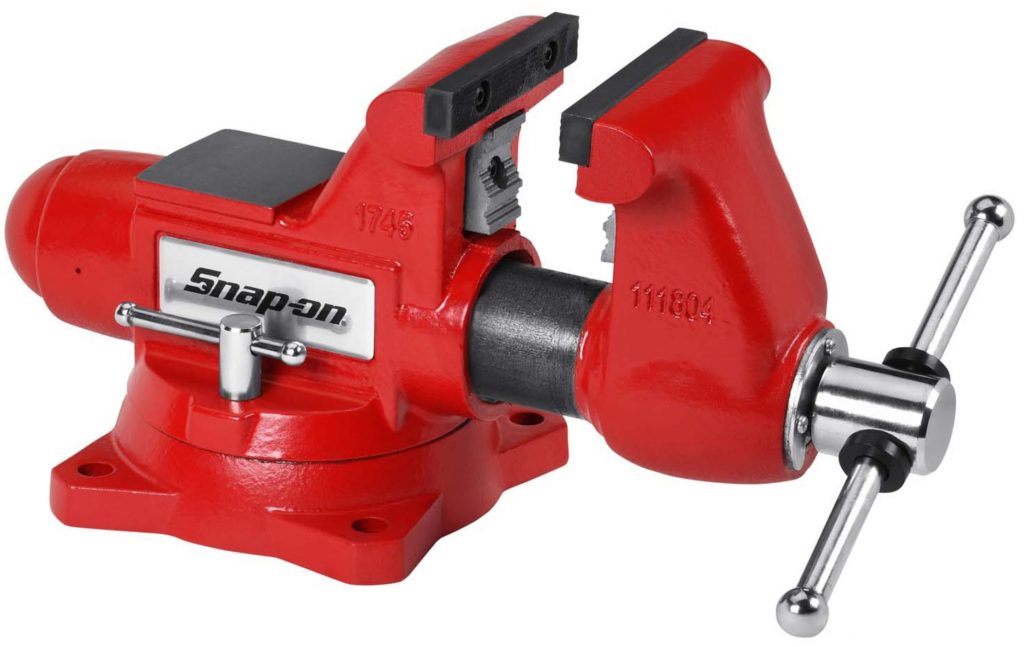
The Snap-on WV1700 series vises come with features that make them durable for demanding applications, including an oversized anvil that provides a larger surface designed to take a beating in forming and shaping materials.
With four different jaw-size widths, the new WV1700 series vises from Snap-on Industrial are a perfect addition to any work bench in the aviation, wind power, natural resources, or manufacturing industries.
The WV1700 series vises come with features that make them durable for demanding applications, including an oversized anvil that provides a larger surface designed to take a beating in forming and shaping materials.
Built from 60,000 PSI ductile iron castings, the vise is virtually indestructible and is also backed by a lifetime warranty. It comes with a fully sealed 1-piece spindle-nut assembly that keeps lubricants in and contaminants out for smooth operation. The precision-machined slide bar eliminates “side-play” movement, regardless of the opened distance. The vise’s serrated pipe jaws are made from machined steel and come with black phosphate coating for extended life. The 360-degree swivel base has double lockdowns for easy and secure access while in use.
As electrification specialists, Nexans enables the offshore wind industry to electrify the future by harnessing the power of wind. (Courtesy: Nexans)
Nexans has signed a preferred supplier agreement (PSA) with Empire Offshore Wind LLC to electrify the future of New York State by connecting the Empire Wind offshore projects to the onshore grid.
The turnkey projects cover the full design and manufacturing, as well as the laying and protection of more than 300 kilometers of export cables that will deliver renewable energy to more than 1 million homes.
Empire Wind is being developed by Equinor and BP through their 50/50 strategic partnership in the U.S. Empire Wind is planned for an area of 80,000 acres, in federal waters, an average of 33 kilometers south of Long Island, east of the Rockaways.
Two cable systems will connect the offshore substation for Empire Wind 1 to landfall and substation in Brooklyn, New York. In contrast, Empire Wind 2 will link to Long Island by three parallel cables.
“We are excited to be a trusted, long-term supplier on the development of the Empire Wind projects and to participate in placing New York State on the way toward reaching 70 percent of its electricity needs from renewable sources by 2030,” said Christopher Guérin, CEO of Nexans. “This partnership demonstrates the value of our unique end-to-end model and supports our investments in U.S. offshore wind and the new state of the art Aurora cable-laying vessel. Nexans is engaged in ‘Electrifying the Future’ and supporting all our stakeholders on the path to greener energy.”
Nexans is leading the charge to the new world of electrification — safer, sustainable, renewable, decarbonized, and accessible to everyone. As electrification specialists, Nexans enables the offshore wind industry to electrify the future by harnessing the power of wind.
Ardian Infrastructure has set out to implement a future-proof end-to-end renewable energy monitoring online platform.
Ardian, a world leading investor in renewable energy, has partnered with leading software-as-a-service firms Greenbyte and Pexapark on a major upgrade to its digital asset management systems for its 3.5-GW-plus renewable energy portfolio.
Working directly with the teams at Greenbyte — a software platform designed to optimize renewable energy production across global portfolios — and Pexapark — a business that sets out to evolve the “operating system” for post-subsidy renewable energy management — Ardian Infrastructure has set out to implement a future-proof end-to-end renewable energy monitoring online platform that will help it and the management teams of its renewable platforms to create additional value and monitor technical and market risks in tandem.
These risk management goals are growing in significance and urgency for investors and operators as the renewables sector worldwide transitions into a new phase of operation; 10 years ago, most projects benefited from long-term subsidies. Today, the removal of subsidies across many markets means asset revenues and price risk must be actively managed through power purchase agreements (PPAs) and other revenue hedging mechanisms.
“Increasing exposure to the volatility of the ‘merchant’ power market is driving a fundamental shift in the way we look at and manage our portfolio for our investors,” said Mathias Burghardt, Head of Ardian Infrastructure. “On the one hand, we need to place greater emphasis on optimizing production to extract as many megawatt hours of clean power as possible from our assets. On the other, we must build our energy sales and risk management best-in-class expertise to control and hedge our financial exposure and stay on top of market dynamics to capture the best windows of opportunity.”
As Ardian continues to expand its renewables portfolio across Europe, the U.S., and Latin America, seeking further investment opportunities in its core markets while considering their transition out of subsidies, Ardian Infrastructure with its digital and data science team has taken a pioneering approach to digitizing its operating models.
By integrating Greenbyte’s asset monitoring and management platform, the Ardian Infrastructure team aims at being able to oversee and benchmark technical performance across its portfolio, covering three markets in Europe, five markets in the U.S., and two in Latin America.
“Full transparency on asset performance is a hugely powerful tool, and Greenbyte gives Ardian and its management teams a means of creating accountability, not only with its own investors, but also with regional operations & maintenance (O&M) teams and original equipment manufacturers (OEMs),” said Jonas Corné, CEO, Greenbyte. “This data will help Ardian incentivize performance and value creation activities across the portfolio, as well as hold other parties to account during contractual negotiations.”
For the European portfolio, production data from Greenbyte feeds directly into Pexapark’s “operating system” of energy revenue and risk management tools, which provide a comprehensive and transparent view on the realized market value of Ardian’s renewables assets in Europe, while constantly assessing the long-term value, risk and performance of the entire portfolio, and energy contracts.
This powerful combination of technical, revenue, and energy risk data is already enabling Ardian Infrastructure to undertake important portfolio-wide analysis, including a target of “revenue-based availability” calculations that can be used to optimize and schedule maintenance programs for periods of low production and low prices. In the longer-term, it will help the team to build a renewables portfolio that is optimized to manage the full range of market risks in the “new world” of renewable energy operation.
“Ardian Infrastructure’s pioneering approach to building its arsenal of digital tools for post-subsidy energy sales and risk management is quickly setting it apart in the market,” said Luca Pedretti, COO, Pexapark. “The Ardian team shows that, with the right ‘operating system’ in place, nimble renewable energy funds can reimagine their models to rival even the traditional utilities who benefit from decades of energy trading expertise.”
Located 15 miles off the coast of Martha’s Vineyard, Vineyard Wind 1 is slated to become the first large-scale offshore wind farm in the United States. (Courtesy: Vineyard Wind)
Vineyard Wind, a joint venture between Avangrid Renewables and Copenhagen Infrastructure Partners (CIP), recently announced DEME Offshore US LLC will serve as its contractor for the offshore transport and installation of the wind-turbine generators for its Vineyard Wind 1 project, the first large scale offshore wind installation in the United States.
DEME Offshore US LLC is teaming up with FOSS Maritime Company LLC, a US maritime service contractor that provides union jobs for its employees. FOSS will provide the Jones Act compliant feeder vessels, a concept by which the wind turbines will be transported from the port of New Bedford to the specialized DEME Offshore US LLC installation jack-up vessel. The DEME Offshore US LLC office in Massachusetts will be the base of operations for activities for the Vineyard Wind project.
“We’re very excited to make this announcement … not only because it’s an important step in the development of our first project but also because of the impact it will have on the U.S. workforce,” said Vineyard Wind CEO Lars T. Pedersen. “The offshore wind industry has tremendous potential to create good paying jobs and investment opportunities while also reducing carbon pollution. By working with companies like DEME Offshore US LLC and FOSS Maritime, we can ensure that US labor is gaining from the experience of well-established operators, so that the industry can take proper root and grow a fully American workforce.”
“DEME Offshore US LLC is proud to work together with Vineyard Wind on the start of a new era in the U.S. offshore wind market,” said Jan Klaassen, Director DEME Offshore US LLC. “The partnership of DEME Offshore US and FOSS Maritime brings our expertise about offshore wind and U.S.-related activities together, which is the cornerstone of a successful solution. Our method is Jones Act compliant, driven by high-tech engineering, patented solutions, and special adaptions to both companies’ vessels for this project. The deployment of the U.S. feeder concept by the DEME Offshore US/FOSS Maritime Team will create a great opportunity for U.S. mariners to get familiar with the offshore wind industry.”
“Beginning in 1889, we have provided our fleet of highly capable tugs, deck cargo barges, marine engineering staff, experienced project managers, and highly trained mariners to work on complex marine projects in harsh environments,” said Will Roberts, president of Foss Maritime. “We appreciate the opportunity to work closely with DEME Offshore US LLC in support of the Vineyard Wind project.”
“This announcement is great news for our region and, in particular, for the hard-working men and women in the maritime trades,” said Gerard Dhooge of the Seafarers International Union and president of the Boston & New England Maritime Trades Council, AFL-CIO. “We have a once-in-a-generation opportunity to create a new industry that will help middle-class families and those trying to make it to the middle class. With partners like Vineyard Wind, DEME Offshore US, and FOSS Maritime partnering with organized labor, we can and will create a more prosperous future for people in the New Bedford region and throughout Massachusetts.”
Located 15 miles off the coast of Martha’s Vineyard, Vineyard Wind 1 is slated to become the first large-scale offshore wind farm in the United States. With a generating capacity of 800 MW, the project will provide significant benefits to the Commonwealth of Massachusetts by providing clean electricity to power more than 400,000 homes, creating thousands of good paying jobs, and reducing electricity rates by $1.4 billion over the first 20 years of operation. The project is also expected to reduce carbon dioxide emissions by 1.68 million metric tons annually, the equivalent of taking 325,000 cars off the road each year.
Vineyard Wind is expected to reach financial close in the second half of 2021 and begin delivering clean energy to Massachusetts in 2023.
(Courtesy: U.S. DOE’s Wind Technologies Market 2018 report
The Biden administration has set a U.S. target of 30 GW of offshore wind by 2030 and aims to complete environmental reviews of at least 16 offshore wind projects by 2025 in a major set of policies and pledges announced by the White House March 29.
The offshore wind target is more ambitious than the target of 30 GW by 2035 set by the U.S. wind industry. President Joe Biden wants to create a new clean-energy economy, and the new measures will accelerate the transition to large-scale offshore wind projects and help to create thousands of jobs on the East and West coasts.
U.S. offshore wind capacity lags far behind Europe, but project development is booming. Congress recently agreed to a new 30-percent investment tax credit (ITC) for offshore wind farms, providing greater certainty for investors. Earlier, the U.S. Bureau of Ocean Energy Management (BOEM) completed its final environmental impact statement (EIS) for Vineyard Wind, the U.S.’s first large-scale offshore wind project.
U.S. offshore developers have warned of a growing queue for environmental approvals at BOEM, a division of the Department of Interior (DOI). The Biden administration has already issued an executive order for faster approvals, and BOEM now plans to complete the reviews of “at least 16 construction and operations plans (COPs) by 2025, representing more than 19 GW,” the White House said.
BOEM will also “advance new lease sales” and has created a new offshore wind development area in the New York-New Jersey Bight, a shallow water area between Long Island and New Jersey, it said. Following a public consultation, BOEM will tender for leases in the Bight in “late 2021 or early 2022,” it said.
Offshore wind developers, component suppliers, and transmission builders will also gain access to $3 billion of loan guarantees to help scale up capacity, after the Department of Energy (DOE) reopened its Loan Programs Office in March, the administration said. Power industry figures have urged East Coast U.S. states to set plans for onshore and offshore grid networks to accommodate waves of offshore wind build. The Biden administration will also offer $230 million of federal funding to port authorities to support offshore wind infrastructure.
By 2030, the U.S. offshore wind industry could employ 44,000 workers directly and support 33,000 additional jobs, the White House said.
Today, the White House convened leaders from across the administration to announce a set of bold actions that will catalyze offshore wind energy, strengthen the domestic supply chain, and create good-paying, union jobs.
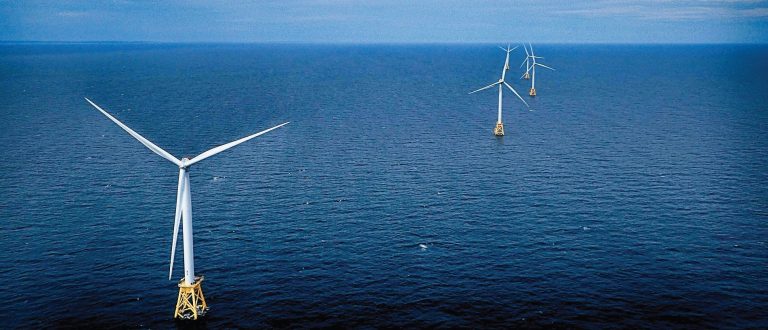
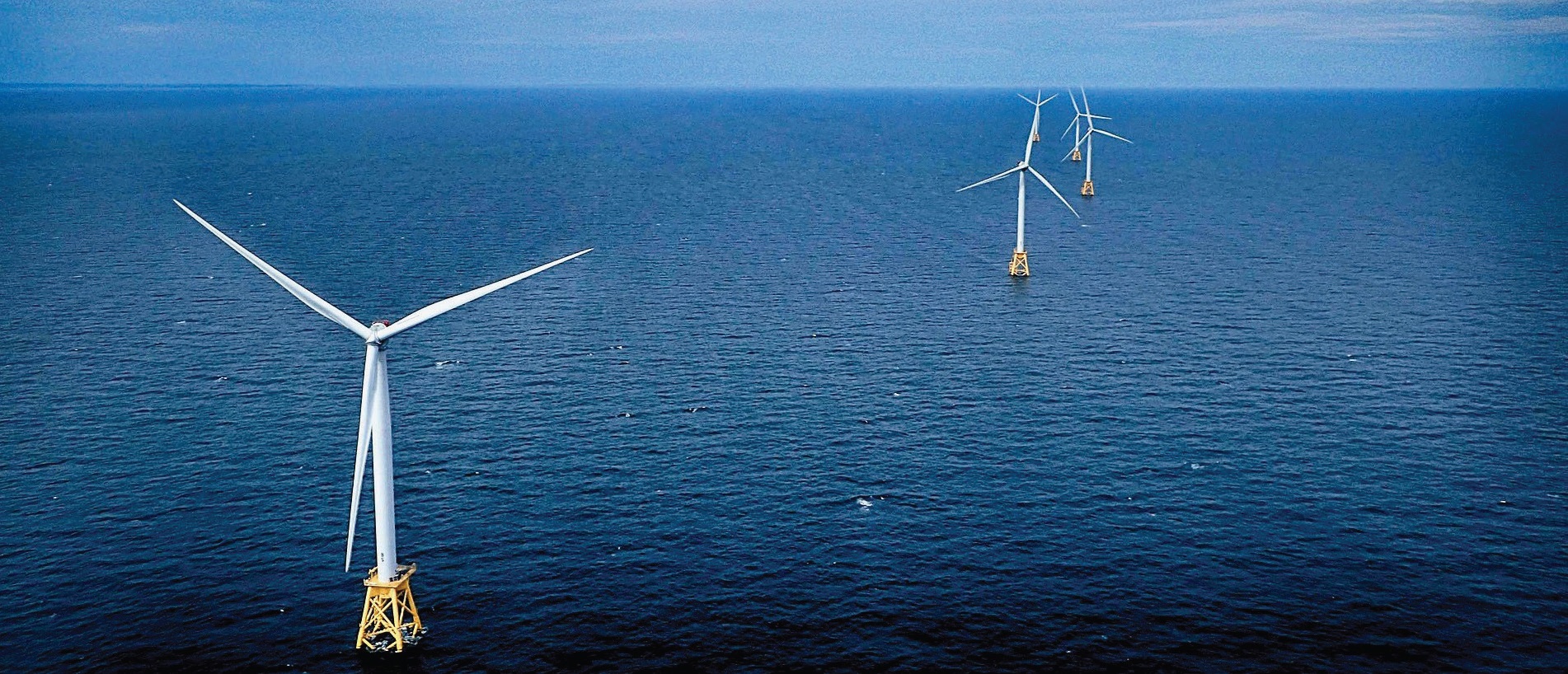
Block Island Wind Farm in Rhode Island, home of the first commercial offshore wind turbines built in the U.S.
National Climate Adviser Gina McCarthy, Interior Secretary Deb Haaland, Energy Secretary Jennifer Granholm, Commerce Secretary Gina Raimondo, and Transportation Secretary Pete Buttigieg met with state officials, industry executives, and labor leaders to announce new leasing, funding, and goals that employ President Joe Biden’s whole-of-government approach, position America to lead a clean-energy revolution, and create thousands of jobs across the country with the choice to join a union.
In his first week in office, President Biden issued an executive order that calls on the nation to build a new American infrastructure and clean-energy economy that will create millions of new jobs. In particular, the president’s order committed to expand opportunities for the offshore wind industry. The president recognizes that a thriving offshore wind industry will drive new jobs and economic opportunity up and down the Atlantic Coast, in the Gulf of Mexico, and in Pacific waters. The industry will also spawn new supply chains that stretch into America’s heartland, as illustrated by the 10,000 tons of domestic steel that workers in Alabama and West Virginia are supplying to a Texas shipyard where Dominion Energy is building the Nation’s first Jones Act compliant wind-turbine installation vessel.
Federal leadership, in close coordination with states and in partnership with the private sector, unions, and other key stakeholders, is needed to catalyze the deployment of offshore wind at scale.
The administration is taking coordinated steps to support rapid offshore wind deployment and job creation:
Advance ambitious wind-energy projects to create good-paying, union jobs.
Investing in American infrastructure to strengthen the domestic supply chain and deploy offshore wind energy.
Supporting critical research and development and data-sharing.
Announcing a new wind-energy area
The Interior Department’s Bureau of Ocean Energy Management (BOEM) is announcing a new priority wind-energy area in the New York Bight — an area of shallow waters between Long Island and the New Jersey coast — that a recent study from Wood Mackenzie shows can support up to 25,000 development and construction jobs from 2022 to 2030, as well as an additional 7,000 jobs in communities supported by this development. The study indicates the New York Bight lease area also has the potential to support up to 4,000 operations and maintenance jobs annually and approximately 2,000 community jobs in the following years. This new wind-energy area is adjacent to the greater metropolitan Tri-State area — the largest metropolitan population center in the United States that is home to more than 20 million people and their energy needs. The next step is for BOEM to publish a proposed sale notice, followed by a formal public comment period and a lease sale in late 2021 or early 2022.
Establishing a target of employing thousands of workers to deploy 30 GW of offshore wind by 2030
The Departments of Interior (DOI), Energy (DOE), and Commerce (DOC) are announcing a shared goal to deploy 30 GW of offshore wind in the United States by 2030, while protecting biodiversity and promoting ocean co-use. Meeting this target will trigger more than $12 billion per year in capital investment in projects on both U.S. coasts, create tens of thousands of good-paying, union jobs, with more than 44,000 workers employed in offshore wind by 2030 and nearly 33,000 additional jobs in communities supported by offshore wind activity. It will also generate enough power to meet the demand of more than 10 million American homes for a year, and avoid 78 million metric tons of CO2 emissions.
DOI action to unlock deployment potential
To position the domestic offshore wind industry to meet the 2030 target, DOI’s Bureau of Ocean Energy Management (BOEM) plans to advance new lease sales and complete review of at least 16 construction and operations plans (COPs) by 2025, representing more than 19 GW of new clean energy for our nation.
Massive supply chain benefits of deploying offshore wind energy at scale
Meeting the 2030 target will catalyze significant supply chain benefits, including new port upgrade investments totaling more than $500 million; one to two new U.S. factories for each major wind-farm component including wind-turbine nacelles, blades, towers, foundations, and subsea cables; additional cumulative demand of more than 7 million tons of steel — equivalent to four years of output for a typical U.S. steel mill; and the construction of four to six specialized turbine installation vessels in U.S. shipyards, each representing an investment between $250 million and $500 million.
2050 implications of meeting the 2030 goal
Achieving this target also will unlock a pathway to 110 GW by 2050, generating 77,000 offshore wind jobs and more than 57,000 additional jobs in communities supported by offshore wind activity — all while creating further economic opportunity and ensuring future generations have access to clean air and abundant renewable power.
Advancing critical permitting milestones for the Ocean Wind offshore wind project
BOEM is announcing a notice of intent (NOI) to prepare an environmental impact statement (EIS) for Ocean Wind, putting it in line to become America’s third commercial scale offshore wind project. Ocean Wind has proposed an offshore wind project with a total capacity of 1,100 megawatts (MW) — enough to power 500,000 homes across New Jersey. BOEM previously announced environmental reviews for Vineyard Wind (Massachusetts) and South Fork (Rhode Island), and anticipates initiating the environmental reviews for up to 10 additional projects later this year.
Investing in port infrastructure to support offshore wind
The U.S. Department of Transportation’s (DOT) Maritime Administration announced a Notice of Funding Opportunity for port authorities and other applicants to apply for $230 million for port and intermodal infrastructure-related projects through the Port Infrastructure Development Program. Port infrastructure development grants support projects that strengthen and modernize port infrastructure and can support shore-side wind energy projects, such as storage areas, laydown areas, and docking of wind-energy vessels to load and move items to offshore wind farms. In addition to supporting the nation’s long-term economic vitality, DOT’s review process will consider how proposed projects can most effectively address climate change and environmental justice imperatives.
Access to $3 billion in debt capital to support offshore wind industry through DOE loan programs office
DOE’s loan programs office (LPO) released a fact sheet to facilitate access for the offshore wind industry for $3 billion in funding through LPO’s Title XVII Innovative Energy Loan Guarantee Program. The fact sheet signals that LPO is open for business and ready to partner with offshore wind and offshore transmission developers, suppliers, and other financing partners to scale the U.S. offshore industry and support well-paying jobs. To date, LPO has provided $1.6 billion in support of projects totaling about 1,000 MW of onshore wind.
Announcing offshore wind R&D funding through the National Offshore Wind R&D Consortium
The National Offshore Wind Research and Development Consortium (NOWRDC), created by the DOE and the New York State Energy Research and Development Authority (NYSERDA), is announcing the award of $8 million to 15 offshore wind research and development projects that were selected through a competitive process. The new projects will focus on offshore support structure innovation, supply chain development, electrical systems innovation, and mitigation of use conflicts that will help reduce barriers and costs for offshore wind deployment. The NOWRDC was established in 2018 with a $20.5 million DOE investment, matching funds from NYSERDA, and with follow-on contributions from state agencies in Maryland, Virginia, Massachusetts, and Maine — all resulting in a total investment of about $47 million.
Partnering with industry on data-sharing
The Department of Commerce’s National Oceanic and Atmospheric Administration (NOAA) is signing a memorandum of agreement with Ørsted, an offshore wind-development company, to share physical and biological data in Ørsted-leased waters subject to U.S. jurisdiction. This agreement is the first of its kind between an offshore wind developer and NOAA and paves the way for future data-sharing agreements that NOAA expects to enter into with other developers. NOAA anticipates that Ørsted’s and other companies’ data will fill gaps in ocean science areas — particularly in ocean mapping and observing — in service of NOAA’s mission to advance climate adaptation and mitigation, weather-readiness, healthy oceans, and resilient coastal communities and economies.
Studying offshore wind impacts
NOAA’s Northeast Sea Grant programs, in partnership with DOE, DOC, and NOAA’s Northeast Fisheries Science Center, is releasing a request for research proposals to support more than $1 million in grant funding to improve understanding of offshore renewable energy for the benefit of a diversity of stakeholders, including fishing and coastal communities. Grant funding will support objective community-based research in the Northeast to further understanding of the effects of offshore renewable energy on the ocean and local communities and economies as well as opportunities to optimize ocean co-use.
The American Clean Power Association (ACP) issued a statement after the Biden administration’s announcement, along with complementary initiatives to achieve the federal objective.
“This is an historic day for offshore wind energy in America,” said Heather Zichal, ACP CEO. “The Biden administration’s ambitious, but achievable, goal of 30 GW by 2030 sets the stage for a brand-new home-grown energy industry that will slash carbon emissions, create 83,000 American jobs, and add $25 billion in annual investments into our economy by the end of this decade. Creating a stable policy platform for offshore wind development and facilitating the first wave of significant projects will provide certainty for the industry, strengthen the workforce, and revolutionize domestic supply chains up and down the coasts and across the country. Now is the time to seize on this once-in-a-generation opportunity.”
The Crosby Group is established as a global lifting, rigging, material handling, and mooring hardware partner to the renewable energy sector. (Courtesy: The Crosby Group)
The Crosby Group is established as a global lifting, rigging, material handling, and mooring hardware partner to the renewable energy sector, and has one of the most extensive, global engineering teams in the industry.
Its product range combines to cover the entire wind-energy supply chain, including the plate clamps, pipe hooks, and shackles used during monopile fabrication, shackles for topside and subsea lifts, and load cells used for inspection of installed equipment.
One example of how The Crosby Group supports the offshore wind industry was recently demonstrated by an order for chain accessories from Crosby|Feubo. These were used for a floating offshore wind-turbine (FOWT) project from a European client.
The scope of work included the design, manufacturing, and testing of long-term mooring shackles. Driven by a project timeframe restriction from the client and given a three-month window of opportunity, the package was successfully delivered on-time and within initial budget. The Crosby Group’s experienced and skilled engineering team with more than three decades of experience with this application delivered the chain accessories, complete with extensive in-house machining and testing.
Also of note, The Crosby Group recently launched into the wind-energy market the HFL Kenter, a new high fatigue life shackle, under the Crosby|Feubo brand. The shackle showcases design improvements on the popular Crosby|Feubo NDur Link, an accessory used for temporary and mobile mooring applications such as rigging and anchoring offshore platforms or vessels. The product can connect to a variety of stud link anchor chain or other mooring accessories such as sockets and swivels.
“We recognize the importance of offshore wind in the renewable energy transition, and we are well positioned to support OEMs, contractors, and channel partners with our wide and deep portfolio of lifting, rigging, and mooring hardware and expertise through our marketing leading Crosby, Gunnebo Industries, Straightpoint, and Feubo brands,” said Richard Berg, business development manager at The Crosby Group.
Another example of how The Crosby Group recently supported the offshore wind industry is with the delivery of turnbuckles for a leading wind-turbine OEM to be used at Kriegers Flak wind farm outside of the coast of Denmark. Despite the tight delivery schedule, the company delivered 700 turnbuckles to be used together with wire slings to tighten both sides of tower sections, ensuring they don’t ovalize during transport and storage.
The Crosby Group also provides connectors for anchors, chains, wire rope, and synthetics as well as a variety of other components that are used in many applications by oil and gas and renewable energy professionals.
Another key focus area for the group is offering easy access to broad expertise and raising awareness of the importance of a well-trained workforce. Leveraging a worldwide network of 3,000-plus regional distributors, The Crosby Group supports end users through its breadth of product range, product availability close to the point of use, and a strategic commitment to vertically integrated manufacturing. Vertical integration provides complete control of the manufacturing process from raw material to finished goods to produce the highest quality hardware, further enabling safe and efficient lifting operations.
BareFLEET automatically monitors the health and performance of all critical equipment across each vessel. (Courtesy: Reygar)
EDF Renewables, a market-leading independent power producer, has selected Reygar Ltd., the leading provider of innovative remote monitoring and reporting platforms to the offshore wind industry, to power the establishment of a transparent, data-based approach to efficiency and safety across its operations. Reygar’s BareFLEET system has now been fully commissioned on an EDF-chartered crew transfer vessel (CTV) working across EDF’s European offshore wind portfolio.
In response to the uptick in demand for support vessels to service Europe’s flourishing offshore wind industry, forward-thinking project owners and vessel operators are increasingly committing to working together to ensure that no trip is wasted due to technician sickness or cut short due to mechanical failure. By deploying BareFLEET to collate in-depth health and performance data from across the vessel’s critical equipment, Reygar will provide the CTV operator and EDF with the insight they need to guarantee high levels of safety and vessel availability.
BareFLEET automatically monitors the health and performance of all critical equipment across each vessel, inclusive of engine health, fuel consumption, motion, and impact onto the turbine, transmitting this data to the shore team and relevant stakeholders via the cloud. The crew can also supplement BareFLEET’s digital reporting platform by manually inputting their observations in context, providing full visibility over activity on board the vessel and the factors that influence it.
“Comprehensive data monitoring and reporting has a fundamental role to play in limiting vessel down-time, guaranteeing the maintenance of safe, comfortable conditions for both crew and technicians, and supporting a mutually beneficial relationship between project owner and support vessel operator,” said Chris Huxley-Reynard, managing director, Reygar Ltd. “By commissioning Reygar, EDF has invested in guaranteeing that the technicians who work on their projects are fit to work on arrival while the CTV operator can deploy this data to ensure vessel availability is maximized, allowing them to take on as many projects as possible.”
“EDF is committed to deploying pioneering technology that will power Europe toward the achievement of its renewable energy goals; our partnership with Reygar is therefore a natural next step in that journey,” said James Wilson, area manager, EDF Renewables. “We will be working directly with Reygar to collate enhanced high-frequency motion data for our own in-depth analysis, with the aim of increasing our understanding of how motion affects crew and technician comfort.”
ONYX InSight, a leading provider of data analytics and engineering expertise to the global wind industry, has cemented its presence in the Asia-Pacific (APAC) region, following the demonstrable success of its Brisbane office after its first year of operations.
Joining offices in Chennai and Seoul, Brisbane marks the third regional hub for APAC, serving as a base to deliver its flexible, full-service offer in support of the growing wind-energy industry across Australia and New Zealand.
With OEMs accounting for almost half of the service market in Australia and New Zealand, demand is high for independent service providers (ISPs) that can bring a tech-agnostic approach to data analytics in order to drive greater turbine performance and increased returns on investment.
Recognizing this challenge, ONYX InSight has developed significant partnerships in the Australia/New Zealand region, resulting in a 15 percent market share for software and 10 percent share for hardware, through the successful installation of its pioneering advanced sensing technology, ecoCMS, and roll out of its condition monitoring software platform fleetMONITOR, complete with user-training. This has been bolstered with 4G communications for the simplification of data transfer, enabling greater access to a broader turbine network.
The consolidation of advanced data sensing technology and monitoring software has been instrumental in identifying machinery faults sooner, leading to improved predictive maintenance plans. With longer lead times of six to 12 months to plan for repairs, owners and operators are better placed to optimize maintenance strategies and streamline procurement.
“We are proud to be supporting the increased share of renewables within the APAC energy mix, in line with the climate change targets,” said Ashley Crowther, Global VP, ONYX InSight. “Our physical presence in Australia over the last year has already made a significant impact in our ability to support our local partners, enabling us to provide on the ground support and training in-line with our advanced monitoring services.”
“With our current monitoring capacity upwards of 370 MW across Australia and New Zealand growing, we are continuing to support asset owners to better manage their projects through the modernization of equipment in order to extract better quality data,” he said. “Joining up the dots between the existing and improved data with the latest in predictive analytics software will enable owners and operators to get ahead of machinery failures to ensure that fleets continue to operate at peak efficiency and profitability.”



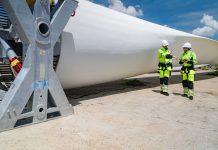



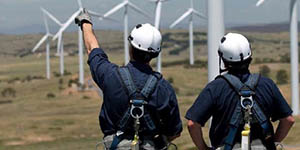
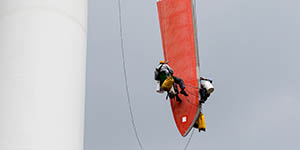
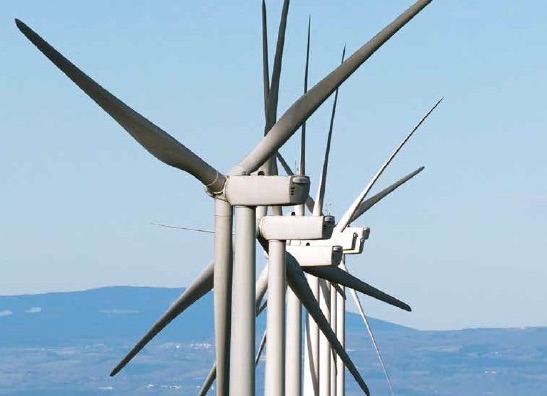
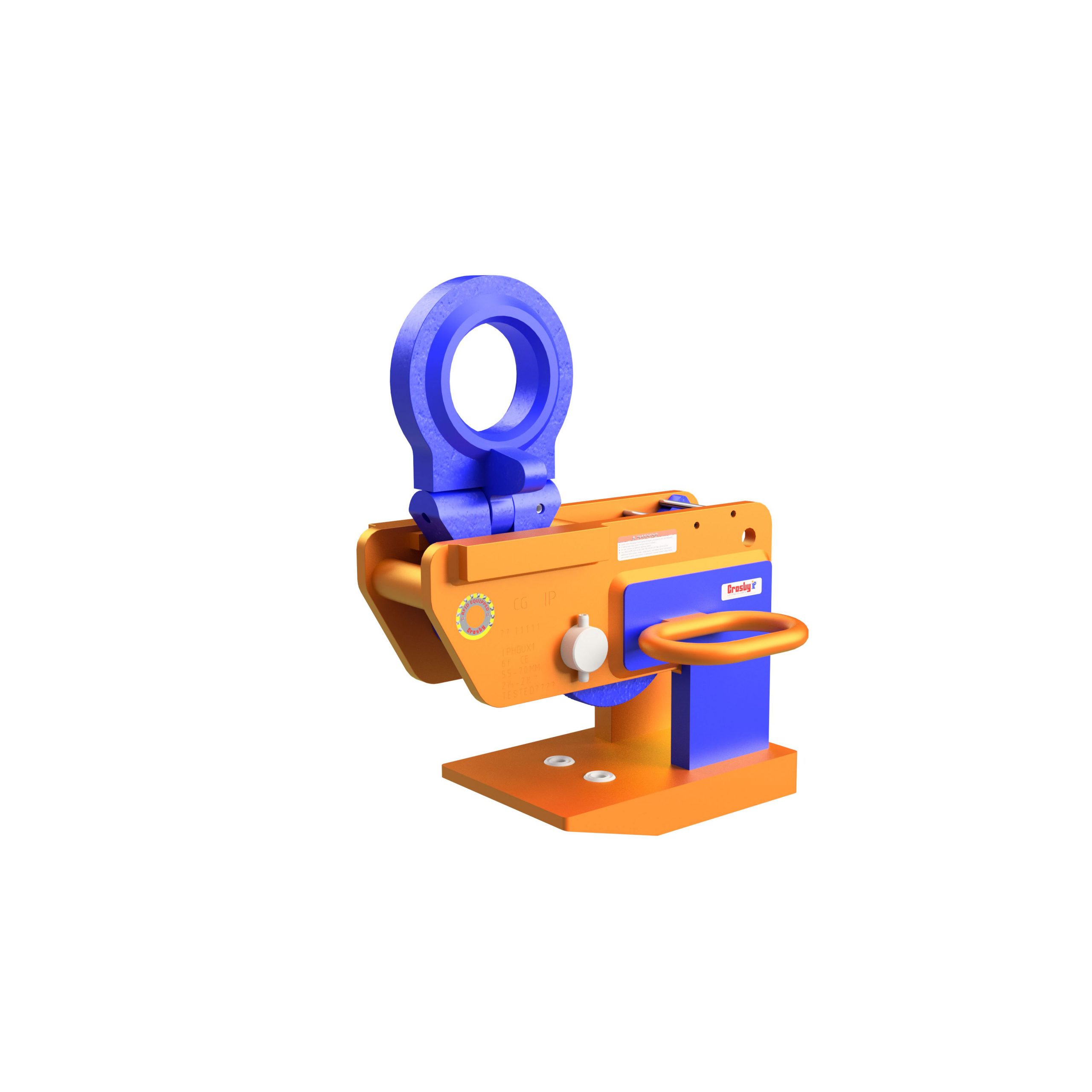
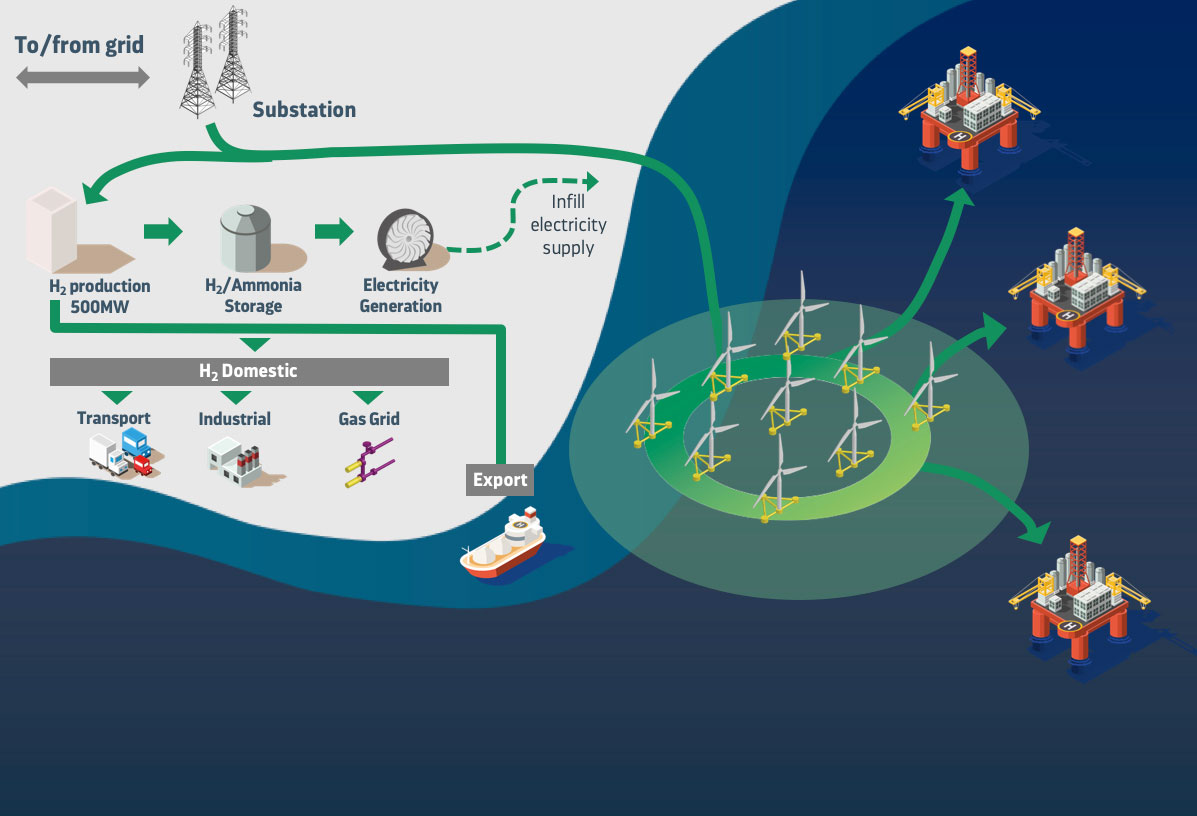 Cerulean Winds is led by serial entrepreneurs Dan Jackson and Mark Dixon, who have more than 25 years’ experience working together on large-scale offshore infrastructure developments in the oil and gas industry. They believe the risk of not moving quickly on basin wide decarbonization would wholly undermine the objectives set out in the recent North Sea Transition Deal.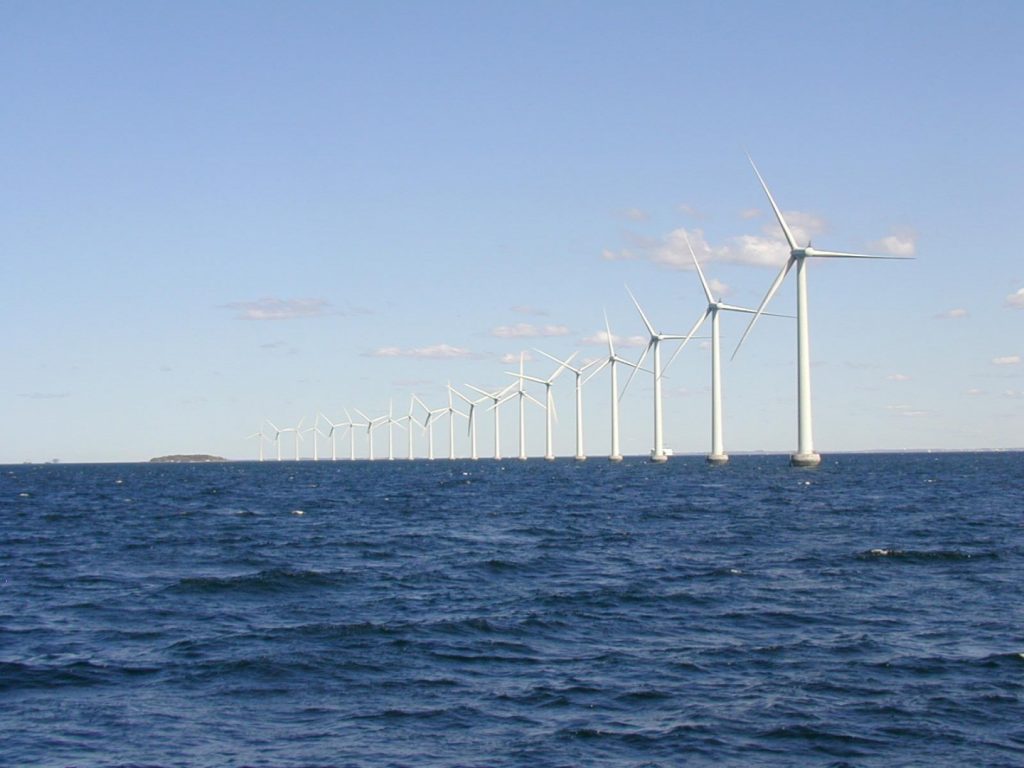
 ACP recently announced guests scheduled to address attendees at the 2021 CLEANPOWER Virtual event. Speakers include John Kerry, former Secretary of State and current Special Presidential Envoy for Climate; Gina McCarthy, White House National Climate Adviser and former head of the Environmental Protection Agency under the Obama administration; Sen. Joni Ernst (R-Iowa); Richard Glick, chairman of the Federal Energy Regulatory Commission; and Andrew Steer, president and CEO of the Bezos Earth Fund.
 John Kerry was sworn in this past January as our nation’s first Special Presidential Envoy for Climate and the first-ever principal to sit on the National Security Council entirely dedicated to climate change. President Joe Biden announced Kerry would have a seat at every table around the world as he combats the climate crisis to meet the existential threat that we face. Kerry has been advocating action on climate change for decades at state and federal levels. He has a real understanding of the science of climate change and a grasp of the economic costs and benefits of moving to clean energy.
 Gina McCarthy was also sworn in earlier this year as the White House National Climate Adviser, where she advises President Biden on domestic climate change policy and leads the White House Office of Domestic Climate Policy. The former EPA administrator and member of President Obama’s cabinet has served as a career public servant in both Democratic and Republican administrations. She has been a leading advocate for common sense strategies to protect public health and the environment for more than 30 years, working at both the state and local levels on critical environmental issues and helped coordinate policies on economic growth, energy, transportation, and the environment.
 Sen. Joni Ernst has dedicated her life to her state and country, having served in the military for more than 23 years and now in the U.S. Senate. Ernst was elected as the first woman to serve in federal elected office from Iowa and also became the first female combat veteran elected to serve in the Senate. In Washington, Ernst serves on four Senate committees of major importance to Iowans: Armed Services; Agriculture, Nutrition, and Forestry; Environment and Public Works; and Small Business and Entrepreneurship.
 In January, President Biden named Richard Glick as chair of the Federal Energy Regulatory Commission (FERC), an independent U.S. agency that regulates the interstate transmission of electricity, natural gas, and oil. Glick, a former government affairs director for Avangrid Renewables and Iberdrola and general counsel for the Democrats on the Senate Energy and Natural Resources Committee, previously served as a FERC Commissioner nominated by President Trump in August 2017 and confirmed by the Senate later that year. He also worked as an adviser to Bill Richardson when Richardson was serving as U.S. Secretary of Energy during Bill Clinton’s presidency.
 In March, Jeff Bezos announced Andrew Steer would lead the Bezos Earth Fund as president and CEO. Steer has decades of experience in environmental and climate science, as well as economic and social policy in the U.S., Europe, Asia, and Africa. Prior to the Bezos Earth Fund, he was president and CEO of World Resources Institute (WRI), where he led more than 1,400 experts working to alleviate poverty while protecting the natural world. He joined WRI from the World Bank, where he served as Special Envoy for Climate Change from 2010 to 2012. From 2007 to 2010, he served as director general at the U.K. Department of International Development (DFID) in London.
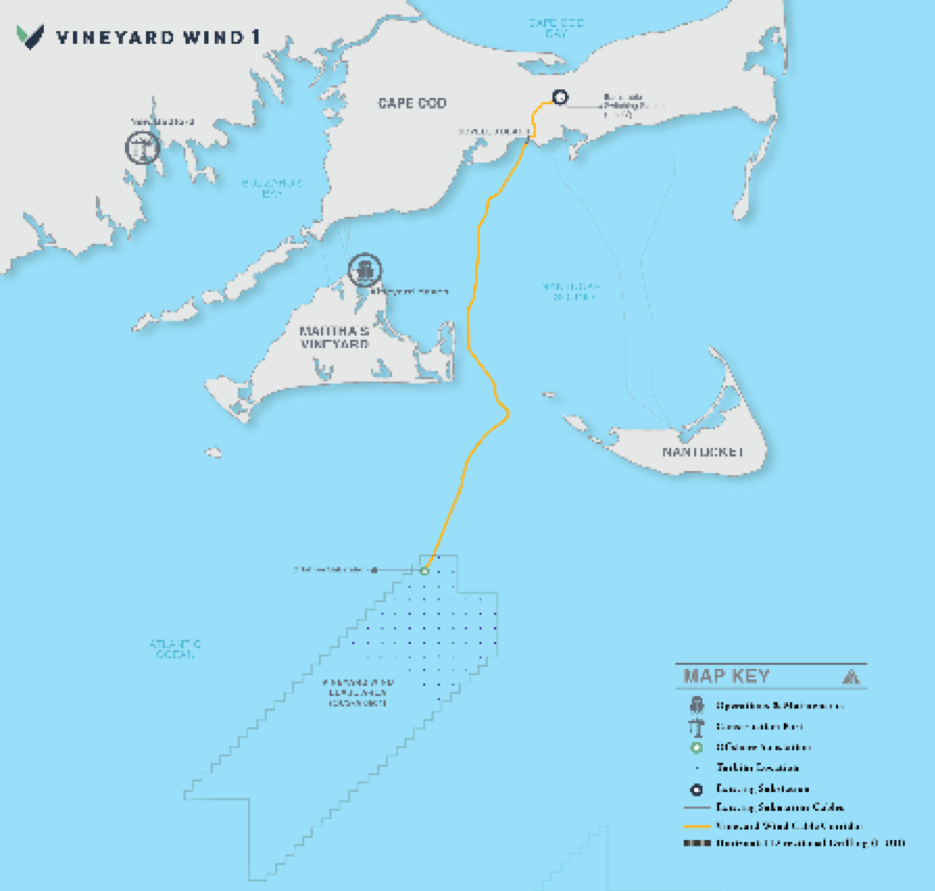 Vineyard Wind, a joint venture between Avangrid Renewables, a subsidiary of AVANGRID, Inc., and Copenhagen Infrastructure Partners, received the Record of Decision (ROD) from the U.S. Department of the Interior Bureau of Ocean Energy Management (BOEM), the final major step in the federal review process for the first commercial scale offshore wind farm in the United States.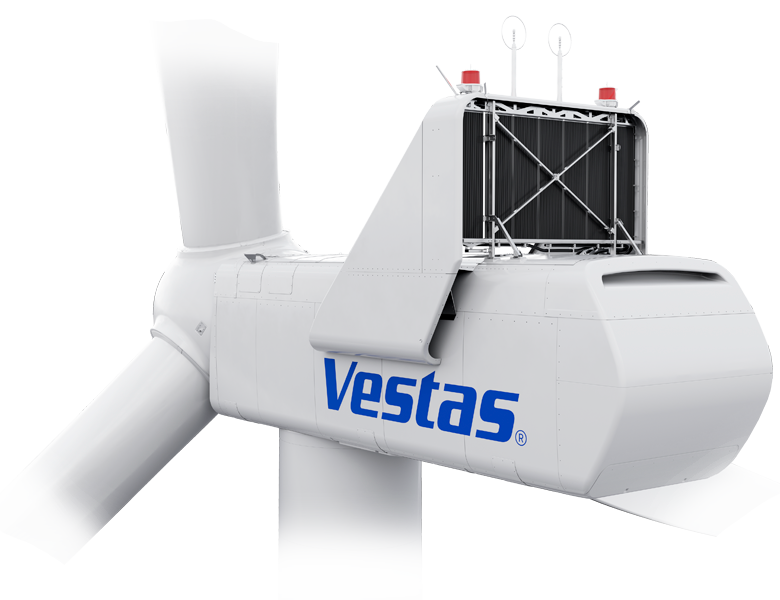
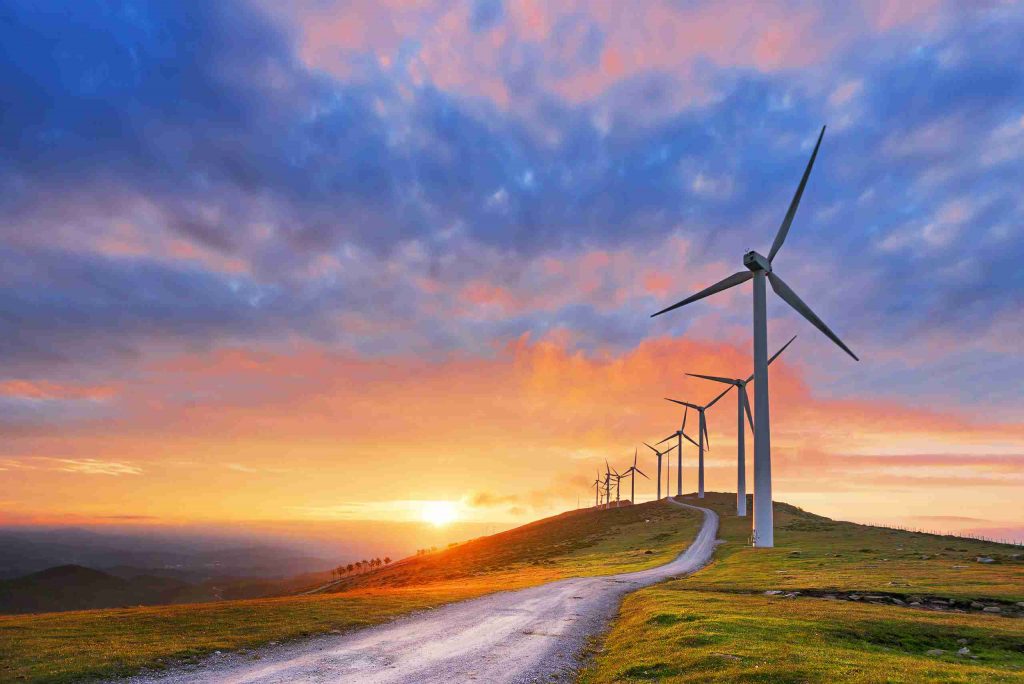
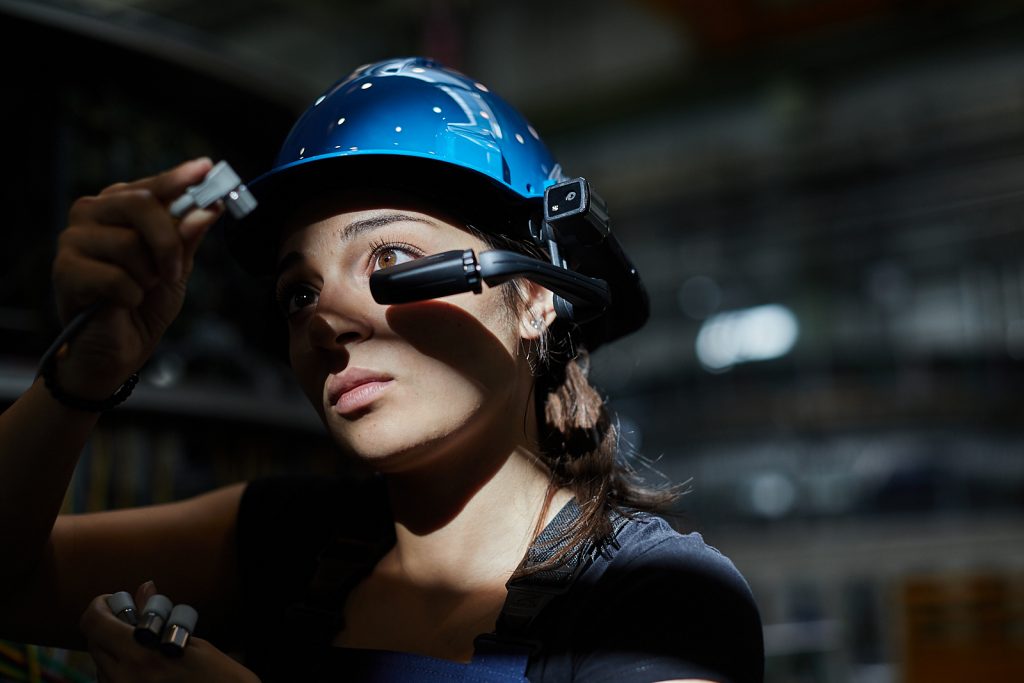
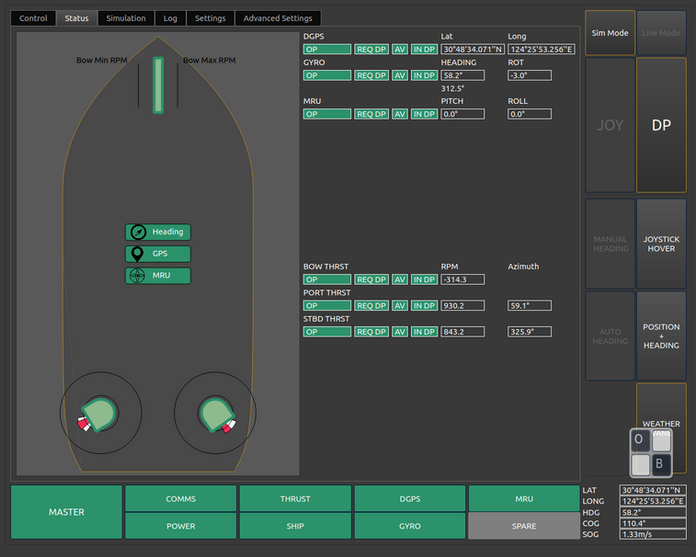
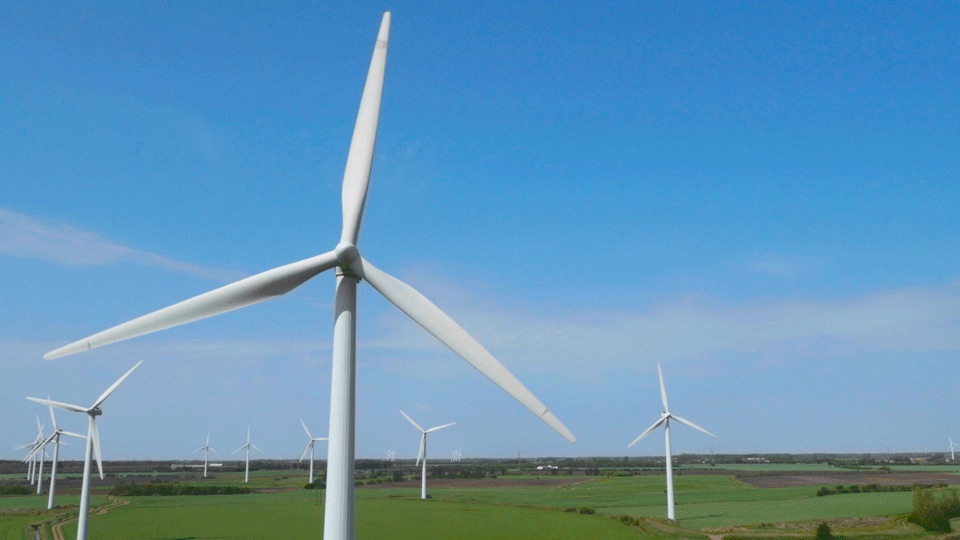 Walmart recently announced in a collaboration with ENGIE North America, more than 500 MW of new renewable energy generation capacity now operational across three separate wind projects.