Recent cyber-attacks on global renewable energy businesses have underlined the scale and nature of this previously under-reported threat and have added to the already significant demand for GCube’s non-damage cyber risk insurance product as increasing numbers of firms seek to mitigate their potential exposure to business interruption and other cyber losses.
GCube Insurance, a leading provider of insurance services for renewable energy projects, has emphasized that renewable energy asset owners relying more heavily on digital systems during the current period of lockdown — and beyond — must adapt to increased exposure to cyber threats such as ransomware, denial-of-service, and human error.
Recent cyber-attacks on global renewable energy businesses have underlined the scale and nature of this previously under-reported threat and have added to the already significant demand for GCube’s non-damage cyber risk insurance product as increasing numbers of firms seek to mitigate their potential exposure to business interruption and other cyber losses.
The emergence of COVID-19 has led to an unprecedented lockdown worldwide, leading many renewable energy companies to take advantage of remote monitoring systems and working practices to try and ensure “business as usual” despite the disruption.
Though cyber-attacks such as ransomware and denial-of-service remain significantly under-reported in the renewable energy industry, recent high-profile examples in the U.K., the U.S., and Portugal have provided additional public demonstration of the need for asset owners to invest in cyber insurance products which can provide financial cover in these “non-physical damage” events.
“Digitalization, of course, drives significant efficiency gains for businesses and is now a necessity for renewable energy companies looking to maintain continuity during the COVID-19 pandemic,” said Geoffrey Taunton-Collins, senior analyst at GCube. “But with portfolios now at greater risk of cyber-attacks, we are seeing even greater demand for our cyber insurance product as project owners are increasingly realizing the very real threat that cyber-attacks pose.”
Numerous businesses have approached GCube seeking a means to mitigate their financial exposure to cyber-attack. These include wind projects owned by leading firms such as Eolenerg and Molly Wind Ltd, who have either procured the coverage outright or included the product as part of their insurance renewal.
GCube’s research suggests that though cyber-attacks are estimated to be responsible for more than $3 trillion in losses annually — and are set to rise — the cyber insurance market last year was only worth about $5 billion, with many insurers not yet providing cyber cover.
The Mayflower wind project will have a capacity to generate up to 1.6 GW of renewable energy. (Courtesy: Siemens Gamesa)
Siemens was recently awarded an order from Danish customer Semco Maritime to provide the main electrical equipment for the electrical service platform (ESP) of the offshore wind project Mayflower Wind LLC (Mayflower Wind).
The project is in a federal lease area approximately 25 miles south of Nantucket, Massachusetts, in the United States, and will have a capacity to generate up to 1.6 GW of renewable energy. Siemens will supply the components for Semco Maritime by 2022.
Earlier this year, a joint venture between the Danish companies Bladt Industries and Semco Maritime was chosen by end customer Mayflower Wind — a joint venture of Shell & EDP Renewables — to design and construct the electrical service platform of the offshore project Mayflower. Semco Maritime has now awarded Siemens with the contract for the delivery of the high-voltage electrical equipment for the ESP, including three 275 kV/265 MVAr shunt reactors, a 72 kV HV gas insulated switchgear (GIS), three 275 kV MV GIS systems, integrated conditioning monitoring system, and SCADA and protection systems.
“At Semco Maritime, we have, for a number of years, created a very strong track record to deliver competitive quality projects in electrical infrastructure for offshore wind,” said Carsten Nielsen, senior vice president of Renewable Energy at Semco Maritime. “We are looking forward to the cooperation with Siemens, who is a competent and reliable partner.”
“We are proud of the opportunity to bring our expertise in offshore transmission to Mayflower Wind, a project that will lead the way for increasing the share of clean, renewable energy in the U.S. energy mix,” said Beatrix Natter, CEO of the Transmission division at Siemens Energy. “The offshore Center of Competence in Denmark did an outstanding job in creating a comprehensive, tailor-made solution for this exciting new project, making the best use of our broad transmission portfolio.”
The system solution is specifically designed to significantly reduce both the size and weight of the platform, lowering the need for the use of steel in the construction, and thus making the platform more resource- and cost-effective.
Abaris Training Resources, Inc. in Reno, Nevada recently announced that, in light of the COVID-19 restrictions placed on customer travel, Abaris is modifying its policy to accommodate fewer students in classes at client locations, making it both economical and convenient to obtain the world-class composite training it provides.
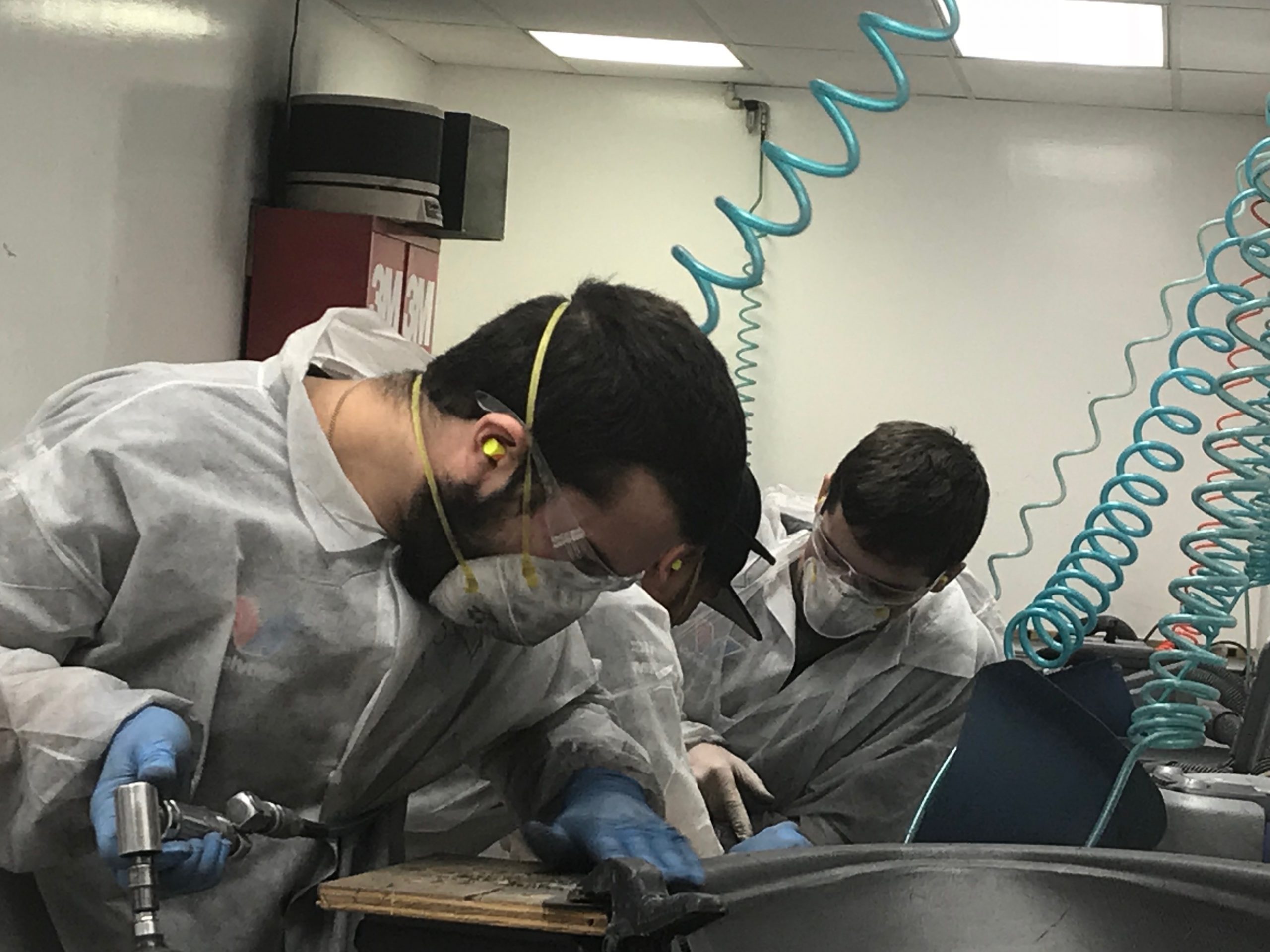
Carbon fiber repairs performed in the lab. (Courtesy: Abaris Training Resources)
Starting June 15, 2020, any customer with six or more students needing advanced composite training will qualify for the newly structured terms of agreement that waive the current 10-student minimum policy for onsite classes. This will allow many more companies and organizations to obtain the training they need while still following health and safety protocols put in place for COVID-19.
In addition to the reduced student-count policy, Abaris is offering a three-day, all-classroom (minimum hands-on) version of some select five-day introductory type courses. While a course of this type does not provide a great deal of tactile exposure for students, it can provide a fundamental understanding of composite materials for use in the workplace.
Terma North America has reached a milestone by installing their first two radar-activated aircraft detection lighting systems (ADLS) for wind farms: one in New Hampshire and the other in North Dakota.
The ADLS is designed to balance the dark sky desires of the surrounding community with the safety regulations of the Federal Aviation Administration (FAA) by only enabling the wind-turbine obstruction lights when an aircraft approaches within three nautical miles of a wind farm.
“Terma’s ADLS will keep the lights off up to 99 percent of the time, which will greatly reduce the visual impact on surrounding communities,” said Jeff Schleicher, Terma’s senior manager for Wind Energy Services.
The installation proved to be rather challenging due to high wind combined with a cold winter. As a result, Terma’s engineers, along with an on-site team of technicians, designed and developed a heated tent system that could be installed and used at the top of the radar tower to facilitate installations in almost any conditions.
According to Schleicher, several wind farms, both new and existing (i.e. retrofits) in the U.S. and Canada have been permitted for ADLS technology, and Terma expects to have installed systems in almost a dozen states by the end of the year.
“Terma North America is proud to support green energy programs by minimizing the impact on local communities without compromising aircraft safety,” said Frank Christophersen, director of Surveillance and Missions Systems at Terma North America. “Our ADLS solution will help secure local community support for even more wind energy projects in the future.”
A note on terminology: Canada uses the term aircraft detection system (ADS) for the same systems that in the U.S. are referred to as ADLS. In most of Europe, these solutions are known as obstruction lighting control (OLC) systems.
ArcVera Renewables, a leading provider of consulting and technical services for wind, solar, and storage projects, has employed Ron Nierenberg in its wind-energy team.
Nierenberg is an award-winning wind industry veteran and meteorological specialist with 40 years of experience.
Nierenberg has more than four decades of experience with meteorological consulting in wind energy. His expertise ranges from prospecting and project analysis in development, to due diligence and strategic/operational climatological studies. He has designed, implemented, and analyzed wind-energy assessment programs to optimize production from wind-farm developments for hundreds of clients on more than 21 GW of wind-farm projects since 1978.
Nierenberg has been involved with the first wind-energy facilities in most states. One such project was the original wind study of the Altamont Pass, which led to the installation of $1.5 billion of wind turbines in the region. Nierenberg has worked on projects in the U.S., Canada, Latin America, China, India, and Europe, which fits seamlessly with ArcVera’s renewable energy experience on six continents. He has designed and managed federally funded wind-energy studies and has authored DOE/NREL (or SERI) reports.
In April 1998, Nierenberg was given a special award For making critical contributions to the development of wind energy in the U.S. and around the world, presented by the American Wind Energy Association.
“We are excited to have Ron join and enhance our powerful wind energy team,” said Gregory S. Poulos, CEO of ArcVera Renewables. “With his tremendous knowledge of wind energy-specific meteorology, wind-project experience relevant to rapid and insightful guidance, and undeniable zest for wind energy problem solving, I am confident that he will make important contributions to our clients new and old throughout the world.”
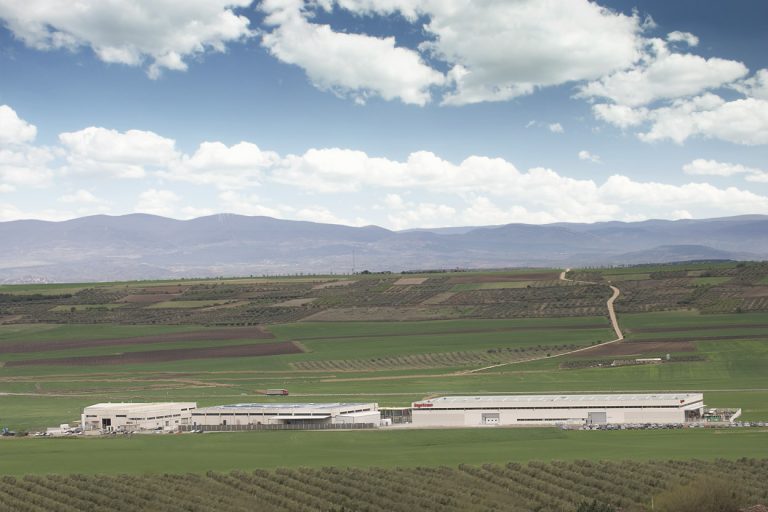
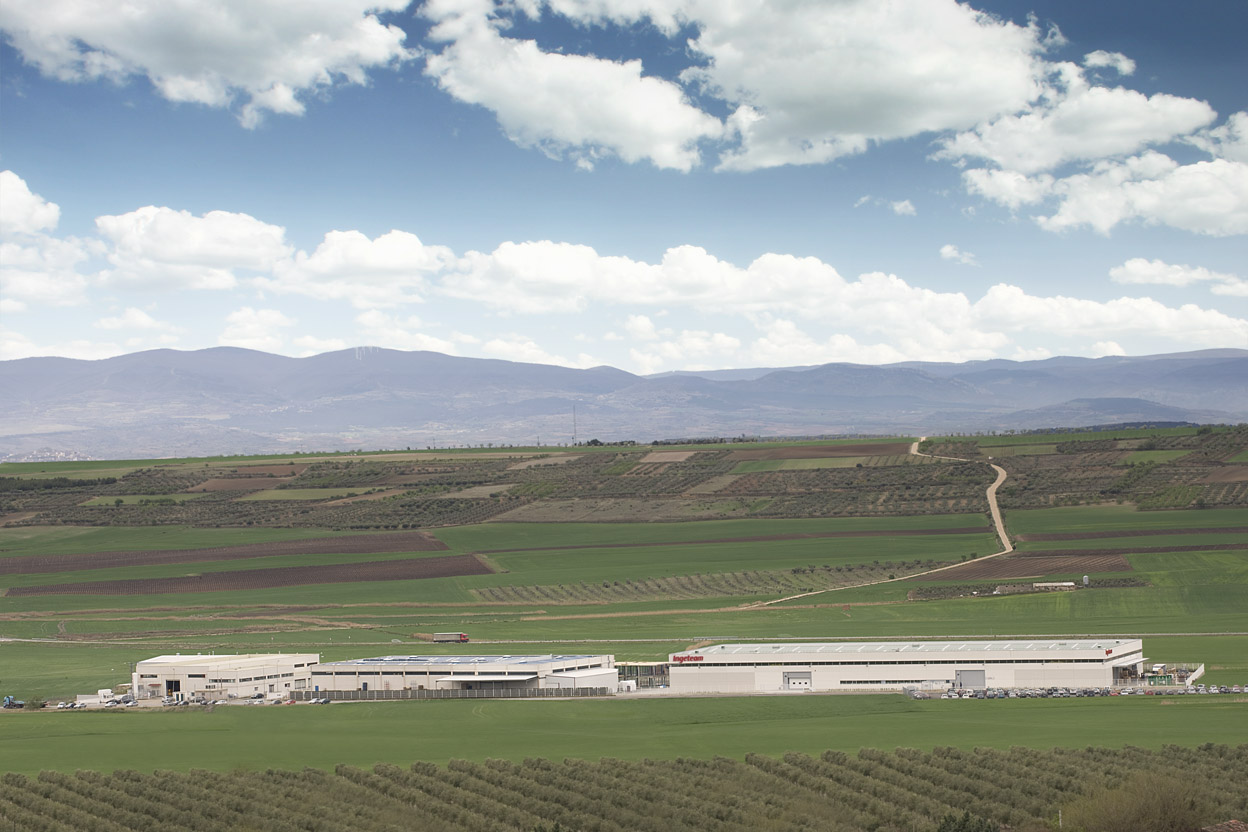
The Ingeteam production facility in Spain. (Courtesy: Ingeteam)
Ingeteam, a global technology group specializing in electric power conversion, recently announced it commissioned 50 GW of electrical wind power conversion equipment to date, thanks to consistently strong sales of wind-power converters and wind-control cabinets.
Ingeteam entered the wind industry in 1995 while working on the development of variable-speed machines. It was the first manufacturer to launch DFIG converters in the market; 25 years later, this technology is still the gold standard in the industry, and with 50GW on the clock, Ingeteam’s position as the world supplier of wind-power converters in terms of installed capacity remains unchallenged.
“This steady performance is largely supported by our company’s long-term commitment to continuous innovation, backed by industry-leading R&D investment levels; 5 percent of the company’s turnover is re-invested in new product developments and over 400 employees work in R&D labs,” said Alberto Barcia, commercial director of Ingeteam’s Wind Business Unit.
“Our sales were also strengthened by timely investments in key emerging markets, notably Brazil and India,” he said. “We were able to establish our company as the leader in these two key wind markets, which have been key important engines of our growth ever since.”
In 2019, Ingeteam reported once again a healthy growth of its global wind business with 4GW delivered worldwide. The company offers a wide range of proven, in-house developed electrical equipment up to 15 MW for both onshore and offshore applications. Thanks to its localized and agile manufacturing strategy, Ingeteam can supply its customers flexibly from cutting-edge production facilities in Europe, Asia, and North and South America, and it can consistently meet the industry’s highest-level quality standards.
Earlier this year, Ingeteam launched its latest innovation, a new-generation of wind-power converters developed for high power DFIG application ranging from 6 to 8 MW. This new converter technology is grid-friendly and includes FRT, SCR, and SSR features. It complies with the most stringent grid codes, enabling it to be deployed anywhere in the world. In particular, they are the technology of choice for emerging markets in areas such as India or Brazil.
Turbines that optimize lower wind levels and mitigate hurricane risk could bring zero-subsidy offshore wind to the Gulf of Mexico, experts told New Energy Update.
Two new studies by the U.S. National Renewable Energy Laboratory (NREL) have revealed the huge potential for offshore wind in the Gulf of Mexico.
NREL’s analysis, commissioned by the Bureau of Ocean Energy Management (BOEM), indicates there is 508 GW of technically feasible offshore wind potential in Gulf of Mexico waters, equivalent to half of total U.S. power generation capacity.
Offshore developers are using turbine advances and economies of scale to drive down costs.
In its study, NREL found that some Gulf of Mexico sites could host zero-subsidy offshore wind power soon after 2030. Based on a 600 MW wind farm with 10 MW turbines, the estimated levelized cost of energy (LCOE) could be as low as $70/MWh for sites near the shore in Texas and western Louisiana, it said.
“Cost trajectories from the modeled data indicate that costs will continue to decrease beyond 2030 and that the cross-over for economic viability may be just beyond this time horizon,” it said.
Turbine capacities are rising fast and this could accelerate cost reductions. Siemens Gamesa plans to install its new 14 MW model in Virginia by 2026.
The competitiveness of Gulf of Mexico offshore wind projects will depend on new technology solutions that optimize the unique site conditions, experts told New Energy Update.
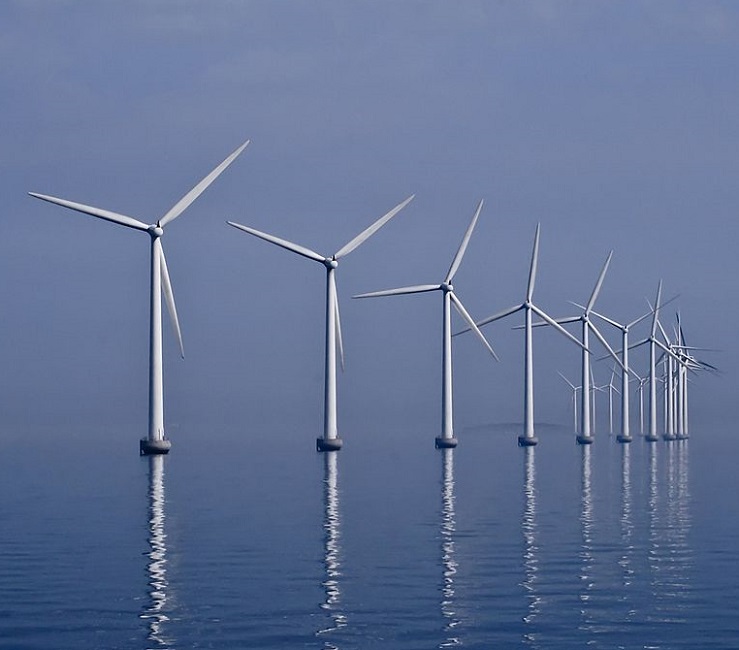
Rapid advances in turbine technology are opening up new markets. (Image credit: Wikimedia Commons)
Average wind speeds in the Gulf of Mexico are 7 to 9 meters per second (m/s), compared with 9 to 11 m/s in northern Europe. In addition, hurricanes regularly barrel through the Gulf, stressing structures and disrupting logistics.
These challenges are expected to increase CAPEX, but the region also offers potential savings, including gains in operations and maintenance (O&M) efficiency, experts said.
Gulf of Mexico wind farms could supply several U.S. electricity markets, including the Electric Reliability Council of Texas (ERCOT) and Southwest Power Pool (SPP) networks, said Steve Dayney, head of Offshore, North America, Siemens Gamesa Renewable Energy.
Other potential customers include utilities operating in Southeastern states that border the Gulf and are not part of an organized electricity market, he said.
The Gulf of Mexico hosts a third of the United States’ shallow water offshore wind potential, said Mike Celata, Gulf of Mexico BOEM regional director.
The gradual increase in water depth in the Gulf is conducive to turbine installation and other advantages include lower average wave heights, shallow water, and proximity to oil and gas infrastructure and expertise. Floating wind developers looking to install in deeper water areas could also benefit from local oil and gas manufacturing and offshore engineering resources.
The main challenges for Gulf of Mexico developers will be lower wind speeds, softer soils, and hurricane risk.
Gulf of Mexico projects may require turbines with longer rotor diameters and blades with lower solidity than in other offshore wind markets to maximize efficiency, Celata said.
The low average wind conditions may require “increased rotor diameters, with specific power ratings between 230 W/m2 and 300 W/m2,” NREL said in its report.
The soils and wind speeds favor jacket-type substructures rather than monopiles, NREL noted.
In total, the enhancements required for lower regional wind speeds are expected to increase turbine costs by 3 percent to 14 percent, depending on the site, it said.
Hurricanes regularly sweep into the Gulf of Mexico, bringing higher waves and extreme winds.
“Offshore wind developers may have to create specialized designs that ensure turbines, towers, blades, and substructures can withstand these extreme weather events,” Celata said.
Developers can use the experience of regional oil and gas players to design appropriate substructures, Celata noted.
Project partners will need to conduct site-specific risk assessments to identify design enhancements or load mitigation strategies, as commonly-used design standards set by the International Electrotechnical Commission (IEC) do not cover all the risks, NREL warned. Load mitigation could include on-board power supply to maintain yaw functioning through the storms.
Insurance costs could be 25 percent higher than in other offshore wind regions, NREL said.
The financial cost of lower wind speeds and hurricane mitigation in the Gulf of Mexico may be offset by other benefits, such as lower average sea states and warmer ocean waters that reduce O&M costs, Celata said.
Further offshore, relatively low wave heights will expand the window for O&M procedures, allowing more frequent access to turbines and shorter downtimes, Dayney noted.
Harsher wave conditions closer to shore could prompt a shift in vessel strategies compared with Northern Europe.
Wind farms sited closer to shore may require a specialized service operations vessel (SOV) to perform maintenance. Further offshore, readily available crew transfer vessels (CTVs) could be used, unlike in Europe, where SOVs are typically required.
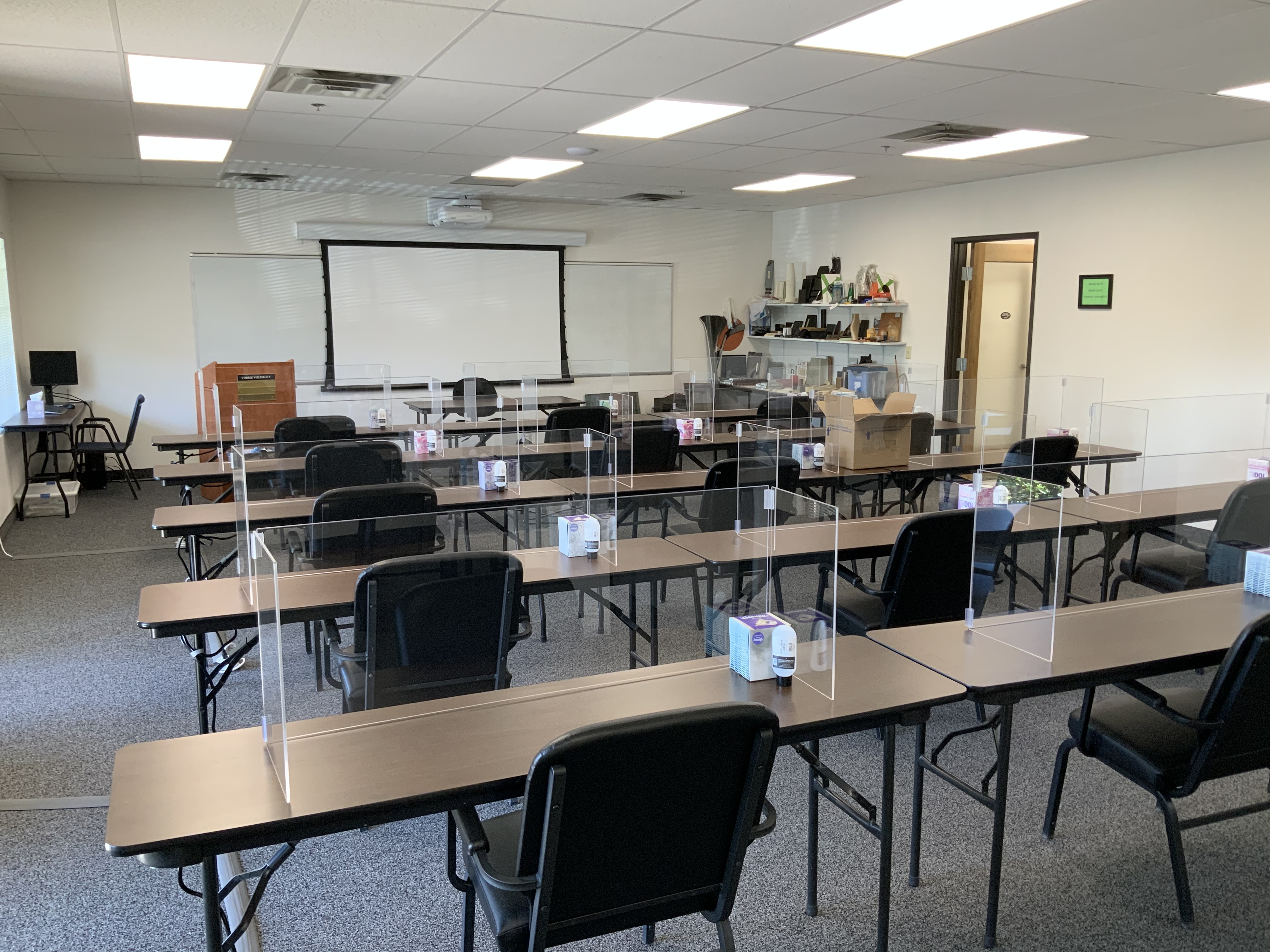
Classes at Abaris Training Resources, Inc. (Reno, Nevada) resumed June 1, 2020, after being closed since mid-March due to the Coronavirus pandemic.
The Abaris team is excited to be getting back to work and will start with two of the most popular courses; Composite Essentials for Engineers and Managers and Advanced Composite Structures: Fabrication and Damage Repair-Phase 1, after which the regular class schedule resumes.
Abaris has retrofitted its three classrooms and labs so safe distancing can be practiced in every space — seating students individually at each table in the classroom and supplying physical plexiglass (sneeze guard) barriers at each location to aid in protecting students. Rigorous cleaning and distancing protocols have been established in accordance with state and federal guidelines to ensure students and staff are safe. This includes requiring and providing masks to those who need them and plenty of space to work on projects.
Moving forward, Abaris is committed to staying up-to-date with the latest mitigation requirements and adjusting protocols to ensure the best practices are deployed for keeping the students and staff safe.
Since the opening of its Taipei office in 2017, Siemens Gamesa has been firmly committed to support the ambitious industry plan of the Taiwanese government, and to contribute to the growth of offshore wind in Taiwan.
Siemens Gamesa Renewable Energy and Hai Long Offshore Wind recently announced that the new SG 14-222 DD offshore wind turbine will be used at the upcoming 300 MW Hai Long 2 project in Taiwan.
The deployment of the new turbine for the rest of the 1,044 MW Hai Long pipeline is also being considered.
The exact number of units for the first 300 MW of the project remains to be confirmed based on site-specific conditions. The preferred supplier agreement as published in November 2019 remains subject to contract and final investment decision from the consortium partners, Canadian independent power producer Northland Power Inc. and Taiwan-based developer Yushan Energy, jointly owned by Mitsui & Co., Ltd. in Japan and Yushan Energy Pte. Ltd. in Singapore.
The Hai Long offshore wind power plant was awarded through the 2018 grid allocation mechanism in Taiwan. The project site is approximately 50 kilometers off the coast of Changhua County. The first 300 MW will serve as an anchor for Siemens Gamesa to expand its local footprint and supply base in Taiwan into a regional industrial hub.
As announced separately, nacelle production for the 300 MW Hai Long 2 project will begin in Taichung in 2024, and turbine installation will follow thereafter.
“Taking the next step in advancing the Hai Long 2 project by announcing that it will conditionally use the SG 14-222 DD offshore wind turbine is outstanding news,” said Andreas Nauen, Offshore CEO at Siemens Gamesa. “We are thrilled that the Hai Long partners have chosen our newest machine and are very excited to work closely in making this project the first installation of the SG 14-222 DD in Asia Pacific.”
Since the opening of its Taipei office in 2017, Siemens Gamesa has been firmly committed to support the ambitious industry plan of the Taiwanese government, and to contribute to the growth of offshore wind in Taiwan. Subject to Hai Long 2’s Industrial Relevance Proposal approval, Siemens Gamesa recently revealed plans to expand its Taichung footprint into a regional industrial hub for offshore wind nacelles, together with Taiwan-based suppliers.
This nacelle production setup in Taiwan will play a central role in the introduction of the latest turbine technologies in Asia Pacific, starting with the giant SG 14-222 DD for the 300 MW Hai Long 2 project. As such, it will also reinforce Taiwan’s pioneering position in the region and serve as a foundation to export state-of-the-art technologies to other neighboring markets.
“We are very proud to be able and reveal the planned deployment of this giant turbine in Taiwan with the Hai Long partners,” said Niels Steenberg, executive general manager of Siemens Gamesa Offshore for Asia-Pacific. “It matches our shared vision to establish a competitive and sustainable offshore wind hub here for the rest of the region.”
“The strategy of Hai Long’s Industrial Relevance Proposal (local content) has always been focused on enabling the local supply chain for global opportunities,” said David Povall, executive vice president for Development at Northland Power. “And bringing the latest turbine technology into the Taiwan market through our project has been part of the initiative. Hence, we proudly see ourselves as the ‘anchor project’ that will facilitate Taiwan’s policy goal of becoming the APAC Offshore Wind Export Hub.”
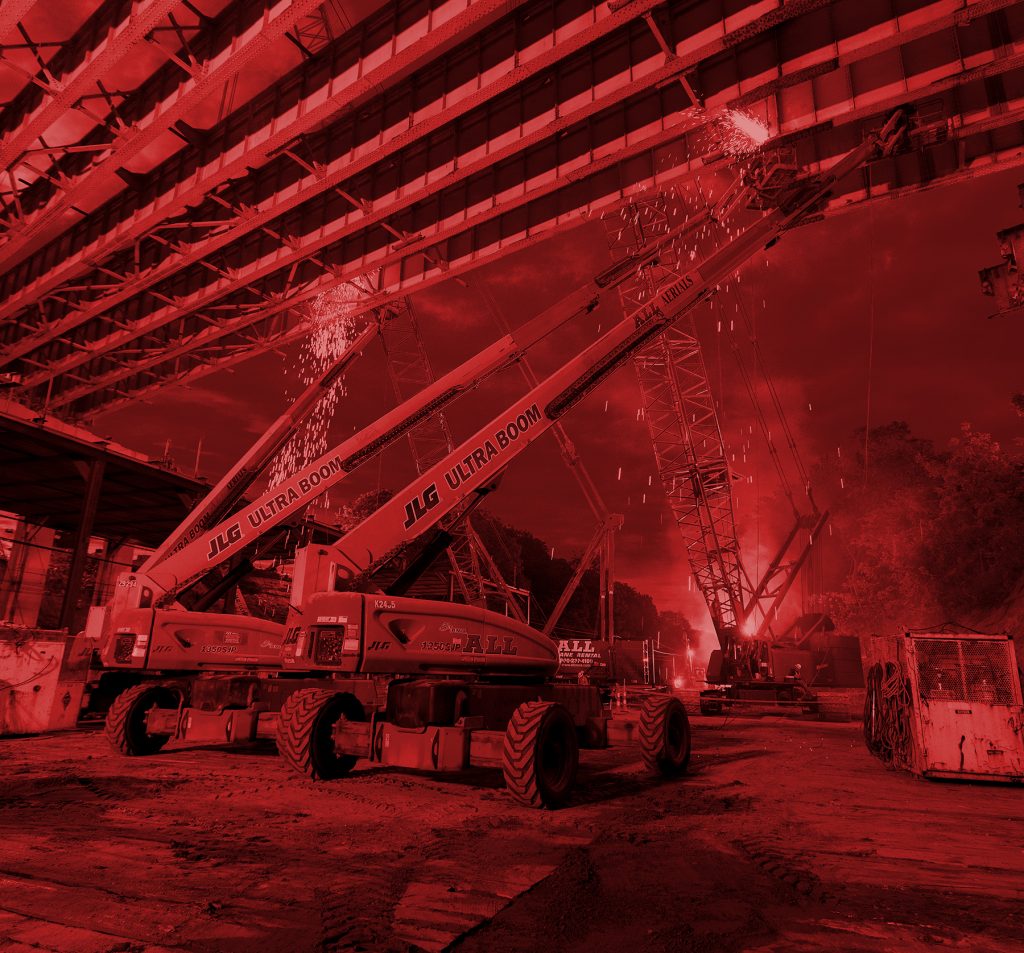
ALL Crane’s approach lets a project’s general contractor act as the primary renter of all lift equipment for the job and then rent it to the subcontractors — a method that helps to eliminate waste, cut costs, improve productivity, and create positive outcomes.
Today’s construction job sites are evolving, and project owners demand partner companies that embrace new methods to drive down costs without negatively impacting quality. It is with this in mind that the ALL Family of Companies announces its Shared Equipment Program (SEP), a new approach to equipment rental that can shave millions of dollars and many months off construction projects.
Here’s how it works: A project’s general contractor acts as the primary renter of all lift equipment for the job and then rents it to the subcontractors — a method that helps to eliminate waste, cut costs, improve productivity, and create positive outcomes. More than just equipment, the project also gets support from the ALL team, including mechanics who conduct regular maintenance to keep machines in “rent-ready” condition as they change hands between subcontractors.
When multiple subcontractors arrange for their own equipment, depending on the job site, the ALL Family of Companies’ SEP can eliminate redundancy and waste, which can be as much as one-third of the total project cost. And equipment redundancy does more than add costs — it adds a level of congestion to job sites where space is a premium, which can affect everything from traffic to safety. The SEP addresses all these concerns as ALL works with the general contractor to maximize efficient usage of lift equipment.
ALL developed the program to reinforce its unique blend of resources afforded general contractors, including a broad continental footprint and an extensive and varied fleet. The program works best when all subcontractors have ready access to equipment that meets their needs, from steelworkers who may require hefty all-terrain equipment to painting and electrical contractors whose finishing work requires access equipment such as scissor lifts. ALL’s equipment lineup includes crane types as small and versatile as mini/spider cranes or as large as 900-ton ATs and 1,000-ton crawlers, plus tower cranes, boom lifts/aerials/MEWPs,and boom trucks.
Beyond these extensive equipment resources, the company has the experience and willingness to collaborate both initially and then ongoing, which help make the equipment-sharing process successful. ALL has already executed projects using SEP, saving project owners millions of dollars and helping to complete projects months ahead of schedule.
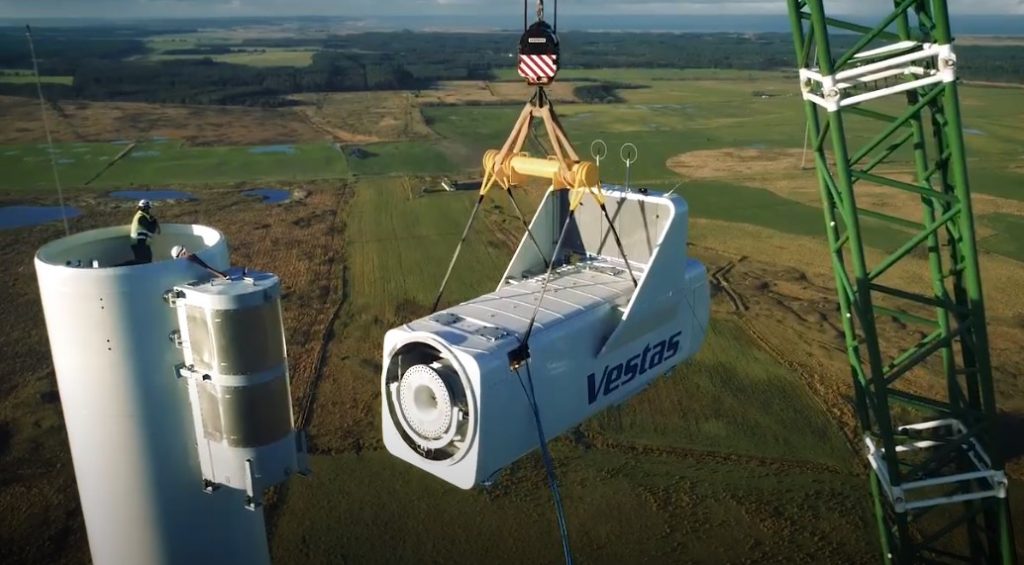
Vestas was able to help the customer pick the right turbine model for the projects’ specific wind conditions to achieve the highest possible return on investment in the challenging sites.
Vestas has secured another order in Vietnam for two projects totaling 64 MW in complex mountainous terrain in Quang Tri province.
Leveraging its extensive siting and project planning capabilities, Vestas was able to help the customer pick the right turbine model for the projects’ specific wind conditions to achieve the highest possible return on investment in the challenging sites. With this new order, Vestas has closed more than 160 MW of deals in Vietnam in 2020.
Vestas will supply, transport, install, and commission a total of 16 V150-4.2 MW wind turbines delivered in 4.0 MW operating mode. By providing a full supply and installation scope to the customer, Vestas is showcasing its ability to manage difficult logistics and installation works for larger rotor turbines in remote and complex mountainous terrain, characterized by high gradient slopes and sharp turns with little space for components, logistics, and installation.
The two projects are owned by local project companies Huong Tan Wind Power Joint Stock Company and Tan Linh Wind Power Joint Stock Company.
“Vestas is once again leading the market in Vietnam,” said Clive Turton, president of Vestas Asia Pacific. “We are very proud to partner with local developers Huong Tan Wind Power JSC and Tan Linh Wind Power JSC and look forward to working closely with them to support their growing ambition to develop more wind projects across Vietnam. At Vestas, partnership is at the cornerstone of everything we do. With our in-house siting, logistics, and construction experts, we are able to work closely with all our customers to help them achieve their commercial objectives on all manner of sites around the Asia Pacific region.”
The order also includes a 20-year Active Output Management 5000 (AOM 5000) service agreement for both projects, designed to maximize energy production for both sites. With a yield-based availability guarantee, Vestas will provide the customer with long-term business case certainty. The projects are planned to achieve commissioning in the end of the second quarter of 2021.
The electricity generated from wind is wired directly to the Luverne Facility, which is expected to enable the Luverne Facility to use the emissions-free energy to produce fuel in the future with a lower carbon intensity score under the Low Carbon Fuel Standard in California.
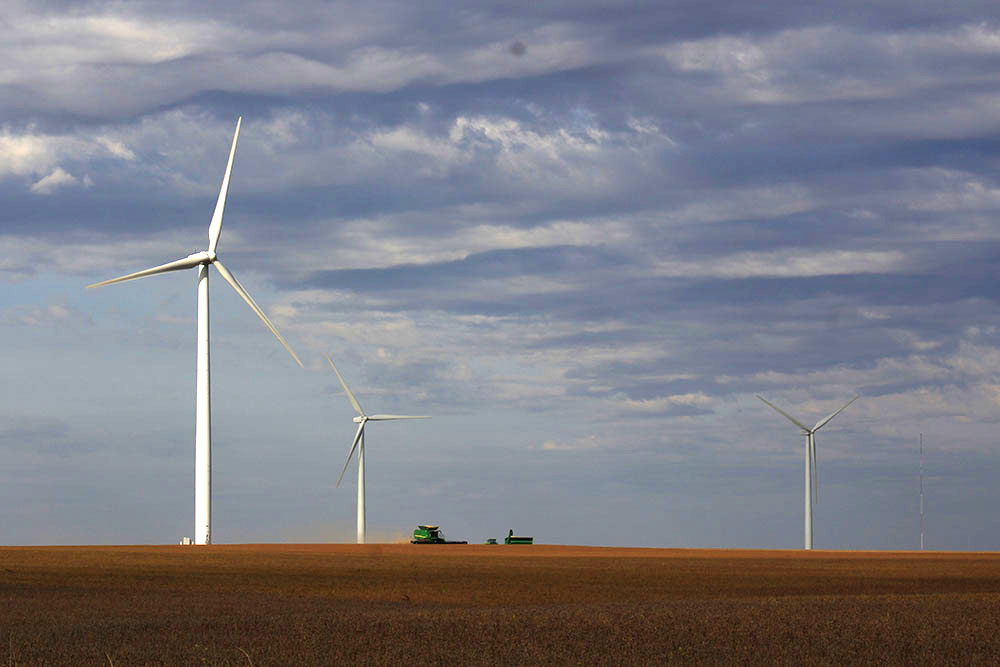
Gevo, Inc. recently announced that the two wind turbines that will supply up to 5 MW of fully renewable electricity to Gevo’s production facility located in Luverne, Minnesota (the “Luverne Facility”) are being placed into service and will begin delivering energy. The electricity generated from wind is wired directly to the Luverne Facility, which is expected to enable the Luverne Facility to use the emissions-free energy to produce fuel in the future with a lower carbon intensity score under the Low Carbon Fuel Standard in California.
A special thanks to all who have helped to make this project possible, including Juhl Energy, local landowners, City of Luverne, Rock County, Faith Technologies, First Farmers and Merchants Bank, Missouri River Energy Services, and GE.
Gevo is commercializing the next generation of jet fuel, gasoline, and diesel fuel with the potential to achieve zero carbon emissions and address the market need of reducing greenhouse gas emissions with sustainable alternatives. Gevo uses low-carbon renewable resource-based carbohydrates as raw materials and is in an advanced state of developing renewable electricity and renewable natural gas for use in production processes. As a result, Gevo is able to produce low-carbon fuels with substantially reduced carbon intensity (as measured by the level of greenhouse gas emissions compared to standard petroleum fossil-based fuels across their lifecycle).
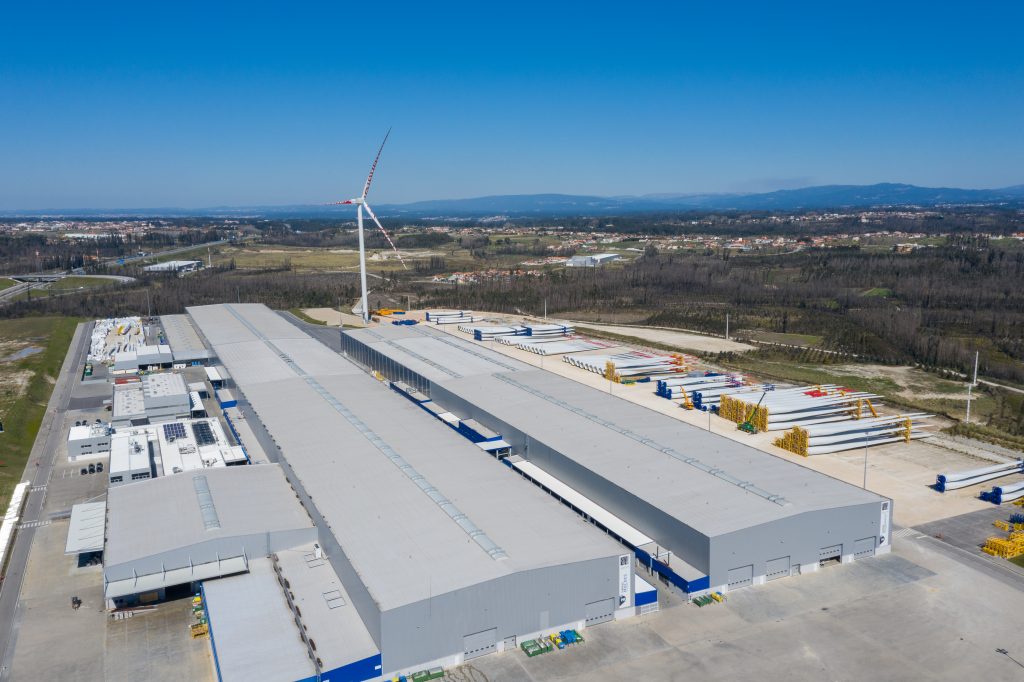
The Ria Blades manufacturing plant in Portugal offers best-in-class operational features and is well connected by both road and sea.
Siemens Gamesa Renewable Energy recently announced the final acquisition of all shares in Ria Blades, S.A., the business entity which owns and operates the onshore wind turbine blade production plant in Vagos, Portugal, as well as other additional assets required to operate the facility.
The completion of this acquisition means that the company has fully completed the acquisition of select assets from Senvion.
The manufacturing plant in Portugal offers best-in-class operational features and is well connected by both road and sea. The acquisition will help to strengthen Siemens Gamesa’s competitiveness in its onshore business by absorbing expected growth in production from external suppliers, mainly from Asia, and will become an export hub for international markets. It will further enhance existing manufacturing capabilities and limit the exposure to supply chain bottlenecks, volatility from foreign exchange markets and trade tariffs.
“The acquisition of Senvion’s Ria Blades factory was an opportunity we could not afford to miss,” said Alfonso Faubel, CEO of the Onshore business unit at Siemens Gamesa. “It is one of Europe’s most competitive plants, a cutting-edge facility that is very complementary to our existing footprint. The new plant will help us to serve different markets with different models, and we will do this meeting the highest standards in quality of manufacturing.”
“We are pleased that we were able to complete the acquisition process so constructively together with our new colleagues and partners,” said Markus Tacke, CEO of Siemens Gamesa. “We are operating in a highly competitive market environment and to remain successful in such an environment demands that we must continuously strive to find ways to grow and adapt to market dynamics.”
The integration of the Onshore European Service assets and Intellectual Property (IP) began in early January 2020 and will strengthen Siemens Gamesa’s multi-brand service portfolio, allowing the company to service an even broader range of wind turbine technologies.
The Onshore European Service unit acquisition added approximately 9 GW in service fleet in 13 European countries, bringing the total serviced fleet to about 69 GW globally, while diversifying the business mix and geographical representation in Europe, with contracts that have long-term visibility and high renewal rates.
The total purchase price for Senvion’s selected assets, including the manufacturing facility in Vagos, the Onshore European Services assets and IP is 200 million euros (subject to closing accounts confirmatory adjustments).
As wind-farm owners and investors prioritize critical equipment maintenance, reduce subcontractor reliance, and adopt virtual working practices for non-essential kit monitoring and analysis, operational and technology teams have fast-tracked a new working framework for wind-turbine operations and maintenance that will drive future operational efficiencies, post COVID-19.
This is according to a detailed survey of globally diverse senior wind executives, working across the wind technology and operations space. The recently published findings are a result of research undertaken by ONYX InSight, a leading predictive analytics partner for asset owners and operators, as part of an ongoing project, with phase two due later this month.
The research findings take into consideration a mix of qualitative and quantitative data points and, for the first time, provide a comprehensive overview and assessment of the immediate and expected impacts of the COVID-19 pandemic on wind-farm operations and maintenance best practices. Key report findings directly connected to the evolution of future operational work practices, include:
An increased reliance on remote/virtual engineering assessment and analytics, in order to prioritize scheduled and unscheduled maintenance and repairs.
A rapid reduction in external subcontractors, coupled with an increased overview and daily management of internal teams and their equipment.
Increased focus on tackling critical correctives, with an emphasis on deferring or delaying maintenance where not absolutely necessary.
“While there’s no question of the immediate, short-term economic and operational challenges that the COVID-19 pandemic presents, it’s increasingly evident that as wind engineering and operational teams are forced to accelerate their adoption of remote working tools, previously unforeseen benefits for many are now being realized,” said Dr. Ashley Crowther, VP of Global Sales and Engineering at ONYX InSight.
“In this respect, and as our global survey of senior wind executives makes evident, the adoption of what might currently be thought of as short-term, temporary, working practices for operational teams may in truth provide an insight into further cost savings and operational efficiencies that will form the framework for future operations and maintenance best practice,” he said.
While the survey respondents make clear the shift from preventative to predictive-based maintenance strategies will accelerate and that reducing the frequency of up-tower work plays a key part in this, most senior executives already anticipate that delays today will result in a disproportionate amount of work undertaken in H2 2020. Many operators are therefore already concerned about the availability of quality labor and workmanship due to the current size and scale of layoffs and the ability for planned maintenance to be undertaken within revised project timescales.
Specifically in relation to labor-availability and working practices, the report findings also identify that a delay in maintenance programs has created a backlog of non-critical or discretionary operational challenges. While most respondents acknowledged that the reduction in this backlog could primarily be overcome through the return to work of fully-utilized operations and maintenance teams, some senior operational executives are already forecasting an increase in turbine reliability and performance failures as a direct result of these maintenance delays.
“Every day, we are trusted to track and support over 5,000 wind turbines all around the world,” said Bryan Rabenau, VP of Technology and Marketing. “This, combined with our established track record of providing technical project performance, reliability, design and investor due diligence support to more than 1,000 projects, provides us with a unique insight into wind operations and technology teams. As our research makes clear, the COVID-19 crisis leaves almost no area of the renewables market untouched — and its therefore beholden on all of those working within the market to share knowledge, risks, and best practice, in order for the wind industry to learn lessons from this pandemic and to return stronger, as global wind adoption escalates.”
Crew transfer vessel (CTV) operators have pioneered a digital approach to modern fleet operations in recent years, using the vessel health and performance data gathered through advanced remote monitoring to drive operational improvements and maximize quality of service. This evidence-based approach to operations is now coming into its own as CTV firms seek to manage the challenges presented by Covid-19 and ensure “business as usual” as far as possible for offshore wind farms.
That is, at least, according to Reygar, a leading provider of innovative remote monitoring and reporting platforms to the marine industry, which is working in collaboration with a number of leading CTV operators to accelerate the development of its BareFLEET interface to give each firm the insight they need to navigate Covid-19.
To limit the spread of the virus while continuing to service the vital offshore wind sector, vessel operators have adapted their operations to reflect distancing measures and guarantee access to personal protection equipment (PPE). These measures have included minimizing the number of passengers per vessel and reducing the number of transfers in order to limit the exposure of crew to busy transport hubs, but it has also seen engineering teams required to coordinate both planned and reactive maintenance from home.
BareFLEET monitors the health and performance of critical equipment across each vessel — including engine health, fuel consumption, motion, and impact onto the turbine — reliably transmitting this data to the shore team via the cloud. Through BareFLEET’s reporting, CTV operators have full visibility over the activity and condition of each vessel, and with it, the insight needed to enhance operational efficiency. Naturally, this generates a commercial advantage in times of normal operations, but in unprecedented times like the present, this level of insight is coming into its own.
“Comprehensive vessel data from Reygar’s BareFLEET system is proving decisive in maintaining our high-quality services throughout Covid-19 measures,” said Andy Calderbank-Link, Operations Director at Seacat Services. “By monitoring motion, impact, and vessel speed we can guarantee the safety and fitness to work of the crew and technicians keeping the U.K.’s offshore wind projects generating and optimize the time these key workers spend on site.”
“Likewise, the live engine data provided by BareFLEET is central to ensuring we have vessels available when required,” he said. “The insights into vessel health and performance delivered remotely by BareFLEET means that the engineering team have eyes on the boat and can manage maintenance from the shore, allowing our crews to focus solely on getting technicians to projects safely.”
“Companies want and need access to the best possible data when they simply do not have the boots on the ground,” said Chris Huxley-Reynard, managing director of Reygar Ltd. “We are currently consulting with a number of our CTV operator clients to accelerate the development of BareFLEET’s database interface, with the aim of making as much live and modeled data as possible available to operators looking to manage transfers while crew numbers are limited.”
“We are making it possible for them to query our databases in an even more flexible way, making sure this data is both highly detailed and managed intelligently to communicate what they need to know about the health of the vessel and events such as push-on, transit, and transfer,” he said.
The first annual CLEANPOWER Conference and Exhibition scheduled for June 1-4 in Denver, Colorado, has been canceled due to the COVID-19 pandemic.
Government-imposed physical and legal impediments — including quarantines, stay-at-home orders and travel restrictions, and concerns over the well-being and safety of all attendees, exhibitors and staff — have resulted in CLEANPOWER 2020 no longer being viable.
Without knowledge of when it will again be appropriate to bring together large groups of people or when travel restrictions and bans will be lifted, in addition to the complicated logistics that go into organizing a conference of this size, AWEA is unable to reschedule CLEANPOWER 2020. However, AWEA is moving forward with its scheduled fall events at this time.
CLEANPOWER 2021 will be June 7-10, 2021, in Indianapolis, Indiana.
Siemens Gamesa will deliver eight units of the SG 5.8-170 to Danish developer and wind-turbine operator Eurowind Energy A/S for the Knöstad project (46 MW) near Karlstad, in Sweden
Siemens Gamesa continues to push the boundaries of onshore wind power following the first order for industry leading 170-meter rotor wind turbine.
The company will deliver eight units of the SG 5.8-170 to Danish developer and wind-turbine operator Eurowind Energy A/S for the Knöstad project (46 MW) near Karlstad, in Sweden.
The landmark order will mark the debut of the onshore wind turbine with the largest rotor in the industry, capable of capturing more wind in medium- and low-wind sites. Additionally, the turbines will operate at a capacity of up to 6.2 MW, resulting in record high annual energy production (AEP). Siemens Gamesa has also secured a 25-year full-service agreement.
This will be the second project to feature the Siemens Gamesa 5.X platform in Sweden. In December, the company reached an agreement to supply 35 SG 5.8-155 to Arise AB and Foresight for the Skaftåsen project. In less than a year since its launch, the company has secured orders for the turbine’s two variants, which have rotors of 155 and 170 meters respectively.
“We are delighted to see how fast this platform is penetrating the Scandinavian market, one of the most sophisticated in the world when it comes to wind power,” said Alfonso Faubel, Siemens Gamesa’s Onshore CEO. “This deal also marks an extension of our strong partnership with Eurowind Energy A/S having worked together in the Thorup Sletten project. It is always rewarding to see customers committed to strengthening our collaboration.”
“After a successful integration of the Thorup Sletten project in Denmark, the country’s largest onshore wind farm in operation, we are happy to further strengthen our relationship with Siemens Gamesa with the Knöstad project,” ,” said Jens Rasmussen, CEO of Eurowind Energy A/S. “We are looking forward to start building with the largest onshore turbine available at present. At Eurowind Energy A/S, we believe that a continuous improvement of LCOE is evident for the industry, and we consider the SG 5.8-170 as a step in this direction.”
As one of the largest consumers of electricity per capita in the world, Sweden has pioneered the adoption of new technologies to bring down both the cost of the electricity and CO2 emissions. According to WindEurope, the country is expected to double its wind capacity from 7.4 GW to 14.9 GW by 2023, and the government has set a target of 100 percent renewable electricity production by 2040. One single SG 5.8-170 turbine is capable of providing enough power for close to 5,000 European homes a year, while avoiding the emission of 15,000 metric tons of CO2 over the same period, the equivalent to planting 200,000 trees.
The wind turbines will be installed during the second half of 2021 in an area of forest. They will have a 115-meter hub height tower, meeting the maximum height permitted even with the turbine’s large rotor size.
The Siemens Gamesa 5.X combines the best of the company’s engineering schools, producing a technologically superior wind turbine built on proven solutions to reduce risks. The platform introduces the largest unit capacity in the Siemens Gamesa onshore portfolio and the largest rotor diameters, 155 and 170 meters, which optimize performance in high-, medium- and low-wind conditions.
With a highly flexible design that enhances the entire value chain, from manufacturing through logistics to construction and service, the platform’s versatility makes it suitable for a broad range of sites. The platform also integrates advanced control technologies and strategies to offer flexible power ratings depending on noise requirements, ambient temperature and electrical performance, further expanding its suitability for all kind of sites.
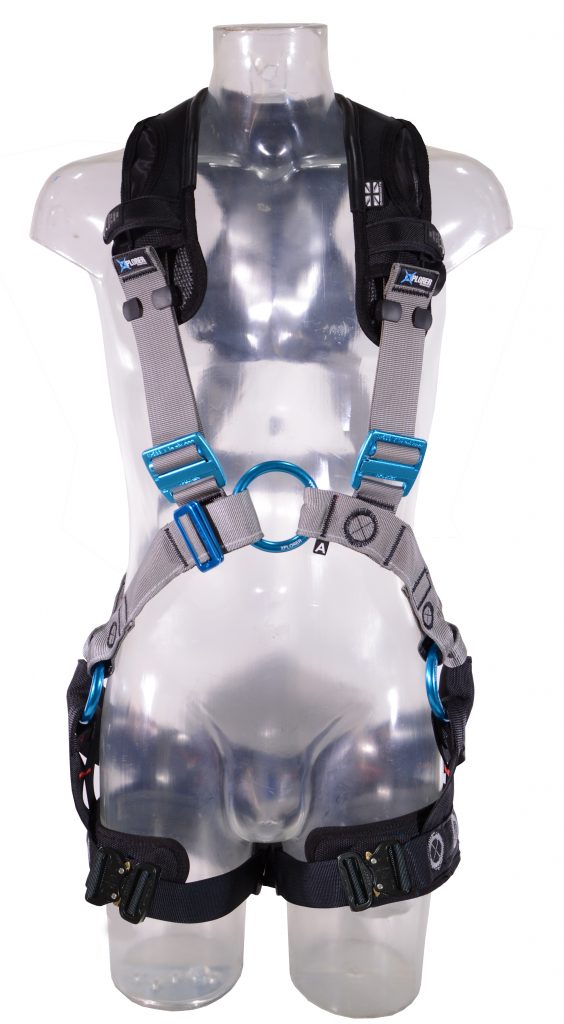
The harness, designed to be more comfortable than conventional harnesses during periods of suspension and frequent loading, features visual alert stitching, an intuitive way for the user to understand the correct way to wear the harness. Its limited slip dorsal D-ring has a precise amount of vertical adjustment built in and is designed to keep the D-ring in place after multiple loadings. Its large front ring allows for multiple attachments and uses a lightweight aluminum quick-connect buckle to ensure a safe final connection.
Hardware on the Xplorer is specifically designed to be ergonomically suited to the product’s functions, reducing wear on the webbing, allowing easy connections, and providing critical pivot points for a greater range of motion. For maximum comfort, the harness features unique curved webbing that follows the contours of the body for a closer fit and an innovative sub-pelvic assembly for greater support and increased comfort during suspension. The Xplorer meets or exceeds the requirements of OSHA 1910.140, OSHA 1926.502, ANSI Z359.11-2014, EN 361:2002, EN12277:2007 Type A, and EN358:2000.
Quality Companies, the global offshore and onshore construction, fabrication and electrical and instrumentation company, has appointed Wayne Lacey as vice president of operations for Zadok Technologies.
Based in Houston, Lacey will be responsible for supervising and managing the sustainability and profitability of all of Zadok Technologies’ operational procedures.
Lacey joins Zadok Technologies from his role as president of Cotech IRM Services Inc., where he was responsible for the company’s launch and successful growth since 2007. Previously, he served in a number of project and operational management roles in the oil and gas industry around the globe.
“Wayne brings a wealth of leadership, project management, and problem solving skills to Zadok Technologies, having previously grown a start-up company into a successful, multi-million dollar corporation,” said Clay Nunnally, CEO of Quality Companies. “His entrepreneurial spirit, along with his global breadth of experience, promises to bring great value to the Zadok Technologies brand. We welcome him to the leadership team.”
“Having successfully managed people, projects, and assets across Asia, Africa, Europe, and the Americas, I am excited to now bring my experiences to Zadok Technologies — an international leader in instrumentation and electrical, testing and inspection, fabrication and telecommunication services,” Lacey said. “I look forward to the challenges and triumphs that lie ahead.”
Lacey holds a degree in psychology from the University of Phoenix.
Both projects will feature a mixed site configuration consisting of V155-3.3 MW and V110-2.2 MW turbines.
Vestas has secured a 99 MW order for two projects in Jiangsu Province in China.
Both projects will feature a mixed site configuration consisting of V155-3.3 MW and V110-2.2 MW turbines.
The order includes a supply of 16 V155-3.3 MW and 21 V110-2.2 MW turbines as well as a 20-year Active Output Management 4000 (AOM 4000) service agreement.
This is the second order of V155-3.3 MW turbines, Vestas’ latest 4 MW platform variant designed for low-wind conditions since its introduction in China in June 2019. The order also features Vestas’ first 20-year service agreement in China, a milestone that showcases how Vestas, by leveraging its industry-leading service capabilities, can optimize life-time performance and improve business case certainty for its customers in the world’s largest wind market.
“The order is significant in two ways, as it demonstrates the V155-3.3 MW turbine’s suitability for China’s low wind market and marks our Chinese customer’s increasing trust in Vestas’ long-term service capabilities and commitment,” said Thomas Keller, president of Vestas China. “I believe with the shift of attention to the entire lifecycle of wind farms, more of our Chinese customers will partner with us on long-term service contracts.”
The order takes Vestas’ announced order intake in China to about 550 MW in the first quarter of 2020.
Deliveries are expected to begin in the second quarter of 2020, while commissioning is planned for the third quarter in the same year.
Customer’s name and project’s name are undisclosed under customer’s request.






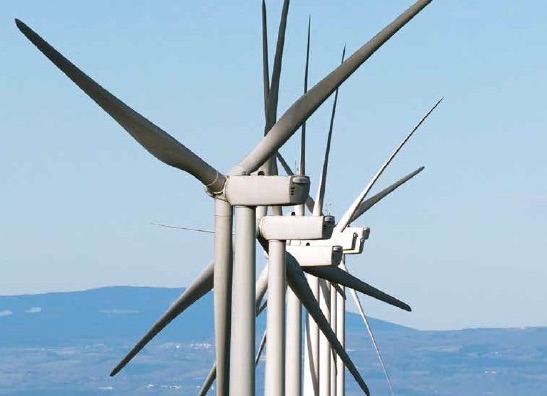
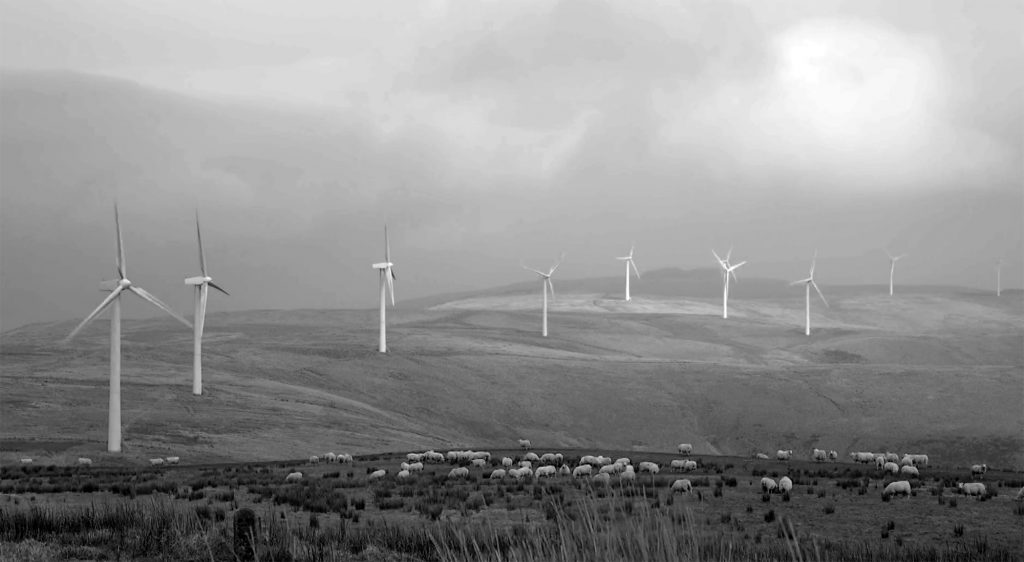
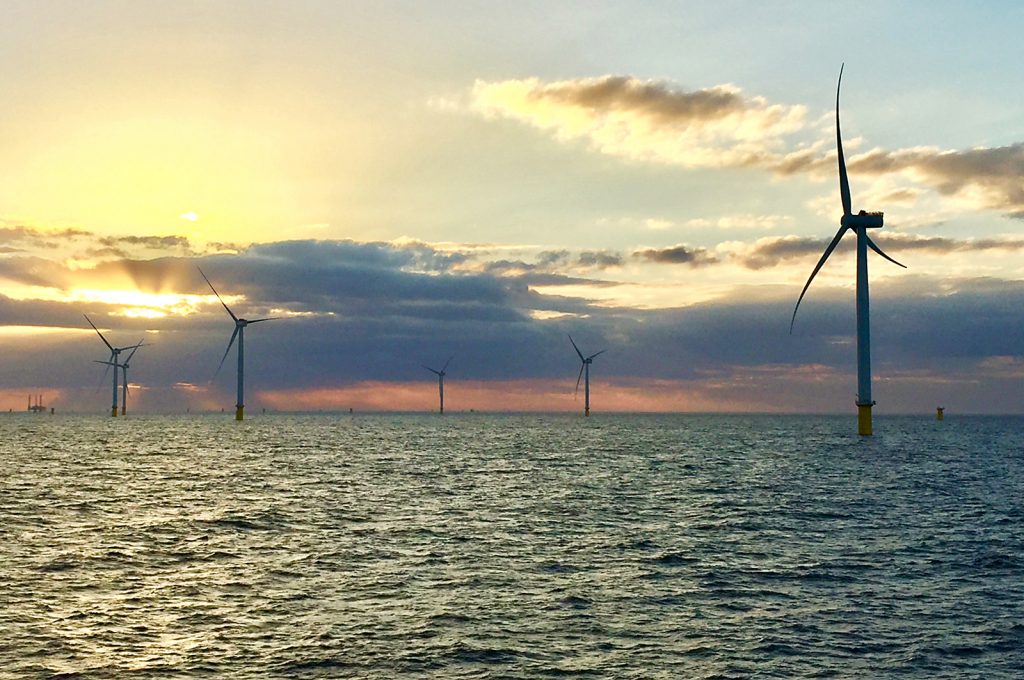
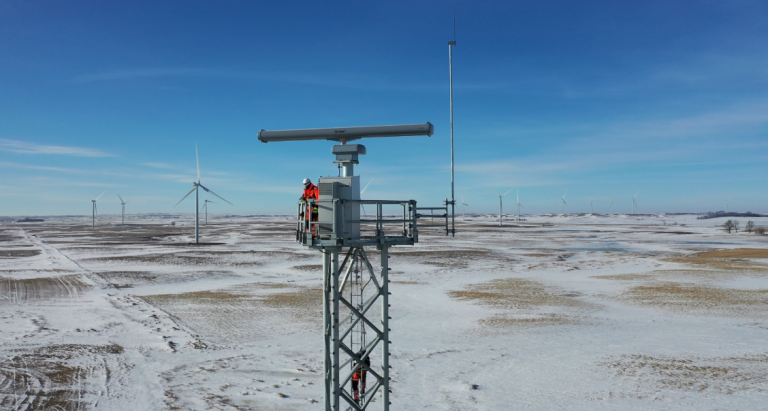
 Terma North America has reached a milestone by installing their first two radar-activated aircraft detection lighting systems (ADLS) for wind farms: one in New Hampshire and the other in North Dakota.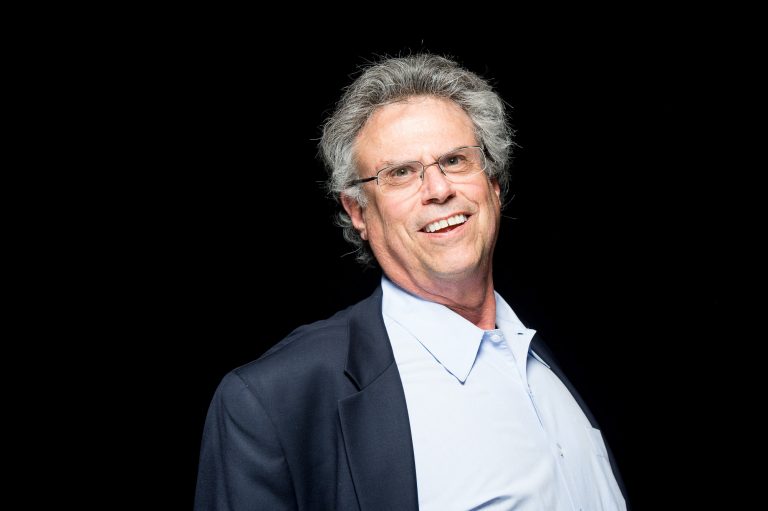

 Classes at Abaris Training Resources, Inc. (Reno, Nevada) resumed June 1, 2020, after being closed since mid-March due to the Coronavirus pandemic.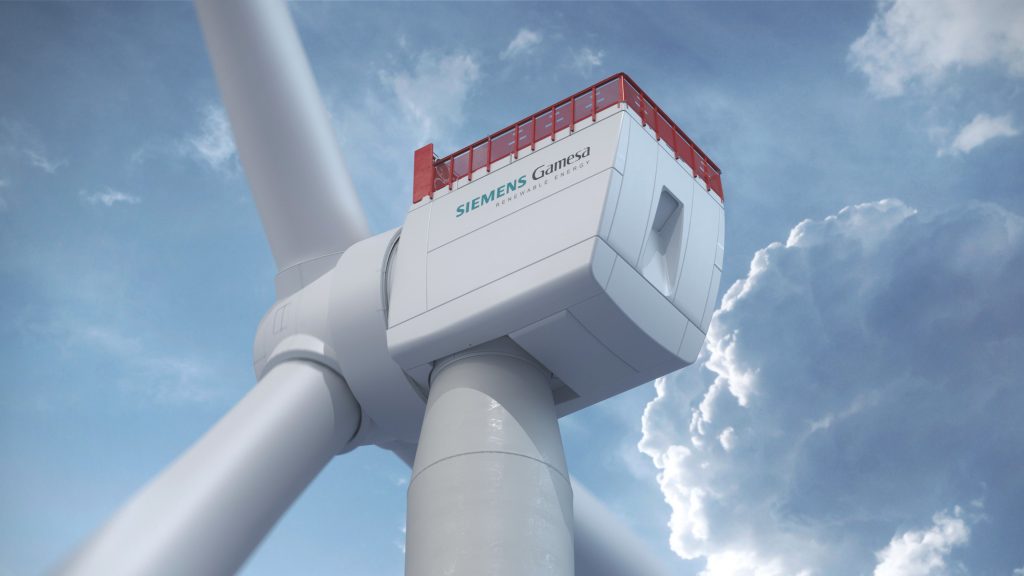
 As wind-farm owners and investors prioritize critical equipment maintenance, reduce subcontractor reliance, and adopt virtual working practices for non-essential kit monitoring and analysis, operational and technology teams have fast-tracked a new working framework for wind-turbine operations and maintenance that will drive future operational efficiencies, post COVID-19.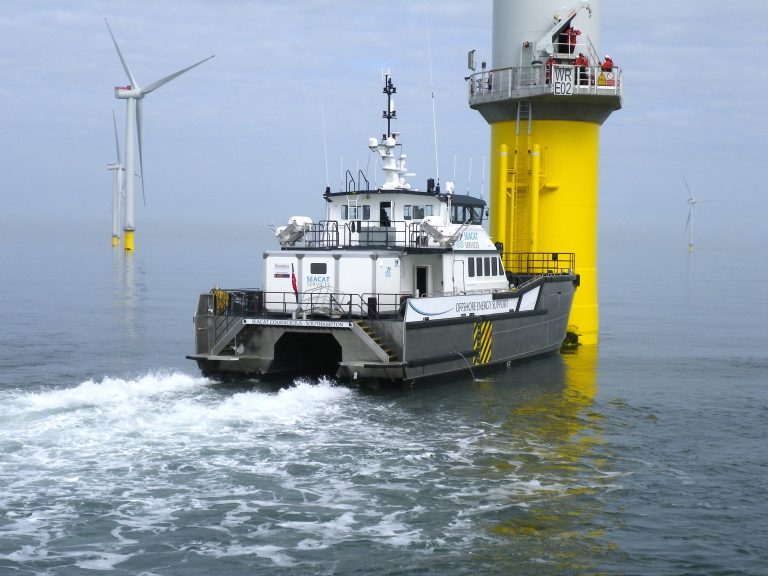
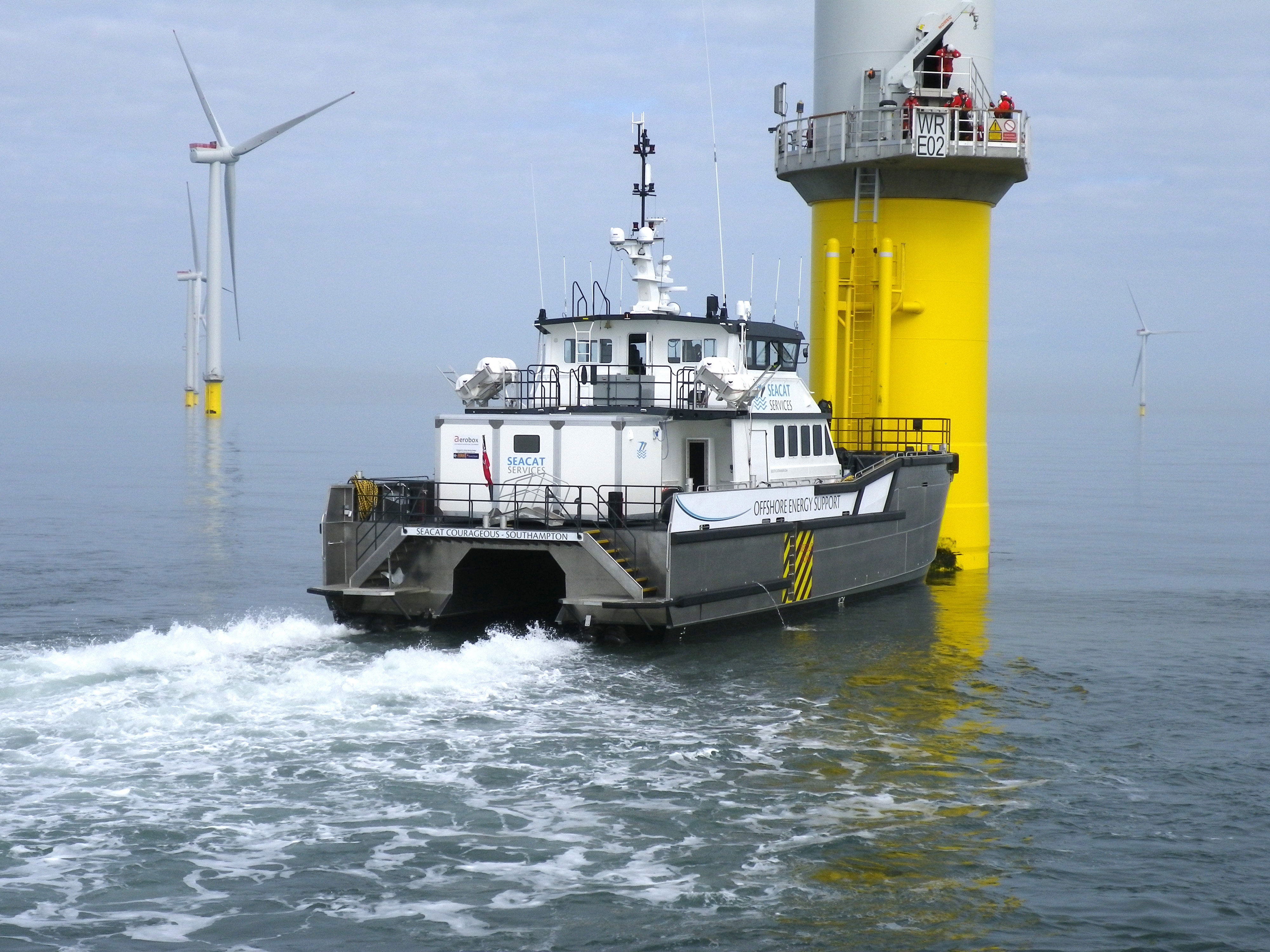 BareFLEET monitors the health and performance of critical equipment across each vessel — including engine health, fuel consumption, motion, and impact onto the turbine — reliably transmitting this data to the shore team via the cloud. Through BareFLEET’s reporting, CTV operators have full visibility over the activity and condition of each vessel, and with it, the insight needed to enhance operational efficiency. Naturally, this generates a commercial advantage in times of normal operations, but in unprecedented times like the present, this level of insight is coming into its own.