Home 2020

Two PEMA production automation lines delivered to Taiwan

0
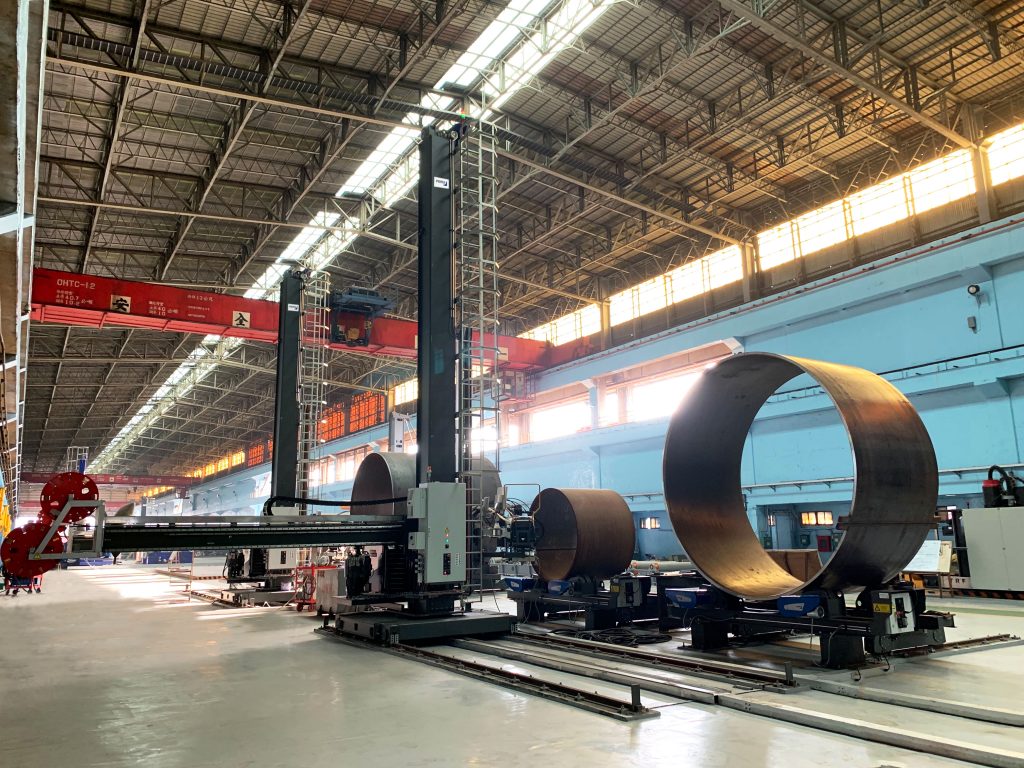
The delivery included two extensive PEMA production automation lines designed to manufacture pin piles for offshore jacket foundations. The technologically advanced lines have the capacity of processing pin piles up to 350 tons and 90 meters.

Pemamek has delivered two PEMA production automation lines, designed for foundation pin pile production, to CSBC Corporation, Taiwan.

The investment is a part of CSBC’s business development initiative to become an offshore wind-energy turnkey provider and expand its operations in the national offshore wind-energy markets.

The modern production automation solutions will enable CSBC to significantly increase its competitiveness, but also boost manufacturing capacity and end-product quality.

“We are glad to cooperate with experienced production solution provider for the wind energy sector,” said Leo Chen, executive vice president for CSBC Corporation, Taiwan. “This investment will reinforce CSBC’s position as the key player in the Taiwanese offshore wind energy markets and support the company to take a major leap towards future goals.”

The delivery included two extensive PEMA production automation lines designed to manufacture pin piles for offshore jacket foundations. The technologically advanced lines have the capacity of processing pin piles up to 350 tons and 90 meters.

The PEMA production line for foundation pin piles include:

  • Three longitudinal seam welding stations.
  • Two assembly stations capable of welding internal circular seams.
  • Two welding platforms that weld simultaneously with two welding heads.
  • Integrated heavy-duty roller beds with polyurethane rollers.
  • Hi-tech PEMA WeldControl 500 control system with laser-tracking, designed for multi-pass welding.

In addition to the machinery, the agreement includes training, production start-up support, preventive maintenance package, and local service support with an authorized PEMA service partner.

Manufacturing with the PEMA production lines has already started at full speed as CSBC will supply a significant number of foundation pin-piles for Ørsted’s 900-MW Greater Changhua, scheduled for 2021.

MORE INFO  www.pemamek.com

AWEA responds to stimulus bill

0

The American Wind Energy Association (AWEA) recently issued the following statement on the COVID-19 phase three stimulus bill:

“Congress took unprecedented steps today to protect Americans’ health and safety and strengthen the economy as we navigate the COVID-19 crisis,” said Tom Kiernan, CEO of AWEA.”

“We applaud its efforts and appreciate its consideration of clean energy in this early stimulus,” he said. “The wind energy industry’s top priority remains focused only on addressing the disruptions caused by COVID-19 by ensuring the safety of the wind workforce, protecting American jobs, and preserving economic investment in local communities. Together we will ensure our country and industry emerge stronger from this global emergency.”

“While we’re disappointed clean-energy sector relief did not make it into the phase three stimulus package, we will continue working with Congress and other renewable energy leaders to find solutions to the specific challenges COVID-19 is causing our members,” Kiernan said. “Relief provisions ensuring renewable projects can secure financing and meet safe harbor continuity schedules are critical to preserving a strong domestic clean energy sector. Making these adjustments to existing tax credits would provide the industry the flexibility needed to accommodate COVID-19 delays, without costing the Federal government any additional money. Taking these steps will protect thousands of American jobs and billions in economic investment, particularly in rural America, while preserving our country’s progress towards a strong economy and clean future. Without assistance, 35,000 American jobs, $43 billion of investment, and $8 billion in payments to local communities are at risk.”

“On behalf of the 114,000-strong wind-energy workforce operating in all 50 states, we thank Congress for its continued renewable energy support,” he said. “Affordable, reliable energy is not a luxury — it’s a necessity. It provides the foundation and powers the infrastructure of our great country, ensuring its operations and functionality can continue without interruption on the road to recovery, and the wind energy workforce is working hard to keep the lights on during this trying time.”

More info: awea.org

Greenbacker acquires 5-MW Community Wind Project

0

Greenbacker Renewable Energy Company LLC recently purchased the rights to a 2-turbine 5-MW wind Project, (“Holiday Hill”), from Cornerstone Renewables, LLC (“Cornerstone Renewables”).

Located in Russell, Massachusetts, Holiday Hill is contracted to sell electricity through 25-year offtake agreements with three local utilities. The project reached COD in Q4 2019.

“The Holiday Hill project is an excellent addition to Greenbacker’s wind portfolio, providing long-term, investment-grade cash flows and furthering the expansion of our operating wind portfolio.” said Charles Wheeler, CEO of Greenbacker. “It has been a pleasure working with Cornerstone Renewables to bring this project to fruition.”

“It’s an honor and a privilege to be a part of a project and community that genuinely cares about developing renewable energy for the future while safeguarding cost efficiency today,” said Alan Robinson, general manager at Russell Municipal Light Department.

“The carbon emissions crisis demands immediate action,” said David Blittersdorf, renewable energy entrepreneur and owner of Cornerstone Renewables, LLC. “Wind energy absolutely must be part of the solution. Community supported projects like Holiday Hill Community Wind provide a model for what other successful projects can look like in the coming years.”

With the addition of Holiday Hill, Greenbacker will own approximately 555.1 MW of generating capacity (including assets that are to be constructed), comprising 177.2 MW of wind facilities, 365.9 MW of utility-scale and distributed solar facilities, and 12.0 MW of biomass facilities.

More info: www.greenbackercapital.com

Low emission CMS developed by Bachmann, Nordex Group

0

Bachmann Monitoring, A leading provider of turbine monitoring systems, has developed a condition monitoring system (CMS) with extremely low electromagnetic interference emissions for a highly sensitive Dutch wind park.

Dutch wind park De Drentse Monden en Oostermoer (DMO) represented a real technical challenge for Bachmann. The CMS had to maintain electromagnetic interference emission levels significantly below the typical legal limit. In partnership with turbine manufacturer Nordex Group, whose N131/3900 turbine was built for particularly low interference emissions, Nordex and Bachmann presented a convincing solution to clients Duurzame Energieproductie Exloermond BV, Raedthuys DDM B.V., and Wind Park Oostermoer Exploitatie B.V.

The “DMO” wind park, expected to have a total capacity of 171.6 MW, is near the central antenna field of the “Low-Frequency Array” (LOFAR). This Europe-wide network containing thousands of highly sensitive radio antennas is used by the Netherlands Institute for Radio Astronomy ASTRON to research the universe. To avoid interference with the world’s largest antenna network, electromagnetic emissions from the wind park had to be kept to a minimum. To achieve this, Nordex asked Bachmann to reduce the emissions of its CMS, normally operating in the range of 30 MHz to 240 MHz, to a level of at least 35 dB below the quasi-peak value.

“Our CMS first had to be examined intensively and then adapted to meet this challenging requirement. The emissions are currently far below the legal limits,” said Bachmann Monitoring GmbH Managing Director Holger Fritsch.

Emission values were measured by independent third parties in the test turbine with installed CMS, erected by Nordex last year. ASTRON also confirmed very low electromagnetic emissions from the entire system.

Nordex and Bachmann have enjoyed a successful partnership for more than 10 years. In addition to remote monitoring services and CMS, new CMS functions are being jointly developed. This technological partnership also extends to the latest generation of the “Delta4000,” in which the Bachmann GMP232 module is used for grid measurement, grid protection, and wind-park control.

More info: www.bachmann.info/en/products/condition-monitoring-system

TÜV NORD to certify one of the world’s biggest wind-farm zones

0

The TÜV NORD experts in the renewable energy sector are starting the new decade with an exceptional project.

The team recently began carrying out its first project certification in accordance with the innovative, internationally recognized IECRE OD-502 scheme. The installations to be certified are the Dutch offshore wind farms Hollandse Kust Zuid 1&2 and 3&4, which together make up one of the most high-performance wind farm zones in the world.

“We’re delighted to be able to apply such an advanced scheme to this kind of lighthouse project, which is a milestone for the entire wind energy industry,” said Silvio Konrad, TÜV NORD general manager with responsibility for the energy sector.

As recently as fall 2019, TÜV NORD was one of the first certification bodies to be acknowledged by the International Electrotechnical Commission Renewable Energy (IECRE) for project certification in accordance with the new OD-502 scheme. Hard on the heels of this achievement came the first order from the Swedish energy company Vattenfall. For the planned wind-farm zone, Hollandse Kust Zuid, Vattenfall initially opted for TÜV NORD to carry out the design inspection and certify not only the foundation and supporting structure work but also the design of the cabling within the farm. Vattenfall then also commissioned TÜV NORD to certify the execution phase. This includes the inspection of the components onshore, transport of the components to the offshore zone and their installation there, and commissioning of individual plants.

TÜV NORD will also finally evaluate the entire certification process and ultimately issue the project certificate.

“Thanks to the two assignments, we will support our partner Vattenfall in every step of the project to ensure that the new wind farm zone is constructed and commissioned safely and quickly,” said Dr. Britta Schacht, senior vice president Certification Renewables at TÜV NORD.

Hollandse Kust Zuid 1&2 and 3&4 will set new standards in many ways. The wind-farm zone will include approximately 140 Siemens Gamesa SG DD-193 wind turbines, each with an output of up to 11 MW. This will result in a total output of 1.5 GW, enough to supply 2 million to 3 million households in the Netherlands with electricity. This makes the wind farm zone, which is being built between 18 to 36 kilometers off the Dutch coast in the North Sea, one of the largest in the world. This project is also of particular importance because, thanks to the gains in efficiency due to technological progress, Hollandse Kust Zuid 1&2 and 3&4 will be the world’s first non-subsidized offshore wind farms. Furthermore, they are being built with a short construction period; it is anticipated that commissioning will begin as early as 2022.

More info: www.tuv-nord-group.com

80 GW represented at Wind Operations Dallas this April

0

Texas will host one of the largest-ever gatherings of wind energy operations and maintenance (O&M) professionals when Wind Operations Dallas kicks off this April.

The annual two-day event, now in its 12th year, hosts 500-plus attendees representing 80-plus GW of operational assets, or more than 10 percent of all the turbine capacity installed worldwide, according to organizer New Energy Update, part of Reuters Events.

Those attending include representatives of some of the biggest names in the sector, including the turbine makers GE Renewable Energy, Goldwind Americas, Suzlon, and Vestas, and wind-farm operators Duke Energy, Enel Green Power, MidAmerican, Engie, NextEra Energy Resources, and Southern Power.

“The US wind sector is focusing on O&M as a way to cut costs as the production tax credit gets phased out,” said Wind Operations Dallas Project Director Rhys Watt. “That’s why we are seeing unprecedented interest in this event: People are looking for ways to reduce costs safely.”

Wind Operations Dallas will feature 60 exhibition booths and more than 100 speakers spread across three tracks: strategic asset management, technical O&M, and training and workshops. The agenda is designed to help wind-farm owners, asset managers, and operators understand how to:

  • Use digital data and the Internet of Things for predictive maintenance.
  • Recruit and retain the best possible workforce for wind asset O&M.
  • Use contracts that maximize value in the service and supply chain.
  • Plan for operations after the production tax credit is phased out.
  • Cut downtime and losses from unexpected component failures.
  • Improve the lifetime value of turbines and wind farms.

As with last year, Wind Operations Dallas will be co-located with PV Operations Dallas to give mixed portfolio owners and operators the chance to review the latest O&M trends and developments, and seamlessly network across both wind and solar.

“For two days in April, nowhere on the planet will have more wind industry O&M expertise than Dallas,” Watt said. “And as the industry looks to how operations will shape up after 2020, it is crucial for professionals to share best practice with their peers at this event.”

More info: events.newenergyupdate.com/wind-dallas.

Petzl to release updated harness line

0

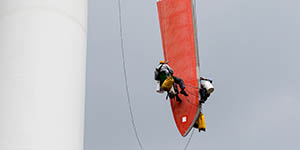
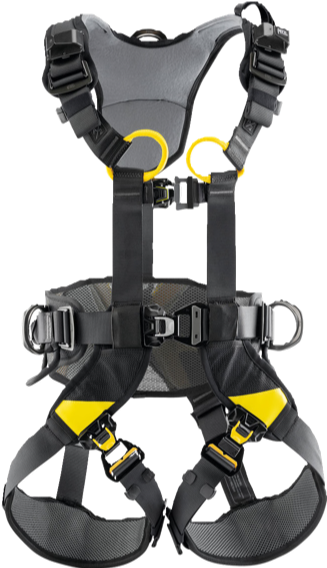
Petzl, manufacturer of professional safety equipment, will release an updated VOLT® harness line in March.

The VOLT harness line is designed to provide fall protection and comfortable work positioning for those working on towers or inside wind turbines.

Both models, the VOLT and VOLT WIND® are easy to put on and take off with FAST LT® automatic buckles on the waist belt and leg loops. The lightweight and breathable material on the wide, semi-rigid waist belt and leg loops maximizes air flow while also providing support.

Storage systems on each shoulder strap for the fall arrest lanyards keep the connectors stored away and, in the event of a fall, will release so the absorbers can deploy.

The VOLT model, designed for work on towers and antennas, is constructed with equipment loops along the waist belt for easy tool organization. The VOLT WIND model, designed for work inside wind turbine towers, has a dorsal wear protector to reduce wear along the straps.

In addition to the harnesses, the seat for VOLT harnesses was also updated to provide more comfort while working in suspension.

More info: www.petzl.com

Product training for corrosion protection on turbines scheduled

0

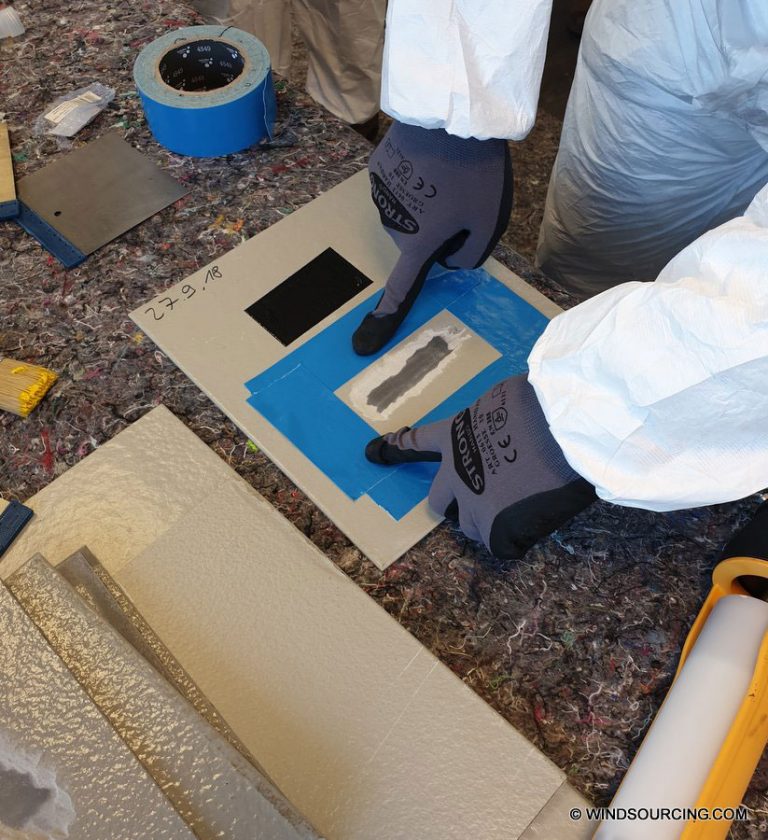
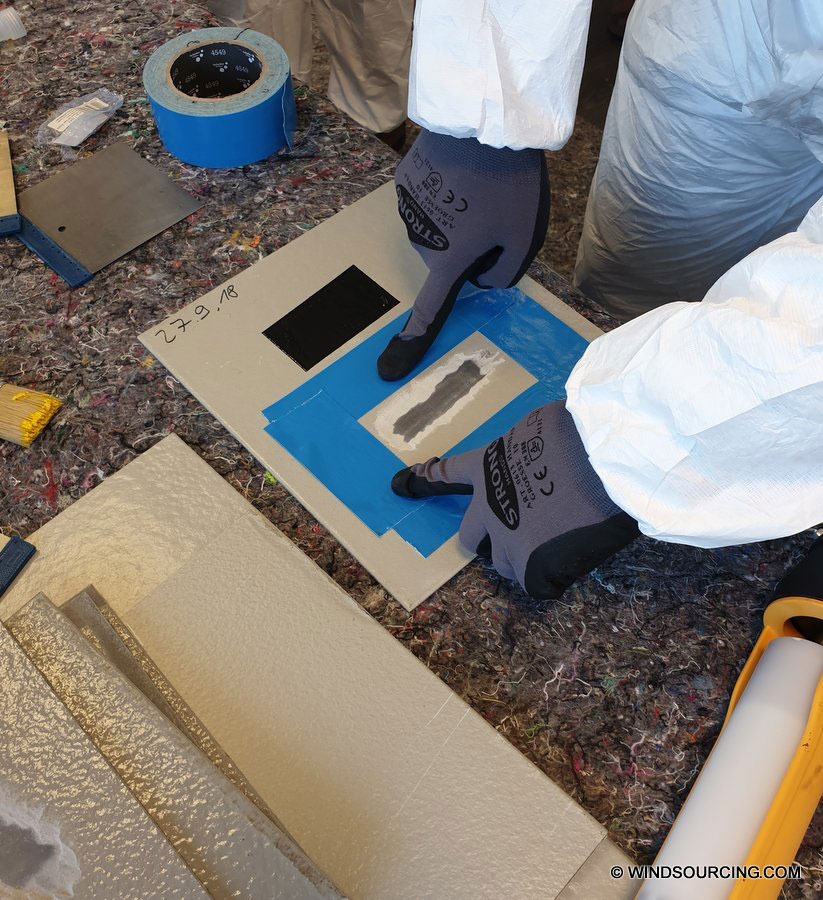
In cooperation with Sika Deutschland GmbH, WINDSOURCING.COM GmbH is again offering free product training this year for customers from the wind-energy and hydraulic steel structures sector.

The training will cover the use of SikaCor® SW-1000 RepaCor for the professional repair of corrosion protection of onshore and offshore wind turbines and hydraulic steel structures.

The event is aimed at all service companies involved in the maintenance and repair of wind turbines and multi-water structures. It consists of a theoretical part and practical exercises.

“The aim is that the participants will be able to reliably use the product themselves after the training and pass on the knowledge to their employees,” said Stefan Weber, founder and managing director of WINDSOURCING.COM, the Hamburg-based trading company.

Weber said he is enthusiastic about “SikaCor® SW-1000 RepaCor.”

“Various practical applications in recent months have confirmed this: The product is a revolution in the repair of corrosion damage to on- and offshore wind turbines and hydraulic steel structures,” he said.

Background: The use of wind power, especially on the open sea, demands the highest standards of corrosion protection — and thus maintenance — due to the mechanical and climatic conditions.

“A long and therefore profitable service life of the turbines can only be achieved with conscientious maintenance,” Weber said. “The turbines cannot simply be transported away, especially on the high seas. All work has to be carried out on site in all weather — often by industrial climbers, who have limited access to heavy tools and materials. In addition, protective coatings must dry and harden quickly due to the weather. This is exactly where SikaCor® SW-1000 RepaCor comes into play.”

The venue for the application training of this innovative product development will be at the Science Center “Universum Bremen.” Because participants from service companies from Germany and all over Europe are expected to attend, the training will be offered in German and English.

More info: www.windsourcing.com/en/trainings/sikacor-sw-1000-repacor-2020/

Aerox to market its leading-edge protection system for turbine blades

0

The company Aerox has just brought to market its leading-edge protection system for wind turbine blades; 20 months of work have been necessary to scale up the manufacturing and application processes of Aerox AHP LEP System, the innovative solution of the company for the protection against erosion of the leading edge of wind turbine blades.

Aerox has accomplished the main objectives of the LEP4BLADES project, developing new manufacturing and application processes that have been validated by wind turbine OEMs and service companies.

“This project has been a success for the company, something that could not have been possible without the collaboration of renowned international institutions such as ORE Catapult, University of Limerick, and University CEU Cardenal Herrera of Valencia as well as the support of reference industrial partners in the sector,” said Raúl Cortés, Aerox CEO.

The results of the work carried out in collaboration with the Spanish service company GDES Wind was revealed at the Wind Turbine Blade Manufacture Conference in Dusseldorf last December. The conference, sponsored by Aerox in the 2019 edition, is the most important international industry event on design, materials, production and performance of wind-turbine blades.

More info: www.aerox.es

Rope Partner secures new investors to meet demand for turbine services

0

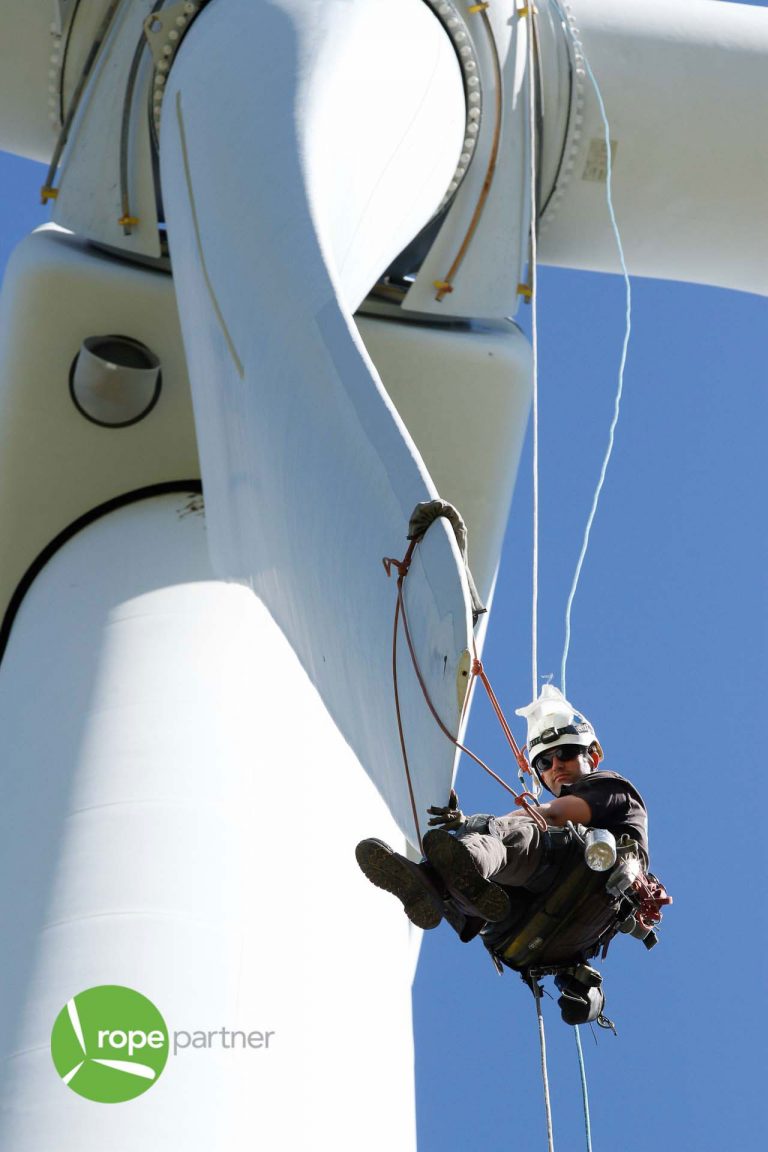
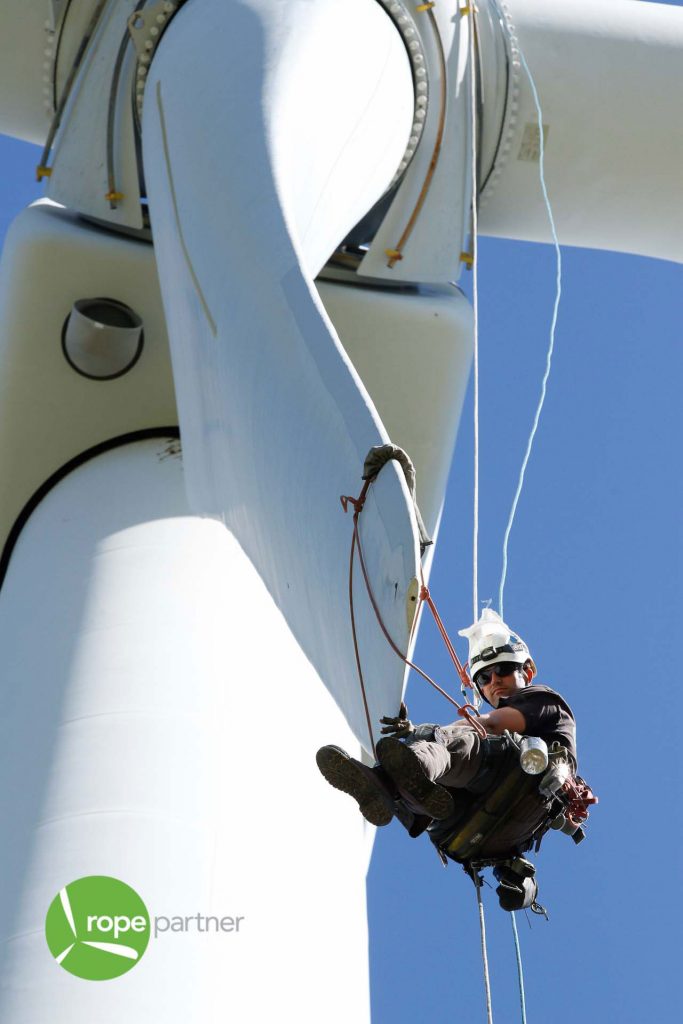
Rope Partner, Inc., an international leader in wind-turbine blade repair, maintenance, and performance-enhancing services, has been acquired by funds advised by Magnesium Capital LLP (Magnesium).

In the last decade, the global wind market has rapidly expanded, with the majority of operating capacity installed since 2009. Providing the required operations and maintenance (O&M) services for these existing turbines as they enter the second half of their design life creates an evolving need for high-quality wind technicians to efficiently and safely service this sector.

With the global wind industry forecast to more than double by 2027 (adding 65 GW annually), the global O&M market is projected to be a $21 billion market by 2025. The offshore market alone is expected to grow by 17 percent annually, to more than $12 billion by 2028. This investment will support Rope Partner’s continued work to provide the expanding market with the high-quality services critical to supporting and accelerating the transition to a clean energy economy. This includes strategic growth plans in North America and abroad, with Europe and Latin America already identified as key growth markets.

“Since our beginnings in 2001, we have become the leader in the space and have a global reputation, with our services relied on by many of the world’s largest wind-energy owners and manufacturers,” said Eric Stanfield, Rope Partner CEO. “This next phase of growth is a very exciting time for us. We see many opportunities in the North American market, both onshore and offshore, and also in Europe and Latin America, where our customers already have wind turbines operating.”

Rope Partner, headquartered in Santa Cruz, California, is recognized internationally as the premier at height service provider of repair, maintenance, and performance-enhancing services for wind-turbine blades. With more than 100 highly qualified technicians, the company counts among its clients more than 40 blue chip wind-energy asset owners and OEMs in North America and abroad, and, over two decades, has developed an unparalleled quality and safety record. In the last 18 years, the company’s technicians have completed several thousand projects for every major manufacturer and a majority of the wind-farm owners in North America.

“The industry has evolved significantly over the last several years,” Stanfield said. “As the wind farms mature along with the market, customers are placing additional focus on the condition of their blades. As such, it is important for us to keep innovating to safely deliver value to our customers. In Magnesium, we have found a partner with a deep understanding of our core market, an established network in Europe, and the financial backing to respond to our customers’ requests. With this infusion of capital, we can develop new services and expand internationally, including through potential acquisitions to consolidate what today remains a fragmented sector.”

“Eric and his team have developed a great company over the years with a strong culture of safety, quality, and environmental sustainability that is committed to maximizing uptime and ROI for its customers,” said Magnesium’s managing partner Ian Jones, who joins the board of Rope Partner. “The focus on optimizing wind-turbine performance will help accelerate the energy transition by supporting the decarbonization of the electricity system. We look forward to working with Eric and his team through its next phase of growth.”

“We are delighted to partner with Magnesium and Rope Partner to support the team’s continued growth plans,” said Andrew Carnwath, director of Private Equity at BMO Global Asset Management. “The company has established an unrivaled reputation within the industry, and it is now well placed to benefit from growth in the wind sector and increasing focus on blade maintenance. We are therefore confident that our investment will provide our investors with a market leading return and have a wider positive impact through growth in sustainable and affordable renewable energy and high skilled job creation.”

More info www.ropepartner.com

Onyx Insight and Castrol partner to deliver independent oil sensor study

0

ONYX InSight, a leading provider of predictive maintenance to the wind industry, together with Castrol, one of the leading experts in industrial lubricants, have embarked on a multi-phase study designed to uncover the potential of combining oil and vibration data on the accuracy of wind turbine health monitoring.

With the objective to bring the most innovative and advanced predictive maintenance solution to the wind industry market, ONYX InSight and Castrol have completed laboratory testing to measure the effectiveness of sensors to the changing conditions of oil in a simulated wind-turbine environment. The tests were carried out using a range of oil-sensor technologies, with each sensor type tested in multiple oils from three separate vendors to ensure comprehensive results.

The second phase is now in progress and has seen a rigorous program of oil-sensor installations in a commercial wind farm. Data from the field shows excellent correlation between oil sensor and vibration condition monitoring system (CMS) outputs relating to a developing gearbox bearing failure — giving operators even more confidence in the detection algorithm. The trials are helping ONYX InSight and Castrol refine new approaches for an advanced, integrated CMS by combining data from oil condition, vibration sensors and supervisory control and data acquisition (SCADA) systems.

The pioneering study comes in response to the industry’s need to increase efficiencies to help lower levelized cost of energy. The businesses believe that combining oil data with vibration data offers significant diagnostic advantages that improve maintenance planning across a turbine or fleet when deployed together with machine learning and engineering expertise.

“Current predictive maintenance solutions can already offer significant O&M cost-savings,” said Bruce Hall, CEO, ONYX InSight. “By adding an additional data stream through combining oil and vibration data, accuracy increases. This allows our customers to generate even higher cost savings.”

“As wind farms find their profits increasingly squeezed in the post-subsidy market, it is vital to enable O&M teams to drive maximum operational efficiencies using the latest technology,” he said. “To continue to innovate and improve predictive maintenance best practice, we need to understand how oil and vibration data can be combined to provide the most accurate insights to enable us to best support our customers’ O&M teams.”

“As we work toward a more sustainable future, an important part of our strategy is to ensure that renewable energy sources, such as wind power, can achieve maximum efficiency and performance,” said Phil Booker, international application engineer, Castrol. “We have been at the forefront of supplying best-in-class carbon neutral lubricants to extend wind-turbine lifecycles. Now we are working with ONYX InSight to ensure that O&M teams have the knowledge they need to help propel growth in wind energy.”

The study comes as ONYX InSight prepares to launch the first in a series of digitalization reports, which incorporate key findings from the combined oil sensor study along with additional research, to help companies rationalize the volume of data in the wind industry to help unlock the benefits of digitalization.

More info: onyxinsight.com

Americas wind installations rise 12% in 2019 to 13.4 GW

0

The latest data released by the Global Wind Energy Council (GWEC) shows North, Central and South America, and the Caribbean installed 13,427 MW capacity of onshore wind power in 2019, an increase of 12 percent on the previous year, which saw 11,892 MW installed.

In North America (Canada and the U.S.), new capacity additions grew by nearly 18 percent compared to 2018. In Central and South America and the Caribbean, new capacity additions decreased by 5

percent compared to 2018. Overall, this means that the region has tripled its wind-power installations since 2010, showing the immense progress made by wind energy as a leading power source in the Americas.

In North America, the U.S. saw an installation rush last year with nearly 10 GW installed. This was driven primarily by the Production Tax Credit (PTC) phase out and is expected to continue driving installations in 2020, while the recently approved one-year PTC extension is likely to create a new installation rush in 2024. In Central and South America and the Caribbean, strong growth has occurred in key markets such as Mexico, Argentina, and Brazil. However, the outlook for wind power in the next two to three years in some of these markets — namely Argentina and Brazil — is threatened by regulatory and political challenges.
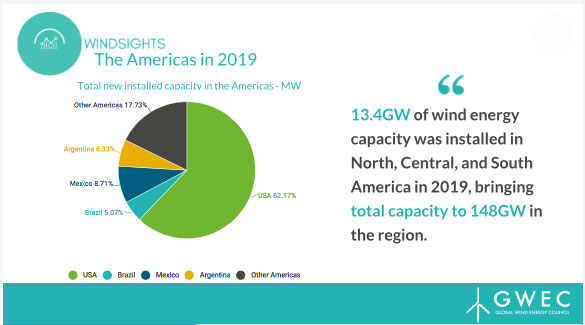

Key insights from the data include:

  • Leading countries in the region for 2019 include: U.S. (9,143 MW), Mexico (1,284 MW), Argentina (931 MW), and Brazil (745 MW)
  • The U.S. installed its third largest volume of onshore wind in 2019 at 9 GW, just behind its previous records of 10 GW in 2009 and 13 GW in 2012, reaching a total of more than 105 GW.
  • The offshore market in the U.S. is progressing, with first large-scale installations expected in 2022-2023 and more than 10 GW expected to be built by 2026. Brazil is also looking to tap into the offshore market and has the potential to deploy as much as 700 GW of offshore wind, according to a roadmap for offshore wind released by the country’s Energy Research Office (EPE) in January 2020.

“It is encouraging to see that installation levels for wind energy in the Americas are continuing to rise,” said Ben Backwell, CEO of GWEC. “However, policymakers need to be doing more to accelerate these volumes and take advantage of the full potential wind power has to offer. Meanwhile, the ongoing trade war between the U.S. and China continues to constitute a threat for the industry, as tariffs on steel and aluminum, which make up about 90 percent of wind turbines, put price pressure on the U.S. supply chain and risk increasing wind-power projects by as much as 10 percent.”

“Latin America has massive potential for wind energy, and we have seen many countries in the region emerge in recent years as renewable energy leaders through auctions, which have delivered wind energy at some of the most competitive prices globally,” said Ramón Fiestas, chairman of GWEC’s Latin America Committee. “New markets such as Colombia, which successfully executed its first renewable energy auction in 2019, and existing ones like Chile, which saw a record year installing 526 MW, show that there is still great untapped potential in the region. Yet, with the cancelling of planned auctions and changes to the clean-energy credits scheme in Mexico in 2019 as well as political and economic shifts in Argentina leading to uncertainty for future auctions, these key markets risk losing the momentum which they have worked so hard to create and missing out on a massive opportunity to transform their energy systems to cleaner and cheaper wind power.”

These latest figures released by GWEC form the statistical release of the Global Wind Report. The Global Wind Report is GWEC’s flagship publication and the industry’s most widely used source of data. The complete report provides a comprehensive snapshot of the global wind industry and an overview of trends such as the growth of offshore wind, corporate sourcing and changing business models. The full report will be released in March.

GWEC is a member-based organization that represents the entire wind-energy sector. The members of GWEC represent more than 1,500 companies, organizations, and institutions in more than 80 countries, including manufacturers, developers, component suppliers, research institutes, national wind and renewables associations, electricity providers, finance, and insurance companies.

More info: gwec.net
Bachmann expands its wind retrofit capabilities with team acquisition

0
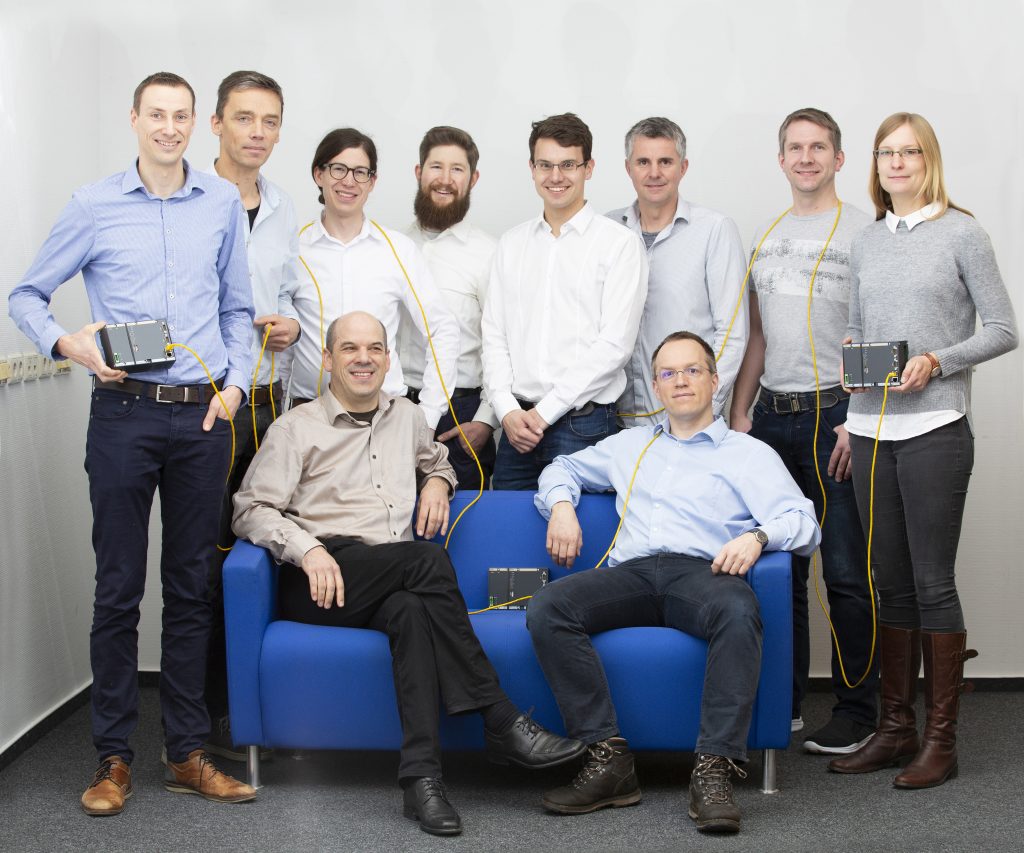
The Bachmann team in Rendsburg, Germany, will aid in retrofits to extend turbine lifetimes. (Courtesy: Bachmann)

Bachmann electronic, an industry leader in wind automation solutions, recently strengthened its significant expertise by acquiring a team of 10 wind-energy experts.

With more than 20 years’ experience in turbine control technology, the new team in Rendsburg/Büdelsdorf, Germany, will concentrate on the global turbine retrofit market. Their target is to provide turbine Life Time Extention (LTE), optimized efficiency, and support wind farms in delivering affordable energy.

Bachmann retrofitted turbines are now compliant with advancing technical requirements with increased cyber security and optimized operator safety. The Bachmann M1 automation system offers a wide variety of software components to older turbines. Components such as WTT (Wind Turbine Template), WPS (Wind Power SCADA), SPPC (Smart Power Plant Controller), Condition Monitoring Systems (CMS), and Structural Health Monitoring (SHM) update and standardize technology to meet international standards. Bachmann wind-energy customers increase their farm’s efficiency, lower costs, and maximize performance.

“We are very excited to be joining Bachmann,” said Martin von Mutius, head of the new retrofit team. “We want to grant independence to our customers, giving them the most from their turbines. This means durable, long-lasting automation solutions ensuring continuous productivity throughout turbine lifetimes; exactly what Bachmann provides.”

Bachmann electronic, a global automation company with headquarters based in Feldkirch, Austria, has been optimizing customer productivity and profit for 50 years. With more than 20 years’ experience in the wind market and as the leader in wind-energy automation, Bachmann provides the highest quality, durability, and reliability to one in three turbines worldwide.

Open and flexible communication standards, integrated machine health monitoring and web-based visualization are just part of the total solution Bachmann offers its customers. Continuous innovation and accumulated engineering know-how safeguard success and build trusted partnerships between Bachmann and its customers for generations to come.

MORE INFO  www.bachmann.info/en/industries/wind-power

Acciona puts its ninth U.S. wind farm into service in Texas

0
Acciona’s Palmas Altas Wind Farm farm features 46 Nordex technology wind turbines totaling 145 MW capacity.

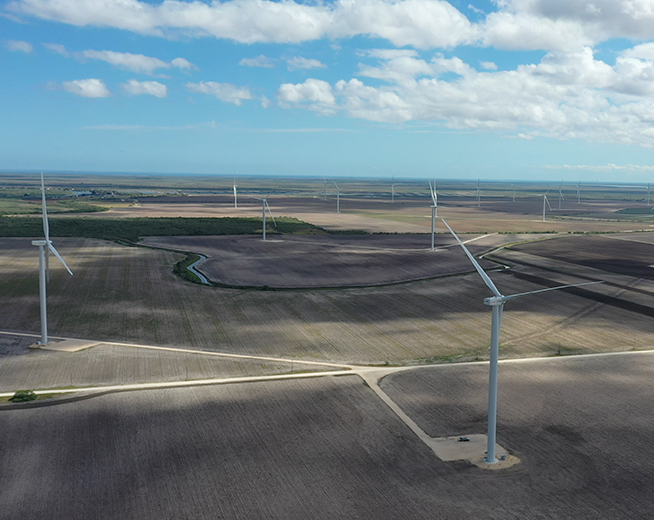
Acciona recently put the Palmas Altas Wind Farm into service. Its second Texas project and ninth U.S. wind farm, the project represents a total investment of about $200 million and increases Acciona’s generating capacity in ERCOT to 238 MW.

The wind farm features 46 Nordex technology wind turbines totaling 145 MW capacity.

Palmas Altas is in Cameron County, about 20 miles north of the San Roman wind farm that Acciona started up in December 2016. The new facility will produce about 524 GWh of clean energy per year, equivalent to the consumption of 43,000 U.S. households. It will offset the emission of 503,000 metric tons of CO2 — the equivalent of taking more than 100,000 cars and trucks off the road.

The Palmas Altas project employed about 170 people at the peak of construction. Now completed, a 10-person operations team will staff the wind farm over its 25-year lifespan.

The wind turbines installed in Palmas Altas are Nordex’s AW125/3150 model with a rotor diameter of 125 meters, mounted on an 87.5-meter steel tower (hub height). The energy produced by the wind farm will be sold in the ERCOT-South Texas wholesale market.

Acciona has 1,047 MW of wind power capacity in the U.S. and Canada.

MORE INFO  www.acciona.com

Greenbyte Energy Cloud supports Skyline Renewables

0
Skyline Renewables, backed by Ardian Infrastructure Partners and Transatlantic Power Holdings, is bringing together significant expertise in renewables project acquisition, development, and operation. Since its inception in 2018, Skyline has rapidly expanded its portfolio of assets under management from zero to more than 800 MW.

U.S. independent renewable energy company Skyline Renewables has selected Greenbyte’s Energy Cloud to monitor and maximize the performance of its growing portfolio.

With its ability to pull data from technologically and geographically diverse sources, the cloud-based asset management and monitoring platform will effectively support Skyline’s growth ambitions as the business targets 3 GW of wind and solar assets across North America.

The North American renewable energy market offers attractive investment opportunities for Independent Power Producers (IPPs) that are able to take a sophisticated approach to improving asset management of large wind and solar portfolios.

Skyline Renewables, backed by Ardian Infrastructure Partners and Transatlantic Power Holdings, is bringing together significant expertise in renewables project acquisition, development, and operation. Since its inception in 2018, Skyline has rapidly expanded its portfolio of assets under management from zero to more than 800 MW.

Greenbyte’s innovative asset management software will enable Skyline to ensure productivity across this growing portfolio, adding value for its investors. Greenbyte Energy Cloud’s user-friendly dashboards will give Skyline full visibility of asset performance, enabling swift identification of emerging issues and boosting transparency and trust with third-party operations and maintenance (O&M) teams.

With Skyline’s current portfolio containing technologies from three different wind-turbine manufacturers, the company is seeking to further diversify its asset base by expanding into the solar market. Greenbyte Energy Cloud’s ability to gather data from multiple technology sources will offer Skyline flexibility when acquiring, developing, and optimizing future renewable energy assets.

Furthermore, the platform will continue to evolve over time to incorporate the latest asset management and monitoring technology, keeping Skyline ahead of the curve and giving the company the freedom to maintain best practices as they continue to expand.

“Greenbyte’s Energy Cloud not only enables Skyline to work more openly and effectively with the third-party asset operators currently looking after the portfolio, but also to continue building its own understanding of operational performance trends across its asset base,” said Patrick Strom, senior sales manager at Greenbyte. “After opening our Chicago office earlier this year, Greenbyte is well-equipped to support Skyline and other sophisticated IPPs as they continue to develop their renewable energy portfolios in North America, while delivering consistent returns to their stakeholders and enabling continuous growth.”

“Greenbyte’s Energy Cloud is the platform that best aligns with our need to centrally view, analyze, and report on data from a variety of renewable assets with a user-friendly interface that is both intuitive and powerful,” said Brad Kallenberger, vice president at Skyline Renewables. “We’ve been able to quickly familiarize ourselves with many of the capabilities and immediately identify opportunities to optimize the performance of our fleet.”

Greenbyte Energy Cloud is used as a renewable energy datahub by asset owners and IPPs in North America and worldwide, covering more than 20 GW of wind, solar, and hydro assets globally. As owner-operators continue to expand their portfolios and become more data-driven, by 2022, Greenbyte expects to have more than 100 GW of assets monitored in Greenbyte Energy Cloud.

MORE INFO  www.greenbyte.com

Vestas to become carbon-neutral by 2030

0
In more than 40 years of pioneering and leading the wind energy industry, Vestas has worked with customers to reduce greenhouse gas emissions by driving the transition to replace carbon-based energy generation with renewable energy.

Vestas is excited to announce it will be a carbon-neutral company by no later than 2030 — the first of many initiatives to increase our sustainability performance.

For Vestas, the reality of the climate crisis is at the center of our business. In more than 40 years of pioneering and leading the wind energy industry, Vestas has worked with customers to reduce greenhouse gas emissions by driving the transition to replace carbon-based energy generation with renewable energy.

To become carbon-neutral Vestas will reduce its global carbon footprint through a 55 percent CO2 reduction by 2025, reaching 100 percent by 2030. As Vestas is committed to leading the transition to a world entirely powered by sustainable energy, it will not use carbon offsets but only deliver CO2 reductions through its own actions. Taking the first steps this year, the company will be transitioning to electric vehicles for its company cars, will start replacing its global service vehicle fleet with renewable fueled vehicles, and will be exploring further steps to reduce heating- and transport-related CO2 emissions from its operations. The factories and offices have been powered by 100 percent renewable electricity since 2013.

After installing more than 108 GW of clean energy – enough wind energy to displace 167 million metric tons of CO2 every year, equivalent to burning 70 million metric tons of coal every year – Vestas’ 25,000 employees are committed to developing competitive sustainable energy solutions to meet the world’s growing electricity demand. However, Vestas’ aspiration to be the global leader in sustainable energy solutions means going beyond delivering sustainable solutions — it means making sustainability part of everything we do and taking full responsibility for the company’s environmental footprint.

Therefore, Vestas does not believe reducing CO2 emissions in its operations is enough. Vestas is also committing to reduce the CO2 emissions from its supply chain by 45 percent per MWh generated by 2030. The measurement has been chosen because it incentivizes sustainability partnerships with suppliers that both reduce CO2 emissions and allows for the continued growth of the global renewable energy sector. Vestas will therefore actively seek sustainability partnerships with its suppliers.

“At Vestas, we are proud of our shared purpose and passion to make the planet a better place and to make our work as sustainable as possible,” said Vestas CEO Henrik Andersen. “To remain at the forefront of the energy transition, we must do even more than today to meet the growing sustainability expectations of our customers, partners, investors, and employees. Our commitment to become carbon-neutral is the right thing to do for all of us. Together, we will not just make products that build a more sustainable planet, but we will do so in the most sustainable way possible.”

“Becoming carbon-neutral in our own operations and reducing CO2 emissions in our supply chain is the next phase of our journey to ensure a more sustainable planet for future generations — which is our purpose as a company and as individuals,” said Lisa Malmquist Ekstrand, Vestas’ head of Sustainability. “Going beyond our promise to continue developing energy solutions that reduce CO2 emissions, we are now making sustainability part of everything we do.”

These commitments are shaped based on recommendations from the Science Based Target initiative (SBTi), an initiative led by the Carbon Disclosure Project, the United Nations Global Compact, the World Resources Institute, and the WWF. It advises and assists companies in defining a pathway to future-proof growth and driving the transition to a carbon-free future. Vestas joins at least 730 other leading companies who have already committed to reduce their greenhouse gas emissions under the umbrella of the SBTi.

MORE INFO  www.vestas.com

Production Tax Credit gets extension through 2020

0
Under the extension, wind projects that began construction in 2019 are eligible for the 40-percent credit, and those that start construction in 2020 will be eligible for a 60-percent credit.

President Donald Trump recently signed into law a spending and tax bill that includes an extension of the wind energy Production Tax Credit (PTC) for one year.

The bill also raises the value of the PTC to 1.5 cents/kilowatt hour.

“This bipartisan bill is a major win for American consumers,” said AWEA CEO Tom Kiernan. “It means more business for over 500 U.S. factories building wind-turbine components, and it means more opportunities for job creation and economic development in the rural communities hosting wind farms. We appreciate that Congress has recognized wind and other renewable’s role in building a strong economy while also reducing carbon emissions.”

Previously, wind facilities were eligible for a reduced PTC of 40 percent through the end of 2019, when the credit was set to expire. Under the extension, wind projects that began construction in 2019 are eligible for the 40-percent credit, and those that start construction in 2020 will be eligible for a 60-percent credit, according to Daily Energy Insider.

MORE INFO  awea.org

Pattern Energy starts construction on repowering of Gulf Wind Facility in Texas

0
Repowering the Gulf Wind facility will consist of removing the current wind turbines and replacing them with 118 new Siemens Gamesa SWT-2.3-108 turbines, which will generate 271 MW of capacity, the equivalent to the annual energy usage of approximately 80,000 Texas homes.

Pattern Energy Group Inc. recently announced it has closed financing and started construction on the repowering of its Gulf Wind facility in Kenedy County, Texas.

Repowering the Gulf Wind facility will consist of removing the current wind turbines and replacing them with 118 new Siemens Gamesa SWT-2.3-108 turbines, which will generate 271 MW of capacity, the equivalent to the annual energy usage of approximately 80,000 Texas homes. Construction began on December 3, 2019.

“Repowering Gulf Wind with brand new turbines made strong economic sense due to its unique location on the Gulf Coast, where the winds blow strongest at the times of Texas’ peak energy demand and pricing,” said Mike Garland, president and CEO of Pattern Energy. “Gulf Wind was our first wind-power facility, and technology has improved rapidly since it first began operating over a decade ago. By installing the latest technology turbines, we expect the repowered facility to have more efficient production, lower operating costs, renewed production tax credits (PTCs), and longer life, which combine to increase the long-term value of our fleet.”

“Repowering provides an opportunity to increase the efficiency, reliability, and longevity of existing wind farms,” said José Antonio Miranda, Siemens Gamesa Renewable Energy, CEO Onshore Americas. “We have a long-standing partnership with Pattern Energy and are excited to bring new life to the Gulf Wind facility.”

The repowering consists of replacing nacelles, towers, and blades for the 118 turbines at Gulf Wind with new Siemens Gamesa 2.3 MW turbines, each with 108-meter blades on 80-meter towers.

The Gulf Wind facility has entered into a new 20-year power purchase agreement with Austin Energy for the majority of the facility’s energy production. The remaining output will be sold at merchant power prices. Gulf Wind is strategically located on the Gulf Coast in Kenedy County, Texas, where favorable wind conditions allow the facility to maximize energy production during times of peak demand and peak pricing.

For more than 25 years, Gulf Wind is expected to contribute approximately $90 million to the local economy through tax and landowner payments. The Gulf Wind facility sits on 9,600 acres leased from the Kenedy Memorial Foundation. All money received by the Foundation supports its charitable causes to fight poverty, boost education, and build stronger communities.

Gulf Wind began operation in 2009. In late August 2017, the facility withstood Hurricane Harvey, one of the strongest hurricanes to hit the area in recent history. Following the storm, when the facility was deemed undamaged and safe to resume operations, Gulf Wind returned to supplying much-needed energy to the Texas grid.

MORE INFO  www.patternenergy.com

Leosphere enhances offshore offerings with Windcube suitable for buoys 

0
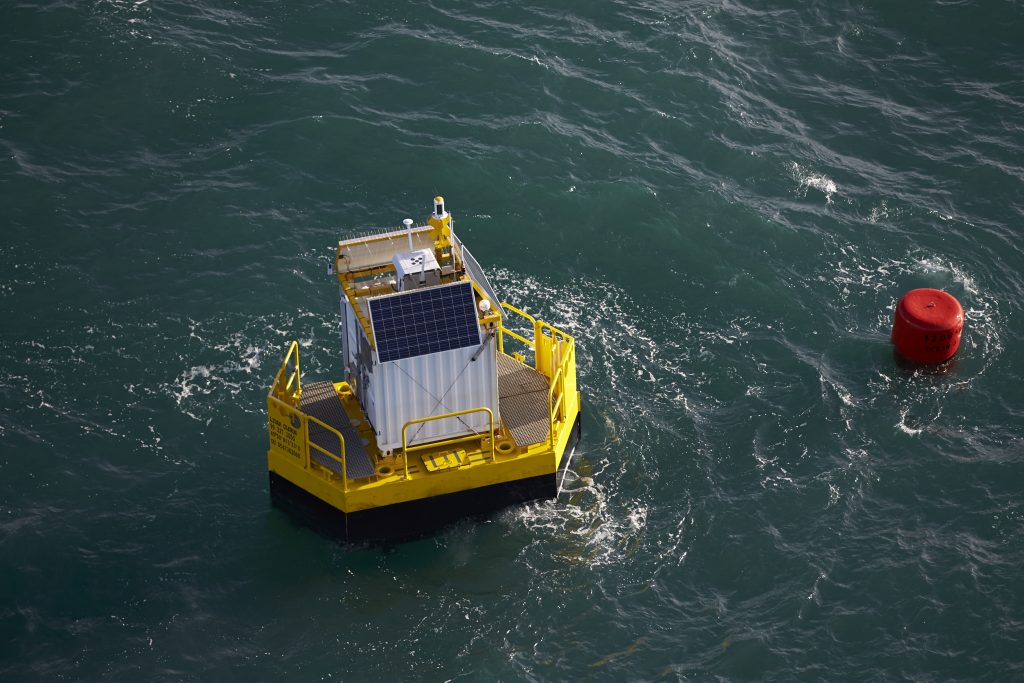
The buoy-ready Windcube’s new design will provide all of the innovation embodied in the Windcube but features a more robust casing in order to withstand difficult marine conditions in a moving platform at sea. (Courtesy: Vaisala/©Jacques Vapillon-AKROCEAN GEPS Techno)

Leosphere, a Vaisala company that specializes in developing, manufacturing, and servicing turnkey wind Lidar (light detection and ranging) instruments for wind energy, aviation, meteorology, and air quality, recently announced the fortification of its suite of offshore solutions to include the incorporation of a buoy-ready Windcube system to enable enhanced offshore wind resource assessment, even in harsh offshore environments.

“The Windcube is the reference Lidar for all phases of wind development and operations internationally,” said Alexandre Sauvage, CEO of Leosphere, a Vaisala company. “Already widely deployed across applications onshore, near-offshore and on platforms in the ocean, our new design enables customers to quickly leverage Windcube in an offshore floating environment.”

This buoy-ready offshore-environment solution retains all of the sought-after capabilities of the industry-leading Windcube system, which is used today onshore and offshore on fixed platforms. It provides bankable data by producing constant accuracy up to 200-plus meters over 12 simultaneous heights and is accepted onshore and offshore by all international standards and guidelines.

The new design will provide all of the innovation embodied in the Windcube but features a more robust casing in order to withstand difficult marine conditions in a moving platform at sea. It is also designed to be easily integrated into commercial floating buoys. Compared to traditional meteorological masts, floating Lidar systems offer many benefits, including quicker deployment and cheaper installation in which savings up to 90 percent are possible.

With the global demand for energy constantly growing, accelerating at its fastest pace in more than a decade, offshore wind and other carbon-free solutions are becoming a more important part of the world energy demand equation. According to a recent study by Global Industry Analysis, offshore wind capacity is forecast to grow by more than 80 GW through 2024, achieving an impressive compound annual growth rate (CAGR) of more than 25 percent in that period.

“The ability to measure wind speeds and direction from a floating Lidar solution instead of a met mast has been essential to accelerating the pace of offshore development,” said PS Reilly, CEO of AXYS Technologies, a global provider of data monitoring solutions and turnkey offshore monitoring campaigns. “The Windcube and its ability to accurately read wind characteristics has been a part of this industry breakthrough from the beginning, and the enhancements with this new model will help us bring even more reliability and bankability to our clients.”

MORE INFO  www.leosphere.com

TÜV NORD completes prototype certification for one of world’s largest offshore turbine  

0
With a diameter of 193 meters and a capacity of 10 MW, the SG 10.0-193 DD is one of the world’s largest offshore wind turbines. (Courtesy Siemens Gamesa)

On behalf of Siemens Gamesa Renewable Energy (SGRE), TÜV NORD has certified the prototype of one of the world’s largest offshore wind turbines.

The first milestone in certification process was thus reached for the SG 10.0-193 DD. The new 10 MW turbines are expected to be ready for the market in 2022.

“We are very pleased to support our partner Siemens Gamesa Renewable Energy by completing this important step towards type certification of this new generation offshore wind turbine,” said Silvio Konrad, member of the Management Board of Industry Service at TÜV NORD and responsible for the strategic business area Energy.

TÜV NORD successfully evaluated the design of the prototype according to the IECRE scheme and corresponding Operational Documents (ODs). Furthermore, a prototype certificate was prepared according to the Danish “Executive Order on a technical certification scheme for wind turbines” (BEK73). The prototype is supposed to be installed at the Wind Test Center Østerild (Denmark) in the upcoming months.

Tests and measurements including load validation, safety and functional tests as well as power performance measurements will be carried out on the prototype. Based on the obtained results, TÜV NORD will verify characteristics of the wind turbine as assumed in the design evaluation.

Toward the final type certification, TÜV NORD also performs the manufacturing evaluation of the main components as well as the nacelle and hub assembly. Compliance with the design requirements and SGRE specifications at the production will be assured, confirming turbine’s readiness for high-quality series production.

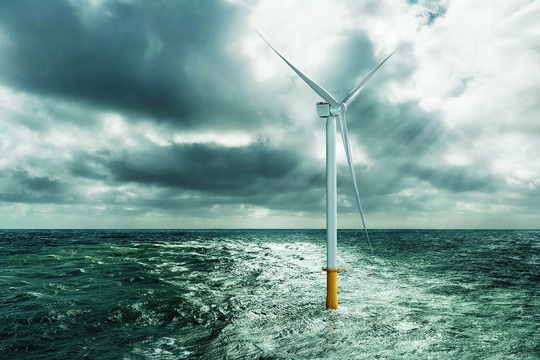
With a diameter of 193 meters and a capacity of 10 MW, the SG 10.0-193 DD is one of the world’s largest offshore wind turbines. Thanks to the larger rotor blades, which almost correspond to the dimensions of a football field, the turbine produces 30 percent more energy annually than its 8-MW predecessor. The turbine can thus supply about 10,000 average European households with electricity per year.

MORE INFO  www.tuv-nord-group.com