






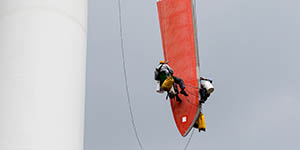
An urgent safety notice issued by the U.K.’s Health and Safety Executive (HSE) served as an important reminder of the need to keep gangway safety high on the energy industry’s safety agenda.
The regulator called on oil, gas, and renewable energy operators to review their gangway systems following fresh reports of motion-compensated gangways (MCG) retracting without warning. This latest alert comes just one year after a similar warning, which followed a series of serious injuries offshore.
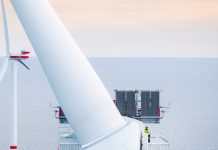
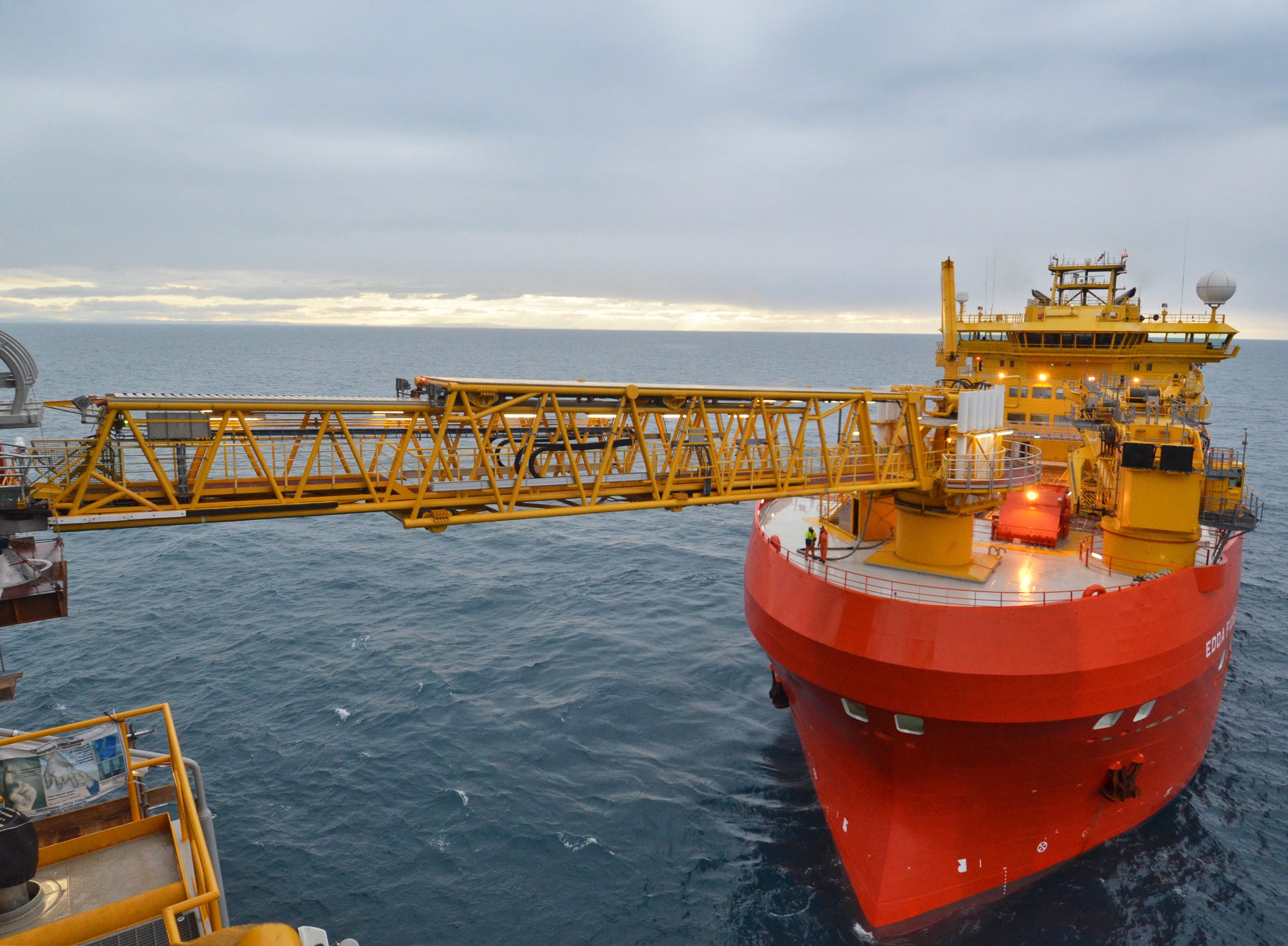
MCGs are used across the energy industry for transferring personnel and equipment between vessels and offshore assets, such as oil platforms or wind turbines. They are designed to withstand the motion caused by wind and waves, creating a stable platform. However, despite their advanced technology, MCGs have been shown to experience failures in adverse conditions, resulting in auto-retraction.
The notice from the HSE warned that sudden, unannounced retraction can lead to personnel facing hazards, including falling onto the gangway, being struck by moving parts, or falling from height.
Forecasts help plan the operation
While operators are taking action to address the concerns highlighted in the HSE’s notice, one proven solution that could have an immediate impact is real-time ocean monitoring. The issue is not only whether a gangway system can react when limits are exceeded, it is whether the crew has a reliable view of the conditions before people are exposed on the gangway.
In gangway operations, risk can increase when the conditions used for planning no longer match the conditions at the vessel. Forecasts are essential, but they are not the same as measured reality. If local wave height, wave period, wave direction, or vessel motion moves toward operational limits, crews need to know before the gangway system is forced to react.
The truth layer beneath every operational decision
Forecasts play an important role in offshore planning. They help teams prepare, schedule, and assess whether a weather window may be suitable. But during walk-to-work operations, the critical question is not only what was forecast, it is what the sea is doing at the vessel, right now.
That distinction matters.
Gangway transfers happen in a live environment where sea state, wave direction, wave period, and vessel motion can change faster than a forecast can reflect. A forecast may say conditions are within limits, while the actual local sea state tells a different story. The reverse can also be true. Without real-time measurements, operators are left to make critical decisions from estimates, experience, and delayed information.
Where real measurements become the truth layer
Real-time sea state data give crews and decision-makers a grounded view of the conditions they are actually operating in. It helps verify whether the operational model reflects reality. It gives AI and prediction tools a reliable foundation to work from, rather than forcing them to depend only on assumptions or broad-area forecasts.
That point is important. AI does not remove uncertainty by itself. A model is only as strong as the data it is built on and continuously checked against. In offshore operations, prediction without measurement can become a polished estimate. Prediction grounded in real-time measurement becomes operational intelligence.
For gangway safety, this truth layer can support better decisions before people are exposed. Captains and gangway operators can see whether conditions are moving toward or away from operating limits. Marine coordinators can better judge whether to proceed, pause, or wait. HSE leaders can build stronger assurances around how transfer decisions are made and documented.
The goal is not to replace human judgment. The goal is to give experienced people better evidence in the moments it matters most. When personnel are stepping from a moving vessel onto an offshore asset, assumptions are not enough. Forecasts help plan the operation. Real-time measurements help protect the transfer.
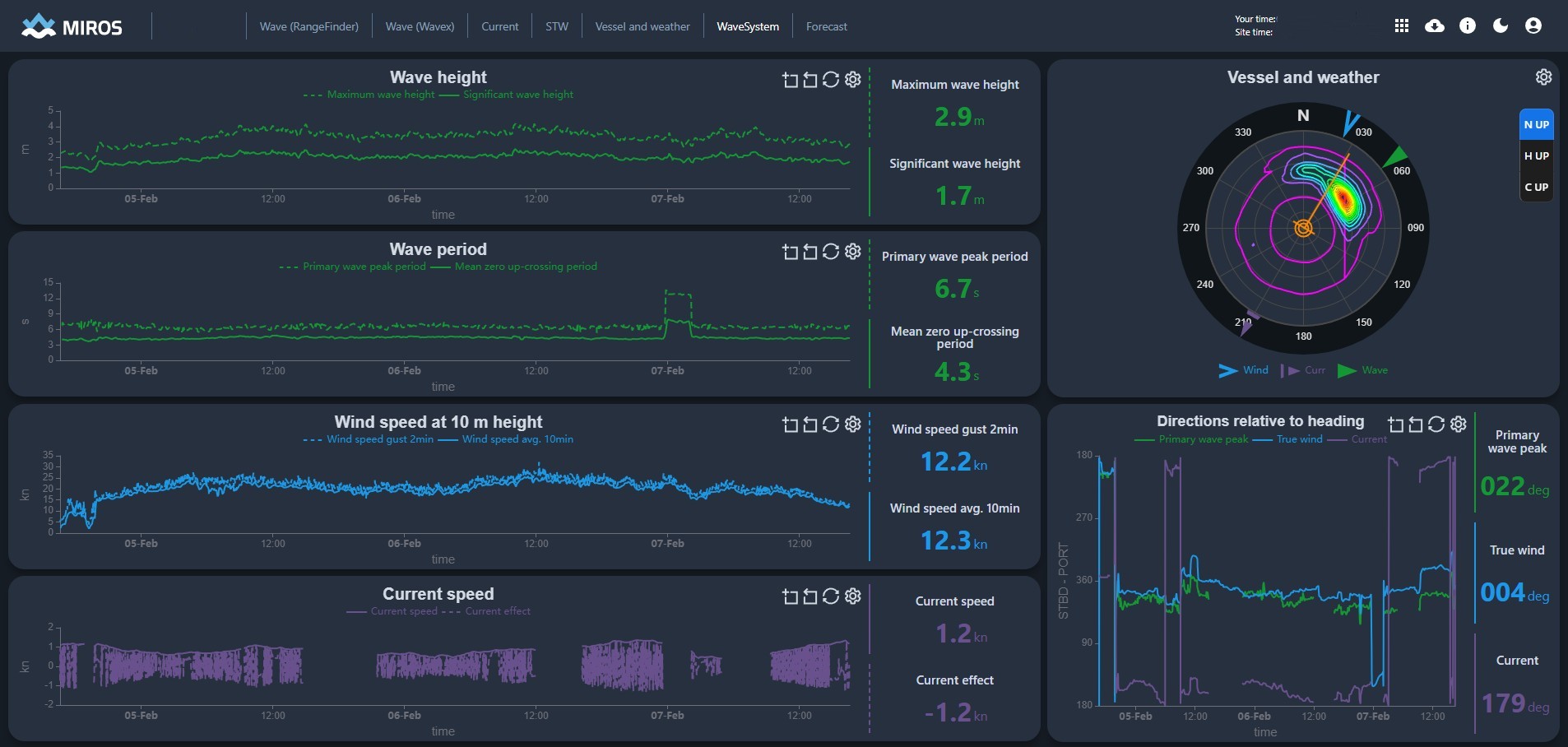
While sudden changes in wave height, period, or direction can create unsafe conditions for MCGs, these are not always visible with enough local detail or timing in a forecast alone. Real-time wave measurement and monitoring give offshore teams continuous visibility of actual sea conditions, offering an additional safety measure that strengthens the forecast-based planning process with measured truth from the operating location. By measuring the local sea state in real-time, operators can make informed decisions about when to safely deploy MCGs and minimize weather-related risks. They can also document that decisions were based on actual conditions, not assumptions alone. That matters for captains, marine coordinators, HSE teams, and everyone stepping onto the gangway.
The role of wave and motion prediction
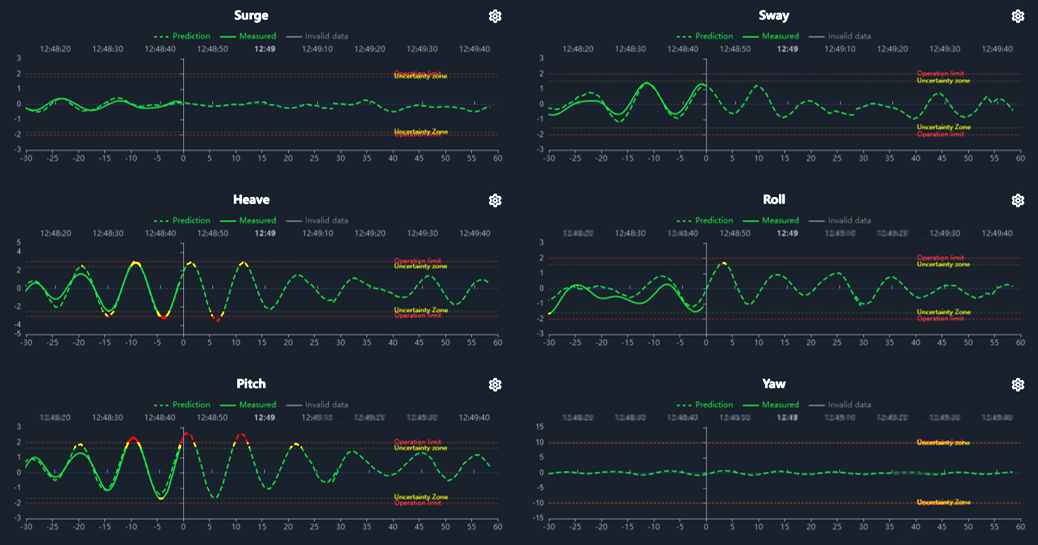
This is the role Miros plays, turning the sea state from an assumption into a measured input for operational decisions. Its wave measurement solutions deliver real-time sea state data directly at a vessel’s location. Meanwhile, its PredictifAI technology is developed to continuously adapt to changing weather and ocean conditions to provide optimized wave and vessel motion predictions. The value is not prediction for its own sake. The value is prediction grounded in measured reality. That is what gives crews a stronger basis for deciding whether to continue, pause or stand down.
PredictifAI can reliably anticipate and verify incoming waves from as little as one meter in height up to two minutes before they reach the vessel, giving crews critical warning of disruptive motion. In walk-to-work operations, that warning time can be the difference between starting a transfer and waiting for a safer moment. This level of foresight helps operators avoid risky gangway transfers in marginal conditions, dramatically reducing the likelihood of unexpected retractions and incidents.
Industry-wide adoption to safeguard gangway safety
While real-time wave measurements, as well as wave and vessel motion prediction technologies, are available today and already used in demanding offshore environments, they have not yet become standard industry practice. Whether due to resistance to change or a lack of regulatory pressure, many operators have yet to adopt real-time wave monitoring as a standard safety measure for gangway operations.
With two safety alerts about MCGs issued in the space of a year, the message from the HSE is clear: The current approach to managing MCGs is not sufficient. The industry should not treat this only as a gangway equipment issue. It is also a decision-quality issue. Do teams have enough measured information before they expose people to the transfer?
Miros’ technology directly addresses the risks raised and can support operators to avoid the risk of sudden retractions. The benefits also extend beyond this specific safety challenge. Real-time wave monitoring informs workers of waves and vessel motion that exceed operating limits ahead of time, allowing for better timing of offshore operations such as crane usage and optimizing instrument deployment, for example, ROVs.
Overall, live monitoring of waves supports vessel stability, protects equipment, improves planning, and minimizes downtime across a range of offshore operations. However, the question remains: How long will the industry accept that critical transfer decisions are being made without access to a real-time layer of measured truth directly from the vessel itself?