Home 2019

Mayflower Wind offers low-cost, local manufacturing options to Massachusetts

0

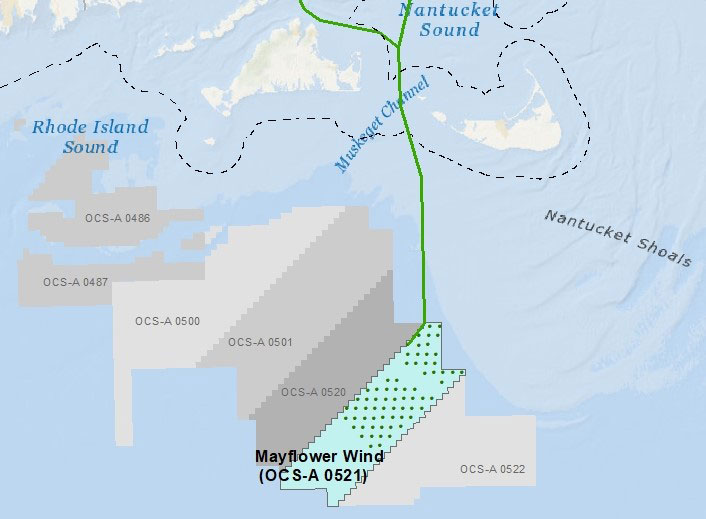
Mayflower Wind Energy LLC, a joint venture of Shell New Energies US LLC and EDPR Offshore North America LLC, recently provided the public version of its bids into the Commonwealth of Massachusetts’ second round of the Section 83C offshore wind-development procurement process.

Mayflower Wind submitted three 800-MW proposals as well as a 400-MW proposal to the Massachusetts electric utilities. The publicly available versions of the Mayflower Wind bids are available at www.mayflowerwind.com.

“We are very excited to submit these proposals to provide the utilities implementing the Commonwealth’s offshore wind policy with a range of options,” said John Hartnett, president of Mayflower Wind. “The low-price energy proposal includes strong support for research, workforce training, and economic development. Our infrastructure and innovation proposal adds significant strategic investments in port infrastructure and technology to the South Coast, boosting the fledgling offshore wind industry and the economy of the Commonwealth. Finally, our Massachusetts manufacturing proposal would further accelerate the process of Massachusetts assuming a leadership role in offshore wind by including a major new manufacturing facility that would serve both domestic and foreign offshore wind markets.”

In the months since Mayflower Wind acquired a Federal offshore wind lease, it has engaged with the fishing industry, local communities, tribal representatives, and local governments on the South Coast and Cape Cod, completed conceptual design of an entire offshore wind farm, filed for initial permits with the federal regulatory agency, and begun the process of pre-construction surveys.

Mayflower Wind brings deep experience and skills of its parent companies, Shell and EDP Renewables, to Massachusetts. These include successfully developing, permitting, financing, constructing, and operating offshore and onshore wind projects and offshore production facilities. Mayflower Wind draws on the experience of its parent companies who have the combined strength of more than 18,000 U.S. employees, a supply chain of more than 5,000 U.S. companies of which more than 800 are small businesses or women- and minority-owned enterprises, $400 billion in market capitalization, experience operating 6,300 MW of onshore wind in the U.S. and ongoing development and construction of 2,700 MW of offshore wind projects in France, the Netherlands, Portugal, and Scotland that are anticipated to be operational between now and 2023. This powerhouse combination gives Mayflower Wind the tools it needs to deliver projects in a safe, environmentally responsible, and timely manner.

More info: www.shell.com/newenergies

Triton Knoll selects Seacat Services for offshore vessel support

0

Class-leading offshore energy support vessel (OESV) operator Seacat Services has signed a long-term deal to support the construction phase of Triton Knoll offshore wind farm.

The contract, which includes options for further vessel charters, will initially see two Seacat Services OESVs — one 26-metER and one 24-metER catamaran — operating out of Triton Knoll’s new Grimsby construction base, providing specialist crew transfer and logistical support at the 90-turbine, 857-MW project off the U.K.’s East Coast.

With offshore construction set to commence in the first quarter of 2020, the first of the two vessels will begin preparation works at the project this winter, with the second set to join her in April 2020. Both are set to remain on the project until the end of 2021.

Triton Knoll will be the next major offshore wind construction project to enter U.K. waters when the first components are installed next year, and it has already made significant progress during the installation of the onshore electrical system. Once fully operational, Triton Knoll will be capable of generating enough renewable energy for the equivalent of more than 800,000 typical U.K. households.

Throughout construction, the wind-farm project continues to support the ongoing development of the domestic supply chain and recently launched a local recruitment drive for long-term operations technicians on the project. The contract with Isle of Wight-based Seacat Services extends a relationship that has already seen the project owner and vessel operator work together at Galloper Offshore Wind Farm.

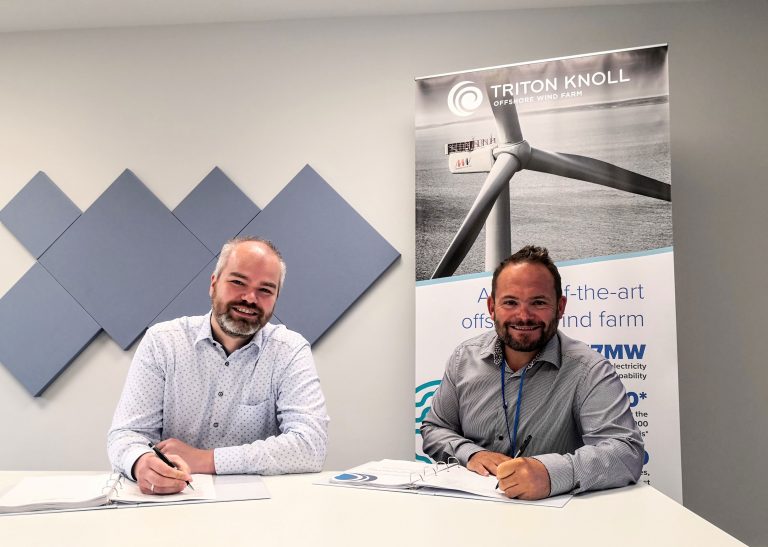
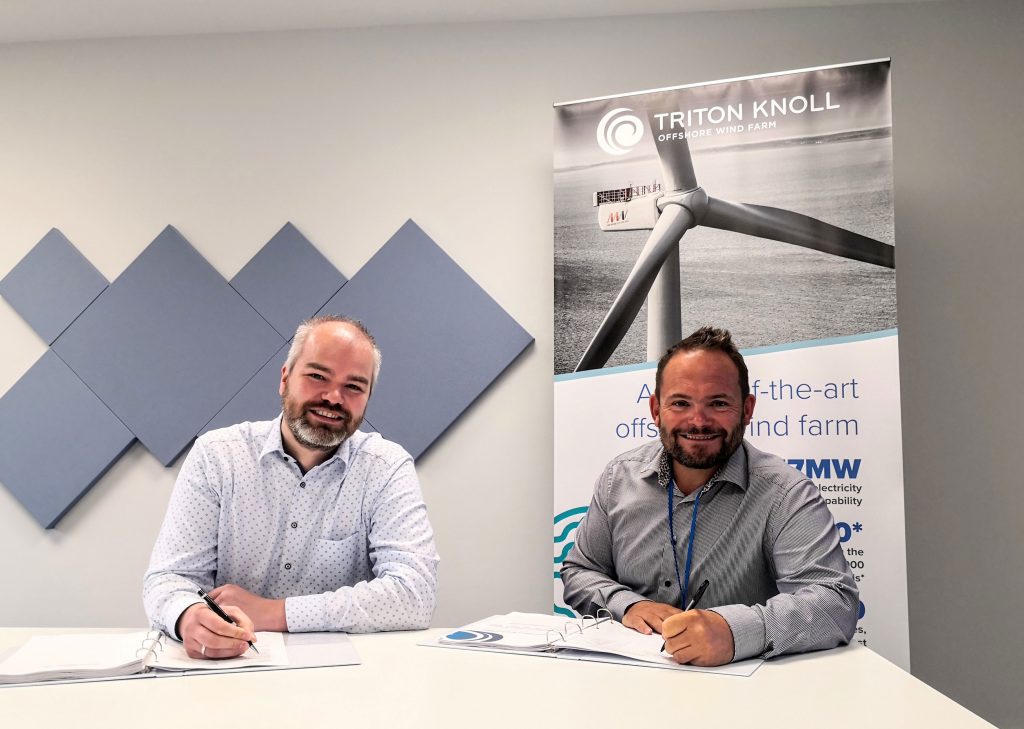
Ian Baylis, managing director of Seacat Services, and Matthias Reiker, finance director of Triton Knoll. Triton Knoll will be the next major offshore wind construction project to enter U.K. waters. (Courtesy: Triton Knoll)

Seacat Services’ entire fleet of 14 state-of-the-art OESVs has been built in the U.K., with two further catamarans currently under construction at the Diverse Marine shipyard in Cowes.

“We’re delighted to bring Seacat Services into the Triton Knoll team, further strengthening our project presence in Grimsby and reinforcing our commitment to the U.K.’s offshore supply chain,” said Matthias Reiker, finance director for Triton Knoll. “It is vital that the construction of the project is conducted as efficiently as possible while meeting our highest safety standards. In light of this, Seacat Services has proved a natural fit as a vessel provider, and we look forward to progressing our state-of-the-art project with them.”

The deal reaffirms the expertise of Seacat Services in managing complex logistical charters for large-scale offshore wind construction projects. For the duration of the contract, the pair of Seacat Services vessels will be operating out of the Port of Grimsby and will work in conjunction with the on-site Service Operation Vessel (SOV) as part of a shift-based approach that will keep them available on a 24-hour basis at the height of construction activity.

“During the time-sensitive offshore wind construction phase, the importance of a finely-honed approach to vessel management cannot be understated,” said Ian Baylis, managing director of Seacat Services. “It not only ensures maximum ‘time-on-turbine’ for project technicians to keep the project on track but can also create wider operational efficiencies that have an impact across the board. Having worked out of Grimsby previously, we’re looking forward to returning later this year and getting the project underway.”

More info: www.tritonknoll.co.uk

Siemens Gamesa reinforces its partnership with Southern Hills expansion

0

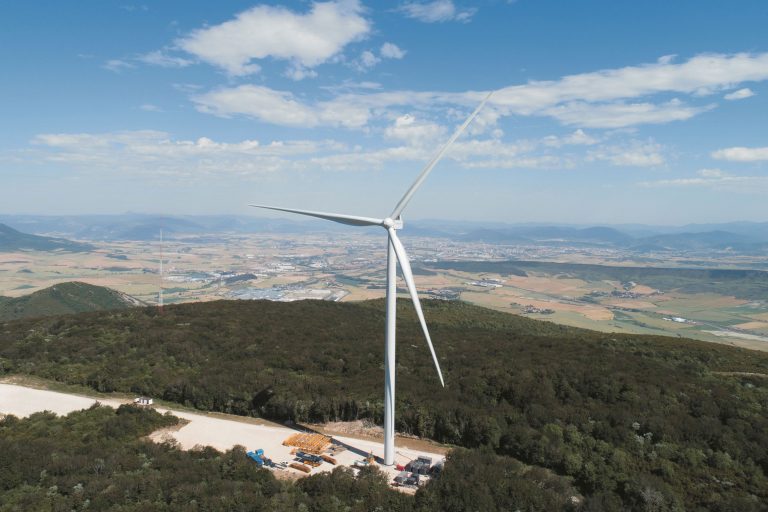
Siemens Gamesa has been selected by MidAmerican Energy Company for the Southern Hills Expansion wind-power project, which will feature 21 SG 4.5-145 wind turbines, operating at 4.8 MW, and will be in Iowa.

This project also features the company’s premier service and maintenance agreement for three and a half years.

This turbine model, a benchmark solution for sites with medium winds, has been designed to offer a flexible rating ranging from 4.2 to 4.8 MW, increasing its adaptability to be configured for optimal performance in each individual project, achieving maximum returns.

“We are once again proud to have been awarded a project by MidAmerican Energy Company, strengthening our long-standing relationship with them,” said José Antonio Miranda, CEO of Onshore Americas at Siemens Gamesa Renewable Energy. “We have had great success with the SG 4.5-145 wind turbine, with over 1.4 GW sold in the U.S., Canada and Mexico, and are excited to continue growing that number.”

Siemens Gamesa has installed more than 10,000 wind turbines in the U.S. totaling about 20 GW of installed capacity. In Iowa, Siemens Gamesa has installed nearly 1,400 wind turbines for a total of almost 3.5 GW. Of that, 1,164 units for a total capacity of nearly 3 GW are with MidAmerican Energy Company, highlighting the strong collaboration of both companies.

More info:  www.siemensgamesa.com

Sulzer Schmid and NNAISENSE develop AI engine for blade damage detection

0

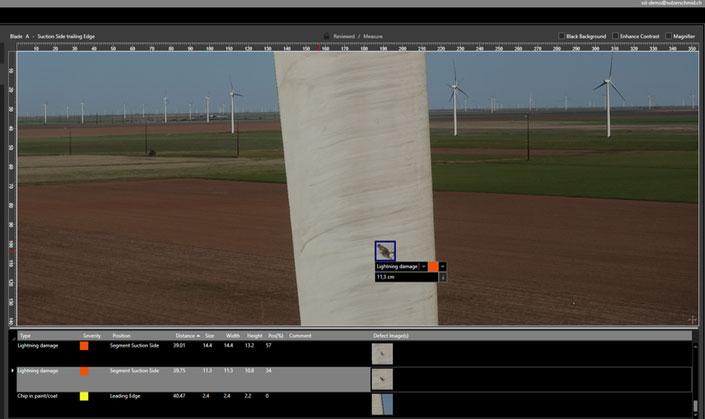
Sulzer Schmid, a Swiss company pioneering UAV technology for rotor blade inspections, and NNAISENSE, a world leading artificial intelligence specialist, have partnered to develop an artificial intelligence engine to automatically detect rotor blade damages on wind turbine.

This leapfrog technology is expected to bring the twin benefits of improving the productivity and consistency of blade-inspection processes.

With this new development effort, the two partners are aiming to build the industry’s most powerful artificial-intelligence engine able to recognize damages based on inspection-image material. The initial version will be able to flag all areas of concern on any given damaged blade. Ensuing upgrades will add other capabilities, such as the ability to establish damage categories and severity levels.

“Maintaining the structural integrity of rotor blades is critical to maximizing energy output and ensuring the safe operation of wind turbines,” said Faustino Gomez, CEO of NNAISENSE. “We are convinced that we will be able to transfer our extensive expertise in surface defect recognition from other industries to the wind industry and are looking forward to our cooperation with Sulzer Schmid, an innovator in its own space.”

The autonomously flying drones of the 3DX™ Inspection Platform of Sulzer Schmid assure high-definition quality and consistent image acquisition time as well as 100-percent blade coverage while minimizing human errors and operational risks. The cutting-edge image assessment tools of the platform ensure detailed and efficient damage assessment. With the support of an AI-enabled inspection software, the review work of blade experts will be greatly facilitated. Instead of having to review the entire surface of the blades, they will simply need to focus on the pre-selected areas of concern. This technology progress will not only significantly boost the productivity of the reviewing teams but will also improve the quality of damage annotation processes.

“Maximizing end-to-end productivity is a key success factor in the highly competitive market of wind turbine inspection solutions,” said Christof Schmid, COO and co-founder of Sulzer Schmid. “Thanks to our collaboration with NNAISENSE, we will be able to push the envelope in this area and significantly advance the automation capabilities of our inspection platform.”

“We are very excited about our collaboration with NNAISENSE, a true leader in the visual recognition of surface damages by means of AI,” said Tom Sulzer, CEO and co-founder of Sulzer Schmid. “This will further enhance the added value we provide for our customers and partners.”

More info: www.sulzer-schmid-labs.ch

Semco Maritime adds new business area for offshore wind

0

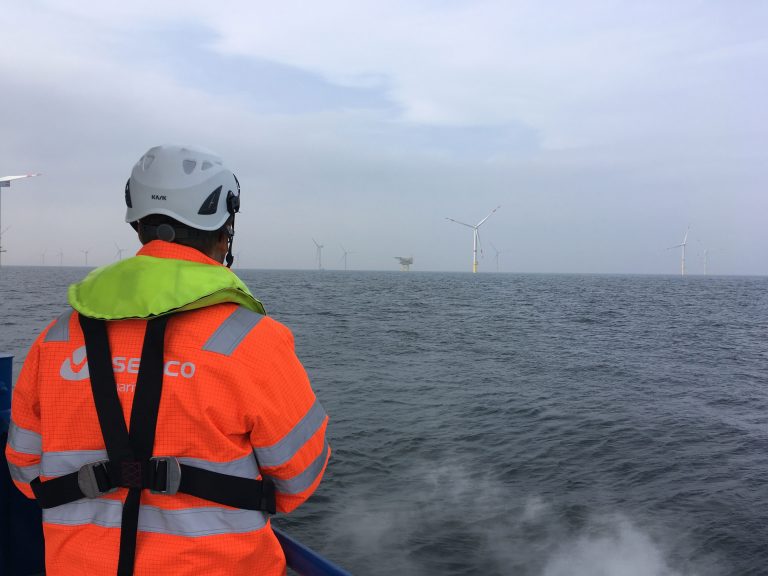
Semco Maritime to leverage two decades of offshore wind project experience into a new business area focusing on the concept and feasibility phases of offshore wind projects.

Semco Maritime has a significant footprint in the offshore wind market, providing EPC solutions for offshore high-voltage substations (in cooperation with long-term partners Bladt Industries and ISC Consulting Engineers) as well as services and maintenance for offshore wind balance of plant. All in all, these business areas have been part of Semco Maritime’s offerings for almost two decades, and adding a new business area dedicated to concept and feasibility studies extends Semco Maritime’s offerings to cover almost the full life cycle of any offshore wind project.

“We have found that our unique in-house technical skills and experience can be leveraged into the early concept phases of developing offshore wind sites, ensuring that proper considerations are evaluated and that the right decisions are taken at an early stage,” said Tommy Flindt, director of Technology, Offshore Wind. “We have decades of successful EPC experience and feedback from sites in operation, and it will all be available to the benefit of our customers.”

The offerings provided by Semco Maritime may include studies related to how to transmit offshore wind power to the onshore power grids factoring in the balance between project capital versus operational expenditures and asset availability.

“The studies for the offshore wind market cover a wide range of technical disciplines,” Flindt said. “As for some selected competencies, we are partnering with other strong engineering companies in the market. These partnerships have already been tried and tested on a number of successfully delivered studies for the European, Taiwanese, and U.S. offshore wind markets where our EPC and service experience has created good value and been of benefit to our customers.”

The new business area and selected references have been introduced to the Semco Maritime website.

More info: www.semcomaritime.com

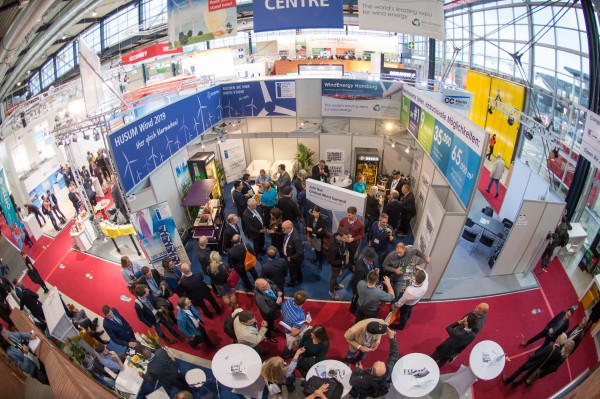
What awaits visitors to HUSUM Wind 2019

0

Trade visitors to HUSUM Wind 2019 can look forward to an exciting conference and lecture program, as well as specialist seminars, workshops, and matchmaking formats. Here’s a brief overview:

HUSUM Wind, September 10-13, 2019, covers the entire value chain of the onshore and offshore industry in the areas of turbine construction, service, planning, financing and operation, plant components, and raw materials. Located in the middle of Germany’s largest wind-farm network between the North Sea and the Baltic Sea, the trade fair offers a unique contact platform for the wind industry, characterized by practical relevance, networks that have grown over decades and an extraordinary personal atmosphere. HUSUM Wind is rounded off by the accompanying congress, forums, and matchmaking formats such as the international cooperation exchange HUSUM Wind Match (organized by WTSH and Enterprise Europe Network) for research institutions and companies, and the Windcareer job fair.

HUSUM Wind 2019 Congress

Current, application-specific and interdisciplinary topics will be presented at the HUSUM Wind 2019 Congress. The content spectrum includes digitalization, big data, technology, service topics, and new business models such as PPAs and legal issues. In addition, there will also be lectures in special areas such as innovation and materials research and computer security. The speakers come from the fields of industry, energy supply, certification and financing, IT, research, and science. These include OEMs with topics such as technological innovation and new services, digitalization and repowering.

Forums and lecture program

Opening day, September 10, already reflects the diversity of the program — with lectures on technical innovations in wind-turbine construction, repowering and dismantling or further use and PPAs, as well as press conferences by such organizations as RDRWind e.V., (Industrial Association for Repowering, Dismantling and Recycling of Wind Turbines). The Plarad Supplier Forum and the VDE-Verlag Forum will be on the second day of the fair. The latter will present high-end technology for the digitalization of wind turbines, including topics such as “Reprocessing of bearings and lubrication systems”, “Innovative rotor blade and tower drive systems,” and “Demand-oriented night marking.” A further highlight is the HUSUM Wind Innovation Day, curated by Dr. Sascha Peters of Haute Innovation, the Berlin-based future agency for materials and technology. There, trade visitors and exhibitors can inform themselves about innovative material technologies and new developments, especially with a view to the profitable continued operation of wind turbines. The forum organizer, watt2.0, will discuss hydrogen as a promising storage solution for excess wind power on Wednesday, and on the following day they will focus on sector coupling with “Mobility meets Renewables.”

On the third day of the fair, the lecture program will continue with practical, predominantly technical topics such as electrical engineering, maintenance and repair, and operational management and plant safety. Here, such organizations as TÜV Nord, ARGE Netz, and ENGIE will be presenting their projects. And, as usual, the last day of the trade fair will feature the Windcareer job fair, held under the motto “HR and Recruiting.” This is also reflected in the program with contributions on study and career opportunities and promising business fields in the wind- and renewable-energy sectors.

For more information on the congress program, go to https://husumwind.com/vortraege-und-events/kongressprogramm/

HUSUM Wind Match 2019

As part of HUSUM Wind, the Enterprise Europe Network is once again inviting exhibitors and visitors to a full-day b2b matchmaking event, the HUSUM Wind Match, on September 11. The international cooperation exchange is aimed at representatives of companies and research institutions from various fields including: research and development, installation and assembly, components and suppliers, new materials, project development, and operation and maintenance. This format offers participants the opportunity to discuss cooperation possibilities in a relaxed atmosphere and to expand their own international network. The Speed Dating format allows participants to quickly get to know various potential cooperation partners and establish business and research relationships. To date, about 52 participants have signed up for the matchmaking event, 25 of whom come from the international arena. For more information, go to: husum-wind-match-2019.b2match.io/home.

Windcareer Job Fair 2019

As always, the last day of the fair on September 13 will be dedicated to careers and education in the wind industry. About 30 companies and institutions will be presenting themselves at the Windcareer job fair at 10 a.m. in the auditorium of the congress center. Together with eejobs.de, the ForWind Centre for Wind Energy Research is organizing an extensive program of lectures where interested parties can find out about jobs, training, and further education opportunities in the wind industry: Companies such as Vestas, Deutsche Windtechnik, and Denker & Wulf will be giving presentations about their working environment, and there will also be presentations about exciting courses of study in the wind industry. In addition, there will also be a job wall with details of potential employers, job vacancies, and a wide range of further training opportunities. There is also an opportunity to have professional CV photos taken directly on site.

Sports and cultural entertainment in Husum is provided by the diverse peripheral program during the trade fair days. Visitors and exhibitors are invited to join locals for entertainment and networking opportunities outside the exhibition halls, down in the town and around the harbor.

HUSUM Wind Trophy

On September 9, the day before the fair, a new milestone in the 30-year wind history will be celebrated on the golf course, when Innogy and THE BLUE join Messe Husum in inviting you to the 1st HUSUM Wind Trophy. The game format “four with selection drive” leaves plenty of time for informal networking on the course. The winner will receive the Wind Trophy Challenge Cup, which has been specially designed for this tournament. Register by August 30. For more information go to: husumwind.com/vortraege-und-events/events/husum-wind-trophy/.

Windwanderer Festival

On the first day of the fair, the traditional Windwanderer Festival takes place in the evening, where both fair attendees and Husum residents can stroll around the harbor and experience different musical genres in various locations. Whether “Homefield Four” in Husum Pub, “The Greyhounds” in the La Mer fish restaurant, “The Andersons” at Alex Kitchen, “Esther Jung” in the KulturKeller or “B.O.E.M. and Loopmilla” in the Speicher, there is something for all tastes. The festival begins at 7 p.m. on September 10 and is crowned with a firework display at 9 p.m. For more information, go to: husumwind.com/vortraege-und-events/events/windwanderer-festival/.

HUSUM Wind Run

“Faster than the wind” is the motto on the second day of the fair, September 11, at the HUSUM Wind Run. Starting at 7:30 a.m., a 7-kilometer run will take place for all sports enthusiasts —  along the outer harbor, past shrimp cutters, ships, and sheep to the Dockkoog, the green beach directly on the North Sea. For registration information, go to: husumwind.com/vortraege-und-events/events/husum-wind-lauf/.

MORE INFO  www.husumwind.com
Greenbyte opens Chicago office, targets U.S. renewables

0

Greenbyte, a developer and enabler of smart data software to drive productivity in renewables, has significantly bolstered its presence in the United States with the opening of a new Chicago office.
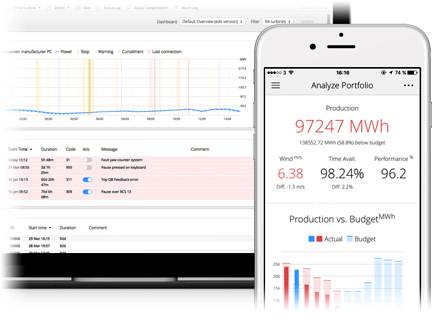
The new location will serve as a regional hub for the nationwide rollout of the Greenbyte Energy Cloud, an open, versatile and user-friendly monitoring and asset management platform for renewable energy portfolio owners and Independent Power Producers (IPPs).

The Chicago office will establish a new center for sales, support, and customer success, ensuring that Greenbyte’s expanding pool of North American customers are served to the highest level by a U.S.-based team. This growing team has a wealth of renewables experience and will work with U.S. businesses to implement Greenbyte’s monitoring and asset management platform, which delivers proven productivity gains across multi-technology portfolios.

While digitalization has rapidly become a buzzword in the U.S. renewable energy industry, for many it remains an unrealized opportunity. Many digital data management platforms in use have been developed as bespoke solutions for individual projects or portfolios, are focused on a single technology, or have been designed to direct users toward particular hardware choices or specific engineering and consultancy services.

Ultimately, this narrows the opportunities available to asset and portfolio owners, rather than creating the flexibility they need to analyze, understand, and act on their performance data.

“North American portfolio owners too often find themselves using numerous different monitoring and asset management tools, across a wide range of generation types and technologies,” said Eric Bergman, senior account executive in Greenbyte’s U.S. team. “Not having a consolidated asset management platform for these diverse portfolios is both costly and inefficient to system owners and stakeholders and leads to a lack of transparency on fleet performance, which typically takes its toll as lost energy and revenue.”

“Strengthening Greenbyte’s U.S. presence supports our objective of bringing renewables stakeholders a single source of truth that broadens, rather than limits, their future choices,” he said.

Greenbyte Energy Cloud has been designed to provide asset managers and portfolio operators with a single, user-friendly point of access to data from a multitude of sources, from on-site resource measurements and SCADA to third-party data analytics services. It will enable U.S.-based customers to monitor and manage all renewable energy types, including storage assets.

Greenbyte’s system is already in use by a number of leading U.S. renewable energy businesses. These include Longroad Energy, a developer and operator managing a portfolio of 1.5 GW of operational wind and solar projects across the country, including more than 800 MW for third-party owners.

Longroad is using Energy Cloud as a versatile hub for all critical performance data, supporting asset management, operations and maintenance (O&M), and remote monitoring of this diverse asset base. In turn, Longroad uses these data to inform decisions that reduce costs, increase portfolio efficiency, and drive revenue.

“While many systems on the market prescribe certain portfolio-wide asset management approaches and decisions, Greenbyte Energy Cloud creates the flexibility and scalability we need to effectively manage our expanding wind and solar asset base,” said Jeremy Law, vice president of Asset Management at Longroad Energy. “Having used the system for nearly two years, we are starting to generate wide-ranging efficiency gains across our business that translate directly into increased performance and availability for our assets.”

MORE INFO  www.greenbyte.com

First vertical axis wind turbine awarded certification

0
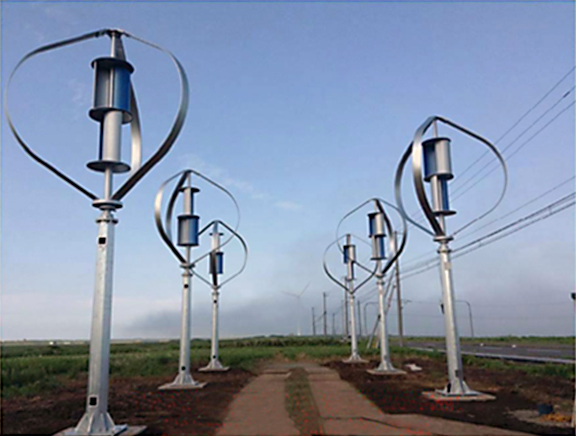
The first small wind turbine power plant in Nemuro City, Hokkaido, Japan.

Hi-VAWT’s DS3000 small wind turbine is the latest model to achieve certification under the ICC-ES Small Wind Certification Council (ICC-SWCC) Small Wind Turbine (SWT) Program.

It is also the first vertical-axis wind turbine (VAWT) to complete the rigorous ICC-SWCC certification process.

Vertical-axis turbines use a unique geometry and feature distinctive vertical blades that are arranged perpendicularly through the wind stream. The Hi-VAWT DS3000 turbine has been granted certification SWCC-18-02, which demonstrates compliance with the AWEA 9.1 standard that serves as the basis of the ICC-SWCC SWT program. Hi-VAWT is based in Taiwan and is represented in the U.S. by Colite Technologies, who submitted the turbine for certification.

The DS3000 turbine’s product information, test reports, and calculations were thoroughly reviewed to confirm that all requirements of the ICC-SWCC SWT program were satisfied. The DS3000 is a three-blade, vertical-axis wind turbine with a combination Darrieus-Savonius rotor with a 3.7-meter diameter. ICC-SWCC rated its annual energy production at 2,460 kWh per year* and 1.4 kW rated power at 11 m/s wind, and a rated sound level of 42.3 dB(A)**.

“The completion of the first successful VAWT certification for a small wind turbine is an exciting development for the industry and ICC-SWCC; we congratulate Hi-VAWT and its U.S. partner, Colite Technologies, for this achievement,” said ICC Evaluation Service Vice President of Technical Services Shawn Martin. “The ICC-SWCC program provides third-party performance ratings and assurance that certified turbines have passed rigorous testing and performance requirements.”

“The Hi-VAWT Technology Corporation has been offering its turbines in the United States for nearly a decade,” said Kevin O’Hara, president and CEO of Colite Technologies. “It is now very rewarding to finally achieve an official certification from ICC-SWCC confirming the integrity of the technology. The Hi-VAWT technology is not only the sole vertical access wind-turbine technology to reach this level of certification in the U.S. but also across the globe. We are extremely proud and excited to be a representing Hi-VAWT in the U.S.”

ICC-SWCC SWT certification is used by numerous incentive programs, regulations, and codes in many states and countries, including the Federal Investment Tax Credit (ITC). The ITC was reinstated in 2018 for small wind turbines, providing a significant, 30-percent tax credit for the costs of equipment and installation of wind turbines under 100 kW.

ICC-SWCC is a program of ICC Evaluation Service (ICC-ES), the United States’ leading evaluation and certification service for innovative building and plumbing products. Building officials, architects, contractors, specifiers, designers, and incentive programs use ICC-SWCC certifications to provide the basis for using or approving renewable energy products.

* Annual energy production rating assumes average annual wind speed of 5 m/s with a Rayleigh wind-speed distribution, sea level air density and 100 percent availability. Actual production will vary depending on site conditions.

** Assumes the sound level will not be exceeded 95 percent of the time assuming the wind conditions above and observed 60 m from rotor center.

MORE INFO  smallwindcertification.org

Collett delivers final components to Clocaenog Wind Farm

0

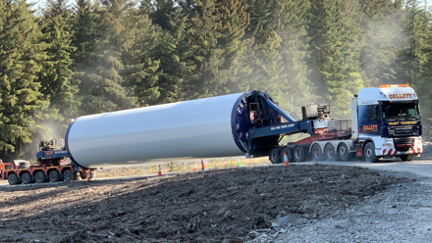
Since the first deliveries in January, for the past six months Collett & Sons Ltd has been traveling the 70-mile route from Ellesmere Port to Clocaenog Forest Wind Farm, steadily delivering the turbine components to the North Wales site.
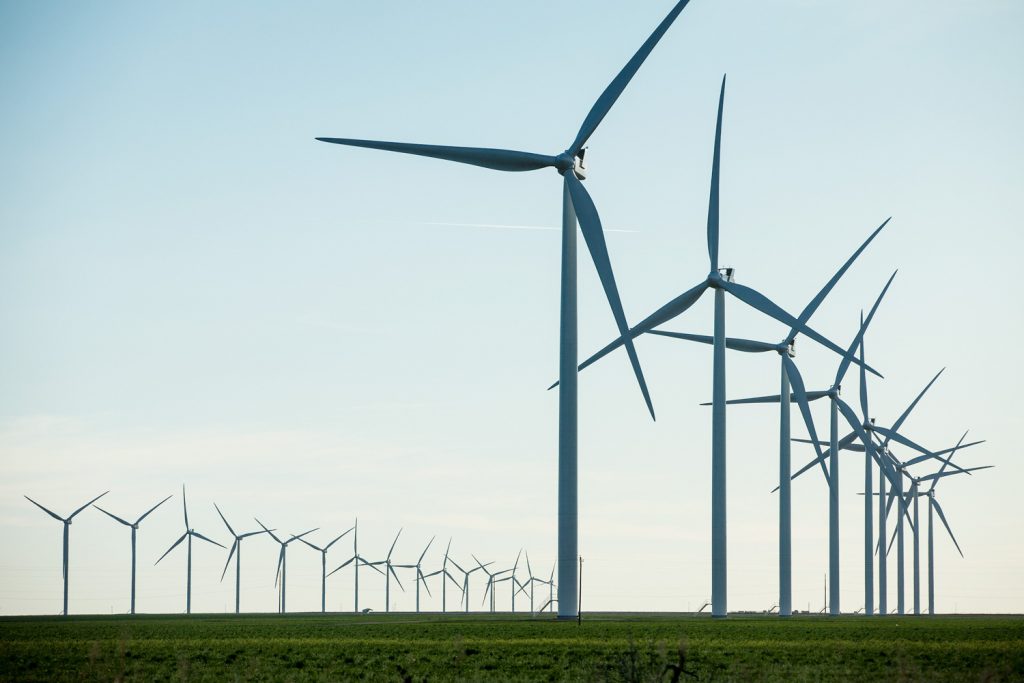
Collett has made the final journey from the port to the development site, delivering the final tower sections to complete the project.

Through the snow of January, the storms of February, and the record-breaking heat of July, Collett methodically delivered each of the 270 components. With a total of 121 abnormal load convoys and 15 self-escorted convoys, Collett covered a staggering 16,929 miles with a total of 12,420 metric tons.

Construction is now underway of the 27 V105 Vestas turbines, which will form Innogy Renewable UK’s North Wales site. Once operational Clocaenog Forest will have an installed capacity of 96 MW and will generate enough renewable energy for the equivalent domestic needs of up to 63,800 average households per year.

MORE INFO  www.collett.co.uk

Vestas and GE Renewable Energy settle multi-patent dispute

0

Vestas Wind Systems A/S and General Electric Company, acting through its Renewable Energy Business, have reached an amicable settlement of all disputes related to multiple patent infringement claims in the U.S.
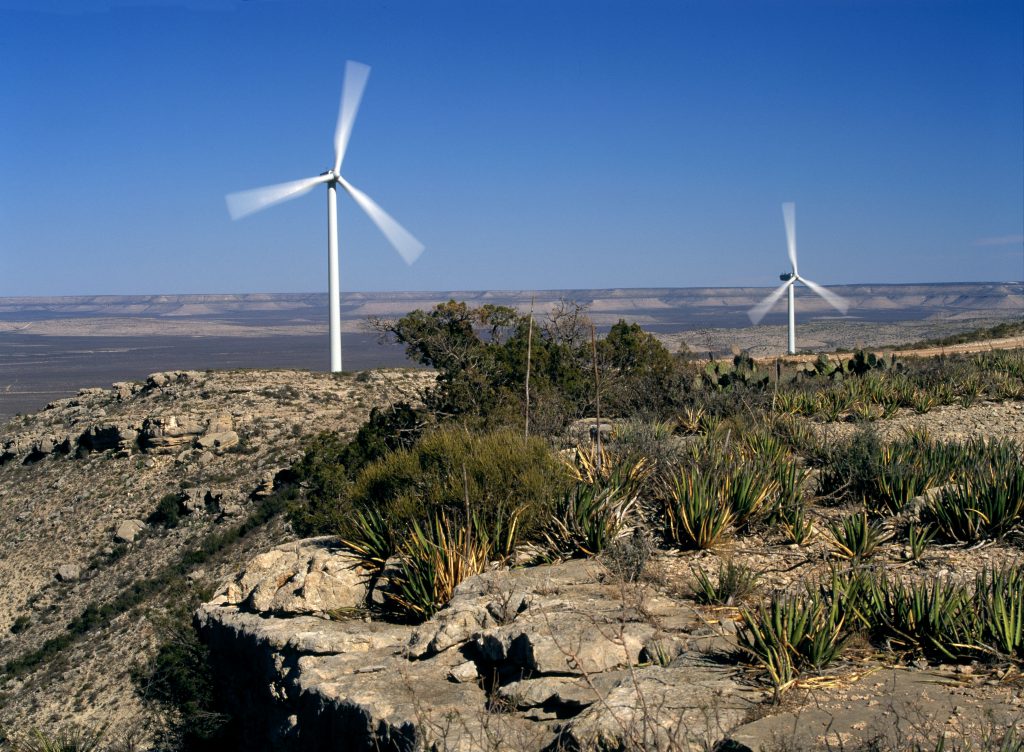
The settlement results in the discontinuation of the case pending in the U.S. District Court for the Central District of California as well as all other pending proceedings related to the patents-in-suit.

The patents-in-suit generally relate to technologies that enable wind turbines to manage grid faults. With this settlement, any past infringements of the patents-in-suit are fully released. In addition, the settlement includes a cross-license to the patents-in-suit and their family members, as well as a confidential payment from Vestas to GE. The cross-license applies globally to the parties’ and their affiliates’ respective onshore and offshore wind businesses and ensures they can use the technology covered by such patents.

The announcement resolves the initial lawsuit GE filed against Vestas and Vestas-American Wind Technology Inc. on July 31, 2017, claiming infringement of its U.S. Patents No. 7,629,705 and No. 6,921,985; Vestas’ two counterclaims against GE claiming infringement of its U.S. Patents No. 7,102,247 and No. 7,859,125 on December 15, 2017; and all pending inter-partes review proceedings with respect to the patents-in-suit.

MORE INFO  www.vestas.com

Record U.S. wind-farm development activity rises in second quarter

0
A 160.5 MW wind power generation facility at Indian Mesa / Clear Sky. (Courtesy: AWEA)

U.S. wind-farm development activity rose to a new high point in the second quarter of 2019, according to new data from the American Wind Energy Association (AWEA).

Strong consumer demand from Fortune 500 businesses and utilities as well as calls from multiple states for offshore projects added to wind power’s growing development pipeline. At the same time, wind-turbine manufacturers saw an increasing number of factory orders for more powerful wind turbines capable of powering almost twice the number of homes as an average wind turbine installed in the past few years.

These findings and the latest industry data are highlighted in AWEA’s newly released U.S. Wind Industry Second Quarter 2019 Market Report. AWEA market reports provide an authoritative status update for the U.S. wind energy industry, which continues to supply a growing share of the American electricity generation while creating well-paying careers and economic opportunity in communities across the country.

“American wind power’s record growth continues to accelerate with over 200 wind farm projects underway in 33 states,” said AWEA CEO Tom Kiernan. “Our industry’s success strengthens the U.S. economy because access to affordable, clean American wind power is a competitive advantage in the eyes of business leaders. And when those businesses invest in U.S. wind energy, it directly benefits the people living and working in our country’s farm, factory, and port communities.”

The record 41,801 MW of U.S. wind capacity under construction or in advanced stages of development represents a 10 percent increase over the level of activity this time last year. The wind-project pipeline grew 7 percent in the second quarter with 7,290 MW in new construction and advanced development activity announced.

Wind power is expanding rapidly in many regions of the U.S. More than 200 wind projects are underway across 33 states, and 15 of those states have more than 1,000 MW of wind capacity that will come online in the near term. Texas hosts the most activity (9,015 MW), followed by Wyoming (4,831 MW), New Mexico (2,774 MW), Iowa (2,623 MW), and South Dakota (2,183 MW). Notably, half of U.S. states have enough projects underway to grow their installed wind capacity by 25 percent or more.

Offshore wind also saw significant activity in the second quarter with bold new offshore wind targets legislated in Maryland (1,200 MW), Connecticut (2,000 MW), and New York (9,000 MW). New Jersey granted its first offshore renewable energy certificate (OREC) award to Ørsted’s 1,100 MW Ocean Wind project — the largest offshore project planned in the U.S. so far. And the activity hasn’t slowed; early in the third quarter, New York Gov. Andrew Cuomo announced Empire Wind and Sunrise Wind as winners of the state’s first call for offshore wind project proposals.

The U.S. grid now includes an additional 736 MW of wind power as developers commissioned four new wind farms in the second quarter. This brings total U.S. wind capacity to 97,960 MW, with more than 57,000 wind turbines operating in 41 states and two U.S. territories. American wind farms now produce enough electricity to power more than 30 million average homes and reliably supply more than 20 percent of the electricity in six states.

Businesses and utilities continue to purchase more wind energy to power their operations. Wind power customers announced new long-term contracts, called power purchase agreements (PPAs), totaling 1,962 MW in the second quarter. Non-utility corporate customers signed up for 52 percent of second quarter PPA capacity. Hormel Foods, Smithfield Foods, Crown Holdings, and Ernst & Young were first-time customers of wind energy in the second quarter, along with repeat customers such as General Mills, Walmart, and Target. Strong demand from utilities accounted for the remaining 48 percent (949 MW) of second quarter PPAs. So far this year, 35 customers have announced wind-power purchases totaling 4,799 MW.

As wind power’s customer base evolves, so too does the technology. Wind turbine manufacturers have introduced new models at a rapid pace over the past few years in pursuit of lowering costs and achieving even stronger performance. As a result, the number of projects selecting wind turbines with a capacity of 3.5 MW or more is growing significantly. In the second quarter alone, wind-turbine manufacturers publicly reported nine orders totaling 2,049 MW for turbines ranging in capacity from 4.2 to 4.5 MW.

“We’re seeing a growing number of wind farms select turbines capable of powering nearly twice as many homes as the average U.S. wind turbine,” Kiernan said. “Wind-technology innovation is keeping pace with demand, but we can’t afford to neglect the power-grid infrastructure that delivers electricity from where it’s made to consumers. We continue to urge the Administration, Congress, FERC, and grid operators to ensure well-designed transmission lines can be planned, permitted, and built in a timely fashion.”

Earlier this year, AWEA’s 2018 U.S. Wind Industry Annual Market Report highlighted the significant economic benefits that grow along with wind-power capacity. Wind farms pay more than $1 billion a year through state and local taxes plus lease payments to landowners, helping preserve the rural way of life in farming and ranching communities across the country. The wind industry also supports a record number of U.S. jobs, more than 114,000, with substantial room to grow as the industry continues to scale up in the heartland and offshore. Roughly a quarter of those careers are found at more than 500 U.S. factories manufacturing or assembling wind-turbine components.

You can learn more about wind power, and potentially visit a wind farm or factory, during the third annual American Wind Week, August 11-17. American Wind Week is a national celebration of U.S. leadership in wind power and the many ways wind powers opportunity for jobseekers, communities, and a cleaner future. A map of events and proclamations is available at AmericanWindWeek.org.

MORE INFO  awea.org

WINDPOWER 2019 attendees got a preview of the multi-tech trade show future

0
CLEANPOWER 2020 will be June 1-4, 2020, at the Colorado Convention Center in Denver, Colorado.

Attendees of the American Wind Energy Association’s (AWEA) WINDPOWER 2019 caught a glimpse of the future as the biggest wind energy conference in the Western Hemisphere announced its next evolution to become CLEANPOWER — an even bigger opportunity for companies in wind, solar, and storage to learn and do business across the utility-scale power sector.

A new WINDPOWER post-show report highlights CLEANPOWER’s potential to add even more value for attendees given the already high level of multi-technology business at AWEA shows.

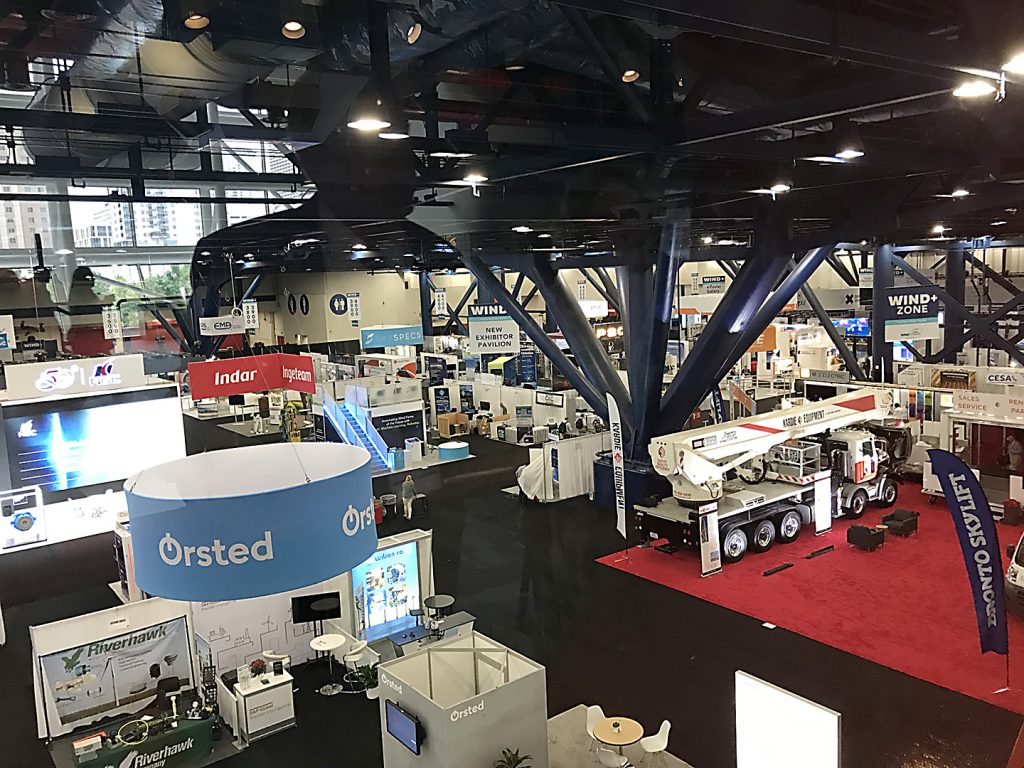
WINDPOWER 2019 took place in May in Houston, the “Energy Capital of the World.” The new post-show report finds that more than 7,000 registered attendees representing the U.S. and 40 other countries were in attendance. The conference featured 274 speakers, 30 percent of which were female, doubling the percentage from 2018. There were 71 education sessions and 65 digital poster presentations. The show also included a 376,000-square-foot exhibit hall with more than 400 exhibits, 60 private meeting rooms and five education theaters — the largest exhibit hall in five years.

“WINDPOWER 2019 was the first step toward creating a more efficient and effective business development experience for renewable energy companies,” said Jana Adams, AWEA senior vice president for Member Value and Experience. “Strong support from pan renewable companies gave us the clear indication of the opportunities that lie ahead under the new CLEANPOWER hub for attendees to network with industry leaders, make deals, and build partnerships across clean energy sectors.”

The 2019 show’s theme, WIND+, was appropriately named as 42 percent of WINDPOWER 2019 exhibitors also do business in renewable segments other than wind. Of that 42 percent: 85 percent are involved in solar; 33 percent are involved in energy storage; 26 percent are involved in hydropower, and 23 percent are involved in other renewable sectors.

“For years, WINDPOWER has been a leading conference for emerging energy technologies and it will continue to be the heart of our next chapter as CLEANPOWER,” Adams said. “Incorporating these technologies into a single exhibition hub will be more convenient for multi-tech businesses as well as companies specializing in wind or utility scale solar who will benefit from an efficient business development forum that attracts an exclusive audience of large-scale developers, corporate buyers and utilities.”

The full report is available here.

CLEANPOWER 2020 will be June 1-4, 2020, at the Colorado Convention Center in Denver, Colorado. Learn more at www.cleanpowerexpo.org.

New York Gov. Andrew Cuomo announces largest procurement of offshore wind power in U.S. history

0

New York Gov. Andrew Cuomo announced Thursday results of the largest procurement of offshore wind power in U.S. history. Two projects, Empire Wind and Sunrise Wind, were named as winners of the state’s first call for offshore wind project proposals. Once completed, the 816-MW Empire Wind project and the 880-MW Sunrise Wind project will be capable of supplying enough electricity to power more than a million homes and are expected to create more than 1,600 jobs.

“Governor Cuomo’s vision to power the Empire State with clean, American-made offshore wind power will benefit all New Yorkers,” said Laura Smith Morton, senior director, Policy and Regulatory Affairs, Offshore, AWEA. “Large-scale wind projects, like those selected, equal large-scale job creation and infrastructure investment in New York City and the state’s coastal communities.”

New York’s offshore wind solicitation, opened late last year, called for 800 MW or more to be developed as a first step toward meeting the state’s nation-leading target to build 9,000 MW of offshore wind energy by 2035. The projects selected are expected to begin offshore construction in late 2022 and be completed by 2024. Before the projects can begin construction, they must pass a series of rigorous federal and state permitting requirements that ensure environmental and economic impacts are considered.

To help make New York a hub for offshore wind, Gov. Cuomo also announced new investments totaling $287 million to construct manufacturing, service, and port facilities in New York as well as $20 million for a new wind workforce training program housed in the State University of New York system.

Promoting investment in offshore wind will strengthen and diversify American energy production. Offshore wind offers unique benefits for a state such as New York, with a large coastal population center and bold policies to reduce greenhouse gas emissions. Steady offshore wind is a reliable source of power and the largest-scale option for renewable energy that can be built close to America’s coastal cities such as New York City.

While the state is emerging as a central leader in the deployment of new clean energy, New York City could miss a major opportunity to be part of that movement. Mayor Bill DeBlasio is reported to be seeking to power the city with imported Canadian hydropower rather than U.S. offshore wind energy that would drive economic development and job creation.

“The city’s enormous potential for clean-energy production lies untapped, just off New York’s shores,” said Andrew Gohn, director, Eastern Region State Affairs, AWEA. “As the city seeks to meet its climate change goals — we urge Mayor De Blasio to buy American and put New Yorkers to work building and operating offshore wind farms rather than importing hydropower from outside of the country.”

Offshore wind is still a young industry in the U.S., but that’s rapidly changing. The 30-MW Block Island Wind Farm, America’s first offshore wind farm, came online in 2016 and the second U.S. offshore project, a 12 MW Dominion Energy wind farm, recently began construction off Virginia. In total, there are more than 25,740 MW in various stages of development off the East Coast and in the Great Lakes, with additional potential off the West Coast.

Many of the offshore wind projects under development, including New York’s, have many times the electricity generating capacity of the Block Island Wind Farm. Building offshore wind at scale will help drive down costs, create thousands of new U.S. jobs, and drive billions of dollars in private investment. According to a study by the New York-based Workforce Development Institute, building an offshore wind farm requires a diverse technical workforce spanning an estimated 74 occupations including electricians, welders, ironworkers, pipefitters, pile drivers, engineers, scientists, and vessel operators. Another study by the Special Initiative on Offshore Wind found building 18.6 GW of offshore wind by 2030 will create a nearly $70 billion opportunity of U.S. supply chain businesses.

More info: awea.org


NRG Systems names new president for next phase

0

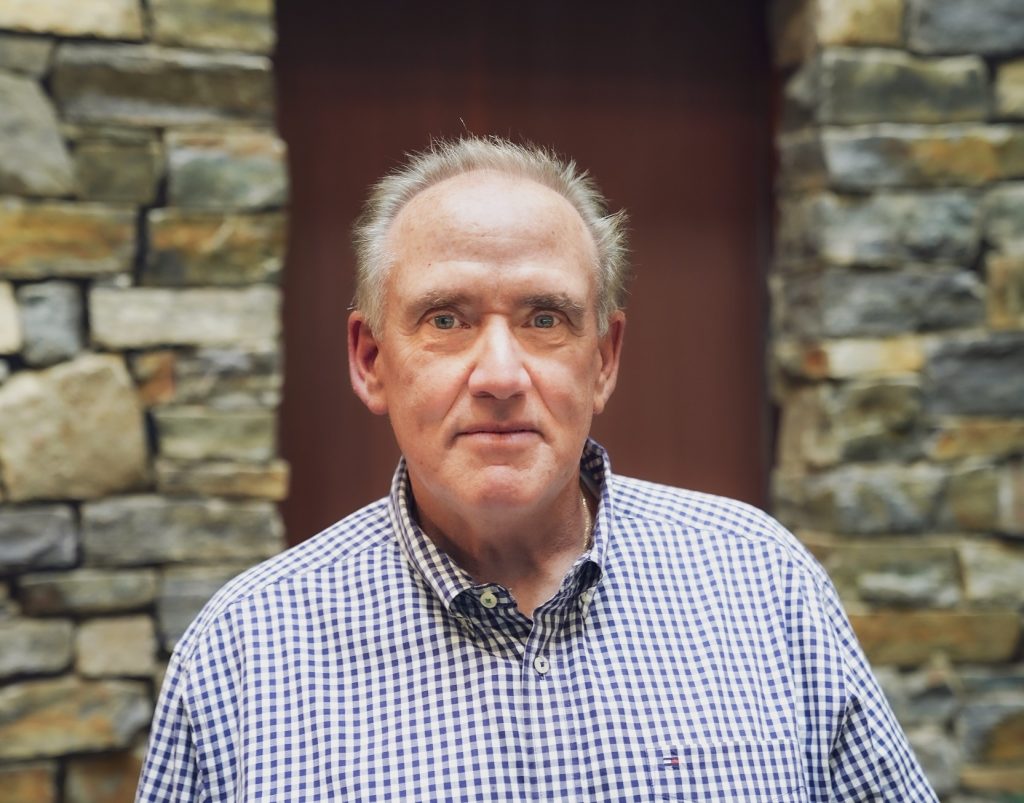
NRG Systems, Inc. recently announced that Evan Vogel has joined the company as president.

Vogel brings more than 30 years of experience in power, energy, and renewables to his new role, most recently overseeing marketing and engineering for Schneider Electric’s Solar and Energy Storage Business. Vogel also led Schneider’s transition from hardware focus to include a unique, cloud-connected SaaS platform that drove double-digit growth.

“I am excited to be joining NRG Systems at a truly pivotal point in the company’s trajectory,” Vogel said. “With the expansion of its solar and remote sensing products lines, growing service offerings, and the introduction of its Bat Deterrent System, NRG’s portfolio has never been more diverse. I believe my experience in solar as well as bringing exciting new technologies to market will prove valuable as we enter into this new chapter.”
Vogel, who holds a B.S.E.E. degree from New York University and MBA from Adelphi University, also served as vice president of marketing at Power-One, and later as the general manager of the company’s Global Business Unit, which saw revenues of $550 million. In addition to his positions at publicly traded Fortune 500 and S&P500 listed companies, Vogel has played a key role in leading start-ups, including Ampt and Petra Solar, to market and profitability.

“I have a true passion for renewable energy,” Vogel said. “This is why I have dedicated the last 15 years of my career to the solar market. NRG Systems’ mission is close to my heart, and I look forward to learning and growing with this pioneering company.”

Vogel succeeds Justin Wheating, who retired as president of NRG Systems in June.

More info: nrgsystems.com

Covestro delivers order of raw materials to China

0

Power generation from renewable sources is a key part of the sustainability concept of Covestro and underlines its commitment to achieving the UN Sustainable Development Goals, in particular goal number 7 for renewable energy (UN-SDG 7).

This applies above all to wind power, which is one of the most promising renewable energy sources due to its global availability and the technical progress already made.

This is also reflected in the development of wind-power capacity, which is seeing double-digit annual growth across the globe. China is the world’s largest wind-power market with 221 GW of installed capacity at the end of 2018, according to the World Wind Energy Association.

However, cost-efficient processes for manufacturing wind-power plants are in greater demand than ever to enable further expansion and for competing with traditional energy resources. Once in operation, the aim is for turbines to be used over a lengthy period with the lowest possible maintenance requirements.

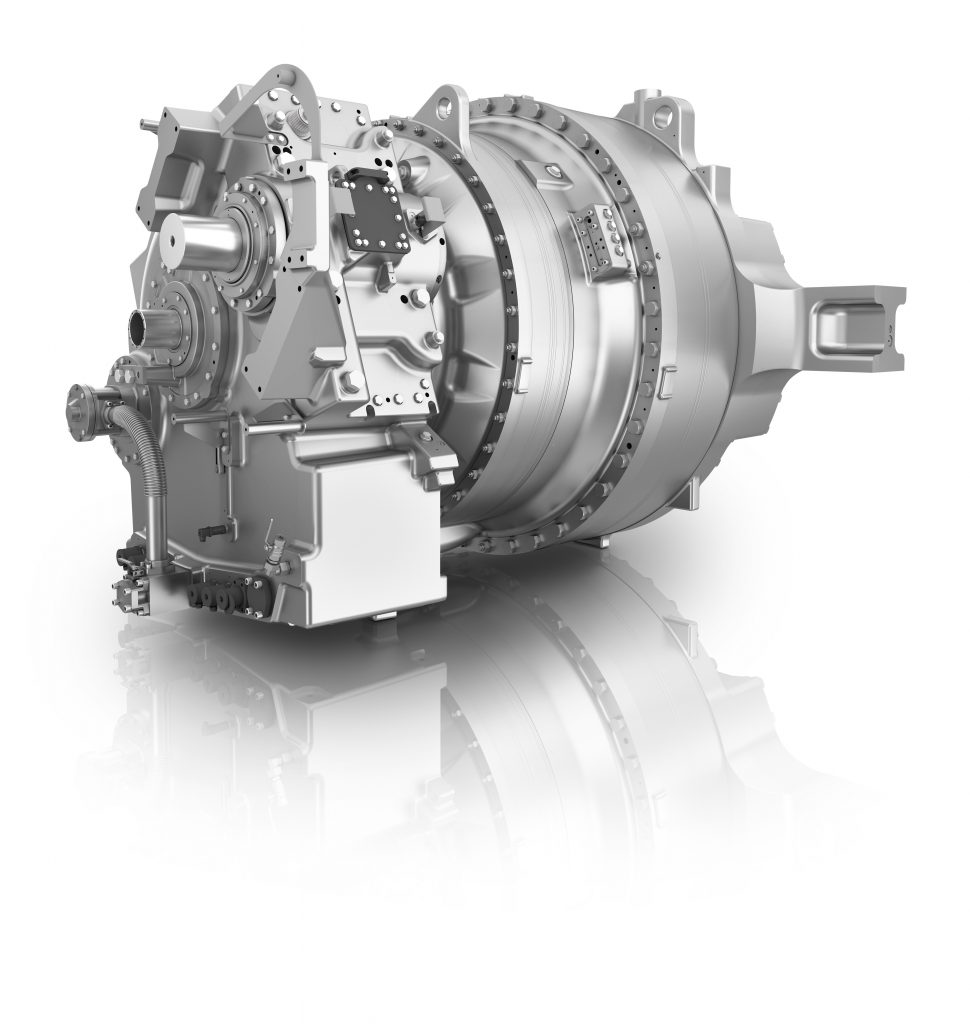
In order to meet this challenge, Covestro has joined forces with partners and developed a polyurethane (PU) resin and a manufacturing technology, which — in conjunction with glass fiber mats and an efficient production process — enables shorter cycle times.

“This is a clear cost advantage for manufacturers,” said Dirk Soontjens, who coordinates the global wind power activities of Covestro. “Its advantage over epoxy resins used so far is that it flows more easily and ensures better wetting of the glass fiber mats used for reinforcement.”
The resin also exhibits good mechanical properties and meets many regulatory and industry performance standards.

Recently, Covestro has processed the first commercial order for use of the PU resin for production of 18 wind rotor blades with a length of 59.5 meters each, together with the respective spar caps and shear webs, all manufactured by Zhuzhou Times New Material Technology (TMT), one of the largest wind-blade manufacturers in China. The blades were delivered to Envision, a leading global wind turbine technology company and were scheduled to be installed in a wind farm in Eastern China in July 2019.

Also in Europe, Covestro collaborates with leading players of the wind-power industry and intends to commercialize its technology shortly. Besides that, Covestro operates a new wind-power laboratory in Leverkusen, which expanded its global lab capacities in Asia and Europe to support customers and innovation.

Covestro has also developed coating solutions with higher cost efficiency. For instance, protective coatings based on Pasquick® technology for steel towers as well as gel coatings for blades of wind-power plants significantly increase productivity and ensure a long lasting performance without maintenance. This is due to the fact that the use of Pasquick® requires one layer less than conventional corrosion protection, and the coatings have a lower curing time.

Besides that, waterborne topcoats based on Bayhydur® and Bayhydrol® provide long-lasting performance with low solvent emissions. Last but not least, Covestro also offers leading edge protection for rotor blades based on products of the Desmodur® line, providing long lasting protection against abrasion.

More info: www.covestro.com

ZF Wind Power gets certificate for SHIFT 4k platform

0

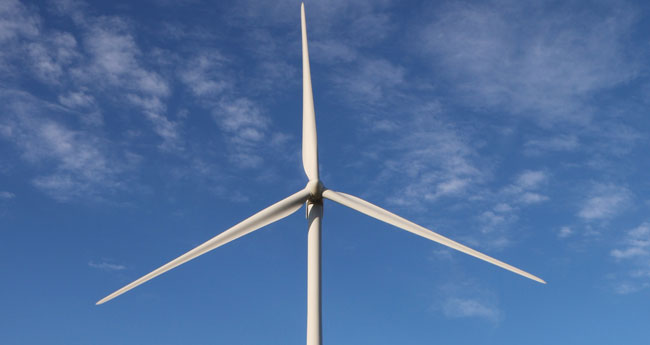
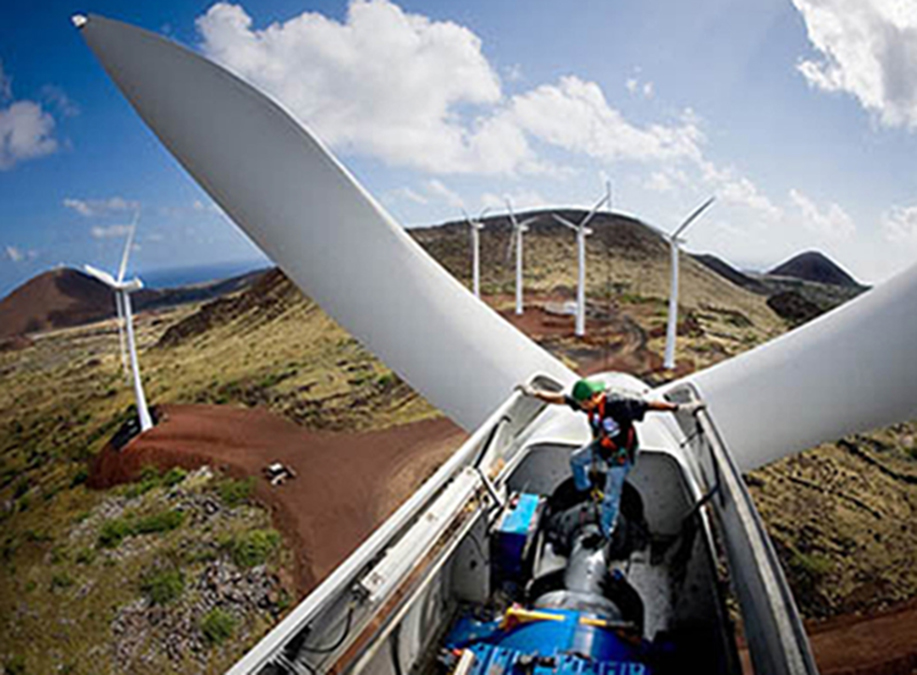
ZF Wind Power’s SHIFT 4k platform received a ‘type and component certificate’ from the international classification society DNV GL, for its complete platform range.

In the past, every gearbox design had to go through a long administration process of calculation files, validation results, and more. As of now, all SHIFT 4k designs are covered with the ‘type and component certificate.’ Customers will profit from the certificate as it speeds up processes, thus saving time and money and boosting productivity.

As time is valuable, this certificate from DNV GL will save costs for OEMs and turbine owners. In the past, the administrative process could take a few months and now, thanks to the platform’s certificate, the gearbox is ready to be installed immediately. Consequently, turbines or upgrades can be installed faster and thus productivity will increase.

The launch of ZF Wind Power’s SHIFT platform in 2016 marked a shift in the wind market: The modular approach of the platform offers more flexibility in terms of gearbox development and next-generation turbine concepts, consequently reducing customer’s levelized cost of energy. To quickly anticipate the market’s needs, pre-developed and upgradable designs allow the customer to follow future market trends closely and speed up the process.
Having received the ‘type and component certificate’ by DNV GL, ZF is committed to implementing the platform philosophy across its entire product roadmap.

“Our goal is to obtain this certificate for our other SHIFT platforms as well,” said Mitja Schulz, head of ZF Wind Power. “We are convinced that this will help our customers to make a faster SHIFT towards the future.”

More info: www.zf.com

Siemens Gamesa awarded repowering order in North America

0

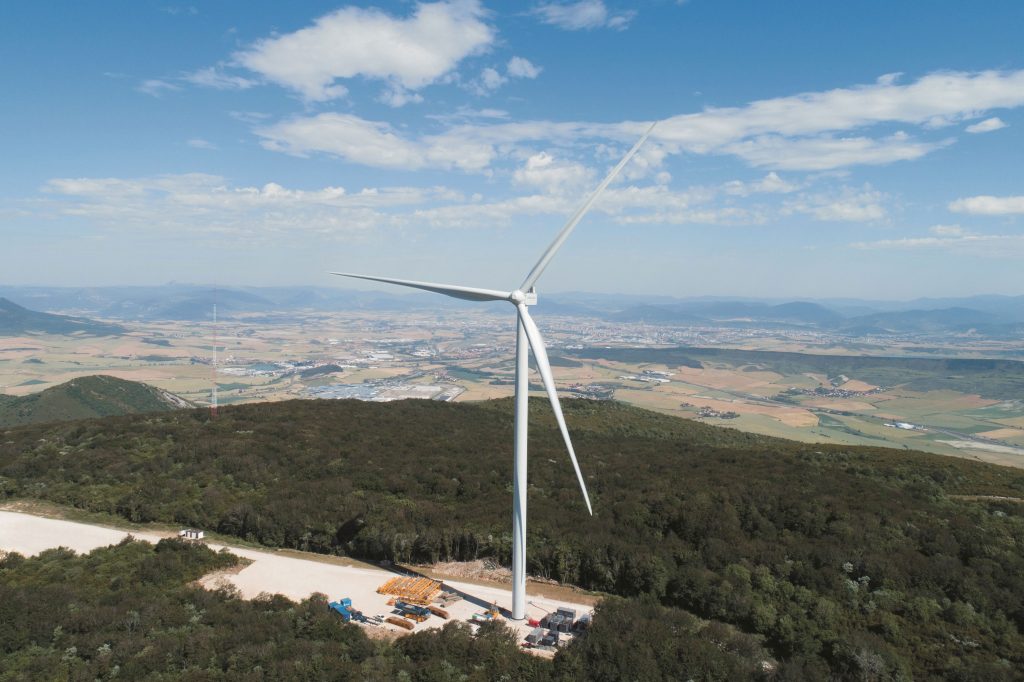
Siemens Gamesa has been selected by MidAmerican Energy Company for the Rolling Hills wind power project for a total of 429.3 MW, the largest repowering order to date in North America.

The company will repower the project with 163 SG 2.7-129 and 18 previously sold SWT-2.3-108 wind turbines.

Rolling Hills is in Adair, Adams, and Cass counties in Iowa and features 193 SWT-2.3- 101 turbines. The repowering project includes replacement of the blades, hubs, and nacelles for all units and top-tower sections for the SG 2.7-129 units. Commissioning of the project is expected for late 2021.

The SG 2.7-129 turbine builds on the robust and successful 2.3-MW geared product series.

“We are excited to provide upgraded equipment and technology to the Rolling Hills project in Iowa, a national leader in the wind energy industry,” said José Antonio Miranda, CEO of Onshore Americas at Siemens Gamesa Renewable Energy. “This new project is a testament to MidAmerican Energy’s confidence in us as well as Iowa, where we have supplied them with more than 2.6 GW. The blades will be produced right there in Iowa, and the nacelles and hubs will come from neighboring Kansas, making this a truly local project.”

Siemens Gamesa has installed more than 10,000 wind turbines in the U.S. totaling approximately 20 GW of installed capacity. In Iowa, Siemens Gamesa has installed nearly 1,400 wind turbines for a total of almost 3.5 GW. The company has a strong footprint consisting of service, offices, and two manufacturing facilities in Fort Madison, Iowa, and Hutchinson, Kansas.

New Energy Update releases Wind O&M report

0

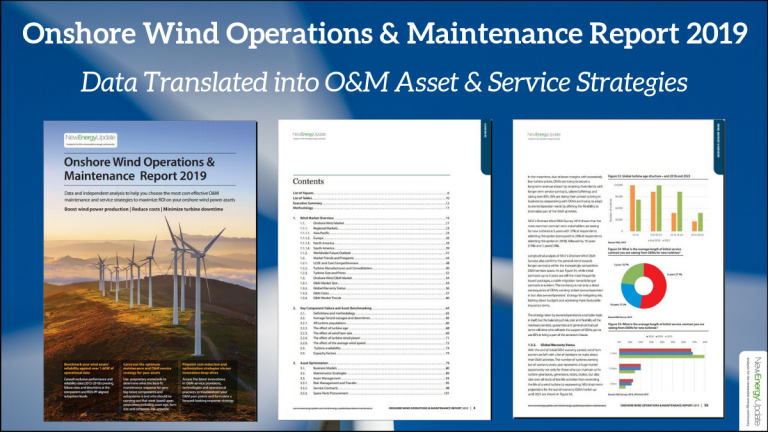
With real world data translated into O&M asset and service strategies, the 2019 edition of the Onshore Wind Operations & Maintenance Report provides the complete value chain with the analysis needed to navigate the shifting onshore wind power marketplace and formulate the most cost-effective O&M strategies for your wind power assets.

Key reasons to secure the report:

  1. Benchmark your wind assets’ reliability against over 1.6GW of operational data: Consult proprietary reliability data collated from seven onshore markets during 2015-2018 covering failure rates and downtime at the component and RDS-PP aligned subsystem levels
  2. Predict, plan, and prevent: Avoid unplanned downtime that could wipe-out your ROI on wind power assets by identifying failure rates and repair times for key components
  3. Carve out the optimum maintenance and O&M service strategy for your assets: Determine what the best-fit maintenance response for your big-ticket components and subsystems is.
  4. Pinpoint cost-reduction and optimization strategies via our innovation deep-dives: Access the latest innovations in O&M service provisions, technologies, and operational practices to troubleshoot your O&M pain points, formulate a forward-looking response strategy, and stay ahead of your competitors
  5. Benchmark your investment strategy against the global peer group: Determine where your clients and competitors are investing O&M resources over the next five-years.
  6. Save time and money: We provide the data, analysis, and actionable strategies you need to optimize your wind O&M strategy so you can focus resources where it counts.

 What does the report cover?

  • O&M Market Sizing and Growth Forecasts by Country, Region, and Global Levels: Consult the latest market capacity and O&M data, including turbine capacity and pricing trends, global warranty status, and O&M costs.
  • Performance Optimization and Reliability at Component and Sub-System Level: Explore failure rates, downtimes and availability and understand of how data-driven systems can influence decision making.
  • Maintenance Response: Based upon key wind-farm characteristics and the use of different types of CMS, explore performance and cost dynamics and see what type of work should be done on your assets.
  • Service Response: Who should be carrying out what work on your windfarm over the project lifecycle based upon key wind farm characteristics and owner/operator profile?
  • Trends in Global Wind O&M: Including contract lengths, contract switching appetite, risk perceptions by service provider, drivers for service provision selection, and O&M cost per MWh.
  • Revenue Opportunities and Protection: Get advice on how you can set operations up for the future, including risk appetite, cyber protection, better repowering options, and service options.
  • Lifetime Extension and Repowering: Understand your asset and how you can manage to reduce LCOE and gain additional revenue from aging units or transform aging assets into new opportunities using the latest advancements.

More info: newenergyupdate.com

Airway Services announces ISO 9001:2016 Certificate

0

Airway Services recently announced the successful completion of its International Organization for Standardization (ISO) 9001:2015 audit for its corporate office in San Angelo, Texas.
The audit’s objective is to set international requirements for quality management systems.

The audit was performed by QAS International (QAS) on April 23, 2019 and Airway Services passed the most recent version of the audit. The internationally recognized ISO 9001 standard is applicable to any manufacturing or service industry.

“This certification confirms that our quality management system consistently provides outstanding services that meet or exceed our customers’ needs,” said Chase Hord, president and CEO of Airway Services. “Our team is incredibly proud to be recognized for our exemplary safety record and continuous improvements to our processes.”

The approved administration systems apply to the following:

  • Blade repairs.
  • Major component change-outs.
  • Scheduled maintenances.
  • QA/QC.
  • Construction support.
  • On numerous OEM and wind turbine models.

The newest version of the ISO 9001 certification contains key updates including an emphasis on risk-based thinking to enhance the application of the process approach, improved applicability for services and increased leadership requirements.


Operators need to invest in disruptive technology, says Onyx Insight

0

Micro Electro-Mechanical Systems (MEMS) have radically changed the return on investment model for turbine condition monitoring in the United States, helping wind-farm owners make significant OPEX savings.
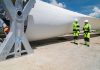

By cutting the cost of condition monitoring systems (CMS), low-cost MEMS sensors have helped wind-farm owners to improve operational planning, cut unscheduled maintenance, and make OPEX savings of up to 8 percent each year, according to ONYX InSight.

First introduced by ONYX InSight in the wind-energy industry, MEMS sensors are used in CMS hardware to measure and report on vibration, temperature and oil condition in the drive train. With billions of MEMS sensors manufactured every year for use in equipment from mobile phones and pacemakers to automotive and aviation safety systems, the technology is low cost and highly reliable. MEMS equipped CMS have transformed the return on investment for turbine monitoring, particularly for owners of smaller or older models. Lowering the cost of CMS hardware has allowed owners to refine repair and maintenance strategies to realize greater OPEX savings.

“ONYX InSight’s ecoCMS monitoring equipment has convinced operators to look again at the financials of CMS,” said Ashley Crowther, Global VP of Sales at ONYX InSight. “Built with MEMS sensors and IOT technology rather than legacy technology such as piezoelectric accelerometers and rotating hard drives, which has historically been too expensive to justify, the disruptive hardware is transforming the CM market, making fleet owners sit up and take notice of the financial benefits predictive maintenance can bring.”

The latest CMS hardware collects a wide range of wind-turbine performance metrics, allowing wind-farm operators to identify and confirm faults much earlier and to act preventatively to save money on repairs and site visits. The low-cost technology can benefit older and smaller turbine models significantly, where condition-based maintenance strategies have long been seen as uneconomic. Across 500 CMS installations recently carried out by ONYX InSight for a multi-brand fleet, more than 50 turbines were identified as in need of repairs that had previously gone undiscovered by the operator.

“We live in a data rich world,” Crowther said. “And to realize the advantages of all that data, we must be able to capture, process, and interpret it effectively. By reducing the cost of data capture, recent advancements in CMS technology will help more wind-farm operators improve their operations and the profitability of the energy they produce.”

MORE INFO  www.onyxinsight.com